

Therapy Professions

Catalog

Browse eligible courses by profession.

Filter by
100 courses Catalog: Therapy Professions
Type: OnlineCourse Code: 20-1159046 Duration: 0 minutes

Online course 0 hours

Course Description: This course discusses the fact that accidental injury is the current leading cause of death in children and adolescents in the United States. The purpose of this course is to review the most common types of injuries and their consequences, the nursing care of injured children, and anticipatory guidance for preventing injuries and keeping children safe.

Contact Hour(s): 

1.5 contact hour

Author: 

Sarah Schulze, MSN, APRN, CPNP, PMHS, CLC

This peer-reviewed course is applicable to the following professions: 

Advanced Practice Registered Nurse (APRN), Athletic Trainer (AT/AL), Certified Nurse Midwife, Certified Nurse Practitioner, Certified Registered Nurse Practitioner, Clinical Nurse Specialist (CNS), Licensed Nursing Assistant (LNA), Licensed Practical Nurse (LPN), Midwife (MW), Nursing Student, Occupational Therapist (OT), Occupational Therapist Assistant (OTA), Physical Therapist (PT), Physical Therapist Assistant (PTA), Registered Nurse (RN)

Accreditations: 

The American Nurses Credentialing Center (ANCC), The American Occupational Therapy Association (AOTA), Board of Certification for Athletic Trainers (BOC)

The American Occupational Therapy Association (AOTA): CEUFast, Inc. is an AOTA Provider of professional development. PD activity approval ID# 9722. This distant learning-independent activity is offered at 0.15 CEUs Intermediate, Categories: Foundational Knowledge. The assignment of AOTA CEUs does not imply endorsement of specific course content, products, or clinical procedures.

State Approvals:

Alabama, Provider #ABNP1485; California BRN Provider #CEP # 13509, Florida Physical Therapy Association Approval: CE26-1159046, Nevada Board of Physical Therapy; New York State Education Department's State Board for Physical Therapy

Course Description: 

This course discusses the fact that accidental injury is the current leading cause of death in children and adolescents in the United States. The purpose of this course is to review the most common types of injuries and their consequences, the nursing care of injured children, and anticipatory guidance for preventing injuries and keeping children safe.

Outcomes: 

≥ 92% of participants will have a better understanding of the mechanism for childhood injury, associated risk factors, nursing care, and anticipatory guidance for injury prevention.

Objectives: 

After completing this continuing education course, the participant will be able to:

  1. State why accidental injuries are a pediatric health concern.
  2. List the risk factors for accidental injury based on age, gender, race, and other variables.
  3. Determine the appropriate anticipatory guidance for the prevention of childhood injury and death by suffocation, strangulation, and choking.
  4. Differentiate the risks of drowning based on a child’s age.
  5. Identify the age-appropriate anticipatory guidance for motor vehicle safety.
  6. Describe the various mechanisms of injury that lead to falls, based on age.
  7. Examine the spectrum of care utilized in poisonings and how to determine what treatment a child needs.
  8. Explain how to determine the stage and surface area percentage of a burn.
  9. Recognize the risk factors for firearm injury in children with guns in their home.
  10. Explain the risks of social media usage.
  11. Identify the red flags for when an injury may be intentional or abuse rather than accidental.

 Disclosures:CEUFast Inc. and the course planning team for this educational activity do not have any relevant financial relationship(s) to disclose with ineligible companies whose primary business is producing, marketing, selling, re-selling, or distributing healthcare products used by or on patients.


Type: OnlineCourse Code: 20-810698 Duration: 0 minutes

Online course 0 hours

Course Description: This course provides an overview of the epidemiology, pathogenesis and suspected causes, clinical presentation, diagnosis, prevention, and treatment of Acute Flaccid Myelitis (AFM). Course Outcome:≥ 92% of participants will know the epidemiology, pathogenesis, clinical presentation, diagnosis, prevention, and treatment of Acute Flaccid Myelitis (AFM).Obje...

Contact Hour(s): 

1.5 Contact Hours

Author:

Katrina Pfeiffer, RN, MSN, CPN

This peer-reviewed course is applicable for the following professions:

Advanced Practice Registered Nurse (APRN), Athletic Trainer (AT/AL), Certified Registered Nurse Anesthetist (CRNA), Certified Registered Nurse Practitioner, Clinical Nurse Specialist (CNS), Licensed Practical Nurse (LPN), Licensed Vocational Nurses (LVN), Midwife (MW), Nursing Student, Physical Therapist (PT), Physical Therapist Assistant (PTA), Registered Nurse (RN), Respiratory Care Practitioner, Respiratory Therapist (RT)

Accreditations: 

The American Nurses Credentialing Center (ANCC), Board of Certification for Athletic Trainers (BOC)

State Approvals:

Alabama, Provider #ABNP1485; California BRN Provider #CEP # 13509; Florida Physical Therapy Association Approval: CE26-810698; Kentucky Board of Nursing Provider #7-0085; Florida Board of Nursing Provider 50-353; New York State Education Department’s State Board for Physical Therapy

Course Description:

This course provides an overview of the epidemiology, pathogenesis and suspected causes, clinical presentation, diagnosis, prevention, and treatment of Acute Flaccid Myelitis (AFM). 

Course Outcome:

≥ 92% of participants will know the epidemiology, pathogenesis, clinical presentation, diagnosis, prevention, and treatment of Acute Flaccid Myelitis (AFM).

Objectives:

After completing this continuing education course, the participant will be able to:

  1. Define Acute Flaccid Myelitis.
  2. Determine the occurrence and trends in Acute Flaccid Myelitis.
  3. Describe the pathogenesis of Acute Flaccid Myelitis.
  4. Identify the clinical manifestations of Acute Flaccid Myelitis.
  5. Indicate the clinical criteria for a probable versus a confirmed case of Acute Flaccid Myelitis.
  6. Evaluate the strategies to prevent the spread of Acute Flaccid Myelitis.
  7. Interpret the prognosis of patients experiencing Acute Flaccid Myelitis.

Disclosures:

CEUFast Inc. and the course planning team for this educational activity do not have any relevant financial relationship(s) to disclose with ineligible companies whose primary business is producing, marketing, selling, re-selling, or distributing healthcare products used by or on patients.

Type: OnlineCourse Code: 20-1313828 Duration: 0 minutes

Online course 0 hours

Course Description: This course discusses addiction by defining key terms, differentiating between various substance use disorders, and outlining diagnostic criteria. It also covers the risks associated with opioid medications, patient evaluation techniques, and compares treatment options such as methadone, buprenorphine, and naltrexone. Upon completion, participants will be...

This course meets the Kentucky APRN Requirements

Contact Hour(s): 

 2.5 Contact hours, including 2.5 Advanced Pharmacology Hours

Author:

Raymond Lengel, MSN, FNP-BC, RN

This peer-reviewed course is applicable for the following professions:

Advanced Practice Registered Nurse (APRN), Athletic Trainer (AT/AL), Certified Nurse Midwife, Certified Nurse Practitioner, Certified Registered Nurse Anesthetist (CRNA), Certified Registered Nurse Practitioner, Clinical Nurse Specialist (CNS), Licensed Practical Nurse (LPN), Licensed Vocational Nurses (LVN), Midwife (MW), Nursing Student, Occupational Therapist (OT), Occupational Therapist Assistant (OTA), Physical Therapist (PT), Physical Therapist Assistant (PTA), Registered Nurse (RN), Registered Nurse Practitioner

Accreditations: 

The American Nurses Credentialing Center (ANCC), The American Occupational Therapy Association (AOTA), Board of Certification for Athletic Trainers (BOC)

CEUFast, Inc. is an AOTA Provider of professional development. PD activity approval ID# 14031. This distant learning-independent activity is offered at 0.025 CEUs, Intermediate, Categories: OT Service Delivery, Foundational Knowledge. The assignment of AOTA CEUs does not imply endorsement of specific course content, products, or clinical procedures.

State Approvals:

  • Alabama, Provider #ABNP1485; California BRN Provider #CEP # 13509; Florida Physical Therapy Association Approval: CE26-1313828; Kentucky Board of Nursing Provider #7-0085; Florida Board of Nursing Provider 50-353; Nevada Board of Physical Therapy; New York State Education Department’s State Board for Physical Therapy

Course Description:

This course discusses addiction by defining key terms, differentiating between various substance use disorders, and outlining diagnostic criteria. It also covers the risks associated with opioid medications, patient evaluation techniques, and compares treatment options such as methadone, buprenorphine, and naltrexone. Upon completion, participants will be better equipped to assess and manage addiction disorders in clinical settings. This course meets the Kentucky APRN Requirements. 

Outcomes:

≥ 92% of participants will know how to assess and manage addiction.

Objectives:

After completing this continuing education course, the participant will be able to:

  1. Define addiction and other terms associated with substance abuse.
  2. Compare and contrast substance use disorder (SUD), opioid use disorder (OUD), alcohol use disorder (AUD), and cannabis use disorder (CUD).
  3. Describe the risks of abuse and addiction to opioid medications.
  4. Summarize the evaluation of a patient with a SUD.
  5. Compare and contrast the use of methadone, buprenorphine, and naltrexone in the management of OUD.
  6. Identify five professional standards of 201 KAR 20:065 for prescribing Buprenorphine-monoproduct or Buprenorphine/Naloxone.

 Disclosures:

CEUFast Inc. and the course planning team for this educational activity do not have any relevant financial relationship(s) to disclose with ineligible companies whose primary business is producing, marketing, selling, re-selling, or distributing healthcare products used by or on patients.

Type: OnlineCourse Code: 20-1361410 Duration: 0 minutes

Online course 0 hours

Course Description: This course discusses the prevalence and diagnostic criteria of adult obesity, its complex pathophysiology, and obesity-related conditions. This course also discusses comprehensive clinical assessment findings in those with obesity. Evidence-based obesity interventions, including nutrition counseling, physical activity recommendations, pharmacological tre...

Contact Hour(s): 

 2 Contact hours, including 2 Advanced Pharmacology Hours

Author:

 Sarah Beattie DNP, APRN-CNP, CDCES

This peer-reviewed course is applicable for the following professions:

Advanced Practice Registered Nurse (APRN), Athletic Trainer (AT/AL), Certified Nurse Midwife, Certified Nurse Practitioner, Certified Registered Nurse Anesthetist (CRNA), Certified Registered Nurse Practitioner, Clinical Nurse Specialist (CNS), Licensed Practical Nurse (LPN), Licensed Vocational Nurses (LVN), Midwife (MW), Nursing Student, Physical Therapist (PT), Physical Therapist Assistant (PTA), Registered Nurse (RN), Registered Nurse Practitioner, Respiratory Therapist (RT)

Accreditations: 

The American Nurses Credentialing Center (ANCC),

Board of Certification for Athletic Trainers (BOC)

State Approvals:

Alabama, Provider #ABNP1485; California BRN Provider #CEP # 13509; Florida Physical Therapy Association Approval: CE26-1361410; Kentucky Board of Nursing Provider #7-0085; Florida Board of Nursing Provider 50-353; Nevada Board of Physical Therapy; New York State Education Department’s State Board for Physical Therapy

Course Description:

This course discusses the prevalence and diagnostic criteria of adult obesity, its complex pathophysiology, and obesity-related conditions. This course also discusses comprehensive clinical assessment findings in those with obesity. Evidence-based obesity interventions, including nutrition counseling, physical activity recommendations, pharmacological treatment, and surgical/procedural interventions, are also discussed in detail. Weight bias and stigma, and their effects on nursing care, are also discussed.

Outcomes:

≥ 92% of participants will know the comprehensive evaluation and management of adults living with obesity.

Objectives:

After completing this continuing education course, the participant will be able to:

  1. Relate the incidence and prevalence of obesity in the adult population.
  2. Differentiate between the terms overweight and obese.
  3. Explain the pathophysiology of obesity.
  4. Examine obesity-related conditions and complications.
  5. Elaborate on a comprehensive assessment of an adult with obesity.
  6. Summarize evidence-based clinical practice guidelines for the treatment of obesity.
  7. Recognize weight stigma in practice and how to promote stigma-free care.

Disclosures:

CEUFast Inc. and the course planning team for this educational activity do not have any relevant financial relationship(s) to disclose with ineligible companies whose primary business is producing, marketing, selling, re-selling, or distributing healthcare products used by or on patients.



Type: OnlineCourse Code: 20-1264989 Duration: 0 minutes

Online course 0 hours

Course Description: This course discusses the basics of Medicare and Medicaid, how reimbursements work, what organizations are impacted by reimbursements, how they are reviewed for quality measures, and how to reduce hospital readmissions to cut costs.

Contact Hour(s): 

2 Contact hours

Author:

Shelly McDonald, DNP, MSN, RN, PHNC

This peer-reviewed course is applicable for the following professions:

Advanced Practice Registered Nurse (APRN), Certified Nurse Midwife, Certified Nurse Practitioner, Certified Registered Nurse Practitioner, Clinical Nurse Specialist (CNS), Licensed Practical Nurse (LPN), Licensed Vocational Nurses (LVN), Midwife (MW), Nursing Student, Occupational Therapist (OT), Occupational Therapist Assistant (OTA), Physical Therapist (PT), Physical Therapist Assistant (PTA), Registered Nurse (RN), Respiratory Therapist (RT)

Accreditations:

The American Nurses Credentialing Center (ANCC), The American Occupational Therapy Association (AOTA) 

CEUFast, Inc. is an AOTA Provider of professional development.  PD activity approval ID# 12168. This distant learning-independent activity is offered at 0.2 CEUs Intermediate, Categories: Professional Issues.  The assignment of AOTA CEUs does not imply endorsement of specific course content, products, or clinical procedures.


State Approvals:

Alabama, Provider #ABNP1485; California BRN Provider #CEP # 13509; Florida Physical Therapy Association Approval: CE 25-1264989, CE26-1264989; Kentucky Board of Nursing Provider #7-0085; Florida Board of Nursing Provider 50-353; Kentucky Board of Licensure for Occupational Therapy; Nevada Board of Physical Therapy; New York State Education Department’s State Board for Physical Therapy  

Course Description:

This course discusses the basics of Medicare and Medicaid, how reimbursements work, what organizations are impacted by reimbursements, how they are reviewed for quality measures, and how to reduce hospital readmissions to cut costs.

Outcomes:

≥ 92% of participants will know what Medicare and Medicaid cover and how reimbursements work, including how healthcare organizations are paid. 

Objectives:

After completing this continuing education course, the participant will be able to:

  1. Outline the fundamental components of Medicare and Medicaid.
  2. Identify the most common diagnostic profiles, payment models, settings, and components that differentiate Medicare Part A from Part B.
  3. Document examples of acute, post-acute, rehabilitation hospital, outpatient, ambulatory, assisted living, and skilled nursing payment models and diagnostic profiles.
  4. Summarize how each interdisciplinary team member can contribute to reducing repeated hospital admission rates.
  5. Explain how various medical or allied health professionals can contribute to reducing repeated hospital admission rates across the continuum of care.


Disclosures:

CEUFast Inc. and the course planning team for this educational activity do not have any relevant financial relationship(s) to disclose with ineligible companies whose primary business is producing, marketing, selling, re-selling, or distributing healthcare products used by or on patients.

Type: OnlineCourse Code: 20-596939 Duration: 0 minutes

Online course 0 hours

Course Description: This course discusses the Human Immunodeficiency Virus (HIV) and its end-stage Acquired Immunodeficiency Syndrome (AIDS), along with strategies for extending the disease process and allowing for a high-quality life despite the presence of an otherwise terminal disease.Outcomes≥ 92% of participants will know the most current, evidence-based information abo...

Contact Hour(s): 

1 Contact hour, including 1 Advanced Pharmacology Hour

Author:

David Tilton, RN, BSN

This peer-reviewed course is applicable for the following professions:

Advanced Practice Registered Nurse (APRN), Athletic Trainer (AT/AL), Certified Medication Assistant (CMA), Certified Nurse Midwife, Certified Nurse Practitioner, Certified Nursing Assistant (CNA), Certified Registered Nurse Anesthetist (CRNA), Clinical Nurse Specialist (CNS), Dietetic Technicians, Registered (DTR), Dietitian/Nutritionist (RDN), Electrologist (EO), Home Health Aid (HHA), Licensed Nursing Assistant (LNA), Licensed Practical Nurse (LPN), Licensed Vocational Nurses (LVN), Medical Assistant (MA), Medication Aide, Midwife (MW), Nursing Student, Occupational Therapist (OT), Occupational Therapist Assistant (OTA), Pedorthist (PED), Physical Therapist (PT), Physical Therapist Assistant (PTA), Registered Nurse (RN), Registered Nurse Practitioner, Respiratory Care Practitioner, Respiratory Therapist (RT)

Accreditations: 

The American Nurses Credentialing Center (ANCC), The American Occupational Therapy Association (AOTA), Board of Certification for Athletic Trainers (BOC)

CEUFast, Inc. is an AOTA Provider of professional development.  PD activity approval ID# 02781 This distant learning-independent activity is offered at 0.01 CEUs. Intermediate, Categories: Professional Issues, Foundational Knowledge.  The assignment of AOTA CEUs does not imply endorsement of specific course content, products, or clinical procedures.

State Approvals:

Alabama, Provider #ABNP1485; California BRN Provider #CEP # 13509; Kentucky Board of Nursing Provider #7-0085; Florida Board of Nursing Provider 50-353; New York State Education Department’s State Board for Physical Therapy

Course Description:

This course discusses the Human Immunodeficiency Virus (HIV) and its end-stage Acquired Immunodeficiency Syndrome (AIDS), along with strategies for extending the disease process and allowing for a high-quality life despite the presence of an otherwise terminal disease.

Outcomes

≥ 92% of participants will know the most current, evidence-based information about HIV and AIDS.

Objectives

After completing this continuing education course, the participant will be able to:

1. Identify the civil rights of the HIV/AIDS-infected individual and their family/friends.

2. Explain the current incidence of HIV.

3. Describe the modes of transmission of HIV and various strategies to prevent the spread of HIV.

4. Examine the pathophysiologic changes in the human body following HIV infection.

5. Compare and contrast current medication modalities prescribed for HIV

Disclosures:

CEUFast Inc. and the course planning team for this educational activity do not have any relevant financial relationship(s) to disclose with ineligible companies whose primary business is producing, marketing, selling, re-selling, or distributing healthcare products used by or on patients.


Type: OnlineCourse Code: 20-909414 Duration: 0 minutes

Online course 0 hours

Course Description: Dementia is a chronic or progressive syndrome caused by various brain illnesses that affect behavior, memory, thinking, and the ability to perform everyday activities. This course is designed to educate providers on current management techniques for two major neurocognitive disorders that share similar symptoms: Alzheimer's disease and dementia.

Contact Hour(s): 

2 Contact hours, including 2 Advanced Pharmacology Hours

Author:

Heather Rhodes, APRN-BC

Sandi Winston, MSN, RN

This peer-reviewed course is applicable for the following professions:

Advanced Practice Registered Nurse (APRN), CCI Credentialed Specialists, Certified Nurse Practitioner, Certified Registered Nurse Anesthetist (CRNA), Clinical Nurse Specialist (CNS), Licensed Practical Nurse (LPN), Licensed Vocational Nurses (LVN), Nursing Student, Occupational Therapist (OT), Occupational Therapist Assistant (OTA), Physical Therapist (PT), Physical Therapist Assistant (PTA), Registered Nurse (RN), Registered Nurse Practitioner, Respiratory Care Practitioner, Respiratory Therapist (RT)

Accreditations: 

The American Nurses Credentialing Center (ANCC), The American Occupational Therapy Association (AOTA)

CEUFast, Inc. is an AOTA Provider of professional development.  PD activity approval ID#  04922. This distant learning-independent activity is offered at 0.2 CEUs Intermediate, Categories: OT Service Delivery, Foundational Knowledge.  The assignment of AOTA CEUs does not imply endorsement of specific course content, products, or clinical procedures.

State Approvals:

Alabama, Provider #ABNP1485; California BRN Provider #CEP # 13509; Florida Physical Therapy Association Approval: CE26-909414; Kentucky Board of Nursing Provider #7-0085; Florida Board of Nursing Provider 50-353; New York State Education Department’s State Board for Physical Therapy

Course Description:

Dementia is a chronic or progressive syndrome caused by various brain illnesses that affect behavior, memory, thinking, and the ability to perform everyday activities. This course is designed to educate providers on current management techniques for two major neurocognitive disorders that share similar symptoms: Alzheimer's disease and dementia.

Outcomes:

≥ 92% of participants will be able to explain the differences between Alzheimer’s Dementia and vascular dementia.

Objectives:

After completing this continuing education course, the participant will be able to:

  1. Explain the difference between Alzheimer's disease and Dementia.
  2. Differentiate early, middle and late findings associated with dementia in the assessment of the patient.
  3. Identify three causes of reversible dementia.
  4. Incorporate three non-drug interventions for a dementia patient who develops behavioral problems.
  5. Outline the risk and benefits of drugs used to treat behavioral disturbances in dementia.
  6. Relate the challenges in caregiving of a dementia patient.

Disclosures:

CEUFast Inc. and the course planning team for this educational activity do not have any relevant financial relationship(s) to disclose with ineligible companies whose primary business is producing, marketing, selling, re-selling, or distributing healthcare products used by or on patients.

Type: OnlineCourse Code: 20-1274831 Duration: 0 minutes

Online course 0 hours

Course Description: It is essential that healthcare workers update and refresh their understanding of Alzheimer's disease and related dementias. Knowledge gained about epidemiology, measurements, and treatments has expanded greatly. Our task, as professionals, is to put our best foot forward into expanding treatment options so we can run our best race for the clients who nee...

Contact Hour(s): 

 1.5 Contact hours

Author:

 David Tilton, RN, BSN

This peer-reviewed course is applicable for the following professions:

Advanced Practice Registered Nurse (APRN), Certified Nurse Midwife, Certified Nurse Practitioner, Certified Registered Nurse Anesthetist (CRNA), Certified Registered Nurse Practitioner, Clinical Nurse Specialist (CNS), Licensed Practical Nurse (LPN), Licensed Vocational Nurses (LVN), Midwife (MW), Nursing Student, Occupational Therapist (OT), Occupational Therapist Assistant (OTA), Physical Therapist (PT), Physical Therapist Assistant (PTA), Registered Nurse (RN), Registered Nurse Practitioner

Accreditations: 

The American Nurses Credentialing Center (ANCC), The American Occupational Therapy Association (AOTA)

CEUFast, Inc. is an AOTA Provider of professional development.  PD activity approval ID# 12535. This distant learning-independent activity is offered at 0.15 CEUs Intermediate, Categories: OT Service Delivery, Professional Issues, Foundational Knowledge.  The assignment of AOTA CEUs does not imply endorsement of specific course content, products, or clinical procedures.

State Approvals:

Alabama, Provider #ABNP1485; California BRN Provider #CEP # 13509; Florida Physical Therapy Association Approval: CE26-1274831; Kentucky Board of Nursing Provider #7-0085; Nevada Board of Physical Therapy, Florida Board of Nursing Provider 50-353; New York State Education Department’s State Board for Physical Therapy

Course Description:

It is essential that healthcare workers update and refresh their understanding of Alzheimer's disease and related dementias. Knowledge gained about epidemiology, measurements, and treatments has expanded greatly. Our task, as professionals, is to put our best foot forward into expanding treatment options so we can run our best race for the clients who need us most.

Outcomes:

≥ 92% of participants will know about Alzheimer's disease and related dementias, including the prevalence, symptoms, early diagnosis, treatment, and billing.

Objectives:

After completing this continuing education course, the participant will be able to:

  1. Recognize warning signs and symptoms of Alzheimer's disease and other forms of dementia.
  2. Summarize the importance of early detection and diagnosis.
  3. Implement appropriate communication techniques for discussing memory concerns with the patient and caregiver.
  4. Distinguish between cognitive care assessments and care planning billing codes.
  5. Determine two tools used to assess a patient's cognition.
  6. Identify current treatments that may be available to the patient.

Disclosures:

CEUFast Inc. and the course planning team for this educational activity do not have any relevant financial relationship(s) to disclose with ineligible companies whose primary business is producing, marketing, selling, re-selling, or distributing healthcare products used by or on patients.


Type: OnlineCourse Code: 20-1389076 Duration: 0 minutes

Online course 0 hours

Course Description: This course discusses Alzheimer’s disease and related dementias (ADRD), including definitions, how these diagnoses differ from normal aging, and possible causes of ADRD. Communication strategies, behavior management techniques, strategies for assisting with activities of daily living, and skills for working with families and caregivers are also discussed.

This course has been approved by the FL Department of Elder Affairs.

Contact Hour(s): 

2 Contact Hours

Author:

Desiree Reinken, PhD, APRN, NP-C

This peer-reviewed course is applicable for the following professions:

Advanced Practice Registered Nurse (APRN), Certified Nurse Practitioner, Certified Registered Nurse Practitioner, Licensed Practical Nurse (LPN), Licensed Vocational Nurse (LVN), Nursing Student, Registered Nurse (RN), Occupational Therapist (OT), Occupational Therapist Assistant (OTA), Physical Therapist (PT), Physical Therapist Assistant (PTA), Registered Nurse Practitioner

Accreditations: 

The American Nurses Credentialing Center (ANCC)

State Approvals:

Alabama, Provider #ABNP1485; California BRN Provider #CEP # 13509; Kentucky Board of Nursing Provider #7-0085; Florida Board of Nursing Provider 50-353; This course has been approved by the FL Department of Elder Affairs, New York State Education Department’s State Board for Physical Therapy.

Course Description:

This course discusses Alzheimer’s disease and related dementias (ADRD), including definitions, how these diagnoses differ from normal aging, and possible causes of ADRD. Communication strategies, behavior management techniques, strategies for assisting with activities of daily living, and skills for working with families and caregivers are also discussed.

Outcomes:

≥ 92% of participants will know how to effectively care for patients with Alzheimer’s disease and related dementias (ADRD).

Objectives:

After completing this continuing education course, the participant will be able to:

  1. Explain the differences between Alzheimer's disease and related dementias (ADRD).
  2. Outline strategies for successful communication skills for persons with ADRD.
  3. Summarize behavior management skills for persons with ADRD.
  4. Determine approaches for assisting individuals with ADRD with their activities of daily living (ADLs).
  5. Identify skills for working with families and caregivers.

Disclosures:

CEUFast Inc. and the course planning team for this educational activity do not have any relevant financial relationship(s) to disclose with ineligible companies whose primary business is producing, marketing, selling, re-selling, or distributing healthcare products used by or on patients.

Type: OnlineCourse Code: 20-1189390 Duration: 0 minutes

Online course 0 hours

Course Description: This course updates annual training topics required for the Healthcare Insurance Portability and Accountability Act (HIPAA), the Joint Commission on Accreditation of Healthcare Organizations (TJC), and the Occupational Safety and Health Administration (OSHA). It also includes medical device reporting, patient’s rights, Medical Safety Data Sheets (MSDS), a...

Contact Hour(s): 

2.5 Contact Hours

Author:

David Tilton, RN, BSN

This peer-reviewed course is applicable for the following professions:

Advanced Practice Registered Nurse (APRN), Athletic Trainer (AT/AL), Certified Nurse Midwife, Certified Nurse Practitioner, Certified Registered Nurse Anesthetist (CRNA), Clinical Nurse Specialist (CNS), Dietetic Technicians, Registered (DTR), Dietitian/Nutritionist (RDN), Licensed Nursing Assistant (LNA), Licensed Practical Nurse (LPN), Licensed Vocational Nurses (LVN), Midwife (MW), Nursing Student, Occupational Therapist (OT), Occupational Therapist Assistant (OTA), Physical Therapist (PT), Physical Therapist Assistant (PTA), Registered Nurse (RN), Registered Nurse Practitioner, Respiratory Care Practitioner, Respiratory Therapist (RT)

Accreditations: 

The American Nurses Credentialing Center (ANCC), The American Occupational Therapy Association (AOTA), Board of Certification for Athletic Trainers (BOC)

CEUFast, Inc. is an AOTA Provider of professional development.  PD activity approval ID# 10052. This distant learning-independent activity is offered at 0.25 CEUs Intermediate, Categories: Professional Issues.  The assignment of AOTA CEUs does not imply endorsement of specific course content, products, or clinical procedures.

State Approvals:

Alabama, Provider #ABNP1485; California BRN Provider #CEP # 13509; Florida Physical Therapy Association Approval: CE26-1189390; Kentucky Board of Nursing Provider #7-0085; Florida Board of Nursing Provider 50-353

Course Description:

This course updates annual training topics required for the Healthcare Insurance Portability and Accountability Act (HIPAA), the Joint Commission on Accreditation of Healthcare Organizations (TJC), and the Occupational Safety and Health Administration (OSHA). It also includes medical device reporting, patient’s rights, Medical Safety Data Sheets (MSDS), and workplace safety. This course does not address facility-specific information.

Course Outcome:

≥ 92% of participants will know the current annual training topics required for the Healthcare Insurance Portability and Accountability Act (HIPAA), the Joint Commission on Accreditation of Healthcare Organizations (TJC), and the Occupational Safety and Health Administration (OSHA).

Objectives:

After completing this continuing education course, the participant will be able to:

  1. Relate the importance of required training.
  2. Describe training related to the Joint Commission on Accreditation of Healthcare Organizations (TJC).
  3. Infer training points related to Healthcare Insurance Portability and Accountability Act (HIPAA) regulations.
  4. Specify training related to a safe workplace.
  5. Construct training with an infection prevention focus.

Disclosures:

CEUFast Inc. and the course planning team for this educational activity do not have any relevant financial relationship(s) to disclose with ineligible companies whose primary business is producing, marketing, selling, re-selling, or distributing healthcare products used by or on patients.

Type: OnlineCourse Code: 20-1189744 Duration: 0 minutes

Online course 0 hours

Course Description: This course discusses the clinical differences between specific types of anxiety disorders, which disorders are more common for children or adolescents versus those more common in adulthood, the screening tools available for identifying anxiety, and the management and treatment for anxiety disorders. This course will also pay special attention to providin...


 Contact Hour(s):  

1 Contact Hour including 1 Advanced Pharmacology Hour 

Author: 

Alyssa King (DNP, APRN, CPNP-PC, PMHNP-BC, PMH-C, CLC, CNE) 

This peer-reviewed course is applicable for the following professions:

Advanced Practice Registered Nurse (APRN), Athletic Trainer (AT/AL), Certified Nurse Midwife, Certified Nurse Practitioner, Certified Registered Nurse Anesthetist (CRNA), Certified Registered Nurse Practitioner, Clinical Nurse Specialist (CNS), Licensed Practical Nurse (LPN), Licensed Vocational Nurses (LVN), Midwife (MW), Nursing Student, Occupational Therapist (OT), Occupational Therapist Assistant (OTA), Physical Therapist (PT), Physical Therapist Assistant (PTA), Registered Nurse (RN), Registered Nurse Practitioner 

Accreditations:  

The American Nurses Credentialing Center (ANCC), The American Occupational Therapy Association (AOTA), Board of Certification for Athletic Trainers (BOC) 

CEUFast, Inc. is an AOTA Provider of professional development.  PD activity approval ID# 10326 This distant learning-independent activity is offered at 0.1 CEUs Intermediate, Categories: OT Service Delivery, Foundational Knowledge.  The assignment of AOTA CEUs does not imply endorsement of specific course content, products, or clinical procedures.

State Approvals:

 Alabama, Provider #ABNP1485; California BRN Provider #CEP # 13509; Florida Physical Therapy Association Approval: CE26-1189744; Kentucky Board of Nursing Provider #7-0085; Florida Board of Nursing Provider 50-353; Nevada Board of Physical Therapy; New York State Education Department’s State Board for Physical Therapy  

Course Description: 

This course discusses the clinical differences between specific types of anxiety disorders, which disorders are more common for children or adolescents versus those more common in adulthood, the screening tools available for identifying anxiety, and the management and treatment for anxiety disorders. This course will also pay special attention to providing helpful tools that can be utilized to minimize symptoms of anxiety. 

Outcomes 

≥ 92% of participants will know how to assess for and manage anxiety disorders. 

Objectives 

After completing this continuing education course, the participant will be able to: 

    1. Define anxiety and the physical symptoms that are commonly experienced.
    2. Compare and contrast the common anxiety disorders diagnosed across the lifespan.
    3. Determine how assessing for anxiety in children and adolescents may be different than in adults.
    4. List the screening tools utilized for anxiety disorders.
    5. Explain the management and treatment of anxiety disorders.
    6. Outline the various helpful tools that can be used to minimize symptoms of anxiety.


Disclosures: 

CEUFast Inc. and the course planning team for this educational activity do not have any relevant financial relationship(s) to disclose with ineligible companies whose primary business is producing, marketing, selling, re-selling, or distributing healthcare products used by or on patients. 


Type: OnlineCourse Code: 20-1306227 Duration: 0 minutes

Online course 0 hours

Course Description: This course discusses the role of artificial intelligence (AI) across clinical and administrative domains. Participants will explore how AI technologies enhance diagnostic accuracy, streamline primary care workflows, support chronic disease management, and expand access to mental health. Through real-world examples and evidence-based insights, the course ...

Contact Hour(s): 

1 contact hour

Author:

Cindy Endicott, PT, DPT, FAAOMPT, ATC, Cert Dn

Thomas A. Page Jr., BS, MS

Trudy Tappan, RN, PhD

This peer-reviewed course is applicable for the following professions:

Advanced Practice Registered Nurse (APRN), Athletic Trainer (AT/AL), Certified Nurse Midwife, Certified Nurse Practitioner, Certified Registered Nurse Practitioner, Clinical Nurse Specialist (CNS), Licensed Practical Nurse (LPN), Licensed Vocational Nurses (LVN), Midwife (MW), Nursing Student, Occupational Therapist (OT), Occupational Therapist Assistant (OTA), Physical Therapist (PT), Physical Therapist Assistant (PTA), Registered Nurse (RN), Registered Nurse Practitioner, Respiratory Therapist (RT)

Accreditations: 

The American Nurses Credentialing Center (ANCC), The American Occupational Therapy Association (AOTA), Board of Certification for Athletic Trainers (BOC)  

CEUFast, Inc. is an AOTA Provider of professional development.  PD activity approval ID# 13640. This distant learning-independent activity is offered at 0.1 CEUs Intermediate, Categories: OT Service Delivery, Professional Issues.  The assignment of AOTA CEUs does not imply endorsement of specific course content, products, or clinical procedures.

State Approvals:

Alabama, Provider #ABNP1485; California BRN Provider #CEP # 13509; Florida Physical Therapy Association Approval: CE26-1306227; Kentucky Board of Nursing Provider #7-0085; Florida Board of Nursing Provider 50-353; New York State Education Department’s State Board for Physical Therapy

Course Description:

This course discusses the role of artificial intelligence (AI) across clinical and administrative domains. Participants will explore how AI technologies enhance diagnostic accuracy, streamline primary care workflows, support chronic disease management, and expand access to mental health. Through real-world examples and evidence-based insights, the course highlights AI’s capabilities in predictive analytics, fall prevention, and virtual health assistants. Learners will also examine emerging applications in research and academia, where AI aids in data analysis and curriculum design but also raises concerns. Emphasis is placed on ethical considerations, including bias, and the irreplaceable value of human empathy in patient care. By the end of the course, participants will be equipped with foundational knowledge to engage with AI critically.

Outcomes:

≥ 92% of participants will know how AI can be used in various healthcare settings, research, and academia.

Objectives:

After completing this continuing education course, the participant will be able to:

  1. Outline at least two ways that AI tools are used in various healthcare settings.
  2. Recognize and describe at least two common concerns related to AI use in healthcare.
  3. Assess at least one application of AI in clinical healthcare practices of primary care, pediatrics, geriatrics, and mental healthcare.
  4. Identify ways AI can be ethically and effectively used in academic environments.
  5. Describe at least one legal concern regarding AI in healthcare.

Disclosures:

CEUFast Inc. and the course planning team for this educational activity do not have any relevant financial relationship(s) to disclose with ineligible companies whose primary business is producing, marketing, selling, re-selling, or distributing healthcare products used by or on patients.

Type: OnlineCourse Code: 20-1204500 Duration: 0 minutes

Online course 0 hours

Course Description: This course discusses the extent and types of workplace violence in the healthcare industry, with evidence-based methods of prevention and/or reduction of incidents in the future. Up-to-date information and resources are also provided to decrease lasting psychological damage to the healthcare workers involved and bystanders who witness the event. Training...

Contact Hours:  

2 Contact Hours  


Author:  

Celeste Barefield (MSN, APRN, FNP-BC) 


This peer-reviewed course is applicable for the following professions:

Advanced Practice Registered Nurse (APRN), Athletic Trainer (AT/AL), Certified Nurse Midwife, Certified Nurse Practitioner, Certified Registered Nurse Anesthetist (CRNA), Clinical Nurse Specialist (CNS), Dietetic Technicians, Registered (DTR), Dietitian/Nutritionist (RDN), Licensed Practical Nurse (LPN), Licensed Vocational Nurses (LVN), Medical Assistant (MA), Midwife (MW), Nursing Student, Occupational Therapist (OT), Occupational Therapist Assistant (OTA), Physical Therapist (PT), Physical Therapist Assistant (PTA), Registered Nurse (RN), Registered Nurse Practitioner, Respiratory Care Practitioner, Respiratory Therapist (RT) 


Accreditations:   

The American Nurses Credentialing Center (ANCC), The American Occupational Therapy Association (AOTA), Board of Certification for Athletic Trainers (BOC)


CEUFast, Inc. is an AOTA Provider of professional development.  PD activity approval ID# 10193. This distant learning-independent activity is offered at 0.2 CEUs Intermediate, Categories: Professional Issues.  The assignment of AOTA CEUs does not imply endorsement of specific course content, products, or clinical procedures.

State Approvals:

Alabama, Provider #ABNP1485; California BRN Provider #CEP # 13509; Florida Physical Therapy Association Approval: CE26-1204500; Kentucky Board of Nursing Provider #7-0085; Florida Board of Nursing Provider 50-353; Nevada Board of Physical Therapy; New York State Education Department’s State Board for Physical Therapy


Course Description:  

This course discusses the extent and types of workplace violence in the healthcare industry, with evidence-based methods of prevention and/or reduction of incidents in the future. Up-to-date information and resources are also provided to decrease lasting psychological damage to the healthcare workers involved and bystanders who witness the event. Training methods and risk assessment tools for identifying people who may perpetrate assaultive behaviors are also included. Several case studies are given to deepen understanding and trigger associations with the materials.  


Outcomes:  


≥ 92% of participants will know the extent and types of workplace violence in healthcare with methods of preventing and mitigating future events. 


Objectives:  

After completing this continuing education course, the participant will be able to:  

      1. Classify assaultive behaviors, including peer-to-peer incivility.
      2. Assess assault risk assessment tools.
      3. Illustrate how to mitigate agitation.
      4. Explain coping strategies and emotional safety.
      5. Relate harm reduction strategies in the workplace.
      6. Outline ways to utilize clinical judgment in violent situations.


    *This material does not cover physical or chemical restraint guidelines. 


Disclosures:  

CEUFast Inc. and the course planning team for this educational activity do not have any relevant financial relationship(s) to disclose with ineligible companies whose primary business is producing, marketing, selling, re-selling, or distributing healthcare products used by or on patients.  


Type: OnlineCourse Code: 20-767319 Duration: 0 minutes

Online course 0 hours

Course Description: This course discusses reasons why bipolar is misdiagnosed and the etiology, evaluation, prognosis, and management of bipolar disorder.

Contact Hour(s):  

2 Contact hours, including 2 Advanced Pharmacology Hours 

Author: 

David Tilton (RN, BSN) 

This peer-reviewed course is applicable for the following professions:

Advanced Practice Registered Nurse (APRN), Athletic Trainer (AT/AL), Certified Nurse Midwife, Certified Nurse Practitioner, Certified Registered Nurse Anesthetist (CRNA), Certified Registered Nurse Practitioner, Clinical Nurse Specialist (CNS), Licensed Practical Nurse (LPN), Licensed Vocational Nurses (LVN), Midwife (MW), Nursing Student, Occupational Therapist (OT), Occupational Therapist Assistant (OTA), Physical Therapist (PT), Physical Therapist Assistant (PTA), Registered Nurse (RN), Registered Nurse Practitioner, Respiratory Care Practitioner, Respiratory Therapist (RT) 

Accreditations:

The American Nurses Credentialing Center (ANCC), The American Occupational Therapy Association (AOTA), Board of Certification for Athletic Trainers (BOC)

CEUFast, Inc. is an AOTA Provider of professional development.  PD activity approval ID# 11000. This distant learning-independent activity is offered at 0.2 CEUs Intermediate, Categories: Foundational Knowledge.  The assignment of AOTA CEUs does not imply endorsement of specific course content, products, or clinical procedures.  

State Approvals:

 Alabama, Provider #ABNP1485; California BRN Provider #CEP # 13509; Florida Physical Therapy Association Approval:  CE26-767319; Kentucky Board of Nursing Provider #7-0085; Florida Board of Nursing Provider 50-353; Nevada Board of Physical Therapy; New York State Education Department’s State Board for Physical Therapy  

Course Description: 

This course discusses reasons why bipolar is misdiagnosed and the etiology, evaluation, prognosis, and management of bipolar disorder. 


Outcomes: 

≥ 92% of participants will know how to recognize bipolar disorder, the various types of bipolar disorder, and how to treat and care for those afflicted with bipolar disorder. 

Objectives: 

After completing this continuing education course, the participant will be able to: 

  1. Recognize patterns of symptoms suggestive of bipolar disorder, its various subtypes, and related disorders. 

        2. Differentiate the diagnostic criteria for manic episodes, hypomanic episodes, and major depressive episodes. 

        3. Relate the epidemiology and diagnostic criteria of bipolar disorders.

        4. Identify differential diagnoses for bipolar I disorder, bipolar II disorder, and cyclothymic disorder. 

        5. Summarize the proper pharmacologic and non-pharmacologic treatment for each type of mood disturbance seen in bipolar disorders. 

Disclosures

CEUFast Inc. and the course planning team for this educational activity do not have any relevant financial relationship(s) to disclose with ineligible companies whose primary business is producing, marketing, selling, re-selling, or distributing healthcare products used by or on patients. 


Type: OnlineCourse Code: 20-1195500 Duration: 0 minutes

Online course 0 hours

Course Description: This course discusses principles of blood flow restriction training in rehabilitation, including safety considerations, patient screening, and populations in which blood flow restriction training might be utilized.

Contact Hour(s):  

1.5 Contact Hours 

Author: 

Cindy Endicott (PT, DPT, FAAOMPT, ATC, Cert Dn) 

This peer-reviewed course is applicable for the following professions:

Advanced Practice Registered Nurse (APRN), Athletic Trainer (AT/AL), CCI Credentialed Specialists, Certified Nurse Practitioner, Certified Registered Nurse Practitioner, Clinical Nurse Specialist (CNS), Licensed Practical Nurse (LPN), Licensed Vocational Nurses (LVN), Nursing Student, Occupational Therapist (OT), Occupational Therapist Assistant (OTA), Physical Therapist (PT), Physical Therapist Assistant (PTA), Registered Nurse (RN) 

Accreditations:  

The American Nurses Credentialing Center (ANCC), The American Occupational Therapy Association (AOTA), Board of Certification for Athletic Trainers (BOC)

CEUFast, Inc. is an AOTA Provider of professional development.  PD activity approval ID# 10191. This distant learning-independent activity is offered at 0.15 CEUs Intermediate, Categories: OT Service Delivery, Foundational Knowledge.  The assignment of AOTA CEUs does not imply endorsement of specific course content, products, or clinical procedures.

State Approvals:

Alabama, Provider #ABNP1485; California BRN Provider #CEP # 13509; Florida Physical Therapy Association Approval: CE26-1195500; Kentucky Board of Nursing Provider #7-0085; Florida Board of Nursing Provider 50-353; New York State Education Department’s State Board for Physical Therapy

Course Description: 

This course discusses principles of blood flow restriction training in rehabilitation, including safety considerations, patient screening, and populations in which blood flow restriction training might be utilized. 

Outcomes: 

≥ 92% of participants will know the basic concepts of blood flow restriction training (BFRT), patient safety considerations, and patient populations that may benefit from BFRT. 

Objectives:

After completing this course, the learner will be able to: 

1. Identify principles of muscle strengthening and hypertrophy. 

2. Compare the benefits of blood flow restriction training (BFRT) to traditional resistance training. 

3. Summarize the safety considerations related to BFRT. 

4. Compare training parameters for typical types of exercise used with BFRT. 

5. Outline conditions and patient populations that may benefit from BFRT. 

Disclosures: 

CEUFast Inc. and the course planning team for this educational activity do not have any relevant financial relationship(s) to disclose with ineligible companies whose primary business is producing, marketing, selling, re-selling, or distributing healthcare products used by or on patients. 


Type: OnlineCourse Code: 20-944020 Duration: 0 minutes

Online course 0 hours

Course Description: This course discusses background information on breast cancer, including risk factors, types, treatment, and prevention. Special cases associated with breast cancer are also discussed.

Contact Hour(s): 

2 Contact Hours and 1.5 FPTA-approved contact hours

Author:

Desiree Reinken, PhD, APRN, NP-C

This peer-reviewed course is applicable for the following professions:

Advanced Practice Registered Nurse (APRN), Athletic Trainer (AT/AL), Certified Nurse Midwife, Certified Nurse Practitioner, Certified Registered Nurse Anesthetist (CRNA), Certified Registered Nurse Practitioner, Clinical Nurse Specialist (CNS), Licensed Practical Nurse (LPN), Licensed Vocational Nurses (LVN), Midwife (MW), Nursing Student, Occupational Therapist (OT), Occupational Therapist Assistant (OTA), Physical Therapist (PT), Physical Therapist Assistant (PTA), Registered Nurse (RN)

Accreditations: 

The American Nurses Credentialing Center (ANCC), The American Occupational Therapy Association (AOTA), Board of Certification for Athletic Trainers (BOC)

State Approvals: FPTA approval: CE26-944020 for 1.5 credit hours, Nevada Board of Physical Therapy; the New York State Education Department's State Board for Physical Therapy

CEUFast, Inc. is an AOTA Provider of professional development.  PD activity approval ID# 12169. This distant learning-independent activity is offered at 0.02 CEUs Intermediate, Categories: OT Service Delivery, Foundational Knowledge.  The assignment of AOTA CEUs does not imply endorsement of specific course content, products, or clinical procedures.

Course Description:

This course discusses background information on breast cancer, including risk factors, types, treatment, and prevention. Special cases associated with breast cancer are also discussed.

Outcomes:

≥ 92% of participants will know important information about breast cancer, including risk factors, types, and treatment options.

Objectives:

After completing this continuing education course, the participant will be able to:

  1. Describe risk factors for breast cancer.
  2. Explain the genetic mutation most frequently associated with the development of breast cancer.
  3. Identify types of screening implicated in the diagnosis of breast cancer.
  4. Determine the most common types of breast cancer diagnosed in the United States.
  5. Recognize typical treatment options for breast cancer.


Disclosures:

CEUFast Inc. and the course planning team for this educational activity do not have any relevant financial relationship(s) to disclose with ineligible companies whose primary business is producing, marketing, selling, re-selling, or distributing healthcare products used by or on patients.

Type: OnlineCourse Code: 20-1310035 Duration: 0 minutes

Online course 0 hours

Course Description: This course aims to present current and applicable information about breastfeeding and its challenges as well as to ensure that healthcare professionals have the tools they need to make a positive and lasting impact on promoting and protecting breastfeeding in a modern world. It will also cover exclusive pumping and the considerations involved, including ...

Contact Hour(s): 

3 Contact Hours

Author:

Alyssa King, DNP, APRN, CPNP-PC, PMHNP-BC, PMH-C, CLC, CNE

Sarah Schulze, MSN, APRN, CPNP, PMHS, CLC

Jacqueline Wynter, OTD, OTR/L

This peer-reviewed course is applicable for the following professions:

Advanced Practice Registered Nurse (APRN), Certified Nurse Midwife, Certified Nurse Practitioner, Clinical Nurse Specialist (CNS), Licensed Practical Nurse (LPN), Licensed Vocational Nurses (LVN), Midwife (MW), Nursing Student, Occupational Therapist (OT), Occupational Therapist Assistant (OTA), Registered Nurse (RN), Registered Nurse Practitioner

Accreditations: 

The American Nurses Credentialing Center (ANCC), The American Occupational Therapy Association (AOTA)

CEUFast, Inc. is an AOTA Provider of professional development.  PD activity approval ID# 13794. This distant learning-independent activity is offered at 0.3 CEUs Intermediate, Categories: OT Service Delivery, Professional Issues, Foundational Knowledge.  The assignment of AOTA CEUs does not imply endorsement of specific course content, products, or clinical procedures.

State Approvals:

Alabama, Provider #ABNP1485; California BRN Provider #CEP # 13509; Kentucky Board of Nursing Provider #7-0085; Florida Board of Nursing Provider 50-353

Course Description:

This course aims to present current and applicable information about breastfeeding and its challenges as well as to ensure that healthcare professionals have the tools they need to make a positive and lasting impact on promoting and protecting breastfeeding in a modern world. It will also cover exclusive pumping and the considerations involved, including breast pump equipment and breastmilk storage.

Course Outcome:

≥ 92% of participants will know how to provide accurate assessment, education, and recommendations to lactating patients to promote and protect breastfeeding.

Objectives:

After completing this continuing education course, the participant will be able to:

  1. Explain the benefits of breastfeeding regarding infant health and development, maternal health, and broader global benefits.
  2. Identify the goals, initiatives, and laws that aim to preserve and promote breastfeeding.
  3. Describe the components of Baby-Friendly status.
  4. Characterize the potential barriers to breastfeeding.
  5. Categorize patients who are most at risk of experiencing barriers to breastfeeding.
  6. Analyze the considerations that exist for mothers who are pumping versus feeding at the breast.
  7. Describe the guidelines for breastmilk storage.
  8. Summarize the physiology behind lactation at various stages of infant feeding.
  9. Outline how to assess infant positioning, latch, and signs of effective milk transfer.
  10. Formulate potential solutions for common problems encountered by breastfeeding mother-infant dyads.

Disclosures:

CEUFast Inc. and the course planning team for this educational activity do not have any relevant financial relationship(s) to disclose with ineligible companies whose primary business is producing, marketing, selling, re-selling, or distributing healthcare products used by or on patients.

Type: OnlineCourse Code: 20-614889 Duration: 0 minutes

Online course 0 hours

Course Description: This course discusses what constitutes bullying behavior and the methods a perpetrator uses to bully in the healthcare setting. Healthcare professionals will learn strategies to combat the bullying environment, thus improving work performance and patient outcomes. Healthcare professionals are unsure of the differences between assertiveness and bullying.

Contact Hour:   

1 Contact hour 


Author:  

Nick Angelis (CRNA, MSN) 


This peer-reviewed course is applicable for the following professions:

Advanced Practice Registered Nurse (APRN), Athletic Trainer (AT/AL), Certified Medication Assistant (CMA), Certified Nurse Midwife, Certified Nurse Practitioner, Certified Nursing Assistant (CNA), Clinical Nurse Specialist (CNS), Dietetic Technicians, Registered (DTR), Dietitian/Nutritionist (RDN), Home Health Aid (HHA), Licensed Practical Nurse (LPN), Licensed Vocational Nurses (LVN), Medical Assistant (MA), Midwife (MW), Nursing Student, Occupational Therapist (OT), Occupational Therapist Assistant (OTA), Other, Physical Therapist (PT), Physical Therapist Assistant (PTA), Registered Nurse (RN), Registered Nurse Practitioner, Respiratory Care Practitioner, Respiratory Therapist (RT) 


 Accreditations:   

The American Nurses Credentialing Center (ANCC), The American Occupational Therapy Association (AOTA), Board of Certification for Athletic Trainers (BOC)


CEUFast, Inc. is an AOTA Provider of professional development.  PD activity approval ID# 05100. This distant learning-independent activity is offered at 0.1 CEUs Intermediate, Categories: Professional Issues.  The assignment of AOTA CEUs does not imply endorsement of specific course content, products, or clinical procedures.


State Approvals:

Alabama, Provider #ABNP1485; California BRN Provider #CEP # 13509; Florida Physical Therapy Association Approval: CE26-614889; Kentucky Board of Nursing Provider #7-0085; Florida Board of Nursing Provider 50-353; Nevada Board of Physical Therapy; New York State Education Department’s State Board for Physical Therapy


Course Description:  

This course discusses what constitutes bullying behavior and the methods a perpetrator uses to bully in the healthcare setting. Healthcare professionals will learn strategies to combat the bullying environment, thus improving work performance and patient outcomes. Healthcare professionals are unsure of the differences between assertiveness and bullying. 


 Outcomes:  

≥ 92% of participants will know how to identify and respond appropriately to bullying behavior in their work environment.   


Objectives:  

After completing this continuing education course, the participant will be able to:  

    1. 1. Define in a practical manner bullying, workplace violence, incivility, and related terms. 

    1. 2. Analyze plausible departmental resources for bullying, such as human resources, employee wellness, and management. 

    1. 3. Identify ways to improve resiliency against bullying. 

    1. 4. Evaluate how communication styles prevent bullying from escalating. 

    1. 5. Outline the effects of cognitive rehearsal against bullying. 


 Disclosures:  

CEUFast Inc. and the course planning team for this educational activity do not have any relevant financial relationship(s) to disclose with ineligible companies whose primary business is producing, marketing, selling, re-selling, or distributing healthcare products used by or on patients.  


Type: OnlineCourse Code: 20-1328210 Duration: 0 minutes

Online course 0 hours

Course Description: This course discusses a general overview of the wound healing process for partial-thickness and full-thickness skin injuries and evidence-based wound management of the most common burn wounds with a focus on minor and moderate (or first- and second-degree) burns and appropriate outpatient burn wound management. While the assessment and early treatment of ...

Contact Hour(s): 

2 Contact Hours

Author:

Linda J. Cowan, PHD, ARNP, FNP-BC, CWS

This peer-reviewed course is applicable for the following professions:

Advanced Practice Registered Nurse (APRN), Athletic Trainer (AT/AL), Certified Nurse Midwife, Certified Nurse Practitioner, Certified Registered Nurse Anesthetist (CRNA), Certified Registered Nurse Practitioner, Clinical Nurse Specialist (CNS), Licensed Practical Nurse (LPN), Licensed Vocational Nurses (LVN), Midwife (MW), Nursing Student, Occupational Therapist (OT), Occupational Therapist Assistant (OTA), Physical Therapist (PT), Physical Therapist Assistant (PTA), Registered Nurse (RN), Registered Nurse Practitioner, Respiratory Therapist (RT)

Accreditations: 

The American Nurses Credentialing Center (ANCC), The American Occupational Therapy Association (AOTA), Board of Certification for Athletic Trainers (BOC)

CEUFast, Inc. is an AOTA Provider of professional development.  PD activity approval ID# 14809 This distant learning-independent activity is offered at 0.02 CEUs Intermediate, Categories: OT Service Delivery, Professional Issues, Foundational Knowledge.  The assignment of AOTA CEUs does not imply endorsement of specific course content, products, or clinical procedures.

State Approvals: 

Alabama, Provider #ABNP1485; California BRN Provider #CEP # 13509; Florida Physical Therapy Association Approval: CE26-1329549; Kentucky Board of Nursing Provider #7-0085; Florida Board of Nursing Provider 50-353; Nevada Board of Physical Therapy, New York State Education Department’s State Board for Physical Therapy, Kentucky Board of Licensure for Occupational Therapy

Course Description:

This course discusses a general overview of the wound healing process for partial-thickness and full-thickness skin injuries and evidence-based wound management of the most common burn wounds with a focus on minor and moderate (or first- and second-degree) burns and appropriate outpatient burn wound management. While the assessment and early treatment of all burns are stressed in this course, it will not cover specific management of severe/major (third- or fourth-degree) burns in depth, including inhalation burns, pediatric burn wounds, nor the most extensive acute care treatments in advanced burn centers.

Outcomes:

≥ 92% of participants will know evidence-based wound management of the most common burn wounds.

Objectives:

After completing this continuing education course, the participant will be able to:

  1. Recognize typical signs and symptoms of various burns.
  2. Differentiate between types of burn wounds.
  3. Describe two types of thermal injury.
  4. Summarize the complications of burns.
  5. Recognize at least two American Burn Association (ABA) criteria for referral to burn centers.
  6. Outline methods for calculating total body surface area (TBSA) in burns.
  7. Determine appropriate burn wound dressings.
  8. Identify appropriate pain management goals in individuals with burns.


Disclosures:

CEUFast Inc. and the course planning team for this educational activity do not have any relevant financial relationship(s) to disclose with ineligible companies whose primary business is producing, marketing, selling, re-selling, or distributing healthcare products used by or on patients.


Type: OnlineCourse Code: 20-1154890 Duration: 0 minutes

Online course 0 hours

Course Description: This course discusses the fundamental business and accounting practices that facilitate the healthcare revenue cycle, e.g., a vital component of healthcare administration. Common everyday issues, helpful tips for the healthcare professional, and fundamental concepts necessary to grow and advance in healthcare administration are provided.

Contact Hour(s):

2.5 Contact Hours

Author:

Jeanna Winchester, PhD

This peer-reviewed course is applicable for the following professions:

Advanced Practice Registered Nurse (APRN), Athletic Trainer (AT/AL), Certified Nurse Midwife, Certified Nurse Practitioner, Certified Registered Nurse Anesthetist (CRNA), Certified Registered Nurse Practitioner, Clinical Nurse Specialist (CNS), Dietetic Technicians, Registered (DTR), Dietitian/Nutritionist (RDN), Licensed Practical Nurse (LPN), Licensed Vocational Nurses (LVN), Midwife (MW), Nursing Student, Occupational Therapist (OT), Occupational Therapist Assistant (OTA), Physical Therapist (PT), Physical Therapist Assistant (PTA), Registered Nurse (RN), Registered Nurse Practitioner, Respiratory Care Practitioner, Respiratory Therapist (RT)

Accreditations: 

The American Nurses Credentialing Center (ANCC), The American Occupational Therapy Association (AOTA), Board of Certification for Athletic Trainers (BOC)

State Approvals:

Alabama, Provider #ABNP1485; California BRN Provider #CEP # 13509; Florida Physical Therapy Association Approval: CE26-1154890; Kentucky Board of Nursing Provider #7-0085; Florida Board of Nursing Provider 50-353; Nevada Board of Physical Therapy; New York State Education Department’s State Board for Physical Therapy

Course Description:

This course discusses the fundamental business and accounting practices that facilitate the healthcare revenue cycle, e.g., a vital component of healthcare administration. Common everyday issues, helpful tips for the healthcare professional, and fundamental concepts necessary to grow and advance in healthcare administration are provided.

Outcomes:

≥ 92% of participants will know the fundamental components of healthcare business management that can be applied at any level across the healthcare continuum and in any area of healthcare administration.

Objectives:

After completing this continuing education course, the participant will be able to:

  1. Identify the fundamental components of business management.
  2. Document how each component in the revenue cycle applies to the healthcare business manager.
  3. Identify how budgeting affects the revenue cycle.
  4. Document examples of ways to calculate staffing hours, staffing ratios, and other components of delivering quality healthcare.
  5. List the differences between the cash basis for accounting and the accrual basis for accounting for the healthcare business manager.

Disclosures:

CEUFast Inc. and the course planning team for this educational activity do not have any relevant financial relationship(s) to disclose with ineligible companies whose primary business is producing, marketing, selling, re-selling, or distributing healthcare products used by or on patients.



Type: OnlineCourse Code: 20-951523 Duration: 0 minutes

Online course 0 hours

Course Description: This course discusses and provides a general overview of cardiac emergencies, including their etiology, pathophysiology, and management.

Contact Hours:

2.5 Contact hours, including 2.5 Advanced Pharmacology Hours  

Author:  

Jassin Jouria (MD) 

This peer-reviewed course is applicable for the following professions:

 Advanced Practice Registered Nurse (APRN), Athletic Trainer (AT/AL), CCI Credentialed Specialists, Certified Nurse Practitioner, Certified Registered Nurse Practitioner, Clinical Nurse Specialist (CNS), Licensed Practical Nurse (LPN), Licensed Vocational Nurses (LVN), Nursing Student, Occupational Therapist (OT), Occupational Therapist Assistant (OTA), Physical Therapist (PT), Physical Therapist Assistant (PTA), Registered Nurse (RN), Registered Nurse Practitioner 

Accreditations:   

 The American Nurses Credentialing Center (ANCC), The American Occupational Therapy Association (AOTA), Board of Certification for Athletic Trainers (BOC)

CEUFast, Inc. is an AOTA Provider of professional development.  PD activity approval ID#09377. This distant learning-independent activity is offered at 0.25 CEUs. Intermediate, Categories: Foundational Knowledge.  The assignment of AOTA CEUs does not imply endorsement of specific course content, products, or clinical procedures.

State Approvals:

Alabama, Provider #ABNP1485; California BRN Provider #CEP # 13509; Florida Physical Therapy Association Approval: CE26-951523; Kentucky Board of Nursing Provider #7-0085; Florida Board of Nursing Provider 50-353; New York State Education Department’s State Board for Physical Therapy

Course Description: 

This course discusses and provides a general overview of cardiac emergencies, including their etiology, pathophysiology, and management.  

 Outcomes:  

≥ 92% of participants will know the current recommendations and guidelines for managing cardiac emergencies. 

Objectives:  

After completing this continuing education course, the participant will be able to:  

  1. Formulate the patterns of cardiac disease, epidemiology, and factors directly influencing mortality rates.

  2. Generalize the latest research findings in the diagnosis of cardiac emergencies.

  3. Integrate the stages of disease progression with associating presenting symptoms.

  4. Explain the latest findings and guidelines on care and monitoring for cardiac emergencies.

  5. Summarize alternative therapy options to improve disease prognosis. 

Disclosures:  

CEUFast Inc. and the course planning team for this educational activity do not have any relevant financial relationship(s) to disclose with ineligible companies whose primary business is producing, marketing, selling, re-selling, or distributing healthcare products used by or on patients.  

Type: OnlineCourse Code: 20-1332362 Duration: 0 minutes

Online course 0 hours

Course Description: This course discusses the comprehensive management of cerebrovascular accident (CVA), focusing on the critical importance of time-sensitive interventions. It covers the various types of stroke (ischemic and hemorrhagic), their underlying causes, and key risk factors. The course places significant emphasis on the rapid recognition of stroke symptoms using ...

Contact Hour(s): 

1 Contact Hour including 1 Advanced Pharmacology Hour 

Author:

Breann Kakacek, BSN, RN 

This peer-reviewed course is applicable for the following professions:

Advanced Practice Registered Nurse (APRN), Athletic Trainer (AT/AL), CCI Credentialed Specialists, Certified Nurse Midwife, Certified Nurse Practitioner, Certified Registered Nurse Anesthetist (CRNA), Certified Registered Nurse Practitioner, Clinical Nurse Specialist (CNS), Licensed Practical Nurse (LPN), Licensed Vocational Nurses (LVN), Midwife (MW), Nursing Student, Occupational Therapist (OT), Occupational Therapist Assistant (OTA), Physical Therapist (PT), Physical Therapist Assistant (PTA), Registered Nurse (RN), Registered Nurse Practitioner, Respiratory Therapist (RT) 

Accreditations: 

The American Nurses Credentialing Center (ANCC), The American Occupational Therapy Association (AOTA), Board of Certification for Athletic Trainers (BOC)

CEUFast, Inc. is an AOTA Provider of professional development.  PD activity approval ID# 14859. This distant learning-independent activity is offered at 0.1CEUs Intermediate, Categories: OT Service Delivery, Foundational Knowledge.  The assignment of AOTA CEUs does not imply endorsement of specific course content, products, or clinical procedures.

State Approvals:

Alabama, Provider #ABNP1485; California BRN Provider #CEP # 13509; Florida Physical Therapy Association Approval: CE26-1332362; Kentucky Board of Nursing Provider #7-0085; Kentucky Board of Licensure for Occupational Therapy Florida Board of Nursing Provider 50-353; Nevada Board of Physical Therapy; New York State Education Department’s State Board for Physical Therapy

 Course Description:

This course discusses the comprehensive management of cerebrovascular accident (CVA), focusing on the critical importance of time-sensitive interventions. It covers the various types of stroke (ischemic and hemorrhagic), their underlying causes, and key risk factors. The course places significant emphasis on the rapid recognition of stroke symptoms using standardized tools, such as the FAST acronym and the Cincinnati Prehospital Stroke Scale. It details the process of acute diagnosis through imaging and outlines acute treatment strategies such as thrombolytic therapy (tPA) and mechanical thrombectomy. Essential medical and nursing management in the acute phase, post-stroke care, complication prevention, and the vital role of interdisciplinary rehabilitation are also addressed. The course includes real-world case studies and promotes interprofessional collaboration to enhance the ability of healthcare professionals to provide safe, effective, and timely care to CVA patients, ultimately improving patient outcomes.

Outcomes:

≥ 92% of participants will know how to implement treatment protocols for individuals experiencing a cerebrovascular accident (CVA), thereby minimizing brain damage and improving neurological outcomes.

Objectives:

After completing this continuing education course, the participant will be able to:

  1. Define a cerebrovascular accident (CVA) and its main types.
  2. Identify key modifiable and non-modifiable risk factors and prevention strategies based on evidence-based practice.
  3. Recognize the signs and symptoms of a stroke in various settings using standardized assessment tools.
  4. Explain the critical and time-sensitive role of healthcare professionals in the care of a stroke patient.
  5. Apply knowledge of diagnostic imaging and acute treatment protocols.
  6. Summarize the essential components of post-stroke care.

Disclosures:

CEUFast Inc. and the course planning team for this educational activity do not have any relevant financial relationship(s) to disclose with ineligible companies whose primary business is producing, marketing, selling, re-selling, or distributing healthcare products used by or on patients.

Type: OnlineCourse Code: 20-536793 Duration: 0 minutes

Online course 0 hours

Course Description: This course discusses the indicators of child abuse, the impact of trauma and ACEs, the influence of implicit bias, and how to report.

Contact Hour(s): 

2 Contact Hours

Author:

Alyssa King, DNP, APRN, CPNP-PC, PMHNP-BC, PMH-C, CLC, CNE

This peer-reviewed course is applicable for the following professions:

Advanced Practice Registered Nurse (APRN), Athletic Trainer (AT/AL), Certified Medication Assistant (CMA), Certified Nurse Midwife, Certified Nurse Practitioner, Certified Nursing Assistant (CNA), Certified Registered Nurse Anesthetist (CRNA), Clinical Nurse Specialist (CNS), Dietetic Technicians, Registered (DTR), Dietitian/Nutritionist (RDN), Home Health Aid (HHA), Licensed Nursing Assistant (LNA), Licensed Practical Nurse (LPN), Licensed Vocational Nurses (LVN), Medical Assistant (MA), Medication Aide, Midwife (MW), Nursing Student, Occupational Therapist (OT), Occupational Therapist Assistant (OTA), Other, Physical Therapist (PT), Physical Therapist Assistant (PTA), Registered Nurse (RN), Registered Nurse Practitioner, Respiratory Care Practitioner, Respiratory Therapist (RT)

Accreditations: 

The American Nurses Credentialing Center (ANCC), The American Occupational Therapy Association (AOTA), Board of Certification for Athletic Trainers (BOC)

CEUFast, Inc. is an AOTA Provider of professional development.  PD activity approval ID# 11648. This distant learning-independent activity is offered at 0.2 CEUs Intermediate, Categories: Professional Issues, Foundational Knowledge.  The assignment of AOTA CEUs does not imply endorsement of specific course content, products, or clinical procedures.

State Approvals:

Alabama, Provider #ABNP1485; California BRN Provider #CEP # 13509; Florida Physical Therapy Association Approval: CE26-536793; Kentucky Board of Nursing Provider #7-0085; Florida Board of Nursing Provider 50-353; Nevada Board of Physical Therapy; New York State Education Department’s State Board for Physical Therapy

Course Description:

This course discusses the indicators of child abuse, the impact of trauma and ACEs, the influence of implicit bias, and how to report.

Outcomes:

≥ 92% of participants will know how to identify and respond appropriately to child abuse.

Objectives:

After completing this continuing education course, the participant will be able to:

  1. Define child abuse.
  2. Outline the impact of trauma on children and the importance of Trauma-Informed Care (TIC).
  3. Appraise the impact of adverse childhood experiences (ACEs) on children and families.
  4. Identify the mitigating effects of the five protective factors on trauma.
  5. Criticize the impact of bias on decision-making.
  6. Recognize the indicators associated with child abuse.
  7. Evaluate situations to determine reasonable cause to suspect child abuse.

Disclosures:

CEUFast Inc. and the course planning team for this educational activity do not have any relevant financial relationship(s) to disclose with ineligible companies whose primary business is producing, marketing, selling, re-selling, or distributing healthcare products used by or on patients.


Type: OnlineCourse Code: 20-1117718 Duration: 0 minutes

Online course 0 hours

Course Description: This course discusses the indicators of maltreatment or abuse, the impact of trauma and ACEs, the influence of implicit bias, the New York State-specific responsibilities and legal obligations of contacting the State Central Register, how to complete the New York’s LDSS 2221A form, and the rights of the Mandated Reporter.

**This course has been updated utilizing the 2025 New York State Mandated Reporter Training Syllabus. In regard to this content revision, please direct your attention to the newly added objective #2 and its’ coordinating new section “Indicators in Children with Intellectual & Developmental Disabilities” for the bulk of the curriculum update.

Contact Hour(s): 

2 Contact Hours

Author:

Alyssa King, DNP, APRN, CPNP-PC, PMHNP-BC, PMH-C, CLC, CNE

This peer-reviewed course is applicable for the following professions:

Advanced Practice Registered Nurse (APRN), Athletic Trainer (AT/AL), Certified Medication Assistant (CMA), Certified Nurse Midwife, Certified Nurse Practitioner, Certified Nursing Assistant (CNA), Certified Registered Nurse Anesthetist (CRNA), Clinical Nurse Specialist (CNS), Dietetic Technicians, Registered (DTR), Dietitian/Nutritionist (RDN), Home Health Aid (HHA), Licensed Nursing Assistant (LNA), Licensed Practical Nurse (LPN), Licensed Vocational Nurses (LVN), Medical Assistant (MA), Medication Aide, Midwife (MW), Nursing Student, Occupational Therapist (OT), Occupational Therapist Assistant (OTA), Other, Physical Therapist (PT), Physical Therapist Assistant (PTA), Registered Nurse (RN), Registered Nurse Practitioner, Respiratory Care Practitioner, Respiratory Therapist (RT)

Accreditations: 

The American Nurses Credentialing Center (ANCC), Board of Certification for Athletic Trainers (BOC)

State Approvals:

Alabama, Provider #ABNP1485; California BRN Provider #CEP # 13509; Kentucky Board of Nursing Provider #7-0085; Florida Board of Nursing Provider 50-353; New York State Education Department’s State Board for Physical Therapy; The AAFP has reviewed Child Abuse: New York Mandated Reporter Training and deemed it acceptable for up to 2.00 Enduring Materials, Self-Study AAFP Elective credit. Term of Approval is from 07/01/2026 to 06/30/2027. Physicians should claim only the credit commensurate with the extent of their participation in the activity.

Course Description:

This course discusses the indicators of maltreatment or abuse, the impact of trauma and ACEs, the influence of implicit bias, the New York State-specific responsibilities and legal obligations of contacting the State Central Register, how to complete the New York’s LDSS 2221A form, and the rights of the Mandated Reporter.

Outcomes:

≥ 92% of participants will know how to make an informed decision about whether a situation involves child abuse or maltreatment, what the reporting obligation is, and how to go about making such a report.

Objectives:

After completing this continuing education course, the participant will be able to:

  1. Determine if a child shows indicators of maltreatment or abuse, including in a virtual setting.
  2. Recognize signs of intellectual and/or developmental disabilities in children and factors to consider when determining whether a child with intellectual and/or developmental disabilities shows indicators of maltreatment or abuse.
  3. Recognize the impact of trauma and ACEs on children, families, and yourself.
  4. Recognize the mitigating effects of the five protective factors on trauma.
  5. Recognize the impact of bias on your decision-making.
  6. Understand when you have a legal obligation to call the SCR.
  7. Recognize how you may better connect individuals and families with services.
  8. Know how to prepare to make the call to the SCR.
  9. Know how to complete the LDSS 2221A form.
  10. Understand your rights as a Mandated Reporter.

Disclosures:

CEUFast Inc. and the course planning team for this educational activity do not have any relevant financial relationship(s) to disclose with ineligible companies whose primary business is producing, marketing, selling, re-selling, or distributing healthcare products used by or on patients.

Type: OnlineCourse Code: 20-516649 Duration: 0 minutes

Online course 0 hours

Course Description: This course discusses the indicators of child abuse, the impact of trauma and ACEs, the influence of implicit bias, and the Pennsylvania state-specific responsibilities and legal obligations of reporting to ChildLine.Course

This course meets all Act 31 Pennsylvania requirements.

Contact Hour(s): 

2 Contact Hours

Author:

Alyssa King, DNP, APRN, CPNP-PC, PMHNP-BC, PMH-C, CLC, CNE

This peer-reviewed course is applicable for the following professions: 

Advanced Practice Registered Nurse (APRN), Athletic Trainer (AT/AL), Certified Nurse Midwife, Certified Nurse Practitioner, Certified Nursing Assistant (CNA), Certified Registered Nurse Anesthetist (CRNA), Clinical Nurse Specialist (CNS), Home Health Aid (HHA), Licensed Nursing Assistant (LNA), Licensed Practical Nurse (LPN), Licensed Vocational Nurses (LVN), Medical Assistant (MA), Medical Doctor (MD), Midwife (MW), Nursing Student, Occupational Therapist (OT), Occupational Therapist Assistant (OTA), Osteopathic Doctor (DO), Other, Physical Therapist (PT), Physical Therapist Assistant (PTA), Physician Assistant (PA), Registered Nurse (RN), Registered Nurse Practitioner, Respiratory Care Practitioner, Respiratory Therapist (RT)

Accreditations: 

This course is approved through the Pennsylvania Department of Human Services and Pennsylvania Department of State #CACE000040; The American Nurses Credentialing Center (ANCC); The American Academy of Family Medicine; American Occupational Therapy Association (AOTA); Board of Certification for Athletic Trainers (BOC)

CEUFast, Inc. is an AOTA Provider of professional development.  PD activity approval ID# 11764. This distant learning-independent activity is offered at 0.2 CEUs Intermediate, Categories: Professional Issues, Foundational Knowledge.  The assignment of AOTA CEUs does not imply endorsement of specific course content, products, or clinical procedures.

State Approvals:

Alabama, Provider #ABNP1485; California BRN Provider #CEP #13509; Kentucky Board of Nursing Provider #7-0085; Florida Board of Nursing Provider 50-353; Nevada Board of Physical Therapy; New York State Education Department's State Board for Physical Therapy

Course Description:

This course discusses the indicators of child abuse, the impact of trauma and ACEs, the influence of implicit bias, and the Pennsylvania state-specific responsibilities and legal obligations of reporting to ChildLine.

Course Outcomes:

≥ 92% of participants will know how to make an informed decision about whether a situation involves child abuse, what the reporting obligation is, and how to go about making such a report.

Objectives:

After completing this continuing education course, the participant will be able to:

  1. Define Pennsylvania Child Protective Services law terminology.
  2. Know the provisions and responsibilities for reporting suspected child abuse.
  3. Determine the process of reporting suspected child abuse.
  4. Recognize the impact of bias on decision-making.
  5. Recognize the indicators associated with child abuse.

Disclosures:

CEUFast Inc. and the course planning team for this educational activity do not have any relevant financial relationship(s) to disclose with ineligible companies whose primary business is producing, marketing, selling, re-selling, or distributing healthcare products used by or on patients.

Type: OnlineCourse Code: 20-537130 Duration: 0 minutes

Online course 0 hours

Course Description: This course discusses the indicators of child abuse, the impact of trauma and ACEs, the influence of implicit bias, and the Pennsylvania state-specific responsibilities and legal obligations of reporting to ChildLine.Course Outcome:≥ 92% of participants will know how to make an informed decision about whether a situation involves child abuse, what the rep...

Contact Hour(s): 

3 Contact Hours

Author:

Alyssa King, DNP, APRN, CPNP-PC, PMHNP-BC, PMH-C, CLC, CNE

This peer-reviewed course is applicable for the following professions:

Advanced Practice Registered Nurse (APRN), Athletic Trainer (AT/AL), Certified Nurse Midwife, Certified Nurse Practitioner, Certified Nursing Assistant (CNA), Certified Registered Nurse Anesthetist (CRNA), Clinical Nurse Specialist (CNS), Licensed Practical Nurse (LPN), Licensed Vocational Nurses (LVN), Medical Doctor (MD), Midwife (MW), Nursing Student, Occupational Therapist (OT), Occupational Therapist Assistant (OTA), Osteopathic Doctor (DO), Other, Physical Therapist (PT), Physical Therapist Assistant (PTA), Physician Assistant (PA), Registered Nurse (RN), Registered Nurse Practitioner, Respiratory Care Practitioner, Respiratory Therapist (RT)

Accreditations: 

The American Nurses Credentialing Center (ANCC); Pennsylvania Department of Human Services and Pennsylvania Department of State #CACE000040; The American Academy of Family Medicine; American Occupational Therapy Association (AOTA); Board of Certification for Athletic Trainers (BOC)

CEUFast, Inc. is an AOTA Provider of professional development.  PD activity approval ID# 11765. This distant learning-independent activity is offered at 0.3 CEUs Intermediate, Categories: Professional Issues, Foundational Knowledge.  The assignment of AOTA CEUs does not imply endorsement of specific course content, products, or clinical procedures.

State Approvals:

Alabama, Provider #ABNP1485; California BRN Provider #CEP #13509; Kentucky Board of Nursing Provider #7-0085; Florida Board of Nursing Provider 50-353; Nevada Board of Physical Therapy; New York State Education Department's State Board for Physical Therapy

Course Description:

This course discusses the indicators of child abuse, the impact of trauma and ACEs, the influence of implicit bias, and the Pennsylvania state-specific responsibilities and legal obligations of reporting to ChildLine.

Course Outcome:

≥ 92% of participants will know how to make an informed decision about whether a situation involves child abuse, what the reporting obligation is, and how to go about making such a report.

Objectives:

After completing this continuing education course, the participant will be able to:

  1. Define Pennsylvania Child Protective Services law terminology.
  2. Know the provisions and responsibilities for reporting suspected child abuse.
  3. Determine the process of reporting suspected child abuse.
  4. Recognize the impact of bias on decision-making.
  5. Recognize the indicators associated with child abuse.
  6. Evaluate situations to determine reasonable cause to suspect child abuse.

Disclosures:

CEUFast Inc. and the course planning team for this educational activity do not have any relevant financial relationship(s) to disclose with ineligible companies whose primary business is producing, marketing, selling, re-selling, or distributing healthcare products used by or on patients.

Type: OnlineCourse Code: 20-1362042 Duration: 0 minutes

Online course 0 hours

Course Description: This course discusses how nurses can not only provide direct patient care in relation to specific illnesses, but also help patients and families navigate the healthcare system, anticipate the far-reaching impacts of chronic health conditions, and provide the support and coordination of care necessary to work towards reaching goals and maximizing health ou...

Contact Hour(s):  

2 Contact Hours 

Author: 

Sarah Schulze (MSN, APRN, CPNP, PMHS, CLC) 

This peer-reviewed course is applicable for the following professions: 

Advanced Practice Registered Nurse (APRN), Athletic Trainer (AT/AL), Certified Nurse Midwife, Certified Nurse Practitioner, Certified Registered Nurse Anesthetist (CRNA), Certified Registered Nurse Practitioner, Clinical Nurse Specialist (CNS), Licensed Practical Nurse (LPN), Licensed Vocational Nurses (LVN), Midwife (MW), Nursing Student, Occupational Therapist (OT), Occupational Therapist Assistant (OTA), Physical Therapist (PT), Physical Therapist Assistant (PTA), Registered Nurse (RN), Registered Nurse Practitioner, Respiratory Therapist (RT) 

Accreditations:  

The American Nurses Credentialing Center (ANCC), The American Occupational Therapy Association (AOTA)

State Approvals:

Alabama, Provider #ABNP1485; California BRN Provider #CEP # 13509; Kentucky Board of Nursing Provider #7-0085; Florida Board of Nursing Provider 50-353; New York State Education Department’s State Board for Physical Therapy

Course Description: 

This course discusses how nurses can not only provide direct patient care in relation to specific illnesses, but also help patients and families navigate the healthcare system, anticipate the far-reaching impacts of chronic health conditions, and provide the support and coordination of care necessary to work towards reaching goals and maximizing health outcomes. 

Outcomes: 

≥ 92% of participants will know the impacts and healthcare implications of chronic illnesses on the quality of life for affected children and their families.≥ 92% of participants will know the impacts and healthcare implications of chronic illnesses on the quality of life for affected children and their families. 

Objectives: 

Upon completion of this course, the learner will be able to: 

  1. Analyze the prevalence, trends, and risk factors associated with chronic conditions in children.
  2. Summarize the Complex Chronic Condition (CCC) system and clinical significance of pediatric chronic conditions.
  3. Differentiate between various chronic conditions and their implications for care and impact on quality of life.
  4. Describe at least 2 risks and adverse effects of polypharmacy or long-term medication use.
  5. Analyze the multidimensional impact of chronic illness on academic performance, psychosocial development, and mental health to inform supportive interventions.
  6. Evaluate the role of healthcare providers in providing medical expertise, coordinating care, and supporting families of children with chronic conditions. 

Disclosures: 

CEUFast Inc. and the course planning team for this educational activity do not have any relevant financial relationship(s) to disclose with ineligible companies whose primary business is producing, marketing, selling, re-selling, or distributing healthcare products used by or on patients. 


Type: OnlineCourse Code: 20-1318407 Duration: 0 minutes

Online course 0 hours

Course Description: This course discusses pelvic floor conditions as they relate to the perinatal period, male pelvic health, urinary, bowel, and pelvic organ system, and common pelvic pain conditions.

Contact Hour(s):  

2 Contact Hours 

Author: 

This peer-reviewed course is applicable for the following professions: 

Advanced Practice Registered Nurse (APRN), Athletic Trainer (AT/AL), Certified Nurse Midwife, Certified Nurse Practitioner, Certified Registered Nurse Anesthetist (CRNA), Certified Registered Nurse Practitioner, Clinical Nurse Specialist (CNS), Licensed Practical Nurse (LPN), Licensed Vocational Nurses (LVN), Midwife (MW), Nursing Student, Occupational Therapist (OT), Occupational Therapist Assistant (OTA), Physical Therapist (PT), Physical Therapist Assistant (PTA), Registered Nurse (RN), Registered Nurse Practitioner 

Accreditations:  

The American Nurses Credentialing Center (ANCC) 

State Approvals:  

 Alabama, Provider #ABNP1485; California BRN Provider #CEP # 13509; Florida Physical Therapy Association Approval: CE26-131840 ; Kentucky Board of Nursing Provider #7-0085; Florida Board of Nursing Provider 50-353; Nevada Board of Physical Therapy; New York State Education Department’s State Board for Physical Therapy   

Course Description: 

This course discusses pelvic floor conditions as they relate to the perinatal period, male pelvic health, urinary, bowel, and pelvic organ system, and common pelvic pain conditions. 

Outcomes:

≥ 92% of participants will know the signs and symptoms of pelvic floor dysfunction, how to effectively screen for pelvic floor dysfunction, and foundational treatment concepts. 

Objectives:

After completing this continuing education course, the participant will be able to meet the following objectives: 

  1. Outline screening tactics to identify signs and symptoms related to pelvic floor dysfunction. 
  2. Evaluate the need for a comprehensive approach to pelvic rehab. \
  3. Identify pertinent anatomy and physiology related to pelvic floor dysfunction. 
  4. Distinguish between common complaints, their causes, and the treatment of pregnant women. 
  5. Formulate an appropriate post-partum recovery program within your scope of practice. \
  6. Compare and contrast stress incontinence and urge incontinence. 
  7. Recognize subtypes and define symptoms of various pelvic pain conditions. 
  8. Outline how pelvic floor dysfunction may contribute to bowel and gastrointestinal conditions. 
  9. Distinguish key differences between common male and female pelvic health conditions. 

Disclosures: 

CEUFast Inc. and the course planning team for this educational activity do not have any relevant financial relationship(s) to disclose with ineligible companies whose primary business is producing, marketing, selling, re-selling, or distributing healthcare products used by or on patients. 


Type: OnlineCourse Code: 20-1358313 Duration: 0 minutes

Online course 0 hours

Course Description: This course discusses practical, evidence-based knowledge to assess, diagnose, and manage common dermatologic conditions affecting patients across all ages. Topics include lesion assessment and classification, pediatric conditions (e.g., diaper dermatitis, impetigo), adult presentations (e.g., acne, psoriasis, cellulitis), and geriatric concerns (e.g., ac...

Contact Hour:  

1 Contact Hour, including 1 Pharmacology Hour 

Author: 

Oniel D. Laucella (APRN, RN, AGPCNP-BC, APHN-BC, CWP, CPAHA)

This peer-reviewed course is applicable for the following professions: 

Advanced Practice Registered Nurse (APRN), Athletic Trainer (AT/AL), Certified Nurse Midwife, Certified Nurse Practitioner, Certified Registered Nurse Anesthetist (CRNA), Certified Registered Nurse Practitioner, Clinical Nurse Specialist (CNS), Licensed Practical Nurse (LPN), Licensed Vocational Nurses (LVN), Midwife (MW), Nursing Student, Occupational Therapist (OT), Occupational Therapist Assistant (OTA), Physical Therapist (PT), Physical Therapist Assistant (PTA), Registered Nurse (RN), Registered Nurse Practitioner, Respiratory Therapist (RT)

Accreditations:  

The American Nurses Credentialing Center (ANCC), Board of Certification for Athletic Trainers (BOC)

State Approvals:

Alabama, Provider #ABNP1485; California BRN Provider #CEP # 13509; Kentucky Board of Nursing Provider #7-0085; Florida Board of Nursing Provider 50-353; New York State Education Department’s State Board for Physical Therapy

Course Description: 

This course discusses practical, evidence-based knowledge to assess, diagnose, and manage common dermatologic conditions affecting patients across all ages. Topics include lesion assessment and classification, pediatric conditions (e.g., diaper dermatitis, impetigo), adult presentations (e.g., acne, psoriasis, cellulitis), and geriatric concerns (e.g., actinic keratosis, shingles). Case studies and clinical scenarios are used to enhance diagnostic skills, treatment planning, and patient education.

Outcomes: 

≥ 92% of participants will know how to recognize and manage common skin conditions.

Objectives: 

After completing this continuing education course, the participant will be able to: 

  1. Distinguish between skin conditions affecting different populations (pediatric and adult patients).
  1. Describe the clinical features of common dermatologic disorders.
  1. Summarize the diagnostic characteristics of common dermatologic disorders.
  1. Outline evidence-based treatment strategies for common skin conditions.
  1. Identify potential complications or comorbid conditions related to dermatologic disorders.

Disclosures: 

CEUFast Inc. and the course planning team for this educational activity do not have any relevant financial relationship(s) to disclose with ineligible companies whose primary business is producing, marketing, selling, re-selling, or distributing healthcare products used by or on patients. 


Type: OnlineCourse Code: 20-1318842 Duration: 0 minutes

Online course 0 hours

Course Description: This course discusses conflict management in health care settings. It includes types of workplace conflicts, ways to manage conflicts, and a general awareness of professional psychology and workplace dynamics.

Contact Hour(s):  

1.5 Contact Hours 

Author: 

Sadia A (MPH, MSN, WHNP-BC) 

This peer-reviewed course is applicable for the following professions:

Advanced Practice Registered Nurse (APRN), Athletic Trainer (AT/AL), Certified Nurse Midwife, Certified Nurse Practitioner, Certified Registered Nurse Anesthetist (CRNA), Certified Registered Nurse Practitioner, Clinical Nurse Specialist (CNS), Licensed Practical Nurse (LPN), Licensed Vocational Nurses (LVN), Midwife (MW), Nursing Student, Occupational Therapist (OT), Occupational Therapist Assistant (OTA), Physical Therapist (PT), Physical Therapist Assistant (PTA), Registered Nurse (RN), Registered Nurse Practitioner, Respiratory Therapist (RT) 

Accreditations:  

The American Nurses Credentialing Center (ANCC), The American Occupational Therapy Association (AOTA), Board of Certification for Athletic Trainers (BOC) 

CEUFast, Inc. is an AOTA Provider of professional development.  PD activity approval ID# 14128. This distant learning-independent activity is offered at 0.15 CEUs Intermediate, Categories: Professional Issues.  The assignment of AOTA CEUs does not imply endorsement of specific course content, products, or clinical procedures.


State Approvals: 

Alabama, Provider #ABNP1485; California BRN Provider #CEP # 13509; Florida Physical Therapy Association Approval: CE26-1318842; Kentucky Board of Nursing Provider #7-0085; Kentucky Board of Licensure for Occupational Therapy; Florida Board of Nursing Provider 50-353; Nevada Board of Physical Therapy; New York State Education Department’s State Board for Physical Therapy   

Course Description: 

This course discusses conflict management in health care settings. It includes types of workplace conflicts, ways to manage conflicts, and a general awareness of professional psychology and workplace dynamics. 

Outcomes: 

≥ 92% of participants will know what contributes to conflict in the workplace and how to effectively navigate conflict management. 

Objectives: 

After completing this continuing education course, the participant will be able to meet the following objectives: 

  1. Describe common types of conflicts in the workplace.
  2. Explain factors that can affect workplace conflict.
  3. Analyze possible implications for workplace conflict and poor conflict resolution.
  4. Propose recommendations for communication and de-escalation techniques for conflict management.
  5. Outline the stages of conflict and conflict management. 

Disclosures: 

CEUFast Inc. and the course planning team for this educational activity do not have any relevant financial relationship(s) to disclose with ineligible companies whose primary business is producing, marketing, selling, re-selling, or distributing healthcare products used by or on patients. 


Type: OnlineCourse Code: 20-1276537 Duration: 0 minutes

Online course 0 hours

Course Description: This course discusses recent developments and current guidelines for the prevention, diagnosis, and management of COVID-19. This course is designed to bridge the gap between optimal clinical management of COVID-19 and the recent research discoveries on the disease.

Contact Hour(s): 

2 Contact Hours, including 2 Advanced Pharmacology Hours

Author:

Heather Rhodes, APRN-BC

This peer-reviewed course is applicable for the following professions:

Advanced Practice Registered Nurse (APRN), Athletic Trainer (AT/AL), Certified Nurse Midwife, Certified Nurse Practitioner, Certified Registered Nurse Anesthetist (CRNA), Certified Registered Nurse Practitioner, Clinical Nurse Specialist (CNS), Dietetic Technicians, Registered (DTR), Dietitian/Nutritionist (RDN), Licensed Practical Nurse (LPN), Licensed Vocational Nurses (LVN), Midwife (MW), Nursing Student, Occupational Therapist (OT), Occupational Therapist Assistant (OTA), Physical Therapist (PT), Physical Therapist Assistant (PTA), Registered Nurse (RN), Registered Nurse Practitioner

Accreditations: 

The American Nurses Credentialing Center (ANCC), The American Occupational Therapy Association (AOTA), Board of Certification for Athletic Trainers (BOC)

CEUFast, Inc. is an AOTA Provider of professional development.  PD activity approval ID# 05023. This distant learning-independent activity is offered at 0.2 CEUs. Intermediate, Categories: Professional Issues.  The assignment of AOTA CEUs does not imply endorsement of specific course content, products, or clinical procedures.

State Approvals:

Alabama, Provider #ABNP1485; California BRN Provider #CEP # 13509; Florida Physical Therapy Association Approval: CE26-1276537; Kentucky Board of Nursing Provider #7-0085; Florida Board of Nursing Provider 50-353; Nevada Board of Physical Therapy; New York State Education Department’s State Board for Physical Therapy

Course Description:

This course discusses recent developments and current guidelines for the prevention, diagnosis, and management of COVID-19. This course is designed to bridge the gap between optimal clinical management of COVID-19 and the recent research discoveries on the disease.

Outcomes:

≥ 92% of participants will know the current recommendations and guidelines in the overall management of COVID-19.

Objectives:

After completing this continuing education course, the participant will be able to:

  1. Recognize the latest updates on the clinical evaluation of COVID-19, SARS-CoV-2 variants, and disease transmission.
  2. Summarize the latest recommendations for disease prevention and limiting disease transmission.
  3. Describe various means of serology testing and laboratory assessments used to identify suspected COVID-19 cases.
  4. Identify the current variants' unique characteristics and how they affect clinical presentation.
  5. Formulate current treatment options based on age and health status.
  6. Determine current public health recommendations.

Disclosures:

CEUFast Inc. and the course planning team for this educational activity do not have any relevant financial relationship(s) to disclose with ineligible companies whose primary business is producing, marketing, selling, re-selling, or distributing healthcare products used by or on patients.


Type: OnlineCourse Code: 20-753328 Duration: 0 minutes

Online course 0 hours

Course Description: This course discusses the role of critical thinking in the practice of nursing and other healthcare disciplines, introduces the definition of critical thinking, discusses ways to develop this skill at a personal level, and how to implement this skill into practice.

Contact Hour(s): 

1.5 Contact Hours

Author:

Heather Rhodes, APRN-BC

This peer-reviewed course is applicable for the following professions:

Advanced Practice Registered Nurse (APRN), Athletic Trainer (AT/AL), Certified Nurse Practitioner, Certified Registered Nurse Anesthetist (CRNA), Certified Registered Nurse Practitioner, Clinical Nurse Specialist (CNS), Licensed Practical Nurse (LPN), Licensed Vocational Nurses (LVN), Midwife (MW), Nursing Student, Physical Therapist (PT), Physical Therapist Assistant (PTA), Registered Nurse (RN), Respiratory Care Practitioner, Respiratory Therapist (RT)

Accreditations: 

The American Nurses Credentialing Center (ANCC), Board of Certification for Athletic Trainers (BOC)

State Approvals:

Alabama, Provider #ABNP1485; California BRN Provider #CEP # 13509; Florida Physical Therapy Association Approval: CE26-753328; Kentucky Board of Nursing Provider #7-0085; Florida Board of Nursing Provider 50-353; Nevada Board of Physical Therapy; New York State Education Department’s State Board for Physical Therapy

Course Description:

This course discusses the role of critical thinking in the practice of nursing and other healthcare disciplines, introduces the definition of critical thinking, discusses ways to develop this skill at a personal level, and how to implement this skill into practice.

Outcomes:

≥ 92% of participants will understand critical thinking and how to implement this skill into practice.

Objectives:

After completing this continuing education course, the participant will be able to:

  1. Explain the importance of critical thinking in healthcare.
  2. List examples of personal factors influencing our perception and practice of critical thinking.
  3. Identify the person ultimately responsible for proficiency in critical thinking.
  4. Summarize how increased experience can affect a healthcare professional's critical thinking skills.
  5. Identify two knowledge elements pertaining to critical thinking in healthcare.
  6. Identify three prerequisites for critical thinking.
  7. Describe ways in which empirical referents are measured.

Disclosures:

CEUFast Inc. and the course planning team for this educational activity do not have any relevant financial relationship(s) to disclose with ineligible companies whose primary business is producing, marketing, selling, re-selling, or distributing healthcare products used by or on patients.


Type: OnlineCourse Code: 20-1156408 Duration: 0 minutes

Online course 0 hours

Course Description: This course discusses cultural competency, including variables that help to define culture. Personal characteristics, such as age and sexual orientation, are also highlighted. Bias is also discussed, including ways to assess and mitigate bias.


Meets NV Requirements. This course does not meet Maryland Implicit Bias and Structural Racism training requirements. 

Contact Hours:  

4 Contact Hours 


Author:  

Desiree Reinken (PhD, APRN, NP-C) 


This peer-reviewed course is applicable for the following professions:

Advanced Practice Registered Nurse (APRN), Athletic Trainer (AT/AL), Certified Nurse Midwife, Certified Nurse Practitioner, Certified Registered Nurse Practitioner, Clinical Nurse Specialist (CNS), Licensed Practical Nurse (LPN), Licensed Vocational Nurses (LVN), Midwife (MW), Nursing Student, Occupational Therapist (OT), Occupational Therapist Assistant (OTA), Physical Therapist (PT), Physical Therapist Assistant (PTA), Registered Nurse (RN), Respiratory Care Practitioner, Respiratory Therapist (RT) 


Accreditations:  

The American Nurses Credentialing Center (ANCC), The American Occupational Therapy Association (AOTA), Board of Certification for Athletic Trainers (BOC)


CEUFast, Inc. is an AOTA Provider of professional development.  PD activity approval ID# 09290. This distant learning-independent activity is offered at 0.4 CEUs Intermediate, Categories: Foundational Knowledge.  The assignment of AOTA CEUs does not imply endorsement of specific course content, products, or clinical procedures.


State Approvals:

Alabama, Provider #ABNP1485; California BRN Provider #CEP # 13509; Florida Physical Therapy Association Approval: CE26-1156408; Kentucky Board of Nursing Provider #7-0085; Florida Board of Nursing Provider 50-353; Nevada Board of Physical Therapy; New York State Education Department’s State Board for Physical Therapy


Course Description:  

This course discusses cultural competency, including variables that help to define culture. Personal characteristics, such as age and sexual orientation, are also highlighted. Bias is also discussed, including ways to assess and mitigate bias. 


 Outcomes:  

≥ 92% of participants will know how to define cultural competency and ways to assess and mitigate bias. 


Objectives:  

After completing this continuing education course, the participant will be able to:  

1. Define cultural competence in healthcare. 

2. Describe implicit bias (IB). 

3. Summarize the impact of historical racism. 

4. Identify shared fundamental factors of culture. 

5. Explain culturally linguistically appropriate services. 

6. Define lesbian, gay, bisexual, transgender, queer, and/or questioning (LGBTQ+) terms. 

7. Recognize different types of IB. 

8. Describe two methods used to assess and mitigate IB. 

9. Explain why IB presents challenges in health care. 

Disclosures:  

CEUFast Inc. and the course planning team for this educational activity do not have any relevant financial relationship(s) to disclose with ineligible companies whose primary business is producing, marketing, selling, re-selling, or distributing healthcare products used by or on patients.  


Type: OnlineCourse Code: 20-1348123 Duration: 0 minutes

Online course 0 hours

Course Description: This course discusses cultural competency in healthcare, elaborating on important fundamental elements of culture. Specific definitions, models of care, and inclusive language are also discussed. Outcomes ≥ 92% of participants will know how to provide culturally competent care to patients. Objectives After completing this continuing education course, the ...

Contact Hour(s):  

2 Contact Hours 

Author: 

Desiree Reinken (PhD, APRN, NP-C) 

This peer-reviewed course is applicable for the following professions:

Advanced Practice Registered Nurse (APRN), Athletic Trainer (AT/AL), Certified Nurse Midwife, Certified Nurse Practitioner, Certified Registered Nurse Anesthetist (CRNA), Certified Registered Nurse Practitioner, Clinical Nurse Specialist (CNS), Licensed Practical Nurse (LPN), Licensed Vocational Nurses (LVN), Midwife (MW), Nursing Student, Occupational Therapist (OT), Occupational Therapist Assistant (OTA), Physical Therapist (PT), Physical Therapist Assistant (PTA), Registered Nurse (RN), Registered Nurse Practitioner, Respiratory Therapist (RT) 

Accreditations:  

The American Nurses Credentialing Center (ANCC), The American Occupational Therapy Association (AOTA), Board of Certification for Athletic Trainers (BOC) 

CEUFast, Inc. is an AOTA Provider of professional development.  PD activity approval ID# 15789. This distant learning-independent activity is offered at 0.02 CEUs Intermediate, Categories: Professional Issues.  The assignment of AOTA CEUs does not imply endorsement of specific course content, products, or clinical procedures.

State Approvals: 

Alabama, Provider #ABNP1485; California BRN Provider #CEP # 13509; Florida Physical Therapy Association Approval: CE26-1348123; Kentucky Board of Nursing Provider #7-0085; Kentucky Board of Licensure for Occupational Therapy; Florida Board of Nursing Provider 50-353; Nevada Board of Physical Therapy; New York State Education Department’s State Board for Physical Therapy   

Course Description: 

This course discusses cultural competency in healthcare, elaborating on important fundamental elements of culture. Specific definitions, models of care, and inclusive language are also discussed. 

Outcomes 

≥ 92% of participants will know how to provide culturally competent care to patients. 

Objectives 

After completing this continuing education course, the participant will be able to: 

  1. Define cultural competence in healthcare.
  2. Identify shared fundamental factors of culture. 
  3. Summarize culturally linguistically appropriate services.
  4. Compare and contrast models of care. 
  5. Define lesbian, gay, bisexual, transgender, queer, and/or questioning (LGBTQ+) terms. 

Disclosures: 

CEUFast Inc. and the course planning team for this educational activity do not have any relevant financial relationship(s) to disclose with ineligible companies whose primary business is producing, marketing, selling, re-selling, or distributing healthcare products used by or on patients. 


Type: OnlineCourse Code: 20-467198 Duration: 0 minutes

Online course 0 hours

Course Description: This course discusses the health care professional’s role in the detection and prevention of dependent adult abuse (elder abuse).

Does NOT satisfy Iowa Requirements. 


Contact Hours:  

2 Contact Hours 


Author:  

Maryam Mamou (BSN, RN, CRRN, CWCN, HNB-BC) 


This peer-reviewed course is applicable for the following professions:

Advanced Practice Registered Nurse (APRN), Athletic Trainer (AT/AL), Certified Nurse Midwife, Certified Nurse Practitioner, Certified Registered Nurse Anesthetist (CRNA), Certified Registered Nurse Practitioner, Clinical Nurse Specialist (CNS), Licensed Practical Nurse (LPN), Licensed Vocational Nurses (LVN), Midwife (MW), Nursing Student, Occupational Therapist (OT), Occupational Therapist Assistant (OTA), Physical Therapist (PT), Physical Therapist Assistant (PTA), Registered Nurse (RN), Registered Nurse Practitioner, Respiratory Care Practitioner, Respiratory Therapist (RT) 


Accreditations:   

The American Nurses Credentialing Center (ANCC), The American Occupational Therapy Association (AOTA), Board of Certification for Athletic Trainers (BOC)


CEUFast, Inc. is an AOTA Provider of professional development.  PD activity approval ID# 15467. This distant learning-independent activity is offered at 0.2 CEUs Intermediate, Categories: OT Service Delivery, Professional Issues, Foundational Knowledge.  The assignment of AOTA CEUs does not imply endorsement of specific course content, products, or clinical procedures.


State Approvals:

Alabama, Provider #ABNP1485; California BRN Provider #CEP # 13509; Florida Physical Therapy Association Approval: CE26-; Kentucky Board of Nursing Provider #7-0085; Florida Board of Nursing Provider 50-353; Kentucky Board of Licensure for Occupational Therapy; Nevada Board of Physical Therapy; New York State Education Department’s State Board for Physical Therapy

Course Description:  

This course discusses the health care professional’s role in the detection and prevention of dependent adult abuse (elder abuse). 


Outcomes:  

≥ 92% of participants will know the signs and symptoms of elder abuse and the required interventions.   


Objectives:  

After completing this continuing education course, the participant will be able to:  

  1. 1. Define elder abuse. 

  1. 2. Recognize how health-related issues can impact the prevalence of elder abuse. 

  1. 3. Compare how different settings impact the rate of elder abuse. 

  1. 4. Examine findings that demonstrate how ethnicity may affect elder abuse. 

  1. 5. Assess signs and symptoms that are found in victims of elder abuse. 

  1. 6. Identify factors related to institutional abuse. 

  1. 7. Describe the legal implications of elder abuse. 

  1. 8. Identify the role of mandatory reporting. 

  1. 9. Recognize the responsibilities of healthcare professionals in the detection and prevention of elder abuse. 


Disclosures:  

CEUFast Inc. and the course planning team for this educational activity do not have any relevant financial relationship(s) to disclose with ineligible companies whose primary business is producing, marketing, selling, re-selling, or distributing healthcare products used by or on patients.  


Type: OnlineCourse Code: 20-810726 Duration: 0 minutes

Online course 0 hours

Course Description: Depression is a prevalent and disabling disease. This course prepares health professionals to identify depression, educate, monitor, and refer patients to appropriate healthcare services to assist patients in managing their depression.

Contact Hours:  

2 Contact Hours, including 2 Advanced Pharmacology Hours  


Author:  

 Raymond Lengel (MSN, FNP-BC, RN) 

This peer-reviewed course is applicable for the following professions:

Advanced Practice Registered Nurse (APRN), Athletic Trainer (AT/AL), Certified Nurse Midwife, Certified Nurse Practitioner, Certified Registered Nurse Anesthetist (CRNA), Clinical Nurse Specialist (CNS), Licensed Practical Nurse (LPN), Licensed Vocational Nurses (LVN), Midwife (MW), Nursing Student, Occupational Therapist (OT), Occupational Therapist Assistant (OTA), Physical Therapist (PT), Physical Therapist Assistant (PTA), Registered Nurse (RN), Registered Nurse Practitioner  


Accreditations: 

The American Nurses Credentialing Center (ANCC), The American Occupational Therapy Association (AOTA), Board of Certification for Athletic Trainers (BOC)


CEUFast, Inc. is an AOTA Provider of professional development.  PD activity approval ID# 05005. This distant learning-independent activity is offered at 0.2 CEUs Intermediate, Categories: OT Service Delivery, Foundational Knowledge.  The assignment of AOTA CEUs does not imply endorsement of specific course content, products, or clinical procedures.


State Approvals:

Alabama, Provider #ABNP1485; California BRN Provider #CEP # 13509; Florida Physical Therapy Association Approval: CE26-810726; Kentucky Board of Nursing Provider #7-0085; Florida Board of Nursing Provider 50-353; Nevada Board of Physical Therapy; New York State Education Department’s State Board for Physical Therapy


Course Description:  

Depression is a prevalent and disabling disease. This course prepares health professionals to identify depression, educate, monitor, and refer patients to appropriate healthcare services to assist patients in managing their depression. 


 Outcomes:  

≥ 92% of participants will report an increase in knowledge regarding assessing and managing depression. 


Objectives:  

After completing this continuing education course, the participant will be able to:  

  1. 1. Describe the prevalence and comorbidities associated with depression. 

  1. 2. List four risk factors for depression. 

  1. 3. Distinguish diagnostic features of major depression. 

  1. 4. List four non-pharmacological interventions and state their role in the management of depression. 

  1. 5. Outline the safety and efficacy of different antidepressant medications. 


Disclosures:  

CEUFast Inc. and the course planning team for this educational activity do not have any relevant financial relationship(s) to disclose with ineligible companies whose primary business is producing, marketing, selling, re-selling, or distributing healthcare products used by or on patients.  


Type: OnlineCourse Code: 20-540151 Duration: 0 minutes

Online course 0 hours

Course Description: This course discusses the prevalence of diabetes, how to differentiate the different types of diabetes, and screening recommendations. It also describes how to effectively plan and deliver diabetes education, based on the ADCES7, to improve the lives of those living with diabetes and reduce diabetes-related complications.

Contact Hour(s): 

2 Contact Hours

Author:

Sarah Beattie, DNP, APRN-CNP, CDCES

This peer-reviewed course is applicable for the following professions:

Advanced Practice Registered Nurse (APRN), Athletic Trainer (AT/AL), Certified Nurse Midwife, Certified Nurse Practitioner, Clinical Nurse Specialist (CNS), Dietetic Technicians, Registered (DTR), Dietitian/Nutritionist (RDN), Licensed Nursing Assistant (LNA), Licensed Practical Nurse (LPN), Licensed Vocational Nurses (LVN), Midwife (MW), Nursing Student, Occupational Therapist (OT), Occupational Therapist Assistant (OTA), Physical Therapist (PT), Physical Therapist Assistant (PTA), Registered Nurse (RN), Registered Nurse Practitioner

Accreditations: 

The American Nurses Credentialing Center (ANCC), The American Occupational Therapy Association (AOTA), Board of Certification for Athletic Trainers (BOC)

CEUFast, Inc. is an AOTA Provider of professional development.  PD activity approval ID# 11912. This distant learning-independent activity is offered at 0.2 CEUs Intermediate, Categories: OT Service Delivery, Foundational Knowledge.  The assignment of AOTA CEUs does not imply endorsement of specific course content, products, or clinical procedures.

State Approvals:

Alabama, Provider #ABNP1485; California BRN Provider #CEP # 13509; Florida Physical Therapy Association Approval: CE26-540151; Kentucky Board of Nursing Provider #7-0085; Florida Board of Nursing Provider 50-353; Nevada Board of Physical Therapy; New York State Education Department’s State Board for Physical Therapy

Course Description:

This course discusses the prevalence of diabetes, how to differentiate the different types of diabetes, and screening recommendations. It also describes how to effectively plan and deliver diabetes education, based on the ADCES7, to improve the lives of those living with diabetes and reduce diabetes-related complications.

Outcomes:

≥ 92% of participants will know the significance of diabetes, how to identify the correct type of diabetes, and how to plan and deliver evidence-based, patient-centered diabetes care and education to improve diabetes outcomes.

Objectives:

After completing this continuing education course, the participant will be able to:

  1. Determine the incidence and prevalence of diabetes.
  2. Differentiate between the different types of diabetes.
  3. Explain why glycemic control is important to diabetes care.
  4. Identify the four critical times for diabetes education.
  5. Describe technology used in supporting diabetes management.
  6. Summarize common barriers that prevent adherence to and compliance with the diabetic treatment regimen.

Disclosures:

CEUFast Inc. and the course planning team for this educational activity do not have any relevant financial relationship(s) to disclose with ineligible companies whose primary business is producing, marketing, selling, re-selling, or distributing healthcare products used by or on patients.


Type: OnlineCourse Code: 20-650617 Duration: 0 minutes

Online course 0 hours

Course Description: This course discusses the microvascular complications of diabetes. Specific microvascular complications, including diabetic nephropathy, diabetic neuropathy, and diabetic retinopathy, are outlined. The epidemiology, pathophysiology, risk factors, signs/symptoms, treatment, and prevention of these complications are discussed.Outcomes ≥ 92% of participants ...

Contact Hour(s): 

1 Contact Hour including 1 Pharmacology Hour

Author:

Dana Bartlett, RN, BSN, MA, MA, CSPI

This peer-reviewed course is applicable for the following professions:

Advanced Practice Registered Nurse (APRN), Certified Nurse Midwife, Certified Nurse Practitioner, Certified Registered Nurse Anesthetist (CRNA), Certified Registered Nurse Practitioner, Clinical Nurse Specialist (CNS), Dietetic Technicians, Registered (DTR), Dietitian/Nutritionist (RDN), Licensed Practical Nurse (LPN), Licensed Vocational Nurses (LVN), Midwife (MW), Nursing Student, Occupational Therapist (OT), Occupational Therapist Assistant (OTA), Physical Therapist (PT), Physical Therapist Assistant (PTA), Registered Nurse (RN)

Accreditations:

The American Nurses Credentialing Center (ANCC)

State Approvals:

Alabama, Provider #ABNP1485; California BRN Provider #CEP # 13509; Florida Physical Therapy Association Approval: CE26-650617; Kentucky Board of Nursing Provider #7-0085; Florida Board of Nursing Provider 50-353; Nevada Board of Physical Therapy; New York State Education Department’s State Board for Physical Therapy

Course Description: 

This course discusses the microvascular complications of diabetes. Specific microvascular complications, including diabetic nephropathy, diabetic neuropathy, and diabetic retinopathy, are outlined. The epidemiology, pathophysiology, risk factors, signs/symptoms, treatment, and prevention of these complications are discussed.

Outcomes 

≥ 92% of participants will know the microvascular complications of diabetes, and the signs/symptoms, risk factors, and treatments for these complications.

Objectives 

After completing this module, the learner will be able to:

  1. Summarize the microvascular complications of diabetes.
  2. Identify risk factors associated with developing diabetic microvascular complications.
  3. Evaluate screening and diagnosis methods of diabetic microvascular complications.
  4. Outline interventions used to treat diabetic microvascular complications.
  5. Paraphrase prevention methods of diabetic microvascular complications.

Disclosures: 

 CEUFast Inc. and the course planning team for this educational activity do not have any relevant financial relationship(s) to disclose with ineligible companies whose primary business is producing, marketing, selling, re-selling, or distributing healthcare products used by or on patients.
Type: OnlineCourse Code: 20-1124126 Duration: 0 minutes

Online course 0 hours

Course Description: Differential diagnosis of delirium, dementia, and depression is challenging because the presentations of each condition may have overlapping symptoms. However, accurate diagnosis leads to improved outcomes for individuals and their family members. The purpose of this course is to present epidemiological factors, characteristics, screening tools, diagnos...

Contact Hour(s): 

2 Contact Hours, including 2 Pharmacology Hours

Author:

Lisa Onega, PhD, RN, MBA, FNP-BC, PMHNP-BC, GNP-BC, CNS-BC

This peer-reviewed course is applicable for the following professions:

Advanced Practice Registered Nurse (APRN), Certified Nurse Midwife, Certified Nurse Practitioner, Certified Registered Nurse Practitioner, Clinical Nurse Specialist (CNS), Licensed Practical Nurse (LPN), Licensed Vocational Nurses (LVN), Midwife (MW), Nursing Student, Occupational Therapist (OT), Occupational Therapist Assistant (OTA), Physical Therapist (PT), Physical Therapist Assistant (PTA), Registered Nurse (RN)

Accreditations: 

The American Nurses Credentialing Center (ANCC), The American Occupational Therapy Association (AOTA)

CEUFast, Inc. is an AOTA Provider of professional development.  PD activity approval ID#9757. This distant learning-independent activity is offered at 0.2 CEUs Intermediate, Categories: OT Service Delivery, Foundational Knowledge.  The assignment of AOTA CEUs does not imply endorsement of specific course content, products, or clinical procedures.

State Approvals:

,Alabama, Provider #ABNP1485; California BRN Provider #CEP # 13509; Florida Physical Therapy Association Approval: CE26-1124126; Kentucky Board of Nursing Provider #7-0085; Florida Board of Nursing Provider 50-353; Nevada Board of Physical Therapy; New York State Education Department’s State Board for Physical Therapy

Course Description:

Differential diagnosis of delirium, dementia, and depression is challenging because the presentations of each condition may have overlapping symptoms.  However, accurate diagnosis leads to improved outcomes for individuals and their family members.  The purpose of this course is to present epidemiological factors, characteristics, screening tools, diagnosis, and pharmacological and nonpharmacological treatment for each condition, along with considerations and guidelines to aid in differential diagnosis.  The information will then be applied to determine the diagnosis of an 84-year-old woman, who displays some symptoms associated with each condition.

Outcomes:

≥ 92% of participants will be able to differentiate between presentations of delirium, dementia, and depression in older adults.

Objectives:

After completing this continuing education course, the participant will be able to:

  1. Discuss epidemiological factors associated with delirium, dementia, and depression.
  2. Examine the characteristics of the presentations for each condition.
  3. Identify common screening tools that can be used for each condition.
  4. Discuss diagnostic criteria for delirium, dementia, and depression.
  5. Analyze pharmacological and nonpharmacological treatment for each condition.
  6. Determine considerations and guidelines for differential diagnosis.
  7. Apply principles of differential diagnosis to a case.

Disclosures:

CEUFast Inc. and the course planning team for this educational activity do not have any relevant financial relationship(s) to disclose with ineligible companies whose primary business is producing, marketing, selling, re-selling, or distributing healthcare products used by or on patients.

Type: OnlineCourse Code: 20-1347312 Duration: 0 minutes

Online course 0 hours

Course Description: This course discusses disaster preparedness, including the distinction between natural and man-made events, their causes, characteristics, and impacts on communities and healthcare systems. Participants will explore the disaster management cycle, conduct hazard vulnerability assessments, and gain practical knowledge of incident management systems, includi...

Contact Hour(s): 

2 Contact Hours

Author:

Breann Kakacek, BSN, RN

This peer-reviewed course is applicable for the following professions:

Advanced Practice Registered Nurse (APRN), Athletic Trainer (AT/AL), Certified Nurse Midwife, Certified Nurse Practitioner, Certified Registered Nurse Anesthetist (CRNA), Certified Registered Nurse Practitioner, Clinical Nurse Specialist (CNS), Licensed Practical Nurse (LPN), Licensed Vocational Nurses (LVN), Midwife (MW), Nursing Student, Occupational Therapist (OT), Occupational Therapist Assistant (OTA), Physical Therapist (PT), Physical Therapist Assistant (PTA), Registered Nurse (RN), Registered Nurse Practitioner, Respiratory Therapist (RT)

Accreditations: 

The American Nurses Credentialing Center (ANCC), Board of Certification for Athletic Trainers (BOC),

State Approvals:

Alabama, Provider #ABNP1485; California BRN Provider #CEP # 13509; Florida Physical Therapy Association Approval: CE26-491496; Kentucky Board of Nursing Provider #7-0085; Florida Board of Nursing Provider 50-353; New York State Education Department’s State Board for Physical Therapy

Course Description:

This course discusses disaster preparedness, including the distinction between natural and man-made events, their causes, characteristics, and impacts on communities and healthcare systems. Participants will explore the disaster management cycle, conduct hazard vulnerability assessments, and gain practical knowledge of incident management systems, including the Incident Command System and the coordination of local, state, and federal response agencies.

Outcomes:

≥ 92% of participants will know how to identify, assess, and respond effectively to disasters, including applying disaster management principles, conducting hazard vulnerability assessments, utilizing incident command systems, and implementing appropriate mass casualty triage and evacuation procedures.

Objectives:

After completing this continuing education course, the participant will be able to:

  1. Define disasters and distinguish between natural and man-made disasters.
  2. Explain the disaster management cycle and describe key activities and responsibilities within each phase.
  3. Conduct a basic Hazard Vulnerability Assessment (HVA).
  4. Demonstrate understanding of incident management systems.
  5. Apply disaster response principles by describing appropriate actions during mass casualty incidents.

Disclosures:

CEUFast Inc. and the course planning team for this educational activity do not have any relevant financial relationship(s) to disclose with ineligible companies whose primary business is producing, marketing, selling, re-selling, or distributing healthcare products used by or on patients.

Type: OnlineCourse Code: 20-1377504 Duration: 0 minutes

Online course 0 hours

Course Description: This course discusses the dynamics of abuse, the impact on adult and child victims, screening and reporting obligations, and evidence-based protocols for providing patient-centered care. Participants will also learn how to assist patients to develop safety plans, how to identify and utilize community resources, and how to support patients while in need of...

Does not meet Massachusetts requirement. Satisfies Florida requirement.

Contact Hour(s): 

2 Contact Hours

Author:

Julie C. Derringer, PhD, RN, CEN

Alyssa King, DNP, APRN, CPNP-PC, PMHNP-BC, PMH-C, CLC, CNE

This peer-reviewed course is applicable for the following professions: 

Advanced Practice Registered Nurse (APRN), Athletic Trainer (AT/AL), Certified Medication Assistant (CMA), Certified Nurse Midwife, Certified Nurse Practitioner, Certified Nursing Assistant (CNA), Certified Registered Nurse Anesthetist (CRNA), Clinical Nurse Specialist (CNS), Dietetic Technicians, Registered (DTR), Dietitian/Nutritionist (RDN), Home Health Aid (HHA), Licensed Nursing Assistant (LNA), Licensed Practical Nurse (LPN), Licensed Vocational Nurses (LVN), Medical Assistant (MA), Medication Aide, Midwife (MW), Nursing Student, Occupational Therapist (OT), Occupational Therapist Assistant (OTA), Physical Therapist (PT), Physical Therapist Assistant (PTA), Registered Nurse (RN), Registered Nurse Practitioner, Respiratory Care Practitioner, Respiratory Therapist (RT)

Accreditations: 

The American Nurses Credentialing Center (ANCC), American Occupational Therapy Association (AOTA), Board of Certification for Athletic Trainers (BOC), New York State Education Department's State Board for Physical Therapy

CEUFast, Inc. is an AOTA Provider of professional development.  PD activity approval ID# 16467. This distant learning-independent activity is offered at 0.2 CEUs Intermediate, Categories: Foundational Knowledge.  The assignment of AOTA CEUs does not imply endorsement of specific course content, products, or clinical procedures.

State Approvals:

Alabama, Provider #ABNP1485; California BRN Provider #CEP # 13509; Florida Physical Therapy Association Approval: CE26-1377504; Kentucky Board of Nursing Provider #7-0085; Florida Board of Nursing Provider 50-353; New York State Education Department’s State Board for Physical Therapy

Course Description:

This course discusses the dynamics of abuse, the impact on adult and child victims, screening and reporting obligations, and evidence-based protocols for providing patient-centered care. Participants will also learn how to assist patients to develop safety plans, how to identify and utilize community resources, and how to support patients while in need of care.

Course Outcomes:

≥ 92% of participants will demonstrate knowledge of how to identify, assess, and develop a plan of care for a patient who is experiencing any type of domestic violence by completing the attestation within the course evaluation or scoring an 80% or higher on the post-test.

Objectives:

After completing this continuing education course, the participant will be able to:

  1. Define intimate partner violence (IPV).
  2. Identify the risk and protective factors for IPV.
  3. Examine the appropriate approach and language that should be used with victims of IPV, per trauma-informed care (TIC).
  4. Document IPV findings and help victims write a short, individualized safety plan with advocacy referrals.
  5. Understand the role of the healthcare professional in cases of IPV.

Disclosures:

CEUFast Inc. and the course planning team for this educational activity do not have any relevant financial relationship(s) to disclose with ineligible companies whose primary business is producing, marketing, selling, re-selling, or distributing healthcare products used by or on patients.

Type: OnlineCourse Code: 20-1249426 Duration: 0 minutes

Online course 0 hours

Course Description: This course discusses foundational knowledge of dry needling. It is not a certification course to perform dry needling. Outcomes ≥ 92% of participants will know what dry needling is, how it is used to treat myofascial pain, indications for utilization, basic dry needling techniques, and safety considerations when using dry needling. Objectives After comp...

Contact Hour(s):  

1.5 Contact Hours 

Author: 

Cindy Endicott (PT, DPT, FAAOMPT, ATC, Cert Dn) 

This peer-reviewed course is applicable for the following professions:

Advanced Practice Registered Nurse (APRN), Athletic Trainer (AT/AL), Certified Nurse Practitioner, Certified Registered Nurse Practitioner, Clinical Nurse Specialist (CNS), Licensed Practical Nurse (LPN), Licensed Vocational Nurses (LVN), Nursing Student, Occupational Therapist (OT), Occupational Therapist Assistant (OTA), Physical Therapist (PT), Physical Therapist Assistant (PTA), Registered Nurse (RN), Registered Nurse Practitioner 

Accreditations:  

The American Nurses Credentialing Center (ANCC), The American Occupational Therapy Association (AOTA)

CEUFast, Inc. is an AOTA Provider of professional development.  PD activity approval ID# 10989. This distant learning-independent activity is offered at 0.15 CEUs Intermediate, Categories: OT Service Delivery, Professional Issues.  The assignment of AOTA CEUs does not imply endorsement of specific course content, products, or clinical procedures.

State Approvals:

Alabama, Provider #ABNP1485; California BRN Provider #CEP # 13509; Florida Physical Therapy Association Approval: CE26-1249426; Kentucky Board of Nursing Provider #7-0085; Florida Board of Nursing Provider 50-353; Nevada Board of Physical Therapy; New York State Education Department’s State Board for Physical Therapy

Course Description: 

This course discusses foundational knowledge of dry needling.  It is not a certification course to perform dry needling. 

Outcomes 

≥ 92% of participants will know what dry needling is, how it is used to treat myofascial pain, indications for utilization, basic dry needling techniques, and safety considerations when using dry needling. 

Objectives 

After completing this course, the participant will be able to meet the following objectives: 

  1. Define dry needling.
  2. Differentiate the philosophical differences between dry needling and acupuncture.
  3. Examine the role of trigger points in myofascial pain and how dry needling is utilized in treating trigger points.
  4. Compare dry needling techniques.
  5. Evaluate the indications for including dry needling in a treatment plan and its efficacy for various musculoskeletal pain disorders.
  6. Summarize the safety considerations related to dry needling.
  7. Examine the legal considerations related to dry needling in healthcare practice. 

Disclosures: 

CEUFast Inc. and the course planning team for this educational activity do not have any relevant financial relationship(s) to disclose with ineligible companies whose primary business is producing, marketing, selling, re-selling, or distributing healthcare products used by or on patients. 


Type: OnlineCourse Code: 20-1079336 Duration: 0 minutes

Online course 0 hours

Course Description: At the end of the course, the learner will be able to explain the difference between each of the eating disorder diagnosis, explain causes for the disorders, identify screening tools for assessment, and the clinical features often found with these disorders. The learner will also be able to discuss various medical complications and treatment options avail...

Contact Hour(s): 

2 Contact Hours including 2 Advanced Pharmacology Hours

Author: 

Heather Rhodes, APRN-BC

This peer-reviewed course is applicable for the following professions:

Advanced Practice Registered Nurse (APRN), Athletic Trainer (AT/AL), Clinical Nurse Specialist (CNS), Dietetic Technicians, Registered (DTR), Dietitian/Nutritionist (RDN), Licensed Practical Nurse (LPN), Licensed Vocational Nurses (LVN), Nursing Student, Occupational Therapist (OT), Occupational Therapist Assistant (OTA), Physical Therapist (PT), Physical Therapist Assistant (PTA), Registered Nurse (RN)

Accreditations: 

The American Nurses Credentialing Center (ANCC), The American Occupational Therapy Association (AOTA), Board of Certification for Athletic Trainers (BOC)

CEUFast, Inc. is an AOTA Provider of professional development.  PD activity approval ID# 8758. This distant learning-independent activity is offered at 0.2 CEUs Intermediate, Categories: Foundational Knowledge.  The assignment of AOTA CEUs does not imply endorsement of specific course content, products, or clinical procedures.


State Approvals:

 Alabama, Provider #ABNP1485; California BRN Provider #CEP # 13509; Florida Physical Therapy Association Approval: CE26-1079336; Kentucky Board of Nursing Provider #7-0085; Florida Board of Nursing Provider 50-353; New York State Education Department’s State Board for Physical Therapy  

Course Description: 

At the end of the course, the learner will be able to explain the difference between each of the eating disorder diagnosis, explain causes for the disorders, identify screening tools for assessment, and the clinical features often found with these disorders. The learner will also be able to discuss various medical complications and treatment options available. Criteria for hospitalization and refeeding syndrome in anorexia nervosa are briefly addressed.

Outcomes: 

≥ 92% of participants will understand the six forms, screening tools, and available treatment options for eating disorders.

Objectives: 

After completing this continuing education course, the participant will be able to:

  1. Differentiate between each of the eating disorder diagnoses.
  2. Explain the possible causes for eating disorders.
  3. Identify the screening tools for assessment for eating disorders.
  4. Interpret the clinical features often found with eating disorders.
  5. Determine various medical complications associated with eating disorders.
  6. Outline the treatment options available for eating disorders.

Disclosures: 

CEUFast Inc. and the course planning team for this educational activity do not have any relevant financial relationship(s) to disclose with ineligible companies whose primary business is producing, marketing, selling, re-selling, or distributing healthcare products used by or on patients. 


Type: OnlineCourse Code: 20-946514 Duration: 0 minutes

Online course 0 hours

Course Description: This course encompasses the management of surgical errors and adverse events.

Contact Hour(s): 

2 Contact Hours

Author:

Berthina Coleman, MD, BSN, RN

This peer-reviewed course is applicable for the following professions:

Advanced Practice Registered Nurse (APRN), Athletic Trainer (AT/AL), Certified Registered Nurse Anesthetist (CRNA), Clinical Nurse Specialist (CNS), Licensed Practical Nurse (LPN), Licensed Vocational Nurses (LVN), Midwife (MW), Nursing Student, Physical Therapist (PT), Physical Therapist Assistant (PTA), Registered Nurse (RN)

Accreditations: 

The American Nurses Credentialing Center (ANCC), Board of Certification for Athletic Trainers (BOC)

State Approvals:

Alabama, Provider #ABNP1485; California BRN Provider #CEP # 13509; Kentucky Board of Nursing Provider #7-0085; Florida Board of Nursing Provider 50-353; New York State Education Department’s State Board for Physical Therapy

Course Description:

This course encompasses the management of surgical errors and adverse events.

Outcomes:

≥92% of participants will understand the etiology of surgical errors and ways to prevent them.

Objectives:

After completing this continuing education course, the participant will be able to:

  1. Define the term "never events."
  2. Identify which updated term has replaced "never events" in the medical literature.
  3. Identify the components of wrong-site surgeries.
  4. Describe the purpose of the National Time Out Day.
  5. Describe how a surgical site should be marked.


Disclosures:

CEUFast Inc. and the course planning team for this educational activity do not have any relevant financial relationship(s) to disclose with ineligible companies whose primary business is producing, marketing, selling, re-selling, or distributing healthcare products used by or on patients.


Type: OnlineCourse Code: 20-1275972 Duration: 0 minutes

Online course 0 hours

Course Description: Setting boundaries in healthcare refers to establishing and maintaining professional relationships in the workplace rooted in respect for others. This course will address boundary-setting, ethical implications, unacceptable behaviors in the healthcare setting, boundary violations, and guidance for healthcare professionals on how to effectively set boundar...

Contact Hour(s): 

1 Contact Hour

Author:

Charmaine Robinson, MSN-Ed, BSN, RN

This peer-reviewed course is applicable for the following professions:

Advanced Practice Registered Nurse (APRN), Athletic Trainer (AT/AL), Certified Nurse Midwife, Certified Nurse Practitioner, Certified Registered Nurse Anesthetist (CRNA), Certified Registered Nurse Practitioner, Clinical Nurse Specialist (CNS), Dietetic Technicians, Registered (DTR), Dietitian/Nutritionist (RDN), Licensed Practical Nurse (LPN), Licensed Vocational Nurses (LVN), Midwife (MW), Nursing Student, Occupational Therapist (OT), Occupational Therapist Assistant (OTA), Physical Therapist (PT), Physical Therapist Assistant (PTA), Registered Nurse (RN), Respiratory Therapist (RT)

Accreditations: 

The American Nurses Credentialing Center (ANCC), The American Occupational Therapy Association (AOTA), Board of Certification for Athletic Trainers (BOC)

CEUFast, Inc. is an AOTA Provider of professional development.  PD activity approval ID# 12539. This distant learning-independent activity is offered at 0.1 CEUs Intermediate, Categories: Professional Issues.  The assignment of AOTA CEUs does not imply endorsement of specific course content, products, or clinical procedures.

State Approvals:

Alabama, Provider #ABNP1485; California BRN Provider #CEP # 13509; Florida Physical Therapy Association Approval: CE26-1275972; Kentucky Board of Nursing Provider #7-0085; Florida Board of Nursing Provider 50-353; Kentucky Board of Licensure for Occupational Therapy; Nevada Board of Physical Therapy; New York State Education Department’s State Board for Physical Therapy

Course Description:

Setting boundaries in healthcare refers to establishing and maintaining professional relationships in the workplace rooted in respect for others. This course will address boundary-setting, ethical implications, unacceptable behaviors in the healthcare setting, boundary violations, and guidance for healthcare professionals on how to effectively set boundaries with patients, families, and colleagues.

Outcomes:

After this course, ≥ 92% of participants will know how to establish and maintain boundaries with patients, families, and colleagues.

Objectives:

After completing this continuing education course, the participant will be able to:

  1. Explain the purpose of setting boundaries in healthcare.
  2. Outline three unacceptable behaviors and situations in healthcare.
  3. Recognize two characteristics of boundary violations.
  4. Summarize ways to set boundaries and respect the boundaries of others.
  5. Describe one challenge in setting boundaries in the workplace.
  6. Summarize how to apply ethics to boundary-setting in healthcare.


Disclosures:

CEUFast Inc. and the course planning team for this educational activity do not have any relevant financial relationship(s) to disclose with ineligible companies whose primary business is producing, marketing, selling, re-selling, or distributing healthcare products used by or on patients.


Type: OnlineCourse Code: 20-1286308 Duration: 0 minutes

Online course 0 hours

Course Description: This course discusses ethical principles for occupational therapists and occupational therapy assistants. The concepts of values, morality, ethics, professionalism, core values, the Code of Ethics, sample behaviors, ethical dilemmas, and violation reporting are thoroughly covered. Outcomes ≥ 92% of participants will know the AOTA Core Values and Code of E...

Contact Hour(s):  

2 Contact Hours 

Author: 

Cindy Endicott (PT, DPT, FAAOMPT, ATC, Cert Dn) 

This peer-reviewed course is applicable for the following professions: 

Occupational Therapist (OT), Occupational Therapist Assistant (OTA) 

Accreditations:  

 The American Occupational Therapy Association (AOTA)

CEUFast, Inc. is an AOTA Provider of professional development.  PD activity approval ID# 12211. This distant learning-independent activity is offered at 0.2 CEUs Intermediate, Categories: Professional Issues.  The assignment of AOTA CEUs does not imply endorsement of specific course content, products, or clinical procedures.

State Approvals

This course has been approved by the Kentucky Board of Licensure for Occupational Therapy.

Course Description

This course discusses ethical principles for occupational therapists and occupational therapy assistants. The concepts of values, morality, ethics, professionalism, core values, the Code of Ethics, sample behaviors, ethical dilemmas, and violation reporting are thoroughly covered. 

Outcomes 

≥ 92% of participants will know the AOTA Core Values and Code of Ethics and how to apply ethical principles to the professional occupational therapy practice. 

Objectives 

After completing this continuing education course, the participant will be able to: 

  1. Compare and contrast the concepts of values, morality, ethics, and professionalism.
  2. Outline the Occupational Therapy Scope of Practice as described by the American Occupational Therapy Association (AOTA).
  3. Recognize the principles outlined in the Core Values of the Occupational Therapist and Occupational Therapy Assistant.
  4. Recognize at least three principles of the AOTA Code of Ethics (The Code) for Occupational Therapy Personnel.
  5. Apply at least four standards of ethical conduct for occupational therapy.
  6. Apply the AOTA Code of Ethics to occupational therapy ethical dilemmas.
  7. Relate what to do if they witness an ethical violation and possible consequences. 

Disclosures: 

CEUFast Inc. and the course planning team for this educational activity do not have any relevant financial relationship(s) to disclose with ineligible companies whose primary business is producing, marketing, selling, re-selling, or distributing healthcare products used by or on patients. 


Type: OnlineCourse Code: 20-1283485 Duration: 0 minutes

Online course 0 hours

Course Description: This course discusses ethical principles for physical therapists and physical therapy assistants. APTA core values, code of ethics, sample behaviors, ethical dilemmas, and violation reporting are thoroughly covered.

Contact Hour(s): 

2 Contact Hours

Author:

Cindy Endicott, PT, DPT, FAAOMPT, ATC, Cert Dn

This peer-reviewed course is applicable for the following professions:

Physical Therapist (PT), Physical Therapist Assistant (PTA)

State Approvals:

FPTA Approval: CE26-1283485, New York State Education Department's State Board for Physical Therapy, American Physical Therapy Association of Tennessee Approval Number 2026-1184 for Class I Continuing Competency Requirement This distant learning-independent format is offered at 0.2 (2 contact hours) CEUs. Accreditation of this course does not necessarily imply the APTA TN supports the views of the presenter or the sponsors.

Course Description:

This course discusses ethical principles for physical therapists and physical therapy assistants. APTA core values, code of ethics, sample behaviors, ethical dilemmas, and violation reporting are thoroughly covered.

Outcomes:

92% of participants will know the American Physical Therapy Association (APTA) Core Values and Code of Ethics and how to apply ethical principles to the professional physical therapy practice.

Objectives:

After completing this continuing education course, the participant will be able to:

  1. Compare and contrast the concepts of values, morality, ethics, and professionalism.
  2. Summarize the five key roles of the Physical Therapist.
  3. Describe the APTA Core Values of the Physical Therapist and Physical Therapist Assistant.
  4. Recognize the ethical commitments and standards of conduct outlined in the APTA Code of Ethics for the Physical Therapy Profession.
  5. Outline the Realm-Individual Process-Situation (RIPS) model of ethical decision-making.
  6. Apply the APTA Code of Ethics for the Physical Therapy Profession to physical therapy ethical dilemmas.
  7. Relate what to do if they witness an ethical violation and possible consequences.


Disclosures:

CEUFast Inc. and the course planning team for this educational activity do not have any relevant financial relationship(s) to disclose with ineligible companies whose primary business is producing, marketing, selling, re-selling, or distributing healthcare products used by or on patients.


Type: OnlineCourse Code: 20-658715 Duration: 0 minutes

Online course 0 hours

Course Description: This course discusses ethics as it applies to healthcare professionals in various healthcare settings. Ethical principles, dilemmas, and theories of ethical decision-making are highlighted. Other topics include decision-making capacity and moral distress.

Contact Hour(s): 

2 Contact Hours

Author:

Maryam Mamou, BSN, RN, CRRN, CWCN, HNB-BC

This peer-reviewed course is applicable for the following professions:

Advanced Practice Registered Nurse (APRN), Athletic Trainer (AT/AL), Certified Nurse Midwife, Certified Nurse Practitioner, Certified Registered Nurse Anesthetist (CRNA), Certified Registered Nurse Practitioner, Clinical Nurse Specialist (CNS), Dietetic Technicians, Registered (DTR), Dietitian/Nutritionist (RDN), Licensed Practical Nurse (LPN), Licensed Vocational Nurses (LVN), Midwife (MW), Nursing Student, Occupational Therapist (OT), Occupational Therapist Assistant (OTA), Physical Therapist (PT), Physical Therapist Assistant (PTA), Registered Nurse (RN), Registered Nurse Practitioner, Respiratory Care Practitioner, Respiratory Therapist (RT)

Accreditations: 

The American Nurses Credentialing Center (ANCC), The American Occupational Therapy Association (AOTA), Board of Certification for Athletic Trainers (BOC)

CEUFast, Inc. is an AOTA Provider of professional development.  PD activity approval ID# 03290 This distant learning-independent activity is offered at 0.02 CEUs Intermediate, Categories: Professional Issues.  The assignment of AOTA CEUs does not imply endorsement of specific course content, products, or clinical procedures.

State Approvals:

Alabama, Provider #ABNP1485; California BRN Provider #CEP # 13509; Florida Physical Therapy Association Approval: CE26-65871; Kentucky Board of Nursing Provider #7-0085; Florida Board of Nursing Provider 50-353; Nevada Board of Physical Therapy; New York State Education Department’s State Board for Physical Therapy

Course Description:

This course discusses ethics as it applies to healthcare professionals in various healthcare settings. Ethical principles, dilemmas, and theories of ethical decision-making are highlighted. Other topics include decision-making capacity and moral distress.

Outcomes:

≥ 92% of participants will be able to apply ethical principles in decision-making.

Objectives:

After completing this continuing education course, the participant will be able to:

  1. Define four ethical principles commonly affecting healthcare professionals.
  2. Relate four causes of ethical dilemmas for healthcare professionals.
  3. Describe theories of ethical decision-making.
  4. Differentiate between capacity and competency when assessing an individual's decision-making capacity.
  5. Outline three benefits of advanced care planning


Disclosures:

CEUFast Inc. and the course planning team for this educational activity do not have any relevant financial relationship(s) to disclose with ineligible companies whose primary business is producing, marketing, selling, re-selling, or distributing healthcare products used by or on patients.


Type: OnlineCourse Code: 20-1224474 Duration: 0 minutes

Online course 0 hours

Course Description: This course discusses the fact that falls are the leading cause of injury-related deaths among adults 65 and older. The purpose of this course is to review the research on fall prevention interventions for community-dwelling older adults, including the gaps in research on single-intervention and multifactorial fall intervention programs.

Contact Hour(s): 

2 Contact Hours

Author: 

Jacqueline Wynter, OTD, OTR/L

This peer-reviewed course is applicable for the following professions:

Athletic Trainer (AT/AL), Licensed Practical Nurse (LPN), Licensed Vocational Nurses (LVN), Nursing Student, Occupational Therapist (OT), Occupational Therapist Assistant (OTA), Physical Therapist (PT), Physical Therapist Assistant (PTA), Registered Nurse (RN)

Accreditations: 

The American Nurses Credentialing Center (ANCC), The American Occupational Therapy Association (AOTA), Board of Certification for Athletic Trainers (BOC)

State Approvals: 

 Alabama, Provider #ABNP1485; California BRN Provider #CEP # 13509; Florida Physical Therapy Association Approval: CE26-1224474; Kentucky Board of Nursing Provider #7-0085; Florida Board of Nursing Provider 50-353; Nevada Board of Physical Therapy; New York State Education Department’s State Board for Physical Therapy  

Course Description: 

This course discusses the fact that falls are the leading cause of injury-related deaths among adults 65 and older. The purpose of this course is to review the research on fall prevention interventions for community-dwelling older adults, including the gaps in research on single-intervention and multifactorial fall intervention programs.

Outcomes: 

≥ 92% of participants will know the factors related to falls in community-dwelling older adults and interventions that can support them as part of a fall prevention program.

Objectives: 

After completing this continuing education course, the participants will be able to meet the following objectives:

  1. Determine factors that contribute to and address the fear of falling among community-dwelling older adults.
  2. Define falls and explain the impact of falls among older adults on their quality of life, hospitalization rates, morbidity, and healthcare costs in the United States.
  3. Assess factors that can contribute to falls in older adults.
  4. Differentiate between no-tech, low-tech, mid-tech, and high-tech assistive technology strategies/solutions used when addressing fall prevention/aging among community-dwelling older adults.
  5. Examine the intrinsic and extrinsic factors of falls in older adults.
  6. Evaluate the gap in research between single-focus and multifactorial fall prevention programs for older adults.

Disclosures: 

CEUFast Inc. and the course planning team for this educational activity do not have any relevant financial relationship(s) to disclose with ineligible companies whose primary business is producing, marketing, selling, re-selling, or distributing healthcare products used by or on patients. 


Type: OnlineCourse Code: 20-1280916 Duration: 0 minutes

Online course 0 hours

Course Description: This course discusses temperature regulation, the definition of fever, pathophysiology of fever, and evidence-based methods of fever reduction. This course will also compare the strategies for fever between neonate and older adults.

Contact Hour(s): 

1.5 Contact Hours

Author:

Krystle Maynard, DNP, RN, SANE-A

This peer-reviewed course is applicable for the following professions:

Advanced Practice Registered Nurse (APRN), Athletic Trainer (AT/AL), Certified Nurse Midwife, Certified Nurse Practitioner, Certified Registered Nurse Anesthetist (CRNA), Certified Registered Nurse Practitioner, Clinical Nurse Specialist (CNS), Licensed Practical Nurse (LPN), Licensed Vocational Nurses (LVN), Midwife (MW), Nursing Student, Occupational Therapist (OT), Occupational Therapist Assistant (OTA), Physical Therapist (PT), Physical Therapist Assistant (PTA), Registered Nurse (RN), Registered Nurse Practitioner, Respiratory Therapist (RT)

Accreditations: 

The American Nurses Credentialing Center (ANCC), The American Occupational Therapy Association (AOTA), Board of Certification for Athletic Trainers (BOC)  

CEUFast, Inc. is an AOTA Provider of professional development.  PD activity approval ID# 12537. This distant learning-independent activity is offered at 0.15 CEUs Intermediate, Categories: Foundational Knowledge.  The assignment of AOTA CEUs does not imply endorsement of specific course content, products, or clinical procedures.

State Approvals:

Alabama, Provider #ABNP1485; California BRN Provider #CEP # 13509; Florida Physical Therapy Association Approval: CE26-128091; Kentucky Board of Nursing Provider #7-0085; Florida Board of Nursing Provider 50-353; Nevada Board of Physical Therapy; New York State Education Department’s State Board for Physical Therapy 

Course Description:

This course discusses temperature regulation, the definition of fever, pathophysiology of fever, and evidence-based methods of fever reduction.  This course will also compare the strategies for fever between neonate and older adults.

Outcomes:

≥ 92% of participants will know the current evidence-based information and treatment related to fever.

Objectives:

After completing this continuing education course, the participant will be able to:

  1. Describe the mechanisms of temperature regulation in the human body.
  2. Analyze the pathophysiology of fever initiation.
  3. Evaluate the limitations and benefits of various body temperature measurement methods.
  4. Identify evidence-based methods of fever reduction.
  5. Compare evaluation and treatment strategies for fever between neonates and older adults.
  6. Summarize common non-infection causes of infection.

Disclosures:

CEUFast Inc. and the course planning team for this educational activity do not have any relevant financial relationship(s) to disclose with ineligible companies whose primary business is producing, marketing, selling, re-selling, or distributing healthcare products used by or on patients.

Type: OnlineCourse Code: 20-749788 Duration: 0 minutes

Online course 0 hours

Course Description: This course discusses fine motor skills and the relationship of fine motor skills to handwriting. This course will also introduce assessment and intervention methods to increase handwriting skills.

Contact Hour(s):  

1 Contact Hour 

Author: 

Heidi Hull (OTD, MS OTR/L) 

This peer-reviewed course is applicable for the following professions: 

Occupational Therapist (OT), Occupational Therapist Assistant (OTA), Physical Therapist (PT), Physical Therapist Assistant (PTA) 

Accreditations:  

The American Occupational Therapy Association (AOTA)

CEUFast, Inc. is an AOTA Provider of professional development, Course approval ID#03884. This distant learning-independent format is offered at 0.1 CEUs Intermediate, Categories: OT Service Delivery, Professional Issues, and Foundational Knowledge.


State Approvals:

FPTA Approval: CE26-749788. Accreditation of this course does not necessarily imply the FPTA supports the views of the presenter or the sponsors; New York State Education Department's State Board for Physical Therapy; Nevada Board of Physical Therapy

Course Description: 

This course discusses fine motor skills and the relationship of fine motor skills to handwriting.  This course will also introduce assessment and intervention methods to increase handwriting skills. 

Outcomes: 

≤ 92% of the participants will understand the relationship between fine motor skills and handwriting, what components of fine motor skills need to be assessed during a handwriting assessment, and at least one strategy to improve fine motor and handwriting. 

Objectives: 

After completing this course, the participant will be able to: 

  1. 1. Be able to accurately define fine motor skills and handwriting. 

  1. 2. Identify three fine motor skills required for handwriting. 

  1. 3. Summarize the relationship between fine motor skills and handwriting. 

  1. 4. Outline two strategies to improve fine motor skills and/or handwriting. 

  1. 5. List three appropriate static and dynamic assessments used to assess fine motor and handwriting skills. 


Disclosures: 

CEUFast Inc. and the course planning team for this educational activity do not have any relevant financial relationship(s) to disclose with ineligible companies whose primary business is producing, marketing, selling, re-selling, or distributing healthcare products used by or on patients. 


Type: OnlineCourse Code: 20-1205410 Duration: 0 minutes

Online course 0 hours

Course Description: This course will cover business concepts necessary for excellent healthcare managers and leaders.

Contact Hour(s):   

1.5 Contact Hours

Author: 
Lisa Onega (PhD, RN, MBA, FNP-BC, PMHNP-BC, GNP-BC, CNS-BC)

This peer-reviewed course is applicable for the following professions:

Advanced Practice Registered Nurse (APRN), Athletic Trainer (AT/AL), Certified Nurse Practitioner, Certified Registered Nurse Practitioner, Clinical Nurse Specialist (CNS), Licensed Practical Nurse (LPN), Licensed Vocational Nurses (LVN), Medical Assistant (MA), Nursing Student, Occupational Therapist (OT), Occupational Therapist Assistant (OTA), Other, Physical Therapist (PT), Physical Therapist Assistant (PTA), Registered Nurse (RN)

Accreditations:  

The American Nurses Credentialing Center (ANCC), The American Occupational Therapy Association (AOTA), Board of Certification for Athletic Trainers (BOC)

CEUFast, Inc. is an AOTA Provider of professional development.  PD activity approval ID# 11176. This distant learning-independent activity is offered at 0.15 CEUs Intermediate, Categories: Professional Issues.  The assignment of AOTA CEUs does not imply endorsement of specific course content, products, or clinical procedures.


State Approvals:

Alabama, Provider #ABNP1485; California BRN Provider #CEP # 13509; Kentucky Board of Nursing Provider #7-0085; Florida Board of Nursing Provider 50-353; Florida Physical Therapy Association Approval: CE26-1205410, Nevada Board of Physical Therapy; New York State Education Department's State Board for Physical Therapy

Course Description: 

This course will cover business concepts necessary for excellent healthcare managers and leaders.

 Outcomes: 

≥ 92% of participants will know the foundational business concepts of management in healthcare and the strategies of excellent healthcare leaders.

 Objectives: 

After completing this continuing education course, the participant will be able to: 

  1. Summarize two unique aspects of management in healthcare.
  1. Identify three factors that facilitate effective, efficient, and excellent healthcare services.
  1. Outline ways to foster outstanding employee performance.
  1. Evaluate factors that promote organizational fiscal success and use of physical resources.
  1. Determine strategies of excellent healthcare leaders.

 Disclosures: 

CEUFastInc. and the course planning team for this educational activity do not have any relevant financial relationship(s) todisclosewith ineligible companies whose primary business is producing, marketing, selling, re-selling, or distributing healthcare products used by or on patients. 


Type: OnlineCourse Code: 20-1311467 Duration: 0 minutes

Online course 0 hours

Course Description: This course discusses the etiology, pathophysiology, risk factors, and newest treatments for headaches and migraine. It also discusses the differences between tension-type headaches, migraine, cluster headaches, and other less common headache disorders. Additionally, the course addresses pharmacological and non-pharmacological approaches to headache manag...

Contact Hour(s): 

1.5 Contact Hours, including 1.5 Advanced Pharmacology Hours

Author:

Cindy Endicott, PT, DPT, FAAOMPT, ATC, Cert Dn

Desiree Reinken, PhD, APRN, NP-C

This peer-reviewed course is applicable for the following professions:

Advanced Practice Registered Nurse (APRN), Athletic Trainer (AT/AL), Certified Nurse Midwife, Certified Nurse Practitioner, Certified Registered Nurse Practitioner, Clinical Nurse Specialist (CNS), Licensed Practical Nurse (LPN), Licensed Vocational Nurses (LVN), Occupational Therapist (OT), Occupational Therapist Assistant (OTA), Physical Therapist (PT), Physical Therapist Assistant (PTA), Registered Nurse (RN), Registered Nurse Practitioner

Accreditations: 

The American Nurses Credentialing Center (ANCC), The American Occupational Therapy Association (AOTA), Board of Certification for Athletic Trainers (BOC) 

CEUFast, Inc. is an AOTA Provider of professional development.  PD activity approval ID# 13943. This distant learning-independent activity is offered at 0.15 CEUs Intermediate, Categories: Foundational Knowledge.  The assignment of AOTA CEUs does not imply endorsement of specific course content, products, or clinical procedures.

State Approvals:

Alabama, Provider #ABNP1485; California BRN Provider #CEP # 13509; Florida Physical Therapy Association Approval: CE26-1311467; Kentucky Board of Nursing Provider #7-0085; Florida Board of Nursing Provider 50-353; Kentucky Board of Licensure for Occupational Therapy; Nevada Board of Physical Therapy; New York State Education Department’s State Board for Physical Therapy 

Course Description:

This course discusses the etiology, pathophysiology, risk factors, and newest treatments for headaches and migraine. It also discusses the differences between tension-type headaches, migraine, cluster headaches, and other less common headache disorders. Additionally, the course addresses pharmacological and non-pharmacological approaches to headache management.

Outcomes:

≥ 92% of participants will know the differences between headaches and migraine as well as current treatment approaches.

Objectives:

After completing this continuing education course, the participant will be able to:

  1. Describe risk factors and triggers for headaches and migraine.
  2. Differentiate between the different types of headaches and migraine.
  3. Outline pharmacological treatment options for headaches and migraine.
  4. Summarize non-pharmacological treatment options for headaches and migraine.
  5. Explain the prognosis and outcomes associated with headaches and migraine, including outcome measures.

Disclosures:

CEUFast Inc. and the course planning team for this educational activity do not have any relevant financial relationship(s) to disclose with ineligible companies whose primary business is producing, marketing, selling, re-selling, or distributing healthcare products used by or on patients.

Type: OnlineCourse Code: 20-1232896 Duration: 0 minutes

Online course 0 hours

Course Description: This course discusses health equity, including important factors like culture, personal variables, and implicit bias. It also discusses tactics to assess and mitigate bias and promote health equity.Outcomes≥ 92% of participants will know important concepts and factors of health equity.ObjectivesAfter completing this continuing education course, the partic...

Meets Requirements for Washington State

Contact Hours:

2 Contact Hours

Author:

Desiree Reinken, PhD, APRN, NP-C

This peer-reviewed course is applicable for the following professions: 

Advanced Practice Registered Nurse (APRN), Athletic Trainer (AT/AL), Certified Nurse Midwife, Certified Nurse Practitioner, Certified Registered Nurse Practitioner, Clinical Nurse Specialist (CNS), Dietetic Technicians, Registered (DTR), Dietitian/Nutritionist (RDN), Licensed Practical Nurse (LPN), Licensed Vocational Nurses (LVN), Midwife (MW), Nursing Student, Occupational Therapist (OT), Occupational Therapist Assistant (OTA), Physical Therapist (PT), Physical Therapist Assistant (PTA), Registered Nurse (RN), Respiratory Care Practitioner, Respiratory Therapist (RT)

Accreditations: 

The American Nurses Credentialing Center (ANCC), The American Occupational Therapy Association (AOTA), Board of Certification for Athletic Trainers (BOC)

CEUFast, Inc. is an AOTA Provider of professional development.  PD activity approval ID# 10293. This distant learning-independent activity is offered at 0.2 CEUs Intermediate, Categories: Professional Issues.  The assignment of AOTA CEUs does not imply endorsement of specific course content, products, or clinical procedures.

State Approvals:

Alabama, Provider #ABNP1485; California BRN Provider #CEP # 13509; Kentucky Board of Nursing Provider #7-0085; Florida Board of Nursing Provider 50-353; Nevada Board of Physical Therapy; New York State Education Department’s State Board for Physical Therapy; Florida Physical Therapy Association Approval:  CE26-1232896

Course Description:

This course discusses health equity, including important factors like culture, personal variables, and implicit bias. It also discusses tactics to assess and mitigate bias and promote health equity.

Outcomes

≥ 92% of participants will know important concepts and factors of health equity.

Objectives

After completing this continuing education course, the participant will be able to complete the following objectives:

  1. Define cultural competence in healthcare.
  2. Describe implicit bias (IB).
  3. Summarize the impact of historical racism.
  4. Identify shared fundamental factors of culture.
  5. Outline culturally linguistically appropriate services (CLAS).
  6. Define lesbian, gay, bisexual, transgender, queer, and/or questioning (LGBTQ+) terms.
  7. Recognize different types of IB.
  8. Describe two methods used to assess and mitigate IB.
  9. Outline why IB presents challenges in health care.
  10. Identify goals of health equity.

Disclosures:
CEUFast Inc. and the course planning team for this educational activity do not have any relevant financial relationship(s) to disclose with ineligible companies whose primary business is producing, marketing, selling, re-selling, or distributing healthcare products used by or on patients.

Type: OnlineCourse Code: 20-1082320 Duration: 0 minutes

Online course 0 hours

Course Description: This course discusses basic healthcare economics, such as the budgeting process, productivity, cost containment, and reimbursement. Specific details are provided on the steps of budgeting, ways to contain healthcare costs, and avenues of service reimbursement.

Contact Hour(s): 

2 Contact Hours

Author: 

Julia Tortorice (RN, MBA, MSN, EdD, NEA-BC)

This peer-reviewed course is applicable for the following professions: 

Advanced Practice Registered Nurse (APRN), Athletic Trainer (AT/AL), Certified Nurse Midwife, Certified Nurse Practitioner, Certified Registered Nurse Anesthetist (CRNA), Clinical Nurse Specialist (CNS), Licensed Practical Nurse (LPN), Licensed Vocational Nurses (LVN), Midwife (MW), Nursing Student, Occupational Therapist (OT), Occupational Therapist Assistant (OTA), Physical Therapist (PT), Physical Therapist Assistant (PTA), Registered Nurse (RN), Registered Nurse Practitioner, Respiratory Care Practitioner, Respiratory Therapist (RT)

Accreditations: 

The American Nurses Credentialing Center (ANCC), The American Occupational Therapy Association (AOTA), Board of Certification for Athletic Trainers (BOC)

State Approvals: 

 Alabama, Provider #ABNP1485; California BRN Provider #CEP # 13509; Kentucky Board of Nursing Provider #7-0085; Florida Board of Nursing Provider 50-353; Nevada Board of Physical Therapy; New York State Education Department’s State Board for Physical Therapy;  Florida Physical Therapy Association Approval:  CE 26-1082320

Course Description: 

This course discusses basic healthcare economics, such as the budgeting process, productivity, cost containment, and reimbursement. Specific details are provided on the steps of budgeting, ways to contain healthcare costs, and avenues of service reimbursement.

Outcomes: 

≥ 92% of participants will know basic healthcare economics concepts.

Objectives: 

After this activity, the healthcare professional will be able to:

  1. Examine the basic steps involved in the budgeting process.
  2. Describe two revenue streams for healthcare organizations.
  3. Define managed care.
  4. Outline the advantages and disadvantages of managed care.
  5. Summarize approaches to cost containment in healthcare.

Disclosures: 

 CEUFast Inc. and the course planning team for this educational activity do not have any relevant financial relationship(s) to disclose with ineligible companies whose primary business is producing, marketing, selling, re-selling, or distributing healthcare products used by or on patients. 

Type: OnlineCourse Code: 20-1074432 Duration: 0 minutes

Online course 0 hours

Course Description: This course discusses the importance of acting in an emergency and obtaining patient consent. Visual assessment and primary assessment of emergencies are also discussed. Various emergencies, such as breathing and neurologic, are summarized, including symptoms and management.

Contact Hour(s): 

1 Contact Hour

Author:

Julia Tortorice, RN, MBA, MSN, NEA-BC, CPHQ

Target Audience:

Athletic Trainer (AT/AL), CCI Credentialed Specialists, Occupational Therapist (OT), Occupational Therapist Assistant (OTA), Physical Therapist (PT), Physical Therapist Assistant (PTA), Respiratory Care Practitioner, Respiratory Therapist (RT)

Accreditations: 

The American Occupational Therapy Association (AOTA), Board of Certification for Athletic Trainers (BOC)

CEUFast, Inc. is an AOTA Provider of professional development.  PD activity approval ID# 03450. This distant learning-independent activity is offered at 0.1 CEUs Intermediate, Categories: OT Service Delivery, Foundational Knowledge.  The assignment of AOTA CEUs does not imply endorsement of specific course content, products, or clinical procedures.

State Approvals:

Florida Physical Therapy Association Approval: CE26-1074432; Nevada Board of Physical Therapy; New York State Education Department’s State Board for Physical Therapy

Course Description:

This course discusses the importance of acting in an emergency and obtaining patient consent. Visual assessment and primary assessment of emergencies are also discussed. Various emergencies, such as breathing and neurologic, are summarized, including symptoms and management.

Outcomes:

≥ 92% of participants will know how to identify and react to an emergency health concern in the community or an outpatient setting.

Objectives:

After completing this continuing education course, the participant will be able to:

  1. Summarize the clinician's role to act.
  2. Outline the clinician's responsibility to get a patient's consent.
  3. Describe four elements of a visual assessment.
  4. Recognize the presentations of specific health emergencies.
  5. Characterize the primary assessment of traumatic injuries.


Disclosures:

CEUFast Inc. and the course planning team for this educational activity do not have any relevant financial relationship(s) to disclose with ineligible companies whose primary business is producing, marketing, selling, re-selling, or distributing healthcare products used by or on patients.


Type: OnlineCourse Code: 20-767379 Duration: 0 minutes

Online course 0 hours

Course Description: This course discusses nutrition and heart health. It also discusses optimal blood lipid levels, such as triglycerides. The Dietary Approaches to Stop Hypertension (DASH) diet and Therapeutic Lifestyle Changes (TLC) are also reviewed.

Contact Hour(s):  

2.5 Contact Hours including 2.5 Advanced Pharmacology Hours 

Author: 

Dana Bartlett, RN, BSN, MA, CSPI

This peer-reviewed course is applicable for the following professions:

Advanced Practice Registered Nurse (APRN), Certified Nurse Midwife, Certified Nurse Practitioner, Certified Registered Nurse Anesthetist (CRNA), Certified Registered Nurse Practitioner, Clinical Nurse Specialist (CNS), Licensed Practical Nurse (LPN), Licensed Vocational Nurses (LVN), Midwife (MW), Nursing Student, Occupational Therapist (OT), Occupational Therapist Assistant (OTA), Physical Therapist (PT), Physical Therapist Assistant (PTA), Registered Nurse (RN), Registered Nurse Practitioner 

Accreditations:  

The American Nurses Credentialing Center (ANCC), The American Occupational Therapy Association (AOTA), Board of Certification for Athletic Trainers (BOC)

CEUFast, Inc. is an AOTA Provider of professional development.  PD activity approval ID# 10585. This distant learning-independent activity is offered at 0.25 CEUs Intermediate, Categories:  Foundational Knowledge.  The assignment of AOTA CEUs does not imply endorsement of specific course content, products, or clinical procedures.

State Approvals

Alabama, Provider #ABNP1485; California BRN Provider #CEP # 13509; Florida Physical Therapy Association Approval: CE26-767379; Kentucky Board of Nursing Provider #7-0085; Florida Board of Nursing Provider 50-353; Nevada Board of Physical Therapy; New York State Education Department’s State Board for Physical Therapy   

Course Description: 

This course discusses nutrition and heart health. It also discusses optimal blood lipid levels, such as triglycerides. The Dietary Approaches to Stop Hypertension (DASH) diet and Therapeutic Lifestyle Changes (TLC) are also reviewed. 

 Outcomes: 

≥ 92% of participants will know how to care for a patient with hepatitis C. 

Objectives: 

After completing this course, the participant will be able to meet the following objectives: 

  1. Summarize how hepatitis C is transmitted.
  2. Identify risk factors for hepatitis C transmission.
  3. Explain the two outcomes of acute exposure to hepatitis C.
  4. Determine the spontaneous clearance rate of acute hepatitis C exposure.
  5. Differentiate screening recommendations and tests used for diagnosing hepatitis C.
  6. Identify three extrahepatic complications of hepatitis C.
  7. Recommend drug therapy used to treat hepatitis C.
  8. Identify a United States (U.S.) Boxed Warning for direct-acting antiviral drugs used for hepatitis.
  9. Outline one lifestyle modification recommended for hepatitis C patients. 

Disclosures: 

CEUFast Inc. and the course planning team for this educational activity do not have any relevant financial relationship(s) to disclose with ineligible companies whose primary business is producing, marketing, selling, re-selling, or distributing healthcare products used by or on patients. 


Type: OnlineCourse Code: 20-491496 Duration: 0 minutes

Online course 0 hours

Course Description: This course aims to equip nurses with a comprehensive understanding of the Health Insurance Portability and Accountability Act (HIPAA), focusing on the protection of electronic Protected Health Information (ePHI), the interpretation and application of complex HIPAA regulations, and the implementation of effective privacy and security measures within healt...

Contact Hour(s): 

2 Contact hours

Author: 

Trudy Tappan, RN, PhD

This peer-reviewed course is applicable for the following professions:

Advanced Practice Registered Nurse (APRN), Athletic Trainer (AT/AL), Certified Medication Assistant (CMA), Certified Nurse Practitioner, Certified Nursing Assistant (CNA), Certified Registered Nurse Anesthetist (CRNA), Certified Registered Nurse Practitioner, Clinical Nurse Specialist (CNS), Dietetic Technicians, Registered (DTR), Dietitian/Nutritionist (RDN), Home Health Aid (HHA), Licensed Practical Nurse (LPN), Licensed Vocational Nurses (LVN), Medical Assistant (MA), Midwife (MW), Nursing Student, Occupational Therapist (OT), Occupational Therapist Assistant (OTA), Physical Therapist (PT), Physical Therapist Assistant (PTA), Registered Nurse (RN), Respiratory Care Practitioner, Respiratory Therapist (RT)

Accreditations: 

The American Nurses Credentialing Center (ANCC), The American Occupational Therapy Association (AOTA), Board of Certification for Athletic Trainers (BOC) 

CEUFast, Inc. is an AOTA Provider of professional development.  PD activity approval ID# 05023. This distant learning-independent activity is offered at 0.2 CEUs Intermediate, Categories: Professional Issues.  The assignment of AOTA CEUs does not imply endorsement of specific course content, products, or clinical procedures.

State Approvals: 

Alabama, Provider #ABNP1485; California BRN Provider #CEP # 13509; Florida Physical Therapy Association Approval: CE26-491496; Kentucky Board of Nursing Provider #7-0085; Florida Board of Nursing Provider 50-353; Nevada Board of Physical Therapy; New York State Education Department’s State Board for Physical Therapy   

Course Description: 

This course aims to equip nurses with a comprehensive understanding of the Health Insurance Portability and Accountability Act (HIPAA), focusing on the protection of electronic Protected Health Information (ePHI), the interpretation and application of complex HIPAA regulations, and the implementation of effective privacy and security measures within healthcare settings. Through practical scenarios, participants will learn to navigate HIPAA's legal framework, identify and address potential violations, and apply ethical principles in managing patient information. This course integrates real-world scenarios and interactive learning strategies to ensure nurses can uphold the highest standards of patient confidentiality and data security in their practice.

Outcomes: 

≥ 92% of participants will know how to effectively understand and apply Health Insurance Portability and Accountability Act (HIPAA) regulations within their nursing practice.

Objectives: After completing this continuing education course, the participant will be able to:

  1. Outline Security Measures to Safeguard Electronic Health Records (EHR) Data.
  2. Recognize key HIPAA terms and abbreviations, such as PHI, ePHI, IIHI, PTO, Business Associate, Business Associate Agreement (BAA), Office of Civil Rights (OCR), Covered Entity, Risk Analysis/Assessment, Technical Safeguards, and Security Rules.
  3. Analyze real-world scenarios to determine the appropriate use and interpretation of HIPAA terminology in diverse healthcare settings.
  4. Evaluate scenarios depicting potential HIPAA violations to identify ethical dilemmas and legal ramifications.
  5. Justify appropriate responses/actions to prevent, address, and manage HIPAA violations in accordance with regulatory standards and ethical principles.
  6. Develop strategies for effectively managing media interactions and requests, prioritizing patient privacy and confidentiality while maintaining transparency and community engagement.

Disclosures: 

CEUFast Inc. and the course planning team for this educational activity do not have any relevant financial relationship(s) to disclose with ineligible companies whose primary business is producing, marketing, selling, re-selling, or distributing healthcare products used by or on patients.

Type: OnlineCourse Code: 1124026 Duration: 0 minutes

Online course 0 hours

Course Description: This course discusses the current clinical practice guidelines for HIV/AIDS, including symptomatic presentations and management strategies. Disclosures: CEUFast Inc. and the course planning team for this educational activity do not have any relevant financial relationship(s) to disclose with ineligible companies whose primary business is producing, market...

Contact Hour(s):  

2 Contact Hours including 2 Pharmacology Hours Hours 

Author: 

Target Audience: 

Advanced Practice Registered Nurse (APRN), Certified Nurse Practitioner, Certified Registered Nurse Practitioner, Clinical Nurse Specialist (CNS), Licensed Practical Nurse (LPN), Licensed Vocational Nurses (LVN), Nursing Student, Physical Therapist (PT), Physical Therapist Assistant (PTA), Registered Nurse (RN), Registered Nurse Practitioner, Respiratory Care Practitioner, Respiratory Therapist (RT) 

Accreditations:  

ANCC, NY PT/PTA 

Course Description: 

This course discusses the current clinical practice guidelines for HIV/AIDS, including symptomatic presentations and management strategies. 

Disclosures: 

CEUFast Inc. and the course planning team for this educational activity do not have any relevant financial relationship(s) to disclose with ineligible companies whose primary business is producing, marketing, selling, re-selling, or distributing healthcare products used by or on patients. 

Outcomes 

≥ 92% of participants will know the pathology, management, and current clinical guidelines of HIV/AIDS. 

Objectives 

By the end of this activity, the participant will be able to: 

  1. Outline the human immunodeficiency virus (HIV) genome and structural biology.
  2. Characterize the HIV life cycle.
  3. Identify the different symptomatic presentations of people living with HIV and acquired immunodeficiency syndrome (AIDS).
  4. Generalize the different accepted guidelines on exposure prophylaxis for HIV.
  5. Create management plans for people living with HIV/AIDS. 

Implicit Bias Statement: 

CEUFast, Inc is committed to furthering diversity, equity, and inclusion (DEI). While reflecting on this course content, CEUFast, Inc. would like you to consider your individual perspective and question your own biases. Remember, implicit bias is a form of bias that impacts our practice as healthcare professionals. Implicit bias occurs when we have automatic prejudices, judgments, and/or a general attitude towards a person or a group of people based on associated stereotypes we have formed over time. These automatic thoughts occur without our conscious knowledge and without our intentional desire to discriminate. The concern with implicit bias is that it can impact our actions and decisions regarding workplace leadership, colleagues, and even our patients. While it is our universal goal to treat everyone equally, our implicit biases can influence our interactions, assessments, communication, prioritization, and decision-making regarding patients, ultimately adversely affecting health outcomes. It is important to keep this in mind to intentionally identify our own risk areas where our implicit biases might influence our behaviors. Together, we can cease perpetuating stereotypes and remind each other to remain mindful to help avoid reacting to biases that conflict with our conscious beliefs and values. 


Type: OnlineCourse Code: 20-1119692 Duration: 0 minutes

Online course 0 hours

Course Description: This course highlights intrinsic and extrinsic fall risk factors in community-dwelling older adults who desire to age in place and the evidence-based assessment fall risk and home assessment tools that can be utilized to support the need for remediation and rehabilitation-based interventions and skilled therapy services.

Contact Hour(s): 

1 Contact Hour

Author:

Nishi Patel Brahmbhatt, OTD-PP, MOTR/L

This peer-reviewed course is applicable for the following professions:

Advanced Practice Registered Nurse (APRN), Clinical Nurse Specialist (CNS), Licensed Practical Nurse (LPN), Nursing Student, Occupational Therapist (OT), Occupational Therapist Assistant (OTA), Physical Therapist (PT), Physical Therapist Assistant (PTA), Registered Nurse (RN)

Accreditations: 

The American Nurses Credentialing Center (ANCC), The American Occupational Therapy Association (AOTA)

CEUFast, Inc. is an AOTA Provider of professional development.  PD activity approval ID#08749. This distant learning-independent activity is offered at 0.1 CEUs Intermediate, Categories: OT Service Delivery.  The assignment of AOTA CEUs does not imply endorsement of specific course content, products, or clinical procedures.

State Approvals:

Alabama, Provider #ABNP1485; California BRN Provider #CEP # 13509; Florida Physical Therapy Association Approval: CE26-1119692; Kentucky Board of Nursing Provider #7-0085; Florida Board of Nursing Provider 50-353; Nevada Board of Physical Therapy; New York State Education Department’s State Board for Physical Therapy

Course Description:

This course highlights intrinsic and extrinsic fall risk factors in community-dwelling older adults who desire to age in place and the evidence-based assessment fall risk and home assessment tools that can be utilized to support the need for remediation and rehabilitation-based interventions and skilled therapy services. 

Outcomes:

92% of participants will know the importance of conducting holistic home health safety evaluations to identify and address intrinsic and extrinsic fall risk factors in community-dwelling older adults to enable improved safety in the home and reduce the risk for falls.

Objectives:

After completing this continuing education course, the participant will be able to:

  1. Describe and distinguish between intrinsic and extrinsic risk factors for falls.
  2. Select evidence-based fall risk assessments to support the need for skilled therapy services and address intrinsic risk factors.
  3. Select evidence-based home safety assessments to support the need for skilled therapy services and address extrinsic risk factors.
  4. Identify two areas in the home where most falls occur and the environmental fall hazards found in those areas during home health safety evaluations.
  5. Outline recommendations to address the most common environmental safety hazards identified in the previous objective.
  6. Distinguish the role of durable medical equipment (DME), adaptive equipment, assistive devices, and adaptive strategies in enabling community-dwelling older adults to age in place safely.


Disclosures:

CEUFast Inc. and the course planning team for this educational activity do not have any relevant financial relationship(s) to disclose with ineligible companies whose primary business is producing, marketing, selling, re-selling, or distributing healthcare products used by or on patients.



Type: OnlineCourse Code: 20-1202340 Duration: 0 minutes

Online course 0 hours

Course Description: This course will discuss screen time, which includes any content on any technology platform with a screen, and the mental, physical, and social impact on patients. The course will also provide interventions to mitigate any adverse consequences of social media use.

Contact Hour(s): 

1.5 Contact Hours

Author: 

Heather Rhodes, APRN-BC

This peer-reviewed course is applicable for the following professions: 

Advanced Practice Registered Nurse (APRN), Athletic Trainer (AT/AL), Certified Nurse Practitioner, Certified Registered Nurse Practitioner, Clinical Nurse Specialist (CNS), Licensed Practical Nurse (LPN), Licensed Vocational Nurses (LVN), Nursing Student, Occupational Therapist (OT), Occupational Therapist Assistant (OTA), Physical Therapist (PT), Physical Therapist Assistant (PTA), Registered Nurse (RN), Respiratory Care Practitioner, Respiratory Therapist (RT)

Accreditations: 

The American Nurses Credentialing Center (ANCC), The American Occupational Therapy Association (AOTA), Board of Certification for Athletic Trainers (BOC)

CEUFast, Inc. is an AOTA Provider of professional development.  PD activity approval ID# 10999. This distant learning-independent activity is offered at 0.15 CEUs Intermediate, Categories:Professional Issues, Foundational Knowledge.  The assignment of AOTA CEUs does not imply endorsement of specific course content, products, or clinical procedures.

State Approvals: 

 Alabama, Provider #ABNP1485; California BRN Provider #CEP # 13509; Kentucky Board of Nursing Provider #7-0085; Florida Board of Nursing Provider 50-353; Nevada Board of Physical Therapy; New York State Education Department’s State Board for Physical Therapy;    Florida Physical Therapy Association Approval: CE25-1202340. CE26-1202340

Course Description: 

This course will discuss screen time, which includes any content on any technology platform with a screen, and the mental, physical, and social impact on patients. The course will also provide interventions to mitigate any adverse consequences of social media use.

Outcomes: 

≥ 92% of participants will understand both the positive and negative impacts of social media and screen time on children and adolescents.

Objectives: 

After completing this course, the participant will be able to:

  1. Determine Factors of social media use that negatively impact children and adolescents.
  2. Outline the positive impact of screen time on children and adolescents.
  3. Summarize the risks of social media and screen time on brain development.
  4. Evaluate how increased social media use and screen time impacts the mental and physical health of children and adolescents.
  5. Formulate ways one can advocate and educate families, caregivers, and communities on how to safely use social media and screen time.

Disclosures: 

CEUFast Inc. and the course planning team for this educational activity do not have any relevant financial relationship(s) to disclose with ineligible companies whose primary business is producing, marketing, selling, re-selling, or distributing healthcare products used by or on patients. 


Type: OnlineCourse Code: 20-1203036 Duration: 0 minutes

Online course 0 hours

Course Description: Prepare healthcare providers to identify and appropriately report victims of human trafficking.Course

Contact Hour(s): 

2 Contact Hours

Author:

Alyssa King, DNP, APRN, CPNP-PC, PMHNP-BC, PMH-C, CLC, CNE

This peer-reviewed course is applicable for the following professions:

Advanced Practice Registered Nurse (APRN), Athletic Trainer (AT/AL), Certified Medication Assistant (CMA), Certified Nurse Midwife, Certified Nurse Practitioner, Certified Nursing Assistant (CNA), Certified Registered Nurse Anesthetist (CRNA), Certified Registered Nurse Practitioner, Clinical Nurse Specialist (CNS), Dietetic Technicians, Registered (DTR), Dietitian/Nutritionist (RDN), Licensed Practical Nurse (LPN), Licensed Vocational Nurses (LVN), Midwife (MW), Nursing Student, Occupational Therapist (OT), Occupational Therapist Assistant (OTA), Other, Physical Therapist (PT), Physical Therapist Assistant (PTA), Registered Nurse (RN), Registered Nurse Practitioner, Respiratory Care Practitioner, Respiratory Therapist (RT)

Accreditations: 

The American Nurses Credentialing Center (ANCC), The American Occupational Therapy Association (AOTA), Board of Certification for Athletic Trainers (BOC)

CEUFast, Inc. is an AOTA Provider of professional development.  PD activity approval ID# 11647. This distant learning-independent activity is offered at 0.2 CEUs Intermediate, Categories: Professional Issues, Foundational Knowledge.  The assignment of AOTA CEUs does not imply endorsement of specific course content, products, or clinical procedures.

State Approvals:

Alabama, Provider #ABNP1485; California BRN Provider #CEP # 13509; Florida Physical Therapy Association Approval: CE26-1203036; Kentucky Board of Nursing Provider #7-0085; Kentucky Board of Licensure for Occupational Therapy Florida Board of Nursing Provider 50-353; Nevada Board of Physical Therapy; New York State Education Department’s State Board for Physical Therapy

Course Description:

Prepare healthcare providers to identify and appropriately report victims of human trafficking.

Course Outcomes:

≥ 92% of participants will know how to identify and appropriately report victims of human trafficking.

Objectives:

After completing this continuing education course, the participant will be able to:

  1. Differentiate between the types of human trafficking.
  2. Recognize possible factors that place a person at greater risk of being trafficked.
  3. Describe possible profiles of traffickers and their means of victim recruitment.
  4. Identify a victim of human trafficking in a healthcare setting.
  5. Explain the importance of providing Trauma-Informed Care (TIC) to all suspected trafficking victims.
  6. Appropriately report victims of human trafficking.
  7. Describe the steps involved in referring victims of human trafficking to additional support services immediately and into the future.
  8. Interpret the numerous long-term health implications that are often suffered by victims of human trafficking.

Disclosures:

CEUFast Inc. and the course planning team for this educational activity do not have any relevant financial relationship(s) to disclose with ineligible companies whose primary business is producing, marketing, selling, re-selling, or distributing healthcare products used by or on patients.

Type: OnlineCourse Code: 20-1351491 Duration: 0 minutes

Online course 0 hours

Course Description: This course discusses the different types of human trafficking, the risk factors that are commonly associated, a thorough description of trafficker profiles, and how to identify a victim of human trafficking in a healthcare setting. It will also describe the importance of Trauma-Informed Care (TIC) and mental health follow-up care for survivors.Course Out...

Contact Hour(s): 

2.5 Contact Hours

Authors:

Alyssa King, DNP, APRN, CPNP-PC, PMHNP-BC, PMH-C, CLC, CNE

This peer-reviewed course is applicable for the following professions:

Advanced Practice Registered Nurse (APRN), Athletic Trainer (AT/AL), Certified Nurse Midwife, Certified Nurse Practitioner, Certified Registered Nurse Anesthetist (CRNA), Certified Registered Nurse Practitioner, Clinical Nurse Specialist (CNS), Licensed Practical Nurse (LPN), Licensed Vocational Nurses (LVN), Midwife (MW), Nursing Student, Physical Therapist (PT), Physical Therapist Assistant (PTA), Registered Nurse (RN), Registered Nurse Practitioner, Respiratory Therapist (RT)

Accreditations: 

The American Nurses Credentialing Center (ANCC), Board of Certification for Athletic Trainers (BOC)

State Approvals: 

This course satisfies the specific nursing continuing education requirements for Texas (per Texas Occupations Code, Sections 116 and 301, of 2019 and 1999, respectfully). Alabama, Provider #ABNP1485; California BRN Provider #CEP #13509; Kentucky Board of Nursing Provider #7-0085; Florida Board of Nursing Provider 50-353; New York State Education Department’s State Board for Physical Therapy

Course Description:

This course discusses the different types of human trafficking, the risk factors that are commonly associated, a thorough description of trafficker profiles, and how to identify a victim of human trafficking in a healthcare setting. It will also describe the importance of Trauma-Informed Care (TIC) and mental health follow-up care for survivors.

Course Outcome:

≥ 92% of participants will know how to identify and appropriately report victims of human trafficking.

Objectives:

After completing this continuing education course, the participant will be able to:

  1. Differentiate between the types of human trafficking.
  2. Recognize possible factors that place a person at greater risk of being trafficked.
  3. Describe possible profiles of traffickers and their means of victim recruitment.
  4. Identify a victim of human trafficking in a healthcare setting.
  5. Explain the importance of providing Trauma-Informed Care (TIC) to all suspected trafficking victims.
  6. Appropriately report victims of human trafficking.
  7. Describe the steps involved in referring victims of human trafficking to additional support services immediately and into the future.
  8. Interpret the numerous long-term health implications that are often suffered by victims of human trafficking.

Disclosures:

CEUFast Inc. and the course planning team for this educational activity do not have any relevant financial relationship(s) to disclose with ineligible companies whose primary business is producing, marketing, selling, re-selling, or distributing healthcare products used by or on patients.

Type: OnlineCourse Code: 20-704247 Duration: 0 minutes

Online course 0 hours

Course Description: This course discusses ICU psychosis, the signs and symptoms of the disorder, the conditions that may predispose the patient to the disorder, the treatment for the disorder, and the long-term consequences.

Contact Hour(s): 

1 Contact Hour, including 1 Advanced Pharmacology Hour

Author:

James Wittenauer, RN, MSN, MPA, RN-BC

This peer-reviewed course is applicable for the following professions:

Advanced Practice Registered Nurse (APRN), Certified Nurse Practitioner, Certified Registered Nurse Anesthetist (CRNA), Certified Registered Nurse Practitioner, Clinical Nurse Specialist (CNS), Licensed Practical Nurse (LPN), Licensed Vocational Nurses (LVN), Nursing Student, Occupational Therapist (OT), Occupational Therapist Assistant (OTA), Physical Therapist (PT), Physical Therapist Assistant (PTA), Registered Nurse (RN), Registered Nurse Practitioner

Accreditations: 

The American Nurses Credentialing Center (ANCC), The American Occupational Therapy Association (AOTA)

CEUFast, Inc. is an AOTA Provider of professional development.  PD activity approval ID# 12253. This distant learning-independent activity is offered at 0.10 CEUs Intermediate, Categories: OT Service Delivery, Foundational Knowledge.  The assignment of AOTA CEUs does not imply endorsement of specific course content, products, or clinical procedures.

State Approvals:

Alabama, Provider #ABNP1485; California BRN Provider #CEP # 13509; Florida Physical Therapy Association Approval: CE26-704247; Kentucky Board of Nursing Provider #7-0085; Florida Board of Nursing Provider 50-353; Nevada Board of Physical Therapy; New York State Education Department’s State Board for Physical Therapy

Course Description:

This course discusses ICU psychosis, the signs and symptoms of the disorder, the conditions that may predispose the patient to the disorder, the treatment for the disorder, and the long-term consequences.

Outcomes:

≥ 92% of participants will know how to identify ICU psychosis, including how to treat it and take it seriously.

Objectives:

After completing this continuing education course, the participant will be able to:

  1. Define ICU psychosis.
  2. Determine contributing factors in developing ICU psychosis.
  3. Summarize the signs and symptoms of ICU psychosis.
  4. Identify treatments used in the management of ICU psychosis.
  5. Explain long-term implications for the patient with ICU psychosis.


Disclosures:

CEUFast Inc. and the course planning team for this educational activity do not have any relevant financial relationship(s) to disclose with ineligible companies whose primary business is producing, marketing, selling, re-selling, or distributing healthcare products used by or on patients.


Type: OnlineCourse Code: 939189 Duration: 0 minutes

Online course 0 hours

Course Description: This course discusses signs and symptoms of impairment in the healthcare work setting. Participants will also learn initiatives to promote safety and provide assistance, how to make a report or referral, and treatment plans available for the impaired healthcare professional.Outcomes ≥92% of participants will report an increase in knowledge regarding how t...

Contact Hour(s): 

3 Contact hours

Author: 

 Raymond Lengel, MSN, FNP-BC, RN

 This peer-reviewed course is applicable for the following professions:

Advanced Practice Registered Nurse (APRN), Athletic Trainer (AT/AL), Certified Nurse Midwife, Certified Nurse Practitioner, Certified Registered Nurse Anesthetist (CRNA), Certified Registered Nurse Practitioner, Clinical Nurse Specialist (CNS), Licensed Practical Nurse (LPN), Licensed Vocational Nurses (LVN), Nursing Student, Physical Therapist (PT), Physical Therapist Assistant (PTA), Registered Nurse (RN), Registered Nurse Practitioner

Accreditations: 

The American Nurses Credentialing Center (ANCC), Board of Certification for Athletic Trainers (BOC).

State Approvals:

Alabama, Provider #ABNP1485; California BRN Provider #CEP # 13509; Kentucky Board of Nursing Provider #7-0085; Florida Board of Nursing Provider 50-353; New York State Education Department’s State Board for Physical Therapy  

Disclosures: 

CEUFast Inc. and the course planning team for this educational activity do not have any relevant financial relationship(s) to disclose with ineligible companies whose primary business is producing, marketing, selling, re-selling, or distributing healthcare products used by or on patients.
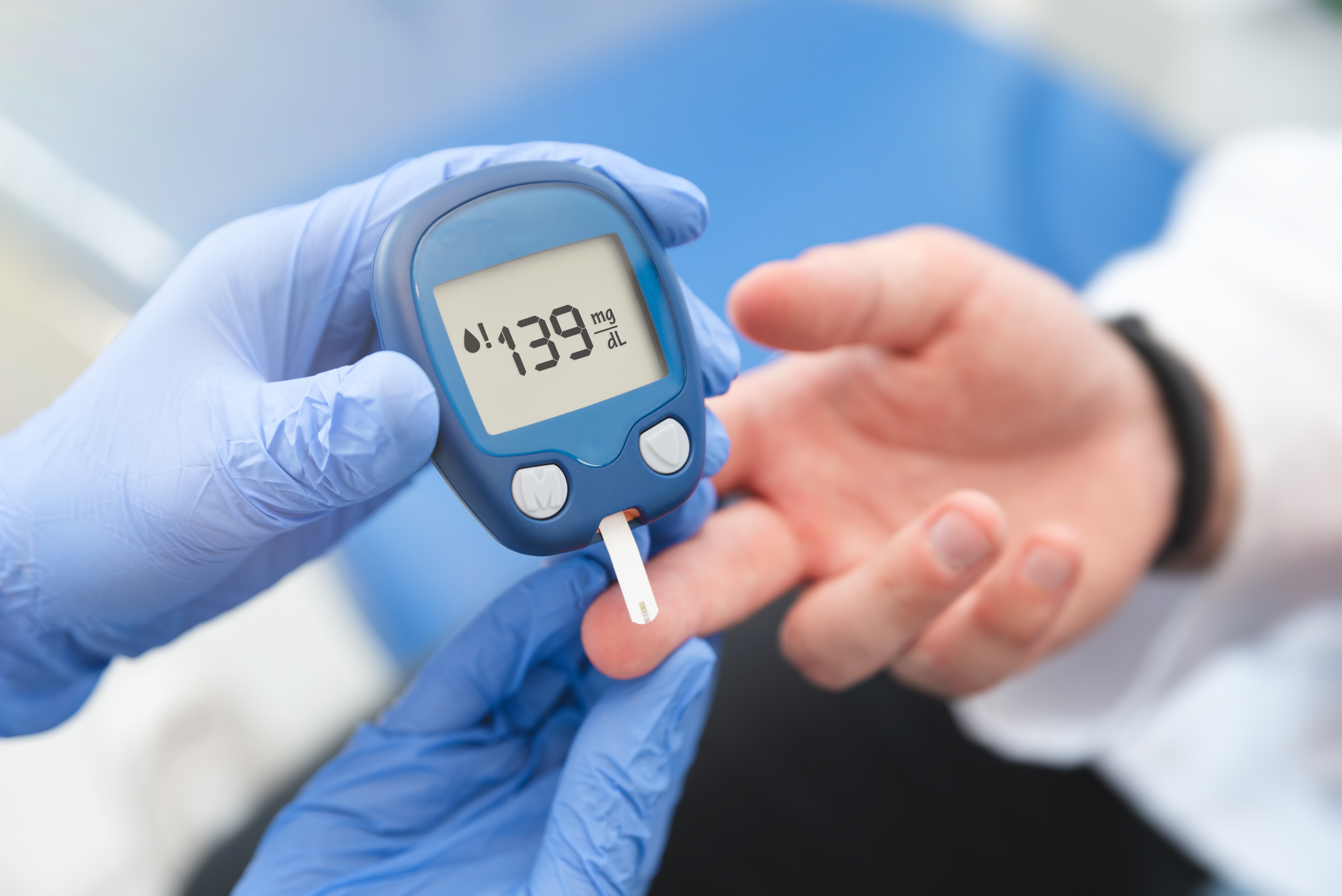
Course Description: 

 This course discusses signs and symptoms of impairment in the healthcare work setting. Participants will also learn initiatives to promote safety and provide assistance, how to make a report or referral, and treatment plans available for the impaired healthcare professional.

Outcomes 

≥92% of participants will report an increase in knowledge regarding how to access and manage the impaired healthcare professional.

Objectives 

After completing this continuing education course, the participant will be able to:

  1. Identify signs of impairment in the workplace.
  1. Compile employer initiatives to promote safety and provide assistance.
  1. Develop essential steps to make a report or referral of an impaired nurse.
  1. Explain the concepts of drug diversion.
  1. Summarize treatment options for impaired nurses.


Type: OnlineCourse Code: 20-889412 Duration: 0 minutes

Online course 0 hours

Course Description: This course discusses implicit bias. Implicit bias is the unconscious, unintentional human tendency to make decisions based on inherent factors rather than evidence. Healthcare professionals will learn about implicit bias in the healthcare setting and strategies to mitigate its occurrence.

Contact Hour:   

1 Contact hour

Author: 

Alyssa King (DNP, APRN, CPNP-PC, PMHNP-BC, PMH-C, CLC, CNE)

Pauline Lisciotto (RN, MSN, APHN-BC)

Desiree Reinken (PhD, APRN, NP-C)

This peer-reviewed course is applicable for the following professions:

 Advanced Practice Registered Nurse (APRN), Athletic Trainer (AT/AL), Certified Nurse Midwife, Certified Nurse Practitioner, Certified Registered Nurse Anesthetist (CRNA), Clinical Nurse Specialist (CNS), Licensed Practical Nurse (LPN), Licensed Vocational Nurses (LVN), Midwife (MW), Nursing Student, Occupational Therapist (OT), Occupational Therapist Assistant (OTA), Physical Therapist (PT), Physical Therapist Assistant (PTA), Registered Nurse (RN), Registered Nurse Practitioner, Respiratory Care Practitioner, Respiratory Therapist (RT)

Accreditations:   

The American Nurses Credentialing Center (ANCC), The American Occupational Therapy Association (AOTA), Board of Certification for Athletic Trainers (BOC)

CEUFast, Inc. is an AOTA Provider of professional development. PD activity approval ID# 03709. This distant learning-independent activity is offered at 0.1 CEUs Intermediate, Categories: Professional Issues, Foundational Knowledge. The assignment of AOTA CEUs does not imply endorsement of specific course content, products, or clinical procedures.

State Approvals:

Alabama, Provider #ABNP1485; California BRN Provider #CEP # 13509; Kentucky Board of Nursing Provider #7-0085; Florida Board of Nursing Provider 50-353; Florida Physical Therapy Association Approval: CE26-889412, New York State Education Department’s State Board for Physical Therapy

Course Description: 

This course discusses implicit bias. Implicit bias is the unconscious, unintentional human tendency to make decisions based on inherent factors rather than evidence. Healthcare professionals will learn about implicit bias in the healthcare setting and strategies to mitigate its occurrence.

Outcomes: 

≥ 92% of participants will gain awareness about implicit bias in healthcare and mitigation strategies.

Objectives: 

After completing this continuing education course, the participant will be able to: 

  1. Define implicit bias.
  1. Summarize the impact of historical racism.
  1. Determine how implicit bias presents challenges in healthcare.
  1. Recognize different types of implicit bias.
  1. Describe the methods used to assess for, measure, and mitigate implicit bias.

Disclosures: 

CEUFast Inc. and the course planning team for this educational activity do not have any relevant financial relationship(s) to disclose with ineligible companies whose primary business is producing, marketing, selling, re-selling, or distributing healthcare products used by or on patients. 

Type: OnlineCourse Code: 20-889436 Duration: 0 minutes

Online course 0 hours

Course Description: This course discusses implicit bias. Implicit bias is the unconscious, unintentional human tendency to make decisions based on inherent factors rather than evidence. Healthcare professionals will learn about implicit bias in the healthcare setting and strategies to mitigate its occurrence.

Contact Hour(s): 

2 Contact Hours

Author:

Alyssa King, DNP, APRN, CPNP-PC, PMHNP-BC, PMH-C, CLC, CNE,

Pauline Lisciotto, RN, MSN, APHN-BC,

Desiree Reinken, PhD, APRN, NP-C

This peer-reviewed course is applicable for the following professions:

Advanced Practice Registered Nurse (APRN), Athletic Trainer (AT/AL), Certified Nurse Midwife, Certified Nurse Practitioner, Certified Registered Nurse Anesthetist (CRNA), Certified Registered Nurse Practitioner, Clinical Nurse Specialist (CNS), Dietetic Technicians, Registered (DTR), Dietitian/Nutritionist (RDN), Licensed Practical Nurse (LPN), Licensed Vocational Nurses (LVN), Midwife (MW), Nursing Student, Occupational Therapist (OT), Occupational Therapist Assistant (OTA), Physical Therapist (PT), Physical Therapist Assistant (PTA), Registered Nurse (RN), Respiratory Care Practitioner, Respiratory Therapist (RT)

Accreditations: 

The American Nurses Credentialing Center (ANCC), The American Occupational Therapy Association (AOTA), Board of Certification for Athletic Trainers (BOC)

State Approvals:

Alabama, Provider #ABNP1485; California BRN Provider #CEP # 13509; Florida Physical Therapy Association Approval: CE26-889436; Kentucky Board of Nursing Provider #7-0085; Florida Board of Nursing Provider 50-353; Nevada Board of Physical Therapy; New York State Education Department’s State Board for Physical Therapy

Course Description:

This course discusses implicit bias. Implicit bias is the unconscious, unintentional human tendency to make decisions based on inherent factors rather than evidence. Healthcare professionals will learn about implicit bias in the healthcare setting and strategies to mitigate its occurrence.

Outcomes:

≥ 92% of participants will gain awareness about implicit bias in healthcare and mitigation strategies.

Objectives:

After completing this continuing education course, the participant will be able to:

  1. Define implicit bias.
  2. Summarize the impact of historical racism.
  3. Determine how implicit bias presents challenges in healthcare.
  4. Recognize different types of implicit bias.
  5. Describe the methods used to assess for, measure, and mitigate implicit bias.

Disclosures:

CEUFast Inc. and the course planning team for this educational activity do not have any relevant financial relationship(s) to disclose with ineligible companies whose primary business is producing, marketing, selling, re-selling, or distributing healthcare products used by or on patients.

Type: OnlineCourse Code: 20-778242 Duration: 0 minutes

Online course 0 hours

Course Description: This course discusses the need for improved customer satisfaction, personal customer service style, and implementation of improved customer service in healthcare.

Contact Hour:   

1 Contact Hour 


Author:  

Celeste Barefield (MSN, APRN, FNP-BC) 


This peer-reviewed course is applicable for the following professions: 

Athletic Trainer (AT/AL), Certified Medication Assistant (CMA), Certified Nursing Assistant (CNA), Certified Registered Nurse Anesthetist (CRNA), Dietetic Technicians, Registered (DTR), Dietitian/Nutritionist (RDN), Home Health Aid (HHA), Licensed Nursing Assistant (LNA), Licensed Practical Nurse (LPN), Licensed Vocational Nurses (LVN), Medical Assistant (MA), Nursing Student, Occupational Therapist (OT), Occupational Therapist Assistant (OTA), Physical Therapist (PT), Physical Therapist Assistant (PTA), Registered Nurse (RN), Respiratory Care Practitioner, Respiratory Therapist (RT) 


Accreditations:  

The American Nurses Credentialing Center (ANCC), The American Occupational Therapy Association (AOTA), Board of Certification for Athletic Trainers (BOC)

CEUFast, Inc. is an AOTA Provider of professional development.  PD activity approval ID# 9998. This distant learning-independent activity is offered at 0.1 CEUs Intermediate, Categories: Professional Issues.  The assignment of AOTA CEUs does not imply endorsement of specific course content, products, or clinical procedures.


State Approvals:

Alabama, Provider #ABNP1485; California BRN Provider #CEP # 13509; Florida Physical Therapy Association Approval: CE26-778242; Kentucky Board of Nursing Provider #7-0085; Florida Board of Nursing Provider 50-353; Nevada Board of Physical Therapy; New York State Education Department’s State Board for Physical Therapy

Course Description:  

This course discusses the need for improved customer satisfaction, personal customer service style, and implementation of improved customer service in healthcare. 


Outcomes:  

≥ 92% of participants will know the importance of customer service in healthcare and how to improve patient-centered empathy through the principles of holistic healthcare. 


Objectives:  

After completing this continuing education course, the participant will be able to:  

  1. Outline components of customer service. 

  1. Define methods of non-verbal communication that may affect customer service and satisfaction. 

  1. Evaluate strategies to improve patient centered empathy. 

  1. Determine strategies to promote inclusivity in healthcare environments. 

  1. Outline methods identity areas for improvement in customer service. 


Disclosures:  

CEUFast Inc. and the course planning team for this educational activity do not have any relevant financial relationship(s) to disclose with ineligible companies whose primary business is producing, marketing, selling, re-selling, or distributing healthcare products used by or on patients.  

Type: OnlineCourse Code: 20-1095980 Duration: 0 minutes

Online course 0 hours

Course Description: This course discusses 1) The process of transmission of infectious pathogens, 2) Basic infection control procedures and techniques, 3) How specific infectious pathogens are transmitted and the infection control procedures/techniques used to prevent their transmission, 4) Hospital-acquired infections – e.g.., specific pathogens like influenza and pneumonia...

(Does not meet NYSED requirements)

Contact Hour(s): 

2.5 Contact hours

Author:

Dana Bartlett, RN, BSN, MA, MA, CSPI

This peer-reviewed course is applicable for the following professions:

Advanced Practice Registered Nurse (APRN), Athletic Trainer (AT/AL), Certified Medication Assistant (CMA), Certified Nursing Assistant (CNA), Certified Registered Nurse Practitioner, Clinical Nurse Specialist (CNS), Dietetic Technicians, Registered (DTR), Dietitian/Nutritionist (RDN), Home Health Aid (HHA), Licensed Nursing Assistant (LNA), Licensed Practical Nurse (LPN), Licensed Vocational Nurses (LVN), Medical Assistant (MA), Medication Aide, Midwife (MW), Nursing Student, Occupational Therapist (OT), Occupational Therapist Assistant (OTA), Physical Therapist (PT), Physical Therapist Assistant (PTA), Registered Nurse (RN), Respiratory Care Practitioner, Respiratory Therapist (RT)

Accreditations: 

The American Nurses Credentialing Center (ANCC), The American Occupational Therapy Association (AOTA), Board of Certification for Athletic Trainers (BOC)

CEUFast, Inc. is an AOTA Provider of professional development.  PD activity approval ID# 8785. This distant learning-independent activity is offered at 0.25CEUs Intermediate, Categories: Foundational Knowledge.  The assignment of AOTA CEUs does not imply endorsement of specific course content, products, or clinical procedures.

State Approvals:

Alabama, Provider #ABNP1485; California BRN Provider #CEP # 13509; Florida Physical Therapy Association Approval: CE26-1095980; Kentucky Board of Nursing Provider #7-0085; Florida Board of Nursing Provider 50-353; Nevada Board of Physical Therapy; New York State Education Department’s State Board for Physical Therapy

Course Description:

This course discusses 1) The process of transmission of infectious pathogens, 2) Basic infection control procedures and techniques, 3) How specific infectious pathogens are transmitted and the infection control procedures/techniques used to prevent their transmission, 4) Hospital-acquired infections – e.g.., specific pathogens like influenza and pneumonia, 5) Treatment of occupational exposure to hepatitis B (HBV), hepatitis C (HCV), and HIV, and 6) Sepsis.

Outcomes

≥ 92% of participants will know basic infection control procedures and techniques.

Objectives

After completing this continuing education course, the participant will be able to:

  1. Explain critical definitions related to infection control.
  2. Explain the components of various infection precautions.
  3. Evaluate when specific PPE should be used.
  4. Summarize risk factors that increase susceptibility to various infections.
  5. Specify signs and symptoms of various infections.

Disclosures:

CEUFast Inc. and the course planning team for this educational activity do not have any relevant financial relationship(s) to disclose with ineligible companies whose primary business is producing, marketing, selling, re-selling, or distributing healthcare products used by or on patients.

Type: OnlineCourse Code: 20-949621 Duration: 0 minutes

Online course 0 hours

Course Description: A lack of sleep has a negative impact on the body physically and emotionally. It can hurt the quality of life for those suffering from this condition. This course covers the nature of insomnia, how to assess it, and how to manage this problem. This course also discusses pharmacological therapy as well as non-prescription medication methods to help improve...

Contact Hour(s):  

1 Contact Hour including 1 Advanced Pharmacology Hour 

Author

Raymond Lengel (MSN, FNP-BC, RN) 

This peer-reviewed course is applicable for the following professions

Advanced Practice Registered Nurse (APRN), Certified Nurse Midwife, Certified Nurse Practitioner, Certified Registered Nurse Anesthetist (CRNA), Clinical Nurse Specialist (CNS), Licensed Practical Nurse (LPN), Licensed Vocational Nurses (LVN), Nursing Student, Occupational Therapist (OT), Occupational Therapist Assistant (OTA), Physical Therapist (PT), Physical Therapist Assistant (PTA), Registered Nurse (RN), Registered Nurse Practitioner 

Accreditations:  

The American Nurses Credentialing Center (ANCC), The American Occupational Therapy Association (AOTA)

CEUFast, Inc. is an AOTA Provider of professional development.  PD activity approval ID# 08755. This distant learning-independent activity is offered at 0.1 CEUs Intermediate, Categories: OT Service Delivery, Foundational Knowledge.  The assignment of AOTA CEUs does not imply endorsement of specific course content, products, or clinical procedures.

State Approvals:  

 Alabama, Provider #ABNP1485; California BRN Provider #CEP # 13509; Florida Physical Therapy Association Approval: CE26-949621; Kentucky Board of Nursing Provider #7-0085; Florida Board of Nursing Provider 50-353; Nevada Board of Physical Therapy; New York State Education Department’s State Board for Physical Therapy   

Course Description

A lack of sleep has a negative impact on the body physically and emotionally. It can hurt the quality of life for those suffering from this condition. This course covers the nature of insomnia, how to assess it, and how to manage this problem. This course also discusses pharmacological therapy as well as non-prescription medication methods to help improve sleep. 

Outcomes: 

≥ 92% of participants will report an increase in knowledge regarding assessing and managing insomnia. 

Objectives: 

After completing this activity, the learner will be able to: 

  1. Define insomnia.
  2. Summarize common causes of insomnia.
  3. List four impacts of insomnia on quality of life.
  4. Outline the steps in the assessment of patients with insomnia.
  5. Describe four non-pharmacological methods to improve sleep.
  6. Identify the role of pharmacological therapy in the treatment of insomnia. 

Disclosures

CEUFast Inc. and the course planning team for this educational activity do not have any relevant financial relationship(s) to disclose with ineligible companies whose primary business is producing, marketing, selling, re-selling, or distributing healthcare products used by or on patients. 



Type: OnlineCourse Code: 20-1359428 Duration: 0 minutes

Online course 0 hours

Course Description: This course discusses the use of ketamine, a drug classified by the Drug Enforcement Administration (DEA) as a Schedule III drug with moderate abuse potential, as a viable treatment option for treatment-resistant depression, as well as the legal and ethical challenges that come with using controlled substances. Outcomes ≥ 92% of participants will know abo...

Contact Hour(s):  

1 Contact Hour including 1 Pharmacology Hour 

Author

Heather Rhodes (APRN-BC) 

This peer-reviewed course is applicable for the following professions

Advanced Practice Registered Nurse (APRN), Athletic Trainer (AT/AL), Certified Nurse Midwife, Certified Nurse Practitioner, Certified Registered Nurse Anesthetist (CRNA), Certified Registered Nurse Practitioner, Clinical Nurse Specialist (CNS), Licensed Practical Nurse (LPN), Licensed Vocational Nurses (LVN), Midwife (MW), Nursing Student, Physical Therapist (PT), Physical Therapist Assistant (PTA), Registered Nurse (RN), Registered Nurse Practitioner, Respiratory Therapist (RT) 

Accreditations:  

The American Nurses Credentialing Center (ANCC), Board of Certification for Athletic Trainers (BOC)  

State Approvals:  

 Alabama, Provider #ABNP1485; California BRN Provider #CEP # 13509; Kentucky Board of Nursing Provider #7-0085; Florida Board of Nursing Provider 50-353; New York State Education Department’s State Board for Physical Therapy   

Course Description

This course discusses the use of ketamine, a drug classified by the Drug Enforcement Administration (DEA) as a Schedule III drug with moderate abuse potential, as a viable treatment option for treatment-resistant depression, as well as the legal and ethical challenges that come with using controlled substances. 

Outcomes 

≥ 92% of participants will know about the use of ketamine to treat treatment-resistant depression. 

Objectives 

After completing this continuing education course, the participant will be able to meet the following objectives: 

  1. Recognize the defining features of treatment-resistant depression as per the DSM-5. 
  2. Identify two exclusionary criteria for ketamine treatment in patients who have treatment-resistant depression. 
  3. Determine the side effects of ketamine to monitor for after administration. 
  4. Identify two symptoms of “K-hole’ a patient may experience after ketamine administration. 
  5. Summarize ethical considerations with the use of ketamine. 

Disclosures

CEUFast Inc. and the course planning team for this educational activity do not have any relevant financial relationship(s) to disclose with ineligible companies whose primary business is producing, marketing, selling, re-selling, or distributing healthcare products used by or on patients. 



Type: OnlineCourse Code: 20-662220 Duration: 0 minutes

Online course 0 hours

Course Description: Each biennium and upon initial licensure, clinicians are required to take a course related to the Laws and Rules of Practice for Occupational therapy. Through this course, clinicians will increase awareness and understanding of the laws and rules that direct licensure as a provider of occupational therapy services.

Contact Hour(s): 

2 Contact Hours

Author:

Robin Richmond, OT/L BS, MA-CTE

This peer-reviewed course is applicable for the following professions:

Occupational Therapist (OT), Occupational Therapist Assistant (OTA)

Accreditations: 

Florida Board of Occupational Therapy Approved Provider 

Course Description:

 Each biennium and upon initial licensure, clinicians are required to take a course related to the Laws and Rules of Practice for Occupational therapy. Through this course, clinicians will increase awareness and understanding of the laws and rules that direct licensure as a provider of occupational therapy services.

Outcomes:

≥ 92% of participants will know the laws and rules related to the Florida Board of Occupational Therapy

Objectives:

After completing this continuing education course, the participant will be able to:

  1. List the regulatory bodies that govern occupational therapy practice and their missions.
  2. Identify the Laws and Rules that govern practice in the state of Florida.
  3. Interpret minimum and maximum penalties for violation of Laws and Rules of occupational therapy in Florida.
  4. Assess recent violations for Florida Occupational Therapists and Occupational Therapy Assistants.
  5. Identify the processes involved in filing complaints against Florida occupational therapy professionals.


Disclosures:

CEUFast Inc. and the course planning team for this educational activity do not have any relevant financial relationship(s) to disclose with ineligible companies whose primary business is producing, marketing, selling, re-selling, or distributing healthcare products used by or on patients.


Type: OnlineCourse Code: 20-1153764 Duration: 0 minutes

Online course 0 hours

Course Description: This course discusses the newly updated developmental milestones over the lifespan from the infant to the older adult, different assessment needs, and common safety issues for each age group.

Contact Hour(s): 

1.5 Contact Hours

Author: 

Divya Desai, OTD, MS, OTR/L

Cindy Endicott, PT, DPT, FAAOMPT, ATC, Cert Dn

This peer-reviewed course is applicable for the following professions: 

Athletic Trainer (AT/AL), Dietetic Technicians, Registered (DTR), Dietitian/Nutritionist (RDN), Occupational Therapist (OT), Occupational Therapist Assistant (OTA), Physical Therapist (PT), Physical Therapist Assistant (PTA)

Accreditations: 

The American Occupational Therapy Association (AOTA), Board of Certification for Athletic Trainers (BOC)

CEUFast, Inc. is an AOTA Provider of professional development, Course approval ID#09291. This distant learning-independent format is offered at 0.15 CEUs Intermediate, Categories: OT Service Delivery, Foundational Knowledge


State Approvals:

Florida Physical Therapy Association Approval: CE26-1153764; Nevada Board of Physical Therapy; New York State Education Department’s State Board for Physical Therapy

Course Description: 

This course discusses the newly updated developmental milestones over the lifespan from the infant to the older adult, different assessment needs, and common safety issues for each age group.

Outcomes:

92% of participants will know the general developmental differences, assessment needs, and common safety issues of infants, children, adolescents, adults, and older adults.

Objectives: 

After completion of this course, the learner will be able to:

  1. Outline typical motor, cognitive, and emotional developmental milestones of infants and children under 12.
  1. Outline typical motor, cognitive, and emotional developmental milestones of adolescents.
  1. Outline typical motor, cognitive, and emotional developmental milestones of adults.
  1. Outline typical motor, cognitive, and emotional developmental milestones of adults over 65.
  1. Explain at least one safety issue for each age group.

Disclosures: 

CEUFast Inc. and the course planning team for this educational activity do not have any relevant financial relationship(s) to disclose with ineligible companies whose primary business is producing, marketing, selling, re-selling, or distributing healthcare products used by or on patients. 


Type: OnlineCourse Code: 20-1322967 Duration: 0 minutes

Online course 0 hours

Course Description: This course discusses the admission process for long-term care, healthcare providers’ responsibilities within the admission process, how to complete a thorough head-to-toe assessment, important aspects of care plan creation based on admission findings, and Medicare documentation requirements. Outcomes ≥ 92% of participants will know how to describe the ke...

Contact Hour(s):  

1.5 Contact Hours 

Author: 

Rachel Pugmire (RN, BSN) 

This peer-reviewed course is applicable for the following professions:

Advanced Practice Registered Nurse (APRN), Certified Nurse Practitioner, Certified Registered Nurse Anesthetist (CRNA), Certified Registered Nurse Practitioner, Clinical Nurse Specialist (CNS), Licensed Practical Nurse (LPN), Licensed Vocational Nurses (LVN), Midwife (MW), Nursing Student, Occupational Therapist (OT), Occupational Therapist Assistant (OTA), Physical Therapist (PT), Physical Therapist Assistant (PTA), Registered Nurse (RN), Registered Nurse Practitioner, Respiratory Therapist (RT) 

Accreditations:  

The American Nurses Credentialing Center (ANCC), The American Occupational Therapy Association (AOTA)

CEUFast, Inc. is an AOTA Provider of professional development.  PD activity approval ID# 14566. This distant learning-independent activity is offered at 0.15 CEUs Intermediate, Categories: OT Service Delivery, Professional Issues, Foundational Knowledge.  The assignment of AOTA CEUs does not imply endorsement of specific course content, products, or clinical procedures.

State Approvals:

Alabama, Provider #ABNP1485; California BRN Provider #CEP # 13509; Florida Physical Therapy Association Approval: CE26-1322967; Kentucky Board of Nursing Provider #7-0085; Kentucky Board of Licensure for Occupational Therapy; Florida Board of Nursing Provider 50-353; Nevada Board of Physical Therapy; New York State Education Department’s State Board for Physical Therapy

Course Description: 

This course discusses the admission process for long-term care, healthcare providers’ responsibilities within the admission process, how to complete a thorough head-to-toe assessment, important aspects of care plan creation based on admission findings, and Medicare documentation requirements. 

Outcomes 

≥ 92% of participants will know how to describe the key aspects of the long-term care admission process and identify Medicare documentation requirements. 

Objectives 

After completing this continuing education course, the participant will be able to: 

  1. Summarize the information and assessments required for admission to long-term care.
  2. Identify the key aspects of a  head-to-toe assessment.
  3. Explain the different levels of diet and drink modifications for dysphagia.
  4. Describe the significance of the four assessment scales covered in this course and how to administer them (Morse Fall Scale, Braden Scale, Glasgow Coma Scale, and the Geriatric Depression Scale). 
  5. List the seven types of advance directives.
  6. Explain Medicare documentation requirements and the three components of the Resident Assessment Instrument (RAI).
  7. Create a care plan using the five aspects of the nursing care process, including customized and attainable goals and outcomes tailored to the needs of the individual. 

Disclosures: 

CEUFast Inc. and the course planning team for this educational activity do not have any relevant financial relationship(s) to disclose with ineligible companies whose primary business is producing, marketing, selling, re-selling, or distributing healthcare products used by or on patients. 



Type: OnlineCourse Code: 20-1089206 Duration: 0 minutes

Online course 0 hours

Course Description: Malaria is a significant and deadly global health problem affecting millions yearly. It is a deadly disease that can be prevented; therefore, it is essential to understand malaria transmission. This course discusses epidemiology, symptomatology, and treatment of malaria.

Contact Hour(s):  

1 Contact Hour 

Author: 

Heather Rhodes (APRN-BC) 

This peer-reviewed course is applicable for the following professions: 

Advanced Practice Registered Nurse (APRN), Athletic Trainer (AT/AL), Certified Nurse Practitioner, Certified Registered Nurse Practitioner, Clinical Nurse Specialist (CNS), Licensed Practical Nurse (LPN), Licensed Vocational Nurses (LVN), Midwife (MW), Nursing Student, Physical Therapist (PT), Physical Therapist Assistant (PTA), Registered Nurse (RN), Registered Nurse Practitioner 

Accreditations:  

The American Nurses Credentialing Center (ANCC); The American Occupational Therapy Association (AOTA), Board of Certification for Athletic Trainers (BOC)

State Approvals:  

 Alabama, Provider #ABNP1485; California BRN Provider #CEP # 13509; Kentucky Board of Nursing Provider #7-0085; Florida Board of Nursing Provider 50-353; Nevada Board of Physical Therapy; New York State Education Department’s State Board for Physical Therapy;   

Course Description: 

Malaria is a significant and deadly global health problem affecting millions yearly. It is a deadly disease that can be prevented; therefore, it is essential to understand malaria transmission. This course discusses epidemiology, symptomatology, and treatment of malaria. 

Outcomes:  

≥92% of participants will know how malaria is transmitted and understand ways to prevent the transmission of malaria. 

Objectives: 

After completing this course, the participant will be able to:  

  1. Describe malaria.
  2. Outline the epidemiology of malaria.
  3. Identify ways to prevent malaria.
  4. Determine the symptomatology of malaria.
  5. Summarize the treatment options for malaria 

Disclosures: 

CEUFast Inc. and the course planning team for this educational activity do not have any relevant financial relationship(s) to disclose with ineligible companies whose primary business is producing, marketing, selling, re-selling, or distributing healthcare products used by or on patients. 



Type: OnlineCourse Code: 20-1116772 Duration: 0 minutes

Online course 0 hours

Course Description: This course is aimed at improving healthcare professionals’ knowledge of medical record documentation requirements and professional, responsible documentation strategies as well as defensible documentation strategies.

Contact Hour(s): 

2 Contact Hours

Author:

David Tilton, RN, BSN

This peer-reviewed course is applicable for the following professions:

Advanced Practice Registered Nurse (APRN), Athletic Trainer (AT/AL), Certified Registered Nurse Anesthetist (CRNA), Clinical Nurse Specialist (CNS), Dietetic Technicians, Registered (DTR), Dietitian/Nutritionist (RDN), Licensed Practical Nurse (LPN), Licensed Vocational Nurses (LVN), Midwife (MW), Nursing Student, Occupational Therapist (OT), Occupational Therapist Assistant (OTA), Physical Therapist (PT), Physical Therapist Assistant (PTA), Registered Nurse (RN), Respiratory Care Practitioner, Respiratory Therapist (RT)

Accreditations: 

The American Nurses Credentialing Center (ANCC), The American Occupational Therapy Association (AOTA), Board of Certification for Athletic Trainers (BOC)

CEUFast, Inc. is an AOTA Provider of professional development.  PD activity approval ID# 03292. This distant learning-independent activity is offered at 0.2 CEUs Intermediate, Categories: Professional Issues.  The assignment of AOTA CEUs does not imply endorsement of specific course content, products, or clinical procedures.

State Approvals:

Alabama, Provider #ABNP1485; California BRN Provider #CEP # 13509; Florida Physical Therapy Association Approval: CE26-1116772; Kentucky Board of Nursing Provider #7-0085; Florida Board of Nursing Provider 50-353; Nevada Board of Physical Therapy; New York State Education Department’s State Board for Physical Therapy

Course Description:

This course is aimed at improving healthcare professionals’ knowledge of medical record documentation requirements and professional, responsible documentation strategies as well as defensible documentation strategies.

Outcomes:

≥92% of participants will have improved knowledge of medical record documentation requirements and professional, responsible documentation strategies.

Objectives:

After completing this continuing education course, the participant will be able to:

At the completion of this course, the participant will be able to:

  1. Identify at least one Joint Commission documentation guideline.
  2. List four abbreviations listed on the Joint Commission’s “do not use” abbreviation list.
  3. Describe two different documentation styles.
  4. Identify three progress note formats.
  5. Apply two strategies to avoid legal problems with documentation.

Disclosures:

CEUFast Inc. and the course planning team for this educational activity do not have any relevant financial relationship(s) to disclose with ineligible companies whose primary business is producing, marketing, selling, re-selling, or distributing healthcare products used by or on patients.


Type: OnlineCourse Code: 20-1269022 Duration: 0 minutes

Online course 0 hours

Course Description: Enter course DescriptionOutcomes≥92% of participants will know the types of medical errors, risk factors for medical errors, and strategies for prevention.ObjectivesAfter completing this continuing education course, the participant will be able to:Identify the different types of medical errors.Describe the different types of adverse events.Identify at lea...

Contact Hour(s): 

 2 Contact hours

Author:

Amanda Marten, MSN, FNP-C

Target Audience:

Advanced Practice Registered Nurse (APRN), Athletic Trainer (AT/AL), Certified Medication Assistant (CMA), Certified Nurse Midwife, Certified Nurse Practitioner, Certified Nursing Assistant (CNA), Certified Registered Nurse Anesthetist (CRNA), Certified Registered Nurse Practitioner, Clinical Nurse Specialist (CNS), Dietetic Technicians, Registered (DTR), Dietitian/Nutritionist (RDN), Home Health Aid (HHA), Licensed Practical Nurse (LPN), Licensed Vocational Nurses (LVN), Medication Aide, Midwife (MW), Nursing Student, Occupational Therapist (OT), Occupational Therapist Assistant (OTA), Physical Therapist (PT), Physical Therapist Assistant (PTA), Registered Nurse (RN), Respiratory Therapist (RT)

Accreditations: 

ANCC, AOTA, BOC, NYSED State Board of Physical Therapy

Disclosures:

CEUFast Inc. and the course planning team for this educational activity do not have any relevant financial relationship(s) to disclose with ineligible companies whose primary business is producing, marketing, selling, re-selling, or distributing healthcare products used by or on patients.

Course Description:

Enter course Description

Outcomes

≥92% of participants will know the types of medical errors, risk factors for medical errors, and strategies for prevention.

Objectives

After completing this continuing education course, the participant will be able to:

  1. Identify the different types of medical errors.
  2. Describe the different types of adverse events.
  3. Identify at least three risk factors for medical errors.
  4. Summarize at least two organizational-level medical error prevention strategies.
  5. Evaluate at least two medical error prevention strategies at the individual level.
  6. Summarize at least three strategies to prevent medication errors.

Implicit Bias Statement

CEUFast, Inc is committed to furthering diversity, equity, and inclusion (DEI). While reflecting on this course content, CEUFast, Inc. would like you to consider your individual perspective and question your own biases. Remember, implicit bias is a form of bias that impacts our practice as healthcare professionals. Implicit bias occurs when we have automatic prejudices, judgments, and/or a general attitude towards a person or a group of people based on associated stereotypes we have formed over time. These automatic thoughts occur without our conscious knowledge and without our intentional desire to discriminate. The concern with implicit bias is that it can impact our actions and decisions regarding workplace leadership, colleagues, and even our patients. While it is our universal goal to treat everyone equally, our implicit biases can influence our interactions, assessments, communication, prioritization, and decision-making regarding patients, ultimately adversely affecting health outcomes. It is important to keep this in mind to intentionally identify our own risk areas where our implicit biases might influence our behaviors. Together, we can cease perpetuating stereotypes and remind each other to remain mindful to help avoid reacting to biases that conflict with our conscious beliefs and values.
Type: OnlineCourse Code: 20-1289931 Duration: 0 minutes

Online course 0 hours

Course Description: This course discusses laws and regulations, nursing practices, contraindications, drug interactions, side effects, and methods of administration of marijuana in clinical practice.

Contact Hour(s):   

1.5 Contact Hours

Author: 

Mariya Rizwan (Pharm D)

This peer-reviewed course is applicable for the following professions: 

Advanced Practice Registered Nurse (APRN), Athletic Trainer (AT/AL), Certified Nurse Midwife, Certified Nurse Practitioner, Certified Registered Nurse Anesthetist (CRNA), Certified Registered Nurse Practitioner, Clinical Nurse Specialist (CNS), Licensed Practical Nurse (LPN), Licensed Vocational Nurses (LVN), Midwife (MW), Nursing Student, Occupational Therapist (OT), Occupational Therapist Assistant (OTA), Physical Therapist (PT), Physical Therapist Assistant (PTA), Registered Nurse (RN), Registered Nurse Practitioner

Accreditations:   

The American Nurses Credentialing Center (ANCC), Board of Certification for Athletic Trainers (BOC)

CEUFast, Inc. is an AOTA Provider of professional development.  PD activity approval ID# 12866. This distant learning-independent activity is offered at 0.15 CEUs Intermediate, Categories: Professional Issues.  The assignment of AOTA CEUs does not imply endorsement of specific course content, products, or clinical procedures.


State Approvals: 

 Alabama, Provider #ABNP1485; California BRN Provider #CEP # 13509; Kentucky Board of Nursing Provider #7-0085; Florida Board of Nursing Provider 50-353; Nevada Board of Physical Therapy; New York State Education Department’s State Board for Physical Therapy;  Florida Physical Therapy Association Approval: CE26-1289931

Course Description: 

This course discusses laws and regulations, nursing practices, contraindications, drug interactions, side effects, and methods of administration of marijuana in clinical practice.

Outcomes: 

≥ 92% of participants will know current recommendations on medical marijuana.

Objectives: 

After completing this continuing education course, the participant will be able to: 

  1. Explore the legal status of medical and recreational cannabis, focusing on federal classifications and state-specific regulations.
  1. Identify medical conditions treated with cannabis, such as chronic pain, anxiety, and post-traumatic stress disorder (PTSD).
  1. Summarize the differences between cannabis and marijuana.
  1. Explain the various methods of cannabis administration, such as smoking, edibles, and topicals, and assess their benefits and limitations.
  1. Outline potential side effects, contraindications, and drug interactions, emphasizing patient safety during cannabis therapy.
  1. Outline the healthcare provider's role in monitoring, dosing, and adjusting cannabis treatment while ensuring compliance with legal and medical standards.

 Disclosures: 

 CEUFast Inc. and the course planning team for this educational activity do not have any relevant financial relationship(s) to disclose with ineligible companies whose primary business is producing, marketing, selling, re-selling, or distributing healthcare products used by or on patients.  

Type: OnlineCourse Code: 20-1226532 Duration: 0 minutes

Online course 0 hours

Course Description: This course discusses implicit bias. Implicit bias is the unconscious, unintentional human tendency to make decisions based on inherent factors rather than evidence. Healthcare professionals will learn about implicit bias in the healthcare setting and strategies to mitigate its occurrence.Course Outcome:≥ 92% of participants will gain awareness about impl...

*This course was developed and presented in a webinar format to satisfy all requirements per the state of Michigan’s public health code rule, R 338.7004.*

This course does not meet Maryland Implicit Bias and Structural Racism training requirements.

Contact Hour(s): 

1 Contact Hour

Authors:

Alyssa King, DNP, APRN, CPNP-PC, PMHNP-BC, PMH-C, CLC, CNE

Pauline Lisciotto, RN, MSN, APHN-BC

Desiree Reinken, PhD, APRN, NP-C

This peer-reviewed course is applicable for the following professions:

Advanced Practice Registered Nurse (APRN), Athletic Trainer (AT/AL), Certified Nurse Midwife, Certified Nurse Practitioner, Certified Nursing Assistant (CNA), Certified Registered Nurse Practitioner, Clinical Nurse Specialist (CNS), Licensed Practical Nurse (LPN), Licensed Vocational Nurses (LVN), Midwife (MW), Nursing Student, Occupational Therapist (OT), Occupational Therapist Assistant (OTA), Other, Physical Therapist (PT), Physical Therapist Assistant (PTA), Registered Nurse (RN), Registered Nurse Practitioner, Respiratory Care Practitioner, Respiratory Therapist (RT)

Accreditations: 

The American Nurses Credentialing Center (ANCC), The American Occupational Therapy Association (AOTA), Board of Certification for Athletic Trainers (BOC)

State Approvals: 

Alabama, Provider #ABNP1485; California BRN Provider #CEP # 13509; Kentucky Board of Nursing Provider #7-0085; Florida Board of Nursing Provider 50-353; Nevada Board of Physical Therapy; New York State Education Department’s State Board for Physical Therapy

Course Description:

This course discusses implicit bias. Implicit bias is the unconscious, unintentional human tendency to make decisions based on inherent factors rather than evidence. Healthcare professionals will learn about implicit bias in the healthcare setting and strategies to mitigate its occurrence.

Course Outcome:

≥ 92% of participants will gain awareness about implicit bias in healthcare and strategies for mitigation.

Objectives:

After completing this continuing education course, the participant will be able to:

  1. Define implicit bias.
  2. Summarize the impact of historical racism.
  3. Explain how implicit bias presents challenges in healthcare.
  4. Recognize different types of implicit bias.
  5. Describe the methods used to assess for, measure, and mitigate implicit bias.

Disclosures:

CEUFast Inc. and the course planning team for this educational activity do not have any relevant financial relationship(s) to disclose with ineligible companies whose primary business is producing, marketing, selling, re-selling, or distributing healthcare products used by or on patients.

Type: OnlineCourse Code: 20-1226550 Duration: 0 minutes

Online course 0 hours

Course Description: This course discusses implicit bias. Implicit bias is the unconscious, unintentional human tendency to make decisions based on inherent factors rather than evidence. Healthcare professionals will learn about implicit bias in the healthcare setting and strategies to mitigate its occurrence.

*This course was developed and presented in a webinar format to satisfy all requirements per the state of Michigan’s public health code rule, R 338.7004.*

This course does not meet Maryland Implicit Bias and Structural Racism training requirements.

Contact Hour(s): 

2 Contact Hours

Author:

Alyssa King, DNP, APRN, CPNP-PC, PMHNP-BC, PMH-C, CLC, CNE

Pauline Lisciotto, RN, MSN, APHN-BC

Desiree Reinken, PhD, APRN, NP-C

This peer-reviewed course is applicable for the following professions: 

Advanced Practice Registered Nurse (APRN), Athletic Trainer (AT/AL), Certified Nurse Midwife, Certified Nurse Practitioner, Certified Nursing Assistant (CNA), Certified Registered Nurse Practitioner, Clinical Nurse Specialist (CNS), Licensed Practical Nurse (LPN), Licensed Vocational Nurses (LVN), Midwife (MW), Nursing Student, Occupational Therapist (OT), Occupational Therapist Assistant (OTA), Physical Therapist (PT), Physical Therapist Assistant (PTA), Registered Nurse (RN), Registered Nurse Practitioner, Respiratory Care Practitioner, Respiratory Therapist (RT)

Accreditations: 

The American Nurses Credentialing Center (ANCC), The American Occupational Therapy Association (AOTA), Board of Certification for Athletic Trainers (BOC)

CEUFast, Inc. is an AOTA Provider of professional development.  PD activity approval ID# 10189. This distant learning-independent activity is offered at 0.2 CEUs Intermediate, Categories: Professional Issues, Foundational Knowledge.  The assignment of AOTA CEUs does not imply endorsement of specific course content, products, or clinical procedures.

State Approvals:

New York State Education Department's State Board for Physical Therapy

Course Description:

This course discusses implicit bias. Implicit bias is the unconscious, unintentional human tendency to make decisions based on inherent factors rather than evidence. Healthcare professionals will learn about implicit bias in the healthcare setting and strategies to mitigate its occurrence.

Outcomes:

≥ 92% of participants will gain awareness about implicit bias in healthcare and mitigation strategies.

Objectives

After completing this continuing education course, the participant will be able to:

  1. Define implicit bias.
  2. Summarize the impact of historical racism.
  3. Explain how implicit bias presents challenges in healthcare.
  4. Recognize different types of implicit bias.
  5. Describe the methods used to assess for, measure, and mitigate implicit bias.

Disclosures:

CEUFast Inc. and the course planning team for this educational activity do not have any relevant financial relationship(s) to disclose with ineligible companies whose primary business is producing, marketing, selling, re-selling, or distributing healthcare products used by or on patients.

Type: OnlineCourse Code: 20-1250460 Duration: 0 minutes

Online course 0 hours

Course Description: This course discusses strategies for healthcare professionals to incorporate mindfulness into their practice. It includes foundational principles, proposed mechanisms, and basic self-use strategies.

Contact Hour(s):  

1.5 Contact Hours 

Author: 

Andrew Manke (PT, DPT, TPS, PFiT) 

This peer-reviewed course is applicable for the following professions:

Advanced Practice Registered Nurse (APRN), Athletic Trainer (AT/AL), Certified Nurse Midwife, Certified Nurse Practitioner, Certified Registered Nurse Practitioner, Clinical Nurse Specialist (CNS), Licensed Practical Nurse (LPN), Licensed Vocational Nurses (LVN), Midwife (MW), Nursing Student, Occupational Therapist (OT), Occupational Therapist Assistant (OTA), Physical Therapist (PT), Physical Therapist Assistant (PTA), Registered Nurse (RN), Respiratory Therapist (RT) 

Accreditations:  

The American Nurses Credentialing Center (ANCC), The American Occupational Therapy Association (AOTA), Board of Certification for Athletic Trainers (BOC)

CEUFast, Inc. is an AOTA Provider of professional development.  PD activity approval ID# 11174. This distant learning-independent activity is offered at 0.015 CEUs Intermediate, Categories: Professional Issues.  The assignment of AOTA CEUs does not imply endorsement of specific course content, products, or clinical procedures.

State Approvals:

Alabama, Provider #ABNP1485; California BRN Provider #CEP # 13509; Florida Physical Therapy Association Approval: CE26-1250460; Kentucky Board of Nursing Provider #7-0085; Florida Board of Nursing Provider 50-353; Nevada Board of Physical Therapy; New York State Education Department’s State Board for Physical Therapy

Course Description: 

This course discusses strategies for healthcare professionals to incorporate mindfulness into their practice. It includes foundational principles, proposed mechanisms, and basic self-use strategies. 

Outcomes: 

≥ 92% of participants will know about mindfulness principles, proposed mechanisms and mindfulness strategies to incorporate with self-use strategies and during patient care. 

Objectives:

By the end of this course, one will be able to: 

  1. Outline how mindfulness can benefit the healthcare professional.
  2. Differentiate between formal and informal mindfulness practice.
  3. List one of the Attitudinal Foundations of mindfulness practice.
  4. Analyze the proposed mechanisms of mindfulness practice.
  5. Outline the physiological benefits of mindfulness practice.
  6. Analyze what changes in the nervous system are proposed through mindfulness practice.
  7. Describe at least one type of mindfulness practice a healthcare professional can incorporate for themselves or into patient care. 

Disclosures: 

CEUFast Inc. and the course planning team for this educational activity do not have any relevant financial relationship(s) to disclose with ineligible companies whose primary business is producing, marketing, selling, re-selling, or distributing healthcare products used by or on patients. 



Type: OnlineCourse Code: 20-810182 Duration: 0 minutes

Online course 0 hours

Course Description: This course discusses fetal cardiac development and circulation, how to perform a thorough cardiac examination, which hereditary diseases are commonly associated with specific congenital heart diseases, acyanotic and cyanotic cardiac lesions, and the treatment modalities utilized for these cardiac lesions.

Contact Hour(s): 

2 Contact Hours including 2 Advanced Pharmacology Hours

Author:

Kelly LaMonica, DNP(c), MSN, RNC-OB, EFM

This peer-reviewed course is applicable for the following professions: 

Advanced Practice Registered Nurse (APRN), CCI Credentialed Specialists, Certified Nurse Midwife, Certified Nurse Practitioner, Clinical Nurse Specialist (CNS), Licensed Practical Nurse (LPN), Licensed Vocational Nurses (LVN), Midwife (MW), Nursing Student, Occupational Therapist (OT), Occupational Therapist Assistant (OTA), Physical Therapist (PT), Physical Therapist Assistant (PTA), Registered Nurse (RN), Registered Nurse Practitioner

Accreditations: 

The American Nurses Credentialing Center (ANCC), The American Occupational Therapy Association (AOTA)

CEUFast, Inc. is an AOTA Provider of professional development.  PD activity approval ID# 12170. This distant learning-independent activity is offered at 0.2 CEUs Intermediate, Categories: OT Service Delivery, Foundational Knowledge.  The assignment of AOTA CEUs does not imply endorsement of specific course content, products, or clinical procedures.

State Approvals: 

 Alabama, Provider #ABNP1485; California BRN Provider #CEP # 13509; Kentucky Board of Nursing Provider #7-0085; Florida Board of Nursing Provider 50-353; Nevada Board of Physical Therapy; New York State Education Department’s State Board for Physical Therapy  

Course Description:

This course discusses fetal cardiac development and circulation, how to perform a thorough cardiac examination, which hereditary diseases are commonly associated with specific congenital heart diseases, acyanotic and cyanotic cardiac lesions, and the treatment modalities utilized for these cardiac lesions.

Outcomes:

≥ 92% of participants will know how to perform a neonatal cardiac assessment.

Objectives:

After completing this continuing education course, the participant will be able to:

  1. Describe cardiac development and fetal circulation.
  2. Identify hereditary diseases in which congenital heart disease is a frequent finding.
  3. Explain the components of a cardiac physical examination.
  4. Examine the acyanotic and cyanotic cardiac defects.
  5. Determine the methods of treatment for cyanotic cardiac defects.

Disclosures:

 CEUFast Inc. and the course planning team for this educational activity do not have any relevant financial relationship(s) to disclose with ineligible companies whose primary business is producing, marketing, selling, re-selling, or distributing healthcare products used by or on patients.


Type: OnlineCourse Code: 20-1199514 Duration: 0 minutes

Online course 0 hours

Course Description: This course discusses normal fetal circulation and the physiologic changes that occur at birth. It also reviews the difficulties and complications that can occur during the post-birth transitioning phase and how to care for the infant.

Contact Hour(s): 

1 Contact Hour

Author:

Kelly LaMonica, DNP(c), MSN, RNC-OB, EFM

This peer-reviewed course is applicable for the following professions:

Advanced Practice Registered Nurse (APRN), Certified Nurse Midwife, Certified Nurse Practitioner, Certified Registered Nurse Practitioner, Clinical Nurse Specialist (CNS), Licensed Practical Nurse (LPN), Licensed Vocational Nurses (LVN), Midwife (MW), Nursing Student, Physical Therapist (PT), Physical Therapist Assistant (PTA), Registered Nurse (RN), Respiratory Care Practitioner, Respiratory Therapist (RT)

Accreditations: 

The American Nurses Credentialing Center (ANCC)

State Approvals:

Alabama, Provider #ABNP1485; California BRN Provider #CEP # 13509; Kentucky Board of Nursing Provider #7-0085; Florida Board of Nursing Provider 50-353; Nevada Board of Physical Therapy; New York State Education Department’s State Board for Physical Therapy

Course Description:

This course discusses normal fetal circulation and the physiologic changes that occur at birth. It also reviews the difficulties and complications that can occur during the post-birth transitioning phase and how to care for the infant.

Outcomes:

≥ 92% of participants will know the potential causes of complications of a neonate at delivery and how to care for them.

Objectives:

After completing this continuing education course, the participant will be able to:

  1. Identify normal fetal circulation.
  2. Explain what physiologic changes occur at birth.
  3. List the risk factors impacting fetal transition.
  4. Examine the complications that can occur at delivery.
  5. Create a plan for evidence-based intervention if complications occur at delivery.

Disclosures:

CEUFast Inc. and the course planning team for this educational activity do not have any relevant financial relationship(s) to disclose with ineligible companies whose primary business is producing, marketing, selling, re-selling, or distributing healthcare products used by or on patients.


Type: OnlineCourse Code: 20-1095956 Duration: 0 minutes

Online course 0 hours

Course Description: This course discusses 1) The process of transmission of infectious pathogens, 2) Basic infection control procedures and techniques, 3) How specific infectious pathogens are transmitted and the infection control procedures/techniques used to prevent their transmission, 4) Hospital-acquired infections – e.g.., specific pathogens like influenza and pneumonia...

Contact Hour(s): 

4 Contact hours

Author: 

Dana Bartlett, RN, BSN, MA, CSPI

This peer-reviewed course is applicable for the following professions: 

Advanced Practice Registered Nurse (APRN), Certified Medication Assistant (CMA), Certified Nurse Midwife, Certified Nurse Practitioner, Certified Nursing Assistant (CNA), Certified Registered Nurse Anesthetist (CRNA), Chiropractor, Clinical Nurse Specialist (CNS), Dental Hygienist, Dentist, Home Health Aid (HHA), Licensed Nursing Assistant (LNA), Licensed Practical Nurse (LPN), Licensed Vocational Nurses (LVN), Medical Assistant (MA), Medical Doctor (MD), Medication Aide, Midwife (MW), Nursing Student, Occupational Therapist (OT), Occupational Therapist Assistant (OTA), Osteopathic Doctor (DO), Other, Physical Therapist (PT), Physical Therapist Assistant (PTA), Physician Assistant (PA), Registered Nurse (RN), Registered Nurse Practitioner, Respiratory Care Practitioner, Respiratory Therapist (RT)

Accreditations: 

New York Provider ID# IC 145, as Mandated by Chapter 786 of the New York Laws of 1992. The American Nurses Credentialing Center (ANCC), The American Occupational Therapy Association (AOTA)

CEUFast, Inc. is an AOTA Provider of professional development.  PD activity approval ID# 7179. This distant learning-independent activity is offered at 0.4 CEUs Intermediate, Categories: Foundational Knowledge.  The assignment of AOTA CEUs does not imply endorsement of specific course content, products, or clinical procedures.


State Approvals:

Alabama, Provider #ABNP1485; California BRN Provider #CEP # 13509; Kentucky Board of Nursing Provider #7-0085; New York State Education Department’s State Board for Physical Therapy:   The AAFP has reviewed NY Infection Control and Barrier Precautions and deemed it acceptable for up to 4.00 Enduring Materials, Self-Study AAFP Elective credits. Term of Approval is from 07/01/2025 to 06/30/2026. Physicians should claim only the credit commensurate with the extent of their participation in the activity.

Course Description: 

This course discusses 1) The process of transmission of infectious pathogens, 2) Basic infection control procedures and techniques, 3) How specific infectious pathogens are transmitted and the infection control procedures/techniques used to prevent their transmission, 4) Hospital-acquired infections – e.g.., specific pathogens like influenza and pneumonia, 5) Treatment of occupational exposure to hepatitis B (HBV), hepatitis C (HCV), and HIV, and 6) Sepsis.

Outcomes 

≥92% of participants will know basic infection control procedures and techniques.

Objectives 

After completing this continuing education course, the participant will be able to:

  1. Describe key definitions related to infection control.
  1. Outline the components of various infection precautions.
  1. Determine when specific PPE should be used.
  1. Identify risk factors that increase the susceptibility to various infections.
  1. Specify signs and symptoms of various infections.

Disclosures: 

CEUFast Inc. and the course planning team for this educational activity do not have any relevant financial relationship(s) to disclose with ineligible companies whose primary business is producing, marketing, selling, re-selling, or distributing healthcare products used by or on patients.


Type: OnlineCourse Code: 20-1320160 Duration: 0 minutes

Online course 0 hours

Course Description: This course discusses nutrition and heart health. It also discusses optimal blood lipid levels, such as triglycerides. The Dietary Approaches to Stop Hypertension (DASH) diet and Therapeutic Lifestyle Changes (TLC) are also reviewed.

Contact Hour(s):  

1 Contact Hour 

Author: 

Evangeline Samples (MS, RDN, LD, EdD) 

This peer-reviewed course is applicable for the following professions:  

Advanced Practice Registered Nurse (APRN), Athletic Trainer (AT/AL), CCI Credentialed Specialists, Certified Nurse Midwife, Certified Nurse Practitioner, Certified Registered Nurse Anesthetist (CRNA), Certified Registered Nurse Practitioner, Clinical Nurse Specialist (CNS), Dietitian/Nutritionist (RDN), Licensed Practical Nurse (LPN), Licensed Vocational Nurses (LVN), Midwife (MW), Nursing Student, Occupational Therapist (OT), Occupational Therapist Assistant (OTA), Physical Therapist (PT), Physical Therapist Assistant (PTA), Registered Nurse (RN), Registered Nurse Practitioner, Respiratory Therapist (RT) 

Accreditations:  

The American Nurses Credentialing Center (ANCC), The American Occupational Therapy Association (AOTA), Board of Certification for Athletic Trainers (BOC) 

CEUFast, Inc. is an AOTA Provider of professional development.  PD activity approval ID# 14204. This distant learning-independent activity is offered at 0.1 CEUs Intermediate, Categories: Foundational Knowledge.  The assignment of AOTA CEUs does not imply endorsement of specific course content, products, or clinical procedures.


State Approvals:

Alabama, Provider #ABNP1485; California BRN Provider #CEP # 13509; Florida Physical Therapy Association Approval: CE25-1320160, CE26-1320160; Kentucky Board of Nursing Provider #7-0085; Florida Board of Nursing Provider 50-353; Kentucky Board of Licensure for Occupational Therapy; Nevada Board of Physical Therapy; New York State Education Department’s State Board for Physical Therapy   

Course Description: 

This course discusses nutrition and heart health. It also discusses optimal blood lipid levels, such as triglycerides. The Dietary Approaches to Stop Hypertension (DASH) diet and Therapeutic Lifestyle Changes (TLC) are also reviewed. 

Outcomes: 

≥ 92% of participants will know different components of nutrition and heart health, such as optimal blood lipid levels and the Dietary Approaches to Stop Hypertension (DASH) diet. 

Objectives: 

After completing this continuing education course, the participant will be able to: 

  1. Identify how to use a food diary to measure nutritional intake.
  2. Outline risk factors for hypertension.
  3. Summarize desirable levels for blood lipids.
  4. Explain food choices on the Dietary Approaches to Stop Hypertension (DASH) diet.
  5. Describe components of the Therapeutic Lifestyle Changes (TLC) diet. 

Disclosures: 

CEUFast Inc. and the course planning team for this educational activity do not have any relevant financial relationship(s) to disclose with ineligible companies whose primary business is producing, marketing, selling, re-selling, or distributing healthcare products used by or on patients. 



Type: OnlineCourse Code: 20-675942 Duration: 0 minutes

Online course 0 hours

Course Description: Government and industry are proclaiming a crisis regarding the use of opioids. Healthcare staff need information regarding the nature of this crisis, what impact it has, how it came into being, and what plans are in the works to bring it under control. As healthcare professionals we supply care to clients and families who find their bodies, minds, and qua...

Contact Hour(s):  

1.5 Contact Hours including 1.5 Advanced Pharmacology Hours 

Author: 

David Tilton (RN, BSN) 

This peer-reviewed course is applicable for the following professions: 

Advanced Practice Registered Nurse (APRN), Athletic Trainer (AT/AL), Certified Nurse Midwife, Certified Nurse Practitioner, Certified Registered Nurse Anesthetist (CRNA), Certified Registered Nurse Practitioner, Clinical Nurse Specialist (CNS), Licensed Practical Nurse (LPN), Licensed Vocational Nurses (LVN), Midwife (MW), Nursing Student, Occupational Therapist (OT), Occupational Therapist Assistant (OTA), Physical Therapist (PT), Physical Therapist Assistant (PTA), Registered Nurse (RN), Respiratory Care Practitioner, Respiratory Therapist (RT) 

Accreditations:  

The American Nurses Credentialing Center (ANCC), The American Occupational Therapy Association (AOTA), Board of Certification for Athletic Trainers (BOC)  

State Approvals:  

 Alabama, Provider #ABNP1485; California BRN Provider #CEP # 13509; Florida Physical Therapy Association Approval: CE26-675942; Kentucky Board of Nursing Provider #7-0085; Florida Board of Nursing Provider 50-353; Nevada Board of Physical Therapy; New York State Education Department’s State Board for Physical Therapy

Course Description: 

Government and industry are proclaiming a crisis regarding the use of opioids. Healthcare staff need information regarding the nature of this crisis, what impact it has, how it came into being, and what plans are in the works to bring it under control. As healthcare professionals we supply care to clients and families who find their bodies, minds, and quality of life shattered by the consequences of ingesting substances meant to diminish pain. 

Outcomes: 

≥ 92% of participants will understand the opioid crisis and what we can do to help. 

Objectives: 

After completing this continuing education course, the participant will be able to: 

  1. Indicate the factors that have led to past opioid overuse crises.
  2. List the positive effects found from using opioids.
  3. Relate the circumstances which brought about the current opioid crisis.
  4. Explain what opioid tolerance looks like and what it means to the person affected.
  5. Describe opioid crisis interventions that have been recommended.
  6. Differentiate between the signs of opioid overdose and opioid withdrawal. 

Disclosures: 

CEUFast Inc. and the course planning team for this educational activity do not have any relevant financial relationship(s) to disclose with ineligible companies whose primary business is producing, marketing, selling, re-selling, or distributing healthcare products used by or on patients. 


Type: OnlineCourse Code: 20-1210374 Duration: 0 minutes

Online course 0 hours

Course Description: This course discusses Hazard Communication methods and purposes in the workplace, including real-life events that can help embed the information. It also has case studies to help learners identify with the materials. This course touches on the history of OSHA over the last 50 years and some of the advocation needs. Outcomes ≥ 92% of participants will know...


 Contact Hour(s):  

2 Contact Hours  

Author: 

Celeste Barefield (MSN, APRN, FNP-BC) 

This peer-reviewed course is applicable for the following professions:

Advanced Practice Registered Nurse (APRN), Athletic Trainer (AT/AL), Certified Nursing Assistant (CNA), Licensed Nursing Assistant (LNA), Licensed Practical Nurse (LPN), Licensed Vocational Nurses (LVN), Medical Assistant (MA), Nursing Student, Occupational Therapist (OT), Occupational Therapist Assistant (OTA), Physical Therapist (PT), Physical Therapist Assistant (PTA), Registered Nurse (RN), Respiratory Care Practitioner, Respiratory Therapist (RT) 

Accreditations:  

The American Nurses Credentialing Center (ANCC), The American Occupational Therapy Association (AOTA), Board of Certification for Athletic Trainers (BOC) 

CEUFast, Inc. is an AOTA Provider of professional development.  PD activity approval ID# 11252. This distant learning-independent activity is offered at 0.1 CEUs Intermediate, Categories: Professional Issues.  The assignment of AOTA CEUs does not imply endorsement of specific course content, products, or clinical procedures.

State Approvals:  

Alabama, Provider #ABNP1485; California BRN Provider #CEP # 13509; Florida Physical Therapy Association Approval: CE26-1189744 ; Kentucky Board of Nursing Provider #7-0085; Florida Board of Nursing Provider 50-353; Nevada Board of Physical Therapy; New York State Education Department’s State Board for Physical Therapy   

Course Description: 

This course discusses Hazard Communication methods and purposes in the workplace, including real-life events that can help embed the information. It also has case studies to help learners identify with the materials. This course touches on the history of OSHA over the last 50 years and some of the advocation needs. 

Outcomes 

≥ 92% of participants will know how to be aware of workplace dangers, how communication of hazards is regulated through OSHA and NIOSH, how to report safety issues to OSHA, and how to advocate for safer workplaces. 

Objectives 

Healthcare professionals who complete this CEU offering will be able to: 

  1. Outline how to seek new information and updates regarding emerging hazards and best practices in healthcare safety.
  2. Recognize potential hazards within a healthcare setting based on OSHA standards and best practices.
  3. Assess the adequacy of safety protocols and procedures concerning OSHA requirements and emerging risks.
  4. Recognize personal beliefs that might influence a HCW to follow or not follow OSHA safety recommendations.
  5. Outline potential negative consequences of unsafe practices and the importance of proactive risk prevention.
  6. Apply new facts, information, and statistics regarding Hazardous Communication. 

Disclosures: 

CEUFast Inc. and the course planning team for this educational activity do not have any relevant financial relationship(s) to disclose with ineligible companies whose primary business is producing, marketing, selling, re-selling, or distributing healthcare products used by or on patients. 



Type: OnlineCourse Code: 20-536907 Duration: 0 minutes

Online course 0 hours

Course Description: This course discusses issues of occupational exposure to the bloodborne pathogens HBV, HCV, and HIV: epidemiology, risk of transmission, transmission situations, prevention, and post-exposure treatment and monitoring.Outcomes≥ 92% of participants will know how HBV, HCV, and HIV can be transmitted in occupational settings, how transmission can be prevented...

Contact Hour(s): 

2 Contact Hours

Author:

Dana Bartlett, RN, BSN, MA, MA, CSPI

This peer-reviewed course is applicable for the following professions:

Advanced Practice Registered Nurse (APRN), Athletic Trainer (AT/AL), Certified Medication Assistant (CMA), Certified Nurse Midwife, Certified Nurse Practitioner, Certified Nursing Assistant (CNA), Certified Registered Nurse Anesthetist (CRNA), Certified Registered Nurse Practitioner, Clinical Nurse Specialist (CNS), Home Health Aid (HHA), Licensed Practical Nurse (LPN), Licensed Vocational Nurses (LVN), Medical Assistant (MA), Medication Aide, Midwife (MW), Nursing Student, Occupational Therapist (OT), Occupational Therapist Assistant (OTA), Physical Therapist (PT), Physical Therapist Assistant (PTA), Registered Nurse (RN), Registered Nurse Practitioner, Respiratory Care Practitioner, Respiratory Therapist (RT)

Accreditations: 

American Nurses Credentialing Center (ANCC), The American Occupational Therapy Association (AOTA), Board of Certification for Athletic Trainers (BOC)

CEUFast, Inc. is an AOTA Provider of professional development.  PD activity approval ID# 12902. This distant learning-independent activity is offered at 0.2CEUs. Intermediate, Categories: Foundational Knowledge.  The assignment of AOTA CEUs does not imply endorsement of specific course content, products, or clinical procedures.

State Approvals:

Alabama, Provider #ABNP1485; California BRN Provider #CEP # 13509; Florida Physical Therapy Association Approval: CE26-536907; Kentucky Board of Nursing Provider #7-0085; Florida Board of Nursing Provider 50-353; New York State Education Department’s State Board for Physical Therapy

Course Description:

This course discusses issues of occupational exposure to the bloodborne pathogens HBV, HCV, and HIV: epidemiology, risk of transmission, transmission situations, prevention, and post-exposure treatment and monitoring.

Outcomes

≥ 92% of participants will know how HBV, HCV, and HIV can be transmitted in occupational settings, how transmission can be prevented, and how occupational exposures to HBV, HCV, and HIV are managed.

Objectives

After completing this continuing education course, the participant will be able to:

  1. Identify bloodborne viral pathogens that healthcare workers are likely to be exposed to.
  2. Identify two factors that increase the risk of transmission of and infection with a bloodborne pathogen.
  3. Recognize components of Standard Precautions.
  4. Outline safe injection practices.
  5. Compare the correct immediate post-exposure treatments for occupational exposure to HBV, HCV, and HIV.
  6. Distinguish at least one specific post-exposure treatment recommendation for HBV, HCV, and HIV exposure.
  7. Describe strategies that prevent exposure to bloodborne pathogens.

Disclosures:

CEUFast Inc. and the course planning team for this educational activity do not have any relevant financial relationship(s) to disclose with ineligible companies whose primary business is producing, marketing, selling, re-selling, or distributing healthcare products used by or on patients.

Type: OnlineCourse Code: 20-767903 Duration: 0 minutes

Online course 0 hours

Course Description: This course discusses pain management strategies, patient assessments, and the legal responsibilities involved in managing pain. Key aspects include understanding the physical, psychological, and social impacts of pain, effective communication with patients, and developing personalized pain management plans. The course also covers the latest techniques in...

Contact Hours:

2 Contact Hours, including 2 Advanced Pharmacology Hours  


Author:  


Raymond Lengel (MSN, FNP-BC, RN) 


This peer-reviewed course is applicable for the following professions:

Advanced Practice Registered Nurse (APRN), Athletic Trainer (AT/AL), Certified Nurse Midwife, Certified Nurse Practitioner, Certified Registered Nurse Anesthetist (CRNA), Certified Registered Nurse Practitioner, Clinical Nurse Specialist (CNS), Licensed Practical Nurse (LPN), Licensed Vocational Nurses (LVN), Midwife (MW), Nursing Student, Occupational Therapist (OT), Occupational Therapist Assistant (OTA), Physical Therapist (PT), Physical Therapist Assistant (PTA), Registered Nurse (RN), Registered Nurse Practitioner, Respiratory Therapist (RT) 


Accreditations:   


The American Nurses Credentialing Center (ANCC), The American Occupational Therapy Association (AOTA), Board of Certification for Athletic Trainers (BOC)


CEUFast, Inc. is an AOTA Provider of professional development.  PD activity approval ID# 05023. This distant learning-independent activity is offered at 0.2 CEUs  Intermediate, Categories: Professional Issues.  The assignment of AOTA CEUs does not imply endorsement of specific course content, products, or clinical procedures.

State Approvals:

Florida Physical Therapy Association Approval: CE26-767903; Nevada Board of Physical Therapy;; New York State Education Department’s State Board for Physical Therapy

Disclosures:  


CEUFast Inc. and the course planning team for this educational activity do not have any relevant financial relationship(s) to disclose with ineligible companies whose primary business is producing, marketing, selling, re-selling, or distributing healthcare products used by or on patients.  
 

Course Description:  


This course discusses pain management strategies, patient assessments, and the legal responsibilities involved in managing pain. Key aspects include understanding the physical, psychological, and social impacts of pain, effective communication with patients, and developing personalized pain management plans. The course also covers the latest techniques in pain management, the safe use of opioids, and alternative treatments. 


Outcomes:  

≥ 92% of participants will know how to assess and manage pain. 


Objectives:  

After completing this continuing education course, the participant will be able to:  

  1.  Outline the multidimensional nature of pain. 

  1. Summarize the assessment and measurement of pain. 

  1. Describe the risks of abuse and addiction associated with opioid medications. 

  1. Differentiate pharmacological and non-pharmacological techniques to manage pain. 

  1. Compare and contrast the assessment and management of pain in infants, children, adults, and geriatric patients. 

  1. Explain the use of opioid antagonists and partial agonists in the management of opioid addiction. 

  1. Evaluate clinical conditions and treatment options in conditions with pain as a major component. 


Type: OnlineCourse Code: 20-767905 Duration: 0 minutes

Online course 0 hours

Course Description: This course discusses pain management strategies, patient assessments, and the legal responsibilities involved in managing pain. Key aspects include understanding the physical, psychological, and social impacts of pain, effective communication with patients, and developing personalized pain management plans. The course also covers the latest techniques in...

Contact Hours

2 Contact Hours, including 2 Advanced Pharmacology Hours 

Author: 

Raymond Lengel (MSN, FNP-BC, RN)

Target Audience: 

Advanced Practice Registered Nurse (APRN), Certified Nurse Midwife, Certified Nurse Practitioner, Certified Registered Nurse Anesthetist (CRNA), Certified Registered Nurse Practitioner, Clinical Nurse Specialist (CNS), Licensed Practical Nurse (LPN), Licensed Vocational Nurses (LVN), Midwife (MW), Nursing Student, Registered Nurse (RN), Registered Nurse Practitioner

 Accreditations:  

The American Nurses Credentialing Center (ANCC)

State Approvals:

Alabama, Provider #ABNP1485; California BRN Provider #CEP # 13509; Kentucky Board of Nursing Provider #7-0085; Florida Board of Nursing Provider 50-353;

Course Description: 

This course discusses pain management strategies, patient assessments, and the legal responsibilities involved in managing pain. Key aspects include understanding the physical, psychological, and social impacts of pain, effective communication with patients, and developing personalized pain management plans. The course also covers the latest techniques in pain management, the safe use of opioids, and alternative treatments.

 Outcomes: 

≥ 92% of participants will know how to assess and manage pain.

Objectives: 

After completing this continuing education course, the participant will be able to: 

  1. Outline the multidimensional nature of pain.
  2.  Summarize the assessment and measurement of pain.
  3. Describe the risks of abuse and addiction associated with opioid medications.
  4. Differentiate pharmacological and non-pharmacological techniques to manage pain.
  5. Compare and contrast the assessment and management of pain in infants, children, adults, and geriatric patients.
  6. Explain the use of opioid antagonists and partial agonists in the management of opioid addiction.
  7. Evaluate clinical conditions and treatment options in conditions with pain as a major component.

Disclosures: 

CEUFast Inc. and the course planning team for this educational activity do not have any relevant financial relationship(s) to disclose with ineligible companies whose primary business is producing, marketing, selling, re-selling, or distributing healthcare products used by or on patients. 

Type: OnlineCourse Code: 20-1345569 Duration: 0 minutes

Online course 0 hours

Course Description: This course discusses the number of individuals experiencing serious or life-threatening health issues, the individual and societal costs of serious or life-threatening health issues, how palliative care reduces suffering, how palliative care fosters symptom management, how palliative care improves quality of life, issues related to mitigation of disparit...

 Contact Hour(s):  

2 Contact hours 

Author: 

Lisa Onega (PhD, RN, MBA, FNP-BC, PMHNP-BC, GNP-BC, CNS-BC) 

This peer-reviewed course is applicable for the following professions:

Advanced Practice Registered Nurse (APRN), Certified Nurse Midwife, Certified Nurse Practitioner, Certified Registered Nurse Anesthetist (CRNA), Certified Registered Nurse Practitioner, Clinical Nurse Specialist (CNS), Licensed Practical Nurse (LPN), Licensed Vocational Nurses (LVN), Midwife (MW), Nursing Student, Occupational Therapist (OT), Occupational Therapist Assistant (OTA), Physical Therapist (PT), Physical Therapist Assistant (PTA), Registered Nurse (RN), Registered Nurse Practitioner, Respiratory Therapist (RT) 

Accreditations:  

The American Nurses Credentialing Center (ANCC),

State Approvals:

 Alabama, Provider #ABNP1485; California BRN Provider #CEP # 13509; Florida Physical Therapy Association Approval: CE26-1345569; Kentucky Board of Nursing Provider #7-0085; Florida Board of Nursing Provider 50-353; Nevada Board of Physical Therapy; New York State Education Department’s State Board for Physical Therapy   

Course Description: 

This course discusses the number of individuals experiencing serious or life-threatening health issues, the individual and societal costs of serious or life-threatening health issues, how palliative care reduces suffering, how palliative care fosters symptom management, how palliative care improves quality of life, issues related to mitigation of disparities with regard to palliative care, ethical issues associated with palliative care, goals of palliative care, and application of palliative care principles to a clinical case. 


Outcomes: 

≥ 92% of participants will know what Palliative care is and the benefits of palliative care. 

Objectives: 

After completing this continuing education course, the participant will be able to: 

  1. Identify the number of individuals experiencing serious or life-threatening health issues.
  2. Describe the individual and societal costs of serious or life-threatening health issues.
  3. Differentiate palliative and hospice care.
  4. Explain how palliative care reduces suffering.
  5. Specify how palliative care fosters symptom management.
  6. Address how palliative care improves quality of life.
  7. Examine issues related to the mitigation of disparities with regard to palliative care.
  8. Analyze ethical issues associated with palliative care.
  9. Delineate goals of palliative care.
  10. Apply palliative care principles to a clinical case. 

 Disclosures: 

CEUFast Inc. and the course planning team for this educational activity do not have any relevant financial relationship(s) to disclose with ineligible companies whose primary business is producing, marketing, selling, re-selling, or distributing healthcare products used by or on patients. 



Type: OnlineCourse Code: 20-467545 Duration: 0 minutes

Online course 0 hours

Course Description: This course discusses the healthcare professional’s role in understanding and implementing patient rights and responsibilities in healthcare. It also discusses additional pediatric rights, family responsibilities, important components of the Affordable Care Act, and surprise medical billing protection.

Contact Hour(s): 

 1 Contact hour

Author:

Maryam Mamou, BSN, RN, CRRN, CWCN, HNB-BC

This peer-reviewed course is applicable for the following professions:

Advanced Practice Registered Nurse (APRN), Athletic Trainer (AT/AL), Certified Nurse Midwife, Certified Nurse Practitioner, Certified Nursing Assistant (CNA), Certified Registered Nurse Anesthetist (CRNA), Certified Registered Nurse Practitioner, Clinical Nurse Specialist (CNS), Home Health Aid (HHA), Licensed Practical Nurse (LPN), Licensed Vocational Nurses (LVN), Midwife (MW), Nursing Student, Occupational Therapist (OT), Occupational Therapist Assistant (OTA), Physical Therapist (PT), Physical Therapist Assistant (PTA), Registered Nurse (RN), Registered Nurse Practitioner, Respiratory Care Practitioner, Respiratory Therapist (RT)

Accreditations: 

The American Nurses Credentialing Center (ANCC), The American Occupational Therapy Association (AOTA), Board of Certification for Athletic Trainers (BOC)

CEUFast, Inc. is an AOTA Provider of professional development.  PD activity approval ID# 13874. This distant learning-independent activity is offered at 0.10 CEUs. Intermediate, Categories: Professional Issues.  The assignment of AOTA CEUs does not imply endorsement of specific course content, products, or clinical procedures.

State Approvals:

Alabama, Provider #ABNP1485; California BRN Provider #CEP # 13509; Florida Physical Therapy Association Approval: CE26-467545; Kentucky Board of Nursing Provider #7-0085; Florida Board of Nursing Provider 50-353; Nevada Board of Physical Therapy; New York State Education Department’s State Board for Physical Therapy

Course Description:

This course discusses the healthcare professional’s role in understanding and implementing patient rights and responsibilities in healthcare. It also discusses additional pediatric rights, family responsibilities, important components of the Affordable Care Act, and surprise medical billing protection.

Outcomes:

≥ 92% of participants will know about patients’ rights and responsibilities in healthcare, and how to implement them into clinical practice.

Objectives:

After completing this continuing education course, the participant will be able to:

  1. Outline topics of patient rights covered under the Consumer Bill of Rights and Responsibilities.
  2. Characterize the significance of using plain language when communicating with patients.
  3. Outline at least one important aspect of advance directives.
  4. Identify at least one method to safeguard Electronic Health Records Systems (EHR).
  5. Describe the important components of the Surprise Medical Bills Protection Act.

Disclosures:

CEUFast Inc. and the course planning team for this educational activity do not have any relevant financial relationship(s) to disclose with ineligible companies whose primary business is producing, marketing, selling, re-selling, or distributing healthcare products used by or on patients.


Type: OnlineCourse Code: 20-1341306 Duration: 0 minutes

Online course 0 hours

Course Description: This course discusses patient safety concerns among community-dwelling older adults, individuals in hospitals, and older adults living in nursing homes. It details risk factors for falls across these settings, reviews mobility assistive devices, assistive devices used for individuals with low vision and hearing loss, and digital/mobile technology used in ...

Contact Hour(s):  

1.5 Contact Hours 

Author: 

Jacqueline Wynter (OTD, OTR/L) 

This peer-reviewed course is applicable for the following professions: 

Advanced Practice Registered Nurse (APRN), Athletic Trainer (AT/AL), Certified Nurse Midwife, Certified Nurse Practitioner, Certified Registered Nurse Anesthetist (CRNA), Certified Registered Nurse Practitioner, Clinical Nurse Specialist (CNS), Licensed Practical Nurse (LPN), Licensed Vocational Nurses (LVN), Midwife (MW), Nursing Student, Occupational Therapist (OT), Occupational Therapist Assistant (OTA), Physical Therapist (PT), Physical Therapist Assistant (PTA), Registered Nurse (RN), Registered Nurse Practitioner, Respiratory Therapist (RT) 


Accreditations:  

The American Nurses Credentialing Center (ANCC), The American Occupational Therapy Association (AOTA), Board of Certification for Athletic Trainers (BOC)

CEUFast, Inc. is an AOTA Provider of professional development.  PD activity approval ID# 05023. This distant learning-independent activity is offered at 0.15 CEUs Intermediate, Categories: OT Service Delivery, Foundational Knowledge.  The assignment of AOTA CEUs does not imply endorsement of specific course content, products, or clinical procedures. 


State Approvals:  

Alabama, Provider #ABNP1485; California BRN Provider #CEP # 13509; Florida Physical Therapy Association Approval: CE26-1341306 ; Kentucky Board of Nursing Provider #7-0085; Florida Board of Nursing Provider 50-353; Kentucky Board of Licensure for Occupational Therapy; Nevada Board of Physical Therapy; New York State Education Department’s State Board for Physical Therapy   

Course Description: 

This course discusses patient safety concerns among community-dwelling older adults, individuals in hospitals, and older adults living in nursing homes. It details risk factors for falls across these settings, reviews mobility assistive devices, assistive devices used for individuals with low vision and hearing loss, and digital/mobile technology used in fall prevention. 

Outcomes: 

≥ 92% of participants will understand how falls impact patient safety across various settings and the safe use of assistive devices. 

Objectives:

By the end of this course, the participant will be able to: 

  1. Compare fall risk factors among patients in community-based settings, hospitals, and nursing homes.  
  2. Identify common fall risk assessments
  3. Identify recommendations to ensure safe use of assistive devices.
  4. Outline how to minimize risk factors associated with wheelchair use.
  5. Relate common assistive devices for patients with hearing impairment and low vision.
  6. Examine how technology is being used to address fall prevention. 


Disclosures: 

CEUFast Inc. and the course planning team for this educational activity do not have any relevant financial relationship(s) to disclose with ineligible companies whose primary business is producing, marketing, selling, re-selling, or distributing healthcare products used by or on patients. 
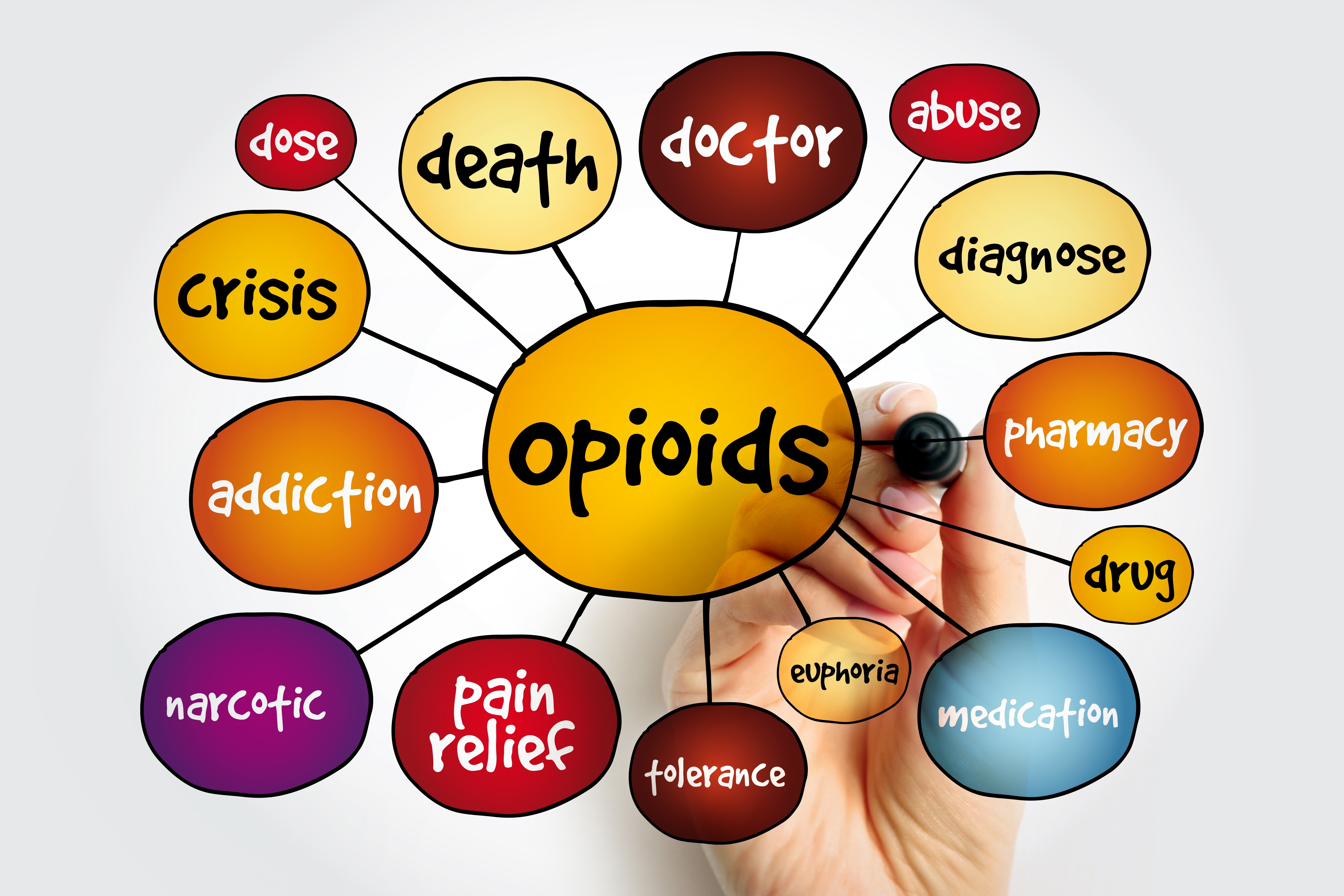


Type: OnlineCourse Code: 20-781470 Duration: 0 minutes

Online course 0 hours

Course Description: This course discusses pediatric abusive head trauma (AHT), including risk factors, treatment and management, clinical presentation, and prognosis of children affected by AHT.

Contact Hour(s):   

1.5 Contact Hours (Meets Kentucky Requirements) 


Author:  

Annelies Wood (MSN, RNC, WHNP-BC) 


This peer-reviewed course is applicable for the following professions:  

Advanced Practice Registered Nurse (APRN), Certified Nurse Midwife, Certified Nurse Practitioner, Certified Registered Nurse Practitioner, Clinical Nurse Specialist (CNS), Licensed Practical Nurse (LPN), Licensed Vocational Nurses (LVN), Midwife (MW), Nursing Student, Occupational Therapist (OT), Occupational Therapist Assistant (OTA), Physical Therapist (PT), Physical Therapist Assistant (PTA), Registered Nurse (RN), Registered Nurse Practitioner 


Accreditations: 

The American Nurses Credentialing Center (ANCC), The American Occupational Therapy Association (AOTA)


CEUFast, Inc. is an AOTA Provider of professional development.  PD activity approval ID#10988 This distant learning-independent activity is offered at 0.15 CEUs Intermediate, Categories: OT Service Delivery, Foundational Knowledge.  The assignment of AOTA CEUs does not imply endorsement of specific course content, products, or clinical procedures.


State Approvals:

Alabama, Provider #ABNP1485; California BRN Provider #CEP # 13509; Florida Physical Therapy Association Approval: CE26-781470; Kentucky Board of Nursing Provider #7-0085; Florida Board of Nursing Provider 50-353; Nevada Board of Physical Therapy; New York State Education Department’s State Board for Physical Therapy


Course Description: 

This course discusses pediatric abusive head trauma (AHT), including risk factors, treatment and management, clinical presentation, and prognosis of children affected by AHT.  


Outcomes: 

≥ 92% of participants will know background information on pediatric abusive head trauma (AHT).  


Objectives:  

After completing this continuing education course, the participant will be able to:  

  1. Outline the prevalence of pediatric abusive head trauma (AHT) in the United States. 

  1. Determine the mechanism and injury-associated pathophysiology of pediatric AHT. 

  1. Summarize the prognosis of pediatric AHT. 

  1. Identify the economic impact of child maltreatment. 

  1. Identify the clinical presentation, signs and symptoms, and conditions associated with pediatric AHT. 

  1. Explain interventions clinicians can provide to reduce the risk of pediatric AHT. 

  1. List risk factors associated with pediatric AHT. 


Disclosures:  

CEUFast Inc. and the course planning team for this educational activity do not have any relevant financial relationship(s) to disclose with ineligible companies whose primary business is producing, marketing, selling, re-selling, or distributing healthcare products used by or on patients.  
 

Type: OnlineCourse Code: 20-976448 Duration: 0 minutes

Online course 0 hours

Course Description: This course is designed to provide current and quality information about care of the pediatric patient with diabetes so that nurses have a better understanding of the unique needs of this population and can provide comprehensive, up-to-date care to help achieve the best possible outcomes for disease management and quality of life for these patients.

Contact Hour(s):  

2 Contact Hours including 2 Pharmacology Hours 

Author: 

Sarah Schulze (MSN, APRN, CPNP, PMHS, CLC) 

This peer-reviewed course is applicable for the following professions:

Advanced Practice Registered Nurse (APRN), Athletic Trainer (AT/AL), Certified Registered Nurse Anesthetist (CRNA), Clinical Nurse Specialist (CNS), Dietetic Technicians, Registered (DTR), Dietitian/Nutritionist (RDN), Licensed Practical Nurse (LPN), Licensed Vocational Nurses (LVN), Nursing Student, Physical Therapist (PT), Physical Therapist Assistant (PTA), Registered Nurse (RN) 

Accreditations:  

The American Nurses Credentialing Center (ANCC), Board of Certification for Athletic Trainers (BOC)

State Approvals:

Alabama, Provider #ABNP1485; California BRN Provider #CEP # 13509; Florida Physical Therapy Association Approval: CE26-976448; Kentucky Board of Nursing Provider #7-0085; Florida Board of Nursing Provider 50-353; New York State Education Department’s State Board for Physical Therapy

Course Description: 

This course is designed to provide current and quality information about care of the pediatric patient with diabetes so that nurses have a better understanding of the unique needs of this population and can provide comprehensive, up-to-date care to help achieve the best possible outcomes for disease management and quality of life for these patients. 

Outcomes: 

≥ 92% of participants will have a better understanding of the unique challenges of growing up with diabetes and how they can help these patients achieve optimum glycemic control while also maximizing quality of life. 

Objectives:

After completing this continuing education course, the participant will be able to: 

  1. Describe the associated risk factors for patients with diabetes in the pediatric population.
  2. Compare and contrast the differences in the disease processes for Type I and Type II Diabetes.
  3. Differentiate between various types of glucose monitoring and insulin administration options.
  4. Examine the special considerations regarding nutrition, physical activity, and psychosocial factors that impact a pediatric diabetic patient’s quality of life.
  5. Create a plan of care for a pediatric patient experiencing complications of diabetes. 

Disclosures: 

CEUFast Inc. and the course planning team for this educational activity do not have any relevant financial relationship(s) to disclose with ineligible companies whose primary business is producing, marketing, selling, re-selling, or distributing healthcare products used by or on patients. 



Type: OnlineCourse Code: 20-925347 Duration: 0 minutes

Online course 0 hours

Course Description: This course discusses the impact of the COVID-19 pandemic on pediatric mental health, the components to assess for on the Mental Status Examination (MSE), Adverse Childhood Experiences (ACEs) and how they impact growth and development, risk factors of pediatric mental health disorders, screening tools that can be used for common pediatric mental health is...

Contact Hour(s):   

1.5 Contact Hours, including 1.5 Advanced Pharmacology Hours 

Author: 

Alyssa King (DNP, APRN, CPNP-PC, PMHNP-BC, PMH-C, CLC, CNE)

This peer-reviewed course is applicable for the following professions: 

Advanced Practice Registered Nurse (APRN), Athletic Trainer (AT/AL), Certified Nurse Midwife, Certified Nurse Practitioner, Certified Registered Nurse Anesthetist (CRNA), Certified Registered Nurse Practitioner, Clinical Nurse Specialist (CNS), Licensed Practical Nurse (LPN), Licensed Vocational Nurses (LVN), Midwife (MW), Nursing Student, Occupational Therapist (OT), Occupational Therapist Assistant (OTA), Physical Therapist (PT), Physical Therapist Assistant (PTA), Registered Nurse (RN)

Accreditations:

The American Nurses Credentialing Center (ANCC), The American Occupational Therapy Association (AOTA), Board of Certification for Athletic Trainers (BOC)

State Approvals:

Alabama, Provider #ABNP1485; California BRN Provider #CEP # 13509; Kentucky Board of Nursing Provider #7-0085; Florida Board of Nursing Provider 50-353; Nevada Board of Physical Therapy; New York State Education Department’s State Board for Physical Therapy;  Florida Physical Therapy Association Approval: CE26-925347

Course Description: 

This course discusses the impact of the COVID-19 pandemic on pediatric mental health, the components to assess for on the Mental Status Examination (MSE), Adverse Childhood Experiences (ACEs) and how they impact growth and development, risk factors of pediatric mental health disorders, screening tools that can be used for common pediatric mental health issues, anxiety disorders, depressive disorders, the mental health concerns for LGBTQIA+ children and adolescents, suicide, bullying, and prevention methods for mental health disorders. 

Outcomes: 

≥ 92% of participants will know how to identify the major mental health conditions and needs of pediatric patients.

Objectives:

After completing this continuing education course, the participant will be able to: 

  1. Describe the components of a Mental Status Examination (MSE).
  1. Explain Adverse Childhood Experiences (ACEs) and how they impact children/adolescents.
  1. List the risk factors of pediatric mental health disorders.
  1. Describe the purpose of screening tools for pediatric mental health.
  1. Identify the assessment, diagnosis, management, and treatment of anxiety disorders.
  1. Identify the assessment, diagnosis, management, and treatment of depressive disorders.
  1. Determine the methods of prevention for pediatric mental health conditions.

Disclosures:

CEUFast Inc. and the course planning team for this educational activity do not have any relevant financial relationship(s) to disclose with ineligible companies whose primary business is producing, marketing, selling, re-selling, or distributing healthcare products used by or on patients. 


Type: OnlineCourse Code: 20-1239158 Duration: 0 minutes

Online course 0 hours

Course Description: This course discusses the multifactorial etiology, risk factors, comorbid conditions, treatment, and nursing care of pediatric patients diagnosed with obesity.

Contact Hour(s): 

2 Contact Hours, including 2 Pharmacology Hours

Author:

Sarah Beattie, DNP, APRN-CNP, CDCES

This peer-reviewed course is applicable for the following professions:

Advanced Practice Registered Nurse (APRN), Athletic Trainer (AT/AL), Certified Nurse Midwife, Certified Nurse Practitioner, Certified Registered Nurse Practitioner, Clinical Nurse Specialist (CNS), Dietetic Technicians, Registered (DTR), Dietitian/Nutritionist (RDN), Licensed Practical Nurse (LPN), Licensed Vocational Nurses (LVN), Midwife (MW), Nursing Student, Occupational Therapist (OT), Occupational Therapist Assistant (OTA), Physical Therapist (PT), Physical Therapist Assistant (PTA), Registered Nurse (RN), Registered Nurse Practitioner, Respiratory Care Practitioner, Respiratory Therapist (RT)

Accreditations: 

The American Nurses Credentialing Center (ANCC), The American Occupational Therapy Association (AOTA), Board of Certification for Athletic Trainers (BOC)

CEUFast, Inc. is an AOTA Provider of professional development.  PD activity approval ID#11254.  This distant learning-independent activity is offered at 0.2 CEUs Intermediate, Categories: OT Service Delivery, Foundational Knowledge.  The assignment of AOTA CEUs does not imply endorsement of specific course content, products, or clinical procedures.

State Approvals:

Alabama, Provider #ABNP1485; California BRN Provider #CEP # 13509; Florida Physical Therapy Association Approval: CE26-1239158; Kentucky Board of Nursing Provider #7-0085; Florida Board of Nursing Provider 50-353; Nevada Board of Physical Therapy; New York State Education Department’s State Board for Physical Therapy

Course Description:

This course discusses the multifactorial etiology, risk factors, comorbid conditions, treatment, and nursing care of pediatric patients diagnosed with obesity.

Outcomes:

≥ 92% of participants will know how to care for pediatric patients diagnosed with obesity.

Objectives:

After completing this continuing education course, the participant will be able to:

  1. Define the diagnostic criteria for pediatric obesity.
  2. Identify risk factors for pediatric obesity.
  3. Specify three comorbid conditions related to obesity.
  4. Describe the socioeconomic impact on pediatric obesity.
  5. Summarize the healthcare professional's role in combating pediatric obesity.
  6. Explain the treatment options available for treating pediatric obesity.

Disclosures:

CEUFast Inc. and the course planning team for this educational activity do not have any relevant financial relationship(s) to disclose with ineligible companies whose primary business is producing, marketing, selling, re-selling, or distributing healthcare products used by or on patients.

Type: OnlineCourse Code: 20-1251582 Duration: 0 minutes

Online course 0 hours

Course Description: The course will provide an overview of pharmacology, raise awareness and understanding of the various aspects of pharmacology, and increase the nurse's knowledge base.

Contact Hour(s): 

3 Contact Hours, including 3 Advanced Pharmacology Hours

Author:

Raymond Lengel, MSN, FNP-BC, RN

This peer-reviewed course is applicable for the following professions:

Advanced Practice Registered Nurse (APRN), CCI Credentialed Specialists, Certified Nurse Midwife, Certified Nurse Practitioner, Certified Registered Nurse Practitioner, Clinical Nurse Specialist (CNS), Licensed Practical Nurse (LPN), Licensed Vocational Nurses (LVN), Midwife (MW), Nursing Student, Occupational Therapist (OT), Occupational Therapist Assistant (OTA), Physical Therapist (PT), Physical Therapist Assistant (PTA), Registered Nurse (RN)

Accreditations: 

The American Nurses Credentialing Center (ANCC), The American Occupational Therapy Association (AOTA)

CEUFast, Inc. is an AOTA Provider of professional development.  PD activity approval ID# 11360. This distant learning-independent activity is offered at 0.3 CEUs Intermediate, Categories: Professional Issues, Foundational Knowledge.  The assignment of AOTA CEUs does not imply endorsement of specific course content, products, or clinical procedures.

State Approvals:

Alabama, Provider #ABNP1485; California BRN Provider #CEP # 13509; Florida Physical Therapy Association Approval: CE26-1251582; Kentucky Board of Nursing Provider #7-0085; Florida Board of Nursing Provider 50-353; New York State Education Department’s State Board for Physical Therapy

Course Description:

The course will provide an overview of pharmacology, raise awareness and understanding of the various aspects of pharmacology, and increase the nurse's knowledge base.

Outcomes:

≥ 92% of participants will improve their knowledge of pharmacology and knowledge related to medication management.

Objectives:

After completing this continuing education course, the participant will be able to:

  1. Relate the ten rules that serve as the standard for legal accountability in drug administration.
  2. Outline common principles of pharmacokinetics.
  3. Identify the types of patients who require special consideration when administering drugs.
  4. Summarize the role of drugs and therapeutic devices in preventing disease and maintaining health.
  5. Specify the indications and adverse effects of major categories of drugs.
  6. List common agents included in each category of drugs.
  7. Identify nursing considerations for each category of drug.
  8. Describe common drug errors that are avoidable and strategies to avoid them.

Disclosures:

CEUFast Inc. and the course planning team for this educational activity do not have any relevant financial relationship(s) to disclose with ineligible companies whose primary business is producing, marketing, selling, re-selling, or distributing healthcare products used by or on patients.


Type: OnlineCourse Code: 20-687795 Duration: 0 minutes

Online course 0 hours

Course Description: This course discusses the postpartum period, the physiologic changes that occur in the postpartum period, the essential assessments that should occur for postpartum patients, the specialized needs of these patients, and the complications that are known to occur within the postpartum period.

Contact Hour(s): 

1.5 Contact Hours

Author:

Cindy Endicott, PT, DPT, FAAOMPT, ATC, Cert Dn,

Kelly LaMonica, DNP(c), MSN, RNC-OB, EFM

Jacqueline Wynter, OTD, OTR/L

This peer-reviewed course is applicable for the following professions:

Advanced Practice Registered Nurse (APRN), Certified Nurse Midwife, Certified Nurse Practitioner, Certified Registered Nurse Practitioner, Clinical Nurse Specialist (CNS), Licensed Practical Nurse (LPN), Licensed Vocational Nurses (LVN), Midwife (MW), Nursing Student, Occupational Therapist (OT), Occupational Therapist Assistant (OTA), Physical Therapist (PT), Physical Therapist Assistant (PTA), Registered Nurse (RN), Registered Nurse Practitioner

Accreditations: 

The American Nurses Credentialing Center (ANCC), The American Occupational Therapy Association (AOTA)

CEUFast, Inc. is an AOTA Provider of professional development.  PD activity approval ID# 11256. This distant learning-independent activity is offered at 0.15 CEUs Intermediate, Categories: OT Service Delivery, Foundational Knowledge.  The assignment of AOTA CEUs does not imply endorsement of specific course content, products, or clinical procedures.

State Approvals:

Alabama, Provider #ABNP1485; California BRN Provider #CEP # 13509; Florida Physical Therapy Association Approval: CE26-687795; Kentucky Board of Nursing Provider #7-0085; Florida Board of Nursing Provider 50-353; Nevada Board of Physical Therapy; New York State Education Department’s State Board for Physical Therapy

Course Description:

This course discusses the postpartum period, the physiologic changes that occur in the postpartum period, the essential assessments that should occur for postpartum patients, the specialized needs of these patients, and the complications that are known to occur within the postpartum period.

Outcomes:

≥ 92% of participants will know how to care for a postpartum patient.

Objectives:

After completing this continuing education course, the participant will be able to:

  1. Define the postpartum period.
  2. Describe the physiologic changes that occur in the postpartum period.
  3. Explain the essential postpartum assessments.
  4. Identify the needs of a postpartum patient.
  5. Determine the complications that may occur in the postpartum patient.

Disclosures:

CEUFast Inc. and the course planning team for this educational activity do not have any relevant financial relationship(s) to disclose with ineligible companies whose primary business is producing, marketing, selling, re-selling, or distributing healthcare products used by or on patients.

Type: OnlineCourse Code: 20-1301938 Duration: 0 minutes

Online course 0 hours

Course Description: Contact Hour(s): 1.5 Contact Hours, including 1.5 Pharmacology HoursAuthor:Alyssa King, DNP, APRN, CPNP-PC, PMHNP-BC, PMH-C, CLC, CNEThis peer-reviewed course is applicable for the following professions:Advanced Practice Registered Nurse (APRN), Athletic Trainer (AT/AL), Certified Nurse Midwife, Certified Nurse Practitioner, Certified Registered Nurse Pra...

Contact Hour(s): 

1.5 Contact Hours, including 1.5 Pharmacology Hours

Author:

Alyssa King, DNP, APRN, CPNP-PC, PMHNP-BC, PMH-C, CLC, CNE

This peer-reviewed course is applicable for the following professions:

Advanced Practice Registered Nurse (APRN), Athletic Trainer (AT/AL), Certified Nurse Midwife, Certified Nurse Practitioner, Certified Registered Nurse Practitioner, Clinical Nurse Specialist (CNS), Licensed Practical Nurse (LPN), Licensed Vocational Nurses (LVN), Midwife (MW), Nursing Student, Occupational Therapist (OT), Occupational Therapist Assistant (OTA), Physical Therapist (PT), Physical Therapist Assistant (PTA), Registered Nurse (RN), Registered Nurse Practitioner

Accreditations: 

The American Nurses Credentialing Center (ANCC), The American Occupational Therapy Association (AOTA), Board of Certification for Athletic Trainers (BOC)

CEUFast, Inc. is an AOTA Provider of professional development.  PD activity approval ID# 13568. This distant learning-independent activity is offered at 0.15CEUs Intermediate, Categories: OT Service Delivery, Foundational Knowledge.  The assignment of AOTA CEUs does not imply endorsement of specific course content, products, or clinical procedures.

State Approvals:

Alabama, Provider #ABNP1485; California BRN Provider #CEP # 13509; Florida Physical Therapy Association Approval: CE26-1301938; Kentucky Board of Nursing Provider #7-0085; Florida Board of Nursing Provider 50-353; Kentucky Board of Licensure for Occupational Therapy; Nevada Board of Physical Therapy; New York State Education Department’s State Board for Physical Therapy

This course discusses the definitions of terms associated with perinatal mood and anxiety disorders (PMADs), the risk factors that increase a woman’s chance of PMADs, the impact that undiagnosed and untreated PMADs have on children, the signs and symptoms, diagnosis, and treatment of postpartum depression and anxiety, a thorough differentiation of postpartum obsessive compulsive disorder (OCD) versus postpartum psychosis, and our role as nurses in the care of postpartum mothers with PMADs.

Outcomes:

≥ 92% of participants will know how to recognize postpartum depression and anxiety.

Objectives:

After completing this continuing education course, the participant will be able to:

  1. Define terminology related to the perinatal period.
  2. Identify the signs and symptoms of postpartum depression and anxiety.
  3. Determine the screening tools that can be utilized for identifying potential postpartum depression and anxiety.
  4. Outline the recommended treatment options for postpartum depression and anxiety.
  5. Differentiate postpartum obsessive-compulsive disorder (OCD) from postpartum psychosis.
  6. Explain the nurse’s role in caring for postpartum mothers with or at risk for perinatal mood and anxiety disorders (PMADs).

Disclosures:

CEUFast Inc. and the course planning team for this educational activity do not have any relevant financial relationship(s) to disclose with ineligible companies whose primary business is producing, marketing, selling, re-selling, or distributing healthcare products used by or on patients.