Aides & Assistants

Catalog

Browse eligible courses by profession.

Filter by
56 courses Catalog: Aides & Assistants
Type: OnlineCourse Code: 20-596939 Duration: 0 minutes

Online course 0 hours

Course Description: This course discusses the Human Immunodeficiency Virus (HIV) and its end-stage Acquired Immunodeficiency Syndrome (AIDS), along with strategies for extending the disease process and allowing for a high-quality life despite the presence of an otherwise terminal disease.Outcomes≥ 92% of participants will know the most current, evidence-based information abo...

Contact Hour(s): 

1 Contact hour, including 1 Advanced Pharmacology Hour

Author:

David Tilton, RN, BSN

This peer-reviewed course is applicable for the following professions:

Advanced Practice Registered Nurse (APRN), Athletic Trainer (AT/AL), Certified Medication Assistant (CMA), Certified Nurse Midwife, Certified Nurse Practitioner, Certified Nursing Assistant (CNA), Certified Registered Nurse Anesthetist (CRNA), Clinical Nurse Specialist (CNS), Dietetic Technicians, Registered (DTR), Dietitian/Nutritionist (RDN), Electrologist (EO), Home Health Aid (HHA), Licensed Nursing Assistant (LNA), Licensed Practical Nurse (LPN), Licensed Vocational Nurses (LVN), Medical Assistant (MA), Medication Aide, Midwife (MW), Nursing Student, Occupational Therapist (OT), Occupational Therapist Assistant (OTA), Pedorthist (PED), Physical Therapist (PT), Physical Therapist Assistant (PTA), Registered Nurse (RN), Registered Nurse Practitioner, Respiratory Care Practitioner, Respiratory Therapist (RT)

Accreditations: 

The American Nurses Credentialing Center (ANCC), The American Occupational Therapy Association (AOTA), Board of Certification for Athletic Trainers (BOC)

State Approvals:

Alabama, Provider #ABNP1485; California BRN Provider #CEP # 13509; Kentucky Board of Nursing Provider #7-0085; Florida Board of Nursing Provider 50-353; New York State Education Department’s State Board for Physical Therapy

Course Description:

This course discusses the Human Immunodeficiency Virus (HIV) and its end-stage Acquired Immunodeficiency Syndrome (AIDS), along with strategies for extending the disease process and allowing for a high-quality life despite the presence of an otherwise terminal disease.

Outcomes

≥ 92% of participants will know the most current, evidence-based information about HIV and AIDS.

Objectives

After completing this continuing education course, the participant will be able to:

1. Identify the civil rights of the HIV/AIDS-infected individual and their family/friends.

2. Explain the current incidence of HIV.

3. Describe the modes of transmission of HIV and various strategies to prevent the spread of HIV.

4. Examine the pathophysiologic changes in the human body following HIV infection.

5. Compare and contrast current medication modalities prescribed for HIV

Disclosures:

CEUFast Inc. and the course planning team for this educational activity do not have any relevant financial relationship(s) to disclose with ineligible companies whose primary business is producing, marketing, selling, re-selling, or distributing healthcare products used by or on patients.


Type: OnlineCourse Code: 20-1389076 Duration: 0 minutes

Online course 0 hours

Course Description: This course discusses Alzheimer’s disease and related dementias (ADRD), including definitions, how these diagnoses differ from normal aging, and possible causes of ADRD. Communication strategies, behavior management techniques, strategies for assisting with activities of daily living, and skills for working with families and caregivers are also discussed.

This course has been approved by the FL Department of Elder Affairs.

Contact Hour(s): 

2 Contact Hours

Author:

Desiree Reinken, PhD, APRN, NP-C

This peer-reviewed course is applicable for the following professions:

Certified Nursing Assistant (CNA), Home Health Aid (HHA), Licensed Nursing Assistant (LNA), Medical Assistant (MA)

Accreditations: 

The American Nurses Credentialing Center (ANCC)

State Approvals:

Alabama, Provider #ABNP1485; California BRN Provider #CEP # 13509; Kentucky Board of Nursing Provider #7-0085; Florida Board of Nursing Provider 50-353; This course has been approved by the FL Department of Elder Affairs.

Course Description:

This course discusses Alzheimer’s disease and related dementias (ADRD), including definitions, how these diagnoses differ from normal aging, and possible causes of ADRD. Communication strategies, behavior management techniques, strategies for assisting with activities of daily living, and skills for working with families and caregivers are also discussed.

Outcomes:

≥ 92% of participants will know how to effectively care for patients with Alzheimer’s disease and related dementias (ADRD).

Objectives:

After completing this continuing education course, the participant will be able to:

  1. Explain the differences between Alzheimer's disease and related dementias (ADRD).
  2. Outline strategies for successful communication skills for persons with ADRD.
  3. Summarize behavior management skills for persons with ADRD.
  4. Determine approaches for assisting individuals with ADRD with their activities of daily living (ADLs).
  5. Identify skills for working with families and caregivers.

Disclosures:

CEUFast Inc. and the course planning team for this educational activity do not have any relevant financial relationship(s) to disclose with ineligible companies whose primary business is producing, marketing, selling, re-selling, or distributing healthcare products used by or on patients.

Type: OnlineCourse Code: 20-1279489 Duration: 0 minutes

Online course 0 hours

Course Description: This course discusses the different types of dementia, stages, and symptoms. It also reviews the risk factors and causes of dementia. This course summarizes important aspects of patient care for people with dementia, including behavior management, care activities, patient safety, caregiver strain, and end-of-life care.Outcomes≥ 92% of participants will in...

Contact Hour(s): 

1.5 contact hours

Author:

Amanda Marten, MSN, FNP-C

This peer-reviewed course is applicable for the following professions:

Certified Nursing Assistant (CNA), Home Health Aid (HHA), Licensed Nursing Assistant (LNA), Medical Assistant (MA)

Accreditations: 

The American Nurses Credentialing Center (ANCC)

State Approvals: 

Alabama, Provider #ABNP1485; California BRN Provider #CEP # 13509; Kentucky Board of Nursing Provider #7-0085; Florida Board of Nursing Provider 50-353

Course Description:

This course discusses the different types of dementia, stages, and symptoms. It also reviews the risk factors and causes of dementia. This course summarizes important aspects of patient care for people with dementia, including behavior management, care activities, patient safety, caregiver strain, and end-of-life care.

Outcomes

≥ 92% of participants will increase their knowledge and confidence regarding caring for patients with Alzheimer's disease, dementia, and other related conditions.

Objectives

After completing this continuing education course, the participant will be able to:

  1. Identify the different types, stages, and risk factors of dementia.
  2. Describe at least two strategies for behavioral management when caring for patients with dementia.
  3. Explain at least two ways to promote activities of daily living in patients with dementia.
  4. Describe at least two ways to promote patient safety when caring for patients with dementia.
  5. Describe the different care considerations for patients in the later stages of Alzheimer’s disease.

Disclosures:

CEUFast Inc. and the course planning team for this educational activity do not have any relevant financial relationship(s) to disclose with ineligible companies whose primary business is producing, marketing, selling, re-selling, or distributing healthcare products used by or on patients.

Type: OnlineCourse Code: 20-786280 Duration: 0 minutes

Online course 0 hours

Course Description: This course updates annual training topics required for the CNAs and HHAs to practice safely in a healthcare environment.Course Outcome:≥ 92% of participants will know how to practice safely in a healthcare environment.Objectives:After completing this continuing education course, the participant will be able to:Discuss Hospital's National Patient Safety G...

Contact Hour(s): 

2.0 Contact Hours

Author:

Julia Tortorice, RN, MBA, MSN, NEA-BC, CPHQ

This peer-reviewed course is applicable for the following professions:

Certified Medication Assistant (CMA), Certified Nursing Assistant (CNA), Home Health Aid (HHA), Medical Assistant (MA)

Accreditations: 

CEUFast, Inc. is accredited as a provider of nursing continuing professional development by the American Nurses Credentialing Center's Commission on Accreditation.

State Approvals:

Florida Board of Nursing Provider 50-353

Course Description:

This course updates annual training topics required for the CNAs and HHAs to practice safely in a healthcare environment.

Course Outcome:

≥ 92% of participants will know how to practice safely in a healthcare environment.

Objectives:

After completing this continuing education course, the participant will be able to:

  1. Discuss Hospital's National Patient Safety Goals.
  2. Explain the patient’s rights.
  3. Apply prevention methods to improve environmental safety.
  4. Identify staff’s role in emergency management/disaster preparedness.
  5. Apply infection prevention methods in a healthcare environment.

Disclosures:

CEUFast Inc. and the course planning team for this educational activity do not have any relevant financial relationship(s) to disclose with ineligible companies whose primary business is producing, marketing, selling, re-selling, or distributing healthcare products used by or on patients.

Type: OnlineCourse Code: 20-1220050 Duration: 0 minutes

Online course 0 hours

Course Description: This course discusses the extent and types of workplace violence in the healthcare industry, with evidence-based methods of prevention and/or reduction of incidents in the future. Up-to-date information and resources are also provided to decrease lasting psychological damage to the healthcare workers involved and bystanders who witness the event. Training...

Contact Hour(s): 

1.5 Contact Hours

Author:

Celeste Barefield, MSN, APRN, FNP-BC, Julia Tortorice, RN, MBA, MSN, NEA-BC, CPHQ

This peer-reviewed course is applicable for the following professions:

Certified Medication Assistant (CMA), Certified Nursing Assistant (CNA), Home Health Aid (HHA), Licensed Nursing Assistant (LNA), Medical Assistant (MA)

Accreditations: 

The American Nurses Credentialing Center (ANCC)

Course Description:

This course discusses the extent and types of workplace violence in the healthcare industry, with evidence-based methods of prevention and/or reduction of incidents in the future. Up-to-date information and resources are also provided to decrease lasting psychological damage to the healthcare workers involved and bystanders who witness the event. Training methods and risk assessment tools for identifying people who may perpetrate assaultive behaviors are also included. Several case studies are given to deepen understanding and trigger associations with the materials.

Outcomes:

≥ 92% of participants will know how to prevent and calm down possible workplace violence.

Objectives:

After completing this continuing education course, the participant will be able to:

  1. Identify assaultive behaviors.
  2. Describe how to calm down an agitated person.
  3. Discuss coping strategies.
  4. Identify harm reduction strategies in the workplace.
  5. Describe situational awareness.


Disclosures:

CEUFast Inc. and the course planning team for this educational activity do not have any relevant financial relationship(s) to disclose with ineligible companies whose primary business is producing, marketing, selling, re-selling, or distributing healthcare products used by or on patients.


Type: OnlineCourse Code: 20-467585 Duration: 0 minutes

Online course 0 hours

Course Description: This course discusses CNA assistance with residents who are able to self-administer medication.Outcomes≥ 92% of participants will know how to assist with self-administration of medication.ObjectivesAfter completing this continuing education course, the participant will be able to:Summarize how a resident is qualified for self-administration of medication....

Contact Hour(s): 

 2 Contact hours

Author:

  Julia Tortorice, RN, MBA, MSN, NEA-BC, CPHQ

This peer-reviewed course is applicable for the following professions:

Certified Medication Assistant (CMA), Certified Nursing Assistant (CNA), Home Health Aid (HHA), Licensed Nursing Assistant (LNA), Medical Assistant (MA), Medication Aide

Accreditations: 

The American Nurses Credentialing Center (ANCC)

State Approvals:

Florida Board of Nursing Provider 50-353

Approved by the District of Columbia Board of Nursing Assistive PersonnelCourse Description:

This course discusses CNA assistance with residents who are able to self-administer medication.

Outcomes

≥ 92% of participants will know how to assist with self-administration of medication.

Objectives

After completing this continuing education course, the participant will be able to:

  1. Summarize how a resident is qualified for self-administration of medication.
  2. Define the medications that a certified nursing assistant (CNA) can assist with self-administration.
  3. List what is included on a prescription label.
  4. Identify how to store medication correctly.
  5. Identify classifications of medications.
  6. Define the seven rights of medication.
  7. Recognize signs of medication misuse.

Disclosures:

CEUFast Inc. and the course planning team for this educational activity do not have any relevant financial relationship(s) to disclose with ineligible companies whose primary business is producing, marketing, selling, re-selling, or distributing healthcare products used by or on patients.


Type: OnlineCourse Code: 20-614889 Duration: 0 minutes

Online course 0 hours

Course Description: This course discusses what constitutes bullying behavior and the methods a perpetrator uses to bully in the healthcare setting. Healthcare professionals will learn strategies to combat the bullying environment, thus improving work performance and patient outcomes. Healthcare professionals are unsure of the differences between assertiveness and bullying.


Contact Hour:   

1 Contact hour 


Author:  

Nick Angelis (CRNA, MSN) 


This peer-reviewed course is applicable for the following professions:

Advanced Practice Registered Nurse (APRN), Athletic Trainer (AT/AL), Certified Medication Assistant (CMA), Certified Nurse Midwife, Certified Nurse Practitioner, Certified Nursing Assistant (CNA), Clinical Nurse Specialist (CNS), Dietetic Technicians, Registered (DTR), Dietitian/Nutritionist (RDN), Home Health Aid (HHA), Licensed Practical Nurse (LPN), Licensed Vocational Nurses (LVN), Medical Assistant (MA), Midwife (MW), Nursing Student, Occupational Therapist (OT), Occupational Therapist Assistant (OTA), Other, Physical Therapist (PT), Physical Therapist Assistant (PTA), Registered Nurse (RN), Registered Nurse Practitioner, Respiratory Care Practitioner, Respiratory Therapist (RT) 


 Accreditations:   

The American Nurses Credentialing Center (ANCC), The American Occupational Therapy Association (AOTA), Board of Certification for Athletic Trainers (BOC)


State Approvals:

Alabama, Provider #ABNP1485; California BRN Provider #CEP # 13509; Florida Physical Therapy Association Approval: CE26-614889; Kentucky Board of Nursing Provider #7-0085; Florida Board of Nursing Provider 50-353; Nevada Board of Physical Therapy; New York State Education Department’s State Board for Physical Therapy


Course Description:  

This course discusses what constitutes bullying behavior and the methods a perpetrator uses to bully in the healthcare setting. Healthcare professionals will learn strategies to combat the bullying environment, thus improving work performance and patient outcomes. Healthcare professionals are unsure of the differences between assertiveness and bullying. 


 Outcomes:  

≥ 92% of participants will know how to identify and respond appropriately to bullying behavior in their work environment.   


Objectives:  

After completing this continuing education course, the participant will be able to:  

    1. 1. Define in a practical manner bullying, workplace violence, incivility, and related terms. 

    1. 2. Analyze plausible departmental resources for bullying, such as human resources, employee wellness, and management. 

    1. 3. Identify ways to improve resiliency against bullying. 

    1. 4. Evaluate how communication styles prevent bullying from escalating. 

    1. 5. Outline the effects of cognitive rehearsal against bullying. 


 Disclosures:  

CEUFast Inc. and the course planning team for this educational activity do not have any relevant financial relationship(s) to disclose with ineligible companies whose primary business is producing, marketing, selling, re-selling, or distributing healthcare products used by or on patients.  


Type: OnlineCourse Code: 20-524301 Duration: 0 minutes

Online course 0 hours

Course Description: ADHD, Attention deficit hyperactivity disorder. The purpose of this activity is to assist the care giver in being able to successfully care for the patient with ADHD.


Contact Hour(s):  

1 Contact Hour 

Author: 

Julia Tortorice, RN, MBA, MSN, NEA-BC, CPHQ

This peer-reviewed course is applicable for the following professions:

Certified Medication Assistant (CMA), Certified Nursing Assistant (CNA), Home Health Aid (HHA), Licensed Nursing Assistant (LNA), Medical Assistant (MA) 

Accreditations:  

The American Nurses Credentialing Center (ANCC)

State Approvals:

Florida Board of Nursing Provider 50-353

Course Description: 

ADHD, Attention deficit hyperactivity disorder. The purpose of this activity is to assist the care giver in being able to successfully care for the patient with ADHD. 

Outcomes:

Goal ≥92% of participants will know how to care for people with ADHD. 

Objectives: 

After completing this continuing education course, the participant will be able to meet the following objectives: 

  1. Describe symptoms of Attention Deficit and Hyperactivity Disorder.
  2. Discuss how to care for a person with ADHD who is impulsive.
  3. Discuss how to care for a person with ADHD who is hyperactive.
  4. Discuss how to care for a person with ADHD who is inattentive.
  5. Recognize what to report to the nurse. 

Disclosures: 

CEUFast Inc. and the course planning team for this educational activity do not have any relevant financial relationship(s) to disclose with ineligible companies whose primary business is producing, marketing, selling, re-selling, or distributing healthcare products used by or on patients. 


Type: OnlineCourse Code: 20-519633 Duration: 0 minutes

Online course 0 hours

Course Description: The purpose of this course it to prepare the Nursing Assistant in the recognition of symptoms and the progression of Alzheimer’s, and how to successfully care for the patient with the disease.

Contact Hours:

1 Contact Hour

Author: 

Kelley Madick, MSN/ED, PMHNP

This peer-reviewed course is applicable for the following professions:

Certified Medication Assistant (CMA), Certified Nursing Assistant (CNA), Home Health Aid (HHA), Licensed Nursing Assistant (LNA), Medical Assistant (MA)

Accreditations: 

The American Nurses Credentialing Center (ANCC)

State Approvals:

Florida Board of Nursing Provider 50-353

Course Description: 

The purpose of this course it to prepare the Nursing Assistant in the recognition of symptoms and the progression of Alzheimer’s, and how to successfully care for the patient with the disease.

Outcomes: 

≥ 92% of participants will know the steps to take in caring for a patient with Alzheimer’s disease.

Objectives: 

After completing this course, the learner will be able to meet the following objectives:

  1. Define Alzheimer's disease.
  2. List possible causes and risk factors of the disease.
  3. Describe the progression of Alzheimer's disease and symptoms in each stage.
  4. Determine methods to provide care to patients with Alzheimer's.
  5. Summarize what needs to be reported to the nurses

Disclosures:

CEUFast Inc. and the course planning team for this educational activity do not have any relevant financial relationship(s) to disclose with ineligible companies whose primary business is producing, marketing, selling, re-selling, or distributing healthcare products used by or on patients. 


Type: OnlineCourse Code: 20-1268682 Duration: 0 minutes

Online course 0 hours

Course Description: This course discusses the complexity of intellectual disabilities, strategies for caring for patients with an intellectual disability, and recognizing and reporting abuse.

Accredited for assistant-level professions only


Contact Hour(s):   

1.5 Contact Hours 


Author:  

Celeste Barefield (MSN, APRN, FNP-BC) 


This peer-reviewed course is applicable for the following professions:

Certified Nursing Assistant (CNA), Home Health Aid (HHA), Licensed Nursing Assistant (LNA), Medical Assistant (MA) 


Accreditations:

The American Nurses Credentialing Center (ANCC) 


State Approvals:

Florida Board of Nursing Provider 50-353


Course Description:  

This course discusses the complexity of intellectual disabilities, strategies for caring for patients with an intellectual disability, and recognizing and reporting abuse. 


Outcomes:  

≥ 92% of participants will know how to care for a patient with an intellectual disability. 


Objectives:  

After completing this continuing education course, the participant will be able to:  


1. Define intellectual impairment and identify the common types. 

2. Recognize the signs and symptoms of cognitive impairment. 

3. Implement appropriate communication techniques for patients with cognitive impairment. 

4. Summarize the importance of creating a safe environment for patients with cognitive impairment. 

5. Provide basic personal care to patients with cognitive impairment while respecting their dignity and independence. 

6. Determine nutrition and hydration strategies for patients with cognitive impairment. 

7. Recognize the importance of promoting social interaction and enrichment activities for patients with intellectual disabilities. 

8. Implement measures to prevent skin breakdown and pressure ulcers in patients with cognitive impairment. 


Disclosures:  

CEUFast Inc. and the course planning team for this educational activity do not have any relevant financial relationship(s) to disclose with ineligible companies whose primary business is producing, marketing, selling, re-selling, or distributing healthcare products used by or on patients.  


Type: OnlineCourse Code: 20-521679 Duration: 0 minutes

Online course 0 hours

Course Description: This course discusses different types of anxiety, provides methods for communicating with patients with anxiety, and explains when and what should be reported to the nurse.Course Outcome:≥ 92% of participants will know how to identify, care for, and communicate with patients with anxiety.Objectives:After completing this continuing education course, the pa...

Contact Hour(s): 

1 Contact Hour

Author:

Alyssa King, DNP, APRN, CPNP-PC, PMHNP-BC, PMH-C, CLC, CNE

Kelley Madick, MSN/ED, PMHNP

This peer-reviewed course is applicable for the following professions:

Certified Medication Assistant (CMA), Certified Nursing Assistant (CNA), Home Health Aid (HHA), Licensed Nursing Assistant (LNA), Medical Assistant (MA), Medication Aide

Accreditations: 

CEUFast, Inc. is accredited as a provider of nursing continuing professional development by the American Nurses Credentialing Center's Commission on Accreditation.

State Approvals:

Florida Board of Nursing Provider 50-353

Course Description:

This course discusses different types of anxiety, provides methods for communicating with patients with anxiety, and explains when and what should be reported to the nurse.

Course Outcome:

≥ 92% of participants will know how to identify, care for, and communicate with patients with anxiety.

Objectives:

After completing this continuing education course, the participant will be able to:

  1. Define anxiety.
  2. Describe the symptoms of anxiety disorders.
  3. Differentiate between the various forms of anxiety disorders.
  4. Recognize the defense mechanisms used by patients with anxiety.
  5. Determine what can be done to help a patient experiencing anxiety.
  6. Describe what should be watched for and reported to the nurse when caring for a patient with anxiety.

Disclosures:

CEUFast Inc. and the course planning team for this educational activity do not have any relevant financial relationship(s) to disclose with ineligible companies whose primary business is producing, marketing, selling, re-selling, or distributing healthcare products used by or on patients.

Type: OnlineCourse Code: 20-553464 Duration: 0 minutes

Online course 0 hours

Course Description: This course discusses the signs and symptoms, how to help, and how to respond to asthma.

Contact Hour(s): 

1 Contact Hour

Author:

Julia Tortorice, RN, MBA, MSN, NEA-BC, CPHQ

This peer-reviewed course is applicable for the following professions:

Certified Medication Assistant (CMA), Certified Nursing Assistant (CNA), Home Health Aid (HHA), Licensed Nursing Assistant (LNA), Medical Assistant (MA)

Accreditations: 

The American Nurses Credentialing Center (ANCC)

State Approvals:

Alabama, Provider #ABNP1485; California BRN Provider #CEP # 13509; Kentucky Board of Nursing Provider #7-0085; Florida Board of Nursing Provider 50-353

Course Description:

This course discusses the signs and symptoms, how to help, and how to respond to asthma.

Outcomes:

≥ 92% of participants will know how to help and respond to asthmatic attacks.

Objectives:

After completing this continuing education course, the participant will be able to:

  1. Discuss asthma.
  2. Identify signs and symptoms of asthma.
  3. Discuss potential triggers of an asthma attack.
  4. Identify how a CNA can help a person with asthma.
  5. Discuss what symptoms to report to the nurse.

Disclosures:

CEUFast Inc. and the course planning team for this educational activity do not have any relevant financial relationship(s) to disclose with ineligible companies whose primary business is producing, marketing, selling, re-selling, or distributing healthcare products used by or on patients.

Type: OnlineCourse Code: 20-553460 Duration: 0 minutes

Online course 0 hours

Course Description: This course discusses care of the patient with autism, This includes communication strategies, management of sensory sensitivities, providing structured care, and what to report to the nurse.

Contact Hour(s): 

1 Contact Hour

Author:

Julia Tortorice, RN, MBA, MSN, NEA-BC, CPHQ

This peer-reviewed course is applicable for the following professions:

Certified Nursing Assistant (CNA), Home Health Aid (HHA), Licensed Nursing Assistant (LNA), Medical Assistant (MA)

Accreditations: 

The American Nurses Credentialing Center (ANCC)

State Approvals: 

Alabama, Provider #ABNP1485; California BRN Provider #CEP # 13509; Kentucky Board of Nursing Provider #7-0085; Florida Board of Nursing Provider 50-353

Course Description:

This course discusses care of the patient with autism, This includes communication strategies, management of sensory sensitivities, providing structured care, and what to report to the nurse.

Outcomes:

≥ 92% of participants will know how to care for a patient with Autism.

Objectives:

After completing this continuing education course, the participant will be able to:

  1. Describe the characteristics of autism spectrum disorder (ASD).
  2. Outline effective communication strategies.
  3. Describe how to manage sensory sensitivities.
  4. Outline how to provide structured care.
  5. Recognize what to report to the nurse.

Disclosures:

CEUFast Inc. and the course planning team for this educational activity do not have any relevant financial relationship(s) to disclose with ineligible companies whose primary business is producing, marketing, selling, re-selling, or distributing healthcare products used by or on patients.

Type: OnlineCourse Code: 20-1297824 Duration: 0 minutes

Online course 0 hours

Course Description: This course discusses the role of CNAs and HHAs in providing safe and effective care, including assistance with activities of daily living (ADLs), mobility, positioning, and emotional support.

Contact Hour(s):  

1 Contact Hour 

Author: 

Breann Kakacek (BSN, RN) 

This peer-reviewed course is applicable for the following professions:

Certified Medication Assistant (CMA), Certified Nursing Assistant (CNA), Home Health Aid (HHA), Medical Assistant (MA) 

Accreditations:  

The American Nurses Credentialing Center (ANCC)

State Approvals:

Florida Board of Nursing Provider 50-353

Course Description: 

This course discusses the role of CNAs and HHAs in providing safe and effective care, including assistance with activities of daily living (ADLs), mobility, positioning, and emotional support. 

Outcomes: 

After completing this continuing education course, ≥ 92% of participants will know how to provide comprehensive and safe care to individuals with cerebral palsy (CP) in home care settings. 

Objectives: 

After completing this continuing education course, the participant will be able to meet the following objectives: 

  1. Identify the different types of cerebral palsy and their associated symptoms and care needs.
  2. Recognize proper positioning and transfer techniques to ensure the safety and comfort of individuals with cerebral palsy.
  3. Summarize the key interventions CNAs and HHAs should implement to assist individuals with cerebral palsy in activities of daily living and therapeutic exercises.
  4. Differentiate between the various assistive devices used for individuals with cerebral palsy and explain their safe and effective usage.
  5. Recognize the importance of emotional support and effective communication strategies when caring for individuals with cerebral palsy and their families. 

Disclosures: 

CEUFast Inc. and the course planning team for this educational activity do not have any relevant financial relationship(s) to disclose with ineligible companies whose primary business is producing, marketing, selling, re-selling, or distributing healthcare products used by or on patients. 


Type: OnlineCourse Code: 20-536459 Duration: 0 minutes

Online course 0 hours

Course Description: This course discusses how to identify and prevent constipation and impaction.Course Outcome:≥ 92% of participants will know how to care for a patient who is at risk of constipation.Objectives:After completing this continuing education course, the participant will be able to:Describe how the gastrointestinal tract works.Identify causes of constipation.Iden...

Contact Hour(s): 

1 Contact Hour

Author:

Julia Tortorice, RN, MBA, MSN, NEA-BC, CPHQ

This peer-reviewed course is applicable for the following professions:

Certified Medication Assistant (CMA), Certified Nursing Assistant (CNA), Home Health Aid (HHA), Licensed Nursing Assistant (LNA), Medical Assistant (MA), Medication Aide

Accreditations: 

CEUFast, Inc. is accredited as a provider of nursing continuing professional development by the American Nurses Credentialing Center's Commission on Accreditation.

State Approvals:

Florida Board of Nursing Provider 50-353

Course Description:

This course discusses how to identify and prevent constipation and impaction.

Course Outcome:

≥ 92% of participants will know how to care for a patient who is at risk of constipation.

Objectives:

After completing this continuing education course, the participant will be able to:

  1. Describe how the gastrointestinal tract works.
  2. Identify causes of constipation.
  3. Identify signs of fecal impaction.
  4. Identify treatments for constipation or impaction.
  5. Describe the prevention of constipation or impaction.

Disclosures:

CEUFast Inc. and the course planning team for this educational activity do not have any relevant financial relationship(s) to disclose with ineligible companies whose primary business is producing, marketing, selling, re-selling, or distributing healthcare products used by or on patients.

Type: OnlineCourse Code: 20-1283973 Duration: 0 minutes

Online course 0 hours

Course Description: This course discusses what diabetes is and describes the four types, including type I, type II, gestational, and secondary diabetes. The most common risk factors and signs and symptoms are explained for each type, as well as a brief overview of possible complications and how to manage diabetes properly. The course explains the role of the endocrine system...

Contact Hour(s): 

1 Contact Hours

Author:

Hallie Turner, MSN, APRN, FNP-BC

This peer-reviewed course is applicable for the following professions:

Certified Medication Assistant (CMA), Certified Nursing Assistant (CNA), Home Health Aid (HHA), Medical Assistant (MA)

Accreditations: 

The American Nurses Credentialing Center (ANCC)

State Approvals:

Florida Board of Nursing Provider 50-353


Course Description:

This course discusses what diabetes is and describes the four types, including type I, type II, gestational, and secondary diabetes. The most common risk factors and signs and symptoms are explained for each type, as well as a brief overview of possible complications and how to manage diabetes properly. The course explains the role of the endocrine system and the functions of the pancreas and insulin. Finally, the course concludes with a detailed description of how the CNA should care for the patient with diabetes while working within their scope of practice.

Outcomes:

≥ 92% of participants will know the four types of diabetes, how insulin works, the signs and symptoms associated with diabetes, and the role of the CNA when caring for a patient with diabetes.

Objectives:

After completing this continuing education course, the participant will be able to:

  1. Describe the four types of diabetes.
  2. Outline the basic pathophysiology of diabetes.
  3. Describe two specific functions of insulin.
  4. Identify at least three signs and symptoms associated with diabetes.
  5. Recognize factors that place a person at greater risk of developing diabetes.
  6. Summarize at least three specific responsibilities the certified nursing assistant (CNA) has in the care of patients with diabetes.


Disclosures:

CEUFast Inc. and the course planning team for this educational activity do not have any relevant financial relationship(s) to disclose with ineligible companies whose primary business is producing, marketing, selling, re-selling, or distributing healthcare products used by or on patients.


Type: OnlineCourse Code: 20-564824 Duration: 0 minutes

Online course 0 hours

Course Description: This course provides a comprehensive guide for CNAs on how to care for patients with Down Syndrome, emphasizing effective communication, compassionate care, and understanding of the legal protections that ensure their rights.

Contact Hour(s): 

1 Contact Hour

Author:

Julia Tortorice, RN, MBA, MSN, NEA-BC, CPHQ

This peer-reviewed course is applicable for the following professions:

Certified Nursing Assistant (CNA), Home Health Aid (HHA), Licensed Nursing Assistant (LNA), Medical Assistant (MA), Medication Aide

Accreditations: 

The American Nurses Credentialing Center (ANCC)

Course Description:

This course provides a comprehensive guide for CNAs on how to care for patients with Down Syndrome, emphasizing effective communication, compassionate care, and understanding of the legal protections that ensure their rights.

Outcomes:

≥ 92% of participants will know how to care for a patient with Down Syndrome.

Objectives:

After completing this continuing education course, the participant will be able to:

  1. Define Down Syndrome.
  2. Identify characteristics of Down Syndrome.
  3. Outline how to communicate with a patient with Down Syndrome.
  4. Identify how to care for the patient with Down Syndrome.
  5. Recognize barriers to care and disability acts for patients with Down Syndrome.


Disclosures:

CEUFast Inc. and the course planning team for this educational activity do not have any relevant financial relationship(s) to disclose with ineligible companies whose primary business is producing, marketing, selling, re-selling, or distributing healthcare products used by or on patients.


Type: OnlineCourse Code: 20-692337 Duration: 0 minutes

Online course 0 hours

Course Description: This course discusses the unique care needs of patients with HIV/AIDS.


Accredited for assistant-level professions only 

Contact Hour:  

1 Contact Hour 


Author:  

Alyssa King (DNP, APRN, CPNP-PC, PMHNP-BC, PMH-C, CLC, CNE), David Tilton (RN, BSN) 


This peer-reviewed course is applicable for the following professions:

Certified Medical Assistant, Certified Medication Assistant (CMA), Certified Nursing Assistant (CNA), Home Health Aid (HHA), Licensed Nursing Assistant (LNA), Medical Assistant (MA), Medication Aide 

Accreditations:   

The American Nurses Credentialing Center (ANCC)


Course Description:  

This course discusses the unique care needs of patients with HIV/AIDS. 


Outcomes:  

≥ 92% of participants will know how to care for patients with HIV/AIDS.   


Objectives:  

After completing this continuing education course, the participant will be able to:  

  1. 1. Define HIV/AIDS. 

  1. 2. Determine the rights of someone with HIV/AIDS. 

  1. 3. List the ways HIV is transmitted. 

  1. 4. Explain what to do after being exposed to blood. 

  1. 5. Describe the basic care often needed by HIV/AIDS patients. 


Disclosures:  

CEUFast Inc. and the course planning team for this educational activity do not have any relevant financial relationship(s) to disclose with ineligible companies whose primary business is producing, marketing, selling, re-selling, or distributing healthcare products used by or on patients.  


Type: OnlineCourse Code: 20-557410 Duration: 0 minutes

Online course 0 hours

Course Description: The purpose of this activity is to enable the learner to identify and aid in the management of patients with kidney disease.

Contact Hour(s):  

1 Contact Hour 

Author: 

Julia Tortorice, RN, MBA, MSN, NEA-BC, CPHQ 

This peer-reviewed course is applicable for the following professions: 

Certified Medication Assistant (CMA), Certified Nursing Assistant (CNA), Home Health Aid (HHA), Licensed Nursing Assistant (LNA), Medical Assistant (MA), Medication Aide 

Accreditations:  

The American Nurses Credentialing Center (ANCC)

State Approvals:  

Florida Board of Nursing Provider 50-353

Course Description: 

The purpose of this activity is to enable the learner to identify and aid in the management of patients with kidney disease. 

Outcomes: 

≥ 92% of participants will know how to care for patients with kidney and renal disease. 

Objectives: 

After completing this continuing education course, the participant will be able to meet the following objectives: 

  1. Describe the anatomy of the renal system.
  2. Identify signs and symptoms of renal disease.
  3. Identify common causes of kidney and renal failure.
  4. Define the role of the CNA in caring for patients with kidney disease.
  5. Discuss what to report to a nurse. 

Disclosures: 

CEUFast Inc. and the course planning team for this educational activity do not have any relevant financial relationship(s) to disclose with ineligible companies whose primary business is producing, marketing, selling, re-selling, or distributing healthcare products used by or on patients. 


Type: OnlineCourse Code: 20-545402 Duration: 0 minutes

Online course 0 hours

Course Description: The purpose of this program is to prepare the Certified Nursing Assistant on caring for patients with OCD effectively and safely.

Accredited for assistant level professions only

Contact Hour(s): 

1 Contact Hour

Author:

Julia Tortorice, RN, MBA, MSN, NEA-BC, CPHQ

This peer-reviewed course is applicable for the following professions:

Certified Medication Assistant (CMA), Certified Nursing Assistant (CNA), Home Health Aid (HHA), Licensed Nursing Assistant (LNA), Medical Assistant (MA)

Accreditations: 

The American Nurses Credentialing Center (ANCC)

State Approvals:

Alabama, Provider #ABNP1485; California BRN Provider #CEP # 13509; Kentucky Board of Nursing Provider #7-0085; Florida Board of Nursing Provider 50-353

Course Description:

The purpose of this program is to prepare the Certified Nursing Assistant on caring for patients with OCD effectively and safely.

Outcomes:

≥ 92% of participants will know how to work with a patient with OCD.

Objectives:

After completing this continuing education course, the participant will be able to:

  1. Define obsession.
  2. Recall compulsion.
  3. Identify the signs of obsessive-compulsive disorder (OCD).
  4. Describe how to work with OCD patient.
  5. Identify what needs to be reported to the nurse.

Disclosures:

CEUFast Inc. and the course planning team for this educational activity do not have any relevant financial relationship(s) to disclose with ineligible companies whose primary business is producing, marketing, selling, re-selling, or distributing healthcare products used by or on patients.


Type: OnlineCourse Code: 20-1118924 Duration: 0 minutes

Online course 0 hours

Course Description: This course discusses the role of the CNA in the care of patients with respiratory conditions.

Contact Hour:   

1 Contact Hour 

Author: 

Maryam Mamou, BSN, RN, CRRN, CWCN, HNB-BC

 Desiree Reinken, PhD, APRN, NP-C 

This peer-reviewed course is applicable for the following professions:

Certified Medication Assistant (CMA), Certified Nursing Assistant (CNA), Home Health Aid (HHA), Licensed Nursing Assistant (LNA), Medical Assistant (MA)

Accreditations:  

The American Nurses Credentialing Center (ANCC)

Course Description: 

This course discusses the role of the CNA in the care of patients with respiratory conditions.

Outcomes: 

92% of participants will know how to care for patients with respiratory conditions.

Objectives:

After completing this continuing education course, the participant will be able to: 

  1. Describe four ways to care for patients with respiratory conditions.
  1. Identify how to stop infection.
  1. Summarize how to care for a patient with a tracheostomy.
  1. Identify how to care for a patient with a ventilator.
  1. Explain professional boundaries.

Disclosures: 

CEUFast Inc. and the course planning team for this educational activity do not have any relevant financial relationship(s) to disclose with ineligible companies whose primary business is producing, marketing, selling, re-selling, or distributing healthcare products used by or on patients. 


Type: OnlineCourse Code: 20-1161236 Duration: 0 minutes

Online course 0 hours

Course Description: This course discusses schizophrenia, including its causes and symptoms. This course also outlines how to care for a patient with schizophrenia and what types of things should be reported to the nurse.

Contact Hour(s): 

1 Contact Hour

Author:

Kelley Madick, MSN/ED, PMHNP

This peer-reviewed course is applicable for the following professions:

Certified Medication Assistant (CMA), Certified Nursing Assistant (CNA), Home Health Aid (HHA), Licensed Nursing Assistant (LNA), Medical Assistant (MA), Medication Aide

Accreditations: 

The American Nurses Credentialing Center (ANCC)

State Approvals:

Florida Board of Nursing Provider 50-353


Course Description:

This course discusses schizophrenia, including its causes and symptoms. This course also outlines how to care for a patient with schizophrenia and what types of things should be reported to the nurse.  

Outcomes:

>92% of participants will know how to care for patients with schizophrenia successfully.

Objectives:

After completing this continuing education course, the participant will be able to:

  1. Define schizophrenia.
  2. Outline symptoms and the progression of schizophrenia.
  3. Explain how to care for a patient with schizophrenia.
  4. Produce a list of what needs to be reported to the nurse.
  5. Summarize coping mechanisms the caregiver/healthcare worker can use.

Disclosures:

CEUFast Inc. and the course planning team for this educational activity do not have any relevant financial relationship(s) to disclose with ineligible companies whose primary business is producing, marketing, selling, re-selling, or distributing healthcare products used by or on patients.


Type: OnlineCourse Code: 20-531653 Duration: 0 minutes

Online course 0 hours

Course Description: The purpose of this activity is to enable nursing assistants to identify and aid in the management of seizures in patients.

Contact Hour(s): 

1 Contact Hour

Author: 

Julia Tortorice, RN, MBA, MSN, EdD, NEA-BC

This peer-reviewed course is applicable for the following professions: 

Certified Medication Assistant (CMA), Certified Nursing Assistant (CNA), Home Health Aid (HHA), Licensed Nursing Assistant (LNA), Medical Assistant (MA), Medication Aide

Accreditations: 

The American Nurses Credentialing Center (ANCC),

State Approvals: 

Florida Board of Nursing Provider 50-353

Course Description: 

The purpose of this activity is to enable nursing assistants to identify and aid in the management of seizures in patients.

Outcomes: 

≥92% of participants will know how to care for a patient with seizures.

Objectives: 

After completing this course, the participant will be able to:

  1. Discuss the cause of seizures.
  2. Identify the types of seizure.
  3. Describe the care of patients with seizures.
  4. Discuss how to react during an active seizure.
  5. Discuss what to report to the nurse.

Disclosures: 

CEUFast Inc. and the course planning team for this educational activity do not have any relevant financial relationship(s) to disclose with ineligible companies whose primary business is producing, marketing, selling, re-selling, or distributing healthcare products used by or on patients. 


Type: OnlineCourse Code: 20-664901 Duration: 0 minutes

Online course 0 hours

Course Description: This course discusses these aspects of care of the TB patient: Epidemiology of TB, TB transmission, types of TB, signs and symptoms, drug therapy, patient monitoring, immediate reporting of signs and symptoms, infection control, nutrition, home care, healthcare worker exposure to TB, and vaccination.Course Outcome:≥ 92% of participants will know the prima...

Contact Hour(s): 

1 Contact Hours

Author:

Dana Bartlett, RN, BSN, MA, CSPI

This peer-reviewed course is applicable for the following professions:

Certified Medication Assistant (CMA), Certified Nursing Assistant (CNA), Home Health Aid (HHA), Licensed Nursing Assistant (LNA), Medical Assistant (MA), Medication Aide

Accreditations: 

The American Nurses Credentialing Center (ANCC)

State Approvals:

Florida Board of Nursing Provider 50-353

Course Description:

This course discusses these aspects of care of the TB patient: Epidemiology of TB, TB transmission, types of TB, signs and symptoms, drug therapy, patient monitoring, immediate reporting of signs and symptoms, infection control, nutrition, home care, healthcare worker exposure to TB, and vaccination.

Course Outcome:

≥ 92% of participants will know the primary issues of tuberculosis (TB) care: Transmission, signs and symptoms, and patient care.

Objectives:

After completing this continuing education course, the participant will be able to:

  1. Identify the primary types of TB and how TB is spread.
  2. List how TB affects the body, including three signs/symptoms of TB.
  3. Recognize an intervention that increases compliance with TB drug therapy.
  4. List three signs/symptoms that should be immediately reported to the nurse.
  5. Identify at least two infection control precautions used for TB patients.

Disclosures:

CEUFast Inc. and the course planning team for this educational activity do not have any relevant financial relationship(s) to disclose with ineligible companies whose primary business is producing, marketing, selling, re-selling, or distributing healthcare products used by or on patients.

Type: OnlineCourse Code: 20-536793 Duration: 0 minutes

Online course 0 hours

Course Description: This course discusses the indicators of child abuse, the impact of trauma and ACEs, the influence of implicit bias, and how to report.

Contact Hour(s): 

2 Contact Hours

Author:

Alyssa King, DNP, APRN, CPNP-PC, PMHNP-BC, PMH-C, CLC, CNE

This peer-reviewed course is applicable for the following professions:

Advanced Practice Registered Nurse (APRN), Athletic Trainer (AT/AL), Certified Medication Assistant (CMA), Certified Nurse Midwife, Certified Nurse Practitioner, Certified Nursing Assistant (CNA), Certified Registered Nurse Anesthetist (CRNA), Clinical Nurse Specialist (CNS), Dietetic Technicians, Registered (DTR), Dietitian/Nutritionist (RDN), Home Health Aid (HHA), Licensed Nursing Assistant (LNA), Licensed Practical Nurse (LPN), Licensed Vocational Nurses (LVN), Medical Assistant (MA), Medication Aide, Midwife (MW), Nursing Student, Occupational Therapist (OT), Occupational Therapist Assistant (OTA), Other, Physical Therapist (PT), Physical Therapist Assistant (PTA), Registered Nurse (RN), Registered Nurse Practitioner, Respiratory Care Practitioner, Respiratory Therapist (RT)

Accreditations: 

The American Nurses Credentialing Center (ANCC), The American Occupational Therapy Association (AOTA), Board of Certification for Athletic Trainers (BOC)

State Approvals:

Alabama, Provider #ABNP1485; California BRN Provider #CEP # 13509; Florida Physical Therapy Association Approval: CE26-536793; Kentucky Board of Nursing Provider #7-0085; Florida Board of Nursing Provider 50-353; Nevada Board of Physical Therapy; New York State Education Department’s State Board for Physical Therapy

Course Description:

This course discusses the indicators of child abuse, the impact of trauma and ACEs, the influence of implicit bias, and how to report.

Outcomes:

≥ 92% of participants will know how to identify and respond appropriately to child abuse.

Objectives:

After completing this continuing education course, the participant will be able to:

  1. Define child abuse.
  2. Outline the impact of trauma on children and the importance of Trauma-Informed Care (TIC).
  3. Appraise the impact of adverse childhood experiences (ACEs) on children and families.
  4. Identify the mitigating effects of the five protective factors on trauma.
  5. Criticize the impact of bias on decision-making.
  6. Recognize the indicators associated with child abuse.
  7. Evaluate situations to determine reasonable cause to suspect child abuse.

Disclosures:

CEUFast Inc. and the course planning team for this educational activity do not have any relevant financial relationship(s) to disclose with ineligible companies whose primary business is producing, marketing, selling, re-selling, or distributing healthcare products used by or on patients.


Type: OnlineCourse Code: 20-1117718 Duration: 0 minutes

Online course 0 hours

Course Description: This course discusses the indicators of maltreatment or abuse, the impact of trauma and ACEs, the influence of implicit bias, the New York State-specific responsibilities and legal obligations of contacting the State Central Register, how to complete the New York’s LDSS 2221A form, and the rights of the Mandated Reporter.

**This course has been updated utilizing the 2025 New York State Mandated Reporter Training Syllabus. In regard to this content revision, please direct your attention to the newly added objective #2 and its’ coordinating new section “Indicators in Children with Intellectual & Developmental Disabilities” for the bulk of the curriculum update.

Contact Hour(s): 

2 Contact Hours

Author:

Alyssa King, DNP, APRN, CPNP-PC, PMHNP-BC, PMH-C, CLC, CNE

This peer-reviewed course is applicable for the following professions:

Advanced Practice Registered Nurse (APRN), Athletic Trainer (AT/AL), Certified Medication Assistant (CMA), Certified Nurse Midwife, Certified Nurse Practitioner, Certified Nursing Assistant (CNA), Certified Registered Nurse Anesthetist (CRNA), Clinical Nurse Specialist (CNS), Dietetic Technicians, Registered (DTR), Dietitian/Nutritionist (RDN), Home Health Aid (HHA), Licensed Nursing Assistant (LNA), Licensed Practical Nurse (LPN), Licensed Vocational Nurses (LVN), Medical Assistant (MA), Medication Aide, Midwife (MW), Nursing Student, Occupational Therapist (OT), Occupational Therapist Assistant (OTA), Other, Physical Therapist (PT), Physical Therapist Assistant (PTA), Registered Nurse (RN), Registered Nurse Practitioner, Respiratory Care Practitioner, Respiratory Therapist (RT)

Accreditations: 

The American Nurses Credentialing Center (ANCC), Board of Certification for Athletic Trainers (BOC)

State Approvals:

Alabama, Provider #ABNP1485; California BRN Provider #CEP # 13509; Kentucky Board of Nursing Provider #7-0085; Florida Board of Nursing Provider 50-353; New York State Education Department’s State Board for Physical Therapy; The AAFP has reviewed Child Abuse: New York Mandated Reporter Training and deemed it acceptable for up to 2.00 Enduring Materials, Self-Study AAFP Elective credit. Term of Approval is from 07/01/2026 to 06/30/2027. Physicians should claim only the credit commensurate with the extent of their participation in the activity.

Course Description:

This course discusses the indicators of maltreatment or abuse, the impact of trauma and ACEs, the influence of implicit bias, the New York State-specific responsibilities and legal obligations of contacting the State Central Register, how to complete the New York’s LDSS 2221A form, and the rights of the Mandated Reporter.

Outcomes:

≥ 92% of participants will know how to make an informed decision about whether a situation involves child abuse or maltreatment, what the reporting obligation is, and how to go about making such a report.

Objectives:

After completing this continuing education course, the participant will be able to:

  1. Determine if a child shows indicators of maltreatment or abuse, including in a virtual setting.
  2. Recognize signs of intellectual and/or developmental disabilities in children and factors to consider when determining whether a child with intellectual and/or developmental disabilities shows indicators of maltreatment or abuse.
  3. Recognize the impact of trauma and ACEs on children, families, and yourself.
  4. Recognize the mitigating effects of the five protective factors on trauma.
  5. Recognize the impact of bias on your decision-making.
  6. Understand when you have a legal obligation to call the SCR.
  7. Recognize how you may better connect individuals and families with services.
  8. Know how to prepare to make the call to the SCR.
  9. Know how to complete the LDSS 2221A form.
  10. Understand your rights as a Mandated Reporter.

Disclosures:

CEUFast Inc. and the course planning team for this educational activity do not have any relevant financial relationship(s) to disclose with ineligible companies whose primary business is producing, marketing, selling, re-selling, or distributing healthcare products used by or on patients.

Type: OnlineCourse Code: 20-516649 Duration: 0 minutes

Online course 0 hours

Course Description: This course discusses the indicators of child abuse, the impact of trauma and ACEs, the influence of implicit bias, and the Pennsylvania state-specific responsibilities and legal obligations of reporting to ChildLine.Course

This course meets all Act 31 Pennsylvania requirements.

Contact Hour(s): 

2 Contact Hours

Author:

Alyssa King, DNP, APRN, CPNP-PC, PMHNP-BC, PMH-C, CLC, CNE

This peer-reviewed course is applicable for the following professions: 

Advanced Practice Registered Nurse (APRN), Athletic Trainer (AT/AL), Certified Nurse Midwife, Certified Nurse Practitioner, Certified Nursing Assistant (CNA), Certified Registered Nurse Anesthetist (CRNA), Clinical Nurse Specialist (CNS), Home Health Aid (HHA), Licensed Nursing Assistant (LNA), Licensed Practical Nurse (LPN), Licensed Vocational Nurses (LVN), Medical Assistant (MA), Medical Doctor (MD), Midwife (MW), Nursing Student, Occupational Therapist (OT), Occupational Therapist Assistant (OTA), Osteopathic Doctor (DO), Other, Physical Therapist (PT), Physical Therapist Assistant (PTA), Physician Assistant (PA), Registered Nurse (RN), Registered Nurse Practitioner, Respiratory Care Practitioner, Respiratory Therapist (RT)

Accreditations: 

This course is approved through the Pennsylvania Department of Human Services and Pennsylvania Department of State #CACE000040; The American Nurses Credentialing Center (ANCC); The American Academy of Family Medicine; American Occupational Therapy Association (AOTA); Board of Certification for Athletic Trainers (BOC)

State Approvals:

Alabama, Provider #ABNP1485; California BRN Provider #CEP #13509; Kentucky Board of Nursing Provider #7-0085; Florida Board of Nursing Provider 50-353; Nevada Board of Physical Therapy; New York State Education Department's State Board for Physical Therapy

Course Description:

This course discusses the indicators of child abuse, the impact of trauma and ACEs, the influence of implicit bias, and the Pennsylvania state-specific responsibilities and legal obligations of reporting to ChildLine.

Course Outcomes:

≥ 92% of participants will know how to make an informed decision about whether a situation involves child abuse, what the reporting obligation is, and how to go about making such a report.

Objectives:

After completing this continuing education course, the participant will be able to:

  1. Define Pennsylvania Child Protective Services law terminology.
  2. Know the provisions and responsibilities for reporting suspected child abuse.
  3. Determine the process of reporting suspected child abuse.
  4. Recognize the impact of bias on decision-making.
  5. Recognize the indicators associated with child abuse.

Disclosures:

CEUFast Inc. and the course planning team for this educational activity do not have any relevant financial relationship(s) to disclose with ineligible companies whose primary business is producing, marketing, selling, re-selling, or distributing healthcare products used by or on patients.

Type: OnlineCourse Code: 20-537130 Duration: 0 minutes

Online course 0 hours

Course Description: This course discusses the indicators of child abuse, the impact of trauma and ACEs, the influence of implicit bias, and the Pennsylvania state-specific responsibilities and legal obligations of reporting to ChildLine.Course Outcome:≥ 92% of participants will know how to make an informed decision about whether a situation involves child abuse, what the rep...

Contact Hour(s): 

3 Contact Hours

Author:

Alyssa King, DNP, APRN, CPNP-PC, PMHNP-BC, PMH-C, CLC, CNE

This peer-reviewed course is applicable for the following professions:

Advanced Practice Registered Nurse (APRN), Athletic Trainer (AT/AL), Certified Nurse Midwife, Certified Nurse Practitioner, Certified Nursing Assistant (CNA), Certified Registered Nurse Anesthetist (CRNA), Clinical Nurse Specialist (CNS), Licensed Practical Nurse (LPN), Licensed Vocational Nurses (LVN), Medical Doctor (MD), Midwife (MW), Nursing Student, Occupational Therapist (OT), Occupational Therapist Assistant (OTA), Osteopathic Doctor (DO), Other, Physical Therapist (PT), Physical Therapist Assistant (PTA), Physician Assistant (PA), Registered Nurse (RN), Registered Nurse Practitioner, Respiratory Care Practitioner, Respiratory Therapist (RT)

Accreditations: 

The American Nurses Credentialing Center (ANCC); Pennsylvania Department of Human Services and Pennsylvania Department of State #CACE000040; The American Academy of Family Medicine; American Occupational Therapy Association (AOTA); Board of Certification for Athletic Trainers (BOC)

State Approvals:

Alabama, Provider #ABNP1485; California BRN Provider #CEP #13509; Kentucky Board of Nursing Provider #7-0085; Florida Board of Nursing Provider 50-353; Nevada Board of Physical Therapy; New York State Education Department's State Board for Physical Therapy

Course Description:

This course discusses the indicators of child abuse, the impact of trauma and ACEs, the influence of implicit bias, and the Pennsylvania state-specific responsibilities and legal obligations of reporting to ChildLine.

Course Outcome:

≥ 92% of participants will know how to make an informed decision about whether a situation involves child abuse, what the reporting obligation is, and how to go about making such a report.

Objectives:

After completing this continuing education course, the participant will be able to:

  1. Define Pennsylvania Child Protective Services law terminology.
  2. Know the provisions and responsibilities for reporting suspected child abuse.
  3. Determine the process of reporting suspected child abuse.
  4. Recognize the impact of bias on decision-making.
  5. Recognize the indicators associated with child abuse.
  6. Evaluate situations to determine reasonable cause to suspect child abuse.

Disclosures:

CEUFast Inc. and the course planning team for this educational activity do not have any relevant financial relationship(s) to disclose with ineligible companies whose primary business is producing, marketing, selling, re-selling, or distributing healthcare products used by or on patients.

Type: OnlineCourse Code: 20-1277569 Duration: 0 minutes

Online course 0 hours

Course Description: This course discusses common medications given by medication aides, including their side effects, and provides information on allergic reactions.Course Outcome:≥ 92% of participants will know common medications given by medication aides, including their indications, side effects, allergic reactions, and the use of an EpiPen.Objectives:After completing thi...

Contact Hour(s): 

1 Contact Hour

Author:

Julia Tortorice, RN, MBA, MSN, NEA-BC, CPHQ

This peer-reviewed course is applicable for the following professions:

Certified Medication Assistant (CMA), Certified Nursing Assistant (CNA), Home Health Aid (HHA), Licensed Nursing Assistant (LNA), Medical Assistant (MA), Medication Aide

Accreditations: 

CEUFast, Inc. is accredited as a provider of nursing continuing professional development by the American Nurses Credentialing Center's Commission on Accreditation.

State Approvals:

Florida Board of Nursing Provider 50-353

Course Description:

This course discusses common medications given by medication aides, including their side effects, and provides information on allergic reactions.

Course Outcome:

≥ 92% of participants will know common medications given by medication aides, including their indications, side effects, allergic reactions, and the use of an EpiPen.

Objectives:

After completing this continuing education course, the participant will be able to:

  1. Specify where to find information about medications.
  2. Determine commonly used medications.
  3. Identify side effects of medications.
  4. Recognize allergic reactions.
  5. Describe the use of an EpiPen.

Disclosures:

CEUFast Inc. and the course planning team for this educational activity do not have any relevant financial relationship(s) to disclose with ineligible companies whose primary business is producing, marketing, selling, re-selling, or distributing healthcare products used by or on patients.

Type: OnlineCourse Code: 20-938090 Duration: 0 minutes

Online course 0 hours

Course Description: This course discusses the overall care of patients with COVID-19.

Contact Hour(s): 

1 Contact Hour

Author:

Julia Tortorice, RN, MBA, MSN, NEA-BC, CPHQ

This peer-reviewed course is applicable for the following professions:

Certified Medication Assistant (CMA), Certified Nursing Assistant (CNA), Home Health Aid (HHA), Licensed Nursing Assistant (LNA), Medical Assistant (MA), Medication Aide

Accreditations: 

The American Nurses Credentialing Center (ANCC)

State Approvals:

Alabama, Provider #ABNP1485; California BRN Provider #CEP # 13509; Kentucky Board of Nursing Provider #7-0085; Florida Board of Nursing Provider 50-353

Course Description:

This course discusses the overall care of patients with COVID-19.

Outcomes:

≥92% of participants will understand how to care for patients with Covid-19.

Objectives

After completing this continuing education course, the participant will be able to:

  1. Identify signs and symptoms of COVID-19.
  2. Discuss transmission.
  3. Discuss recommendations for prevention.
  4. Discuss airborne precautions.
  5. Identify long-term complications.

Disclosures:

CEUFast Inc. and the course planning team for this educational activity do not have any relevant financial relationship(s) to disclose with ineligible companies whose primary business is producing, marketing, selling, re-selling, or distributing healthcare products used by or on patients.

Type: OnlineCourse Code: 20-1346654 Duration: 0 minutes

Online course 0 hours

Course Description: This course discusses cultural competency in healthcare and important elements of culture. Specific definitions, models of care, and inclusive language are also discussed.

Contact Hour(s): 

2 Contact Hours

Author: 

Desiree Reinken, PhD, APRN, NP-C

This peer-reviewed course is applicable for the following professions:

Certified Medication Assistant (CMA), Certified Nursing Assistant (CNA), Home Health Aid (HHA), Medical Assistant (MA)

Accreditations: 

The American Nurses Credentialing Center (ANCC)

State Approvals: 

Florida Board of Nursing Provider 50-353

Course Description: 

This course discusses cultural competency in healthcare and important elements of culture. Specific definitions, models of care, and inclusive language are also discussed.

Outcomes: 

≥ 92% of participants will know how to be culturally competent.

Objectives: 

After completing this continuing education course, the participant will be able to complete the following objectives:

  1. Define cultural competence.
  2. Identify factors of culture.
  3. Explain appropriate communication services.
  4. Compare models of care.
  5. Define lesbian, gay, bisexual, transgender, queer, and/or questioning (LGBTQ+) terms.

Disclosures: 

CEUFast Inc. and the course planning team for this educational activity do not have any relevant financial relationship(s) to disclose with ineligible companies whose primary business is producing, marketing, selling, re-selling, or distributing healthcare products used by or on patients. 


Type: OnlineCourse Code: 20-1377504 Duration: 0 minutes

Online course 0 hours

Course Description: This course discusses the dynamics of abuse, the impact on adult and child victims, screening and reporting obligations, and evidence-based protocols for providing patient-centered care. Participants will also learn how to assist patients to develop safety plans, how to identify and utilize community resources, and how to support patients while in need of...

Does not meet Massachusetts requirement. Satisfies Florida requirement.

Contact Hour(s): 

2 Contact Hours

Author:

Julie C. Derringer, PhD, RN, CEN

Alyssa King, DNP, APRN, CPNP-PC, PMHNP-BC, PMH-C, CLC, CNE

This peer-reviewed course is applicable for the following professions: 

Advanced Practice Registered Nurse (APRN), Athletic Trainer (AT/AL), Certified Medication Assistant (CMA), Certified Nurse Midwife, Certified Nurse Practitioner, Certified Nursing Assistant (CNA), Certified Registered Nurse Anesthetist (CRNA), Clinical Nurse Specialist (CNS), Dietetic Technicians, Registered (DTR), Dietitian/Nutritionist (RDN), Home Health Aid (HHA), Licensed Nursing Assistant (LNA), Licensed Practical Nurse (LPN), Licensed Vocational Nurses (LVN), Medical Assistant (MA), Medication Aide, Midwife (MW), Nursing Student, Occupational Therapist (OT), Occupational Therapist Assistant (OTA), Physical Therapist (PT), Physical Therapist Assistant (PTA), Registered Nurse (RN), Registered Nurse Practitioner, Respiratory Care Practitioner, Respiratory Therapist (RT)

Accreditations: 

The American Nurses Credentialing Center (ANCC), American Occupational Therapy Association (AOTA), Board of Certification for Athletic Trainers (BOC), New York State Education Department's State Board for Physical Therapy

State Approvals:

Alabama, Provider #ABNP1485; California BRN Provider #CEP # 13509; Florida Physical Therapy Association Approval: CE26-1377504; Kentucky Board of Nursing Provider #7-0085; Florida Board of Nursing Provider 50-353; New York State Education Department’s State Board for Physical Therapy

Course Description:

This course discusses the dynamics of abuse, the impact on adult and child victims, screening and reporting obligations, and evidence-based protocols for providing patient-centered care. Participants will also learn how to assist patients to develop safety plans, how to identify and utilize community resources, and how to support patients while in need of care.

Course Outcomes:

≥ 92% of participants will demonstrate knowledge of how to identify, assess, and develop a plan of care for a patient who is experiencing any type of domestic violence by completing the attestation within the course evaluation or scoring an 80% or higher on the post-test.

Objectives:

After completing this continuing education course, the participant will be able to:

  1. Define intimate partner violence (IPV).
  2. Identify the risk and protective factors for IPV.
  3. Examine the appropriate approach and language that should be used with victims of IPV, per trauma-informed care (TIC).
  4. Document IPV findings and help victims write a short, individualized safety plan with advocacy referrals.
  5. Understand the role of the healthcare professional in cases of IPV.

Disclosures:

CEUFast Inc. and the course planning team for this educational activity do not have any relevant financial relationship(s) to disclose with ineligible companies whose primary business is producing, marketing, selling, re-selling, or distributing healthcare products used by or on patients.

Type: OnlineCourse Code: 20-1355918 Duration: 0 minutes

Online course 0 hours

Course Description: This course discusses the role CNAs and HHAs can have in an emergency situation. It discusses consent and parts of the visual assessment. Specific emergencies, such as burns and stroke, are also reviewed.Course Outcome:≥ 92% of participants will know how to identify and react to an emergency health concern in an outpatient setting.Objectives:After complet...

Contact Hour(s): 

1 Contact Hour

Author:

Julia Tortorice, RN, MBA, MSN, EdD, NEA-BC

This peer-reviewed course is applicable for the following professions:

Certified Medication Assistant (CMA), Certified Nursing Assistant (CNA), Home Health Aid (HHA), Licensed Nursing Assistant (LNA), Medical Assistant (MA), Medication Aide

Accreditations: 

CEUFast, Inc. is accredited as a provider of nursing continuing professional development by the American Nurses Credentialing Center's Commission on Accreditation.

State Approvals:

Florida Board of Nursing Provider 50-353

Course Description:

This course discusses the role CNAs and HHAs can have in an emergency situation. It discusses consent and parts of the visual assessment. Specific emergencies, such as burns and stroke, are also reviewed.

Course Outcome:

≥ 92% of participants will know how to identify and react to an emergency health concern in an outpatient setting.

Objectives:

After completing this continuing education course, the participant will be able to:

  1. Define the role of acting in a medical emergency.
  2. Identify why a person's consent is necessary to help them.
  3. List the elements of a visual assessment.
  4. Identify the response to specific emergencies.
  5. Describe the importance of a timely response to stroke symptoms.

Disclosures:

CEUFast Inc. and the course planning team for this educational activity do not have any relevant financial relationship(s) to disclose with ineligible companies whose primary business is producing, marketing, selling, re-selling, or distributing healthcare products used by or on patients.

Type: OnlineCourse Code: 20-1294574 Duration: 0 minutes

Online course 0 hours

Course Description: This course discusses food-borne illness and safe shopping, food preparation, and food storage recommendations.Course Outcome:≥ 92% of participants will know what food-borne illness is and how to prevent it.Objectives:After completing this continuing education course, the participant will be able to:Define foodborne illness.Identify three common symptoms ...

Contact Hour(s): 

1 Contact Hour

Author:

Hallie Turner, MSN, APRN, FNP-BC

This peer-reviewed course is applicable for the following professions:

Certified Nursing Assistant (CNA), Home Health Aid (HHA)

Accreditations: 

CEUFast, Inc. is accredited as a provider of nursing continuing professional development by the American Nurses Credentialing Center's Commission on Accreditation.

State Approvals:

Florida Board of Nursing Provider 50-353

Course Description:

This course discusses food-borne illness and safe shopping, food preparation, and food storage recommendations.

Course Outcome:

≥ 92% of participants will know what food-borne illness is and how to prevent it.

Objectives:

After completing this continuing education course, the participant will be able to:

  1. Define foodborne illness.
  2. Identify three common symptoms of foodborne illness.
  3. Identify the characteristics of mold.
  4. Outline safe food shopping and storage practices.
  5. Identify safe food preparation.
  6. Outline the caretaker’s role in special diets.

Disclosures:

CEUFast Inc. and the course planning team for this educational activity do not have any relevant financial relationship(s) to disclose with ineligible companies whose primary business is producing, marketing, selling, re-selling, or distributing healthcare products used by or on patients.

Type: OnlineCourse Code: 20-1297837 Duration: 0 minutes

Online course 0 hours

Course Description: This course discusses health equity. Specific personal and cultural variables are discussed, such as religion. The implications of discrimination and racism and the different types of implicit bias are also reviewed. Importantly, this course discusses how to promote culturally competent care and health equity.

Contact Hour(s): 

2 Contact Hours

Author: 

Desiree Reinken, PhD, APRN, NP-C

This peer-reviewed course is applicable for the following professions: 

Certified Medication Assistant (CMA), Certified Nursing Assistant (CNA), Home Health Aid (HHA), Medical Assistant (MA)

Accreditations: 

The American Nurses Credentialing Center (ANCC)

State Approvals: 

Florida Board of Nursing Provider 50-353

Course Description: 

This course discusses health equity. Specific personal and cultural variables are discussed, such as religion. The implications of discrimination and racism and the different types of implicit bias are also reviewed. Importantly, this course discusses how to promote culturally competent care and health equity.

Outcomes: 

≥ 92% of participants will know the importance of health equity, including concepts such as personal and cultural variables and cultural competence.

Objectives: 

After completing this continuing education course, the participant will be able to:

  1. Identify important cultural and personal variables.
  1. Describe the implications of racism.
  1. Summarize types of implicit bias.
  1. Outline culturally competent care.
  1. Determine how to promote health equity.

Disclosures: 

CEUFast Inc. and the course planning team for this educational activity do not have any relevant financial relationship(s) to disclose with ineligible companies whose primary business is producing, marketing, selling, re-selling, or distributing healthcare products used by or on patients.


Type: OnlineCourse Code: 20-1244268 Duration: 0 minutes

Online course 0 hours

Course Description: This course discusses and defines HIPAA, PHI, and Patient Rights. Also, how the CNA may encounter HIPAA, PHI, and the Minimum Necessary Rule in the workplace, with real-world scenarios and examples of how to deal with violations one-on-one and with the covered entity. Special cases where PHI may be given without consent. A straightforward three-question d...

Contact Hour(s): 

1.5 Contact Hours

Author:

Celeste Barefield, MSN, APRN, FNP-BC

This peer-reviewed course is applicable for the following professions:

Certified Medication Assistant (CMA), Certified Nursing Assistant (CNA), Home Health Aid (HHA), Licensed Nursing Assistant (LNA), Medical Assistant (MA)

Accreditations: 

The American Nurses Credentialing Center (ANCC)

State Approvals:

Florida Board of Nursing Provider 50-353


Course Description:

This course discusses and defines HIPAA, PHI, and Patient Rights. Also, how the CNA may encounter HIPAA, PHI, and the Minimum Necessary Rule in the workplace, with real-world scenarios and examples of how to deal with violations one-on-one and with the covered entity. Special cases where PHI may be given without consent. A straightforward three-question decision tree for determining if information is PHI is provided.

Outcomes:

≥ 92% of participants will know the rules related to HIPAA, what constitutes HIPAA violations, and how to remain compliant.

Objectives:

After completing this continuing education course, the participant will be able to:

  1. Determine two common HIPAA violations they might encounter in their daily work.
  2. Identify the proper course of action to avoid common HIPAA errors.
  3. Define Protected Health Information and recognize examples of Protected Health Information (PHI).
  4. Outline who to contact to report HIPAA violations.
  5. Define the Minimum Necessary Rule.
  6. Explain consent and identify special cases where consent is not needed to share PHI.
  7. Outline legal and civil consequences of violating Federal HIPAA laws.


Disclosures:

CEUFast Inc. and the course planning team for this educational activity do not have any relevant financial relationship(s) to disclose with ineligible companies whose primary business is producing, marketing, selling, re-selling, or distributing healthcare products used by or on patients.


Type: OnlineCourse Code: 20-491496 Duration: 0 minutes

Online course 0 hours

Course Description: This course aims to equip nurses with a comprehensive understanding of the Health Insurance Portability and Accountability Act (HIPAA), focusing on the protection of electronic Protected Health Information (ePHI), the interpretation and application of complex HIPAA regulations, and the implementation of effective privacy and security measures within healt...

Contact Hour(s): 

2 Contact hours

Author: 

Trudy Tappan, RN, PhD

This peer-reviewed course is applicable for the following professions:

Advanced Practice Registered Nurse (APRN), Athletic Trainer (AT/AL), Certified Medication Assistant (CMA), Certified Nurse Practitioner, Certified Nursing Assistant (CNA), Certified Registered Nurse Anesthetist (CRNA), Certified Registered Nurse Practitioner, Clinical Nurse Specialist (CNS), Dietetic Technicians, Registered (DTR), Dietitian/Nutritionist (RDN), Home Health Aid (HHA), Licensed Practical Nurse (LPN), Licensed Vocational Nurses (LVN), Medical Assistant (MA), Midwife (MW), Nursing Student, Occupational Therapist (OT), Occupational Therapist Assistant (OTA), Physical Therapist (PT), Physical Therapist Assistant (PTA), Registered Nurse (RN), Respiratory Care Practitioner, Respiratory Therapist (RT)

Accreditations: 

The American Nurses Credentialing Center (ANCC), The American Occupational Therapy Association (AOTA), Board of Certification for Athletic Trainers (BOC) 

State Approvals: 

Alabama, Provider #ABNP1485; California BRN Provider #CEP # 13509; Florida Physical Therapy Association Approval: CE26-491496; Kentucky Board of Nursing Provider #7-0085; Florida Board of Nursing Provider 50-353; Nevada Board of Physical Therapy; New York State Education Department’s State Board for Physical Therapy   

Course Description: 

This course aims to equip nurses with a comprehensive understanding of the Health Insurance Portability and Accountability Act (HIPAA), focusing on the protection of electronic Protected Health Information (ePHI), the interpretation and application of complex HIPAA regulations, and the implementation of effective privacy and security measures within healthcare settings. Through practical scenarios, participants will learn to navigate HIPAA's legal framework, identify and address potential violations, and apply ethical principles in managing patient information. This course integrates real-world scenarios and interactive learning strategies to ensure nurses can uphold the highest standards of patient confidentiality and data security in their practice.

Outcomes: 

≥ 92% of participants will know how to effectively understand and apply Health Insurance Portability and Accountability Act (HIPAA) regulations within their nursing practice.

Objectives: After completing this continuing education course, the participant will be able to:

  1. Outline Security Measures to Safeguard Electronic Health Records (EHR) Data.
  2. Recognize key HIPAA terms and abbreviations, such as PHI, ePHI, IIHI, PTO, Business Associate, Business Associate Agreement (BAA), Office of Civil Rights (OCR), Covered Entity, Risk Analysis/Assessment, Technical Safeguards, and Security Rules.
  3. Analyze real-world scenarios to determine the appropriate use and interpretation of HIPAA terminology in diverse healthcare settings.
  4. Evaluate scenarios depicting potential HIPAA violations to identify ethical dilemmas and legal ramifications.
  5. Justify appropriate responses/actions to prevent, address, and manage HIPAA violations in accordance with regulatory standards and ethical principles.
  6. Develop strategies for effectively managing media interactions and requests, prioritizing patient privacy and confidentiality while maintaining transparency and community engagement.

Disclosures: 

CEUFast Inc. and the course planning team for this educational activity do not have any relevant financial relationship(s) to disclose with ineligible companies whose primary business is producing, marketing, selling, re-selling, or distributing healthcare products used by or on patients.

Type: OnlineCourse Code: 20-1203036 Duration: 0 minutes

Online course 0 hours

Course Description: Prepare healthcare providers to identify and appropriately report victims of human trafficking.Course Outcome:≥ 92% of participants will know how to identify and appropriately report victims of human trafficking.Objectives:After completing this continuing education course, the participant will be able to:Differentiate between the types of human traffickin...

Contact Hour(s): 

2 Contact Hour

Author:

Alyssa King, DNP, APRN, CPNP-PC, PMHNP-BC, PMH-C, CLC, CNE

This peer-reviewed course is applicable for the following professions:

Advanced Practice Registered Nurse (APRN), Athletic Trainer (AT/AL), Certified Medication Assistant (CMA), Certified Nurse Midwife, Certified Nurse Practitioner, Certified Nursing Assistant (CNA), Certified Registered Nurse Anesthetist (CRNA), Certified Registered Nurse Practitioner, Clinical Nurse Specialist (CNS), Dietetic Technicians, Registered (DTR), Dietitian/Nutritionist (RDN), Licensed Practical Nurse (LPN), Licensed Vocational Nurses (LVN), Midwife (MW), Nursing Student, Occupational Therapist (OT), Occupational Therapist Assistant (OTA), Other, Physical Therapist (PT), Physical Therapist Assistant (PTA), Registered Nurse (RN), Registered Nurse Practitioner, Respiratory Care Practitioner, Respiratory Therapist (RT)

Accreditations: 

The American Nurses Credentialing Center (ANCC), The American Occupational Therapy Association (AOTA), Board of Certification for Athletic Trainers (BOC)

State Approvals:

Alabama, Provider #ABNP1485; California BRN Provider #CEP # 13509; Florida Physical Therapy Association Approval: CE26-1203036; Kentucky Board of Nursing Provider #7-0085; Kentucky Board of Licensure for Occupational Therapy Florida Board of Nursing Provider 50-353; Nevada Board of Physical Therapy; New York State Education Department’s State Board for Physical Therapy

Course Description:

Prepare healthcare providers to identify and appropriately report victims of human trafficking.

Course Outcome:

≥ 92% of participants will know how to identify and appropriately report victims of human trafficking.

Objectives:

After completing this continuing education course, the participant will be able to:

  1. Differentiate between the types of human trafficking.
  2. Recognize possible factors that place a person at greater risk of being trafficked.
  3. Describe possible profiles of traffickers and their means of victim recruitment.
  4. Identify a victim of human trafficking in a healthcare setting.
  5. Explain the importance of providing Trauma-Informed Care (TIC) to all suspected trafficking victims.
  6. Appropriately report victims of human trafficking.
  7. Describe the steps involved in referring victims of human trafficking to additional support services immediately and into the future.
  8. Interpret the numerous long-term health implications that are often suffered by victims of human trafficking.

Disclosures:

CEUFast Inc. and the course planning team for this educational activity do not have any relevant financial relationship(s) to disclose with ineligible companies whose primary business is producing, marketing, selling, re-selling, or distributing healthcare products used by or on patients.

Type: OnlineCourse Code: 20-778242 Duration: 0 minutes

Online course 0 hours

Course Description: This course discusses the need for improved customer satisfaction, personal customer service style, and implementation of improved customer service in healthcare.

Contact Hour:   

1 Contact Hour 


Author:  

Celeste Barefield (MSN, APRN, FNP-BC) 


This peer-reviewed course is applicable for the following professions: 

Athletic Trainer (AT/AL), Certified Medication Assistant (CMA), Certified Nursing Assistant (CNA), Certified Registered Nurse Anesthetist (CRNA), Dietetic Technicians, Registered (DTR), Dietitian/Nutritionist (RDN), Home Health Aid (HHA), Licensed Nursing Assistant (LNA), Licensed Practical Nurse (LPN), Licensed Vocational Nurses (LVN), Medical Assistant (MA), Nursing Student, Occupational Therapist (OT), Occupational Therapist Assistant (OTA), Physical Therapist (PT), Physical Therapist Assistant (PTA), Registered Nurse (RN), Respiratory Care Practitioner, Respiratory Therapist (RT) 


Accreditations:  

The American Nurses Credentialing Center (ANCC), The American Occupational Therapy Association (AOTA), Board of Certification for Athletic Trainers (BOC)


State Approvals:

Alabama, Provider #ABNP1485; California BRN Provider #CEP # 13509; Florida Physical Therapy Association Approval: CE26-778242; Kentucky Board of Nursing Provider #7-0085; Florida Board of Nursing Provider 50-353; Nevada Board of Physical Therapy; New York State Education Department’s State Board for Physical Therapy


Course Description:  

This course discusses the need for improved customer satisfaction, personal customer service style, and implementation of improved customer service in healthcare. 


Outcomes:  

≥ 92% of participants will know the importance of customer service in healthcare and how to improve patient-centered empathy through the principles of holistic healthcare. 


Objectives:  

After completing this continuing education course, the participant will be able to:  

  1. Outline components of customer service. 

  1. Define methods of non-verbal communication that may affect customer service and satisfaction. 

  1. Evaluate strategies to improve patient centered empathy. 

  1. Determine strategies to promote inclusivity in healthcare environments. 

  1. Outline methods identity areas for improvement in customer service. 


Disclosures:  

CEUFast Inc. and the course planning team for this educational activity do not have any relevant financial relationship(s) to disclose with ineligible companies whose primary business is producing, marketing, selling, re-selling, or distributing healthcare products used by or on patients.  

Type: OnlineCourse Code: 20-1193908 Duration: 0 minutes

Online course 0 hours

Course Description: This course discusses safe practices for Medication Aides to prevent the spread of infection while administering medications to residents.

Contact Hour(s): 

1 Contact hour

Author:

Julia Tortorice, RN, MBA, MSN EdD

Target Audience:

Certified Medication Assistant (CMA), Certified Nursing Assistant (CNA), Home Health Aid (HHA), Medication Aide

Accreditations: 

The American Nurses Credentialing Center (ANCC)

State Approvals:

Florida Board of Nursing Provider 50-353

Course Description:

This course discusses safe practices for Medication Aides to prevent the spread of infection while administering medications to residents.

Outcomes:

 92% Participants will know the principles to prevent the spread of infection during medication administration.

Objectives:

After completing this continuing education course, the participant will be able to:

  1. Discuss modes of transmission of infectious pathogens.
  2. Identify Antibiotic-Resistant Organisms.
  3. Describe prevention of Exposure to Infectious Pathogens.
  4. Describe the development and maintenance of a safe environment.
  5. Compare methods of disinfection in ambulatory care, home care, and the home.
  6. Discuss engineering and environmental controls.
  7. Describe selected issues in infection control and prevention: diseases and conditions.
  8. Define responses to occupational exposure to hepatitis B, hepatitis C, and HIV.
  9. Identify prevention of Monkeypox.
  10. Discuss current response to COVID-19.
  11. Describe sepsis awareness and education.

Disclosures:

CEUFast Inc. and the course planning team for this educational activity do not have any relevant financial relationship(s) to disclose with ineligible companies whose primary business is producing, marketing, selling, re-selling, or distributing healthcare products used by or on patients.


Type: OnlineCourse Code: 20-1269022 Duration: 0 minutes

Online course 0 hours

Course Description: This course discusses the different types of medical errors and the potentially harmful and non-harmful events that can result from a medical error. This course also reviews the risk factors for medical errors, reporting mechanisms, and analyses of medical errors and their potential impacts on healthcare providers. Lastly, it summarizes many prevention st...

Contact Hour(s): 

 2 Contact hours

Author:

Amanda Marten, MSN, FNP-C

This peer-reviewed course is applicable for the following professions:

Advanced Practice Registered Nurse (APRN), Athletic Trainer (AT/AL), Certified Medication Assistant (CMA), Certified Nurse Midwife, Certified Nurse Practitioner, Certified Nursing Assistant (CNA), Certified Registered Nurse Anesthetist (CRNA), Certified Registered Nurse Practitioner, Clinical Nurse Specialist (CNS), Dietetic Technicians, Registered (DTR), Dietitian/Nutritionist (RDN), Home Health Aid (HHA), Licensed Practical Nurse (LPN), Licensed Vocational Nurses (LVN), Medication Aide, Midwife (MW), Nursing Student, Occupational Therapist (OT), Occupational Therapist Assistant (OTA), Physical Therapist (PT), Physical Therapist Assistant (PTA), Registered Nurse (RN), Respiratory Therapist (RT)

Accreditations: 

The American Nurses Credentialing Center (ANCC), The American Occupational Therapy Association (AOTA), Board of Certification for Athletic Trainers (BOC)

State Approvals:

Alabama, Provider #ABNP1485; California BRN Provider #CEP # 13509; Kentucky Board of Nursing Provider #7-0085; Florida Board of Nursing Provider 50-353; New York State Education Department’s State Board for Physical Therapy

Course Description:

This course discusses the different types of medical errors and the potentially harmful and non-harmful events that can result from a medical error. This course also reviews the risk factors for medical errors, reporting mechanisms, and analyses of medical errors and their potential impacts on healthcare providers. Lastly, it summarizes many prevention strategies at the individual and organizational levels for specific types of medical errors.

Outcomes

≥92% of participants will know the types of medical errors, risk factors for medical errors, and strategies for prevention.

Objectives

After completing this continuing education course, the participant will be able to:

  1. Identify the different types of medical errors.
  2. Describe the different types of adverse events.
  3. Identify at least three risk factors for medical errors.
  4. Summarize at least two organizational-level medical error prevention strategies.
  5. Evaluate at least two medical error prevention strategies at the individual level.
  6. Summarize at least three strategies to prevent medication errors.

Disclosures:

CEUFast Inc. and the course planning team for this educational activity do not have any relevant financial relationship(s) to disclose with ineligible companies whose primary business is producing, marketing, selling, re-selling, or distributing healthcare products used by or on patients.

Type: OnlineCourse Code: 20-467555 Duration: 0 minutes

Online course 0 hours

Course Description: This course discusses medical record documentation and practicing within the CNA scope of practice.Course Outcome:≥ 92% of participants will know how to document correctly and practice within the CNA scope of practice.Objectives:After completing this continuing education course, the participant will be able to:Discuss the CNA role.Describe resident rights...

Contact Hour(s): 

1.0 Contact Hour

Author:

Julia Tortorice, RN, MBA, MSN, NEA-BC, CPHQ

This peer-reviewed course is applicable for the following professions:

Certified Medication Assistant (CMA), Certified Nursing Assistant (CNA), Home Health Aid (HHA), Licensed Nursing Assistant (LNA), Medical Assistant (MA)

Accreditations: 

CEUFast, Inc. is accredited as a provider of nursing continuing professional development by the American Nurses Credentialing Center's Commission on Accreditation. 

State Approvals:

Florida Board of Nursing Provider 50-353

Course Description:

This course discusses medical record documentation and practicing within the CNA scope of practice.

Course Outcome:

≥ 92% of participants will know how to document correctly and practice within the CNA scope of practice.

Objectives:

After completing this continuing education course, the participant will be able to:

  1. Discuss the CNA role.
  2. Describe resident rights.
  3. Identify dependent adult abuse.
  4. Identify the consequences of malpractice.
  5. Describe medical documentation requirements.

Disclosures:

CEUFast Inc. and the course planning team for this educational activity do not have any relevant financial relationship(s) to disclose with ineligible companies whose primary business is producing, marketing, selling, re-selling, or distributing healthcare products used by or on patients.

Type: OnlineCourse Code: 20-1226532 Duration: 0 minutes

Online course 0 hours

Course Description: This course discusses implicit bias. Implicit bias is the unconscious, unintentional human tendency to make decisions based on inherent factors rather than evidence. Healthcare professionals will learn about implicit bias in the healthcare setting and strategies to mitigate its occurrence.Course Outcome:≥ 92% of participants will gain awareness about impl...

*This course was developed and presented in a webinar format to satisfy all requirements per the state of Michigan’s public health code rule, R 338.7004.*

This course does not meet Maryland Implicit Bias and Structural Racism training requirements.

Contact Hour(s): 

1 Contact Hour

Authors:

Alyssa King, DNP, APRN, CPNP-PC, PMHNP-BC, PMH-C, CLC, CNE

Pauline Lisciotto, RN, MSN, APHN-BC

Desiree Reinken, PhD, APRN, NP-C

This peer-reviewed course is applicable for the following professions:

Advanced Practice Registered Nurse (APRN), Athletic Trainer (AT/AL), Certified Nurse Midwife, Certified Nurse Practitioner, Certified Nursing Assistant (CNA), Certified Registered Nurse Practitioner, Clinical Nurse Specialist (CNS), Licensed Practical Nurse (LPN), Licensed Vocational Nurses (LVN), Midwife (MW), Nursing Student, Occupational Therapist (OT), Occupational Therapist Assistant (OTA), Other, Physical Therapist (PT), Physical Therapist Assistant (PTA), Registered Nurse (RN), Registered Nurse Practitioner, Respiratory Care Practitioner, Respiratory Therapist (RT)

Accreditations: 

The American Nurses Credentialing Center (ANCC), The American Occupational Therapy Association (AOTA), Board of Certification for Athletic Trainers (BOC)

State Approvals: 

Alabama, Provider #ABNP1485; California BRN Provider #CEP # 13509; Kentucky Board of Nursing Provider #7-0085; Florida Board of Nursing Provider 50-353; Nevada Board of Physical Therapy; New York State Education Department’s State Board for Physical Therapy

Course Description:

This course discusses implicit bias. Implicit bias is the unconscious, unintentional human tendency to make decisions based on inherent factors rather than evidence. Healthcare professionals will learn about implicit bias in the healthcare setting and strategies to mitigate its occurrence.

Course Outcome:

≥ 92% of participants will gain awareness about implicit bias in healthcare and strategies for mitigation.

Objectives:

After completing this continuing education course, the participant will be able to:

  1. Define implicit bias.
  2. Summarize the impact of historical racism.
  3. Explain how implicit bias presents challenges in healthcare.
  4. Recognize different types of implicit bias.
  5. Describe the methods used to assess for, measure, and mitigate implicit bias.

Disclosures:

CEUFast Inc. and the course planning team for this educational activity do not have any relevant financial relationship(s) to disclose with ineligible companies whose primary business is producing, marketing, selling, re-selling, or distributing healthcare products used by or on patients.

Type: OnlineCourse Code: 20-1226550 Duration: 0 minutes

Online course 0 hours

Course Description: This course discusses implicit bias. Implicit bias is the unconscious, unintentional human tendency to make decisions based on inherent factors rather than evidence. Healthcare professionals will learn about implicit bias in the healthcare setting and strategies to mitigate its occurrence.

*This course was developed and presented in a webinar format to satisfy all requirements per the state of Michigan’s public health code rule, R 338.7004.*

This course does not meet Maryland Implicit Bias and Structural Racism training requirements.

Contact Hour(s): 

2 Contact Hours

Author:

Alyssa King, DNP, APRN, CPNP-PC, PMHNP-BC, PMH-C, CLC, CNE

Pauline Lisciotto, RN, MSN, APHN-BC

Desiree Reinken, PhD, APRN, NP-C

This peer-reviewed course is applicable for the following professions: 

Advanced Practice Registered Nurse (APRN), Athletic Trainer (AT/AL), Certified Nurse Midwife, Certified Nurse Practitioner, Certified Nursing Assistant (CNA), Certified Registered Nurse Practitioner, Clinical Nurse Specialist (CNS), Licensed Practical Nurse (LPN), Licensed Vocational Nurses (LVN), Midwife (MW), Nursing Student, Occupational Therapist (OT), Occupational Therapist Assistant (OTA), Physical Therapist (PT), Physical Therapist Assistant (PTA), Registered Nurse (RN), Registered Nurse Practitioner, Respiratory Care Practitioner, Respiratory Therapist (RT)

Accreditations: 

The American Nurses Credentialing Center (ANCC), The American Occupational Therapy Association (AOTA), Board of Certification for Athletic Trainers (BOC)

State Approvals:

New York State Education Department's State Board for Physical Therapy

Course Description:

This course discusses implicit bias. Implicit bias is the unconscious, unintentional human tendency to make decisions based on inherent factors rather than evidence. Healthcare professionals will learn about implicit bias in the healthcare setting and strategies to mitigate its occurrence.

Outcomes:

≥ 92% of participants will gain awareness about implicit bias in healthcare and mitigation strategies.

Objectives

After completing this continuing education course, the participant will be able to:

  1. Define implicit bias.
  2. Summarize the impact of historical racism.
  3. Explain how implicit bias presents challenges in healthcare.
  4. Recognize different types of implicit bias.
  5. Describe the methods used to assess for, measure, and mitigate implicit bias.

Disclosures:

CEUFast Inc. and the course planning team for this educational activity do not have any relevant financial relationship(s) to disclose with ineligible companies whose primary business is producing, marketing, selling, re-selling, or distributing healthcare products used by or on patients.

Type: OnlineCourse Code: 20-1095956 Duration: 0 minutes

Online course 0 hours

Course Description: This course discusses 1) The process of transmission of infectious pathogens, 2) Basic infection control procedures and techniques, 3) How specific infectious pathogens are transmitted and the infection control procedures/techniques used to prevent their transmission, 4) Hospital-acquired infections – e.g.., specific pathogens like influenza and pneumonia...

Contact Hour(s): 

4 Contact hours

Author: 

Dana Bartlett, RN, BSN, MA, CSPI

This peer-reviewed course is applicable for the following professions:: 

Advanced Practice Registered Nurse (APRN), Certified Medication Assistant (CMA), Certified Nurse Midwife, Certified Nurse Practitioner, Certified Nursing Assistant (CNA), Certified Registered Nurse Anesthetist (CRNA), Chiropractor, Clinical Nurse Specialist (CNS), Dental Hygienist, Dentist, Home Health Aid (HHA), Licensed Nursing Assistant (LNA), Licensed Practical Nurse (LPN), Licensed Vocational Nurses (LVN), Medical Assistant (MA), Medical Doctor (MD), Medication Aide, Midwife (MW), Nursing Student, Occupational Therapist (OT), Occupational Therapist Assistant (OTA), Osteopathic Doctor (DO), Other, Physical Therapist (PT), Physical Therapist Assistant (PTA), Physician Assistant (PA), Registered Nurse (RN), Registered Nurse Practitioner, Respiratory Care Practitioner, Respiratory Therapist (RT)

Accreditations: 

New York Provider ID# IC 145, as Mandated by Chapter 786 of the New York Laws of 1992. The American Nurses Credentialing Center (ANCC), The American Occupational Therapy Association (AOTA), Board of Certification for Athletic Trainers (BOC)  

State Approvals 

Alabama, Provider #ABNP1485; California BRN Provider #CEP # 13509; Florida Physical Therapy Association Approval: CE26-; Kentucky Board of Nursing Provider #7-0085; Flor New York State Education Department’s State Board for Physical Therapy; The AAFP has reviewed NY Infection Control and Barrier Precautions and deemed it acceptable for up to 4.00 Enduring Materials, Self-Study AAFP Elective credits. Term of Approval is from 07/01/2025 to 06/30/2026. Physicians should claim only the credit commensurate with the extent of their participation in the activity.

Course Description: 

This course discusses 1) The process of transmission of infectious pathogens, 2) Basic infection control procedures and techniques, 3) How specific infectious pathogens are transmitted and the infection control procedures/techniques used to prevent their transmission, 4) Hospital-acquired infections – e.g.., specific pathogens like influenza and pneumonia, 5) Treatment of occupational exposure to hepatitis B (HBV), hepatitis C (HCV), and HIV, and 6) Sepsis.

Outcomes 

≥92% of participants will know basic infection control procedures and techniques.

Objectives 

After completing this continuing education course, the participant will be able to:

  1. Describe key definitions related to infection control.
  1. Outline the components of various infection precautions.
  1. Determine when specific PPE should be used.
  1. Identify risk factors that increase the susceptibility to various infections.
  1. Specify signs and symptoms of various infections.

Disclosures: 

CEUFast Inc. and the course planning team for this educational activity do not have any relevant financial relationship(s) to disclose with ineligible companies whose primary business is producing, marketing, selling, re-selling, or distributing healthcare products used by or on patients.



 

Type: OnlineCourse Code: 20-1190270 Duration: 0 minutes

Online course 0 hours

Course Description: This course discusses the Ohio Administrative Code and the Ohio Revised Code regarding medication aide standards of safe practice.

Contact Hour(s): 

1 Contact Hour

Author:

Desiree Reinken (PhD, APRN, NP-C)

Julia Tortorice (RN, MBA, MSN, NEA-BC, CPHQ)

This peer-reviewed course is applicable for the following professions:

Certified Medication Assistant (CMA), Medication Aide

Accreditations: 

The American Nurses Credentialing Center (ANCC)

State Approvals:

Alabama, Provider #ABNP1485; California BRN Provider #CEP # 13509; Kentucky Board of Nursing Provider #7-0085; Florida Board of Nursing Provider 50-353; This continuing education activity was approved by the Ohio Nurses Association, an Ohio Board of Nursing approver: (OBN-001-91) ONA #2023-0000001369.

Course Description:

This course discusses the Ohio Administrative Code and the Ohio Revised Code regarding medication aide standards of safe practice.

Outcomes:

≥ 92% of participants will know the standards of safe medication administration by certified nursing aides in the state of Ohio.

Objectives:

After completing this continuing education course, the participant will be able to:

  1. Explain the medication aide standards of safe practice.
  2. Describe liability protections in reporting medication errors.
  3. Recognize the requirements needed to be certified.
  4. Identify continuing education requirements of a certified medication aide.
  5. Define the disciplinary action process.

Disclosures:

CEUFast Inc. and the course planning team for this educational activity do not have any relevant financial relationship(s) to disclose with ineligible companies whose primary business is producing, marketing, selling, re-selling, or distributing healthcare products used by or on patients.

Type: OnlineCourse Code: 20-1210374 Duration: 0 minutes

Online course 0 hours

Course Description: This course discusses Hazard Communication methods and purposes in the workplace, including real-life events that can help embed the information. It also has case studies to help learners identify with the materials. This course touches on the history of OSHA over the last 50 years and some of the advocation needs. Outcomes ≥ 92% of participants will know...


 Contact Hour(s):  

2 Contact Hours  

Author: 

Celeste Barefield (MSN, APRN, FNP-BC) 

This peer-reviewed course is applicable for the following professions:

Advanced Practice Registered Nurse (APRN), Athletic Trainer (AT/AL), Certified Nursing Assistant (CNA), Licensed Nursing Assistant (LNA), Licensed Practical Nurse (LPN), Licensed Vocational Nurses (LVN), Medical Assistant (MA), Nursing Student, Occupational Therapist (OT), Occupational Therapist Assistant (OTA), Physical Therapist (PT), Physical Therapist Assistant (PTA), Registered Nurse (RN), Respiratory Care Practitioner, Respiratory Therapist (RT) 

Accreditations:  

The American Nurses Credentialing Center (ANCC), The American Occupational Therapy Association (AOTA), Board of Certification for Athletic Trainers (BOC) 

State Approvals:  

Alabama, Provider #ABNP1485; California BRN Provider #CEP # 13509; Florida Physical Therapy Association Approval: CE26-1189744 ; Kentucky Board of Nursing Provider #7-0085; Florida Board of Nursing Provider 50-353; Nevada Board of Physical Therapy; New York State Education Department’s State Board for Physical Therapy   

Course Description: 

This course discusses Hazard Communication methods and purposes in the workplace, including real-life events that can help embed the information. It also has case studies to help learners identify with the materials. This course touches on the history of OSHA over the last 50 years and some of the advocation needs. 

Outcomes 

≥ 92% of participants will know how to be aware of workplace dangers, how communication of hazards is regulated through OSHA and NIOSH, how to report safety issues to OSHA, and how to advocate for safer workplaces. 

Objectives 

Healthcare professionals who complete this CEU offering will be able to: 

  1. Outline how to seek new information and updates regarding emerging hazards and best practices in healthcare safety. 
  2. Recognize potential hazards within a healthcare setting based on OSHA standards and best practices. 
  3. Assess the adequacy of safety protocols and procedures concerning OSHA requirements and emerging risks. 
  4. Recognize personal beliefs that might influence a HCW to follow or not follow OSHA safety recommendations. 
  5. Outline potential negative consequences of unsafe practices and the importance of proactive risk prevention. 
  6. Apply new facts, information, and statistics regarding Hazardous Communication. 

Disclosures: 

CEUFast Inc. and the course planning team for this educational activity do not have any relevant financial relationship(s) to disclose with ineligible companies whose primary business is producing, marketing, selling, re-selling, or distributing healthcare products used by or on patients. 


Type: OnlineCourse Code: 20-1296446 Duration: 0 minutes

Online course 0 hours

Course Description: This course discusses essential fire safety protocols and OSHA hazardous materials handling procedures for Certified Nursing Assistants (CNAs) and Home Health Aides (HHAs).

Contact Hour(s): 

2 Contact Hours

Author:

Breann Kakacek, BSN, RN

This peer-reviewed course is applicable for the following professions:

Certified Nursing Assistant (CNA), Home Health Aide (HHA), Certified Medication Aide (CMA), Medical Assistant (MA)

Accreditations: 

The American Nurses Credentialing Center (ANCC)

Course Description:

This course discusses essential fire safety protocols and OSHA hazardous materials handling procedures for Certified Nursing Assistants (CNAs) and Home Health Aides (HHAs).

Outcomes:

≥ 92% of participants will know essential fire safety and OSHA hazardous materials handling procedures.

Objectives:

After completing this continuing education course, the participant will be able to:

  1. Identify the role of OSHA related to fire and safety training in the healthcare setting.
  2. Summarize the key components of an emergency evacuation plan in a healthcare setting.
  3. Identify fire hazards & safety actions for healthcare settings.
  4. Identify actions to prevent hazardous chemical exposure.
  5. Identify actions to prevent the spread of communicable diseases in the healthcare setting.
  6. Recognize the important components of home safety assessments.
  7. Identify key aspects related to oxygen safety.

Disclosures:

CEUFast Inc. and the course planning team for this educational activity do not have any relevant financial relationship(s) to disclose with ineligible companies whose primary business is producing, marketing, selling, re-selling, or distributing healthcare products used by or on patients.


Type: OnlineCourse Code: 20-536907 Duration: 0 minutes

Online course 0 hours

Course Description: This course discusses issues of occupational exposure to the bloodborne pathogens HBV, HCV, and HIV: epidemiology, risk of transmission, transmission situations, prevention, and post-exposure treatment and monitoring.Outcomes≥ 92% of participants will know how HBV, HCV, and HIV can be transmitted in occupational settings, how transmission can be prevented...

Contact Hour(s): 

2 Contact Hours

Author:

Dana Bartlett, RN, BSN, MA, MA, CSPI

This peer-reviewed course is applicable for the following professions:

Advanced Practice Registered Nurse (APRN), Athletic Trainer (AT/AL), Certified Medication Assistant (CMA), Certified Nurse Midwife, Certified Nurse Practitioner, Certified Nursing Assistant (CNA), Certified Registered Nurse Anesthetist (CRNA), Certified Registered Nurse Practitioner, Clinical Nurse Specialist (CNS), Home Health Aid (HHA), Licensed Practical Nurse (LPN), Licensed Vocational Nurses (LVN), Medical Assistant (MA), Medication Aide, Midwife (MW), Nursing Student, Occupational Therapist (OT), Occupational Therapist Assistant (OTA), Physical Therapist (PT), Physical Therapist Assistant (PTA), Registered Nurse (RN), Registered Nurse Practitioner, Respiratory Care Practitioner, Respiratory Therapist (RT)

Accreditations: 

American Nurses Credentialing Center (ANCC), The American Occupational Therapy Association (AOTA), Board of Certification for Athletic Trainers (BOC)

State Approvals:

Florida Board of Nursing Provider 50-353

Course Description:

This course discusses issues of occupational exposure to the bloodborne pathogens HBV, HCV, and HIV: epidemiology, risk of transmission, transmission situations, prevention, and post-exposure treatment and monitoring.

Outcomes

≥ 92% of participants will know how HBV, HCV, and HIV can be transmitted in occupational settings, how transmission can be prevented, and how occupational exposures to HBV, HCV, and HIV are managed.

Objectives

After completing this continuing education course, the participant will be able to:

  1. Identify bloodborne viral pathogens that healthcare workers are likely to be exposed to.
  2. Identify two factors that increase the risk of transmission of and infection with a bloodborne pathogen.
  3. Recognize components of Standard Precautions.
  4. Outline safe injection practices.
  5. Compare the correct immediate post-exposure treatments for occupational exposure to HBV, HCV, and HIV.
  6. Distinguish at least one specific post-exposure treatment recommendation for HBV, HCV, and HIV exposure.
  7. Describe strategies that prevent exposure to bloodborne pathogens.

Disclosures:

CEUFast Inc. and the course planning team for this educational activity do not have any relevant financial relationship(s) to disclose with ineligible companies whose primary business is producing, marketing, selling, re-selling, or distributing healthcare products used by or on patients.
Type: OnlineCourse Code: 20-1347003 Duration: 0 minutes

Online course 0 hours

Course Description: This course discusses the role of CNA and HHA healthcare workers in implementing and protecting patient rights in different care settings.

Contact Hour(s): 

1 Contact Hour

Author: 

Maryam Mamou, BSN, RN, CRRN, CWCN, HNB-BC

This peer-reviewed course is applicable for the following professions:

Certified Medication Assistant (CMA), Certified Nursing Assistant (CNA), Home Health Aid (HHA), Medical Assistant (MA)

Accreditations: 

The American Nurses Credentialing Center (ANCC)

State Approvals:

Florida Board of Nursing Provider 50-353

Course Description: 

This course discusses the role of CNA and HHA healthcare workers in implementing and protecting patient rights in different care settings.

Outcomes: 

≥ 92% of participants will know what patient rights are and how they affect patient care.

Objectives:

After finishing this self-study course, the student will be able to:

  1. Describe what patient rights are.
  2. Explain the CNAs and HHAs role in protecting patients' rights.
  3. Recognize the importance of maintaining patient confidentiality.
  4. Recognize the patient’s right to refuse treatment.
  5. Outline the role of a mandated reporter.
  6. Cite some of the differences between a CNA and an HHA.

Disclosures: 

CEUFast Inc. and the course planning team for this educational activity do not have any relevant financial relationship(s) to disclose with ineligible companies whose primary business is producing, marketing, selling, re-selling, or distributing healthcare products used by or on patients. 
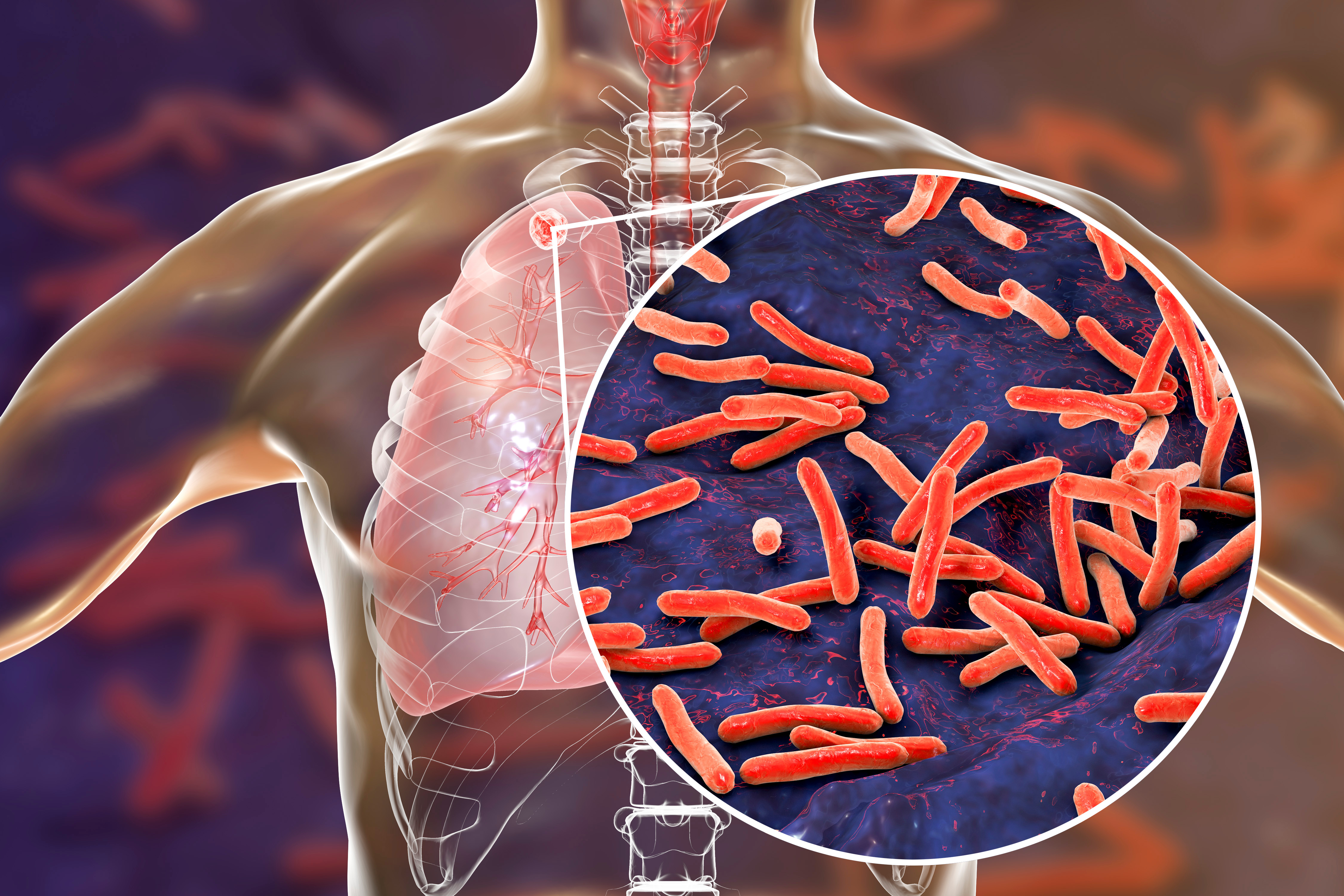

Type: OnlineCourse Code: 20-1312222 Duration: 0 minutes

Online course 0 hours

Course Description: This course discusses how to maintain patient safety and dignity while providing personal care. The course details infection control, transfers, personal hygiene, incontinence management, feeding, prevention of bed sores, and how to help patients with disabilities.

Contact Hour: 

1 Contact Hour

 Author:

Hallie Turner, MSN, APRN, FNP-BC


This peer-reviewed course is applicable for the following professions: 

Certified Medication Assistant (CMA), Certified Nursing Assistant (CNA), Home Health Aid (HHA), Medical Assistant (MA)

Accreditations:

The American Nurses Credentialing Center (ANCC)


State Approvals: 

Florida Board of Nursing Provider 50-353


  1. Course Description:

This course discusses how to maintain patient safety and dignity while providing personal care. The course details infection control, transfers, personal hygiene, incontinence management, feeding, prevention of bed sores, and how to help patients with disabilities.

Outcomes:

≥ 92% of participants will know how to provide personal care to patients within the scope of practice for a Certified Nurse’s Aide or Home Health Aide.

Objectives:

After completing this continuing education course, the participant will be able to:

1. Identify principles of personal care.

2. Recall which personal care tasks can be performed by an aide.

3. Recognize appropriate infection control actions.

4. Identify correct transfer techniques and equipment.

5. Recall how to perform appropriate personal hygiene tasks.

6. Identify incontinence management and acceptable equipment.

7. List ways to prevent bedsores.


Disclosures:

CEUFast Inc. and the course planning team for this educational activity do not have any relevant financial relationship(s) to disclose with ineligible companies whose primary business is producing, marketing, selling, re-selling, or distributing healthcare products used by or on patients.

Type: OnlineCourse Code: 20-1262282 Duration: 0 minutes

Online course 0 hours

Course Description: This course discusses how to develop and maintain professional boundaries for CNAs.

Contact Hour:  

1 Contact Hour

Author: 

Julia Tortorice (RN, MBA, MSN, NEA-BC, CPHQ)

This peer-reviewed course is applicable for the following professions: 

Certified Nursing Assistant (CNA), Home Health Aid (HHA), Licensed Nursing Assistant (LNA), Medical Assistant (MA)

Accreditations:

The American Nurses Credentialing Center (ANCC)

State Approvals:

California Department of Public Health NAC# 7037; Florida Board of Nursing Provider 50-353

Course Description: 

This course discusses how to develop and maintain professional boundaries for CNAs.

Outcomes: 

 ≥ 92% of participants will know how to develop and maintain professional boundaries.

Objectives:

After completing this continuing education course, the participant will be able to: 

  1. Describe professional boundaries.
  1. Identify the resident’s perspective.
  1. Describe the purpose of therapeutic relationships.
  1. Identify boundary violations.
  1. Describe dependent adult abuse.

Disclosures:

CEUFast Inc. and the course planning team for this educational activity do not have any relevant financial relationship(s) to disclose with ineligible companies whose primary business is producing, marketing, selling, re-selling, or distributing healthcare products used by or on patients. 


Type: OnlineCourse Code: 20-1329713 Duration: 0 minutes

Online course 0 hours

Course Description: This course discusses when restraints may be appropriate to use, 3 common medical conditions associated with behavioral changes that may warrant restraints, de-escalation techniques, restraint protocols, types of restraints, and restraint use requirements per the Joint Commission.

Contact Hour:

1 Contact Hour

Author: 

Hallie Turner (MSN, APRN, FNP-BC)

This peer-reviewed course is applicable for the following professions: 

Certified Medication Assistant (CMA), Certified Nursing Assistant (CNA), Home Health Aid (HHA), Medical Assistant (MA)

Accreditations:  

 The American Nurses Credentialing Center (ANCC)

State Approvals:

Florida Board of Nursing Provider 50-353

Course Description: 

This course discusses when restraints may be appropriate to use, 3 common medical conditions associated with behavioral changes that may warrant restraints, de-escalation techniques, restraint protocols, types of restraints, and restraint use requirements per the Joint Commission.

Outcomes: 

≥ 92% of participants will know about the use of restraints in patient care within the CNAs’ and HHAs' scope of practice.

Objectives:

After completing this continuing education course, the participant will be able to: 

  1. Recognize factors that contribute to restraint use.
  1. Understand the difference between the three common medical conditions associated with behavioral changes.
  1. Recall de-escalation techniques that may be utilized to avoid the need for restraints.
  1. Recall the CNAs and HHAs' scope of practice regarding restraint protocols.
  1. List the various types of restraints.
  1. Recognize which restraint is most appropriate to use during different situations.
  1. Recall the various legal requirements regarding restraint use.

Disclosures: 

CEUFast Inc. and the course planning team for this educational activity do not have any relevant financial relationship(s) to disclose with ineligible companies whose primary business is producing, marketing, selling, re-selling, or distributing healthcare products used by or on patients. 


Type: OnlineCourse Code: 20-764970 Duration: 0 minutes

Online course 0 hours

Course Description: This continuing education course empowers nurses with the knowledge and skills necessary to address and prevent sexual harassment in the California workplace. This comprehensive course equips nurses with practical insights, examples, and tools to foster a respectful and inclusive workplace, promoting a culture where sexual harassment is not tolerated.

Contact Hour(s): 

1 Contact Hour

Author: 

Trudy Tappan, RN, PhD

This peer-reviewed course is applicable for the following professions: 

Advanced Practice Registered Nurse (APRN), Athletic Trainer (AT/AL), Certified Medication Assistant (CMA), Certified Nurse Practitioner, Certified Nursing Assistant (CNA), Certified Registered Nurse Anesthetist (CRNA), Clinical Nurse Specialist (CNS), Licensed Practical Nurse (LPN), Licensed Vocational Nurses (LVN), Medical Assistant (MA), Nursing Student, Occupational Therapist (OT), Occupational Therapist Assistant (OTA), Physical Therapist (PT), Physical Therapist Assistant (PTA), Registered Nurse (RN), Respiratory Care Practitioner, Respiratory Therapist (RT)

Accreditations: 

The American Nurses Credentialing Center (ANCC), The American Occupational Therapy Association (AOTA), Board of Certification for Athletic Trainers (BOC)

State Approvals: 

Alabama, Provider #ABNP1485; California BRN Provider #CEP # 13509; Kentucky Board of Nursing Provider #7-0085; Florida Board of Nursing Provider 50-353; New York State Education Department’s State Board for Physical Therapy;  

Course Description: 

This continuing education course empowers nurses with the knowledge and skills necessary to address and prevent sexual harassment in the California workplace. This comprehensive course equips nurses with practical insights, examples, and tools to foster a respectful and inclusive workplace, promoting a culture where sexual harassment is not tolerated.

Outcomes: 

≥ 92% of participants will know how to report sexual harassment both inside and outside the organization.

Objectives: 

After completing this continuing education course, the participant will be able to meet the following objectives:

  1. Identify behaviors that might be considered sexual harassment in the California workplace.
  1. Classify Sexual Harassment based upon type.
  1. Outline supervisory/employer responsibilities when they receive a complaint.
  1. Describe individuals who can be a harasser.
  1. Examine victims’ regulations and resources to prevent and deal with sexual harassment.
  1. Outline the California SB-1343 training requirements state for companies with at least five employees.
  1. Compare the 5 D’s of Bystander Training.
  1. Describe the elements of a fair investigation.

Disclosures: 

CEUFast Inc. and the course planning team for this educational activity do not have any relevant financial relationship(s) to disclose with ineligible companies whose primary business is producing, marketing, selling, re-selling, or distributing healthcare products used by or on patients. 


Type: OnlineCourse Code: 20-764976 Duration: 0 minutes

Online course 0 hours

Course Description: This continuing education course empowers nurses with the knowledge and skills necessary to address and prevent sexual harassment in the California workplace. This comprehensive course equips nurses with practical insights, examples, and tools to foster a respectful and inclusive workplace, promoting a culture where sexual harassment is not tolerated.

Contact Hour(s): 

2 Contact Hour

Author: 

Trudy Tappan, RN, PhD

This peer-reviewed course is applicable for the following professions: 

Advanced Practice Registered Nurse (APRN), Athletic Trainer (AT/AL), Certified Medication Assistant (CMA), Certified Nurse Practitioner, Certified Nursing Assistant (CNA), Certified Registered Nurse Anesthetist (CRNA), Clinical Nurse Specialist (CNS), Licensed Practical Nurse (LPN), Licensed Vocational Nurses (LVN), Medical Assistant (MA), Nursing Student, Occupational Therapist (OT), Occupational Therapist Assistant (OTA), Physical Therapist (PT), Physical Therapist Assistant (PTA), Registered Nurse (RN), Respiratory Care Practitioner, Respiratory Therapist (RT)

Accreditations: 

The American Nurses Credentialing Center (ANCC)

State Approvals:

Florida Board of Nursing Provider 50-353  

Course Description: 

This continuing education course empowers nurses with the knowledge and skills necessary to address and prevent sexual harassment in the California workplace. This comprehensive course equips nurses with practical insights, examples, and tools to foster a respectful and inclusive workplace, promoting a culture where sexual harassment is not tolerated.

Outcomes: 

≥ 92% of participants will know how to report sexual harassment both inside and outside the organization.

Objectives: 

After completing this continuing education course, the participant will be able to meet the following objectives:

  1. Identify behaviors that might be considered sexual harassment in the California workplace.
  1. Classify Sexual Harassment based upon type.
  1. Outline supervisory/employer responsibilities when they receive a complaint.
  1. Describe individuals who can be a harasser.
  1. Examine victims’ regulations and resources to prevent and deal with sexual harassment.
  1. Outline the California SB-1343 training requirements state for companies with at least five employees.
  1. Compare the 5 D’s of Bystander Training.
  1. Describe the elements of a fair investigation.

Disclosures: 

CEUFast Inc. and the course planning team for this educational activity do not have any relevant financial relationship(s) to disclose with ineligible companies whose primary business is producing, marketing, selling, re-selling, or distributing healthcare products used by or on patients. 



Type: OnlineCourse Code: 20-1251566 Duration: 0 minutes

Online course 0 hours

Course Description: This course discusses medication administration practices for certified medication aides.

Contact Hour:   

1 Contact Hour

Author: 

Julia Tortorice (RN, MBA, MSN, NEA-BC, CPHQ)  

This peer-reviewed course is applicable for the following professions: 

Certified Medication Assistant (CMA), Certified Nursing Assistant (CNA), Medication Aide

Accreditations:

The American Nurses Credentialing Center (ANCC)

State Approvals

Florida Board of Nursing Provider 50-353;

Course Description: 

This course discusses medication administration practices for certified medication aides.

Outcomes: 

≥ 92% of participants will know the standards of safe medication administration by certified nursing aides.

Objectives: 

After completing this continuing education course, the participant will be able to: 

  1. Identify medications that a certified medication aide can give.
  1. Identify medications that a certified medication aide cannot give.
  1. Determine how to maintain a safe environment for medication administration.
  1. Describe the responsibilities of a certified medication aide.
  1. Outline legal requirements to working as a medication aide.

Disclosures: 

CEUFastInc. and the course planning team for this educational activity do not have any relevant financial relationship(s) todisclosewith ineligible companies whose primary business is producing, marketing, selling, re-selling, or distributing healthcare products used by or on patients.