ALL COURSES

Catalog

Browse eligible courses by profession.

Filter by
50 courses Catalog: All courses
Type: OnlineCourse Code: 20-1361410 Duration: 0 minutes

Online course 0 hours

Hours
0 hours
Code
20-1361410
Duration
0 minutes
Course Description: This course discusses the prevalence and diagnostic criteria of adult obesity, its complex pathophysiology, and obesity-related conditions. This course also discusses comprehensive clinical assessment findings in those with obesity. Evidence-based obesity interventions, including nutrition counseling, physical activity recommendations, pharmacological tre...

Contact Hour(s): 

 2 Contact hours, including 2 Advanced Pharmacology Hours

Author:

 Sarah Beattie DNP, APRN-CNP, CDCES

This peer-reviewed course is applicable for the following professions:

Advanced Practice Registered Nurse (APRN), Athletic Trainer (AT/AL), Certified Nurse Midwife, Certified Nurse Practitioner, Certified Registered Nurse Anesthetist (CRNA), Certified Registered Nurse Practitioner, Clinical Nurse Specialist (CNS), Licensed Practical Nurse (LPN), Licensed Vocational Nurses (LVN), Midwife (MW), Nursing Student, Physical Therapist (PT), Physical Therapist Assistant (PTA), Registered Nurse (RN), Registered Nurse Practitioner, Respiratory Therapist (RT)

Accreditations: 

The American Nurses Credentialing Center (ANCC), Board of Certification for Athletic Trainers (BOC)

State Approvals:

Alabama, Provider #ABNP1485; California BRN Provider #CEP # 13509; Florida Physical Therapy Association Approval: CE26-1361410; Kentucky Board of Nursing Provider #7-0085; Florida Board of Nursing Provider 50-353; New York State Education Department’s State Board for Physical Therapy

Course Description:

This course discusses the prevalence and diagnostic criteria of adult obesity, its complex pathophysiology, and obesity-related conditions. This course also discusses comprehensive clinical assessment findings in those with obesity. Evidence-based obesity interventions, including nutrition counseling, physical activity recommendations, pharmacological treatment, and surgical/procedural interventions, are also discussed in detail. Weight bias and stigma, and their effects on nursing care, are also discussed.

Outcomes:

≥ 92% of participants will know the comprehensive evaluation and management of adults living with obesity.

Objectives:

After completing this continuing education course, the participant will be able to:

  1. Relate the incidence and prevalence of obesity in the adult population.
  2. Differentiate between the terms overweight and obese.
  3. Explain the pathophysiology of obesity.
  4. Examine obesity-related conditions and complications.
  5. Elaborate on a comprehensive assessment of an adult with obesity.
  6. Summarize evidence-based clinical practice guidelines for the treatment of obesity.
  7. Recognize weight stigma in practice and how to promote stigma-free care.

Disclosures:

CEUFast Inc. and the course planning team for this educational activity do not have any relevant financial relationship(s) to disclose with ineligible companies whose primary business is producing, marketing, selling, re-selling, or distributing healthcare products used by or on patients.


Type: OnlineCourse Code: 20-1330370 Duration: 0 minutes

Online course 0 hours

Hours
0 hours
Code
20-1330370
Duration
0 minutes
Course Description: This course discusses adverse reactions to contrast agents and how to appropriately address them. The course also addresses the history of contrast agents, diagnostic studies that require them, myths surrounding them, risk factors for adverse reactions, and ways to mitigate these risks.Outcomes≥ 92% of participants will know how to recognize adverse react...

Contact Hour(s): 

1.5 Contact Hours, including 1.5 Advanced Pharmacology Hours

Author:

Charmaine Robinson, MSN-Ed, BSN, RN

This peer-reviewed course is applicable for the following professions:

Advanced Practice Registered Nurse (APRN), Certified Nurse Midwife, Certified Nurse Practitioner, Certified Registered Nurse Anesthetist (CRNA), Certified Registered Nurse Practitioner, Clinical Nurse Specialist (CNS), Licensed Practical Nurse (LPN), Licensed Vocational Nurses (LVN), Midwife (MW), Nursing Student, Registered Nurse (RN), Registered Nurse Practitioner

Accreditations: 

The American Nurses Credentialing Center (ANCC)

State Approvals:

Alabama, Provider #ABNP1485; California BRN Provider #CEP # 13509; Kentucky Board of Nursing Provider #7-0085; Florida Board of Nursing Provider 50-353

Course Description:

This course discusses adverse reactions to contrast agents and how to appropriately address them. The course also addresses the history of contrast agents, diagnostic studies that require them, myths surrounding them, risk factors for adverse reactions, and ways to mitigate these risks.

Outcomes

≥ 92% of participants will know how to recognize adverse reactions to contrast agents.

Objectives

After completing this continuing education course, the participant will be able to:

  1. Associate diagnostic studies with respective contrast agents.
  2. Identify strategies for preventing adverse reactions and complications from contrast use.
  3. Recognize factors that place a patient at greater risk of experiencing a contrast adverse reaction or complication.
  4. List examples of allergic and physiological reactions to contrast agents.
  5. Characterize acute kidney injury.
  6. Summarize the length of time contrast reactions can occur after administration.
  7. Analyze the pharmacodynamics of contrast agents.

Disclosures:

CEUFast Inc. and the course planning team for this educational activity do not have any relevant financial relationship(s) to disclose with ineligible companies whose primary business is producing, marketing, selling, re-selling, or distributing healthcare products used by or on patients.

Type: OnlineCourse Code: 20-1212832 Duration: 0 minutes

Online course 0 hours

Hours
0 hours
Code
20-1212832
Duration
0 minutes
Course Description: This course discusses healthcare issues specific to infants, children, adolescents, adults, and adults over age 65, as well as healthcare screening and preventive measures for these age groups.

Contact Hour(s): 

3 Contact Hours

Author:

 Dana Bartlett, RN, BSN, MA, CSPI

This peer-reviewed course is applicable for the following professions:

Advanced Practice Registered Nurse (APRN), Certified Medication Assistant (CMA), Certified Nurse Midwife, Certified Nurse Practitioner, Certified Nursing Assistant (CNA), Certified Registered Nurse Practitioner, Clinical Nurse Specialist (CNS), Licensed Practical Nurse (LPN), Licensed Vocational Nurses (LVN), Midwife (MW), Nursing Student, Registered Nurse (RN), Registered Nurse Practitioner, Respiratory Care Practitioner, Respiratory Therapist (RT)

Accreditations: 

The American Nurses Credentialing Center (ANCC)

State Approvals:

Alabama, Provider #ABNP1485; California BRN Provider #CEP # 13509; Kentucky Board of Nursing Provider #7-0085; Florida Board of Nursing Provider 50-353;

Course Description:

This course discusses healthcare issues specific to infants, children, adolescents, adults, and adults over age 65, as well as healthcare screening and preventive measures for these age groups.

Outcomes:

≥ 92% of participants will know healthcare issues and screening recommendations for infants, children, adolescents, adults, and aging adults.

Objectives:

After completing this continuing education course, the participant will be able to:

  1. Describe a safety issue for a specific age group.
  2. Identify a need/issue for a specific age group.
  3. Choose a preventive intervention for each age group covered in this module.
  4. Summarize an assessment approach that is specific to an age group.
  5. Analyze health risks that are specific to an age group.

Disclosures:

CEUFast Inc. and the course planning team for this educational activity do not have any relevant financial relationship(s) to disclose with ineligible companies whose primary business is producing, marketing, selling, re-selling, or distributing healthcare products used by or on patients.



Type: OnlineCourse Code: 20-1361031 Duration: 0 minutes

Online course 0 hours

Hours
0 hours
Code
20-1361031
Duration
0 minutes
Course Description: The course will provide an overview of arterial blood gas interpretation, raise awareness and understanding of the various aspects of arterial blood gases, and increase the healthcare provider's knowledge base.

Contact Hour(s): 

2 Contact Hours

Author:

Raymond Lengel, MSN, FNP-BC, RN

This peer-reviewed course is applicable for the following professions:

Advanced Practice Registered Nurse (APRN), Certified Nurse Midwife, Certified Nurse Practitioner, Certified Registered Nurse Anesthetist (CRNA), Certified Registered Nurse Practitioner, Clinical Nurse Specialist (CNS), Licensed Practical Nurse (LPN), Licensed Vocational Nurses (LVN), Midwife (MW), Nursing Student, Registered Nurse (RN), Registered Nurse Practitioner, Respiratory Care Practitioner, Respiratory Therapist (RT)

Accreditations: 

The American Nurses Credentialing Center (ANCC)

State Approvals:

Alabama, Provider #ABNP1485; California BRN Provider #CEP # 13509; Kentucky Board of Nursing Provider #7-0085; Florida Board of Nursing Provider 50-353;

Course Description: 

The course will provide an overview of arterial blood gas interpretation, raise awareness and understanding of the various aspects of arterial blood gases, and increase the healthcare provider's knowledge base.

Outcomes:

≥ 92% of participants will know how to interpret arterial blood gases

Objectives: 

After completion of this course, the learner will be able to:

  1. List the steps in obtaining an arterial blood gas (ABG) sample.
  1. Compare and contrast metabolic acidosis, metabolic alkalosis, respiratory acidosis, and respiratory alkalosis.
  1. List common causes of metabolic acidosis, metabolic alkalosis, respiratory acidosis, and respiratory alkalosis.
  1. Interpret ABGs given a clinical scenario.
  1. Identify compensation of ABGs given a clinical scenario.

Disclosures: 

 CEUFast Inc. and the course planning team for this educational activity do not have any relevant financial relationship(s) to disclose with ineligible companies whose primary business is producing, marketing, selling, re-selling, or distributing healthcare products used by or on patients. 

Type: OnlineCourse Code: 20-524301 Duration: 0 minutes

Online course 1 hours

Hours
1 hours
Code
20-524301
Duration
0 minutes
Course Description: ADHD, Attention-deficit hyperactivity disorder. The purpose of this activity is to assist the caregiver in being able to successfully care for the patient with ADHD.


Contact Hour(s):  

1 Contact Hour 

Author: 

Julia Tortorice, RN, MBA, MSN, NEA-BC, CPHQ

This peer-reviewed course is applicable for the following professions:

Certified Medication Assistant (CMA), Certified Nursing Assistant (CNA), Home Health Aid (HHA), Licensed Nursing Assistant (LNA), Medical Assistant (MA) 

Accreditations:  

The American Nurses Credentialing Center (ANCC)

State Approvals:

California Department of Public Health NAC# 7037; Florida Board of Nursing Provider 50-353

Course Description: 

ADHD, Attention-deficit hyperactivity disorder. The purpose of this activity is to assist the caregiver in being able to successfully care for the patient with ADHD. 

Outcomes:

Goal ≥92% of participants will know how to care for people with ADHD. 

Objectives: 

After completing this continuing education course, the participant will be able to meet the following objectives: 

  1. Describe symptoms of Attention Deficit and Hyperactivity Disorder.
  2. Discuss how to care for a person with ADHD who is impulsive.
  3. Discuss how to care for a person with ADHD who is hyperactive.
  4. Discuss how to care for a person with ADHD who is inattentive.
  5. Recognize what to report to the nurse. 

Disclosures: 

CEUFast Inc. and the course planning team for this educational activity do not have any relevant financial relationship(s) to disclose with ineligible companies whose primary business is producing, marketing, selling, re-selling, or distributing healthcare products used by or on patients. 


Type: OnlineCourse Code: 20-1268682 Duration: 0 minutes

Online course 1.5 hours

Hours
1.5 hours
Code
20-1268682
Duration
0 minutes
Course Description: This course discusses the complexity of intellectual disabilities, strategies for caring for patients with an intellectual disability, and recognizing and reporting abuse.

Accredited for assistant-level professions only


Contact Hour(s):   

1.5 Contact Hours 


Author:  

Celeste Barefield (MSN, APRN, FNP-BC) 


This peer-reviewed course is applicable for the following professions:

Certified Nursing Assistant (CNA), Home Health Aid (HHA), Licensed Nursing Assistant (LNA), Medical Assistant (MA) 


Accreditations:

The American Nurses Credentialing Center (ANCC) 


State Approvals:

Florida Board of Nursing Provider 50-353


Course Description:  

This course discusses the complexity of intellectual disabilities, strategies for caring for patients with an intellectual disability, and recognizing and reporting abuse. 


Outcomes:  

≥ 92% of participants will know how to care for a patient with an intellectual disability. 


Objectives:  

After completing this continuing education course, the participant will be able to:  


1. Define intellectual impairment and identify the common types. 

2. Recognize the signs and symptoms of cognitive impairment. 

3. Implement appropriate communication techniques for patients with cognitive impairment. 

4. Summarize the importance of creating a safe environment for patients with cognitive impairment. 

5. Provide basic personal care to patients with cognitive impairment while respecting their dignity and independence. 

6. Determine nutrition and hydration strategies for patients with cognitive impairment. 

7. Recognize the importance of promoting social interaction and enrichment activities for patients with intellectual disabilities. 

8. Implement measures to prevent skin breakdown and pressure ulcers in patients with cognitive impairment. 


Disclosures:  

CEUFast Inc. and the course planning team for this educational activity do not have any relevant financial relationship(s) to disclose with ineligible companies whose primary business is producing, marketing, selling, re-selling, or distributing healthcare products used by or on patients.  


Type: OnlineCourse Code: 20-553464 Duration: 0 minutes

Online course 1 hours

Hours
1 hours
Code
20-553464
Duration
0 minutes
Course Description: This course discusses the signs and symptoms, how to help, and how to respond to asthma.

Contact Hour(s): 

1 Contact Hour

Author:

Julia Tortorice, RN, MBA, MSN, NEA-BC, CPHQ

This peer-reviewed course is applicable for the following professions:

Certified Medication Assistant (CMA), Certified Nursing Assistant (CNA), Home Health Aid (HHA), Licensed Nursing Assistant (LNA), Medical Assistant (MA)

Accreditations: 

The American Nurses Credentialing Center (ANCC)

State Approvals:

Alabama, Provider #ABNP1485; California BRN Provider #CEP # 13509; Kentucky Board of Nursing Provider #7-0085; Florida Board of Nursing Provider 50-353

Course Description:

This course discusses the signs and symptoms, how to help, and how to respond to asthma.

Outcomes:

≥ 92% of participants will know how to help and respond to asthmatic attacks.

Objectives:

After completing this continuing education course, the participant will be able to:

  1. Discuss asthma.
  2. Identify signs and symptoms of asthma.
  3. Discuss potential triggers of an asthma attack.
  4. Identify how a CNA can help a person with asthma.
  5. Discuss what symptoms to report to the nurse.

Disclosures:

CEUFast Inc. and the course planning team for this educational activity do not have any relevant financial relationship(s) to disclose with ineligible companies whose primary business is producing, marketing, selling, re-selling, or distributing healthcare products used by or on patients.

Type: OnlineCourse Code: 20-1297824 Duration: 0 minutes

Online course 1 hours

Hours
1 hours
Code
20-1297824
Duration
0 minutes
Course Description: This course discusses the role of CNAs and HHAs in providing safe and effective care, including assistance with activities of daily living (ADLs), mobility, positioning, and emotional support.

Contact Hour(s):  

1 Contact Hour 

Author: 

Breann Kakacek (BSN, RN) 

This peer-reviewed course is applicable for the following professions:

Certified Medication Assistant (CMA), Certified Nursing Assistant (CNA), Home Health Aid (HHA), Medical Assistant (MA) 

Accreditations:  

The American Nurses Credentialing Center (ANCC)

State Approvals:

California Department of Public Health NAC# 7037; Florida Board of Nursing Provider 50-353

Course Description: 

This course discusses the role of CNAs and HHAs in providing safe and effective care, including assistance with activities of daily living (ADLs), mobility, positioning, and emotional support. 

Outcomes: 

After completing this continuing education course, ≥ 92% of participants will know how to provide comprehensive and safe care to individuals with cerebral palsy (CP) in home care settings. 

Objectives: 

After completing this continuing education course, the participant will be able to meet the following objectives: 

  1. Identify the different types of cerebral palsy and their associated symptoms and care needs.
  2. Recognize proper positioning and transfer techniques to ensure the safety and comfort of individuals with cerebral palsy.
  3. Summarize the key interventions CNAs and HHAs should implement to assist individuals with cerebral palsy in activities of daily living and therapeutic exercises.
  4. Differentiate between the various assistive devices used for individuals with cerebral palsy and explain their safe and effective usage.
  5. Recognize the importance of emotional support and effective communication strategies when caring for individuals with cerebral palsy and their families. 

Disclosures: 

CEUFast Inc. and the course planning team for this educational activity do not have any relevant financial relationship(s) to disclose with ineligible companies whose primary business is producing, marketing, selling, re-selling, or distributing healthcare products used by or on patients. 


Type: OnlineCourse Code: 20-536459 Duration: 0 minutes

Online course 1 hours

Hours
1 hours
Code
20-536459
Duration
0 minutes
Course Description: This course discusses how to identify and prevent constipation and impaction.Course Outcome:≥ 92% of participants will know how to care for a patient who is at risk of constipation.Objectives:After completing this continuing education course, the participant will be able to:Describe how the gastrointestinal tract works.Identify causes of constipation.Iden...

Contact Hour(s): 

1 Contact Hour

Author:

Julia Tortorice, RN, MBA, MSN, NEA-BC, CPHQ

This peer-reviewed course is applicable for the following professions:

Certified Medication Assistant (CMA), Certified Nursing Assistant (CNA), Home Health Aid (HHA), Licensed Nursing Assistant (LNA), Medical Assistant (MA), Medication Aide

Accreditations: 

CEUFast, Inc. is accredited as a provider of nursing continuing professional development by the American Nurses Credentialing Center's Commission on Accreditation.

State Approvals:

California Department of Public Health NAC# 7037; Florida Board of Nursing Provider 50-353

Course Description:

This course discusses how to identify and prevent constipation and impaction.

Course Outcome:

≥ 92% of participants will know how to care for a patient who is at risk of constipation.

Objectives:

After completing this continuing education course, the participant will be able to:

  1. Describe how the gastrointestinal tract works.
  2. Identify causes of constipation.
  3. Identify signs of fecal impaction.
  4. Identify treatments for constipation or impaction.
  5. Describe the prevention of constipation or impaction.

Disclosures:

CEUFast Inc. and the course planning team for this educational activity do not have any relevant financial relationship(s) to disclose with ineligible companies whose primary business is producing, marketing, selling, re-selling, or distributing healthcare products used by or on patients.
Type: OnlineCourse Code: 20-564824 Duration: 0 minutes

Online course 1 hours

Hours
1 hours
Code
20-564824
Duration
0 minutes
Course Description: This course provides a comprehensive guide for CNAs on how to care for patients with Down Syndrome, emphasizing effective communication, compassionate care, and understanding of the legal protections that ensure their rights.

Contact Hour(s): 

1 Contact Hour

Author:

Julia Tortorice, RN, MBA, MSN, NEA-BC, CPHQ

This peer-reviewed course is applicable for the following professions:

Certified Nursing Assistant (CNA), Home Health Aid (HHA), Licensed Nursing Assistant (LNA), Medical Assistant (MA), Medication Aide

Accreditations: 

The American Nurses Credentialing Center (ANCC)

State Approvals: 

California Department of Public Health NAC# 7037; Florida Board of Nursing Provider 50-353

Course Description:

This course provides a comprehensive guide for CNAs on how to care for patients with Down Syndrome, emphasizing effective communication, compassionate care, and understanding of the legal protections that ensure their rights.

Outcomes:

≥ 92% of participants will know how to care for a patient with Down Syndrome.

Objectives:

After completing this continuing education course, the participant will be able to:

  1. Define Down Syndrome.
  2. Identify characteristics of Down Syndrome.
  3. Outline how to communicate with a patient with Down Syndrome.
  4. Identify how to care for the patient with Down Syndrome.
  5. Recognize barriers to care and disability acts for patients with Down Syndrome.


Disclosures:

CEUFast Inc. and the course planning team for this educational activity do not have any relevant financial relationship(s) to disclose with ineligible companies whose primary business is producing, marketing, selling, re-selling, or distributing healthcare products used by or on patients.


Type: OnlineCourse Code: 20-557410 Duration: 0 minutes

Online course 1 Contact hours

Hours
1 Contact hours
Code
20-557410
Duration
0 minutes
Course Description: The purpose of this activity is to enable the learner to identify and aid in the management of patients with kidney disease.

Contact Hour(s):  

1 Contact Hour 

Author: 

Julia Tortorice, RN, MBA, MSN, NEA-BC, CPHQ 

This peer-reviewed course is applicable for the following professions: 

Certified Medication Assistant (CMA), Certified Nursing Assistant (CNA), Home Health Aid (HHA), Licensed Nursing Assistant (LNA), Medical Assistant (MA), Medication Aide 

Accreditations:  

The American Nurses Credentialing Center (ANCC)

State Approvals:  

Florida Board of Nursing Provider 50-353

Course Description: 

The purpose of this activity is to enable the learner to identify and aid in the management of patients with kidney disease. 

Outcomes: 

≥ 92% of participants will know how to care for patients with kidney and renal disease. 

Objectives: 

After completing this continuing education course, the participant will be able to meet the following objectives: 

  1. Describe the anatomy of the renal system.
  2. Identify signs and symptoms of renal disease.
  3. Identify common causes of kidney and renal failure.
  4. Define the role of the CNA in caring for patients with kidney disease.
  5. Discuss what to report to a nurse. 

Disclosures: 

CEUFast Inc. and the course planning team for this educational activity do not have any relevant financial relationship(s) to disclose with ineligible companies whose primary business is producing, marketing, selling, re-selling, or distributing healthcare products used by or on patients. 


Type: OnlineCourse Code: 20-531653 Duration: 0 minutes

Online course 1 Contact hours

Hours
1 Contact hours
Code
20-531653
Duration
0 minutes
Course Description: The purpose of this activity is to enable nursing assistants to identify and aid in the management of seizures in patients.

Contact Hour(s): 

1 Contact Hour

Author: 

Julia Tortorice, RN, MBA, MSN, EdD, NEA-BC

This peer-reviewed course is applicable for the following professions: 

Certified Medication Assistant (CMA), Certified Nursing Assistant (CNA), Home Health Aid (HHA), Licensed Nursing Assistant (LNA), Medical Assistant (MA), Medication Aide

Accreditations: 

The American Nurses Credentialing Center (ANCC),

State Approvals: 

Florida Board of Nursing Provider 50-353

Course Description: 

The purpose of this activity is to enable nursing assistants to identify and aid in the management of seizures in patients.

Outcomes: 

≥92% of participants will know how to care for a patient with seizures.

Objectives: 

After completing this course, the participant will be able to:

  1. Discuss the cause of seizures.
  2. Identify the types of seizure.
  3. Describe the care of patients with seizures.
  4. Discuss how to react during an active seizure.
  5. Discuss what to report to the nurse.

Disclosures: 

CEUFast Inc. and the course planning team for this educational activity do not have any relevant financial relationship(s) to disclose with ineligible companies whose primary business is producing, marketing, selling, re-selling, or distributing healthcare products used by or on patients. 


Type: OnlineCourse Code: 20-664901 Duration: 0 minutes

Online course 1 hours

Hours
1 hours
Code
20-664901
Duration
0 minutes
Course Description: This course discusses these aspects of care of the TB patient: Epidemiology of TB, TB transmission, types of TB, signs and symptoms, drug therapy, patient monitoring, immediate reporting of signs and symptoms, infection control, nutrition, home care, healthcare worker exposure to TB, and vaccination.Course Outcome:≥ 92% of participants will know the prima...

Contact Hour(s): 

1 Contact Hours

Author:

Dana Bartlett, RN, BSN, MA, CSPI

This peer-reviewed course is applicable for the following professions:

Certified Medication Assistant (CMA), Certified Nursing Assistant (CNA), Home Health Aid (HHA), Licensed Nursing Assistant (LNA), Medical Assistant (MA), Medication Aide

Accreditations: 

The American Nurses Credentialing Center (ANCC)

State Approvals:

California Department of Public Health NAC# 7037; Florida Board of Nursing Provider 50-353

Course Description:

This course discusses these aspects of care of the TB patient: Epidemiology of TB, TB transmission, types of TB, signs and symptoms, drug therapy, patient monitoring, immediate reporting of signs and symptoms, infection control, nutrition, home care, healthcare worker exposure to TB, and vaccination.

Course Outcome:

≥ 92% of participants will know the primary issues of tuberculosis (TB) care: Transmission, signs and symptoms, and patient care.

Objectives:

After completing this continuing education course, the participant will be able to:

  1. Identify the primary types of TB and how TB is spread.
  2. List how TB affects the body, including three signs/symptoms of TB.
  3. Recognize an intervention that increases compliance with TB drug therapy.
  4. List three signs/symptoms that should be immediately reported to the nurse.
  5. Identify at least two infection control precautions used for TB patients.

Disclosures:

CEUFast Inc. and the course planning team for this educational activity do not have any relevant financial relationship(s) to disclose with ineligible companies whose primary business is producing, marketing, selling, re-selling, or distributing healthcare products used by or on patients.

Type: Online Course Code: 20-1361335 Duration: 0 minutes Certificate: Available

Online Course 2 Contact hours

Hours
2 Contact hours
Code
20-1361335
Duration
0 minutes
Course Description: This course discusses the CBC, its benefits, and limitations. Abnormal values are discussed. Pertinent history and physical exam findings are reviewed. The importance of synthesizing multiple abnormalities along with the clinical presentation is highlighted. Both urgent and routine referral guidelines are discussed.

Contact Hours: 

2 Contact Hours 

Author: 

Anna Schaal (RN, MSN, FNP-C)

This peer-reviewed course is applicable for the following professions: 

Advanced Practice Registered Nurse (APRN), Certified Nurse Midwife, Certified Nurse Practitioner, Certified Registered Nurse Anesthetist (CRNA), Certified Registered Nurse Practitioner, Clinical Nurse Specialist (CNS), Licensed Practical Nurse (LPN), Licensed Vocational Nurses (LVN), Midwife (MW), Nursing Student, Registered Nurse (RN), Registered Nurse Practitioner

Accreditations:

 The American Nurses Credentialing Center (ANCC)

State Approvals:

Alabama, Provider #ABNP1485; California BRN Provider #CEP # 13509; Kentucky Board of Nursing Provider #7-0085; Florida Board of Nursing Provider 50-353

Course Description: 

This course discusses the CBC, its benefits, and limitations. Abnormal values are discussed. Pertinent history and physical exam findings are reviewed. The importance of synthesizing multiple abnormalities along with the clinical presentation is highlighted. Both urgent and routine referral guidelines are discussed.

Outcomes: 

≥ 92% of participants will know how to correlate abnormalities in the CBC with the clinical scenario and be able to identify appropriate next steps, including further testing and diagnostics, and when to refer to a specialist.

Objectives: 

After completing this continuing education course, the participant will be able to: 

  1. Explain common components of a complete blood count (CBC).
  1. Identify pertinent information about the main blood cells in the body.
  1. Describe diagnoses associated with abnormal blood counts.
  1. Outline the history and physical of patients with abnormal CBC results.
  1. Summarize referral guidelines for abnormal test results.

Disclosures: 

CEUFastInc. and the course planning team for this educational activity do not have any relevant financial relationship(s) todisclosewith ineligible companies whose primary business is producing, marketing, selling, re-selling, or distributing healthcare products used by or on patients. 

Type: OnlineCourse Code: 20-1362042 Duration: 0 minutes

Online course 2 Contact hours

Hours
2 Contact hours
Code
20-1362042
Duration
0 minutes
Course Description: This course discusses how nurses can not only provide direct patient care in relation to specific illnesses, but also help patients and families navigate the healthcare system, anticipate the far-reaching impacts of chronic health conditions, and provide the support and coordination of care necessary to work towards reaching goals and maximizing health ou...

Contact Hour(s):  

2 Contact Hours 

Author: 

Sarah Schulze (MSN, APRN, CPNP, PMHS, CLC) 

This peer-reviewed course is applicable for the following professions: 

Advanced Practice Registered Nurse (APRN), Athletic Trainer (AT/AL), Certified Nurse Midwife, Certified Nurse Practitioner, Certified Registered Nurse Anesthetist (CRNA), Certified Registered Nurse Practitioner, Clinical Nurse Specialist (CNS), Licensed Practical Nurse (LPN), Licensed Vocational Nurses (LVN), Midwife (MW), Nursing Student, Occupational Therapist (OT), Occupational Therapist Assistant (OTA), Physical Therapist (PT), Physical Therapist Assistant (PTA), Registered Nurse (RN), Registered Nurse Practitioner, Respiratory Therapist (RT) 

Accreditations:  

The American Nurses Credentialing Center (ANCC), The American Occupational Therapy Association (AOTA)

State Approvals:

Alabama, Provider #ABNP1485; California BRN Provider #CEP # 13509; Kentucky Board of Nursing Provider #7-0085; Florida Board of Nursing Provider 50-353; New York State Education Department’s State Board for Physical Therapy

Course Description: 

This course discusses how nurses can not only provide direct patient care in relation to specific illnesses, but also help patients and families navigate the healthcare system, anticipate the far-reaching impacts of chronic health conditions, and provide the support and coordination of care necessary to work towards reaching goals and maximizing health outcomes. 

Outcomes: 

≥ 92% of participants will know the impacts and healthcare implications of chronic illnesses on the quality of life for affected children and their families.≥ 92% of participants will know the impacts and healthcare implications of chronic illnesses on the quality of life for affected children and their families. 

Objectives: 

Upon completion of this course, the learner will be able to: 

  1. Analyze the prevalence, trends, and risk factors associated with chronic conditions in children.
  2. Summarize the Complex Chronic Condition (CCC) system and clinical significance of pediatric chronic conditions.
  3. Differentiate between various chronic conditions and their implications for care and impact on quality of life.
  4. Describe at least 2 risks and adverse effects of polypharmacy or long-term medication use.
  5. Analyze the multidimensional impact of chronic illness on academic performance, psychosocial development, and mental health to inform supportive interventions.
  6. Evaluate the role of healthcare providers in providing medical expertise, coordinating care, and supporting families of children with chronic conditions. 

Disclosures: 

CEUFast Inc. and the course planning team for this educational activity do not have any relevant financial relationship(s) to disclose with ineligible companies whose primary business is producing, marketing, selling, re-selling, or distributing healthcare products used by or on patients. 


Type: Online Course Code: 20-1361356 Duration: 0 minutes Certificate: Available

Online Course 4 Contact hours

Hours
4 Contact hours
Code
20-1361356
Duration
0 minutes
Course Description: The purpose of this course is to enable the participants to get an in-depth understanding of chronic kidney disease, review its staging, and understand the relationship with its main comorbidities and how these comorbidities affect patient outcomes.We will also review the management of patients with chronic kidney disease. The learner will garner a better...

Contact Hour(s): 

4 Contact Hours, including 4 Advanced Pharmacology Hours

Author:

Berthina Coleman, MD, BSN, RN

This peer-reviewed course is applicable for the following professions:

Advanced Practice Registered Nurse (APRN), Certified Nurse Practitioner, Certified Registered Nurse Anesthetist (CRNA), Clinical Nurse Specialist (CNS), Licensed Practical Nurse (LPN), Licensed Vocational Nurses (LVN), Midwife (MW), Nursing Student, Registered Nurse (RN), Registered Nurse Practitioner

Accreditations: 

The American Nurses Credentialing Center (ANCC)

State Approvals:

Alabama, Provider #ABNP1485; California BRN Provider #CEP # 13509; Kentucky Board of Nursing Provider #7-0085; Florida Board of Nursing Provider 50-353

Course Description:

The purpose of this course is to enable the participants to get an in-depth understanding of chronic kidney disease, review its staging, and understand the relationship with its main comorbidities and how these comorbidities affect patient outcomes.

We will also review the management of patients with chronic kidney disease. The learner will garner a better understanding of how to manage complications occurring during dialysis, better comprehend the pharmacokinetics and pharmacodynamics in patients with CKD, and finally, a brief review of the role that nurses (both dialysis and non-dialysis nurses) play in caring for patients with chronic kidney disease.

Outcomes

≥ 92% of participants will know how to stage and manage chronic kidney disease.

Objectives

After completing this continuing education course, the participant will be able to:

  1. Define Chronic Kidney Disease.
  2. Outline the staging of chronic kidney disease.
  3. Identify the gold standard for the treatment of end-stage renal failure.
  4. Identify the two main comorbidities associated with chronic kidney disease.
  5. Categorize the etiology and treatment of intradialytic hypotension.
  6. Relate the three causes of allergic reactions to dialyzers.
  7. Explain the cause of dialysis disequilibrium syndrome.

Disclosures:

CEUFast Inc. and the course planning team for this educational activity do not have any relevant financial relationship(s) to disclose with ineligible companies whose primary business is producing, marketing, selling, re-selling, or distributing healthcare products used by or on patients.

Type: Online Course Code: 20-1361601 Duration: 0 minutes Certificate: Available

Online Course 2 Contact hours

Hours
2 Contact hours
Code
20-1361601
Duration
0 minutes
Course Description: This course discusses the overall clinical complexities of chronic respiratory diseases, including etiology, symptomology, and intervention options. Specific chronic respiratory diseases discussed include chronic obstructive pulmonary disease (COPD), asthma, and pneumoconiosis.

Contact Hour(s):  

2 Contact Hours including 2 Advanced Pharmacology Hours 

Author: 

This peer-reviewed course is applicable for the following professions:

Advanced Practice Registered Nurse (APRN), Certified Nurse Practitioner, Certified Registered Nurse Practitioner, Clinical Nurse Specialist (CNS), Respiratory Care Practitioner, Respiratory Therapist (RT) 

Accreditations:  

The American Nurses Credentialing Center (ANCC)

Course Description

This course discusses the overall clinical complexities of chronic respiratory diseases, including etiology, symptomology, and intervention options. Specific chronic respiratory diseases discussed include chronic obstructive pulmonary disease (COPD), asthma, and pneumoconiosis. 

Outcomes: 

≥ 92% of participants will understand the pathology, management, and optimization of chronic respiratory conditions.  

Objectives: 

After completing this continuing education course, the participants will be able to meet the following objectives: 

  1. Identify the clinical course and pathology of commonly reported chronic respiratory conditions.
  2. Evaluate the acceptable standards and protocols for executing clinical plans in chronic respiratory care as they affect assessment, diagnosis, therapy plan, and documentation.
  3. Analyze the widely accepted standards of primary care for respiratory conditions.
  4. Outline the different standards of medication plans and supportive care regimens.
  5. Summarize general recommendations and therapy modifications linked to improved prognosis in chronic care. 

Disclosures: 

CEUFast Inc. and the course planning team for this educational activity do not have any relevant financial relationship(s) to disclose with ineligible companies whose primary business is producing, marketing, selling, re-selling, or distributing healthcare products used by or on patients. 


Type: OnlineCourse Code: 20-1277569 Duration: 0 minutes

Online course 1 Contact hours

Hours
1 Contact hours
Code
20-1277569
Duration
0 minutes
Course Description: This course discusses common medications given by medication aides, including their side effects, and provides information on allergic reactions.Course Outcome:≥ 92% of participants will know common medications given by medication aides, including their indications, side effects, allergic reactions, and the use of an EpiPen.Objectives:After completing thi...

Contact Hour(s): 

1 Contact Hour

Author:

Julia Tortorice, RN, MBA, MSN, NEA-BC, CPHQ

This peer-reviewed course is applicable for the following professions:

Certified Medication Assistant (CMA), Certified Nursing Assistant (CNA), Home Health Aid (HHA), Licensed Nursing Assistant (LNA), Medical Assistant (MA), Medication Aide

Accreditations: 

CEUFast, Inc. is accredited as a provider of nursing continuing professional development by the American Nurses Credentialing Center's Commission on Accreditation.

State Approvals:

Florida Board of Nursing Provider 50-353

Course Description:

This course discusses common medications given by medication aides, including their side effects, and provides information on allergic reactions.

Course Outcome:

≥ 92% of participants will know common medications given by medication aides, including their indications, side effects, allergic reactions, and the use of an EpiPen.

Objectives:

After completing this continuing education course, the participant will be able to:

  1. Specify where to find information about medications.
  2. Determine commonly used medications.
  3. Identify side effects of medications.
  4. Recognize allergic reactions.
  5. Describe the use of an EpiPen.

Disclosures:

CEUFast Inc. and the course planning team for this educational activity do not have any relevant financial relationship(s) to disclose with ineligible companies whose primary business is producing, marketing, selling, re-selling, or distributing healthcare products used by or on patients.

Type: Online Course Code: 20-1358313 Duration: 0 minutes Certificate: Available

Online Course 1 Contact hours

Hours
1 Contact hours
Code
20-1358313
Duration
0 minutes
Course Description: This course discusses practical, evidence-based knowledge to assess, diagnose, and manage common dermatologic conditions affecting patients across all ages. Topics include lesion assessment and classification, pediatric conditions (e.g., diaper dermatitis, impetigo), adult presentations (e.g., acne, psoriasis, cellulitis), and geriatric concerns (e.g., ac...

Contact Hour:  

1 Contact Hour, including 1 Pharmacology Hour 

Author: 

Oniel D. Laucella (APRN, RN, AGPCNP-BC, APHN-BC, CWP, CPAHA)

This peer-reviewed course is applicable for the following professions: 

Advanced Practice Registered Nurse (APRN), Athletic Trainer (AT/AL), Certified Nurse Midwife, Certified Nurse Practitioner, Certified Registered Nurse Anesthetist (CRNA), Certified Registered Nurse Practitioner, Clinical Nurse Specialist (CNS), Licensed Practical Nurse (LPN), Licensed Vocational Nurses (LVN), Midwife (MW), Nursing Student, Occupational Therapist (OT), Occupational Therapist Assistant (OTA), Physical Therapist (PT), Physical Therapist Assistant (PTA), Registered Nurse (RN), Registered Nurse Practitioner, Respiratory Therapist (RT)

Accreditations:  

The American Nurses Credentialing Center (ANCC), Board of Certification for Athletic Trainers (BOC)

State Approvals:

Alabama, Provider #ABNP1485; California BRN Provider #CEP # 13509; Kentucky Board of Nursing Provider #7-0085; Florida Board of Nursing Provider 50-353; New York State Education Department’s State Board for Physical Therapy

Course Description: 

This course discusses practical, evidence-based knowledge to assess, diagnose, and manage common dermatologic conditions affecting patients across all ages. Topics include lesion assessment and classification, pediatric conditions (e.g., diaper dermatitis, impetigo), adult presentations (e.g., acne, psoriasis, cellulitis), and geriatric concerns (e.g., actinic keratosis, shingles). Case studies and clinical scenarios are used to enhance diagnostic skills, treatment planning, and patient education.

Outcomes: 

≥ 92% of participants will know how to recognize and manage common skin conditions.

Objectives: 

After completing this continuing education course, the participant will be able to: 

  1. Distinguish between skin conditions affecting different populations (pediatric and adult patients).
  1. Describe the clinical features of common dermatologic disorders.
  1. Summarize the diagnostic characteristics of common dermatologic disorders.
  1. Outline evidence-based treatment strategies for common skin conditions.
  1. Identify potential complications or comorbid conditions related to dermatologic disorders.

Disclosures: 

CEUFast Inc. and the course planning team for this educational activity do not have any relevant financial relationship(s) to disclose with ineligible companies whose primary business is producing, marketing, selling, re-selling, or distributing healthcare products used by or on patients. 


Type: OnlineCourse Code: 20-1276537 Duration: 0 minutes

Online course 2 Contact hours

Hours
2 Contact hours
Code
20-1276537
Duration
0 minutes
Course Description: This course discusses recent developments and current guidelines for the prevention, diagnosis, and management of COVID-19. This course is designed to bridge the gap between optimal clinical management of COVID-19 and the recent research discoveries on the disease.

Contact Hour(s): 

2 Contact Hours, including 2 Advanced Pharmacology Hours

Author:

Heather Rhodes, APRN-BC

This peer-reviewed course is applicable for the following professions:

Advanced Practice Registered Nurse (APRN), Athletic Trainer (AT/AL), Certified Nurse Midwife, Certified Nurse Practitioner, Certified Registered Nurse Anesthetist (CRNA), Certified Registered Nurse Practitioner, Clinical Nurse Specialist (CNS), Dietetic Technicians, Registered (DTR), Dietitian/Nutritionist (RDN), Licensed Practical Nurse (LPN), Licensed Vocational Nurses (LVN), Midwife (MW), Nursing Student, Occupational Therapist (OT), Occupational Therapist Assistant (OTA), Physical Therapist (PT), Physical Therapist Assistant (PTA), Registered Nurse (RN), Registered Nurse Practitioner

Accreditations: 

The American Nurses Credentialing Center (ANCC), The American Occupational Therapy Association (AOTA), Board of Certification for Athletic Trainers (BOC)

CEUFast, Inc. is an AOTA Provider of professional development.  PD activity approval ID# 05023. This distant learning-independent activity is offered at 0.2 CEUs. Intermediate, Categories: Professional Issues.  The assignment of AOTA CEUs does not imply endorsement of specific course content, products, or clinical procedures.



State Approvals:

Alabama, Provider #ABNP1485; California BRN Provider #CEP # 13509; Florida Physical Therapy Association Approval: CE26-1276537; Kentucky Board of Nursing Provider #7-0085; Florida Board of Nursing Provider 50-353; Nevada Board of Physical Therapy; New York State Education Department’s State Board for Physical Therapy

Course Description:

This course discusses recent developments and current guidelines for the prevention, diagnosis, and management of COVID-19. This course is designed to bridge the gap between optimal clinical management of COVID-19 and the recent research discoveries on the disease.

Outcomes:

≥ 92% of participants will know the current recommendations and guidelines in the overall management of COVID-19.

Objectives:

After completing this continuing education course, the participant will be able to:

  1. Recognize the latest updates on the clinical evaluation of COVID-19, SARS-CoV-2 variants, and disease transmission.
  2. Summarize the latest recommendations for disease prevention and limiting disease transmission.
  3. Describe various means of serology testing and laboratory assessments used to identify suspected COVID-19 cases.
  4. Identify the current variants' unique characteristics and how they affect clinical presentation.
  5. Formulate current treatment options based on age and health status.
  6. Determine current public health recommendations.

Disclosures:

CEUFast Inc. and the course planning team for this educational activity do not have any relevant financial relationship(s) to disclose with ineligible companies whose primary business is producing, marketing, selling, re-selling, or distributing healthcare products used by or on patients.


Type: Online Course Code: 20-540151 Duration: 0 minutes Certificate: Available

Online Course 2 Contact hours

Hours
2 Contact hours
Code
20-540151
Duration
0 minutes
Course Description: This course discusses the prevalence of diabetes, how to differentiate the different types of diabetes, and screening recommendations. It also describes how to effectively plan and deliver diabetes education, based on the ADCES7, to improve the lives of those living with diabetes and reduce diabetes-related complications.

Contact Hour(s): 

2 Contact Hours

Author:

Sarah Beattie, DNP, APRN-CNP, CDCES

This peer-reviewed course is applicable for the following professions:

Advanced Practice Registered Nurse (APRN), Athletic Trainer (AT/AL), Certified Nurse Midwife, Certified Nurse Practitioner, Clinical Nurse Specialist (CNS), Dietetic Technicians, Registered (DTR), Dietitian/Nutritionist (RDN), Licensed Nursing Assistant (LNA), Licensed Practical Nurse (LPN), Licensed Vocational Nurses (LVN), Midwife (MW), Nursing Student, Occupational Therapist (OT), Occupational Therapist Assistant (OTA), Physical Therapist (PT), Physical Therapist Assistant (PTA), Registered Nurse (RN), Registered Nurse Practitioner

Accreditations: 

The American Nurses Credentialing Center (ANCC), The American Occupational Therapy Association (AOTA), Board of Certification for Athletic Trainers (BOC)

State Approvals:

Alabama, Provider #ABNP1485; California BRN Provider #CEP # 13509; Florida Physical Therapy Association Approval: CE26-540151; Kentucky Board of Nursing Provider #7-0085; Florida Board of Nursing Provider 50-353; Nevada Board of Physical Therapy; New York State Education Department’s State Board for Physical Therapy

Course Description:

This course discusses the prevalence of diabetes, how to differentiate the different types of diabetes, and screening recommendations. It also describes how to effectively plan and deliver diabetes education, based on the ADCES7, to improve the lives of those living with diabetes and reduce diabetes-related complications.

Outcomes:

≥ 92% of participants will know the significance of diabetes, how to identify the correct type of diabetes, and how to plan and deliver evidence-based, patient-centered diabetes care and education to improve diabetes outcomes.

Objectives:

After completing this continuing education course, the participant will be able to:

  1. Determine the incidence and prevalence of diabetes.
  2. Differentiate between the different types of diabetes.
  3. Explain why glycemic control is important to diabetes care.
  4. Identify the four critical times for diabetes education.
  5. Describe technology used in supporting diabetes management.
  6. Summarize common barriers that prevent adherence to and compliance with the diabetic treatment regimen.

Disclosures:

CEUFast Inc. and the course planning team for this educational activity do not have any relevant financial relationship(s) to disclose with ineligible companies whose primary business is producing, marketing, selling, re-selling, or distributing healthcare products used by or on patients.


Type: Online Course Code: 20-946514 Duration: 0 minutes Certificate: Available

Online Course 2 Contact hours

Hours
2 Contact hours
Code
20-946514
Duration
0 minutes
Course Description: This course encompasses the management of surgical errors and adverse events.

Contact Hour(s): 

2 Contact Hours

Author:

Berthina Coleman, MD, BSN, RN

This peer-reviewed course is applicable for the following professions:

Advanced Practice Registered Nurse (APRN), Athletic Trainer (AT/AL), Certified Registered Nurse Anesthetist (CRNA), Clinical Nurse Specialist (CNS), Licensed Practical Nurse (LPN), Licensed Vocational Nurses (LVN), Midwife (MW), Nursing Student, Physical Therapist (PT), Physical Therapist Assistant (PTA), Registered Nurse (RN)

Accreditations: 

The American Nurses Credentialing Center (ANCC), Board of Certification for Athletic Trainers (BOC)

State Approvals:

Alabama, Provider #ABNP1485; California BRN Provider #CEP # 13509; Kentucky Board of Nursing Provider #7-0085; Florida Board of Nursing Provider 50-353; New York State Education Department’s State Board for Physical Therapy

Course Description:

This course encompasses the management of surgical errors and adverse events.

Outcomes:

≥92% of participants will understand the etiology of surgical errors and ways to prevent them.

Objectives:

After completing this continuing education course, the participant will be able to:

  1. Define the term "never events."
  2. Identify which updated term has replaced "never events" in the medical literature.
  3. Identify the components of wrong-site surgeries.
  4. Describe the purpose of the National Time Out Day.
  5. Describe how a surgical site should be marked.


Disclosures:

CEUFast Inc. and the course planning team for this educational activity do not have any relevant financial relationship(s) to disclose with ineligible companies whose primary business is producing, marketing, selling, re-selling, or distributing healthcare products used by or on patients.


Type: Online Course Code: 20-1280916 Duration: 0 minutes Certificate: Available

Online Course 1.5 Contact hours

Hours
1.5 Contact hours
Code
20-1280916
Duration
0 minutes
Course Description: This course discusses temperature regulation, the definition of fever, pathophysiology of fever, and evidence-based methods of fever reduction. This course will also compare the strategies for fever between neonate and older adults.

Contact Hour(s): 

1.5 Contact Hours

Author:

Krystle Maynard, DNP, RN, SANE-A

This peer-reviewed course is applicable for the following professions:

Advanced Practice Registered Nurse (APRN), Athletic Trainer (AT/AL), Certified Nurse Midwife, Certified Nurse Practitioner, Certified Registered Nurse Anesthetist (CRNA), Certified Registered Nurse Practitioner, Clinical Nurse Specialist (CNS), Licensed Practical Nurse (LPN), Licensed Vocational Nurses (LVN), Midwife (MW), Nursing Student, Occupational Therapist (OT), Occupational Therapist Assistant (OTA), Physical Therapist (PT), Physical Therapist Assistant (PTA), Registered Nurse (RN), Registered Nurse Practitioner, Respiratory Therapist (RT)

Accreditations: 

The American Nurses Credentialing Center (ANCC), The American Occupational Therapy Association (AOTA), Board of Certification for Athletic Trainers (BOC)  

State Approvals:

Alabama, Provider #ABNP1485; California BRN Provider #CEP # 13509; Florida Physical Therapy Association Approval: CE26-128091; Kentucky Board of Nursing Provider #7-0085; Florida Board of Nursing Provider 50-353; Nevada Board of Physical Therapy; New York State Education Department’s State Board for Physical Therapy 

Course Description:

This course discusses temperature regulation, the definition of fever, pathophysiology of fever, and evidence-based methods of fever reduction.  This course will also compare the strategies for fever between neonate and older adults.

Outcomes:

≥ 92% of participants will know the current evidence-based information and treatment related to fever.

Objectives:

After completing this continuing education course, the participant will be able to:

  1. Describe the mechanisms of temperature regulation in the human body.
  2. Analyze the pathophysiology of fever initiation.
  3. Evaluate the limitations and benefits of various body temperature measurement methods.
  4. Identify evidence-based methods of fever reduction.
  5. Compare evaluation and treatment strategies for fever between neonates and older adults.
  6. Summarize common non-infection causes of infection.

Disclosures:

CEUFast Inc. and the course planning team for this educational activity do not have any relevant financial relationship(s) to disclose with ineligible companies whose primary business is producing, marketing, selling, re-selling, or distributing healthcare products used by or on patients.

Type: OnlineCourse Code: 20-1202340 Duration: 0 minutes

Online course 1.5 Contact hours

Hours
1.5 Contact hours
Code
20-1202340
Duration
0 minutes
Course Description: This course will discuss screen time, which includes any content on any technology platform with a screen, and the mental, physical, and social impact on patients. The course will also provide interventions to mitigate any adverse consequences of social media use.

Contact Hour(s): 

1.5 Contact Hours

Author: 

Heather Rhodes, APRN-BC

This peer-reviewed course is applicable for the following professions: 

Advanced Practice Registered Nurse (APRN), Athletic Trainer (AT/AL), Certified Nurse Practitioner, Certified Registered Nurse Practitioner, Clinical Nurse Specialist (CNS), Licensed Practical Nurse (LPN), Licensed Vocational Nurses (LVN), Nursing Student, Occupational Therapist (OT), Occupational Therapist Assistant (OTA), Physical Therapist (PT), Physical Therapist Assistant (PTA), Registered Nurse (RN), Respiratory Care Practitioner, Respiratory Therapist (RT)

Accreditations: 

The American Nurses Credentialing Center (ANCC), The American Occupational Therapy Association (AOTA), Board of Certification for Athletic Trainers (BOC)

CEUFast, Inc. is an AOTA Provider of professional development.  PD activity approval ID# 10999. This distant learning-independent activity is offered at 0.15 CEUs Intermediate, Categories:Professional Issues, Foundational Knowledge.  The assignment of AOTA CEUs does not imply endorsement of specific course content, products, or clinical procedures.

State Approvals: 

 Alabama, Provider #ABNP1485; California BRN Provider #CEP # 13509; Kentucky Board of Nursing Provider #7-0085; Florida Board of Nursing Provider 50-353; Nevada Board of Physical Therapy; New York State Education Department’s State Board for Physical Therapy;    Florida Physical Therapy Association Approval: CE25-1202340. CE26-1202340

Course Description: 

This course will discuss screen time, which includes any content on any technology platform with a screen, and the mental, physical, and social impact on patients. The course will also provide interventions to mitigate any adverse consequences of social media use.

Outcomes: 

≥ 92% of participants will understand both the positive and negative impacts of social media and screen time on children and adolescents.

Objectives: 

After completing this course, the participant will be able to:

  1. Determine Factors of social media use that negatively impact children and adolescents.
  2. Outline the positive impact of screen time on children and adolescents.
  3. Summarize the risks of social media and screen time on brain development.
  4. Evaluate how increased social media use and screen time impacts the mental and physical health of children and adolescents.
  5. Formulate ways one can advocate and educate families, caregivers, and communities on how to safely use social media and screen time.

Disclosures: 

CEUFast Inc. and the course planning team for this educational activity do not have any relevant financial relationship(s) to disclose with ineligible companies whose primary business is producing, marketing, selling, re-selling, or distributing healthcare products used by or on patients. 


Type: Online Course Code: 20-767383 Duration: 0 minutes Certificate: Available

Online Course 2 Contact hours

Hours
2 Contact hours
Code
20-767383
Duration
0 minutes
Course Description: This course discusses Hazard Communication methods and purposes in the workplace, including real-life events that can help embed the information. It also has case studies to help learners identify with the materials. This course touches on the history of OSHA over the last 50 years and some of the advocation needs.

Contact Hour(s):  

2 Contact Hours including 2 Advanced Pharmacology Hours 

Author: 

Desiree Reinken (PhD, APRN, NP-C) 

This peer-reviewed course is applicable for the following professions:

Advanced Practice Registered Nurse (APRN), CCI Credentialed Specialists, Certified Nurse Midwife, Certified Nurse Practitioner, Certified Registered Nurse Anesthetist (CRNA), Clinical Nurse Specialist (CNS), Licensed Practical Nurse (LPN), Licensed Vocational Nurses (LVN), Midwife (MW), Nursing Student, Registered Nurse (RN), Registered Nurse Practitioner 

Accreditations:  

The American Nurses Credentialing Center (ANCC)

State Approvals:

Alabama, Provider #ABNP1485; California BRN Provider #CEP # 13509; Kentucky Board of Nursing Provider #7-0085; Florida Board of Nursing Provider 50-353

Course Description: 

This course discusses Hazard Communication methods and purposes in the workplace, including real-life events that can help embed the information. It also has case studies to help learners identify with the materials. This course touches on the history of OSHA over the last 50 years and some of the advocation needs. 

Outcomes: 

≥ 92% of participants will know the differences between the types of hypertension. 

Objectives: 

Upon completion of this course, the participant will be able to meet the following objectives: 

1. Summarize the pathophysiology of hypertension (HTN).

2. Differentiate between the types of HTN. 


3. Identify symptoms of HTN. 


4. Distinguish between the classes of antihypertensives. 


5. Outline the role of non-pharmacological treatments in the management of HTN. 


Disclosures: 

CEUFast Inc. and the course planning team for this educational activity do not have any relevant financial relationship(s) to disclose with ineligible companies whose primary business is producing, marketing, selling, re-selling, or distributing healthcare products used by or on patients. 

Type: OnlineCourse Code: 20-949649 Duration: 0 minutes

Online course 1 hours

Hours
1 hours
Code
20-949649
Duration
0 minutes
Course Description: A lack of sleep has a negative impact on the body physically and emotionally. It can hurt the quality of life for those suffering from this condition. This course covers the nature of insomnia, how to assess it, and how to manage this problem. This course also discusses pharmacological therapy as well as non-prescription medication methods to help improve...

Contact Hour(s):  

1 Contact Hour including 1 Advanced Pharmacology Hour 

Author

Raymond Lengel (MSN, FNP-BC, RN) 

This peer-reviewed course is applicable for the following professions

Advanced Practice Registered Nurse (APRN), Certified Nurse Midwife, Certified Nurse Practitioner, Certified Registered Nurse Anesthetist (CRNA), Clinical Nurse Specialist (CNS), Licensed Practical Nurse (LPN), Licensed Vocational Nurses (LVN), Nursing Student, Occupational Therapist (OT), Occupational Therapist Assistant (OTA), Physical Therapist (PT), Physical Therapist Assistant (PTA), Registered Nurse (RN), Registered Nurse Practitioner 

Accreditations:  

The American Nurses Credentialing Center (ANCC), The American Occupational Therapy Association (AOTA),

State Approvals:  

 Alabama, Provider #ABNP1485; California BRN Provider #CEP # 13509; Florida Physical Therapy Association Approval: CE26-949621; Kentucky Board of Nursing Provider #7-0085; Florida Board of Nursing Provider 50-353; Nevada Board of Physical Therapy; New York State Education Department’s State Board for Physical Therapy   

Course Description

A lack of sleep has a negative impact on the body physically and emotionally. It can hurt the quality of life for those suffering from this condition. This course covers the nature of insomnia, how to assess it, and how to manage this problem. This course also discusses pharmacological therapy as well as non-prescription medication methods to help improve sleep. 

Outcomes: 

≥ 92% of participants will report an increase in knowledge regarding assessing and managing insomnia. 

Objectives: 

After completing this activity, the learner will be able to: 

  1. Define insomnia. 
  2. Summarize common causes of insomnia. 
  3. List four impacts of insomnia on quality of life. 
  4. Outline the steps in the assessment of patients with insomnia. 
  5. Describe four non-pharmacological methods to improve sleep. 
  6. Identify the role of pharmacological therapy in the treatment of insomnia. 

Disclosures

CEUFast Inc. and the course planning team for this educational activity do not have any relevant financial relationship(s) to disclose with ineligible companies whose primary business is producing, marketing, selling, re-selling, or distributing healthcare products used by or on patients. 


Type: Online Course Code: 20-949621 Duration: 0 minutes Certificate: Available

Online Course 1 Contact hours

Hours
1 Contact hours
Code
20-949621
Duration
0 minutes
Course Description: A lack of sleep has a negative impact on the body physically and emotionally. It can hurt the quality of life for those suffering from this condition. This course covers the nature of insomnia, how to assess it, and how to manage this problem. This course also discusses pharmacological therapy as well as non-prescription medication methods to help improve...

Contact Hour(s):  

1 Contact Hour including 1 Advanced Pharmacology Hour 

Author

Raymond Lengel (MSN, FNP-BC, RN) 

This peer-reviewed course is applicable for the following professions

Advanced Practice Registered Nurse (APRN), Certified Nurse Midwife, Certified Nurse Practitioner, Certified Registered Nurse Anesthetist (CRNA), Clinical Nurse Specialist (CNS), Licensed Practical Nurse (LPN), Licensed Vocational Nurses (LVN), Nursing Student, Occupational Therapist (OT), Occupational Therapist Assistant (OTA), Physical Therapist (PT), Physical Therapist Assistant (PTA), Registered Nurse (RN), Registered Nurse Practitioner 

Accreditations:  

The American Nurses Credentialing Center (ANCC), The American Occupational Therapy Association (AOTA),

State Approvals:  

 Alabama, Provider #ABNP1485; California BRN Provider #CEP # 13509; Florida Physical Therapy Association Approval: CE26-949621; Kentucky Board of Nursing Provider #7-0085; Florida Board of Nursing Provider 50-353; Nevada Board of Physical Therapy; New York State Education Department’s State Board for Physical Therapy   

Course Description

A lack of sleep has a negative impact on the body physically and emotionally. It can hurt the quality of life for those suffering from this condition. This course covers the nature of insomnia, how to assess it, and how to manage this problem. This course also discusses pharmacological therapy as well as non-prescription medication methods to help improve sleep. 

Outcomes: 

≥ 92% of participants will report an increase in knowledge regarding assessing and managing insomnia. 

Objectives: 

After completing this activity, the learner will be able to: 

  1. Define insomnia.
  2. Summarize common causes of insomnia.
  3. List four impacts of insomnia on quality of life.
  4. Outline the steps in the assessment of patients with insomnia.
  5. Describe four non-pharmacological methods to improve sleep.
  6. Identify the role of pharmacological therapy in the treatment of insomnia. 

Disclosures

CEUFast Inc. and the course planning team for this educational activity do not have any relevant financial relationship(s) to disclose with ineligible companies whose primary business is producing, marketing, selling, re-selling, or distributing healthcare products used by or on patients. 


Type: Online Course Code: 20-692414 Duration: 0 minutes Certificate: Available

Online Course 2 Contact hours

Hours
2 Contact hours
Code
20-692414
Duration
0 minutes
Course Description: This course discusses the rights of medication administration, including the foundational rights of “right patient,” “right route,” “right time,” “right medication,” and “right dose.” It also discusses considerations for medication administration of special populations, such as the very young, the elderly, and pregnant women. Also discussed in this course...

Contact Hour(s): 

2 Contact Hours

Contact hours for LPNs in any state are earned by completing this course. This is part of a series of 24 contact hours of courses to prepare for LPN IV Certification in Florida. Florida certification participants must schedule a 6-hour live presentation and return demonstration to complete IV Certification. The live presentation is not provided by CEUFast.com.

Author:

Desiree Reinken, PhD, APRN, NP-C

Julia Tortorice, RN, MBA, MSN, EdD, NEA-BC

This peer-reviewed course is applicable for the following professions: 

Licensed Practical Nurse (LPN), Licensed Vocational Nurses (LVN), Nursing Student, Registered Nurse (RN)

Accreditations: 

The American Nurses Credentialing Center (ANCC)

State Approvals:  

 Alabama, Provider #ABNP1485; California BRN Provider #CEP # 13509; Kentucky Board of Nursing Provider #7-0085; Florida Board of Nursing Provider 50-353

Course Description:

This course discusses the rights of medication administration, including the foundational rights of “right patient,” “right route,” “right time,” “right medication,” and “right dose.” It also discusses considerations for medication administration of special populations, such as the very young, the elderly, and pregnant women. Also discussed in this course are specific methods of IV administration, such as IV push, and recommended best practices.

Outcomes

≥ 92% of participants will know the rights of medication administration.

Objectives

After completing the course, the learner will be able to:

  1. Summarize the rights that serve as the standard for legal accountability in medication administration.
  2. Identify the types of patients who require special consideration when administering medications.
  3. Outline the best practices recommended by the Institute of Safe Medication Practices in IV administration.
  4. Compare various IV administration methods.
  5. Evaluate medication and fluid compatibility.


Disclosures:

CEUFast Inc. and the course planning team for this educational activity do not have any relevant financial relationship(s) to disclose with ineligible companies whose primary business is producing, marketing, selling, re-selling, or distributing healthcare products used by or on patients.


Type: Online Course Code: 20-988624 Duration: 0 minutes Certificate: Available

Online Course 3 Contact hours

Hours
3 Contact hours
Code
20-988624
Duration
0 minutes
Course Description: This course introduces administering blood and blood products. The blood components, including red and white blood cells, are discussed. The types of blood, both common and uncommon, are reviewed. Different types of blood transfusions, including alternatives to blood transfusions, are outlined. Blood compatibility, including specific procedures and tests,...

Contact Hour(s): 

3 Contact Hours

Contact hours for LPNs in any state are earned by completing this course. This is part of a series of 24 contact hours of courses to prepare for LPN IV Certification in Florida. Florida certification participants must schedule a 6-hour live presentation and return demonstration to complete IV Certification. The live presentation is not provided by CEUFast.com.

Author: 

Desiree Reinken, PhD, APRN, NP-C

Julia Tortorice, RN, MBA, MSN, EdD, NEA

This peer-reviewed course is applicable for the following professions: 

Licensed Practical Nurse (LPN), Licensed Vocational Nurses (LVN), Nursing Student, Registered Nurse (RN)

Accreditations: 

The American Nurses Credentialing Center (ANCC)

State Approvals: 

Alabama, Provider #ABNP1485; California BRN Provider #CEP # 13509; Kentucky Board of Nursing Provider #7-0085; Florida Board of Nursing Provider 50-353

Course Description: 

This course introduces administering blood and blood products. The blood components, including red and white blood cells, are discussed. The types of blood, both common and uncommon, are reviewed. Different types of blood transfusions, including alternatives to blood transfusions, are outlined. Blood compatibility, including specific procedures and tests, is examined. Along with the benefits of blood transfusions, the risks of transfusion are also discussed.

Outcomes:

≥92% of LPNs will be qualified to administer blood products safely.

Objectives: 

Upon completion of this course, the participant will be able to:

  1. Distinguish between the different components of blood.
  2. Summarize various blood types.
  3. Evaluate different types of blood transfusions.
  4. Compare different types of alternatives to blood transfusions.
  5. Identify the risks of blood transfusions.
  6. Outline procedures to reduce the risk of blood transfusion reactions.
  7. Examine the essential steps to safely administer blood and blood products.

Disclosures: 

CEUFast Inc. and the course planning team for this educational activity do not have any relevant financial relationship(s) to disclose with ineligible companies whose primary business is producing, marketing, selling, re-selling, or distributing healthcare products used by or on patients. 


Type: Online Course Code: 20-1137724 Duration: 0 minutes Certificate: Available

Online Course 5 Contact hours

Hours
5 Contact hours
Code
20-1137724
Duration
0 minutes
Course Description: This course discusses central and arterial lines. Indications for use and the purpose of each are reviewed. Different types of central venous access devices are discussed. The insertion of catheters, as well as insertion and post-insertion complications, are summarized. The removal of each catheter is outlined. Nursing care for both central and arterial l...

Contact Hour(s):   

5 Contact Hours

Contact hours for LPNs in any state are earned by completing this course. This is part of a series of 24 contact hours of courses to prepare for LPN IV Certification in Florida. Florida certification participants must schedule a 6-hour live presentation and return demonstration to complete IV Certification. The live presentation is not provided by CEUFast.com.

Author: 

Dana Bartlett, RN, BSN, MA, MA, CSPI

Desiree Reinken, PhD, APRN, NP-C

This peer-reviewed course is applicable for the following professions:

Licensed Practical Nurse (LPN), Licensed Vocational Nurses (LVN), Nursing Student, Registered Nurse (RN)

Accreditations:

The American Nurses Credentialing Center (ANCC)

State Approvals:

Alabama, Provider #ABNP1485; California BRN Provider #CEP # 13509; Kentucky Board of Nursing Provider #7-0085; Florida Board of Nursing Provider 50-353

Course Description:

This course discusses central and arterial lines. Indications for use and the purpose of each are reviewed. Different types of central venous access devices are discussed. The insertion of catheters, as well as insertion and post-insertion complications, are summarized. The removal of each catheter is outlined. Nursing care for both central and arterial lines is reviewed.

Outcomes: 

≥ 92% of participants will know how to care for a central or arterial line properly.

Objectives:

After completing this continuing education course, the participant will be able to: 

  1. Characterize indications for the use of a central venous line.
  1. Identify medications that are vesicants.
  1. Summarize pre-insertion and post-insertion complications of central venous lines.
  1. Describe indications for using an arterial catheter.
  1. Outline complications associated with arterial catheters.
  1. Specify aspects of nursing care for a patient with a central venous or arterial line. 

Disclosures: 

CEUFast Inc. and the course planning team for this educational activity do not have any relevant financial relationship(s) to disclose with ineligible companies whose primary business is producing, marketing, selling, re-selling, or distributing healthcare products used by or on patients. 


Type: Online Course Code: 20-991786 Duration: 0 minutes Certificate: Available

Online Course 3 Contact hours

Hours
3 Contact hours
Code
20-991786
Duration
0 minutes
Course Description: This course discusses homeostasis, including intracellular and extracellular fluid and fluid balances. Dehydration, including the types of dehydration and IV fluid replacement, is summarized. Electrolytes are also discussed, as they are an essential aspect of homeostasis. Electrolyte imbalances are outlined, including their causes, symptoms, and treatments.

Contact Hour(s): 

3 Contact Hours

Contact hours for LPNs in any state are earned by completing this course. This is part of a series of 24 contact hours of courses to prepare for LPN IV Certification in Florida. Florida certification participants must schedule a 6-hour live presentation and return demonstration to complete IV Certification. The live presentation is not provided by CEUFast.com.

Author: 

Desiree Reinken, PhD, APRN, NP-C

Julia Tortorice, RN, MBA, MSN, EdD, NEA-BC

This peer-reviewed course is applicable for the following professions: Licensed Practical Nurse (LPN), Licensed Vocational Nurses (LVN)

Accreditations: 

The American Nurses Credentialing Center (ANCC)

State Approvals: 

 Alabama, Provider #ABNP1485; California BRN Provider #CEP # 13509; Kentucky Board of Nursing Provider #7-0085; Florida Board of Nursing Provider 50-353

Course Description: 

This course discusses homeostasis, including intracellular and extracellular fluid and fluid balances. Dehydration, including the types of dehydration and IV fluid replacement, is summarized. Electrolytes are also discussed, as they are an essential aspect of homeostasis. Electrolyte imbalances are outlined, including their causes, symptoms, and treatments.

Outcomes: 

≥ 92% of participants will know what symptoms electrolyte imbalances produce.

Objectives: 

After completing this continuing education course, the participant will be able to meet the following objectives:

  1. Elaborate on the importance of homeostasis.
  1. Review water intake and excretion.
  1. Outline the types of dehydration.
  1. Identify the function of electrolytes.
  1. Summarize symptoms of electrolyte imbalances.
  1. Analyze the use of isotonic, hypotonic, and hypertonic fluids.

Disclosures: 

 CEUFast Inc. and the course planning team for this educational activity do not have any relevant financial relationship(s) to disclose with ineligible companies whose primary business is producing, marketing, selling, re-selling, or distributing healthcare products used by or on patients. 


Type: Online Course Code: 20-1137716 Duration: 0 minutes Certificate: Available

Online Course 4 Contact hours

Hours
4 Contact hours
Code
20-1137716
Duration
0 minutes
Course Description: This course discusses the basics of IV medications and fluid administration, including the purpose and principles of administration. Common crystalloid IV solutions are also discussed. Effective and safe IV administration of specific drugs, including complications and adverse effects, are addressed.

Contact Hour(s): 

4 Contact Hours, including 1.0 CCU hour

Contact hours for LPNs in any state are earned by completing this course. This is part of a series of 24 contact hours of courses to prepare for LPN IV Certification in Florida. Florida certification participants must schedule a 6-hour live presentation and return demonstration to complete IV Certification. The live presentation is not provided by CEUFast.com.

Author:

Dana Bartlett, RN, BSN, MA, CSPI

Desiree Reinken, PhD, APRN, NP-C

This peer-reviewed course is applicable for the following professions:

Licensed Practical Nurse (LPN), Licensed Vocational Nurses (LVN)

Accreditations: 

The American Nurses Credentialing Center (ANCC)

Course Description:

This course discusses the basics of IV medications and fluid administration, including the purpose and principles of administration. Common crystalloid IV solutions are also discussed. Effective and safe IV administration of specific drugs, including complications and adverse effects, are addressed.

Outcomes:

≥ 92% of participants will know how to administer IV medications and fluids safely and correctly.

Objectives:

After completing this continuing education course, the participant will be able to:

  1. Identify the types of IV medications that are commonly used.
  2. Summarize complications of IV medication administration.
  3. Evaluate essential principles of IV medication administration.
  4. Analyze adverse effects and warnings for medications covered in this course.
  5. Examine types of electrolytes that, when given IV, are high-alert medications.
  6. Outline the differences between crystalloid IV solutions.

Disclosures:

CEUFast Inc. and the course planning team for this educational activity do not have any relevant financial relationship(s) to disclose with ineligible companies whose primary business is producing, marketing, selling, re-selling, or distributing healthcare products used by or on patients.


Type: Online Course Code: 20-692422 Duration: 0 minutes Certificate: Available

Online Course 3 Contact hours

Hours
3 Contact hours
Code
20-692422
Duration
0 minutes
Course Description: This course discusses IV legalities, infection control, safe injection, and documentation. The scope of practice for LPNs is described, including competency and knowledge requirements. Along with infection control, exposure prevention and post-exposure recommendations are discussed. As documentation is an essential aspect of patient care, quality document...

Contact Hour(s): 

3 Contact Hours

Contact hours for LPNs in any state are earned by completing this course. This is part of a series of 24 contact hours of courses to prepare for LPN IV Certification in Florida. Florida certification participants must schedule a 6-hour live presentation and return demonstration to complete IV Certification. The live presentation is not provided by CEUFast.com.

Author:

Desiree Reinken, PhD, APRN, NP-C

Julia Tortorice, RN, MBA, MSN, NEA-BC, CPHQ

This peer-reviewed course is applicable for the following professions:

Licensed Practical Nurse (LPN), Licensed Vocational Nurse (LVN)

Accreditations: 

The American Nurses Credentialing Center (ANCC)

State Approvals:

Alabama, Provider #ABNP1485; California BRN Provider #CEP # 13509;  Kentucky Board of Nursing Provider #7-0085; Florida Board of Nursing Provider 50-353

Course Description:

This course discusses IV legalities, infection control, safe injection, and documentation. The scope of practice for LPNs is described, including competency and knowledge requirements. Along with infection control, exposure prevention and post-exposure recommendations are discussed. As documentation is an essential aspect of patient care, quality documentation and technical tips are provided.

Outcomes:

≥ 92% of participants will know IV legalities, infection control, safe injection, and documentation.

Objectives:

After completing this continuing education course, the participant will be able to:

  1. Determine the correct scope of LPN IV therapy practice.
  2. Identify correct infection control practices when starting and maintaining IV therapy.
  3. Summarize occupational blood exposure prevention methods.
  4. Evaluate post-exposure follow-up for HIV and hepatitis B.
  5. Outline appropriate documentation practices for IV therapy.

Disclosures:

CEUFast Inc. and the course planning team for this educational activity do not have any relevant financial relationship(s) to disclose with ineligible companies whose primary business is producing, marketing, selling, re-selling, or distributing healthcare products used by or on patients.


Type: Online Course Code: 20-692424 Duration: 0 minutes Certificate: Available

Online Course 2 Contact hours

Hours
2 Contact hours
Code
20-692424
Duration
0 minutes
Course Description: This course discusses indications and recommendations for administering parenteral nutrition. The delivery of parenteral administration, including catheter types, is also discussed. The types of parenteral nutrition, including total nutrient admixture (TNA), peripheral parenteral nutrition (PPN), and total parenteral nutrition (TPN), and their complicatio...

Contact Hour(s): 

2 Contact Hours

Contact hours for LPNs in any state are earned by completing this course. This is part of a series of 24 contact hours of courses to prepare for LPN IV Certification in Florida. Florida certification participants must schedule a 6-hour live presentation and return demonstration to complete IV Certification. The live presentation is not provided by CEUFast.com.

Author: 

Desiree Reinken, PhD, APRN, NP-C

Julia Tortorice, RN, MBA, MSN, EdD, NEA-BC

This peer-reviewed course is applicable for the following professions: 

Licensed Practical Nurse (LPN), Licensed Vocational Nurses (LVN), Registered Nurse

Accreditations: 

The American Nurses Credentialing Center (ANCC)

State Approvals: 

Alabama, Provider #ABNP1485; California BRN Provider #CEP # 13509; Kentucky Board of Nursing Provider #7-0085; Florida Board of Nursing Provider 50-353

Course Description: 

This course discusses indications and recommendations for administering parenteral nutrition. The delivery of parenteral administration, including catheter types, is also discussed. The types of parenteral nutrition, including total nutrient admixture (TNA), peripheral parenteral nutrition (PPN), and total parenteral nutrition (TPN), and their complications are covered.

Outcomes: 

≥ 92% of participants will know how to administer parenteral nutrition properly.

Objectives: 

After completing this continuing education course, the participant will be able to meet the following objectives:

  1. Identify indications for parenteral nutrition administration.
  1. Compare the various types of parenteral nutrition.
  1. Summarize the delivery and administration of parenteral nutrition.
  1. Monitor for complications of parenteral nutrition.
  1. Evaluate specific recommendations for nutritionally-at-risk patients.

Disclosures: 

 CEUFast Inc. and the course planning team for this educational activity do not have any relevant financial relationship(s) to disclose with ineligible companies whose primary business is producing, marketing, selling, re-selling, or distributing healthcare products used by or on patients. 


Type: Online Course Code: 20-690062 Duration: 0 minutes Certificate: Available

Online Course 4 Contact hours

Hours
4 Contact hours
Code
20-690062
Duration
0 minutes
Course Description: This course discusses routine venipuncture, maintenance, and IV insertions in adults and pediatric patients. The anatomy of the heart and the purpose of the skin is reviewed. Common blood tests, including the type and color of the tube they are retrieved in, are examined. The insertion process is discussed, including assessing, maintaining, and removing I...

Contact Hour(s): 

4 Contact Hours

Contact hours for LPNs in any state are earned by completing this course. This is part of a series of 24 contact hours of courses to prepare for LPN IV Certification in Florida. Florida certification participants must schedule a 6-hour live presentation and return demonstration to complete IV Certification. The live presentation is not provided by CEUFast.com.

Author: 

Desiree Reinken, PhD, APRN, NP-C

Julia Tortorice, RN, MBA, MSN, EdD, NEA-BC

This peer-reviewed course is applicable for the following professions: 

Licensed Practical Nurse (LPN), Licensed Vocational Nurses (LVN) Registered Nurses

Accreditations: 

The American Nurses Credentialing Center (ANCC)

State Approvals: 

 Alabama, Provider #ABNP1485; California BRN Provider #CEP # 13509; Kentucky Board of Nursing Provider #7-0085; Florida Board of Nursing Provider 50-353

Course Description: 

This course discusses routine venipuncture, maintenance, and IV insertions in adults and pediatric patients. The anatomy of the heart and the purpose of the skin is reviewed. Common blood tests, including the type and color of the tube they are retrieved in, are examined. The insertion process is discussed, including assessing, maintaining, and removing IV catheters.


Contact hours for LPNs in any state are earned by completing this course. This is part of a series of 24 contact hours of courses to prepare for LPN IV Certification in Florida. Florida certification participants must schedule a 6-hour live presentation and return demonstration to complete IV Certification. The live presentation is not provided by CEUFast.com.

Outcomes: 

≥92% of LPNs will know how to perform venipuncture and maintain an IV site.

Objectives: 

After completing this continuing education course, the participant will be able to meet the following objectives:

  1. Examine the structure of the vascular system.
  1. Compare the types of blood tests that can be performed with venipuncture.
  1. Determine how to insert an intravenous (IV) catheter correctly.
  1. Calculate flow rates correctly.
  1. Outline maintenance of an IV catheter.
  1. Summarize the assessment of an IV catheter.
  1. Identify complications of venipuncture and IV therapy.
  1. Evaluate venipuncture procedures in children.

Disclosures: 

 CEUFast Inc. and the course planning team for this educational activity do not have any relevant financial relationship(s) to disclose with ineligible companies whose primary business is producing, marketing, selling, re-selling, or distributing healthcare products used by or on patients. 


Type: OnlineCourse Code: 20-1153764 Duration: 0 minutes

Online course 1.5 Contact hours

Hours
1.5 Contact hours
Code
20-1153764
Duration
0 minutes
Course Description: This course discusses the newly updated developmental milestones over the lifespan from the infant to the older adult, different assessment needs, and common safety issues for each age group.

Contact Hour(s): 

1.5 Contact Hours

Author: 

Divya Desai, OTD, MS, OTR/L

Cindy Endicott, PT, DPT, FAAOMPT, ATC, Cert Dn

This peer-reviewed course is applicable for the following professions: 

Athletic Trainer (AT/AL), Dietetic Technicians, Registered (DTR), Dietitian/Nutritionist (RDN), Occupational Therapist (OT), Occupational Therapist Assistant (OTA), Physical Therapist (PT), Physical Therapist Assistant (PTA)

Accreditations: 

The American Occupational Therapy Association (AOTA), Board of Certification for Athletic Trainers (BOC)

CEUFast, Inc. is an AOTA Provider of professional development, Course approval ID#09291. This distant learning-independent format is offered at 0.15 CEUs Intermediate, Categories: OT Service Delivery, Foundational Knowledge


State Approvals:

Florida Physical Therapy Association Approval: CE26-1153764; Nevada Board of Physical Therapy; New York State Education Department’s State Board for Physical Therapy

Course Description: 

This course discusses the newly updated developmental milestones over the lifespan from the infant to the older adult, different assessment needs, and common safety issues for each age group.

Outcomes:

92% of participants will know the general developmental differences, assessment needs, and common safety issues of infants, children, adolescents, adults, and older adults.

Objectives: 

After completion of this course, the learner will be able to:

  1. Outline typical motor, cognitive, and emotional developmental milestones of infants and children under 12.
  1. Outline typical motor, cognitive, and emotional developmental milestones of adolescents.
  1. Outline typical motor, cognitive, and emotional developmental milestones of adults.
  1. Outline typical motor, cognitive, and emotional developmental milestones of adults over 65.
  1. Explain at least one safety issue for each age group.

Disclosures: 

CEUFast Inc. and the course planning team for this educational activity do not have any relevant financial relationship(s) to disclose with ineligible companies whose primary business is producing, marketing, selling, re-selling, or distributing healthcare products used by or on patients. 


Type: Online Course Code: 20-1362092 Duration: 0 minutes Certificate: Available

Online Course 1 Contact hours

Hours
1 Contact hours
Code
20-1362092
Duration
0 minutes
Course Description: This course discusses what organs may be donated, how they are procured and transplanted, the recovery process, possible risks, ways to prevent rejection, and the nursing role in the organ donation process.

Contact Hour(s): 

1 Contact Hour

Author: 

Shelly McDonald, DNP, MSN, RN, PHNC

This peer-reviewed course is applicable for the following professions: 

Advanced Practice Registered Nurse (APRN), Certified Nurse Practitioner, Certified Registered Nurse Anesthetist (CRNA), Certified Registered Nurse Practitioner, Clinical Nurse Specialist (CNS), Licensed Practical Nurse (LPN), Licensed Vocational Nurses (LVN), Nursing Student, Registered Nurse (RN), Registered Nurse Practitioner

Accreditations: 

The American Nurses Credentialing Center (ANCC)

State Approvals: 

Alabama, Provider #ABNP1485; California BRN Provider #CEP # 13509; ; Kentucky Board of Nursing Provider #7-0085; Florida Board of Nursing Provider 50-353

Course Description: 

This course discusses what organs may be donated, how they are procured and transplanted, the recovery process, possible risks, ways to prevent rejection, and the nursing role in the organ donation process.

Outcomes: 

≥ 92% of participants will know the organ donation requirements, process, and nursing role.

Objectives: 

After completing this continuing education course, the learner will be able to:

  1. Describe the types of organs and tissues that may be donated.
  2. Elaborate on the role of the organ procurement organization.
  3. Outline the organ and tissue donation and recovery process.
  4. Identify strategies to prevent and treat organ/tissue rejection.
  5. Summarize the healthcare professional's role concerning organ and tissue donation.

Disclosures: 

CEUFast Inc. and the course planning team for this educational activity do not have any relevant financial relationship(s) to disclose with ineligible companies whose primary business is producing, marketing, selling, re-selling, or distributing healthcare products used by or on patients. 


Type: Online Course Code: 20-1362095 Duration: 0 minutes Certificate: Available

Online Course 1 Contact hours

Hours
1 Contact hours
Code
20-1362095
Duration
0 minutes
Course Description: This course aims to provide an overview of osteoarthritis (OA). The course will discuss the risk factors, causes, signs, and symptoms of OA. The national goals, such as from Healthy People 2030, are outlined. Treatment options, including non-pharmacological and pharmacological options, are discussed.

Contact Hour(s): 

1 Contact Hour including 1 advanced Pharmacology Hour

Author: 

Raymond Lengel, MSN, FNP-BC, RN

This peer-reviewed course is applicable for the following professions: 

Advanced Practice Registered Nurse (APRN), Certified Registered Nurse Anesthetist (CRNA), Clinical Nurse Specialist (CNS), Licensed Practical Nurse (LPN), Licensed Vocational Nurses (LVN), Midwife (MW), Nursing Student, Physical Therapist (PT), Physical Therapist Assistant (PTA), Registered Nurse (RN)

Accreditations: 

The American Nurses Credentialing Center (ANCC)

State Approvals: 

 Alabama, Provider #ABNP1485; California BRN Provider #CEP # 13509; Kentucky Board of Nursing Provider #7-0085; Florida Board of Nursing Provider 50-353

Course Description: 

This course aims to provide an overview of osteoarthritis (OA). The course will discuss the risk factors, causes, signs, and symptoms of OA. The national goals, such as from Healthy People 2030, are outlined. Treatment options, including non-pharmacological and pharmacological options, are discussed.

Outcomes: 

≥92% of participants will understand how to assess and manage osteoarthritis (OA).

Objectives: 

After completing this continuing education course, the learner will be able to:

  1. Summarize the burden of osteoarthritis (OA).
  2. Outline national goals for improving the care of OA.
  3. Identify causes of OA.
  4. Describe symptoms of OA.
  5. List interventions that relieve symptoms of OA.

Disclosures: 

CEUFast Inc. and the course planning team for this educational activity do not have any relevant financial relationship(s) to disclose with ineligible companies whose primary business is producing, marketing, selling, re-selling, or distributing healthcare products used by or on patients. 


Type: Online Course Code: 20-1362117 Duration: 0 minutes Certificate: Available

Online Course 2 Contact hours

Hours
2 Contact hours
Code
20-1362117
Duration
0 minutes
Course Description: This course discusses the health care professional’s role in providing education and care to patients with ostomies.

Contact Hour(s): 

2 Contact Hours

Author:

Maryam Mamou, BSN, RN, CRRN, CWCN, HNB-BC

This peer-reviewed course is applicable for the following professions: 

Advanced Practice Registered Nurse (APRN), Certified Nurse Midwife, Certified Nurse Practitioner, Certified Registered Nurse Practitioner, Clinical Nurse Specialist (CNS), Licensed Practical Nurse (LPN), Licensed Vocational Nurses (LVN), Midwife (MW), Nursing Student, Registered Nurse (RN), Registered Nurse Practitioner

Accreditations: 

The American Nurses Credentialing Center (ANCC)

State Approvals:  

 Alabama, Provider #ABNP1485; California BRN Provider #CEP # 13509; Kentucky Board of Nursing Provider #7-0085; Florida Board of Nursing Provider 50-353

Course Description:

This course discusses the health care professional’s role in providing education and care to patients with ostomies.

Outcomes:

≥ 92% of participants will know how to care for a patient with an ostomy.

Objectives:

After completing this continuing education course, the participant will be able to:

  1. Determine at least two types of fecal and urinary diversions.
  2. Describe the care of the ostomy patient in the immediate post-operative period.
  3. Identify the most important educational needs of an ostomy patient in the home setting.
  4. Cite the descriptors used to describe an ostomy stoma.
  5. List the ostomy supplies a patient with a fecal or urinary diversion will require.
  6. Describe the process of ostomy irrigation.
  7. Outline some common complications that a patient with an ostomy may experience.
  8. Facilitate the patient's return to normal activities after recovery from ostomy surgery.

Disclosures:

CEUFast Inc. and the course planning team for this educational activity do not have any relevant financial relationship(s) to disclose with ineligible companies whose primary business is producing, marketing, selling, re-selling, or distributing healthcare products used by or on patients.


Type: Online Course Code: 20-1362121 Duration: 0 minutes Certificate: Available

Online Course 1 Contact hours

Hours
1 Contact hours
Code
20-1362121
Duration
0 minutes
Course Description: This course discusses peripherally inserted central catheter lines, the contraindications, and advantages and disadvantages. This course will also review the pre- and post-procedural nursing interventions, routine care, and management of potential complications.

Contact Hour(s): 

1 Contact Hour

Author: 

Amanda Marten, MSN, FNP-C

This peer-reviewed course is applicable for the following professions: 

Advanced Practice Registered Nurse (APRN), Certified Nurse Practitioner, Certified Registered Nurse Anesthetist (CRNA), Certified Registered Nurse Practitioner, Clinical Nurse Specialist (CNS), Licensed Practical Nurse (LPN), Licensed Vocational Nurses (LVN), Nursing Student, Registered Nurse (RN), Registered Nurse Practitioner

Accreditations: 

The American Nurses Credentialing Center (ANCC)

State Approvals: 

 Alabama, Provider #ABNP1485; California BRN Provider #CEP # 13509; Kentucky Board of Nursing Provider #7-0085; Florida Board of Nursing Provider 50-353

Course Description: 

This course discusses peripherally inserted central catheter lines, the contraindications, and advantages and disadvantages. This course will also review the pre- and post-procedural nursing interventions, routine care, and management of potential complications.

Outcomes: 

≥ 92% of participants will increase their knowledge and confidence in peripherally inserted central catheter (PICC) line care and management.

Objectives: 

After completing this continuing education course, the participant will be able to:

  1. Identify three reasons for peripherally inserted central catheter (PICC) line insertion.
  2. Outline the differences between a PICC and a midline catheter.
  3. Describe at least one advantage and disadvantage of a PICC line.
  4. Identify two potential complications that can arise with PICC line insertion.
  5. Explain the routine care strategies related to PICC line care.
  6. Implement correct nursing interventions when potential complications occur with a PICC.

Disclosures: 

CEUFast Inc. and the course planning team for this educational activity do not have any relevant financial relationship(s) to disclose with ineligible companies whose primary business is producing, marketing, selling, re-selling, or distributing healthcare products used by or on patients. 


Type: OnlineCourse Code: 20-1312222 Duration: 0 minutes

Online course 1 hours

Hours
1 hours
Code
20-1312222
Duration
0 minutes
Course Description: This course discusses how to maintain patient safety and dignity while providing personal care. The course details infection control, transfers, personal hygiene, incontinence management, feeding, prevention of bed sores, and how to help patients with disabilities.

Contact Hour: 

1 Contact Hour

 Author:

Hallie Turner, MSN, APRN, FNP-BC


This peer-reviewed course is applicable for the following professions: 

Certified Medication Assistant (CMA), Certified Nursing Assistant (CNA), Home Health Aid (HHA), Medical Assistant (MA)

Accreditations:

The American Nurses Credentialing Center (ANCC)


State Approvals: 

Florida Board of Nursing Provider 50-353


  1. Course Description:

This course discusses how to maintain patient safety and dignity while providing personal care. The course details infection control, transfers, personal hygiene, incontinence management, feeding, prevention of bed sores, and how to help patients with disabilities.

Outcomes:

≥ 92% of participants will know how to provide personal care to patients within the scope of practice for a Certified Nurse’s Aide or Home Health Aide.

Objectives:

After completing this continuing education course, the participant will be able to:

1. Identify principles of personal care.

2. Recall which personal care tasks can be performed by an aide.

3. Recognize appropriate infection control actions.

4. Identify correct transfer techniques and equipment.

5. Recall how to perform appropriate personal hygiene tasks.

6. Identify incontinence management and acceptable equipment.

7. List ways to prevent bedsores.


Disclosures:

CEUFast Inc. and the course planning team for this educational activity do not have any relevant financial relationship(s) to disclose with ineligible companies whose primary business is producing, marketing, selling, re-selling, or distributing healthcare products used by or on patients.

Type: Online Course Code: 20-1186756 Duration: 0 minutes Certificate: Available

Online Course 2 Contact hours

Hours
2 Contact hours
Code
20-1186756
Duration
0 minutes
Course Description: This course discusses pressure injury staging, patient risk factors, risk assessment tools, healthcare provider interventions across a perioperative setting, and potential complications.

Contact Hour(s):   

2 Contact Hours 


Author:  

Amanda Marten (MSN, FNP-C) 


This peer-reviewed course is applicable for the following professions: 

Certified Nurse Midwife, Certified Nurse Practitioner, Certified Registered Nurse Anesthetist (CRNA), Clinical Nurse Specialist (CNS), Licensed Practical Nurse (LPN), Licensed Vocational Nurses (LVN), Midwife (MW), Nursing Student, Registered Nurse (RN), Registered Nurse Practitioner, Respiratory Care Practitioner, Respiratory Therapist (RT) 


Accreditations:  

 The American Nurses Credentialing Center (ANCC)


State Approvals:  

 Alabama, Provider #ABNP1485; California BRN Provider #CEP # 13509; Kentucky Board of Nursing Provider #7-0085; Florida Board of Nursing Provider 50-353;

Course Description:  

This course discusses pressure injury staging, patient risk factors, risk assessment tools,  healthcare provider interventions across a perioperative setting, and potential complications. 


Outcomes:  

≥92% of participants will know the stages of pressure injuries, risk factors, and interventions to prevent pressure injuries in the perioperative setting. 


Objectives:  

After completing this continuing education course, the participant will be able to:  

  1. 1. Categorize the different stages of pressure injuries. 

  1. 2. Outline items that are necessary when performing a wound assessment. 

  1. 3. Identify at least two pressure injury risk assessment screening tools used in a perioperative setting. 

  1. 4. Compare intrinsic and extrinsic patient risk factors affecting pressure injury development. 

  1. 5. Examine at least three interventions regarding pressure injury prevention. 

  1. 6. Identify at least two complications of pressure injuries. 


Disclosures:  

CEUFast Inc. and the course planning team for this educational activity do not have any relevant financial relationship(s) to disclose with ineligible companies whose primary business is producing, marketing, selling, re-selling, or distributing healthcare products used by or on patients.  


Type: Online Course Code: 20-951212 Duration: 0 minutes Certificate: Available

Online Course 2 Contact hours

Hours
2 Contact hours
Code
20-951212
Duration
0 minutes
Course Description: This course is designed to evaluate ARDS in perspective, discussing its clinically accepted definitions and modifications made in subsequent years. We have created a detailed outline of the pathophysiology, epidemiology, diagnosis criteria, and clinical management and rehabilitation care guidelines. The different mediators responsible for Diffuse Alveolar...

Contact Hour(s): 

2 Contact Hours

Only Advanced Practice Nurses will receive credit for this course.

Author:

Jassin Jouria, MD

This peer-reviewed course is applicable for the following professions:

Advanced Practice Registered Nurse (APRN), Certified Registered Nurse Anesthetist (CRNA), Clinical Nurse Specialist (CNS), Respiratory Care Practitioner, Respiratory Therapist (RT)

Accreditations: 

The American Nurses Credentialing Center (ANCC)

State Approvals:

Alabama, Provider #ABNP1485; California BRN Provider #CEP # 13509; Kentucky Board of Nursing Provider #7-0085; Florida Board of Nursing Provider 50-353

Course Description:

 This course is designed to evaluate ARDS in perspective, discussing its clinically accepted definitions and modifications made in subsequent years. We have created a detailed outline of the pathophysiology, epidemiology, diagnosis criteria, and clinical management and rehabilitation care guidelines. The different mediators responsible for Diffuse Alveolar Damage (DAD), the hallmark of ARDS, will also be discussed based on available clinical evidence.

Outcomes:

>92% of participants will know about Non-cardiac acute respiratory distress and management.

Objectives:

After completing this continuing education course, the participant will be able to:

  1. Summarize the pathophysiology of non-HF ARDS.
  2. Describe the clinical presentation for non-HF ARDS.
  3. List the criteria needed for the diagnosis of non-HF ARDS.
  4. Explain the management guidelines of non-HF ARDS.
  5. Identify the postoperative and rehabilitative care for non-HF ARDS.

Disclosures:

CEUFast Inc. and the course planning team for this educational activity do not have any relevant financial relationship(s) to disclose with ineligible companies whose primary business is producing, marketing, selling, re-selling, or distributing healthcare products used by or on patients.


Type: OnlineCourse Code: 20-1329713 Duration: 0 minutes

Online course 1 Contact hours

Hours
1 Contact hours
Code
20-1329713
Duration
0 minutes
Course Description: This course discusses when restraints may be appropriate to use, 3 common medical conditions associated with behavioral changes that may warrant restraints, de-escalation techniques, restraint protocols, types of restraints, and restraint use requirements per the Joint Commission.

Contact Hour:

1 Contact Hour

Author: 

Hallie Turner (MSN, APRN, FNP-BC)

This peer-reviewed course is applicable for the following professions: 

Certified Medication Assistant (CMA), Certified Nursing Assistant (CNA), Home Health Aid (HHA), Medical Assistant (MA)

Accreditations:  

 The American Nurses Credentialing Center (ANCC)

State Approvals:

California Department of Public Health NAC# 7037; Florida Board of Nursing Provider 50-353

Course Description: 

This course discusses when restraints may be appropriate to use, 3 common medical conditions associated with behavioral changes that may warrant restraints, de-escalation techniques, restraint protocols, types of restraints, and restraint use requirements per the Joint Commission.

Outcomes: 

≥ 92% of participants will know about the use of restraints in patient care within the CNAs’ and HHAs' scope of practice.

Objectives:

After completing this continuing education course, the participant will be able to: 

  1. Recognize factors that contribute to restraint use.
  1. Understand the difference between the three common medical conditions associated with behavioral changes.
  1. Recall de-escalation techniques that may be utilized to avoid the need for restraints.
  1. Recall the CNAs and HHAs' scope of practice regarding restraint protocols.
  1. List the various types of restraints.
  1. Recognize which restraint is most appropriate to use during different situations.
  1. Recall the various legal requirements regarding restraint use.

Disclosures: 

CEUFast Inc. and the course planning team for this educational activity do not have any relevant financial relationship(s) to disclose with ineligible companies whose primary business is producing, marketing, selling, re-selling, or distributing healthcare products used by or on patients. 


Type: OnlineCourse Code: 20-467588 Duration: 0 minutes

Online course 1 Contact hours

Hours
1 Contact hours
Code
20-467588
Duration
0 minutes
Course Description: This course discusses the evidence-based practice of restraint use. The categories of restraint usage and types of restraints are outlined. De-escalation techniques, contraindications, and complications associated with restraint use are also summarized.

Contact Hour(s): 

1 Contact Hour

Author: 

Heather Rhodes, APRN-BC

This peer-reviewed course is applicable for the following professions:

Advanced Practice Registered Nurse (APRN), Certified Registered Nurse Anesthetist (CRNA), Certified Registered Nurse Practitioner, Clinical Nurse Specialist (CNS), Licensed Practical Nurse (LPN), Licensed Vocational Nurses (LVN), Midwife (MW), Nursing Student, Occupational Therapist (OT), Occupational Therapist Assistant (OTA), Physical Therapist (PT), Physical Therapist Assistant (PTA), Registered Nurse (RN), Registered Nurse Practitioner, Respiratory Care Practitioner, Respiratory Therapist (RT)

Accreditations: 

The American Nurses Credentialing Center (ANCC), The American Occupational Therapy Association (AOTA)

CEUFast, Inc. is an AOTA Provider of professional development.  PD activity approval ID# 08501. This distant learning-independent activity is offered at 0.1 CEUs Intermediate, Categories: OT Service Delivery, Foundational Knowledge.  The assignment of AOTA CEUs does not imply endorsement of specific course content, products, or clinical procedures.


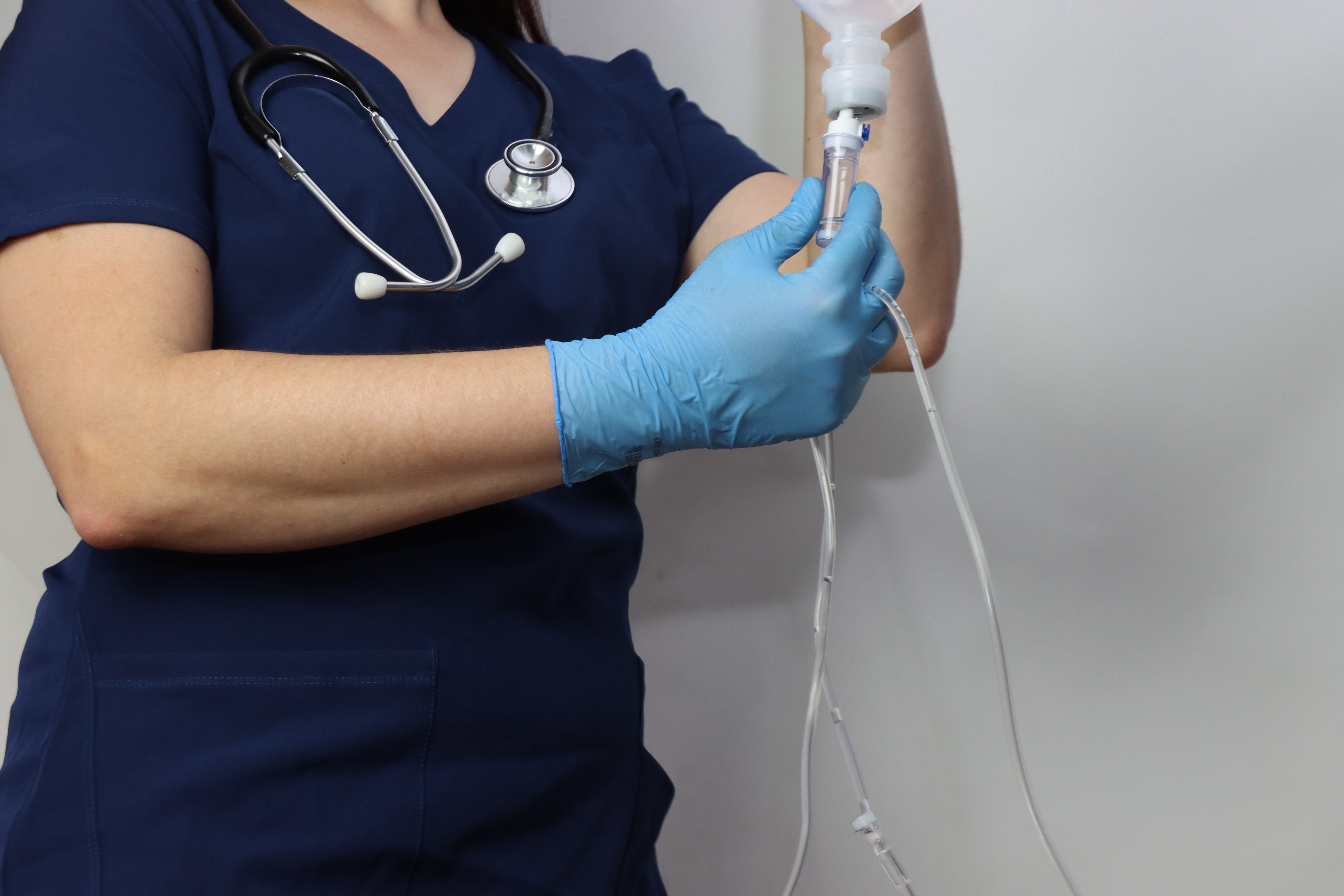
State Approvals: 

 Alabama, Provider #ABNP1485; California BRN Provider #CEP # 13509; Kentucky Board of Nursing Provider #7-0085; Florida Board of Nursing Provider 50-353;   New York State Education Department’s State Board for Physical Therapy

Course Description: 

This course discusses the evidence-based practice of restraint use. The categories of restraint usage and types of restraints are outlined. De-escalation techniques, contraindications, and complications associated with restraint use are also summarized.

Outcomes: 

92%≥ of participants will be able to identify situations where restraint use may be indicated.

Objectives: 

After completing this course, the participant will be able to:

  1. Define restraints and their indication for use.
  2. Describe Joint Commission requirements for restraints.
  3. Characterize de-escalation techniques.
  4. Summarize types of restraints.
  5. Outline complications associated with restraint use.

Disclosures: 

CEUFast Inc. and the course planning team for this educational activity do not have any relevant financial relationship(s) to disclose with ineligible companies whose primary business is producing, marketing, selling, re-selling, or distributing healthcare products used by or on patients. 


Type: Online Course Code: 20-920889 Duration: 0 minutes Certificate: Available

Online Course 1 Contact hours

Hours
1 Contact hours
Code
20-920889
Duration
0 minutes
Course Description: This course discusses Rheumatoid Arthritis, its risk factors for development, diagnostic criteria, and available treatment options.

Contact Hour(s): 

1 Contact Hour including 1 Advanced Pharmacolgy Hour

Author: 

Heather Rhodes, APRN-BC

This peer-reviewed course is applicable for the following professions: 

Advanced Practice Registered Nurse (APRN), Certified Nurse Midwife, Certified Nurse Practitioner, Certified Registered Nurse Anesthetist (CRNA), Clinical Nurse Specialist (CNS), Licensed Practical Nurse (LPN), Licensed Vocational Nurses (LVN), Midwife (MW), Nursing Student, Registered Nurse (RN), Registered Nurse Practitioner

Accreditations: 

The American Nurses Credentialing Center (ANCC),

State Approvals: 

 Alabama, Provider #ABNP1485; California BRN Provider #CEP # 13509; Kentucky Board of Nursing Provider #7-0085; Florida Board of Nursing Provider 50-353

Course Description: 

This course discusses Rheumatoid Arthritis, its risk factors for development, diagnostic criteria, and available treatment options.

Outcomes: 

≥92% of participants will know the presenting factors, the risk factors for the development and treatment options of Rheumatoid arthritis.

Objectives: 

By the end of this activity, learners will be able to complete the following objectives:

  1. Identify common joints of the hands affected by rheumatoid arthritis.
  2. Explain which population is most impacted by rheumatoid arthritis.
  3. Evaluate risk factors that increase the potential for the development of rheumatoid arthritis.
  4. Explain the goal of imaging in patients with rheumatoid arthritis.
  5. Identify the biological markers associated with the diagnosis of rheumatoid arthritis.
  6. Name the most common drug used in the treatment of rheumatoid arthritis.

Disclosures: 

CEUFast Inc. and the course planning team for this educational activity do not have any relevant financial relationship(s) to disclose with ineligible companies whose primary business is producing, marketing, selling, re-selling, or distributing healthcare products used by or on patients. 


Type: OnlineCourse Code: 20-1251566 Duration: 0 minutes

Online course 1 Contact hours

Hours
1 Contact hours
Code
20-1251566
Duration
0 minutes
Course Description: This course discusses medication administration practices for certified medication aides.

Contact Hour:   

1 Contact Hour

Author: 

Julia Tortorice (RN, MBA, MSN, NEA-BC, CPHQ)  

This peer-reviewed course is applicable for the following professions: 

Certified Medication Assistant (CMA), Certified Nursing Assistant (CNA), Medication Aide

Accreditations:

The American Nurses Credentialing Center (ANCC)

State Approvals

Florida Board of Nursing Provider 50-353;

Course Description: 

This course discusses medication administration practices for certified medication aides.

Outcomes: 

≥ 92% of participants will know the standards of safe medication administration by certified nursing aides.

Objectives: 

After completing this continuing education course, the participant will be able to: 

  1. Identify medications that a certified medication aide can give.
  1. Identify medications that a certified medication aide cannot give.
  1. Determine how to maintain a safe environment for medication administration.
  1. Describe the responsibilities of a certified medication aide.
  1. Outline legal requirements to working as a medication aide.

Disclosures: 

CEUFastInc. and the course planning team for this educational activity do not have any relevant financial relationship(s) todisclosewith ineligible companies whose primary business is producing, marketing, selling, re-selling, or distributing healthcare products used by or on patients. 


Type: Online Course Code: 20-933992 Duration: 0 minutes Certificate: Available

Online Course 1 Contact hours

Hours
1 Contact hours
Code
20-933992
Duration
0 minutes
Course Description: This course discusses caring for surgical patients. It provides a brief of preoperative risk assessment including cardiac risk assessment and the American Society of Anesthesiologists classification of perioperative risk. Post-operative care is also reviewed with an overview of common post-operative complications.

Contact Hour(s): 

1 Contact Hour, including 1 Advanced Pharmacology Hour

Author:

Berthina Coleman, MD, BSN, RN

This peer-reviewed course is applicable for the following professions:

Advanced Practice Registered Nurse (APRN), Certified Registered Nurse Anesthetist (CRNA), Clinical Nurse Specialist (CNS), Licensed Practical Nurse (LPN), Licensed Vocational Nurses (LVN), Nursing Student, Registered Nurse (RN)

Accreditations: 

The American Nurses Credentialing Center (ANCC)

State Approvals:

Alabama, Provider #ABNP1485; California BRN Provider #CEP # 13509; Kentucky Board of Nursing Provider #7-0085; Florida Board of Nursing Provider 50-353

Course Description:

This course discusses caring for surgical patients. It provides a brief of preoperative risk assessment including cardiac risk assessment and the American Society of Anesthesiologists classification of perioperative risk. Post-operative care is also reviewed with an overview of common post-operative complications.

Outcomes:

≥ 92% of participants will know how to care for surgical patients.

Objectives:

After completing this continuing education course, the participant will be able to:

  1. Explain the components of a perioperative evaluation.
  2. Identify the concerns in conducting a perioperative cardiac risk assessment.
  3. Compare and contrast the categories of the American Society of Anesthesiologists’ physical status classification system.
  4. Describe the purpose of the Mallampati Score.
  5. List the common postoperative complications.


Disclosures:

CEUFast Inc. and the course planning team for this educational activity do not have any relevant financial relationship(s) to disclose with ineligible companies whose primary business is producing, marketing, selling, re-selling, or distributing healthcare products used by or on patients.


Type: Online Course Code: 20-1320641 Duration: 0 minutes Certificate: Available

Online Course 2 Contact hours

Hours
2 Contact hours
Code
20-1320641
Duration
0 minutes
Course Description: This course discusses a current and evidence-based framework for understanding the atopic triad and its’ effects on the body in a broad and system-specific manner. Understanding the impact of a widespread inflammatory and hypersensitive immune response is necessary for clinicians who care for patients with this cluster of conditions and is the basis for d...

Contact Hour(s):   

2 Contact Hours, including 2 Pharmacology Hours  


Author:  

Sarah Schulze (MSN, APRN, CPNP, PMHS, CLC) 


This peer-reviewed course is applicable for the following professions:

Advanced Practice Registered Nurse (APRN), Certified Nurse Midwife, Certified Nurse Practitioner, Clinical Nurse Specialist (CNS), Licensed Practical Nurse (LPN), Licensed Vocational Nurses (LVN), Midwife (MW), Nursing Student, Registered Nurse (RN), Registered Nurse Practitioner  


Accreditations: 

The American Nurses Credentialing Center (ANCC), The American Occupational Therapy Association (AOTA), Board of Certification for Athletic Trainers (BOC)


State Approvals:

Alabama, Provider #ABNP1485; California BRN Provider #CEP # 13509; Kentucky Board of Nursing Provider #7-0085; Florida Board of Nursing Provider 50-353;


Course Description:  

This course discusses a current and evidence-based framework for understanding the atopic triad and its’ effects on the body in a broad and system-specific manner. Understanding the impact of a widespread inflammatory and hypersensitive immune response is necessary for clinicians who care for patients with this cluster of conditions and is the basis for disease identification and treatment. Appropriate management and knowledge of these conditions also serve to reduce the impact of comorbid conditions or complications, overall improving patient care outcomes. 


 Outcomes:  

≥ 92% of participants will know the components of the atopic triad and how to identify these conditions. 


Objectives:  

After completing this continuing education course, the participant will be able to:  

  1. 1. Identify the risk factors for atopic conditions. 

  1. 2. Outline the common environmental triggers for conditions within the atopic triad. 

  1. 3. Differentiate between the clinical presentations of conditions within the atopic triad. 

  1. 4. Determine the diagnostic tests used for identifying conditions within the atopic triad. 

  1. 5. Identify the comorbid conditions for patients with atopy. 

  1. 6. Describe the important patient education for patients with atopic conditions. 

  1. 7. Interpret the potential complications of atopic conditions. 

  1. 8. Determine the appropriate management strategies for conditions within the atopic triad. 


Disclosures:  

CEUFast Inc. and the course planning team for this educational activity do not have any relevant financial relationship(s) to disclose with ineligible companies whose primary business is producing, marketing, selling, re-selling, or distributing healthcare products used by or on patients.  


Type: OnlineCourse Code: 20-1092886 Duration: 0 minutes

Online course 1 Contact hours

Hours
1 Contact hours
Code
20-1092886
Duration
0 minutes
Course Description: This course discusses the impact of one of the largest public health threats in the world; the use and effects of tobacco. The death toll for smoking-related conditions and complications continues to rise yearly, including conditions such as COPD. This course highlights the physiology of smoking and its effects on the body, including long-term effects.

Contact Hour(s):  

1 Contact Hour 

Author: 

Krystle Maynard, DNP, RN, SANE-A 

This peer-reviewed course is applicable for the following professions: 

Advanced Practice Registered Nurse (APRN), Athletic Trainer (AT/AL), Certified Nurse Midwife, Certified Nurse Practitioner, Certified Registered Nurse Practitioner, Clinical Nurse Specialist (CNS), Licensed Practical Nurse (LPN), Licensed Vocational Nurses (LVN), Midwife (MW), Nursing Student, Occupational Therapist (OT), Occupational Therapist Assistant (OTA), Physical Therapist (PT), Physical Therapist Assistant (PTA), Registered Nurse (RN), Respiratory Care Practitioner, Respiratory Therapist (RT) 

Accreditations:  

The American Nurses Credentialing Center (ANCC), The American Occupational Therapy Association (AOTA), Board of Certification for Athletic Trainers (BOC)  

CEUFast, Inc. is an AOTA Provider of professional development.  PD activity approval ID# 08439. This distant learning-independent activity is offered at 0.1 CEUs Intermediate, Categories: Foundational Knowledge.  The assignment of AOTA CEUs does not imply endorsement of specific course content, products, or clinical procedures.

State Approvals:  

 Alabama, Provider #ABNP1485; California BRN Provider #CEP # 13509; Kentucky Board of Nursing Provider #7-0085; Florida Board of Nursing Provider 50-353; Nevada Board of Physical Therapy; New York State Education Department’s State Board for Physical Therapy; Florida Physical Therapy Association Approval: CE26-1092886; 

Course Description: 

This course discusses the impact of one of the largest public health threats in the world; the use and effects of tobacco. The death toll for smoking-related conditions and complications continues to rise yearly, including conditions such as COPD. This course highlights the physiology of smoking and its effects on the body, including long-term effects.   

Outcomes: 

≥ 92% of participants will know how to identify specific concerns related to tobacco smoke and e-cigarette use, long-term complications, and prevention and treatment methods. 

Objectives: 

Following the completion of this course, the participant will be able to accomplish the following objectives: 

  1. Summarize the epidemiology of tobacco and electronic cigarette (e-cigarette) use.
  2. Identify long-term problems associated with cigarette smoking and e-cigarette use.
  3. Describe the dangers of e-cigarette use.
  4. Relate the changes that may occur in various body systems due to tobacco use.
  5. Apply strategies to help promote smoking cessation efforts. 

Disclosures: 

CEUFast Inc. and the course planning team for this educational activity do not have any relevant financial relationship(s) to disclose with ineligible companies whose primary business is producing, marketing, selling, re-selling, or distributing healthcare products used by or on patients.