Nursing

Catalog

Browse eligible courses by profession.

Filter by
52 courses Catalog: Nursing
Type: OnlineCourse Code: 20-1313859 Duration: 0 minutes

Online course 0 hours

Hours
0 hours
Code
20-1313859
Duration
0 minutes
Course Description: This course discusses addiction by defining key terms, differentiating between various substance use disorders, and outlining diagnostic criteria. It also covers the risks associated with opioid medications, patient evaluation techniques, and compares treatment options such as methadone, buprenorphine, and naltrexone. Upon completion, participants will be...

This course meets the Kentucky APRN Requirements

Contact Hour(s): 

 2.5 Contact hours, including 2.5 Advanced Pharmacology Hours

Author:

Raymond Lengel, MSN, FNP-BC, RN

This peer-reviewed course is applicable for the following professions:

Advanced Practice Registered Nurse (APRN), Athletic Trainer (AT/AL), Certified Nurse Midwife, Certified Nurse Practitioner, Certified Registered Nurse Anesthetist (CRNA), Certified Registered Nurse Practitioner, Clinical Nurse Specialist (CNS), Licensed Practical Nurse (LPN), Licensed Vocational Nurses (LVN), Midwife (MW), Nursing Student, Occupational Therapist (OT), Occupational Therapist Assistant (OTA), Physical Therapist (PT), Physical Therapist Assistant (PTA), Registered Nurse (RN), Registered Nurse Practitioner

Accreditations: 

The American Nurses Credentialing Center (ANCC), The American Occupational Therapy Association (AOTA), Board of Certification for Athletic Trainers (BOC)

State Approvals:

  • Alabama, Provider #ABNP1485; California BRN Provider #CEP # 13509; Florida Physical Therapy Association Approval: CE26-1313828; Kentucky Board of Nursing Provider #7-0085; Florida Board of Nursing Provider 50-353; New York State Education Department’s State Board for Physical Therapy

Course Description:

This course discusses addiction by defining key terms, differentiating between various substance use disorders, and outlining diagnostic criteria. It also covers the risks associated with opioid medications, patient evaluation techniques, and compares treatment options such as methadone, buprenorphine, and naltrexone. Upon completion, participants will be better equipped to assess and manage addiction disorders in clinical settings. This course meets the Kentucky APRN Requirements. 

Outcomes:

≥ 92% of participants will know how to assess and manage addiction.

Objectives:

After completing this continuing education course, the participant will be able to:

  1. Define addiction and other terms associated with substance abuse.
  2. Compare and contrast substance use disorder (SUD), opioid use disorder (OUD), alcohol use disorder (AUD), and cannabis use disorder (CUD).
  3. Describe the risks of abuse and addiction to opioid medications.
  4. Summarize the evaluation of a patient with a SUD.
  5. Compare and contrast the use of methadone, buprenorphine, and naltrexone in the management of OUD.
  6. Identify five professional standards of 201 KAR 20:065 for prescribing Buprenorphine-monoproduct or Buprenorphine/Naloxone.

 Disclosures:

CEUFast Inc. and the course planning team for this educational activity do not have any relevant financial relationship(s) to disclose with ineligible companies whose primary business is producing, marketing, selling, re-selling, or distributing healthcare products used by or on patients.

Type: OnlineCourse Code: 20-1361424 Duration: 0 minutes

Online course 0 hours

Hours
0 hours
Code
20-1361424
Duration
0 minutes
Course Description: This course discusses the prevalence and diagnostic criteria of adult obesity, its complex pathophysiology, and obesity-related conditions. This course also discusses comprehensive clinical assessment findings in those with obesity. Evidence-based obesity interventions, including nutrition counseling, physical activity recommendations, pharmacological tre...

Contact Hour(s): 

 2 Contact hours, including 2 Advanced Pharmacology Hours

Author:

 Sarah Beattie DNP, APRN-CNP, CDCES

This peer-reviewed course is applicable for the following professions:

Advanced Practice Registered Nurse (APRN), Athletic Trainer (AT/AL), Certified Nurse Midwife, Certified Nurse Practitioner, Certified Registered Nurse Anesthetist (CRNA), Certified Registered Nurse Practitioner, Clinical Nurse Specialist (CNS), Licensed Practical Nurse (LPN), Licensed Vocational Nurses (LVN), Midwife (MW), Nursing Student, Physical Therapist (PT), Physical Therapist Assistant (PTA), Registered Nurse (RN), Registered Nurse Practitioner, Respiratory Therapist (RT)

Accreditations: 

The American Nurses Credentialing Center (ANCC), Board of Certification for Athletic Trainers (BOC)

State Approvals:

Alabama, Provider #ABNP1485; California BRN Provider #CEP # 13509; Florida Physical Therapy Association Approval: CE26-1361410; Kentucky Board of Nursing Provider #7-0085; Florida Board of Nursing Provider 50-353; New York State Education Department’s State Board for Physical Therapy

Course Description:

This course discusses the prevalence and diagnostic criteria of adult obesity, its complex pathophysiology, and obesity-related conditions. This course also discusses comprehensive clinical assessment findings in those with obesity. Evidence-based obesity interventions, including nutrition counseling, physical activity recommendations, pharmacological treatment, and surgical/procedural interventions, are also discussed in detail. Weight bias and stigma, and their effects on nursing care, are also discussed.

Outcomes:

≥ 92% of participants will know the comprehensive evaluation and management of adults living with obesity.

Objectives:

After completing this continuing education course, the participant will be able to:

  1. Relate the incidence and prevalence of obesity in the adult population.
  2. Differentiate between the terms overweight and obese.
  3. Explain the pathophysiology of obesity.
  4. Examine obesity-related conditions and complications.
  5. Elaborate on a comprehensive assessment of an adult with obesity.
  6. Summarize evidence-based clinical practice guidelines for the treatment of obesity.
  7. Recognize weight stigma in practice and how to promote stigma-free care.

Disclosures:

CEUFast Inc. and the course planning team for this educational activity do not have any relevant financial relationship(s) to disclose with ineligible companies whose primary business is producing, marketing, selling, re-selling, or distributing healthcare products used by or on patients.

Type: OnlineCourse Code: 20-1330377 Duration: 0 minutes

Online course 0 hours

Hours
0 hours
Code
20-1330377
Duration
0 minutes
Course Description: This course discusses adverse reactions to contrast agents and how to appropriately address them. The course also addresses the history of contrast agents, diagnostic studies that require them, myths surrounding them, risk factors for adverse reactions, and ways to mitigate these risks.Outcomes≥ 92% of participants will know how to recognize adverse react...

Contact Hour(s): 

1.5 Contact Hours, including 1.5 Advanced Pharmacology Hours

Author:

Charmaine Robinson, MSN-Ed, BSN, RN

This peer-reviewed course is applicable for the following professions:

Advanced Practice Registered Nurse (APRN), Certified Nurse Midwife, Certified Nurse Practitioner, Certified Registered Nurse Anesthetist (CRNA), Certified Registered Nurse Practitioner, Clinical Nurse Specialist (CNS), Licensed Practical Nurse (LPN), Licensed Vocational Nurses (LVN), Midwife (MW), Nursing Student, Registered Nurse (RN), Registered Nurse Practitioner

Accreditations: 

The American Nurses Credentialing Center (ANCC)

State Approvals:

Alabama, Provider #ABNP1485; California BRN Provider #CEP # 13509; Kentucky Board of Nursing Provider #7-0085; Florida Board of Nursing Provider 50-353

Course Description:

This course discusses adverse reactions to contrast agents and how to appropriately address them. The course also addresses the history of contrast agents, diagnostic studies that require them, myths surrounding them, risk factors for adverse reactions, and ways to mitigate these risks.

Outcomes

≥ 92% of participants will know how to recognize adverse reactions to contrast agents.

Objectives

After completing this continuing education course, the participant will be able to:

  1. Associate diagnostic studies with respective contrast agents.
  2. Identify strategies for preventing adverse reactions and complications from contrast use.
  3. Recognize factors that place a patient at greater risk of experiencing a contrast adverse reaction or complication.
  4. List examples of allergic and physiological reactions to contrast agents.
  5. Characterize acute kidney injury.
  6. Summarize the length of time contrast reactions can occur after administration.
  7. Analyze the pharmacodynamics of contrast agents.

Disclosures:

CEUFast Inc. and the course planning team for this educational activity do not have any relevant financial relationship(s) to disclose with ineligible companies whose primary business is producing, marketing, selling, re-selling, or distributing healthcare products used by or on patients.

Type: OnlineCourse Code: 20-1226706 Duration: 0 minutes

Online course 0 hours

Hours
0 hours
Code
20-1226706
Duration
0 minutes
Course Description: This course comprehensively examines blood clot management strategies. Learners will explore the mechanisms of action of various medications, including anticoagulants, antiplatelets, and fibrinolytics. The course will differentiate between appropriate uses and contraindications for each medication by examining specific clinical scenarios. In addition, the...

Contact Hour(s): 2.5 Contact hours, including 2.5 Advanced Pharmacology Hours

Author: Breann Kakacek, BSN, RN

This peer-reviewed course is applicable for the following professions:
Advanced Practice Registered Nurse (APRN), CCI Credentialed Specialists, Certified Nurse Midwife, Certified Nurse Practitioner, Certified Registered Nurse Practitioner, Clinical Nurse Specialist (CNS), Licensed Practical Nurse (LPN), Licensed Vocational Nurses (LVN), Midwife (MW), Nursing Student, Registered Nurse (RN), Registered Nurse Practitioner

Accreditations: 
The American Nurses Credentialing Center (ANCC)

State Approvals:

Alabama, Provider #ABNP1485; California BRN Provider #CEP # 13509; Kentucky Board of Nursing Provider #7-0085; Florida Board of Nursing Provider 50-353.

Course Description:
This course comprehensively examines blood clot management strategies. Learners will explore the mechanisms of action of various medications, including anticoagulants, antiplatelets, and fibrinolytics. The course will differentiate between appropriate uses and contraindications for each medication by examining specific clinical scenarios. In addition, the course will address the identification of bleeding risk factors and mitigation strategies, along with the interpretation of common coagulation tests used to monitor therapy effectiveness. This course is designed for healthcare professionals and individuals seeking a deeper understanding of blood clot management.

Outcomes:

≥ 92% of participants will know the appropriate use and limitations of various anticoagulant, antiplatelet, and fibrinolytic medications based on mechanisms of action and clinical scenarios.

Objectives:
After completing this continuing education course, the participant will be able to:

  1. Analyze the risk factors for bleeding complications in patients receiving anticoagulant or fibrinolytic therapy.
  2. Evaluate the potential benefits and risks of anticoagulant and fibrinolytic therapy for patients with specific conditions.
  3. Develop a comprehensive patient education plan on using anticoagulant or fibrinolytic therapy medications safely and effectively.
  4. Identify four different classes of anticoagulant medications and their mechanisms of action.
  5. Differentiate between the indications and contraindications for various anticoagulant and fibrinolytic therapies.
  6. Implement strategies to minimize bleeding risks in patients receiving anticoagulant therapy.
  7. Compare and contrast the mechanisms of action of aspirin, heparin, direct oral anticoagulants (DOACs), and warfarin.
  8. Interpret laboratory results of common coagulation tests to monitor the effectiveness and safety of anticoagulants and fibrinolytic therapy.

Disclosures:
CEUFast Inc. and the course planning team for this educational activity do not have any relevant financial relationship(s) to disclose with ineligible companies whose primary business is producing, marketing, selling, re-selling, or distributing healthcare products used by or on patients.

Type: OnlineCourse Code: 20-1189784 Duration: 0 minutes

Online course 0 hours

Hours
0 hours
Code
20-1189784
Duration
0 minutes
Course Description: This course discusses the clinical differences between specific types of anxiety disorders, which disorders are more common for children or adolescents versus those more common in adulthood, the screening tools available for identifying anxiety, and the management and treatment for anxiety disorders. This course will also pay special attention to providin...

Contact Hour(s): 

1 Contact Hour including 1 Advanced Pharmacology Hour

Authors:

Alyssa King, DNP, APRN, CPNP-PC, PMHNP-BC, PMH-C, CLC, CNE

This peer-reviewed course is applicable for the following professions:

Advanced Practice Registered Nurse (APRN), Athletic Trainer (AT/AL), Certified Nurse Midwife, Certified Nurse Practitioner, Certified Registered Nurse Anesthetist (CRNA), Certified Registered Nurse Practitioner, Clinical Nurse Specialist (CNS), Licensed Practical Nurse (LPN), Licensed Vocational Nurses (LVN), Midwife (MW), Nursing Student, Occupational Therapist (OT), Occupational Therapist Assistant (OTA), Physical Therapist (PT), Physical Therapist Assistant (PTA), Registered Nurse (RN), Registered Nurse Practitioner

Accreditations: 

The American Nurses Credentialing Center (ANCC), The American Occupational Therapy Association (AOTA), Board of Certification for Athletic Trainers (BOC)

State Approvals: 

Alabama, Provider #ABNP1485; California BRN Provider #CEP # 13509; Florida Physical Therapy Association Approval: CE26-1189744; Kentucky Board of Nursing Provider #7-0085; Florida Board of Nursing Provider 50-353; Nevada Board of Physical Therapy; New York State Education Department’s State Board for Physical Therapy  

Course Description:

This course discusses the clinical differences between specific types of anxiety disorders, which disorders are more common for children or adolescents versus those more common in adulthood, the screening tools available for identifying anxiety, and the management and treatment for anxiety disorders. This course will also pay special attention to providing helpful tools that can be utilized to minimize symptoms of anxiety.

Course Outcome:

≥ 92% of participants will know how to assess for and manage anxiety disorders.

Objectives:

After completing this continuing education course, the participant will be able to:

  1. Define anxiety and the physical symptoms that are commonly experienced.
  2. Compare and contrast the common anxiety disorders diagnosed across the lifespan.
  3. Determine how assessing for anxiety in children and adolescents may be different than in adults.
  4. List the screening tools utilized for anxiety disorders.
  5. Explain the management and treatment of anxiety disorders.
  6. Outline the various helpful tools that can be used to minimize symptoms of anxiety.

Disclosures:

CEUFast Inc. and the course planning team for this educational activity do not have any relevant financial relationship(s) to disclose with ineligible companies whose primary business is producing, marketing, selling, re-selling, or distributing healthcare products used by or on patients.

Type: OnlineCourse Code: 20-1365470 Duration: 0 minutes

Online course 0 hours

Hours
0 hours
Code
20-1365470
Duration
0 minutes
Course Description: This course discusses evidence-based practices that enable clinicians to provide safe, effective, and patient-centered care to individuals living with asthma. This includes how to differentiate asthma from similar conditions, tailor care across age groups, and respond effectively in both outpatient and acute settings.

Contact Hour(s): 

2 Contact Hours including 2 Advanced Pharmacology Hours

Author:

Sarah Schulze, MSN, APRN, CPNP, PMHS, CLC

This peer-reviewed course is applicable for the following professions:

Advanced Practice Registered Nurse (APRN), Athletic Trainer (AT/AL), Certified Nurse Midwife, Certified Nurse Practitioner, Certified Registered Nurse Anesthetist (CRNA), Certified Registered Nurse Practitioner, Clinical Nurse Specialist (CNS), Licensed Practical Nurse (LPN), Licensed Vocational Nurses (LVN), Midwife (MW), Nursing Student, Physical Therapist (PT), Physical Therapist Assistant (PTA), Registered Nurse (RN), Registered Nurse Practitioner, Respiratory Therapist (RT)

Accreditations: 

The American Nurses Credentialing Center (ANCC)

State Approvals: 

Alabama, Provider #ABNP1485; California BRN Provider #CEP # 13509; Kentucky Board of Nursing Provider #7-0085; Florida Board of Nursing Provider 50-353; New York State Education Department’s State Board for Physical Therapy 

Course Description:

This course discusses evidence-based practices that enable clinicians to provide safe, effective, and patient-centered care to individuals living with asthma.  This includes how to differentiate asthma from similar conditions, tailor care across age groups, and respond effectively in both outpatient and acute settings.

Outcomes:

≥ 92% of participants will know the current evidence-based practice for safe, effective, and patient-centered care to individuals living with asthma.

Objectives:

After completing this continuing education course, the participant will be able to:

  1. Define the prevalence and public health impact of asthma
  2. Explain the pathophysiology of asthma as a two-phase process
  3. Identify common triggers and environmental risk factors for asthma
  4. Differentiate asthma from common differential diagnoses, including exercise-induced bronchospasm
  5. Identify various diagnostic tools to confirm asthma
  6. Classify asthma severity and control according to guideline criteria
  7. Outline the pharmacological management of asthma, including severe exacerbations
  8. Plan nonpharmacological strategies for asthma management

Disclosures:

CEUFast Inc. and the course planning team for this educational activity do not have any relevant financial relationship(s) to disclose with ineligible companies whose primary business is producing, marketing, selling, re-selling, or distributing healthcare products used by or on patients.

Type: OnlineCourse Code: 20-817774 Duration: 0 minutes

Online course 0 hours

Hours
0 hours
Code
20-817774
Duration
0 minutes
Course Description: This course discusses the labeled uses, forms, and adverse effects of atypical antipsychotics. It also includes an explanation of long-acting injectable versions of atypical antipsychotics as well as the nursing considerations that must be kept in mind when caring for a patient being prescribed atypical antipsychotics.Course Outcome:≥ 92% of participants ...

Contact Hour(s): 

2.0 Contact Hours, including 2.0 Advanced Pharmacology Hours

Author:

Dana Bartlett, RN, BSN, MA, MA, CSPI

This peer-reviewed course is applicable for the following professions:

Advanced Practice Registered Nurse (APRN), Certified Nurse Midwife, Certified Nurse Practitioner, Certified Registered Nurse Anesthetist (CRNA), Certified Registered Nurse Practitioner, Clinical Nurse Specialist (CNS), Licensed Practical Nurse (LPN), Licensed Vocational Nurses (LVN), Nursing Student, Registered Nurse (RN), Registered Nurse Practitioner

Accreditations: 

The American Nurses Credentialing Center (ANCC)

State Approvals:

Alabama, Provider #ABNP1485; California BRN Provider #CEP # 13509; Kentucky Board of Nursing Provider #7-0085; Florida Board of Nursing Provider 50-353

Course Description:

This course discusses the labeled uses, forms, and adverse effects of atypical antipsychotics. It also includes an explanation of long-acting injectable versions of atypical antipsychotics as well as the nursing considerations that must be kept in mind when caring for a patient being prescribed atypical antipsychotics.

Course Outcome:

≥ 92% of participants will be able to identify the uses, forms, and possible adverse effects of atypical antipsychotic medications.

Objectives:

After completing this continuing education course, the participant will be able to:

  1. Describe the labeled uses of atypical antipsychotics.
  2. Analyze the adverse effects that can result from taking atypical antipsychotics.
  3. Identify the rationale for utilizing long-acting injectable forms of atypical antipsychotics.
  4. Describe the body’s reaction to abrupt discontinuation of atypical antipsychotics.
  5. Explain the monitoring that must be considered when caring for a patient prescribed atypical antipsychotics.

Disclosures:

CEUFast Inc. and the course planning team for this educational activity do not have any relevant financial relationship(s) to disclose with ineligible companies whose primary business is producing, marketing, selling, re-selling, or distributing healthcare products used by or on patients.

Type: OnlineCourse Code: 20-1007564 Duration: 0 minutes

Online course 2 hours

Hours
2 hours
Code
20-1007564
Duration
0 minutes
Course Description: This course aims to provide an overview of benign prostatic hyperplasia (BPH) and prostate cancer. The course will discuss the signs and symptoms, workup, and treatments for each respective disease process.

Contact Hour(s):  

2 Contact Hours including 2 Advanced Pharmacology Hours 

Author: 

Raymond Lengel (MSN, FNP-BC, RN) 

This peer-reviewed course is applicable for the following professions:

Advanced Practice Registered Nurse (APRN), Clinical Nurse Specialist (CNS), Licensed Practical Nurse (LPN), Licensed Vocational Nurses (LVN), Nursing Student, Registered Nurse (RN) 

Accreditations:  

The American Nurses Credentialing Center (ANCC)

State Approvals:

Alabama, Provider #ABNP1485; California BRN Provider #CEP # 13509; Kentucky Board of Nursing Provider #7-0085; Florida Board of Nursing Provider 50-353

Course Description: 

This course aims to provide an overview of benign prostatic hyperplasia (BPH) and prostate cancer. The course will discuss the signs and symptoms, workup, and treatments for each respective disease process.  

Outcomes: 

≥ 92% of participants will know how to differentiate between BPH and prostate cancer. 

Objectives:

After completing this continuing education course, the participant will be able to: 

  1. List the common symptoms of benign prostatic hyperplasia (BPH). 
  2. Describe the workup for BPH. 
  3. Compare and contrast the medical and surgical treatment options for BPH. 
  4. Determine the screening for prostate cancer. 
  5. Explain the diagnostic workup for prostate cancer. 
  6. Review treatment options for prostate cancer. 
Disclosures:

CEUFast Inc. and the course planning team for this educational activity do not have any relevant financial relationship(s) to disclose with ineligible companies whose primary business is producing, marketing, selling, re-selling, or distributing healthcare products used by or on patients. 


Type: OnlineCourse Code: 20-951553 Duration: 0 minutes

Online course 2.5 Contact hours

Hours
2.5 Contact hours
Code
20-951553
Duration
0 minutes
Course Description: This course discusses and provides a general overview of cardiac emergencies, including their etiology, pathophysiology, and management.

Contact Hours:

2.5 Contact hours, including 2.5 Advanced Pharmacology Hours 

Author: 

Jassin Jouria (MD)

This peer-reviewed course is applicable for the following professions:

 Advanced Practice Registered Nurse (APRN), Athletic Trainer (AT/AL), CCI Credentialed Specialists, Certified Nurse Practitioner, Certified Registered Nurse Practitioner, Clinical Nurse Specialist (CNS), Licensed Practical Nurse (LPN), Licensed Vocational Nurses (LVN), Nursing Student, Occupational Therapist (OT), Occupational Therapist Assistant (OTA), Physical Therapist (PT), Physical Therapist Assistant (PTA), Registered Nurse (RN), Registered Nurse Practitioner

Accreditations:   

The American Nurses Credentialing Center (ANCC), The American Occupational Therapy Association (AOTA), Board of Certification for Athletic Trainers (BOC)

State Approvals:

Alabama, Provider #ABNP1485; California BRN Provider #CEP # 13509; Florida Physical Therapy Association Approval: CE26-951523; Kentucky Board of Nursing Provider #7-0085; Florida Board of Nursing Provider 50-353; New York State Education Department’s State Board for Physical Therapy

Course Description: 

This course discusses and provides a general overview of cardiac emergencies, including their etiology, pathophysiology, and management.

 Outcomes: 

≥ 92% of participants will know the current recommendations and guidelines for managing cardiac emergencies.

Objectives: 

After completing this continuing education course, the participant will be able to: 

  1. Formulate the patterns of cardiac disease, epidemiology, and factors directly influencing mortality rates.
  2. Generalize the latest research findings in the diagnosis of cardiac emergencies.
  3. Integrate the stages of disease progression with associating presenting symptoms.
  4. Explain the latest findings and guidelines on care and monitoring for cardiac emergencies.
  5. Summarize alternative therapy options to improve disease prognosis.

Disclosures:

 CEUFast Inc. and the course planning team for this educational activity do not have any relevant financial relationship(s) to disclose with ineligible companies whose primary business is producing, marketing, selling, re-selling, or distributing healthcare products used by or on patients.



Type: OnlineCourse Code: 20-1332374 Duration: 0 minutes

Online course 1 Contact hours

Hours
1 Contact hours
Code
20-1332374
Duration
0 minutes
Course Description: This course discusses the comprehensive management of cerebrovascular accident (CVA), focusing on the critical importance of time-sensitive interventions. It covers the various types of stroke (ischemic and hemorrhagic), their underlying causes, and key risk factors. The course places significant emphasis on the rapid recognition of stroke symptoms using ...

Contact Hour(s): 

1 Contact Hour including 1 Advanced Pharmacology Hour 

Author:

Breann Kakacek, BSN, RN 

This peer-reviewed course is applicable for the following professions:

Advanced Practice Registered Nurse (APRN), Athletic Trainer (AT/AL), CCI Credentialed Specialists, Certified Nurse Midwife, Certified Nurse Practitioner, Certified Registered Nurse Anesthetist (CRNA), Certified Registered Nurse Practitioner, Clinical Nurse Specialist (CNS), Licensed Practical Nurse (LPN), Licensed Vocational Nurses (LVN), Midwife (MW), Nursing Student, Occupational Therapist (OT), Occupational Therapist Assistant (OTA), Physical Therapist (PT), Physical Therapist Assistant (PTA), Registered Nurse (RN), Registered Nurse Practitioner, Respiratory Therapist (RT) 

Accreditations: 

The American Nurses Credentialing Center (ANCC), The American Occupational Therapy Association (AOTA), Board of Certification for Athletic Trainers (BOC)

State Approvals:

Alabama, Provider #ABNP1485; California BRN Provider #CEP # 13509; Florida Physical Therapy Association Approval: CE26-1332362; Kentucky Board of Nursing Provider #7-0085; Kentucky Board of Licensure for Occupational Therapy Florida Board of Nursing Provider 50-353; Nevada Board of Physical Therapy; New York State Education Department’s State Board for Physical Therapy

 Course Description:

This course discusses the comprehensive management of cerebrovascular accident (CVA), focusing on the critical importance of time-sensitive interventions. It covers the various types of stroke (ischemic and hemorrhagic), their underlying causes, and key risk factors. The course places significant emphasis on the rapid recognition of stroke symptoms using standardized tools, such as the FAST acronym and the Cincinnati Prehospital Stroke Scale. It details the process of acute diagnosis through imaging and outlines acute treatment strategies such as thrombolytic therapy (tPA) and mechanical thrombectomy. Essential medical and nursing management in the acute phase, post-stroke care, complication prevention, and the vital role of interdisciplinary rehabilitation are also addressed. The course includes real-world case studies and promotes interprofessional collaboration to enhance the ability of healthcare professionals to provide safe, effective, and timely care to CVA patients, ultimately improving patient outcomes.

Outcomes:

≥ 92% of participants will know how to implement treatment protocols for individuals experiencing a cerebrovascular accident (CVA), thereby minimizing brain damage and improving neurological outcomes.

Objectives:

After completing this continuing education course, the participant will be able to:

  1. Define a cerebrovascular accident (CVA) and its main types.
  2. Identify key modifiable and non-modifiable risk factors and prevention strategies based on evidence-based practice.
  3. Recognize the signs and symptoms of a stroke in various settings using standardized assessment tools.
  4. Explain the critical and time-sensitive role of healthcare professionals in the care of a stroke patient.
  5. Apply knowledge of diagnostic imaging and acute treatment protocols.
  6. Summarize the essential components of post-stroke care.

Disclosures:

CEUFast Inc. and the course planning team for this educational activity do not have any relevant financial relationship(s) to disclose with ineligible companies whose primary business is producing, marketing, selling, re-selling, or distributing healthcare products used by or on patients.

Type: OnlineCourse Code: 20-1008724 Duration: 0 minutes

Online course 2 hours

Hours
2 hours
Code
20-1008724
Duration
0 minutes
Course Description: This course discusses the overall clinical complexities of chronic respiratory diseases, including etiology, symptomology, and intervention options. Specific chronic respiratory diseases discussed include chronic obstructive pulmonary disease (COPD), asthma, and pneumoconiosis.

Contact Hour(s):  

2 Contact Hours including 2 Advanced Pharmacology Hours 

Author: 

This peer-reviewed course is applicable for the following professions:

Advanced Practice Registered Nurse (APRN), Certified Nurse Practitioner, Certified Registered Nurse Practitioner, Clinical Nurse Specialist (CNS), Respiratory Care Practitioner, Respiratory Therapist (RT) 

Accreditations:  

The American Nurses Credentialing Center (ANCC)

Course Description

This course discusses the overall clinical complexities of chronic respiratory diseases, including etiology, symptomology, and intervention options. Specific chronic respiratory diseases discussed include chronic obstructive pulmonary disease (COPD), asthma, and pneumoconiosis. 

Outcomes: 

≥ 92% of participants will understand the pathology, management, and optimization of chronic respiratory conditions.  

Objectives: 

After completing this continuing education course, the participants will be able to meet the following objectives: 

  1. Identify the clinical course and pathology of commonly reported chronic respiratory conditions. 
  2. Evaluate the acceptable standards and protocols for executing clinical plans in chronic respiratory care as they affect assessment, diagnosis, therapy plan, and documentation. 
  3. Analyze the widely accepted standards of primary care for respiratory conditions. 
  4. Outline the different standards of medication plans and supportive care regimens. 
  5. Summarize general recommendations and therapy modifications linked to improved prognosis in chronic care. 

Disclosures: 

CEUFast Inc. and the course planning team for this educational activity do not have any relevant financial relationship(s) to disclose with ineligible companies whose primary business is producing, marketing, selling, re-selling, or distributing healthcare products used by or on patients. 


Type: OnlineCourse Code: 20-817770 Duration: 0 minutes

Online course 1 Contact hours

Hours
1 Contact hours
Code
20-817770
Duration
0 minutes
Course Description: This course discusses lung physiology and mechanics, common drugs for sedation and analgesia, ways to assess sedation and pain, and the healthcare professional’s role in sedation.

Contact Hour(s): 

1 Contact Hour including 1 Advanced Pharmacology Hour 

Author:

Nick Angelis, CRNA, MSN

This peer-reviewed course is applicable for the following professions:

Advanced Practice Registered Nurse (APRN), Certified Nurse Midwife, Certified Nurse Practitioner, Certified Registered Nurse Anesthetist (CRNA), Certified Registered Nurse Practitioner, Clinical Nurse Specialist (CNS), Licensed Practical Nurse (LPN), Licensed Vocational Nurses (LVN), Midwife (MW), Nursing Student, Registered Nurse (RN), Respiratory Care Practitioner, Respiratory Therapist (RT) 

Accreditations: 

The American Nurses Credentialing Center (ANCC)

State Approvals:

Alabama, Provider #ABNP1485; California BRN Provider #CEP # 13509; Kentucky Board of Nursing Provider #7-0085; Florida Board of Nursing Provider 50-353

Course Description:

This course discusses lung physiology and mechanics, common drugs for sedation and analgesia, ways to assess sedation and pain, and the healthcare professional’s role in sedation.

Outcomes:

≥ 92% of participants will know how to improve their care by synthesizing new knowledge about common sedation drugs and pain scales to better monitor and predict patient responses.

Objectives:

After completing this continuing education course, the participant will be able to:

  1. Summarize the pathophysiology of breathing and the role of breathing in a sedated patient.
  2. Describe practical approaches and treatment for sedated patients.
  3. Explain the components of assessing sedation levels and pain.
  4. Outline the importance of patient safety and comfort with attentive care.
  5. Determine the healthcare professional's role for sedated patients.

Disclosures:

CEUFast Inc. and the course planning team for this educational activity do not have any relevant financial relationship(s) to disclose with ineligible companies whose primary business is producing, marketing, selling, re-selling, or distributing healthcare products used by or on patients.

Type: OnlineCourse Code: 20-1365359 Duration: 0 minutes

Online course 2 Contact hours

Hours
2 Contact hours
Code
20-1365359
Duration
0 minutes
Course Description: This course discusses the challenges of managing acute and chronic pain while maintaining safe prescribing practices. Content includes the risks of misuse, abuse, and addiction associated with controlled substances, information on pain assessment, and an overview of Tennessee regulations related to controlled-substance prescribing.

Contact Hour(s): 

2 Contact Hours, including 2 Pharmacology Hours

Author:

Krystle Maynard, DNP, RN, SANE-A

This peer-reviewed course is applicable for the following professions: 

Advanced Practice Registered Nurse (APRN), Certified Nurse Midwife, Certified Nurse Practitioner, Certified Registered Nurse Anesthetist (CRNA), Certified Registered Nurse Practitioner, Clinical Nurse Specialist (CNS), Licensed Practical Nurse (LPN), Licensed Vocational Nurses (LVN), Midwife (MW), Nursing Student, Registered Nurse (RN), Registered Nurse Practitioner

Accreditations: 

The American Nurses Credentialing Center (ANCC)

State Approvals:  

 Alabama, Provider #ABNP1485; California BRN Provider #CEP # 13509; Kentucky Board of Nursing Provider #7-0085; Florida Board of Nursing Provider 50-353

Course Description:

This course discusses the challenges of managing acute and chronic pain while maintaining safe prescribing practices. Content includes the risks of misuse, abuse, and addiction associated with controlled substances, information on pain assessment, and an overview of Tennessee regulations related to controlled-substance prescribing.

Outcomes:

≥ 92% of participants will know how to incorporate both pharmacologic and non-pharmacologic therapies into a comprehensive, patient-centered plan for chronic pain.

Objectives:

After completing this continuing education course, the participant will be able to:

  1. Identify the risks of misuse, abuse, and addiction associated with controlled substances.
  2. Describe the key elements of a comprehensive pain assessment and methods to evaluate therapeutic outcomes.
  3. Apply evidence-based principles and Tennessee regulatory requirements for the safe and effective prescribing of controlled substances.
  4. Specify appropriate risk-mitigation strategies to promote patient safety.
  5. Compare pharmacologic and non-pharmacologic pain management modalities to support individualized, patient-centered care.

Disclosures:

CEUFast Inc. and the course planning team for this educational activity do not have any relevant financial relationship(s) to disclose with ineligible companies whose primary business is producing, marketing, selling, re-selling, or distributing healthcare products used by or on patients.


Type: OnlineCourse Code: 20-1276545 Duration: 0 minutes

Online course 2 hours

Hours
2 hours
Code
20-1276545
Duration
0 minutes
Course Description: This course discusses recent developments and current guidelines for the prevention, diagnosis, and management of COVID-19. This course is designed to bridge the gap between optimal clinical management of COVID-19 and the recent research discoveries on the disease.

Contact Hour(s): 

2 Contact Hours, including 2 Advanced Pharmacology Hours

Author:

Heather Rhodes, APRN-BC

This peer-reviewed course is applicable for the following professions:

Advanced Practice Registered Nurse (APRN), Athletic Trainer (AT/AL), Certified Nurse Midwife, Certified Nurse Practitioner, Certified Registered Nurse Anesthetist (CRNA), Certified Registered Nurse Practitioner, Clinical Nurse Specialist (CNS), Dietetic Technicians, Registered (DTR), Dietitian/Nutritionist (RDN), Licensed Practical Nurse (LPN), Licensed Vocational Nurses (LVN), Midwife (MW), Nursing Student, Occupational Therapist (OT), Occupational Therapist Assistant (OTA), Physical Therapist (PT), Physical Therapist Assistant (PTA), Registered Nurse (RN), Registered Nurse Practitioner

Accreditations: 

The American Nurses Credentialing Center (ANCC), The American Occupational Therapy Association (AOTA), Board of Certification for Athletic Trainers (BOC)

State Approvals:

Alabama, Provider #ABNP1485; California BRN Provider #CEP # 13509; Florida Physical Therapy Association Approval: CE26-1276537; Kentucky Board of Nursing Provider #7-0085; Florida Board of Nursing Provider 50-353; Nevada Board of Physical Therapy; New York State Education Department’s State Board for Physical Therapy

Course Description:

This course discusses recent developments and current guidelines for the prevention, diagnosis, and management of COVID-19. This course is designed to bridge the gap between optimal clinical management of COVID-19 and the recent research discoveries on the disease.

Outcomes:

≥ 92% of participants will know the current recommendations and guidelines in the overall management of COVID-19.

Objectives:

After completing this continuing education course, the participant will be able to:

  1. Recognize the latest updates on the clinical evaluation of COVID-19, SARS-CoV-2 variants, and disease transmission.
  2. Summarize the latest recommendations for disease prevention and limiting disease transmission.
  3. Describe various means of serology testing and laboratory assessments used to identify suspected COVID-19 cases.
  4. Identify the current variants' unique characteristics and how they affect clinical presentation.
  5. Formulate current treatment options based on age and health status.
  6. Determine current public health recommendations.

Disclosures:

CEUFast Inc. and the course planning team for this educational activity do not have any relevant financial relationship(s) to disclose with ineligible companies whose primary business is producing, marketing, selling, re-selling, or distributing healthcare products used by or on patients.

Type: OnlineCourse Code: 20-946297 Duration: 0 minutes

Online course 3 hours

Hours
3 hours
Code
20-946297
Duration
0 minutes
Course Description: This course discusses the issues/topics of insulin, insulin administration, other injectable diabetes medications, and commonly used oral diabetes medications.Course Outcome:≥ 92% of participants will know how to administer diabetes medications safely and effectively.Objectives:After completing this continuing education course, the participant will be abl...

Contact Hour(s): 

3 Contact hours, including 3 Advanced Pharmacology Hours

Author:

Dana Bartlett, RN, BSN, MA, MA, CSPI

This peer-reviewed course is applicable for the following professions:

Advanced Practice Registered Nurse (APRN), Certified Nurse Midwife, Certified Nurse Practitioner, Certified Registered Nurse Anesthetist (CRNA), Certified Registered Nurse Practitioner, Clinical Nurse Specialist (CNS), Dietetic Technicians, Registered (DTR), Dietitian/Nutritionist (RDN), Licensed Practical Nurse (LPN), Licensed Vocational Nurses (LVN), Midwife (MW), Nursing Student, Registered Nurse (RN), Registered Nurse Practitioner

Accreditations: 

The American Nurses Credentialing Center (ANCC)

State Approvals:

Alabama Provider #ABNP1485; California BRN Provider #CEP # 13509; Kentucky Board of Nursing Provider #7-0085; Florida Board of Nursing Provider 50-353

Course Description:

This course discusses the issues/topics of insulin, insulin administration, other injectable diabetes medications, and commonly used oral diabetes medications.

Course Outcome:

≥ 92% of participants will know how to administer diabetes medications safely and effectively.

Objectives:

After completing this continuing education course, the participant will be able to:

  1. Describe the mechanism of action of diabetes medications.
  2. Identify the mechanism of action of insulin.
  3. List the significant adverse effects of each medication.
  4. Explain the important considerations of administration of insulin.
  5. Indicate the precautions and US Boxed warnings for diabetes medications.
  6. Compare and contrast the indication for use for each medication.

Disclosures:

CEUFast Inc. and the course planning team for this educational activity do not have any relevant financial relationship(s) to disclose with ineligible companies whose primary business is producing, marketing, selling, re-selling, or distributing healthcare products used by or on patients.

Type: OnlineCourse Code: 20-1001162 Duration: 0 minutes

Online course 1 Contact hours

Hours
1 Contact hours
Code
20-1001162
Duration
0 minutes
Course Description: This course discusses the microvascular complications of diabetes. Specific microvascular complications, including diabetic nephropathy, diabetic neuropathy, and diabetic retinopathy, are outlined. The epidemiology, pathophysiology, risk factors, signs/symptoms, treatment, and prevention of these complications are discussed. Outcomes ≥ 92% of participants...

Contact Hour(s):  

1 Contact Hour including 1 Pharmacology Hour 

Author: 

Dana Bartlett (RN, BSN, MA, MA, CSPI) 

This peer-reviewed course is applicable for the following professions:

Advanced Practice Registered Nurse (APRN), Certified Nurse Midwife, Certified Nurse Practitioner, Certified Registered Nurse Anesthetist (CRNA), Certified Registered Nurse Practitioner, Clinical Nurse Specialist (CNS), Dietetic Technicians, Registered (DTR), Dietitian/Nutritionist (RDN), Licensed Practical Nurse (LPN), Licensed Vocational Nurses (LVN), Midwife (MW), Nursing Student, Occupational Therapist (OT), Occupational Therapist Assistant (OTA), Physical Therapist (PT), Physical Therapist Assistant (PTA), Registered Nurse (RN) 

Accreditations:  

The American Nurses Credentialing Center (ANCC)

State Approvals:

Alabama, Provider #ABNP1485; California BRN Provider #CEP # 13509; Florida Physical Therapy Association Approval: CE26-650617; Kentucky Board of Nursing Provider #7-0085; Florida Board of Nursing Provider 50-353; Nevada Board of Physical Therapy; New York State Education Department’s State Board for Physical Therapy

Course Description: 

This course discusses the microvascular complications of diabetes. Specific microvascular complications, including diabetic nephropathy, diabetic neuropathy, and diabetic retinopathy, are outlined. The epidemiology, pathophysiology, risk factors, signs/symptoms, treatment, and prevention of these complications are discussed. 

Outcomes 

≥ 92% of participants will know the microvascular complications of diabetes, and the signs/symptoms, risk factors, and treatments for these complications. 

Objectives 

After completing this module, the learner will be able to: 

  1. Summarize the microvascular complications of diabetes.
  2. Identify risk factors associated with developing diabetic microvascular complications.
  3. Evaluate screening and diagnosis methods of diabetic microvascular complications.
  4. Outline interventions used to treat diabetic microvascular complications.
  5. Paraphrase prevention methods of diabetic microvascular complications. 

Disclosures: 

CEUFast Inc. and the course planning team for this educational activity do not have any relevant financial relationship(s) to disclose with ineligible companies whose primary business is producing, marketing, selling, re-selling, or distributing healthcare products used by or on patients. 

Type: OnlineCourse Code: 20-861279 Duration: 0 minutes

Online course 1 hours

Hours
1 hours
Code
20-861279
Duration
0 minutes
Course Description: This course discusses the use of diuretics in detail. It will cover all classes of diuretics to include their respective methods of action, intended effects, and side effects. In addition, this course will describe the nursing considerations and patient teaching that is necessary for patients prescribed diuretic medications.

Contact Hour(s): 

1 Contact Hour, including 1 Advanced Pharmacology Hour

Author:

James Wittenauer, RN, MSN, MPA, RN-BC

This peer-reviewed course is applicable for the following professions: 

Advanced Practice Registered Nurse (APRN), Certified Nurse Midwife, Certified Nurse Practitioner, Certified Registered Nurse Anesthetist (CRNA), Clinical Nurse Specialist (CNS), Licensed Practical Nurse (LPN), Licensed Vocational Nurses (LVN), Nursing Student, Registered Nurse (RN), Registered Nurse Practitioner

Accreditations: 

The American Nurses Credentialing Center (ANCC)

State Approvals:  

Alabama, Provider #ABNP1485; California BRN Provider #CEP # 13509; Kentucky Board of Nursing Provider #7-0085; Florida Board of Nursing Provider 50-353

Course Description:

This course discusses the use of diuretics in detail. It will cover all classes of diuretics to include their respective methods of action, intended effects, and side effects. In addition, this course will describe the nursing considerations and patient teaching that is necessary for patients prescribed diuretic medications.

Outcomes:

≥ 92% of participants will know how to safely administer diuretics.

Objectives:

After completing this continuing education course, the participant will be able to:

  1. Explain why diuretics are prescribed.
  2. List the main classes of diuretics.
  3. Delineate the mechanism of action for each class of diuretics.
  4. Differentiate the contraindications for giving a diuretic.
  5. Describe the nursing considerations when giving diuretics.

Disclosures:

CEUFast Inc. and the course planning team for this educational activity do not have any relevant financial relationship(s) to disclose with ineligible companies whose primary business is producing, marketing, selling, re-selling, or distributing healthcare products used by or on patients.

Type: OnlineCourse Code: 20-1367286 Duration: 0 minutes

Online course 1.5 hours

Hours
1.5 hours
Code
20-1367286
Duration
0 minutes
Course Description: This course discusses the recognition and management of drug overdose, including new and emerging agents. Topics include traditional drugs of abuse as well as synthetic opioids, nitazenes, novel benzodiazepines, designer stimulants, and xylazine. Course content focuses on differentiating and defining major toxidromes, identifying appropriate antidotes, re...

Contact Hour(s): 

1.5 Contact Hours, including 1.5 Advanced Pharmacology Hours

Author:

Julie Derringer, PhD-c, RN, CEN

This peer-reviewed course is applicable for the following professions:

Advanced Practice Registered Nurse (APRN), Certified Nurse Midwife, Certified Nurse Practitioner, Certified Registered Nurse Anesthetist (CRNA), Certified Registered Nurse Practitioner, Clinical Nurse Specialist (CNS), Licensed Practical Nurse (LPN), Licensed Vocational Nurses (LVN), Midwife (MW), Nursing Student, Registered Nurse (RN), Registered Nurse Practitioner

Accreditations: 

The American Nurses Credentialing Center (ANCC)

State Approvals:

Alabama, Provider #ABNP1485; California BRN Provider #CEP # 13509; Kentucky Board of Nursing Provider #7-0085; Florida Board of Nursing Provider 50-353 

Course Description:

This course discusses the recognition and management of drug overdose, including new and emerging agents. Topics include traditional drugs of abuse as well as synthetic opioids, nitazenes, novel benzodiazepines, designer stimulants, and xylazine. Course content focuses on differentiating and defining major toxidromes, identifying appropriate antidotes, recognizing when to institute supportive care, and recognizing the limitations of toxicology screening. This course includes an overview of recent legislative and public health changes that have occurred, and uses a real-world case to emphasize critical clinical decision-making skills to improve patient care.

Outcomes:

≥ 92% of participants will know how to recognize key toxidromes and antidotes.

Objectives

After completing this continuing education course, the participant will be able to:

  1. Improve their ability to identify traditional and emerging toxidromes.
  2. Ensure the use of correct naloxone dosing protocols.
  3. Integrate updated laws and policies into patient care plans and documentation.
  4. Summarize targeted testing and clinical diagnosis supported by toxidrome recognition.
  5. Identify evidence-based supportive care and symptom management.

Disclosures:

CEUFast Inc. and the course planning team for this educational activity do not have any relevant financial relationship(s) to disclose with ineligible companies whose primary business is producing, marketing, selling, re-selling, or distributing healthcare products used by or on patients.

Type: OnlineCourse Code: 20-817706 Duration: 0 minutes

Online course 2 hours

Hours
2 hours
Code
20-817706
Duration
0 minutes
Course Description: This course discusses best practices for prescribing controlled substances, including the Centers for Disease Control and Prevention's (CDC) Clinical Practice Guidelines and recommendations.

Contact Hour(s): 

2 Contact Hours, including 2 Advanced Pharmacology Hours

Author:

Julia Tortorice, RN, MBA, MSN, NEA-BC, CPHQ

This peer-reviewed course is applicable for the following professions:

Advanced Practice Registered Nurse (APRN), Certified Nurse Practitioner, Certified Registered Nurse Anesthetist (CRNA), Certified Registered Nurse Practitioner, Clinical Nurse Specialist (CNS), Licensed Practical Nurse (LPN), Licensed Vocational Nurses (LVN), Nursing Student, Registered Nurse (RN), Registered Nurse Practitioner

Accreditations: 

The American Nurses Credentialing Center (ANCC)

State Approvals:

Alabama, Provider #ABNP1485; California BRN Provider #CEP # 13509; Kentucky Board of Nursing Provider #7-0085; Florida Board of Nursing Provider 50-353; 

Course Description:

This course discusses best practices for prescribing controlled substances, including the Centers for Disease Control and Prevention's (CDC) Clinical Practice Guidelines and recommendations.

Outcomes:

≥ 92% of participants will understand the Centers for Disease Control and Prevention's (CDC) 2022 Clinical Practice Guidelines for Opioids and Iowa laws regarding controlled substance prescribing and monitoring.

Objectives:

After completing this continuing education course, the participant will be able to:

After completing this continuing education course, the participant will be able to:

  1. Explain the Centers for Disease Control and Prevention's (CDC's) guidelines for prescribing opiates.
  2. Summarize the accepted best practices for assessing patients' risk for addiction and misuse of controlled substances.
  3. Compare treatment for specific pain types.
  4. Identify tools for identifying the risk of diversion, addiction, and misuse.
  5. Describe the treatment of patients with acute, sub-acute, and chronic pain for whom nonpharmacological and noncontrolled pain medications have not been fully effective.
  6. Identify three ways that controlled substances can be diverted.

Disclosures:

CEUFast Inc. and the course planning team for this educational activity do not have any relevant financial relationship(s) to disclose with ineligible companies whose primary business is producing, marketing, selling, re-selling, or distributing healthcare products used by or on patients.

Type: OnlineCourse Code: 20-1311475 Duration: 0 minutes

Online course 1.5 hours

Hours
1.5 hours
Code
20-1311475
Duration
0 minutes
Course Description: This course discusses the etiology, pathophysiology, risk factors, and newest treatments for headaches and migraine. It also discusses the differences between tension-type headaches, migraine, cluster headaches, and other less common headache disorders. Additionally, the course addresses pharmacological and non-pharmacological approaches to headache manag...

Contact Hour(s): 

1.5 Contact Hours, including 1.5 Advanced Pharmacology Hours

Author:

Cindy Endicott, PT, DPT, FAAOMPT, ATC, Cert Dn

Desiree Reinken, PhD, APRN, NP-C

This peer-reviewed course is applicable for the following professions:

Advanced Practice Registered Nurse (APRN), Athletic Trainer (AT/AL), Certified Nurse Midwife, Certified Nurse Practitioner, Certified Registered Nurse Practitioner, Clinical Nurse Specialist (CNS), Licensed Practical Nurse (LPN), Licensed Vocational Nurses (LVN), Occupational Therapist (OT), Occupational Therapist Assistant (OTA), Physical Therapist (PT), Physical Therapist Assistant (PTA), Registered Nurse (RN), Registered Nurse Practitioner

Accreditations: 

The American Nurses Credentialing Center (ANCC), The American Occupational Therapy Association (AOTA), Board of Certification for Athletic Trainers (BOC) 

State Approvals:

Alabama, Provider #ABNP1485; California BRN Provider #CEP # 13509; Florida Physical Therapy Association Approval: CE26-1311467; Kentucky Board of Nursing Provider #7-0085; Florida Board of Nursing Provider 50-353; Kentucky Board of Licensure for Occupational Therapy; Nevada Board of Physical Therapy; New York State Education Department’s State Board for Physical Therapy 

Course Description:

This course discusses the etiology, pathophysiology, risk factors, and newest treatments for headaches and migraine. It also discusses the differences between tension-type headaches, migraine, cluster headaches, and other less common headache disorders. Additionally, the course addresses pharmacological and non-pharmacological approaches to headache management.

Outcomes:

≥ 92% of participants will know the differences between headaches and migraine as well as current treatment approaches.

Objectives:

After completing this continuing education course, the participant will be able to:

  1. Describe risk factors and triggers for headaches and migraine.
  2. Differentiate between the different types of headaches and migraine.
  3. Outline pharmacological treatment options for headaches and migraine.
  4. Summarize non-pharmacological treatment options for headaches and migraine.
  5. Explain the prognosis and outcomes associated with headaches and migraine, including outcome measures.

Disclosures:

CEUFast Inc. and the course planning team for this educational activity do not have any relevant financial relationship(s) to disclose with ineligible companies whose primary business is producing, marketing, selling, re-selling, or distributing healthcare products used by or on patients.

Type: OnlineCourse Code: 20-918823 Duration: 0 minutes

Online course 1.5 Contact hours

Hours
1.5 Contact hours
Code
20-918823
Duration
0 minutes
Course Description: This course discusses medical management and treatment of Heart Failure, commonly prescribed Heart Failure medications, modalities of invasive and mechanical support, various lifestyle changes, early indications of a change in symptoms, as well as end-of-life care for patients with Heart Failure.

Contact Hour(s): 

1.5 Contact Hours including 1.5 Advanced Pharmacology Hours

Author:

Alyssa King, DNP, APRN, CPNP-PC, PMHNP-BC, PMH-C, CLC, CNE

David Tilton, RN, BSN

This peer-reviewed course is applicable for the following professions:

Advanced Practice Registered Nurse (APRN), CCI Credentialed Specialists, Certified Nurse Practitioner, Certified Registered Nurse Anesthetist (CRNA), Clinical Nurse Specialist (CNS), Licensed Practical Nurse (LPN), Licensed Vocational Nurses (LVN), Nursing Student, Registered Nurse (RN), Registered Nurse Practitioner

Accreditations: 

The American Nurses Credentialing Center (ANCC)

State Approvals:

Alabama, Provider #ABNP1485; California BRN Provider #CEP # 13509; Kentucky Board of Nursing Provider #7-0085; Florida Board of Nursing Provider 50-353


Course Description:

This course discusses medical management and treatment of Heart Failure, commonly prescribed Heart Failure medications, modalities of invasive and mechanical support, various lifestyle changes, early indications of a change in symptoms, as well as end-of-life care for patients with Heart Failure.

Outcomes:

≥ 92% of participants will know how to manage and treat Heart Failure.

Objectives:

After completing this continuing education course, the participant will be able to:

  1. Describe the primary goal of the medical management and treatment of Heart Failure.
  2. Categorize common Heart Failure medications and their mechanism of action.
  3. List modalities of invasive and mechanical support of patients with Heart Failure.
  4. Explain the various lifestyle changes that must be made to improve the quality of life of a patient with Heart Failure.
  5. Define the early indications of a change in symptoms for a Heart Failure patient.
  6. Describe end-of-life care for Heart Failure patients.

Disclosures:

CEUFast Inc. and the course planning team for this educational activity do not have any relevant financial relationship(s) to disclose with ineligible companies whose primary business is producing, marketing, selling, re-selling, or distributing healthcare products used by or on patients.

Type: OnlineCourse Code: 20-814856 Duration: 0 minutes

Online course 2.5 hours

Hours
2.5 hours
Code
20-814856
Duration
0 minutes
Course Description: This course discusses nutrition and heart health. It also discusses optimal blood lipid levels, such as triglycerides. The Dietary Approaches to Stop Hypertension (DASH) diet and Therapeutic Lifestyle Changes (TLC) are also reviewed.

Contact Hour(s):  

2.5 Contact Hours including 2.5 Advanced Pharmacology Hours 

Author: 

Dana Bartlett, RN, BSN, MA, CSPI

This peer-reviewed course is applicable for the following professions:

Advanced Practice Registered Nurse (APRN), Certified Nurse Midwife, Certified Nurse Practitioner, Certified Registered Nurse Anesthetist (CRNA), Certified Registered Nurse Practitioner, Clinical Nurse Specialist (CNS), Licensed Practical Nurse (LPN), Licensed Vocational Nurses (LVN), Midwife (MW), Nursing Student, Occupational Therapist (OT), Occupational Therapist Assistant (OTA), Physical Therapist (PT), Physical Therapist Assistant (PTA), Registered Nurse (RN), Registered Nurse Practitioner 

Accreditations:  

The American Nurses Credentialing Center (ANCC), The American Occupational Therapy Association (AOTA), Board of Certification for Athletic Trainers (BOC)

State Approvals

Alabama, Provider #ABNP1485; California BRN Provider #CEP # 13509; Florida Physical Therapy Association Approval: CE26-767379; Kentucky Board of Nursing Provider #7-0085; Florida Board of Nursing Provider 50-353; Nevada Board of Physical Therapy; New York State Education Department’s State Board for Physical Therapy   

Course Description: 

This course discusses nutrition and heart health. It also discusses optimal blood lipid levels, such as triglycerides. The Dietary Approaches to Stop Hypertension (DASH) diet and Therapeutic Lifestyle Changes (TLC) are also reviewed. 

 Outcomes: 

≥ 92% of participants will know how to care for a patient with hepatitis C. 

Objectives: 

After completing this course, the participant will be able to meet the following objectives: 

  1. Summarize how hepatitis C is transmitted. 
  2. Identify risk factors for hepatitis C transmission. 
  3. Explain the two outcomes of acute exposure to hepatitis C. 
  4. Determine the spontaneous clearance rate of acute hepatitis C exposure. 
  5. Differentiate screening recommendations and tests used for diagnosing hepatitis C. 
  6. Identify three extrahepatic complications of hepatitis C. 
  7. Recommend drug therapy used to treat hepatitis C. 
  8. Identify a United States (U.S.) Boxed Warning for direct-acting antiviral drugs used for hepatitis. 
  9. Outline one lifestyle modification recommended for hepatitis C patients. 

Disclosures: 

CEUFast Inc. and the course planning team for this educational activity do not have any relevant financial relationship(s) to disclose with ineligible companies whose primary business is producing, marketing, selling, re-selling, or distributing healthcare products used by or on patients. 


Type: OnlineCourse Code: 20-772151 Duration: 0 minutes

Online course 2 Contact hours

Hours
2 Contact hours
Code
20-772151
Duration
0 minutes
Course Description: This course discusses Hazard Communication methods and purposes in the workplace, including real-life events that can help embed the information. It also has case studies to help learners identify with the materials. This course touches on the history of OSHA over the last 50 years and some of the advocation needs.

Contact Hour(s):  

2 Contact Hours including 2 Advanced Pharmacology Hours 

Author: 

Desiree Reinken (PhD, APRN, NP-C) 

This peer-reviewed course is applicable for the following professions:

Advanced Practice Registered Nurse (APRN), CCI Credentialed Specialists, Certified Nurse Midwife, Certified Nurse Practitioner, Certified Registered Nurse Anesthetist (CRNA), Clinical Nurse Specialist (CNS), Licensed Practical Nurse (LPN), Licensed Vocational Nurses (LVN), Midwife (MW), Nursing Student, Registered Nurse (RN), Registered Nurse Practitioner 

Accreditations:  

The American Nurses Credentialing Center (ANCC)

State Approvals:

Alabama, Provider #ABNP1485; California BRN Provider #CEP # 13509; Kentucky Board of Nursing Provider #7-0085; Florida Board of Nursing Provider 50-353

Course Description: 

This course discusses Hazard Communication methods and purposes in the workplace, including real-life events that can help embed the information. It also has case studies to help learners identify with the materials. This course touches on the history of OSHA over the last 50 years and some of the advocation needs. 

Outcomes: 

≥ 92% of participants will know the differences between the types of hypertension. 

Objectives: 

Upon completion of this course, the participant will be able to meet the following objectives: 

1. Summarize the pathophysiology of hypertension (HTN).

2. Differentiate between the types of HTN. 


3. Identify symptoms of HTN. 


4. Distinguish between the classes of antihypertensives. 


5. Outline the role of non-pharmacological treatments in the management of HTN. 


Disclosures: 

CEUFast Inc. and the course planning team for this educational activity do not have any relevant financial relationship(s) to disclose with ineligible companies whose primary business is producing, marketing, selling, re-selling, or distributing healthcare products used by or on patients. 


Type: OnlineCourse Code: 20-1359472 Duration: 0 minutes

Online course 1 Contact hours

Hours
1 Contact hours
Code
20-1359472
Duration
0 minutes
Course Description: This course discusses the use of ketamine, a drug classified by the Drug Enforcement Administration (DEA) as a Schedule III drug with moderate abuse potential, as a viable treatment option for treatment-resistant depression, as well as the legal and ethical challenges that come with using controlled substances. Outcomes ≥ 92% of participants will know abo...

Contact Hour(s):  

1 Contact Hour including 1 Pharmacology Hour 

Author

Heather Rhodes (APRN-BC) 

This peer-reviewed course is applicable for the following professions

Advanced Practice Registered Nurse (APRN), Athletic Trainer (AT/AL), Certified Nurse Midwife, Certified Nurse Practitioner, Certified Registered Nurse Anesthetist (CRNA), Certified Registered Nurse Practitioner, Clinical Nurse Specialist (CNS), Licensed Practical Nurse (LPN), Licensed Vocational Nurses (LVN), Midwife (MW), Nursing Student, Physical Therapist (PT), Physical Therapist Assistant (PTA), Registered Nurse (RN), Registered Nurse Practitioner, Respiratory Therapist (RT) 

Accreditations:  

The American Nurses Credentialing Center (ANCC), Board of Certification for Athletic Trainers (BOC)  

State Approvals:  

 Alabama, Provider #ABNP1485; California BRN Provider #CEP # 13509; Kentucky Board of Nursing Provider #7-0085; Florida Board of Nursing Provider 50-353; New York State Education Department’s State Board for Physical Therapy   

Course Description

This course discusses the use of ketamine, a drug classified by the Drug Enforcement Administration (DEA) as a Schedule III drug with moderate abuse potential, as a viable treatment option for treatment-resistant depression, as well as the legal and ethical challenges that come with using controlled substances. 

Outcomes 

≥ 92% of participants will know about the use of ketamine to treat treatment-resistant depression. 

Objectives 

After completing this continuing education course, the participant will be able to meet the following objectives: 

  1. Recognize the defining features of treatment-resistant depression as per the DSM-5. 
  2. Identify two exclusionary criteria for ketamine treatment in patients who have treatment-resistant depression. 
  3. Determine the side effects of ketamine to monitor for after administration. 
  4. Identify two symptoms of “K-hole’ a patient may experience after ketamine administration. 
  5. Summarize ethical considerations with the use of ketamine. 

Disclosures

CEUFast Inc. and the course planning team for this educational activity do not have any relevant financial relationship(s) to disclose with ineligible companies whose primary business is producing, marketing, selling, re-selling, or distributing healthcare products used by or on patients. 


Type: OnlineCourse Code: 20-1274729 Duration: 0 minutes

Online course 1 Contact hours

Hours
1 Contact hours
Code
20-1274729
Duration
0 minutes
Course Description: This course discusses risk factors, diagnosis, treatment, and caring for a pregnant patient with both gestational diabetes and pregestational diabetes. Outcomes ≥ 92% of participants will know how to care for a pregnant patient with diabetes. Objectives After completing this continuing education course, the participant will be able to: Identify the differ...

Contact Hour(s):  

1 Contact Hour including 1 Advanced Pharmacology Hour 

Author: 

Kelly LaMonica (DNP(c), MSN, RNC-OB, EFM) 

This peer-reviewed course is applicable for the following professions: 

Advanced Practice Registered Nurse (APRN), Certified Nurse Midwife, Certified Nurse Practitioner, Certified Registered Nurse Practitioner, Clinical Nurse Specialist (CNS), Licensed Practical Nurse (LPN), Licensed Vocational Nurses (LVN), Midwife (MW), Nursing Student, Registered Nurse (RN) 

Accreditations:  

The American Nurses Credentialing Center (ANCC)

State Approvals:  

 Alabama, Provider #ABNP1485; California BRN Provider #CEP # 13509; Kentucky Board of Nursing Provider #7-0085; Florida Board of Nursing Provider 50-353

Course Description: 

This course discusses risk factors, diagnosis, treatment, and caring for a pregnant patient with both gestational diabetes and pregestational diabetes. 

Outcomes 

≥ 92% of participants will know how to care for a pregnant patient with diabetes. 

Objectives 

After completing this continuing education course, the participant will be able to: 

  1. Identify the difference between gestational diabetes and pregestational diabetes.
  2. List the risk factors for developing gestational diabetes.
  3. Describe the treatment for gestational diabetes.
  4. Determine the complications of diabetes during pregnancy.
  5. Plan the care for a woman with diabetes in labor and delivery. 

Disclosures: 

CEUFast Inc. and the course planning team for this educational activity do not have any relevant financial relationship(s) to disclose with ineligible companies whose primary business is producing, marketing, selling, re-selling, or distributing healthcare products used by or on patients. 


Type: OnlineCourse Code: 20-1288030 Duration: 0 minutes

Online course 1 Contact hours

Hours
1 Contact hours
Code
20-1288030
Duration
0 minutes
Course Description: This course discusses mental illness during pregnancy, the signs and symptoms of specific disorders, the various risks and complications if they are left untreated or undertreated, and potential treatments that are available.Course Outcome:≥ 92% of participants will know how to recognize mental illness and the specific concerns during pregnancy.Objectives...

Contact Hour(s): 

1 Contact Hour including 1 Pharmacology Hour

Author:

Alyssa King, DNP, APRN, CPNP-PC, PMHNP-BC, PMH-C, CLC, CNE

Shelly McDonald, DNP, MSN, RN, PHNC

This peer-reviewed course is applicable for the following professions:

Advanced Practice Registered Nurse (APRN), Certified Nurse Midwife, Certified Nurse Practitioner, Certified Registered Nurse Practitioner, Clinical Nurse Specialist (CNS), Licensed Practical Nurse (LPN), Licensed Vocational Nurses (LVN), Midwife (MW), Nursing Student, Registered Nurse (RN)

Accreditations: 

The American Nurses Credentialing Center (ANCC)

State Approvals:

Alabama, Provider #ABNP1485; California BRN Provider #CEP # 13509; Kentucky Board of Nursing Provider #7-0085; Florida Board of Nursing Provider 50-353

Course Description:

This course discusses mental illness during pregnancy, the signs and symptoms of specific disorders, the various risks and complications if they are left untreated or undertreated, and potential treatments that are available.

Course Outcome:

≥ 92% of participants will know how to recognize mental illness and the specific concerns during pregnancy.

Objectives:

After completing this continuing education course, the participant will be able to:

  1. Define mental illness during pregnancy.
  2. Identify the signs and symptoms of mental illness during pregnancy.
  3. Interpret the risks and complications of mental illness during pregnancy.
  4. Explain the recommended treatment for patients with mental illness during pregnancy.
  5. Describe the appropriate nursing care for the woman with mental illness during pregnancy.

Disclosures:

CEUFast Inc. and the course planning team for this educational activity do not have any relevant financial relationship(s) to disclose with ineligible companies whose primary business is producing, marketing, selling, re-selling, or distributing healthcare products used by or on patients.

Type: OnlineCourse Code: 20-1278011 Duration: 0 minutes

Online course 1 Contact hours

Hours
1 Contact hours
Code
20-1278011
Duration
0 minutes
Course Description: This course aims to provide nurses with the knowledge base necessary to differentiate MIS-C from other inflammatory conditions and ensure timely identification and management of the illness.

Contact Hour(s): 

1 Contact Hour including 1 Advanced Pharmacology Hour

Author:

Sarah Schulze, MSN, APRN, CPNP, PMHS, CLC

This peer-reviewed course is applicable for the following professions: 

Advanced Practice Registered Nurse (APRN), CCI Credentialed Specialists, Certified Nurse Midwife, Certified Nurse Practitioner, Certified Registered Nurse Practitioner, Clinical Nurse Specialist (CNS), Licensed Practical Nurse (LPN), Licensed Vocational Nurses (LVN), Midwife (MW), Nursing Student, Registered Nurse (RN)

Accreditations: 

The American Nurses Credentialing Center (ANCC)

State Approvals:  

 Alabama, Provider #ABNP1485; California BRN Provider #CEP # 13509; Kentucky Board of Nursing Provider #7-0085; Florida Board of Nursing Provider 50-353

Course Description:

This course aims to provide nurses with the knowledge base necessary to differentiate MIS-C from other inflammatory conditions and ensure timely identification and management of the illness.

Outcomes:

≥ 92% of participants will know how to identify MIS-C.

Objectives:

After completing this continuing education course, the participant will be able to:

  1. Explain the relationship between the emergence of MIS-C and SARS-CoV-2 incidence.
  2. Identify the risk factors for the development of MIS-C.
  3. Categorize the symptoms of MIS-C by body system.
  4. Compare and contrast MIS-C symptoms from those of the closely related Kawasaki Disease.
  5. Define diagnostic criteria for MIS-C.
  6. Determine the mechanism of action of various treatment modalities for MIS-C.
  7. Formulate potential nursing interventions for care of a child with acute MIS-C.

Disclosures:

CEUFast Inc. and the course planning team for this educational activity do not have any relevant financial relationship(s) to disclose with ineligible companies whose primary business is producing, marketing, selling, re-selling, or distributing healthcare products used by or on patients.


Type: OnlineCourse Code: 20-1345941 Duration: 0 minutes

Online course 1 Contact hours

Hours
1 Contact hours
Code
20-1345941
Duration
0 minutes
Course Description: This course discusses the history of the GLP-1 RAs and incretin effect. This course will also discuss the FDA-approved uses of GLP-1 RAs, as well as the pharmacokinetics, pharmacodynamics, adverse events, and contraindications of this pharmacological class. Nursing care of the patient using GLP-1 RAs will also be discussed, including the use of compounded...


Contact Hour(s): 

1 Contact Hour including 1 Advanced Pharmacology Hour

Author: 

Sarah Beattie, DNP, APRN-CNP, CDCES

This peer-reviewed course is applicable for the following professions: 

Advanced Practice Registered Nurse (APRN), Certified Nurse Midwife, Certified Nurse Practitioner, Certified Registered Nurse Anesthetist (CRNA), Certified Registered Nurse Practitioner, Clinical Nurse Specialist (CNS), Licensed Practical Nurse (LPN), Licensed Vocational Nurses (LVN), Midwife (MW), Nursing Student, Registered Nurse (RN), Registered Nurse Practitioner

Accreditations: 

The American Nurses Credentialing Center (ANCC),

State Approvals: 

Alabama, Provider #ABNP1485; California BRN Provider #CEP # 13509; ; Kentucky Board of Nursing Provider #7-0085; Florida Board of Nursing Provider 50-353;

Course Description: 

This course discusses the history of the GLP-1 RAs and incretin effect. This course will also discuss the FDA-approved uses of GLP-1 RAs, as well as the pharmacokinetics, pharmacodynamics, adverse events, and contraindications of this pharmacological class. Nursing care of the patient using GLP-1 RAs will also be discussed, including the use of compounded and counterfeit GLP-1 RA agents.

Outcomes:

≥ 92% of participants will know about the pharmacological class of GLP-1 RAs.

Objectives: 

After completing this continuing education course, the learner will be able to:

  1. Identify two GLP1 RA agents used for adults and children with type 2 diabetes mellitus and obesity.
  2. Summarize three FDA-approved indications for GLP-1 RA therapy.
  3. Describe the mechanism of action of GLP-1 RA in regulating glucose and appetite.
  4. Analyze common reasons patients discontinue GLP-1 RA therapy.
  5. Develop a patient education plan that includes safe administration, side effect management, and lifestyle change strategies for successful initiation.
  6. GLP-1 RA therapy.

Disclosures: 

CEUFast Inc. and the course planning team for this educational activity do not have any relevant financial relationship(s) to disclose with ineligible companies whose primary business is producing, marketing, selling, re-selling, or distributing healthcare products used by or on patients. 


Type: OnlineCourse Code: 20-1294396 Duration: 0 minutes

Online course 1.5 Contact hours

Hours
1.5 Contact hours
Code
20-1294396
Duration
0 minutes
Course Description: This course discusses the definitions, pathophysiology, recognition, prevention, nursing care, and nursing management for both neonatal hypoglycemia and neonatal hyperglycemia.

Contact Hour(s): 

1.5 Contact Hours, including 1.5 Advanced Pharmacology Hours

Author:

Alyssa King, DNP, APRN, CPNP-PC, PMHNP-BC, PMH-C, CLC, CNE

Krystle Maynard, DNP, RN, SANE-A

This peer-reviewed course is applicable for the following professions:

Advanced Practice Registered Nurse (APRN), Certified Nurse Midwife, Certified Nurse Practitioner, Certified Registered Nurse Practitioner, Clinical Nurse Specialist (CNS), Licensed Practical Nurse (LPN), Licensed Vocational Nurses (LVN), Midwife (MW), Nursing Student, Registered Nurse (RN)

Accreditations: 

The American Nurses Credentialing Center (ANCC)

State Approvals:

Alabama, Provider #ABNP1485; California BRN Provider #CEP # 13509; Kentucky Board of Nursing Provider #7-0085; Florida Board of Nursing Provider 50-353

Course Description:

This course discusses the definitions, pathophysiology, recognition, prevention, nursing care, and nursing management for both neonatal hypoglycemia and neonatal hyperglycemia.

Outcomes:

≥ 92% of participants will know how to provide evidence-based care for glucose management in the neonate.

Objectives:

After completing this continuing education course, the participant will be able to:

  1. Determine the importance of glucose management in the neonate.
  2. Describe the process of glucose metabolism and homeostasis in the neonate.
  3. Identify the changes that occur in the transition from intrauterine to extrauterine life for the neonate, as they pertain to glucose metabolism.
  4. Explain the signs and symptoms, nursing care, and nursing management for neonatal hypoglycemia.
  5. Examine the signs and symptoms, nursing care, and nursing management for neonatal hyperglycemia.


Disclosures:

CEUFast Inc. and the course planning team for this educational activity do not have any relevant financial relationship(s) to disclose with ineligible companies whose primary business is producing, marketing, selling, re-selling, or distributing healthcare products used by or on patients.

Type: OnlineCourse Code: 20-814884 Duration: 0 minutes

Online course 2 Contact hours

Hours
2 Contact hours
Code
20-814884
Duration
0 minutes
Course Description: This course discusses the general principles of pharmacology, pharmacokinetics, and pharmacodynamics as well as modes of drug administration and pharmacology factors that are unique to neonates.

Contact Hour(s):

2 Contact Hours, including 2 Advanced Pharmacology Hours 

Author: 

Kelly LaMonica (DNP(c), MSN, RNC-OB, EFM)

This peer-reviewed course is applicable for the following professions: 

Advanced Practice Registered Nurse (APRN), CCI Credentialed Specialists, Certified Nurse Midwife, Certified Nurse Practitioner, Certified Registered Nurse Practitioner, Clinical Nurse Specialist (CNS), Licensed Practical Nurse (LPN), Licensed Vocational Nurses (LVN), Midwife (MW), Nursing Student, Registered Nurse (RN)

Accreditations:  

The American Nurses Credentialing Center (ANCC)

State Approvals: 

Alabama, Provider #ABNP1485; California BRN Provider #CEP # 13509; Kentucky Board of Nursing Provider #7-0085; Florida Board of Nursing Provider 50-353

Course Description: 

This course discusses the general principles of pharmacology, pharmacokinetics, and pharmacodynamics as well as modes of drug administration and pharmacology factors that are unique to neonates.

Outcomes: 

≥ 92% of participants will know the components of neonatal medication administration.

Objectives: 

After completing this continuing education course, the participant will be able to: 

  1. Describe the methods used to administer medications to neonates.
  1. Identify the characteristics that influence the way a patient responds to a drug.
  1. Define the goal of therapeutic drug monitoring.
  1. Determine the factors of pharmacology that are unique to neonates.
  1. Indicate the needs of special neonatal populations.

 Disclosures: 

CEUFast Inc. and the course planning team for this educational activity do not have any relevant financial relationship(s) to disclose with ineligible companies whose primary business is producing, marketing, selling, re-selling, or distributing healthcare products used by or on patients. 


Type: OnlineCourse Code: 20-817758 Duration: 0 minutes

Online course 1.5 Contact hours

Hours
1.5 Contact hours
Code
20-817758
Duration
0 minutes
Course Description: Government and industry are proclaiming a crisis regarding the use of opioids. Healthcare staff need information regarding the nature of this crisis, what impact it has, how it came into being, and what plans are in the works to bring it under control. As healthcare professionals we supply care to clients and families who find their bodies, minds, and qua...

Contact Hour(s):  

1.5 Contact Hours including 1.5 Advanced Pharmacology Hours 

Author: 

David Tilton (RN, BSN) 

This peer-reviewed course is applicable for the following professions: 

Advanced Practice Registered Nurse (APRN), Athletic Trainer (AT/AL), Certified Nurse Midwife, Certified Nurse Practitioner, Certified Registered Nurse Anesthetist (CRNA), Certified Registered Nurse Practitioner, Clinical Nurse Specialist (CNS), Licensed Practical Nurse (LPN), Licensed Vocational Nurses (LVN), Midwife (MW), Nursing Student, Occupational Therapist (OT), Occupational Therapist Assistant (OTA), Physical Therapist (PT), Physical Therapist Assistant (PTA), Registered Nurse (RN), Respiratory Care Practitioner, Respiratory Therapist (RT) 

Accreditations:  

The American Nurses Credentialing Center (ANCC), The American Occupational Therapy Association (AOTA), Board of Certification for Athletic Trainers (BOC)  

State Approvals:  

 Alabama, Provider #ABNP1485; California BRN Provider #CEP # 13509; Florida Physical Therapy Association Approval: CE26-675942; Kentucky Board of Nursing Provider #7-0085; Florida Board of Nursing Provider 50-353; Nevada Board of Physical Therapy; New York State Education Department’s State Board for Physical Therapy

Course Description: 

Government and industry are proclaiming a crisis regarding the use of opioids. Healthcare staff need information regarding the nature of this crisis, what impact it has, how it came into being, and what plans are in the works to bring it under control. As healthcare professionals we supply care to clients and families who find their bodies, minds, and quality of life shattered by the consequences of ingesting substances meant to diminish pain. 

Outcomes: 

≥ 92% of participants will understand the opioid crisis and what we can do to help. 

Objectives: 

After completing this continuing education course, the participant will be able to: 

  1. Indicate the factors that have led to past opioid overuse crises. 
  2. List the positive effects found from using opioids. 
  3. Relate the circumstances which brought about the current opioid crisis. 
  4. Explain what opioid tolerance looks like and what it means to the person affected. 
  5. Describe opioid crisis interventions that have been recommended. 
  6. Differentiate between the signs of opioid overdose and opioid withdrawal. 

Disclosures: 

CEUFast Inc. and the course planning team for this educational activity do not have any relevant financial relationship(s) to disclose with ineligible companies whose primary business is producing, marketing, selling, re-selling, or distributing healthcare products used by or on patients. 


Type: OnlineCourse Code: 20-1005588 Duration: 0 minutes

Online course 1 Contact hours

Hours
1 Contact hours
Code
20-1005588
Duration
0 minutes
Course Description: This course aims to provide an overview of osteoarthritis (OA). The course will discuss the risk factors, causes, signs, and symptoms of OA. The national goals, such as from Healthy People 2030, are outlined. Treatment options, including non-pharmacological and pharmacological options, are discussed.

Contact Hour(s): 

1 Contact Hour including 1 advanced Pharmacology Hour

Author: 

Raymond Lengel, MSN, FNP-BC, RN

This peer-reviewed course is applicable for the following professions: 

Advanced Practice Registered Nurse (APRN), Certified Registered Nurse Anesthetist (CRNA), Clinical Nurse Specialist (CNS), Licensed Practical Nurse (LPN), Licensed Vocational Nurses (LVN), Midwife (MW), Nursing Student, Physical Therapist (PT), Physical Therapist Assistant (PTA), Registered Nurse (RN)

Accreditations: 

The American Nurses Credentialing Center (ANCC)

State Approvals: 

 Alabama, Provider #ABNP1485; California BRN Provider #CEP # 13509; Kentucky Board of Nursing Provider #7-0085; Florida Board of Nursing Provider 50-353

Course Description: 

This course aims to provide an overview of osteoarthritis (OA). The course will discuss the risk factors, causes, signs, and symptoms of OA. The national goals, such as from Healthy People 2030, are outlined. Treatment options, including non-pharmacological and pharmacological options, are discussed.

Outcomes: 

≥92% of participants will understand how to assess and manage osteoarthritis (OA).

Objectives: 

After completing this continuing education course, the learner will be able to:

  1. Summarize the burden of osteoarthritis (OA).
  2. Outline national goals for improving the care of OA.
  3. Identify causes of OA.
  4. Describe symptoms of OA.
  5. List interventions that relieve symptoms of OA.

Disclosures: 

CEUFast Inc. and the course planning team for this educational activity do not have any relevant financial relationship(s) to disclose with ineligible companies whose primary business is producing, marketing, selling, re-selling, or distributing healthcare products used by or on patients. 


Type: OnlineCourse Code: 20-971844 Duration: 0 minutes

Online course 2 Contact hours

Hours
2 Contact hours
Code
20-971844
Duration
0 minutes
Course Description: This course discusses the overall management of supplemental oxygen.

Contact Hour(s): 

2 Contact Hours, including 2 Advanced Pharmacology Hours

Author:

Jassin Jouria, MD

This peer-reviewed course is applicable for the following professions:

Advanced Practice Registered Nurse (APRN), Certified Nurse Practitioner, Certified Registered Nurse Anesthetist (CRNA), Clinical Nurse Specialist (CNS), Registered Nurse Practitioner, Respiratory Therapist (RT)

Accreditations: 

The American Nurses Credentialing Center (ANCC)

State Approvals:

Alabama, Provider #ABNP1485; California BRN Provider #CEP # 13509; Kentucky Board of Nursing Provider #7-0085; Florida Board of Nursing Provider 50-353

Course Description:

This course discusses the overall management of supplemental oxygen.

Outcomes:

≥92% of participants will understand the management of oxygen as an aid in several levels of respiratory failure.

Objectives:

After completing this continuing education course, the participant will be able to:

  1. Describe supplemental oxygen therapy in modern medicine.
  2. Identify the monitoring requirements for oxygen therapy.
  3. Determine the appropriate prescription recommendations for oxygen therapy.
  4. Interpret the recommendations for oxygen settings in different medical cases.
  5. Compare and contrast the prevalent practice recommendations for oxygen therapy indications in special diagnoses and presentations.
  6. Describe the clinical practice points in home oxygen therapy.
  7. Explain the various options in oxygen therapy delivery.

Disclosures:

CEUFast Inc. and the course planning team for this educational activity do not have any relevant financial relationship(s) to disclose with ineligible companies whose primary business is producing, marketing, selling, re-selling, or distributing healthcare products used by or on patients.



Type: OnlineCourse Code: 20-1300886 Duration: 0 minutes

Online course 2 hours

Hours
2 hours
Code
20-1300886
Duration
0 minutes
Course Description: This course discusses pain management strategies, patient assessments, and the legal responsibilities involved in managing pain. Key aspects include understanding the physical, psychological, and social impacts of pain, effective communication with patients, and developing personalized pain management plans. The course also covers the latest techniques in...

Contact Hours

2 Contact Hours, including 2 Advanced Pharmacology Hours 

Author: 

Raymond Lengel (MSN, FNP-BC, RN)

 Target Audience: 

Advanced Practice Registered Nurse (APRN), Athletic Trainer (AT/AL), Certified Nurse Midwife, Certified Nurse Practitioner, Certified Registered Nurse Anesthetist (CRNA), Certified Registered Nurse Practitioner, Clinical Nurse Specialist (CNS), Licensed Practical Nurse (LPN), Licensed Vocational Nurses (LVN), Midwife (MW), Nursing Student, Occupational Therapist (OT), Occupational Therapist Assistant (OTA), Physical Therapist (PT), Physical Therapist Assistant (PTA), Registered Nurse (RN), Registered Nurse Practitioner, Respiratory Therapist (RT)

 Accreditations:  

The American Nurses Credentialing Center (ANCC), The American Occupational Therapy Association (AOTA), Board of Certification for Athletic Trainers (BOC)

State Approvals:

Alabama, Provider #ABNP1485; California BRN Provider #CEP # 13509; Kentucky Board of Nursing Provider #7-0085; Florida Board of Nursing Provider 50-353; Florida Physical Therapy Association Approval: CE26-767903, New York State Education Department’s State Board for Physical Therapy

Course Description: 

This course discusses pain management strategies, patient assessments, and the legal responsibilities involved in managing pain. Key aspects include understanding the physical, psychological, and social impacts of pain, effective communication with patients, and developing personalized pain management plans. The course also covers the latest techniques in pain management, the safe use of opioids, and alternative treatments.

 Outcomes: 

≥ 92% of participants will know how to assess and manage pain.

Objectives: 

After completing this continuing education course, the participant will be able to: 

  1. Outline the multidimensional nature of pain.
  2. Summarize the assessment and measurement of pain.
  3. Describe the risks of abuse and addiction associated with opioid medications.
  4. Differentiate pharmacological and non-pharmacological techniques to manage pain.
  5. Compare and contrast the assessment and management of pain in infants, children, adults, and geriatric patients.
  6. Explain the use of opioid antagonists and partial agonists in the management of opioid addiction.
  7. Evaluate clinical conditions and treatment options in conditions with pain as a major component.

Disclosures: 

CEUFast Inc. and the course planning team for this educational activity do not have any relevant financial relationship(s) to disclose with ineligible companies whose primary business is producing, marketing, selling, re-selling, or distributing healthcare products used by or on patients. 


Type: OnlineCourse Code: 20-1297746 Duration: 0 minutes

Online course 2 Contact hours

Hours
2 Contact hours
Code
20-1297746
Duration
0 minutes
Course Description: This course discusses pain management strategies, patient assessments, and the legal responsibilities involved in managing pain. Key aspects include understanding the physical, psychological, and social impacts of pain, effective communication with patients, and developing personalized pain management plans. The course also covers the latest techniques in...

Contact Hours

2 Contact Hours, including 2 Advanced Pharmacology Hours 

Author: 

Raymond Lengel (MSN, FNP-BC, RN)

Target Audience: 

Advanced Practice Registered Nurse (APRN), Athletic Trainer (AT/AL), Certified Nurse Midwife, Certified Nurse Practitioner, Certified Registered Nurse Anesthetist (CRNA), Certified Registered Nurse Practitioner, Clinical Nurse Specialist (CNS), Licensed Practical Nurse (LPN), Licensed Vocational Nurses (LVN), Midwife (MW), Nursing Student, Occupational Therapist (OT), Occupational Therapist Assistant (OTA), Physical Therapist (PT), Physical Therapist Assistant (PTA), Registered Nurse (RN), Registered Nurse Practitioner, Respiratory Therapist (RT)

 Accreditations:  

The American Nurses Credentialing Center (ANCC),

State Approvals:

Alabama, Provider #ABNP1485; California BRN Provider #CEP # 13509; Kentucky Board of Nursing Provider #7-0085; Florida Board of Nursing Provider 50-353;

Course Description: 

This course discusses pain management strategies, patient assessments, and the legal responsibilities involved in managing pain. Key aspects include understanding the physical, psychological, and social impacts of pain, effective communication with patients, and developing personalized pain management plans. The course also covers the latest techniques in pain management, the safe use of opioids, and alternative treatments.

 Outcomes: 

≥ 92% of participants will know how to assess and manage pain.

Objectives: 

After completing this continuing education course, the participant will be able to: 

  1. Outline the multidimensional nature of pain.
  2.  Summarize the assessment and measurement of pain.
  3. Describe the risks of abuse and addiction associated with opioid medications.
  4. Differentiate pharmacological and non-pharmacological techniques to manage pain.
  5. Compare and contrast the assessment and management of pain in infants, children, adults, and geriatric patients.
  6. Explain the use of opioid antagonists and partial agonists in the management of opioid addiction.
  7. Evaluate clinical conditions and treatment options in conditions with pain as a major component.

Disclosures: 

CEUFast Inc. and the course planning team for this educational activity do not have any relevant financial relationship(s) to disclose with ineligible companies whose primary business is producing, marketing, selling, re-selling, or distributing healthcare products used by or on patients. 

Type: OnlineCourse Code: 20-976448 Duration: 0 minutes

Online course 2 hours

Hours
2 hours
Code
20-976448
Duration
0 minutes
Course Description: This course is designed to provide current and quality information about care of the pediatric patient with diabetes so that nurses have a better understanding of the unique needs of this population and can provide comprehensive, up-to-date care to help achieve the best possible outcomes for disease management and quality of life for these patients.

Contact Hour(s):  

2 Contact Hours including 2 Pharmacology Hours 

Author: 

Sarah Schulze (MSN, APRN, CPNP, PMHS, CLC) 

This peer-reviewed course is applicable for the following professions:

Advanced Practice Registered Nurse (APRN), Athletic Trainer (AT/AL), Certified Registered Nurse Anesthetist (CRNA), Clinical Nurse Specialist (CNS), Dietetic Technicians, Registered (DTR), Dietitian/Nutritionist (RDN), Licensed Practical Nurse (LPN), Licensed Vocational Nurses (LVN), Nursing Student, Physical Therapist (PT), Physical Therapist Assistant (PTA), Registered Nurse (RN) 

Accreditations:  

The American Nurses Credentialing Center (ANCC), Board of Certification for Athletic Trainers (BOC)

State Approvals:

Alabama, Provider #ABNP1485; California BRN Provider #CEP # 13509; Florida Physical Therapy Association Approval: CE26-976448; Kentucky Board of Nursing Provider #7-0085; Florida Board of Nursing Provider 50-353; New York State Education Department’s State Board for Physical Therapy

Course Description: 

This course is designed to provide current and quality information about care of the pediatric patient with diabetes so that nurses have a better understanding of the unique needs of this population and can provide comprehensive, up-to-date care to help achieve the best possible outcomes for disease management and quality of life for these patients. 

Outcomes: 

≥ 92% of participants will have a better understanding of the unique challenges of growing up with diabetes and how they can help these patients achieve optimum glycemic control while also maximizing quality of life. 

Objectives:

After completing this continuing education course, the participant will be able to: 

  1. Describe the associated risk factors for patients with diabetes in the pediatric population. 
  2. Compare and contrast the differences in the disease processes for Type I and Type II Diabetes. 
  3. Differentiate between various types of glucose monitoring and insulin administration options. 
  4. Examine the special considerations regarding nutrition, physical activity, and psychosocial factors that impact a pediatric diabetic patient’s quality of life. 
  5. Create a plan of care for a pediatric patient experiencing complications of diabetes. 

Disclosures: 

CEUFast Inc. and the course planning team for this educational activity do not have any relevant financial relationship(s) to disclose with ineligible companies whose primary business is producing, marketing, selling, re-selling, or distributing healthcare products used by or on patients. 


Type: OnlineCourse Code: 20-1239190 Duration: 0 minutes

Online course 2 Contact hours

Hours
2 Contact hours
Code
20-1239190
Duration
0 minutes
Course Description: This course discusses the multifactorial etiology, risk factors, comorbid conditions, treatment, and nursing care of pediatric patients diagnosed with obesity.

Contact Hour(s): 

2 Contact Hours, including 2 Pharmacology Hours

Author:

Sarah Beattie, DNP, APRN-CNP, CDCES

This peer-reviewed course is applicable for the following professions:

Advanced Practice Registered Nurse (APRN), Athletic Trainer (AT/AL), Certified Nurse Midwife, Certified Nurse Practitioner, Certified Registered Nurse Practitioner, Clinical Nurse Specialist (CNS), Dietetic Technicians, Registered (DTR), Dietitian/Nutritionist (RDN), Licensed Practical Nurse (LPN), Licensed Vocational Nurses (LVN), Midwife (MW), Nursing Student, Occupational Therapist (OT), Occupational Therapist Assistant (OTA), Physical Therapist (PT), Physical Therapist Assistant (PTA), Registered Nurse (RN), Registered Nurse Practitioner, Respiratory Care Practitioner, Respiratory Therapist (RT)

Accreditations: 

The American Nurses Credentialing Center (ANCC), The American Occupational Therapy Association (AOTA), Board of Certification for Athletic Trainers (BOC)

State Approvals:

Alabama, Provider #ABNP1485; California BRN Provider #CEP # 13509; Florida Physical Therapy Association Approval: CE26-1239158; Kentucky Board of Nursing Provider #7-0085; Florida Board of Nursing Provider 50-353; Nevada Board of Physical Therapy; New York State Education Department’s State Board for Physical Therapy

Course Description:

This course discusses the multifactorial etiology, risk factors, comorbid conditions, treatment, and nursing care of pediatric patients diagnosed with obesity.

Outcomes:

≥ 92% of participants will know how to care for pediatric patients diagnosed with obesity.

Objectives:

After completing this continuing education course, the participant will be able to:

  1. Define the diagnostic criteria for pediatric obesity.
  2. Identify risk factors for pediatric obesity.
  3. Specify three comorbid conditions related to obesity.
  4. Describe the socioeconomic impact on pediatric obesity.
  5. Summarize the healthcare professional's role in combating pediatric obesity.
  6. Explain the treatment options available for treating pediatric obesity.

Disclosures:

CEUFast Inc. and the course planning team for this educational activity do not have any relevant financial relationship(s) to disclose with ineligible companies whose primary business is producing, marketing, selling, re-selling, or distributing healthcare products used by or on patients.

Type: OnlineCourse Code: 20-1251704 Duration: 0 minutes

Online course 3 Contact hours

Hours
3 Contact hours
Code
20-1251704
Duration
0 minutes
Course Description: The course will provide an overview of pharmacology, raise awareness and understanding of the various aspects of pharmacology, and increase the nurse's knowledge base.

Contact Hour(s): 

3 Contact Hours, including 3 Advanced Pharmacology Hours

Author:

Raymond Lengel, MSN, FNP-BC, RN

This peer-reviewed course is applicable for the following professions:

Advanced Practice Registered Nurse (APRN), CCI Credentialed Specialists, Certified Nurse Midwife, Certified Nurse Practitioner, Certified Registered Nurse Practitioner, Clinical Nurse Specialist (CNS), Licensed Practical Nurse (LPN), Licensed Vocational Nurses (LVN), Midwife (MW), Nursing Student, Occupational Therapist (OT), Occupational Therapist Assistant (OTA), Physical Therapist (PT), Physical Therapist Assistant (PTA), Registered Nurse (RN)

Accreditations: 

The American Nurses Credentialing Center (ANCC), The American Occupational Therapy Association (AOTA)

State Approvals

Alabama, Provider #ABNP1485; California BRN Provider #CEP # 13509; Florida Physical Therapy Association Approval: CE26-1251582; Kentucky Board of Nursing Provider #7-0085; Florida Board of Nursing Provider 50-353; New York State Education Department’s State Board for Physical Therapy

Course Description:

The course will provide an overview of pharmacology, raise awareness and understanding of the various aspects of pharmacology, and increase the nurse's knowledge base.

Outcomes:

≥ 92% of participants will improve their knowledge of pharmacology and knowledge related to medication management.

Objectives:

After completing this continuing education course, the participant will be able to:

  1. Relate the ten rules that serve as the standard for legal accountability in drug administration.
  2. Outline common principles of pharmacokinetics.
  3. Identify the types of patients who require special consideration when administering drugs.
  4. Summarize the role of drugs and therapeutic devices in preventing disease and maintaining health.
  5. Specify the indications and adverse effects of major categories of drugs.
  6. List common agents included in each category of drugs.
  7. Identify nursing considerations for each category of drug.
  8. Describe common drug errors that are avoidable and strategies to avoid them.

Disclosures:

CEUFast Inc. and the course planning team for this educational activity do not have any relevant financial relationship(s) to disclose with ineligible companies whose primary business is producing, marketing, selling, re-selling, or distributing healthcare products used by or on patients.

Type: OnlineCourse Code: 20-1302115 Duration: 0 minutes

Online course 1.5 Contact hours

Hours
1.5 Contact hours
Code
20-1302115
Duration
0 minutes
Course Description: Contact Hour(s): 1.5 Contact Hours, including 1.5 Pharmacology HoursAuthor:Alyssa King, DNP, APRN, CPNP-PC, PMHNP-BC, PMH-C, CLC, CNEThis peer-reviewed course is applicable for the following professions:Advanced Practice Registered Nurse (APRN), Athletic Trainer (AT/AL), Certified Nurse Midwife, Certified Nurse Practitioner, Certified Registered Nurse Pra...

Contact Hour(s): 

1.5 Contact Hours, including 1.5 Pharmacology Hours

Author:

Alyssa King, DNP, APRN, CPNP-PC, PMHNP-BC, PMH-C, CLC, CNE

This peer-reviewed course is applicable for the following professions:

Advanced Practice Registered Nurse (APRN), Athletic Trainer (AT/AL), Certified Nurse Midwife, Certified Nurse Practitioner, Certified Registered Nurse Practitioner, Clinical Nurse Specialist (CNS), Licensed Practical Nurse (LPN), Licensed Vocational Nurses (LVN), Midwife (MW), Nursing Student, Occupational Therapist (OT), Occupational Therapist Assistant (OTA), Physical Therapist (PT), Physical Therapist Assistant (PTA), Registered Nurse (RN), Registered Nurse Practitioner

Accreditations: 

The American Nurses Credentialing Center (ANCC), The American Occupational Therapy Association (AOTA), Board of Certification for Athletic Trainers (BOC)

State Approvals:

Alabama, Provider #ABNP1485; California BRN Provider #CEP # 13509; Florida Physical Therapy Association Approval: CE26-1301938; Kentucky Board of Nursing Provider #7-0085; Florida Board of Nursing Provider 50-353; Kentucky Board of Licensure for Occupational Therapy; Nevada Board of Physical Therapy; New York State Education Department’s State Board for Physical Therapy

This course discusses the definitions of terms associated with perinatal mood and anxiety disorders (PMADs), the risk factors that increase a woman’s chance of PMADs, the impact that undiagnosed and untreated PMADs have on children, the signs and symptoms, diagnosis, and treatment of postpartum depression and anxiety, a thorough differentiation of postpartum obsessive compulsive disorder (OCD) versus postpartum psychosis, and our role as nurses in the care of postpartum mothers with PMADs.

Outcomes:

≥ 92% of participants will know how to recognize postpartum depression and anxiety.

Objectives:

After completing this continuing education course, the participant will be able to:

  1. Define terminology related to the perinatal period.
  2. Identify the signs and symptoms of postpartum depression and anxiety.
  3. Determine the screening tools that can be utilized for identifying potential postpartum depression and anxiety.
  4. Outline the recommended treatment options for postpartum depression and anxiety.
  5. Differentiate postpartum obsessive-compulsive disorder (OCD) from postpartum psychosis.
  6. Explain the nurse’s role in caring for postpartum mothers with or at risk for perinatal mood and anxiety disorders (PMADs).

Disclosures:

CEUFast Inc. and the course planning team for this educational activity do not have any relevant financial relationship(s) to disclose with ineligible companies whose primary business is producing, marketing, selling, re-selling, or distributing healthcare products used by or on patients.


Type: OnlineCourse Code: 20-1283248 Duration: 0 minutes

Online course 2 Contact hours

Hours
2 Contact hours
Code
20-1283248
Duration
0 minutes
Course Description: This course discusses post-traumatic stress disorder pathophysiology, clinical manifestations, assessment, diagnosis, and treatment options. A case study is used to demonstrate linear progression of treatment.

Contact Hour(s):  

2 Contact Hours including 2 Advanced Pharmacology Hours 

Author: 

Heather Rhodes (APRN-BC) 

This peer-reviewed course is applicable for the following professions: 

Advanced Practice Registered Nurse (APRN), Athletic Trainer (AT/AL), Certified Nurse Midwife, Certified Nurse Practitioner, Certified Registered Nurse Practitioner, Clinical Nurse Specialist (CNS), Licensed Practical Nurse (LPN), Licensed Vocational Nurses (LVN), Midwife (MW), Nursing Student, Occupational Therapist (OT), Occupational Therapist Assistant (OTA), Physical Therapist (PT), Physical Therapist Assistant (PTA), Registered Nurse (RN), Registered Nurse Practitioner, Respiratory Therapist (RT) 

Accreditations:  

The American Nurses Credentialing Center (ANCC), The American Occupational Therapy Association (AOTA), Board of Certification for Athletic Trainers (BOC)  

State Approvals:  

 Alabama, Provider #ABNP1485; California BRN Provider #CEP # 13509; Florida Physical Therapy Association Approval: CE26-1283209; Kentucky Board of Nursing Provider #7-0085; Florida Board of Nursing Provider 50-353; Nevada Board of Physical Therapy; New York State Education Department’s State Board for Physical Therapy   

Course Description: 

This course discusses post-traumatic stress disorder pathophysiology, clinical manifestations, assessment, diagnosis, and treatment options. A case study is used to demonstrate linear progression of treatment. 

Outcomes: 

≥ 92% of participants will know the current evidence related to post-traumatic stress disorder, risk factors, and treatment options. 

Objectives: 

After completing this continuing education course, the participant will be able to meet the following objectives: 

  1. Recognize three risk factors associated with the development of PTSD. 
  2. Analyze the areas of the brain that are impacted by traumatic events. 
  3. Identify three clinical manifestations and co-occurring conditions of PTSD. 
  4. Evaluate three symptoms and proper diagnosis criteria of PTSD. 
  5. Compare three ways a child might exhibit symptoms differently than an adult after a traumatic event. 
  6. Outline a minimum of 3 different treatment options available for PTSD and possible side effects of treatment. 

Disclosures: 

CEUFast Inc. and the course planning team for this educational activity do not have any relevant financial relationship(s) to disclose with ineligible companies whose primary business is producing, marketing, selling, re-selling, or distributing healthcare products used by or on patients. 


Type: Online Course Code: 20-1088936 Duration: 0 minutes Certificate: Available

Online Course 3 Contact hours

Hours
3 Contact hours
Code
20-1088936
Duration
0 minutes
Course Description: This course discusses: Drug Diversion and Best Practice Prescribing of Controlled Substances, Training and Administration of an Opioid Antagonist, and Substance Use Disorder Training and Other Relevant Training Guidelines “Best practice prescribing of controlled substances training”, and Prescription Monitoring Program information. The Federal and State l...

Contact Hour(s):   

3 Contact Hours, including 3 Advanced Pharmacology Hours  


Author:  

Celeste Barefield, MSN, APRN, FNP-BC

This peer-reviewed course is applicable for the following professions: 

Advanced Practice Registered Nurse (APRN), Certified Nurse Midwife, Certified Nurse Practitioner, Clinical Nurse Specialist (CNS), Registered Nurse Practitioner 


Accreditations:

The American Nurses Credentialing Center (ANCC)


State Approvals:

Alabama, Provider #ABNP1485; California BRN Provider #CEP # 13509; Kentucky Board of Nursing Provider #7-0085; Florida Board of Nursing Provider 50-353


Course Description:  

This course discusses: Drug Diversion and Best Practice Prescribing of Controlled Substances, Training and Administration of an Opioid Antagonist, and Substance Use Disorder Training and Other Relevant Training Guidelines “Best practice prescribing of controlled substances training”, and Prescription Monitoring Program information. The Federal and State laws regarding Prescribing and Monitoring Controlled Substances. 


DISCLAIMER: THIS COURSE DOES NOT INCLUDE PRESCRIBING CONTROLLED SUBSTANCES FOR PREGNANCY AND LABOR OR PAIN MANAGEMENT IN MINORS (LESS THAN 18 YEARS OLD).  All medication information listed here was adapted from PDR.net and Drugs.com. 


Outcomes:  

≥ 92% of participants will understand the Federal and State laws regarding controlled substance prescribing and monitoring. 


Objectives:  

After completing this continuing education course, the participant will be able to:  

  1. Discuss the accepted best practices for assessing patients’ risk for addiction and misuse of controlled substances. 
  2. Identify State and Federal laws applicable to prescribing, managing, and monitoring the controlled substances in their practice. 
  3. Obtain the necessary tools to design and implement a suitable direct system of managing, monitoring, and discontinuing controlled substance use for patients’ pain issues. 
  4. Document in compliance with State and Federal law. 
  5. Discriminate treatment for specific pain types. 
  6. Discuss tools for identifying the risk of diversion, addiction, and misuse. 
  7. Describe the treatment of patients with acute, sub-acute, and chronic pain for whom nonpharmacological and non-controlled pain medications have not been fully effective. 
  8. Access billing codes to get reimbursed for the time spent assessing patients’ risk for addiction, diversion, and misuse of controlled substances. 
  9. Identify three ways that controlled substances can be diverted. 
  10. Explore patient-provider communication. 

Disclosures:  

CEUFast Inc. and the course planning team for this educational activity do not have any relevant financial relationship(s) to disclose with ineligible companies whose primary business is producing, marketing, selling, re-selling, or distributing healthcare products used by or on patients.  


Type: OnlineCourse Code: 20-817704 Duration: 0 minutes

Online course 3 hours

Hours
3 hours
Code
20-817704
Duration
0 minutes
Course Description: This course discusses: Drug Diversion and Best Practice Prescribing of Controlled Substances, Training and Administration of an Opioid Antagonist, and Substance Use Disorder Training and Other Relevant Training Guidelines “Best practice prescribing of controlled substances training”, and Prescription Monitoring Program information. The Federal and State l...

Contact Hours:

3 Contact hours, including 3 Advanced Pharmacology Hours  


Author:  

Celeste Barefield (MSN, APRN, FNP-BC) 

This peer-reviewed course is applicable for the following professions:

Advanced Practice Registered Nurse (APRN), Certified Nurse Midwife, Certified Nurse Practitioner, Certified Registered Nurse Anesthetist (CRNA), Certified Registered Nurse Practitioner, Clinical Nurse Specialist (CNS), Licensed Practical Nurse (LPN), Registered Nurse (RN), Registered Nurse Practitioner 


Accreditations:   

The American Nurses Credentialing Center (ANCC)


State Approvals:

Alabama, Provider #ABNP1485; California BRN Provider #CEP # 13509; Kentucky Board of Nursing Provider #7-0085; Florida Board of Nursing Provider 50-353


Course Description:  

This course discusses: Drug Diversion and Best Practice Prescribing of Controlled Substances, Training and Administration of an Opioid Antagonist, and Substance Use Disorder Training and Other Relevant Training Guidelines “Best practice prescribing of controlled substances training”, and Prescription Monitoring Program information. The Federal and State laws regarding Prescribing and Monitoring Controlled Substances. 


DISCLAIMER: THIS COURSE DOES NOT INCLUDE PRESCRIBING CONTROLLED SUBSTANCES FOR PREGNANCY AND LABOR OR PAIN MANAGEMENT IN MINORS (LESS THAN 18 YEARS OLD).  All medication information listed here was adapted from PDR.net and Drugs.com. 


Outcomes:  

≥ 92% of participants will understand the Federal and State laws regarding controlled substance prescribing and monitoring. 


Objectives:  

After completing this continuing education course, the participant will be able to:  

  1.  Discuss the accepted best practices for assessing patients’ risk for addiction and misuse of controlled substances.
  2. Identify State and Federal laws applicable to prescribing, managing, and monitoring the controlled substances in their practice.
  3. Obtain the necessary tools to design and implement a suitable direct system of managing, monitoring, and discontinuing controlled substance use for patients’ pain issues.
  4. Document in compliance with State and Federal law.
  5. Discriminate treatment for specific pain types.
  6. Discuss tools for identifying the risk of diversion, addiction, and misuse.
  7. Describe the treatment of patients with acute, sub-acute, and chronic pain for whom nonpharmacological and non-controlled pain medications have not been fully effective.
  8. Access billing codes to get reimbursed for the time spent assessing patients’ risk for addiction, diversion, and misuse of controlled substances.
  9. Identify three ways controlled substances can be diverted.
  10. Explore patient-provider communication. 

Disclosures:  

CEUFast Inc. and the course planning team for this educational activity do not have any relevant financial relationship(s) to disclose with ineligible companies whose primary business is producing, marketing, selling, re-selling, or distributing healthcare products used by or on patients.  


Type: OnlineCourse Code: 20-1281540 Duration: 0 minutes

Online course 2 hours

Hours
2 hours
Code
20-1281540
Duration
0 minutes
Course Description: This course discusses protein synthesis inhibitors and their pharmacology in detail to educate healthcare professionals.

Contact Hour(s): 

2 Contact Hours including 2 Advanced Pharmacology Hours

Author:

Mariya Rizwan, PharmD

This peer-reviewed course is applicable for the following professions:

Advanced Practice Registered Nurse (APRN), Certified Nurse Midwife, Certified Nurse Practitioner, Certified Registered Nurse Anesthetist (CRNA), Certified Registered Nurse Practitioner, Clinical Nurse Specialist (CNS), Licensed Practical Nurse (LPN), Licensed Vocational Nurses (LVN), Midwife (MW), Nursing Student, Registered Nurse (RN), Registered Nurse Practitioner

Accreditations: 

The American Nurses Credentialing Center (ANCC)

State Approvals:

Alabama, Provider #ABNP1485; California BRN Provider #CEP # 13509; Kentucky Board of Nursing Provider #7-0085; Florida Board of Nursing Provider 50-353

Course Description:

This course discusses protein synthesis inhibitors and their pharmacology in detail to educate healthcare professionals.

Outcomes:

≥ 92% of participants will know comprehensive knowledge about protein synthesis inhibitors, including their mechanisms of action, classifications, indications, antimicrobial spectrum, pharmacokinetics, potential side effects, toxicity, drug interactions, contraindications, and patient-specific considerations.

Objectives:

After completing this continuing education course, the participant will be able to:

  1. Describe the mechanism of action and classify each group of protein synthesis inhibitors.
  2. Summarize indications and antimicrobial spectrum for each group of protein synthesis inhibitors.
  3. Identify the side effects, toxicity, and dosage for each group of protein synthesis inhibitors.
  4. Outline the specific patient parameters that should be assessed before administering each group of protein synthesis inhibitors.
  5. Explain the drug interactions, warnings, healthcare considerations, and contraindications for each protein synthesis inhibitor.

Disclosures:

CEUFast Inc. and the course planning team for this educational activity do not have any relevant financial relationship(s) to disclose with ineligible companies whose primary business is producing, marketing, selling, re-selling, or distributing healthcare products used by or on patients.
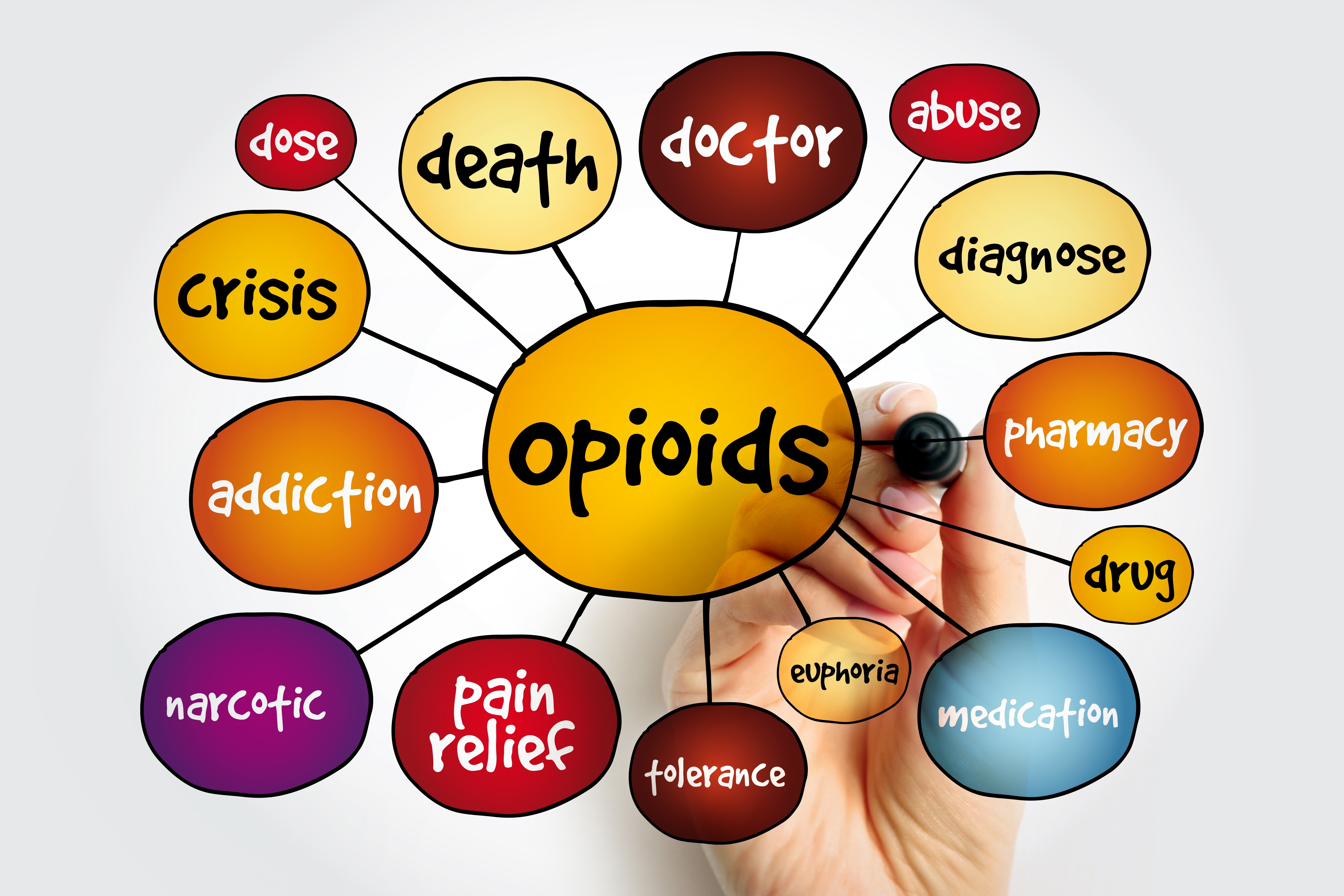
Type: OnlineCourse Code: 20-1122640 Duration: 0 minutes

Online course 2 Contact hours

Hours
2 Contact hours
Code
20-1122640
Duration
0 minutes
Course Description: This course discusses an overview and updates on pulmonary embolisms (PE). This course will review risk factors, signs and symptoms, diagnostic criteria, and treatment options.

Contact Hour(s):  

2 Contact Hours, including 2 Pharmacology Hours 

Author: 

Desiree Reinken (PhD, APRN, NP-C) 

This peer-reviewed course is applicable for the following professions:

Advanced Practice Registered Nurse (APRN), Athletic Trainer (AT/AL), Certified Nurse Midwife, Certified Nurse Practitioner, Certified Registered Nurse Practitioner, Clinical Nurse Specialist (CNS), Licensed Practical Nurse (LPN), Licensed Vocational Nurses (LVN), Midwife (MW), Nursing Student, Occupational Therapist (OT), Occupational Therapist Assistant (OTA), Physical Therapist (PT), Physical Therapist Assistant (PTA), Registered Nurse (RN), Respiratory Care Practitioner, Respiratory Therapist (RT) 

Accreditations:  

The American Nurses Credentialing Center (ANCC), The American Occupational Therapy Association (AOTA), Board of Certification for Athletic Trainers (BOC) 

State Approvals: 

Alabama, Provider #ABNP1485; California BRN Provider #CEP # 13509; Florida Physical Therapy Association Approval: CE26-1122634; Kentucky Board of Nursing Provider #7-0085; Florida Board of Nursing Provider 50-353; Nevada Board of Physical Therapy; New York State Education Department’s State Board for Physical Therapy   

Course Description: 

This course discusses an overview and updates on pulmonary embolisms (PE). This course will review risk factors, signs and symptoms, diagnostic criteria, and treatment options. 

Outcomes: 

≥ 92% of participants will know how to recognize the signs and symptoms of pulmonary embolisms (PE).  

Objectives: 

Upon completion of this course, the participant will be able to meet the following objectives: 

  1. Differentiate between the types of pulmonary embolisms (PE). 
  2. Analyze risk factors of PE. 
  3. Identify signs and symptoms of PE. 
  4. Review the diagnostic criteria for PE. 
  5. Compare various treatment options for PE. 

Disclosures:

CEUFast Inc. and the course planning team for this educational activity do not have any relevant financial relationship(s) to disclose with ineligible companies whose primary business is producing, marketing, selling, re-selling, or distributing healthcare products used by or on patients. 


Type: OnlineCourse Code: 20-1162126 Duration: 0 minutes

Online course 2 Contact hours

Hours
2 Contact hours
Code
20-1162126
Duration
0 minutes
Course Description: This course discusses neurobiology, clinical manifestations, therapeutic interventions, and the lived experiences of individuals grappling with schizophrenia.

Contact Hour(s): 

2 Contact Hours including 2 Advanced Pharmacology Hours

Author:

Raymond Lengel, MSN, FNP-BC, RN

This peer-reviewed course is applicable for the following professions: 

Advanced Practice Registered Nurse (APRN), Certified Nurse Practitioner, Certified Registered Nurse Anesthetist (CRNA), Certified Registered Nurse Practitioner, Clinical Nurse Specialist (CNS), Licensed Practical Nurse (LPN), Licensed Vocational Nurses (LVN), Nursing Student, Registered Nurse (RN), Registered Nurse Practitioner

Accreditations: 

The American Nurses Credentialing Center (ANCC)

State Approvals:  

 Alabama, Provider #ABNP1485; California BRN Provider #CEP # 13509; Kentucky Board of Nursing Provider #7-0085; Florida Board of Nursing Provider 50-353

Course Description:

This course discusses neurobiology, clinical manifestations, therapeutic interventions, and the lived experiences of individuals grappling with schizophrenia.

Outcomes:

≥ 92% of participants will know how to appropriately care for patients with schizophrenia.

Objectives:

After completing this continuing education course, the participant will be able to:

  1. Describe the neurobiology of schizophrenia.
  2. Outline the clinical manifestations of schizophrenia.
  3. Explain the diagnostic workup of the patient with schizophrenia.
  4. Identify medications used to treat schizophrenia.
  5. Describe the side effects of medications used to treat schizophrenia.

Disclosures:

CEUFast Inc. and the course planning team for this educational activity do not have any relevant financial relationship(s) to disclose with ineligible companies whose primary business is producing, marketing, selling, re-selling, or distributing healthcare products used by or on patients.


Type: OnlineCourse Code: 20-970700 Duration: 0 minutes

Online course 2 hours

Hours
2 hours
Code
20-970700
Duration
0 minutes
Course Description: Substance use disorders (SUD) are at an all-time high. As healthcare professionals, we supply care to clients and families who find their bodies, minds, and quality of life shattered by the consequences of ingesting substances of abuse at harmful levels. We need to be alert for the best information concerning which substances have the potential for abuse ...

Contact Hour(s):

2 Contact Hours, including 2 Advanced Pharmacology Hours 

Author: 

David Tilton (RN, BSN)

This peer-reviewed course is applicable for the following professions: 

Advanced Practice Registered Nurse (APRN), Athletic Trainer (AT/AL), Certified Nurse Midwife, Certified Nurse Practitioner, Certified Registered Nurse Anesthetist (CRNA), Certified Registered Nurse Practitioner, Clinical Nurse Specialist (CNS), Licensed Practical Nurse (LPN), Licensed Vocational Nurses (LVN), Nursing Student, Physical Therapist (PT), Physical Therapist Assistant (PTA), Registered Nurse (RN), Registered Nurse Practitioner, Respiratory Care Practitioner, Respiratory Therapist (RT)

Accreditations:  

The American Nurses Credentialing Center (ANCC), Board of Certification for Athletic Trainers (BOC)

State Approvals: 

 Alabama, Provider #ABNP1485; California BRN Provider #CEP # 13509; Kentucky Board of Nursing Provider #7-0085; Florida Board of Nursing Provider 50-353; Nevada Board of Physical Therapy; New York State Education Department’s State Board for Physical Therapy; Florida Physical Therapy Association Approval: CE26-970698;

Course Description: 

Substance use disorders (SUD) are at an all-time high. As healthcare professionals, we supply care to clients and families who find their bodies, minds, and quality of life shattered by the consequences of ingesting substances of abuse at harmful levels. We need to be alert for the best information concerning which substances have the potential for abuse and at what levels of consumption. We need the most current tools to help decrease or end the use of harmful substances in their daily lives while maintaining their quality of life.

Outcomes: 

>92% of participants will be able to recognize signs and symptoms of substance misuse, addiction, and withdrawal and evaluate care guidelines for these clients.

Objectives: 

After completing this continuing education course, the participant will be able to: 

  1. Identify the different types of abused substances.
  1. Evaluate lab tests used for identifying abused substances.
  1. List common symptoms of withdrawal for different abused substances.
  1. Summarize the guidelines of care for different abused substances.
  1. Characterize symptoms of use/intoxication of abused substances.

Disclosures: 

CEUFastInc. and the course planning team for this educational activity do not have any relevant financial relationship(s) todisclosewith ineligible companies whose primary business is producing, marketing, selling, re-selling, or distributing healthcare products used by or on patients. 


Type: OnlineCourse Code: 20-1241062 Duration: 0 minutes

Online course 1 Contact hours

Hours
1 Contact hours
Code
20-1241062
Duration
0 minutes
Course Description: This course will look at the risk factors and screening tools used to identify women who are at greater risk of abusing drugs. Participants will become familiar with complications that can occur to the woman and infant who abuse drugs and how to care for each of these patients.

Contact Hour(s): 

1 Contact Hour including 1 Pharmacology Hour

Author:

Kelly LaMonica, DNP(c), MSN, RNC-OB, EFM

This peer-reviewed course is applicable for the following professions: 

Advanced Practice Registered Nurse (APRN), Certified Nurse Midwife, Certified Nurse Practitioner, Certified Registered Nurse Anesthetist (CRNA), Certified Registered Nurse Practitioner, Clinical Nurse Specialist (CNS), Licensed Practical Nurse (LPN), Licensed Vocational Nurses (LVN), Midwife (MW), Nursing Student, Registered Nurse (RN), Registered Nurse Practitioner

Accreditations: 

The American Nurses Credentialing Center (ANCC)

State Approvals: 

Alabama, Provider #ABNP1485; California BRN Provider #CEP # 13509; Kentucky Board of Nursing Provider #7-0085; Florida Board of Nursing Provider 50-353;

Course Description:

This course will look at the risk factors and screening tools used to identify women who are at greater risk of abusing drugs. Participants will become familiar with complications that can occur to the woman and infant who abuse drugs and how to care for each of these patients.

Outcomes:

≥ 92% of participants will know how to identify and care for pregnant women with substance use disorder.

Objectives:

After completing this continuing education course, the participant will be able to:

  1. Define the terms related to substance use disorder.
  2. Determine the screening methods that are used to help identify substance use disorder in pregnant women.
  3. List the factors that may indicate possible substance use disorder in women who are pregnant.
  4. Identify the possible complications of substance use disorder to the mother and fetus.
  5. Describe the treatment for pregnant women with substance use disorder.
  6. Examine the appropriate nursing care for the women with substance use disorder during pregnancy.

Disclosures:

CEUFast Inc. and the course planning team for this educational activity do not have any relevant financial relationship(s) to disclose with ineligible companies whose primary business is producing, marketing, selling, re-selling, or distributing healthcare products used by or on patients.

Type: OnlineCourse Code: 20-1320649 Duration: 0 minutes

Online course 2 Contact hours

Hours
2 Contact hours
Code
20-1320649
Duration
0 minutes
Course Description: This course discusses a current and evidence-based framework for understanding the atopic triad and its’ effects on the body in a broad and system-specific manner. Understanding the impact of a widespread inflammatory and hypersensitive immune response is necessary for clinicians who care for patients with this cluster of conditions and is the basis for d...

Contact Hour(s):   

2 Contact Hours, including 2 Pharmacology Hours  


Author:  

Sarah Schulze (MSN, APRN, CPNP, PMHS, CLC) 


This peer-reviewed course is applicable for the following professions:

Advanced Practice Registered Nurse (APRN), Certified Nurse Midwife, Certified Nurse Practitioner, Clinical Nurse Specialist (CNS), Licensed Practical Nurse (LPN), Licensed Vocational Nurses (LVN), Midwife (MW), Nursing Student, Registered Nurse (RN), Registered Nurse Practitioner  


Accreditations: 

The American Nurses Credentialing Center (ANCC), The American Occupational Therapy Association (AOTA), Board of Certification for Athletic Trainers (BOC)

State Approvals:

Alabama, Provider #ABNP1485; California BRN Provider #CEP # 13509; Kentucky Board of Nursing Provider #7-0085; Florida Board of Nursing Provider 50-353;


Course Description:  

This course discusses a current and evidence-based framework for understanding the atopic triad and its’ effects on the body in a broad and system-specific manner. Understanding the impact of a widespread inflammatory and hypersensitive immune response is necessary for clinicians who care for patients with this cluster of conditions and is the basis for disease identification and treatment. Appropriate management and knowledge of these conditions also serve to reduce the impact of comorbid conditions or complications, overall improving patient care outcomes. 


 Outcomes:  

≥ 92% of participants will know the components of the atopic triad and how to identify these conditions. 


Objectives:  

After completing this continuing education course, the participant will be able to:  

  1. 1. Identify the risk factors for atopic conditions. 

  1. 2. Outline the common environmental triggers for conditions within the atopic triad. 

  1. 3. Differentiate between the clinical presentations of conditions within the atopic triad. 

  1. 4. Determine the diagnostic tests used for identifying conditions within the atopic triad. 

  1. 5. Identify the comorbid conditions for patients with atopy. 

  1. 6. Describe the important patient education for patients with atopic conditions. 

  1. 7. Interpret the potential complications of atopic conditions. 

  1. 8. Determine the appropriate management strategies for conditions within the atopic triad. 


Disclosures:  

CEUFast Inc. and the course planning team for this educational activity do not have any relevant financial relationship(s) to disclose with ineligible companies whose primary business is producing, marketing, selling, re-selling, or distributing healthcare products used by or on patients.  


Type: OnlineCourse Code: 20-1093872 Duration: 0 minutes

Online course 2 Contact hours

Hours
2 Contact hours
Code
20-1093872
Duration
0 minutes
Course Description: This course discusses tuberculosis, including the epidemiology, transmission and pathophysiology, diagnosis and treatment of the disease, and patient education. The signs and symptoms, specific laboratory tests used, and treatment regimens are highlighted.

Contact Hour(s): 

2 Contact Hours including 2 Advanced Pharmacology Hours

Authors: 

Dana Bartlett, RN, BSN, MA, MA, CSPI

Desiree Reinken, PhD, APRN, NP-C

This peer-reviewed course is applicable for the following professions:

Advanced Practice Registered Nurse (APRN), Certified Nurse Midwife, Certified Nurse Practitioner, Certified Registered Nurse Anesthetist (CRNA), Certified Registered Nurse Practitioner, Clinical Nurse Specialist (CNS), Licensed Practical Nurse (LPN), Licensed Vocational Nurses (LVN), Midwife (MW), Nursing Student, Registered Nurse (RN), Registered Nurse Practitioner, Respiratory Care Practitioner, Respiratory Therapist (RT)

Accreditations: 

The American Nurses Credentialing Center (ANCC)

State Approvals:

Alabama, Provider #ABNP1485; California BRN Provider #CEP # 13509; Kentucky Board of Nursing Provider #7-0085; Florida Board of Nursing Provider 50-353;

Course Description: 

This course discusses tuberculosis, including the epidemiology, transmission and pathophysiology, diagnosis and treatment of the disease, and patient education. The signs and symptoms, specific laboratory tests used, and treatment regimens are highlighted.

Outcomes: 

≥ 92% of participants will know the transmission of tuberculosis, who is at risk, the signs and symptoms, the different types, and how tuberculosis is diagnosed and treated.

Objectives: 

After completing this course, the learner will be able to:

  1. Describe the transmission of tuberculosis (TB).
  2. Summarize the signs and symptoms of TB.
  3. Identify diagnostic tests for the presence of TB.
  4. List risk factors for TB.
  5. Outline treatment options for TB.
  6. Characterize patient monitoring for patients being treated for TB.

Disclosures: 

CEUFast Inc. and the course planning team for this educational activity do not have any relevant financial relationship(s) to disclose with ineligible companies whose primary business is producing, marketing, selling, re-selling, or distributing healthcare products used by or on patients. 


Type: OnlineCourse Code: 20-1328213 Duration: 0 minutes

Online course 1 Contact hours

Hours
1 Contact hours
Code
20-1328213
Duration
0 minutes
Course Description: This course discusses a few of the major pediatric neurodevelopmental disorders including autism spectrum disorder (ASD), attention deficit hyperactivity disorder (ADHD), and intellectual and developmental disorders (IDDs). It discusses the risk factors, screening tools, assessment, diagnosis, management, and treatment for each of these individual neurode...

Contact Hour(s): 

1 Contact Hours, including 1 Advanced Pharmacology Hours

Author:

MaryAnn Martin, APRN, FNP BC, PMHNP BC, DNP

This peer-reviewed course is applicable for the following professions:

Advanced Practice Registered Nurse (APRN), Athletic Trainer (AT/AL), Certified Nurse Midwife, Certified Nurse Practitioner, Clinical Nurse Specialist (CNS), Licensed Practical Nurse (LPN), Licensed Vocational Nurses (LVN), Midwife (MW), Nursing Student, Occupational Therapist (OT), Occupational Therapist Assistant (OTA), Physical Therapist (PT), Physical Therapist Assistant (PTA), Registered Nurse (RN), Registered Nurse Practitioner

Accreditations: 

The American Nurses Credentialing Center (ANCC), The American Occupational Therapy Association (AOTA), Board of Certification for Athletic Trainers (BOC)

State Approvals:

Alabama, Provider #ABNP1485; California BRN Provider #CEP # 13509; Florida Physical Therapy Association Approval: CE26-1328210; Kentucky Board of Nursing Provider #7-0085; Florida Board of Nursing Provider 50-353; Kentucky Board of Licensure for Occupational Therapy; Nevada Board of Physical Therapy; New York State Education Department’s State Board for Physical Therapy

Course Description:

This course discusses a few of the major pediatric neurodevelopmental disorders including autism spectrum disorder (ASD), attention deficit hyperactivity disorder (ADHD), and intellectual and developmental disorders (IDDs). It discusses the risk factors, screening tools, assessment, diagnosis, management, and treatment for each of these individual neurodevelopmental conditions.

Outcomes:

≥ 92% of participants will know how to identify the major neurodevelopmental disorders, screening, and treatment recommendations in pediatric patients.

Objectives:

After completing this continuing education course, the participant will be able to:

  1. Identify the major neurodevelopmental disorders in pediatrics.
  2. List the risk factors of pediatric neurodevelopmental disorders.
  3. Examine the appropriate screening tools for pediatric neurodevelopmental disorders.
  4. Interpret the signs and symptoms to be included in the assessment of distinct pediatric neurodevelopmental disorders.
  5. Determine the appropriate management of pediatric neurodevelopmental disorders.
  6. Plan appropriate treatment for pediatric neurodevelopmental disorders.

Disclosures:

CEUFast Inc. and the course planning team for this educational activity do not have any relevant financial relationship(s) to disclose with ineligible companies whose primary business is producing, marketing, selling, re-selling, or distributing healthcare products used by or on patients.


Type: OnlineCourse Code: 20-1040156 Duration: 0 minutes

Online course 2 Contact hours

Hours
2 Contact hours
Code
20-1040156
Duration
0 minutes
Course Description: This course aims to ensure healthcare professionals provide consistent and up-to-date information across healthcare settings and are adequately prepared to address challenges in achieving vaccine goals for optimum pediatric health outcomes.

Contact Hour(s): 

2 Contact Hours, including 2 Pharmacology Hours

Author:

Sarah Schulze, MSN, APRN, CPNP, PMHS, CLC

This peer-reviewed course is applicable for the following professions:

Advanced Practice Registered Nurse (APRN), Certified Nurse Practitioner, Certified Registered Nurse Practitioner, Clinical Nurse Specialist (CNS), Licensed Practical Nurse (LPN), Licensed Vocational Nurses (LVN), Nursing Student, Registered Nurse (RN)

Accreditations: 

The American Nurses Credentialing Center (ANCC)

State Approvals:

Alabama, Provider #ABNP1485; California BRN Provider #CEP # 13509; Kentucky Board of Nursing Provider #7-0085; Florida Board of Nursing Provider 50-353 

Course Description:

This course aims to ensure healthcare professionals provide consistent and up-to-date information across healthcare settings and are adequately prepared to address challenges in achieving vaccine goals for optimum pediatric health outcomes.

Outcomes:

≥ 92% of participants will know how vaccines work, the diseases they prevent, and the most up-to-date vaccine schedule for children and adolescents.

Objectives:

After completing this continuing education course, the participant will be able to:

  1. Summarize the disease a vaccine is designed to prevent and the impact of the vaccine on disease prevalence.
  2. Conclude which vaccines may be given at a traditional pediatric wellness visit.
  3. Characterize the risk factors associated with the diseases commonly vaccinated against in pediatrics.
  4. Outline the benefits of combination vaccines and list some potential brands available.
  5. Indicate diseases at high risk of a resurgence with vaccine delays caused by the Covid-19 pandemic.
  6. Differentiate between contraindications and precautions with vaccine administration.
  7. Compare common themes for vaccine hesitancy and summarize communication tactics for these patients.

Disclosures:

CEUFast Inc. and the course planning team for this educational activity do not have any relevant financial relationship(s) to disclose with ineligible companies whose primary business is producing, marketing, selling, re-selling, or distributing healthcare products used by or on patients.

Type: OnlineCourse Code: 20-1187262 Duration: 0 minutes

Online course 2 Contact hours

Hours
2 Contact hours
Code
20-1187262
Duration
0 minutes
Course Description: This course discusses reasons for using vasoactive medications in an intensive care environment. The course examines the various uses of vasoactive medications and the contraindications and safety measures needed to administer them safely. The course also discusses the use of vasoactive medications in the pediatric setting.

Contact Hour(s): 

2 Contact Hours, including 2 Advanced Pharmacology Hours

Author:

James Wittenauer, RN, MSN, MPA, RN-BC

This peer-reviewed course is applicable for the following professions:

Advanced Practice Registered Nurse (APRN), CCI Credentialed Specialists, Certified Nurse Midwife, Certified Nurse Practitioner, Certified Registered Nurse Anesthetist (CRNA), Certified Registered Nurse Practitioner, Clinical Nurse Specialist (CNS), Licensed Practical Nurse (LPN), Licensed Vocational Nurses (LVN), Midwife (MW), Nursing Student, Occupational Therapist (OT), Occupational Therapist Assistant (OTA), Physical Therapist (PT), Physical Therapist Assistant (PTA), Registered Nurse (RN), Registered Nurse Practitioner

Accreditations: 

The American Nurses Credentialing Center (ANCC)

State Approvals:

Alabama, Provider #ABNP1485; California BRN Provider #CEP # 13509; Kentucky Board of Nursing Provider #7-0085; Florida Board of Nursing Provider 50-353

Course Description:

This course discusses reasons for using vasoactive medications in an intensive care environment. The course examines the various uses of vasoactive medications and the contraindications and safety measures needed to administer them safely. The course also discusses the use of vasoactive medications in the pediatric setting.

Outcomes:

≥ 92% of participants will have increased knowledge and confidence in their ability to administer vasoactive intravenous medications safely.

Objectives:

After completing this continuing education course, the participant will be able to:

  1. Explain when vasoactive medications are indicated.
  2. Identify the parameters and titration of critical care medications.
  3. Define titration, vasopressor, inotrope, catecholamine, adrenergic, vasodilator, and antiarrhythmic.
  4. Determine vasoactive drugs, infusion rates, and other medicines for critically ill patients.
  5. Specify how to calculate and verify drug mixtures every time a critical drug is administered.
  6. Outline the basic principles of administering vasoactive medications to the pediatric patient.


Disclosures:

CEUFast Inc. and the course planning team for this educational activity do not have any relevant financial relationship(s) to disclose with ineligible companies whose primary business is producing, marketing, selling, re-selling, or distributing healthcare products used by or on patients.