

Nursing

Catalog

Browse eligible courses by profession.

Filter by
18 courses Catalog: Nursing
Type: OnlineCourse Code: 20-596939 Duration: 0 minutes

Online course 0 hours

Hours
0 hours
Code
20-596939
Duration
0 minutes
Course Description: This course discusses the Human Immunodeficiency Virus (HIV) and its end-stage Acquired Immunodeficiency Syndrome (AIDS), along with strategies for extending the disease process and allowing for a high-quality life despite the presence of an otherwise terminal disease.Outcomes≥ 92% of participants will know the most current, evidence-based information abo...

Contact Hour(s): 

1 Contact hour, including 1 Advanced Pharmacology Hour

Author:

David Tilton, RN, BSN

This peer-reviewed course is applicable for the following professions:

Advanced Practice Registered Nurse (APRN), Athletic Trainer (AT/AL), Certified Medication Assistant (CMA), Certified Nurse Midwife, Certified Nurse Practitioner, Certified Nursing Assistant (CNA), Certified Registered Nurse Anesthetist (CRNA), Clinical Nurse Specialist (CNS), Dietetic Technicians, Registered (DTR), Dietitian/Nutritionist (RDN), Electrologist (EO), Home Health Aid (HHA), Licensed Nursing Assistant (LNA), Licensed Practical Nurse (LPN), Licensed Vocational Nurses (LVN), Medical Assistant (MA), Medication Aide, Midwife (MW), Nursing Student, Occupational Therapist (OT), Occupational Therapist Assistant (OTA), Pedorthist (PED), Physical Therapist (PT), Physical Therapist Assistant (PTA), Registered Nurse (RN), Registered Nurse Practitioner, Respiratory Care Practitioner, Respiratory Therapist (RT)

Accreditations: 

The American Nurses Credentialing Center (ANCC), The American Occupational Therapy Association (AOTA), Board of Certification for Athletic Trainers (BOC)

State Approvals:

Alabama, Provider #ABNP1485; California BRN Provider #CEP # 13509; Kentucky Board of Nursing Provider #7-0085; Florida Board of Nursing Provider 50-353; New York State Education Department’s State Board for Physical Therapy

Course Description:

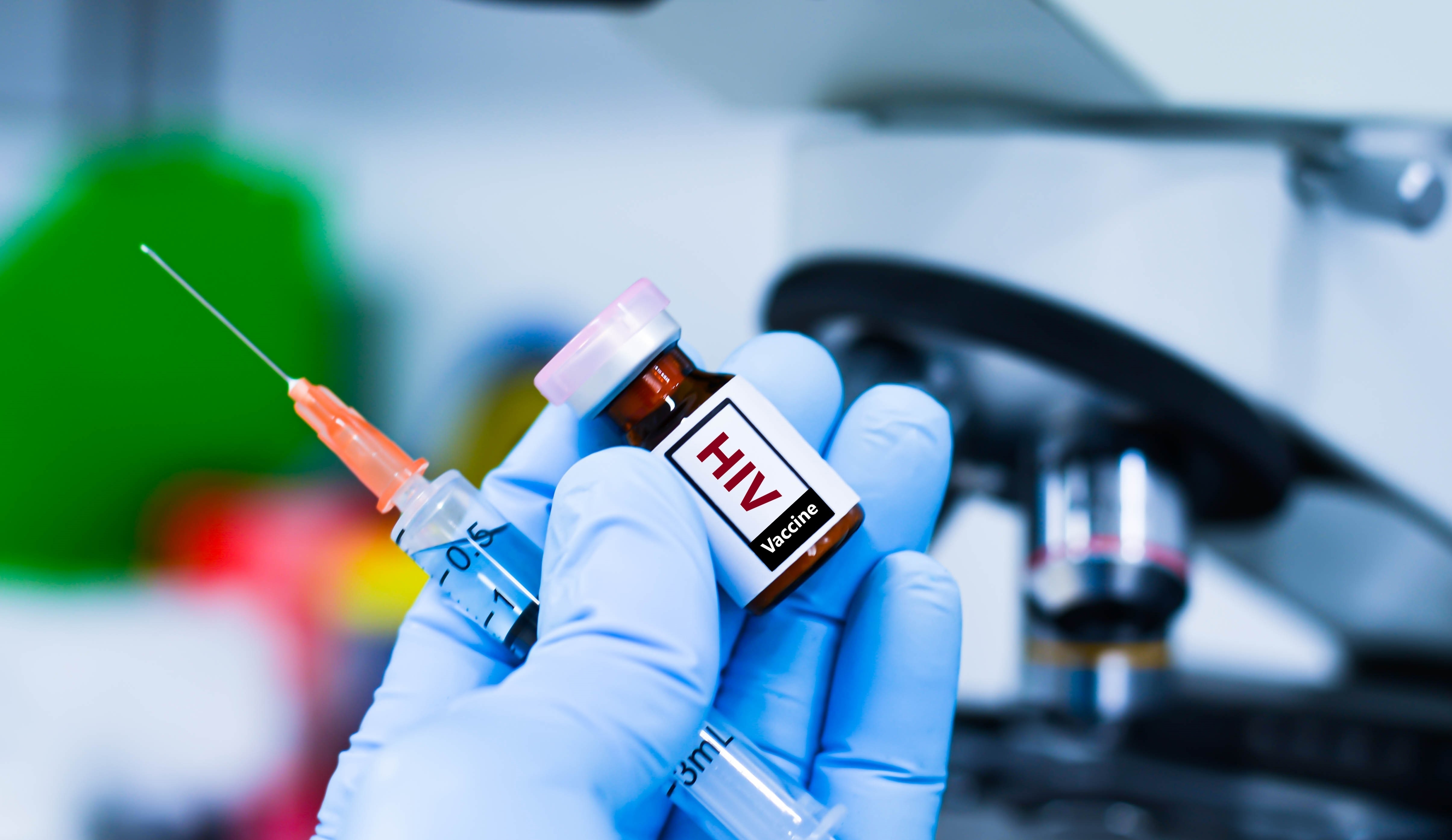
This course discusses the Human Immunodeficiency Virus (HIV) and its end-stage Acquired Immunodeficiency Syndrome (AIDS), along with strategies for extending the disease process and allowing for a high-quality life despite the presence of an otherwise terminal disease.

Outcomes

≥ 92% of participants will know the most current, evidence-based information about HIV and AIDS.

Objectives

After completing this continuing education course, the participant will be able to:

1. Identify the civil rights of the HIV/AIDS-infected individual and their family/friends.

2. Explain the current incidence of HIV.

3. Describe the modes of transmission of HIV and various strategies to prevent the spread of HIV.

4. Examine the pathophysiologic changes in the human body following HIV infection.

5. Compare and contrast current medication modalities prescribed for HIV

Disclosures:

CEUFast Inc. and the course planning team for this educational activity do not have any relevant financial relationship(s) to disclose with ineligible companies whose primary business is producing, marketing, selling, re-selling, or distributing healthcare products used by or on patients.
Type: Online Course Code: 20-1157776 Duration: 0 minutes Certificate: Available

Online Course 2 Contact hours

Hours
2 Contact hours
Code
20-1157776
Duration
0 minutes
Course Description: This course discusses the etiology of the ubiquitous catheter-associated urinary tract infection (CAUTI), including prevention methods.Outcomes≥ 92% of participants will know the main uropathogens in catheter-associated urinary tract infections (CAUTIs) and medical care guidelines for this infection.ObjectivesAfter completing this continuing education cou...

Contact Hour(s):

2 Contact Hours

Author:

Celeste Barefield, MSN, APRN, FNP-BC

This peer-reviewed course is applicable for the following professions:

Advanced Practice Registered Nurse (APRN), Certified Nurse Midwife, Certified Nurse Practitioner, Certified Registered Nurse Practitioner, Clinical Nurse Specialist (CNS), Licensed Practical Nurse (LPN), Licensed Vocational Nurses (LVN), Midwife (MW), Nursing Student, Registered Nurse (RN), Registered Nurse Practitioner

Accreditations: 

The American Nurses Credentialing Center (ANCC)

State Approvals:

Alabama, Provider #ABNP1485; California BRN Provider #CEP # 13509; Kentucky Board of Nursing Provider #7-0085; Florida Board of Nursing Provider 50-353

Course Description:

This course discusses the etiology of the ubiquitous catheter-associated urinary tract infection (CAUTI), including prevention methods.

Outcomes

≥ 92% of participants will know the main uropathogens in catheter-associated urinary tract infections (CAUTIs) and medical care guidelines for this infection.

Objectives

After completing this continuing education course, the participant will be able to:

  1. Recall new material about urinary catheters and catheter-associated urinary tract infections (CAUTIs).
  2. Define CAUTI and identify its risk factors in different medical settings.
  3. Identify current evidence-based practices to prevent CAUTIs.
  4. Assess the effectiveness of CAUTI prevention strategy bundles.
  5. Outline the latest research on new technologies and approaches to urinary catheterization and their potential impact on CAUTI rates.
  6. Acquire tools to advocate for policies and practices that support CAUTI prevention and antimicrobial stewardship principles.

Disclosures:

CEUFast Inc. and the course planning team for this educational activity do not have any relevant financial relationship(s) to disclose with ineligible companies whose primary business is producing, marketing, selling, re-selling, or distributing healthcare products used by or on patients.
Type: Online Course Code: 20-1255160 Duration: 0 minutes Certificate: Available

Online Course 1 Contact hours

Hours
1 Contact hours
Code
20-1255160
Duration
0 minutes
Course Description: This course discusses dengue fever. The course will begin with the cause and transmission of dengue fever and information on why the Government of Puerto Rico has recently announced a state of emergency (global importance). This course also provides a detailed synopsis of the incubation period, the typical timing of symptom onset, and the most common symp...

Contact Hour:

1 Contact Hour, including 1 Pharmacology Hour

Author:

Brittane Strahan, MSN, RN, CCRP

This peer-reviewed course is applicable for the following professions:

Advanced Practice Registered Nurse (APRN), Certified Nurse Midwife, Certified Nurse Practitioner, Certified Registered Nurse Practitioner, Clinical Nurse Specialist (CNS), Licensed Practical Nurse (LPN), Licensed Vocational Nurses (LVN), Midwife (MW), Nursing Student, Registered Nurse (RN), Registered Nurse Practitioner

Accreditations:  

The American Nurses Credentialing Center (ANCC)

State Approvals:

Alabama, Provider #ABNP1485; California BRN Provider #CEP # 13509; Kentucky Board of Nursing Provider #7-0085; Florida Board of Nursing Provider 50-353

Course Description: 

This course discusses dengue fever. The course will begin with the cause and transmission of dengue fever and information on why the Government of Puerto Rico has recently announced a state of emergency (global importance). This course also provides a detailed synopsis of the incubation period, the typical timing of symptom onset, and the most common symptoms. Diagnostic testing and a description of severe cases (including any further symptoms) will follow. Treatment and prevention will also be discussed.

Outcomes:

≥ 92% of participants will know the presentation, management, and prevention of dengue fever to comply with the emergency order put in place by the Puerto Rico Department of Health.

Objectives: 

After completing this continuing education course, the participant will be able to: 

  1. Assess the current state of emergency regarding dengue fever.
  1. Summarize the dengue virus (including its subtypes).
  1. Outline the transmission of dengue virus by mosquitoes.
  1. Describe the symptoms that indicate dengue fever.
  1. Identify relevant medical history and diagnostics to confirm dengue fever.
  1. Explain treatment options for dengue fever.
  1. Compare preventative measures that can be taken to prevent dengue fever.

Disclosures: 

CEUFast Inc. and the course planning team for this educational activity do not have any relevant financial relationship(s) to disclose with ineligible companies whose primary business is producing, marketing, selling, re-selling, or distributing healthcare products used by or on patients. 


Type: Online Course Code: 20-1025654 Duration: 0 minutes Certificate: Available

Online Course 2 Contact hours

Hours
2 Contact hours
Code
20-1025654
Duration
0 minutes
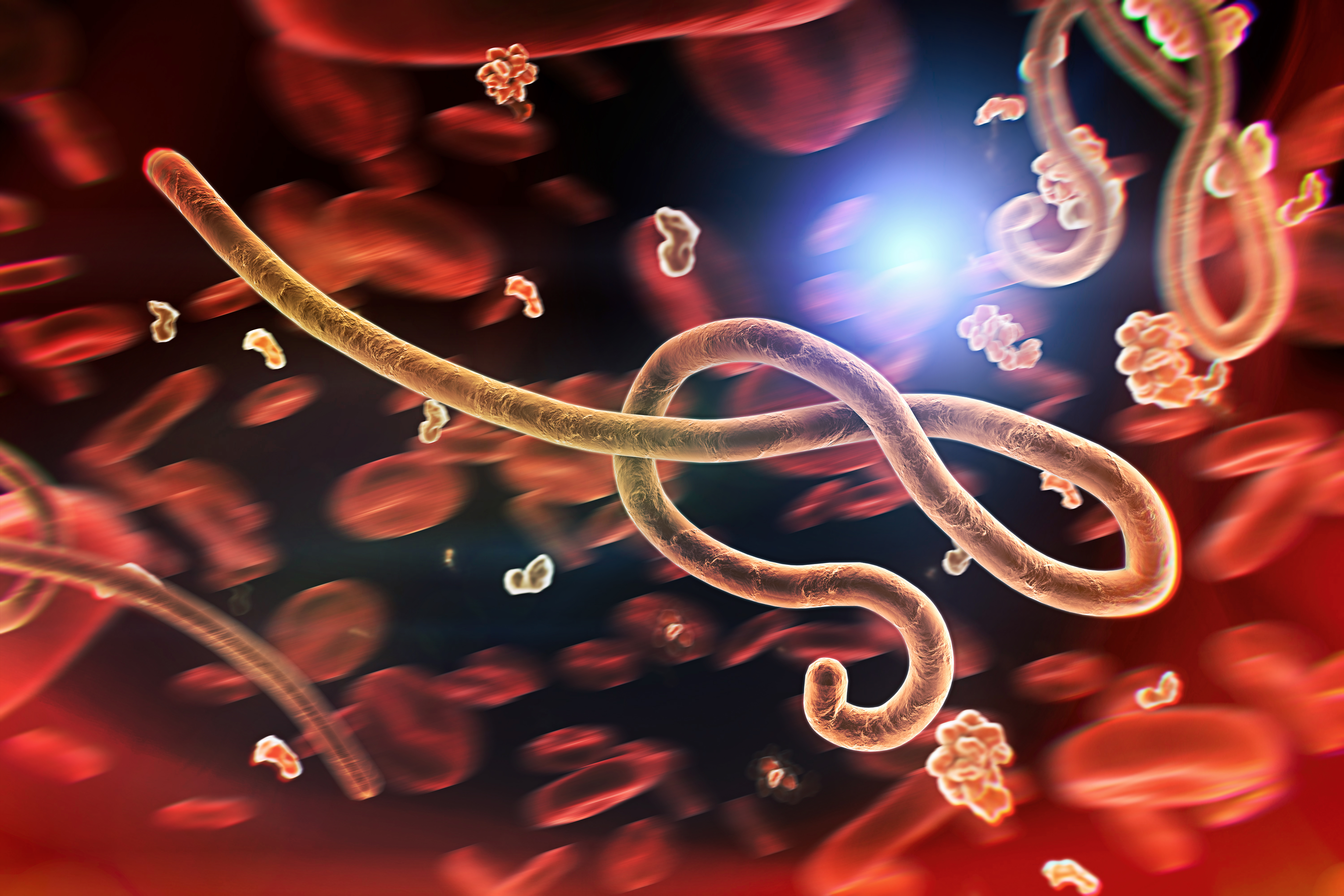
Course Description: This course discusses the impact of the Ebola virus, how it is transmitted, treatment modalities, potential complications, proper personal protective equipment, and infection control mitigation requirements.

Contact Hour(s): 

2 Contact Hours

Author:

Krystle Maynard, DNP, RN, SANE-A

This peer-reviewed course is applicable for the following professions: 

Advanced Practice Registered Nurse (APRN), Certified Nurse Midwife, Certified Nurse Practitioner, Certified Registered Nurse Anesthetist (CRNA), Certified Registered Nurse Practitioner, Clinical Nurse Specialist (CNS), Licensed Practical Nurse (LPN), Licensed Vocational Nurses (LVN), Midwife (MW), Nursing Student, Registered Nurse (RN), Respiratory Care Practitioner, Respiratory Therapist (RT)

Accreditations: 

The American Nurses Credentialing Center (ANCC),

State Approvals:  

 Alabama, Provider #ABNP1485; California BRN Provider #CEP # 13509; Kentucky Board of Nursing Provider #7-0085; Florida Board of Nursing Provider 50-353

Course Description:

This course discusses the impact of the Ebola virus, how it is transmitted, treatment modalities, potential complications, proper personal protective equipment, and infection control mitigation requirements.

Outcomes:

≥ 92% of participants will know how to identify specific risk factors for Ebola virus disease, modes of transmission, and proper infection control and mitigation steps.

Objectives:

After completing this continuing education course, the participant will be able to:

  1. Summarize modes of transmission of the Ebola virus.
  2. Identify the clinical manifestations of the Ebola virus, including symptomology and laboratory values.
  3. Describe treatment options for patients with suspected or confirmed Ebola virus disease.
  4. Outline strategies to prevent the spread of the Ebola virus.
  5. List long-term complications which may persist after surviving the Ebola virus.

Disclosures:

CEUFast Inc. and the course planning team for this educational activity do not have any relevant financial relationship(s) to disclose with ineligible companies whose primary business is producing, marketing, selling, re-selling, or distributing healthcare products used by or on patients.


Type: Online Course Code: 20-767379 Duration: 0 minutes Certificate: Available

Online Course 2.5 Contact hours

Hours
2.5 Contact hours
Code
20-767379
Duration
0 minutes
Course Description: This course discusses nutrition and heart health. It also discusses optimal blood lipid levels, such as triglycerides. The Dietary Approaches to Stop Hypertension (DASH) diet and Therapeutic Lifestyle Changes (TLC) are also reviewed.

Contact Hour(s):  

2.5 Contact Hours including 2.5 Advanced Pharmacology Hours 

Author: 

Dana Bartlett, RN, BSN, MA, CSPI

This peer-reviewed course is applicable for the following professions:

Advanced Practice Registered Nurse (APRN), Certified Nurse Midwife, Certified Nurse Practitioner, Certified Registered Nurse Anesthetist (CRNA), Certified Registered Nurse Practitioner, Clinical Nurse Specialist (CNS), Licensed Practical Nurse (LPN), Licensed Vocational Nurses (LVN), Midwife (MW), Nursing Student, Occupational Therapist (OT), Occupational Therapist Assistant (OTA), Physical Therapist (PT), Physical Therapist Assistant (PTA), Registered Nurse (RN), Registered Nurse Practitioner 

Accreditations:  

The American Nurses Credentialing Center (ANCC), The American Occupational Therapy Association (AOTA), Board of Certification for Athletic Trainers (BOC)

State Approvals

Alabama, Provider #ABNP1485; California BRN Provider #CEP # 13509; Florida Physical Therapy Association Approval: CE26-767379; Kentucky Board of Nursing Provider #7-0085; Florida Board of Nursing Provider 50-353; Nevada Board of Physical Therapy; New York State Education Department’s State Board for Physical Therapy   

Course Description: 

This course discusses nutrition and heart health. It also discusses optimal blood lipid levels, such as triglycerides. The Dietary Approaches to Stop Hypertension (DASH) diet and Therapeutic Lifestyle Changes (TLC) are also reviewed. 

 Outcomes: 

≥ 92% of participants will know how to care for a patient with hepatitis C. 

Objectives: 

After completing this course, the participant will be able to meet the following objectives: 

  1. Summarize how hepatitis C is transmitted.
  2. Identify risk factors for hepatitis C transmission.
  3. Explain the two outcomes of acute exposure to hepatitis C.
  4. Determine the spontaneous clearance rate of acute hepatitis C exposure.
  5. Differentiate screening recommendations and tests used for diagnosing hepatitis C.
  6. Identify three extrahepatic complications of hepatitis C.
  7. Recommend drug therapy used to treat hepatitis C.
  8. Identify a United States (U.S.) Boxed Warning for direct-acting antiviral drugs used for hepatitis.
  9. Outline one lifestyle modification recommended for hepatitis C patients. 

Disclosures: 

CEUFast Inc. and the course planning team for this educational activity do not have any relevant financial relationship(s) to disclose with ineligible companies whose primary business is producing, marketing, selling, re-selling, or distributing healthcare products used by or on patients. 


Type: OnlineCourse Code: 20-1129420 Duration: 0 minutes

Online course 2 hours

Hours
2 hours
Code
20-1129420
Duration
0 minutes
Course Description: This course discusses the current clinical practice guidelines for HIV/AIDS, including symptomatic presentations and management strategies. Outcomes ≥ 92% of participants will know the pathology, management, and current clinical guidelines of HIV/AIDS. Objectives By the end of this activity, the participant will be able to: Outline the human immunodeficie...

Contact Hour(s):  

2 Contact Hours including 2 Pharmacology Hours Hours 

Author: 

This peer-reviewed course is applicable for the following professions:

Advanced Practice Registered Nurse (APRN), Certified Nurse Practitioner, Certified Registered Nurse Practitioner, Clinical Nurse Specialist (CNS), Licensed Practical Nurse (LPN), Licensed Vocational Nurses (LVN), Nursing Student, Physical Therapist (PT), Physical Therapist Assistant (PTA), Registered Nurse (RN), Registered Nurse Practitioner, Respiratory Care Practitioner, Respiratory Therapist (RT) 

Accreditations:  

The American Nurses Credentialing Center (ANCC)

State Approvals:

Alabama, Provider #ABNP1485; California BRN Provider #CEP # 13509; Kentucky Board of Nursing Provider #7-0085; Florida Board of Nursing Provider 50-353; Nevada Board of Physical Therapy; New York State Education Department’s State Board for Physical Therapy   

Course Description

This course discusses the current clinical practice guidelines for HIV/AIDS, including symptomatic presentations and management strategies. 

Outcomes 

≥ 92% of participants will know the pathology, management, and current clinical guidelines of HIV/AIDS. 

Objectives 

By the end of this activity, the participant will be able to: 

  1. Outline the human immunodeficiency virus (HIV) genome and structural biology.
  2. Characterize the HIV life cycle.
  3. Identify the different symptomatic presentations of people living with HIV and acquired immunodeficiency syndrome (AIDS).
  4. Generalize the different accepted guidelines on exposure prophylaxis for HIV.
  5. Create management plans for people living with HIV/AIDS. 

Disclosures: 

CEUFast Inc. and the course planning team for this educational activity do not have any relevant financial relationship(s) to disclose with ineligible companies whose primary business is producing, marketing, selling, re-selling, or distributing healthcare products used by or on patients. 


Type: Online Course Code: 20-1124026 Duration: 0 minutes Certificate: Available

Online Course 2 Contact hours

Hours
2 Contact hours
Code
20-1124026
Duration
0 minutes
Course Description: This course discusses the current clinical practice guidelines for HIV/AIDS, including symptomatic presentations and management strategies. Outcomes ≥ 92% of participants will know the pathology, management, and current clinical guidelines of HIV/AIDS. Objectives By the end of this activity, the participant will be able to: Outline the human immunodeficie...

Contact Hour(s):  

2 Contact Hours including 2 Pharmacology Hours Hours 

Author

This peer-reviewed course is applicable for the following professions:

Advanced Practice Registered Nurse (APRN), Certified Nurse Practitioner, Certified Registered Nurse Practitioner, Clinical Nurse Specialist (CNS), Licensed Practical Nurse (LPN), Licensed Vocational Nurses (LVN), Nursing Student, Physical Therapist (PT), Physical Therapist Assistant (PTA), Registered Nurse (RN), Registered Nurse Practitioner, Respiratory Care Practitioner, Respiratory Therapist (RT) 

Accreditations:  

The American Nurses Credentialing Center (ANCC)

State Approvals:

Alabama, Provider #ABNP1485; California BRN Provider #CEP # 13509; Kentucky Board of Nursing Provider #7-0085; Florida Board of Nursing Provider 50-353; Nevada Board of Physical Therapy; New York State Education Department’s State Board for Physical Therapy   

Course Description

This course discusses the current clinical practice guidelines for HIV/AIDS, including symptomatic presentations and management strategies. 

Outcomes 

≥ 92% of participants will know the pathology, management, and current clinical guidelines of HIV/AIDS. 

Objectives 

By the end of this activity, the participant will be able to: 

  1. Outline the human immunodeficiency virus (HIV) genome and structural biology.
  2. Characterize the HIV life cycle.
  3. Identify the different symptomatic presentations of people living with HIV and acquired immunodeficiency syndrome (AIDS).
  4. Generalize the different accepted guidelines on exposure prophylaxis for HIV.
  5. Create management plans for people living with HIV/AIDS. 

Disclosures

CEUFast Inc. and the course planning team for this educational activity do not have any relevant financial relationship(s) to disclose with ineligible companies whose primary business is producing, marketing, selling, re-selling, or distributing healthcare products used by or on patients. 


Type: Online Course Code: 20-1095980 Duration: 0 minutes Certificate: Available

Online Course 2.5 Contact hours

Hours
2.5 Contact hours
Code
20-1095980
Duration
0 minutes
Course Description: This course discusses 1) The process of transmission of infectious pathogens, 2) Basic infection control procedures and techniques, 3) How specific infectious pathogens are transmitted and the infection control procedures/techniques used to prevent their transmission, 4) Hospital-acquired infections – e.g.., specific pathogens like influenza and pneumonia...

(Does not meet NYSED requirements)

Contact Hour(s): 

2.5 Contact hours

Author:

Dana Bartlett, RN, BSN, MA, MA, CSPI

This peer-reviewed course is applicable for the following professions:

Advanced Practice Registered Nurse (APRN), Athletic Trainer (AT/AL), Certified Medication Assistant (CMA), Certified Nursing Assistant (CNA), Certified Registered Nurse Practitioner, Clinical Nurse Specialist (CNS), Dietetic Technicians, Registered (DTR), Dietitian/Nutritionist (RDN), Home Health Aid (HHA), Licensed Nursing Assistant (LNA), Licensed Practical Nurse (LPN), Licensed Vocational Nurses (LVN), Medical Assistant (MA), Medication Aide, Midwife (MW), Nursing Student, Occupational Therapist (OT), Occupational Therapist Assistant (OTA), Physical Therapist (PT), Physical Therapist Assistant (PTA), Registered Nurse (RN), Respiratory Care Practitioner, Respiratory Therapist (RT)

Accreditations: 

The American Nurses Credentialing Center (ANCC), The American Occupational Therapy Association (AOTA), Board of Certification for Athletic Trainers (BOC)

State Approvals:

Alabama, Provider #ABNP1485; California BRN Provider #CEP # 13509; Florida Physical Therapy Association Approval: CE26-1095980; Kentucky Board of Nursing Provider #7-0085; Florida Board of Nursing Provider 50-353; Nevada Board of Physical Therapy; New York State Education Department’s State Board for Physical Therapy

Course Description:

This course discusses 1) The process of transmission of infectious pathogens, 2) Basic infection control procedures and techniques, 3) How specific infectious pathogens are transmitted and the infection control procedures/techniques used to prevent their transmission, 4) Hospital-acquired infections – e.g.., specific pathogens like influenza and pneumonia, 5) Treatment of occupational exposure to hepatitis B (HBV), hepatitis C (HCV), and HIV, and 6) Sepsis.

Outcomes

≥ 92% of participants will know basic infection control procedures and techniques.

Objectives

After completing this continuing education course, the participant will be able to:

  1. Explain critical definitions related to infection control.
  2. Explain the components of various infection precautions.
  3. Evaluate when specific PPE should be used.
  4. Summarize risk factors that increase susceptibility to various infections.
  5. Specify signs and symptoms of various infections.

Disclosures:

CEUFast Inc. and the course planning team for this educational activity do not have any relevant financial relationship(s) to disclose with ineligible companies whose primary business is producing, marketing, selling, re-selling, or distributing healthcare products used by or on patients.

Type: Online Course Code: 20-1089206 Duration: 0 minutes Certificate: Available

Online Course 1 Contact hours

Hours
1 Contact hours
Code
20-1089206
Duration
0 minutes
Course Description: Malaria is a significant and deadly global health problem affecting millions yearly. It is a deadly disease that can be prevented; therefore, it is essential to understand malaria transmission. This course discusses epidemiology, symptomatology, and treatment of malaria.

Contact Hour(s): 

1 Contact Hour

Author: 

Heather Rhodes, APRN-BC)

This peer-reviewed course is applicable for the following professions: 

Advanced Practice Registered Nurse (APRN), Athletic Trainer (AT/AL), Certified Nurse Practitioner, Certified Registered Nurse Practitioner, Clinical Nurse Specialist (CNS), Licensed Practical Nurse (LPN), Licensed Vocational Nurses (LVN), Midwife (MW), Nursing Student, Physical Therapist (PT), Physical Therapist Assistant (PTA), Registered Nurse (RN), Registered Nurse Practitioner

Accreditations: 

The American Nurses Credentialing Center (ANCC); The American Occupational Therapy Association (AOTA), Board of Certification for Athletic Trainers (BOC)

State Approvals: 

 Alabama, Provider #ABNP1485; California BRN Provider #CEP # 13509; Kentucky Board of Nursing Provider #7-0085; Florida Board of Nursing Provider 50-353; Nevada Board of Physical Therapy; New York State Education Department’s State Board for Physical Therapy;   

Course Description: 

Malaria is a significant and deadly global health problem affecting millions yearly. It is a deadly disease that can be prevented; therefore, it is essential to understand malaria transmission. This course discusses epidemiology, symptomatology, and treatment of malaria.

Outcomes: 

≥92% of participants will know how malaria is transmitted and understand ways to prevent the transmission of malaria.

Objectives: 

After completing this course, the participant will be able to:

  1. Describe malaria.
  2. Outline the epidemiology of malaria.
  3. Identify ways to prevent malaria.
  4. Determine the symptomatology of malaria.
  5. Summarize the treatment options for malaria

Disclosures: 

CEUFast Inc. and the course planning team for this educational activity do not have any relevant financial relationship(s) to disclose with ineligible companies whose primary business is producing, marketing, selling, re-selling, or distributing healthcare products used by or on patients.

Type: Online Course Code: 20-1361928 Duration: 0 minutes Certificate: Available

Online Course 2 Contact hours

Hours
2 Contact hours
Code
20-1361928
Duration
0 minutes
Course Description: This course discusses the pathophysiology of measles, its risks and complications, and the progression of this disease’s effects on society throughout history, both before and after available vaccination.

Contact Hour(s): 

2 Contact Hours including 2 Pharmacology Hours

Author:

Sarah Schulze, MSN, APRN, CPNP, PMHS, CLC

This peer-reviewed course is applicable for the following professions:

Advanced Practice Registered Nurse (APRN), Certified Nurse Midwife, Certified Nurse Practitioner, Certified Registered Nurse Anesthetist (CRNA), Certified Registered Nurse Practitioner, Clinical Nurse Specialist (CNS), Licensed Practical Nurse (LPN), Licensed Vocational Nurses (LVN), Midwife (MW), Nursing Student, Registered Nurse (RN), Registered Nurse Practitioner

Accreditations: 

The American Nurses Credentialing Center (ANCC)

State Approvals:

Alabama, Provider #ABNP1485; California BRN Provider #CEP # 13509; Kentucky Board of Nursing Provider #7-0085; Florida Board of Nursing Provider 50-353

Course Description:

This course discusses the pathophysiology of measles, its risks and complications, and the progression of this disease’s effects on society throughout history, both before and after available vaccination.

Outcomes:

≥ 92% of participants will know how to identify and treat measles.

Objectives:

After completing this continuing education course, the participant will be able to:

  1. Identify risk factors for measles infection.
  2. Explain the effects on global and local infection rates after introducing the measles vaccine.
  3. Summarize the history of measles in North America.
  4. Characterize how measles outbreaks continue to occur in the United States.
  5. Describe how the measles virus was first isolated for vaccine development.
  6. Differentiate between the original measles vaccine and the one currently used today.
  7. Utilize current recommendations to create a vaccine plan.
  8. Explain how the measles virus attacks and spreads through a host.
  9. Paraphrase the transmissibility of measles.
  10. Identify signs and symptoms of measles at various points in the infection process.
  11. Explain the diagnostics used to confirm suspected measles cases.
  12. Identify treatment interventions for patients with acute measles infection.
  13. Explain the effects of the anti-vaccine movement on measles infection rates.
  14. Outline how the COVID-19 pandemic has affected vaccination rates for measles.

Disclosures:

CEUFast Inc. and the course planning team for this educational activity do not have any relevant financial relationship(s) to disclose with ineligible companies whose primary business is producing, marketing, selling, re-selling, or distributing healthcare products used by or on patients.


Type: Online Course Code: 20-1361975 Duration: 0 minutes Certificate: Available

Online Course 1 Contact hours

Hours
1 Contact hours
Code
20-1361975
Duration
0 minutes
Course Description: This course discusses respiratory illnesses as a major cause of sickness and healthcare utilization in children. In the vulnerable pediatric population, these illnesses can rapidly progress from mild to life-threatening. Healthcare providers must have the knowledge and skills to accurately assess and differentiate between various respiratory conditions to...

Contact Hour(s):  

1 Contact Hour including 1 Advanced Pharmacology Hour 

Author: 

Alyssa King, DNP, APRN, CPNP-PC, PMHNP-BC, PMH-C, CLC, CNE

Julia Tortorice, RN, MBA, MSN, EdD., NEA-BC

This peer-reviewed course is applicable for the following professions: 

Advanced Practice Registered Nurse (APRN), Certified Registered Nurse Anesthetist (CRNA), Clinical Nurse Specialist (CNS), Licensed Practical Nurse (LPN), Licensed Vocational Nurses (LVN), Nursing Student, Registered Nurse (RN), Respiratory Care Practitioner, Respiratory Therapist (RT) 

Accreditations:  

The American Nurses Credentialing Center (ANCC)

State Approvals:  

 Alabama, Provider #ABNP1485; California BRN Provider #CEP # 13509; Kentucky Board of Nursing Provider #7-0085; Florida Board of Nursing Provider 50-353

Course Description: 

This course discusses respiratory illnesses as a major cause of sickness and healthcare utilization in children. In the vulnerable pediatric population, these illnesses can rapidly progress from mild to life-threatening. Healthcare providers must have the knowledge and skills to accurately assess and differentiate between various respiratory conditions to provide timely intervention and treatment. It is vital clinicians provide patients and caregivers with comprehensive and clear education regarding the treatment and prevention of respiratory illness. 

Outcomes: 

≥ 92% of participants will know how to identify and respond to Mpox cases. 

Objectives: 

Upon completion of this course, the learner will be able to: 

  1. Define Mpox.
  2. Describe the process of Mpox transmission.
  3. Differentiate between Mpox and other differential diagnoses.
  4. Identify complications of Mpox.
  5. Explain recommended treatment for Mpox. 

Disclosures: 

CEUFast Inc. and the course planning team for this educational activity do not have any relevant financial relationship(s) to disclose with ineligible companies whose primary business is producing, marketing, selling, re-selling, or distributing healthcare products used by or on patients. 


Type: Online Course Code: 20-1210374 Duration: 0 minutes Certificate: Available

Online Course 2 Contact hours

Hours
2 Contact hours
Code
20-1210374
Duration
0 minutes
Course Description: This course discusses Hazard Communication methods and purposes in the workplace, including real-life events that can help embed the information. It also has case studies to help learners identify with the materials. This course touches on the history of OSHA over the last 50 years and some of the advocation needs. Outcomes ≥ 92% of participants will know...


 Contact Hour(s):  

2 Contact Hours  

Author: 

Celeste Barefield (MSN, APRN, FNP-BC) 

This peer-reviewed course is applicable for the following professions:

Advanced Practice Registered Nurse (APRN), Athletic Trainer (AT/AL), Certified Nursing Assistant (CNA), Licensed Nursing Assistant (LNA), Licensed Practical Nurse (LPN), Licensed Vocational Nurses (LVN), Medical Assistant (MA), Nursing Student, Occupational Therapist (OT), Occupational Therapist Assistant (OTA), Physical Therapist (PT), Physical Therapist Assistant (PTA), Registered Nurse (RN), Respiratory Care Practitioner, Respiratory Therapist (RT) 

Accreditations:  

The American Nurses Credentialing Center (ANCC), The American Occupational Therapy Association (AOTA), Board of Certification for Athletic Trainers (BOC) 

State Approvals:  

Alabama, Provider #ABNP1485; California BRN Provider #CEP # 13509; Florida Physical Therapy Association Approval: CE26-1189744 ; Kentucky Board of Nursing Provider #7-0085; Florida Board of Nursing Provider 50-353; Nevada Board of Physical Therapy; New York State Education Department’s State Board for Physical Therapy   

Course Description: 

This course discusses Hazard Communication methods and purposes in the workplace, including real-life events that can help embed the information. It also has case studies to help learners identify with the materials. This course touches on the history of OSHA over the last 50 years and some of the advocation needs. 

Outcomes 

≥ 92% of participants will know how to be aware of workplace dangers, how communication of hazards is regulated through OSHA and NIOSH, how to report safety issues to OSHA, and how to advocate for safer workplaces. 

Objectives 

Healthcare professionals who complete this CEU offering will be able to: 

  1. Outline how to seek new information and updates regarding emerging hazards and best practices in healthcare safety. 
  2. Recognize potential hazards within a healthcare setting based on OSHA standards and best practices. 
  3. Assess the adequacy of safety protocols and procedures concerning OSHA requirements and emerging risks. 
  4. Recognize personal beliefs that might influence a HCW to follow or not follow OSHA safety recommendations. 
  5. Outline potential negative consequences of unsafe practices and the importance of proactive risk prevention. 
  6. Apply new facts, information, and statistics regarding Hazardous Communication. 

Disclosures: 

CEUFast Inc. and the course planning team for this educational activity do not have any relevant financial relationship(s) to disclose with ineligible companies whose primary business is producing, marketing, selling, re-selling, or distributing healthcare products used by or on patients. 


Type: Online Course Code: 20-1175860 Duration: 0 minutes Certificate: Available

Online Course 1.5 Contact hours

Hours
1.5 Contact hours
Code
20-1175860
Duration
0 minutes
Course Description: This course discusses the ongoing effects of the global pandemic on the healthcare system and administration, the scope of those effects, and recommendations to mitigate the risk and remedy the healthcare revenue cycle.

Contact Hour(s): 

1.5 Contact Hours

Author: 

Jeanna Winchester, PhD

This peer-reviewed course is applicable for the following professions: 

Advanced Practice Registered Nurse (APRN), Certified Nurse Midwife, Certified Nurse Practitioner, Certified Registered Nurse Anesthetist (CRNA), Certified Registered Nurse Practitioner, Clinical Nurse Specialist (CNS), Licensed Nursing Assistant (LNA), Licensed Practical Nurse (LPN), Licensed Vocational Nurses (LVN), Midwife (MW), Nursing Student, Registered Nurse (RN), Registered Nurse Practitioner, Respiratory Care Practitioner, Respiratory Therapist (RT)

Accreditations:

The American Nurses Credentialing Center (ANCC)

State Approvals: 

 Alabama, Provider #ABNP1485; California BRN Provider #CEP # 13509; Kentucky Board of Nursing Provider #7-0085; Florida Board of Nursing Provider 50-353; Nevada Board of Physical Therapy; New York State Education Department’s State Board for Physical Therapy;

Course Description: 

This course discusses the ongoing effects of the global pandemic on the healthcare system and administration, the scope of those effects, and recommendations to mitigate the risk and remedy the healthcare revenue cycle.

Outcomes: 

≥ 92% of course participants will know the ongoing effects of the global pandemic on the healthcare system and administration, and recommendations to mitigate the risk.

Objectives: 

After completing this course, the learner will be able to:

  1. Outline factors that contribute to workplace burnout.
  2. Generate common risk factors for healthcare workplace violence.
  3. Explain factors related to COVID-19 and the efficiency of the healthcare revenue cycle.
  4. Illustrate differences in Military, Native American, and Long-Term Community health systems.
  5. Recommend methods to mitigate the risk of adverse events.

Disclosures: 

CEUFast Inc. and the course planning team for this educational activity do not have any relevant financial relationship(s) to disclose with ineligible companies whose primary business is producing, marketing, selling, re-selling, or distributing healthcare products used by or on patients. 


Type: Online Course Code: 20-1197450 Duration: 0 minutes Certificate: Available

Online Course 1 Contact hours

Hours
1 Contact hours
Code
20-1197450
Duration
0 minutes
Course Description: This course discusses the scope of the needlestick injury problem in healthcare, risk factors for needlestick injury, discussion and transmission risk of the three most common bloodborne pathogens, the monetary and psychological cost of needlestick injury, post-exposure management and prophylaxis against bloodborne pathogens, as well as prevention strateg...

Contact Hour:  

1 Contact Hour

Author: 

Sarah Beattie (DNP, APRN-CNP, CDCES)

This peer-reviewed course is applicable for the following professions: 

Advanced Practice Registered Nurse (APRN), Certified Nurse Midwife, Certified Nurse Practitioner, Certified Registered Nurse Practitioner, Clinical Nurse Specialist (CNS), Licensed Practical Nurse (LPN), Licensed Vocational Nurses (LVN), Midwife (MW), Nursing Student, Registered Nurse (RN), Registered Nurse Practitioner, Respiratory Care Practitioner, Respiratory Therapist (RT)

Accreditations:  

The American Nurses Credentialing Center (ANCC)

State Approvals:

Alabama, Provider #ABNP1485; California BRN Provider #CEP # 13509; Kentucky Board of Nursing Provider #7-0085; Florida Board of Nursing Provider 50-353

Course Description: 

This course discusses the scope of the needlestick injury problem in healthcare, risk factors for needlestick injury, discussion and transmission risk of the three most common bloodborne pathogens, the monetary and psychological cost of needlestick injury, post-exposure management and prophylaxis against bloodborne pathogens, as well as prevention strategies for needlestick injuries.

Outcomes: 

≥ 92% of participants will know the risk of needlestick injury, its consequences, including transmission of bloodborne pathogens, and how to prevent needlestick injuries.

Objectives: 

After completing this continuing education course, the participant will be able to: 

  1. Define needlestick injury.
  1. List three risk factors for needlestick injury.
  1. Identify three bloodborne pathogens that are associated with contaminated needlestick injury.
  1. Outline the hepatitis B virus (HBV) pre- and post-exposure recommendations.
  1. Summarize three needlestick prevention strategies.

Disclosures: 

CEUFast Inc. and the course planning team for this educational activity do not have any relevant financial relationship(s) to disclose with ineligible companies whose primary business is producing, marketing, selling, re-selling, or distributing healthcare products used by or on patients. 


Type: Online Course Code: 20-1293970 Duration: 0 minutes Certificate: Available

Online Course 2 Contact hours

Hours
2 Contact hours
Code
20-1293970
Duration
0 minutes
Course Description: This course discusses how stigma, discrimination, and bias have drastic impacts on people living with HIV/AIDs. There are no clear guidelines on how to create and maintain a stigma and discrimination-free milieu. This course is designed to bring awareness to this. Stigma, discrimination, and bias toward patients with HIV persist globally, leading to socia...

Contact Hour(s): 

2 Contact Hours

Author:

Heather Rhodes, APRN-BC

This peer-reviewed course is applicable for the following professions:

Advanced Practice Registered Nurse (APRN), Athletic Trainer (AT/AL), Certified Nurse Midwife, Certified Nurse Practitioner, Certified Registered Nurse Anesthetist (CRNA), Certified Registered Nurse Practitioner, Clinical Nurse Specialist (CNS), Licensed Practical Nurse (LPN), Licensed Vocational Nurses (LVN), Midwife (MW), Nursing Student, Occupational Therapist (OT), Occupational Therapist Assistant (OTA), Physical Therapist (PT), Physical Therapist Assistant (PTA), Registered Nurse (RN), Registered Nurse Practitioner

Accreditations: 

The American Nurses Credentialing Center (ANCC), The American Occupational Therapy Association (AOTA), Board of Certification for Athletic Trainers (BOC)

State Approvals:

Alabama, Provider #ABNP1485; California BRN Provider #CEP # 13509; Florida Physical Therapy Association Approval: CE26-1293970; Kentucky Board of Nursing Provider #7-0085; Florida Board of Nursing Provider 50-353; Nevada Board of Physical Therapy; New York State Education Department’s State Board for Physical Therapy

Course Description:

This course discusses how stigma, discrimination, and bias have drastic impacts on people living with HIV/AIDs. There are no clear guidelines on how to create and maintain a stigma and discrimination-free milieu. This course is designed to bring awareness to this. Stigma, discrimination, and bias toward patients with HIV persist globally, leading to social exclusion, inadequate healthcare, and mental health challenges. Addressing these issues requires education, policy changes, and societal awareness.

Outcomes:

≥ 92% of participants will know how to identify stigma, discrimination, and bias, as well as how to prevent the impact these have on patients who have been diagnosed with HIV/AIDS.

Objectives:

After completing this continuing education course, the participant will be able to:

  1. Explain the meaning of stigma, discrimination, and bias.
  2. Identify three risk factors for developing human immunodeficiency virus and acquired immunodeficiency syndrome (HIV/AIDS).
  3. Determine three ways stigma, discrimination, and bias negatively impact people with HIV/AIDS.
  4. Recognize four different forms of stigma, discrimination, and bias.
  5. Outline two strategies to combat stigma, discrimination, and bias.
  6. Compare two ways to recognize implicit bias.
  7. Identify one strategy a healthcare provider can implement to prevent implicit bias in an organization or institution.

Disclosures:

CEUFast Inc. and the course planning team for this educational activity do not have any relevant financial relationship(s) to disclose with ineligible companies whose primary business is producing, marketing, selling, re-selling, or distributing healthcare products used by or on patients.


Type: Online Course Code: 20-970506 Duration: 0 minutes Certificate: Available

Online Course 1.5 Contact hours

Hours
1.5 Contact hours
Code
20-970506
Duration
0 minutes
Course Description: This course discusses the acute infection and focuses on the long term clinical sequelae and complications of the Covid-19 infection.

Contact Hour(s):  

1.5 Contact Hours 

Author: 

This peer-reviewed course is applicable for the following professions: 

Advanced Practice Registered Nurse (APRN), Certified Nurse Practitioner, Certified Registered Nurse Anesthetist (CRNA), Clinical Nurse Specialist (CNS), Licensed Practical Nurse (LPN), Licensed Vocational Nurses (LVN), Nursing Student, Registered Nurse (RN), Registered Nurse Practitioner, Respiratory Care Practitioner, Respiratory Therapist (RT) 

Accreditations:  

The American Nurses Credentialing Center (ANCC)

State Approvals:  

 Alabama, Provider #ABNP1485; California BRN Provider #CEP # 13509; Kentucky Board of Nursing Provider #7-0085; Florida Board of Nursing Provider 50-353

Course Description: 

This course discusses the acute infection and focuses on the long term clinical sequelae and complications of the Covid-19 infection. 

Outcomes: 

≥ 92% of participants will understand the pathophysiology on the clinical sequelae of the Covid-19 virus. 

Objectives: 

After completing this continuing education course, the participants will be able to meet the following objectives: 

  1. Outline an overview of Post-acute COVID-19 Syndrome (PASC) with a focus on available medical knowledge.
  2. Compare and Contrast acute-COVID and Long-COVID while identifying the symptomatology and any immunological switch between both conditions.
  3. Relate the biological drivers of PASC while identifying the common symptoms and complications reported.
  4. Outline clinical intervention plans, diagnostic guidelines, and care algorithms available for PASC.
  5. Identify feasible plans to execute public education on PASC awareness, social care for Long-COVID patients, and interdisciplinary care approach for the medical team. 

Disclosures: 

CEUFast Inc. and the course planning team for this educational activity do not have any relevant financial relationship(s) to disclose with ineligible companies whose primary business is producing, marketing, selling, re-selling, or distributing healthcare products used by or on patients. 


Type: Online Course Code: 20-759620 Duration: 0 minutes Certificate: Available

Online Course 2 Contact hours

Hours
2 Contact hours
Code
20-759620
Duration
0 minutes
Course Description: This course discusses the epidemiology, symptomatology, and treatment of tick-borne disease.

Contact Hour(s): 

2 Contact Hours, including 2 Advanced Pharmacology Hours

Author:

Heather Rhodes, APRN-BC

This peer-reviewed course is applicable for the following professions:

Advanced Practice Registered Nurse (APRN), Athletic Trainer (AT/AL), Certified Registered Nurse Anesthetist (CRNA), Clinical Nurse Specialist (CNS), Licensed Practical Nurse (LPN), Licensed Vocational Nurses (LVN), Midwife (MW), Nursing Student, Occupational Therapist (OT), Occupational Therapist Assistant (OTA), Physical Therapist (PT), Physical Therapist Assistant (PTA), Registered Nurse (RN), Respiratory Therapist (RT)

Accreditations: 

The American Nurses Credentialing Center (ANCC), The American Occupational Therapy Association (AOTA), Board of Certification for Athletic Trainers (BOC)

State Approvals:

Alabama, Provider #ABNP1485; California BRN Provider #CEP # 13509; Florida Physical Therapy Association Approval: CE26-; Kentucky Board of Nursing Provider #7-0085; Florida Board of Nursing Provider 50-353; Nevada Board of Physical Therapy; New York State Education Department’s State Board for Physical Therapy

Course Description:

This course discusses the epidemiology, symptomatology, and treatment of tick-borne disease.

Outcomes:

≥ 92% of participants will know how tick-borne disease is transmitted and understand the treatment of tick-borne diseases.

Objectives:

After completing this continuing education course, the participant will be able to:

  1. Describe the epidemiology of tick-borne disease.
  2. Describe ways to prevent tick-borne disease.
  3. Identify the symptomology of a tick-borne disease.
  4. Explain three common lab findings for tick-borne diseases.
  5. Summarize two treatment options for tick-borne disease.

Disclosures:

CEUFast Inc. and the course planning team for this educational activity do not have any relevant financial relationship(s) to disclose with ineligible companies whose primary business is producing, marketing, selling, re-selling, or distributing healthcare products used by or on patients.


Type: Online Course Code: 20-810280 Duration: 0 minutes Certificate: Available

Online Course 2 Contact hours

Hours
2 Contact hours
Code
20-810280
Duration
0 minutes
Course Description: This course discusses tuberculosis, including the epidemiology, transmission and pathophysiology, diagnosis and treatment of the disease, and patient education. The signs and symptoms, specific laboratory tests used, and treatment regimens are highlighted.

Contact Hour(s): 

2 Contact Hours including 2 Advanced Pharmacology Hours

Authors: 

Dana Bartlett, RN, BSN, MA, MA, CSPI

Desiree Reinken, PhD, APRN, NP-C

This peer-reviewed course is applicable for the following professions:

Advanced Practice Registered Nurse (APRN), Certified Nurse Midwife, Certified Nurse Practitioner, Certified Registered Nurse Anesthetist (CRNA), Certified Registered Nurse Practitioner, Clinical Nurse Specialist (CNS), Licensed Practical Nurse (LPN), Licensed Vocational Nurses (LVN), Midwife (MW), Nursing Student, Registered Nurse (RN), Registered Nurse Practitioner, Respiratory Care Practitioner, Respiratory Therapist (RT)

Accreditations: 

The American Nurses Credentialing Center (ANCC)

State Approvals:

Alabama, Provider #ABNP1485; California BRN Provider #CEP # 13509; Kentucky Board of Nursing Provider #7-0085; Florida Board of Nursing Provider 50-353;

Course Description: 

This course discusses tuberculosis, including the epidemiology, transmission and pathophysiology, diagnosis and treatment of the disease, and patient education. The signs and symptoms, specific laboratory tests used, and treatment regimens are highlighted.

Outcomes: 

≥ 92% of participants will know the transmission of tuberculosis, who is at risk, the signs and symptoms, the different types, and how tuberculosis is diagnosed and treated.

Objectives: 

After completing this course, the learner will be able to:

  1. Describe the transmission of tuberculosis (TB).
  2. Summarize the signs and symptoms of TB.
  3. Identify diagnostic tests for the presence of TB.
  4. List risk factors for TB.
  5. Outline treatment options for TB.
  6. Characterize patient monitoring for patients being treated for TB.

Disclosures: 

CEUFast Inc. and the course planning team for this educational activity do not have any relevant financial relationship(s) to disclose with ineligible companies whose primary business is producing, marketing, selling, re-selling, or distributing healthcare products used by or on patients.