
ALL COURSES

Catalog

Browse eligible courses by profession.

Filter by
8 courses Catalog: All courses
Type: OnlineCourse Code: 20-664901 Duration: 0 minutes

Online course 1 hours

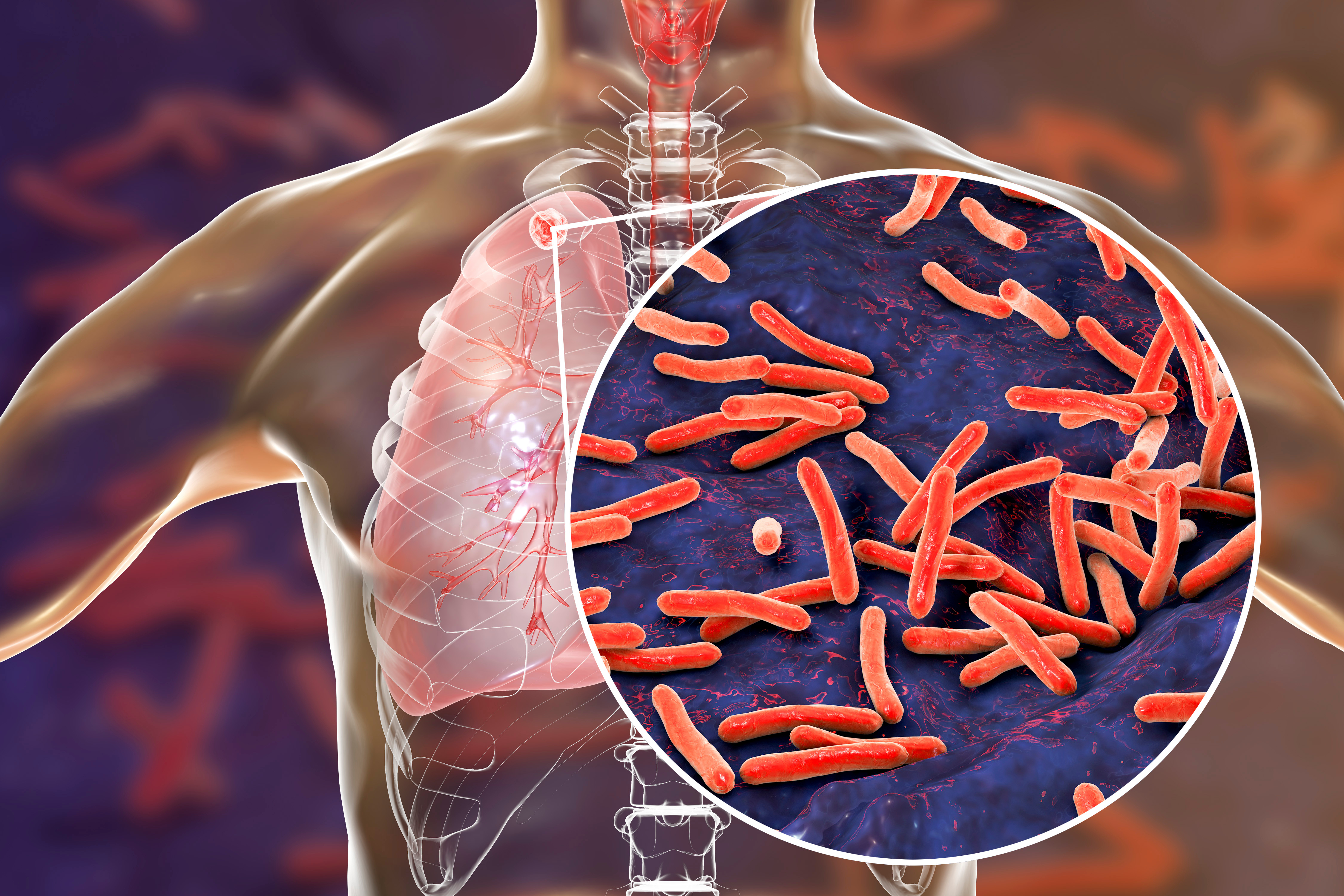
Course Description: This course discusses these aspects of care of the TB patient: Epidemiology of TB, TB transmission, types of TB, signs and symptoms, drug therapy, patient monitoring, immediate reporting of signs and symptoms, infection control, nutrition, home care, healthcare worker exposure to TB, and vaccination.Course Outcome:≥ 92% of participants will know the prima...

Contact Hour(s): 

1 Contact Hours

Author:

Dana Bartlett, RN, BSN, MA, CSPI

This peer-reviewed course is applicable for the following professions:

Certified Medication Assistant (CMA), Certified Nursing Assistant (CNA), Home Health Aid (HHA), Licensed Nursing Assistant (LNA), Medical Assistant (MA), Medication Aide

Accreditations: 

The American Nurses Credentialing Center (ANCC)

State Approvals:

California Department of Public Health NAC# 7037; Florida Board of Nursing Provider 50-353

Course Description:

This course discusses these aspects of care of the TB patient: Epidemiology of TB, TB transmission, types of TB, signs and symptoms, drug therapy, patient monitoring, immediate reporting of signs and symptoms, infection control, nutrition, home care, healthcare worker exposure to TB, and vaccination.

Course Outcome:

≥ 92% of participants will know the primary issues of tuberculosis (TB) care: Transmission, signs and symptoms, and patient care.

Objectives:

After completing this continuing education course, the participant will be able to:

  1. Identify the primary types of TB and how TB is spread.
  2. List how TB affects the body, including three signs/symptoms of TB.
  3. Recognize an intervention that increases compliance with TB drug therapy.
  4. List three signs/symptoms that should be immediately reported to the nurse.
  5. Identify at least two infection control precautions used for TB patients.

Disclosures:

CEUFast Inc. and the course planning team for this educational activity do not have any relevant financial relationship(s) to disclose with ineligible companies whose primary business is producing, marketing, selling, re-selling, or distributing healthcare products used by or on patients.

Type: Online Course Code: 20-1025654 Duration: 0 minutes Certificate: Available

Online Course 2 Contact hours

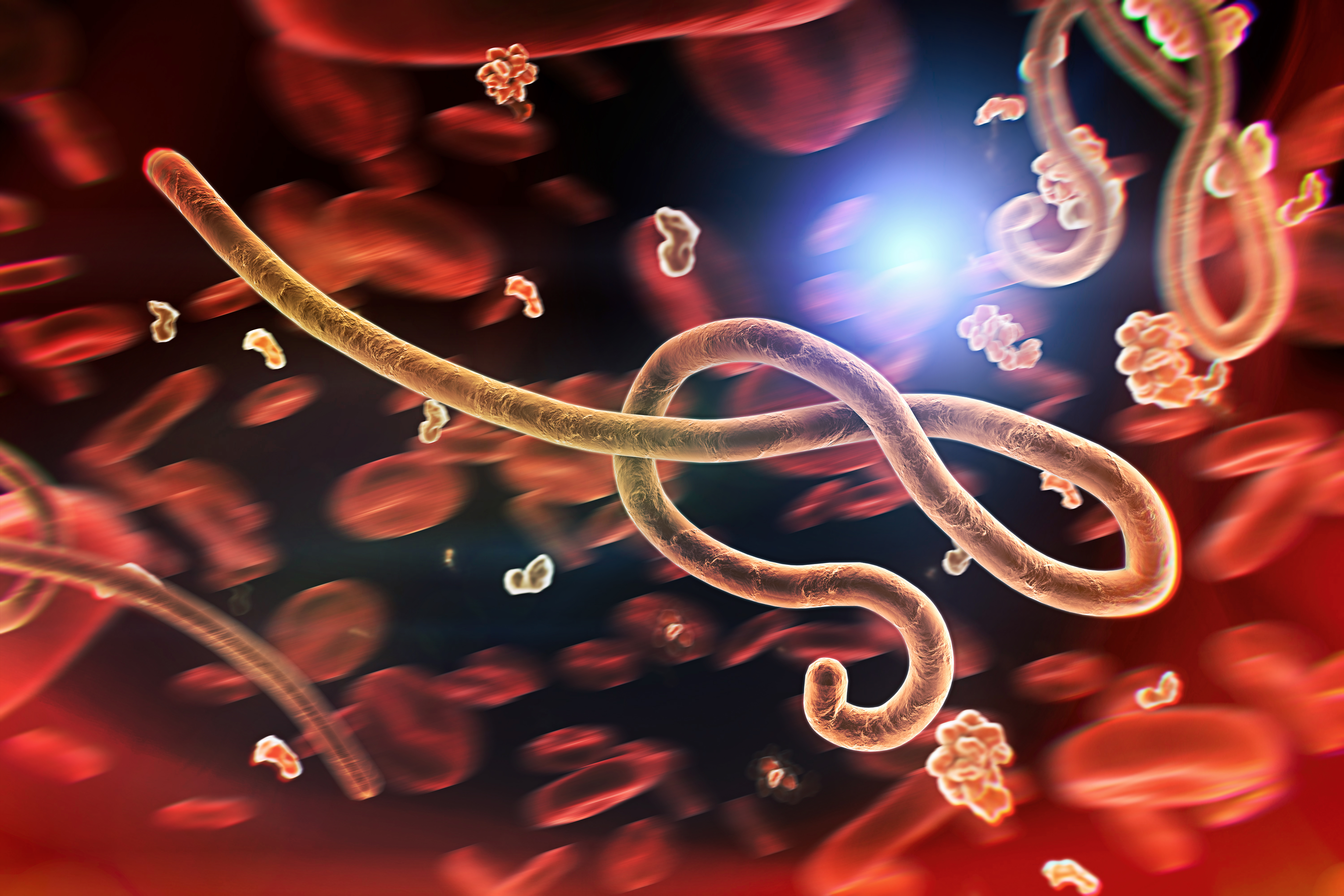
Course Description: This course discusses the impact of the Ebola virus, how it is transmitted, treatment modalities, potential complications, proper personal protective equipment, and infection control mitigation requirements.

Contact Hour(s): 

2 Contact Hours

Author:

Krystle Maynard, DNP, RN, SANE-A

This peer-reviewed course is applicable for the following professions: 

Advanced Practice Registered Nurse (APRN), Certified Nurse Midwife, Certified Nurse Practitioner, Certified Registered Nurse Anesthetist (CRNA), Certified Registered Nurse Practitioner, Clinical Nurse Specialist (CNS), Licensed Practical Nurse (LPN), Licensed Vocational Nurses (LVN), Midwife (MW), Nursing Student, Registered Nurse (RN), Respiratory Care Practitioner, Respiratory Therapist (RT)

Accreditations: 

The American Nurses Credentialing Center (ANCC),

State Approvals:  

 Alabama, Provider #ABNP1485; California BRN Provider #CEP # 13509; Kentucky Board of Nursing Provider #7-0085; Florida Board of Nursing Provider 50-353

Course Description:

This course discusses the impact of the Ebola virus, how it is transmitted, treatment modalities, potential complications, proper personal protective equipment, and infection control mitigation requirements.

Outcomes:

≥ 92% of participants will know how to identify specific risk factors for Ebola virus disease, modes of transmission, and proper infection control and mitigation steps.

Objectives:

After completing this continuing education course, the participant will be able to:

  1. Summarize modes of transmission of the Ebola virus.
  2. Identify the clinical manifestations of the Ebola virus, including symptomology and laboratory values.
  3. Describe treatment options for patients with suspected or confirmed Ebola virus disease.
  4. Outline strategies to prevent the spread of the Ebola virus.
  5. List long-term complications which may persist after surviving the Ebola virus.

Disclosures:

CEUFast Inc. and the course planning team for this educational activity do not have any relevant financial relationship(s) to disclose with ineligible companies whose primary business is producing, marketing, selling, re-selling, or distributing healthcare products used by or on patients.



Type: OnlineCourse Code: 20-1025712 Duration: 0 minutes

Online course 2 hours

Course Description: This course discusses the impact of the Ebola virus, how it is transmitted, treatment modalities, potential complications, proper personal protective equipment, and infection control mitigation requirements.

Contact Hour(s): 

2 Contact Hours

Author:

Krystle Maynard, DNP, RN, SANE-A

This peer-reviewed course is applicable for the following professions: 

Advanced Practice Registered Nurse (APRN), Certified Nurse Midwife, Certified Nurse Practitioner, Certified Registered Nurse Anesthetist (CRNA), Certified Registered Nurse Practitioner, Clinical Nurse Specialist (CNS), Licensed Practical Nurse (LPN), Licensed Vocational Nurses (LVN), Midwife (MW), Nursing Student, Registered Nurse (RN), Respiratory Care Practitioner, Respiratory Therapist (RT)

Accreditations: 

The American Nurses Credentialing Center (ANCC),

State Approvals:  

 Alabama, Provider #ABNP1485; California BRN Provider #CEP # 13509; Kentucky Board of Nursing Provider #7-0085; Florida Board of Nursing Provider 50-353

Course Description:

This course discusses the impact of the Ebola virus, how it is transmitted, treatment modalities, potential complications, proper personal protective equipment, and infection control mitigation requirements.

Outcomes:

≥ 92% of participants will know how to identify specific risk factors for Ebola virus disease, modes of transmission, and proper infection control and mitigation steps.

Objectives:

After completing this continuing education course, the participant will be able to:

  1. Summarize modes of transmission of the Ebola virus.
  2. Identify the clinical manifestations of the Ebola virus, including symptomology and laboratory values.
  3. Describe treatment options for patients with suspected or confirmed Ebola virus disease.
  4. Outline strategies to prevent the spread of the Ebola virus.
  5. List long-term complications which may persist after surviving the Ebola virus.

Disclosures:

CEUFast Inc. and the course planning team for this educational activity do not have any relevant financial relationship(s) to disclose with ineligible companies whose primary business is producing, marketing, selling, re-selling, or distributing healthcare products used by or on patients.


Type: OnlineCourse Code: 20-1095980 Duration: 0 minutes

Online course 0 hours

Course Description: This course discusses 1) The process of transmission of infectious pathogens, 2) Basic infection control procedures and techniques, 3) How specific infectious pathogens are transmitted and the infection control procedures/techniques used to prevent their transmission, 4) Hospital-acquired infections – e.g.., specific pathogens like influenza and pneumonia...

(Does not meet NYSED requirements)

Contact Hour(s): 

2.5 Contact hours

Author:

Dana Bartlett, RN, BSN, MA, MA, CSPI

This peer-reviewed course is applicable for the following professions:

Advanced Practice Registered Nurse (APRN), Athletic Trainer (AT/AL), Certified Medication Assistant (CMA), Certified Nursing Assistant (CNA), Certified Registered Nurse Practitioner, Clinical Nurse Specialist (CNS), Dietetic Technicians, Registered (DTR), Dietitian/Nutritionist (RDN), Home Health Aid (HHA), Licensed Nursing Assistant (LNA), Licensed Practical Nurse (LPN), Licensed Vocational Nurses (LVN), Medical Assistant (MA), Medication Aide, Midwife (MW), Nursing Student, Occupational Therapist (OT), Occupational Therapist Assistant (OTA), Physical Therapist (PT), Physical Therapist Assistant (PTA), Registered Nurse (RN), Respiratory Care Practitioner, Respiratory Therapist (RT)

Accreditations: 

The American Nurses Credentialing Center (ANCC), The American Occupational Therapy Association (AOTA), Board of Certification for Athletic Trainers (BOC) 

State Approvals:

Alabama, Provider #ABNP1485; California BRN Provider #CEP # 13509; Florida Physical Therapy Association Approval: CE26-1095980; Kentucky Board of Nursing Provider #7-0085; Florida Board of Nursing Provider 50-353; Nevada Board of Physical Therapy; New York State Education Department’s State Board for Physical Therapy

Course Description:

This course discusses 1) The process of transmission of infectious pathogens, 2) Basic infection control procedures and techniques, 3) How specific infectious pathogens are transmitted and the infection control procedures/techniques used to prevent their transmission, 4) Hospital-acquired infections – e.g.., specific pathogens like influenza and pneumonia, 5) Treatment of occupational exposure to hepatitis B (HBV), hepatitis C (HCV), and HIV, and 6) Sepsis.

Outcomes

≥ 92% of participants will know basic infection control procedures and techniques.

Objectives

After completing this continuing education course, the participant will be able to:

  1. Explain critical definitions related to infection control.
  2. Explain the components of various infection precautions.
  3. Evaluate when specific PPE should be used.
  4. Summarize risk factors that increase susceptibility to various infections.
  5. Specify signs and symptoms of various infections.

Disclosures:

CEUFast Inc. and the course planning team for this educational activity do not have any relevant financial relationship(s) to disclose with ineligible companies whose primary business is producing, marketing, selling, re-selling, or distributing healthcare products used by or on patients.

Type: OnlineCourse Code: 20-1193908 Duration: 0 minutes

Online course 0 hours

Course Description: This course discusses safe practices for Medication Aides to prevent the spread of infection while administering medications to residents.

Contact Hour(s): 

1 Contact hour

Author:

Julia Tortorice, RN, MBA, MSN EdD

Target Audience:

Certified Medication Assistant (CMA), Certified Nursing Assistant (CNA), Home Health Aid (HHA), Medication Aide

Accreditations: 

The American Nurses Credentialing Center (ANCC)

State Approvals:

Florida Board of Nursing Provider 50-353

Course Description:

This course discusses safe practices for Medication Aides to prevent the spread of infection while administering medications to residents.

Outcomes:

 92% Participants will know the principles to prevent the spread of infection during medication administration.

Objectives:

After completing this continuing education course, the participant will be able to:

  1. Discuss modes of transmission of infectious pathogens.
  2. Identify Antibiotic-Resistant Organisms.
  3. Describe prevention of Exposure to Infectious Pathogens.
  4. Describe the development and maintenance of a safe environment.
  5. Compare methods of disinfection in ambulatory care, home care, and the home.
  6. Discuss engineering and environmental controls.
  7. Describe selected issues in infection control and prevention: diseases and conditions.
  8. Define responses to occupational exposure to hepatitis B, hepatitis C, and HIV.
  9. Identify prevention of Monkeypox.
  10. Discuss current response to COVID-19.
  11. Describe sepsis awareness and education.

Disclosures:

CEUFast Inc. and the course planning team for this educational activity do not have any relevant financial relationship(s) to disclose with ineligible companies whose primary business is producing, marketing, selling, re-selling, or distributing healthcare products used by or on patients.


Type: Online Course Code: 20-692422 Duration: 0 minutes Certificate: Available

Online Course 3 Contact hours

Course Description: This course discusses IV legalities, infection control, safe injection, and documentation. The scope of practice for LPNs is described, including competency and knowledge requirements. Along with infection control, exposure prevention and post-exposure recommendations are discussed. As documentation is an essential aspect of patient care, quality document...

Contact Hour(s): 

3 Contact Hours

Contact hours for LPNs in any state are earned by completing this course. This is part of a series of 24 contact hours of courses to prepare for LPN IV Certification in Florida. Florida certification participants must schedule a 6-hour live presentation and return demonstration to complete IV Certification. The live presentation is not provided by CEUFast.com.

Author:

Desiree Reinken, PhD, APRN, NP-C

Julia Tortorice, RN, MBA, MSN, NEA-BC, CPHQ

This peer-reviewed course is applicable for the following professions:

Licensed Practical Nurse (LPN), Licensed Vocational Nurse (LVN)

Accreditations: 

The American Nurses Credentialing Center (ANCC)

State Approvals:

Alabama, Provider #ABNP1485; California BRN Provider #CEP # 13509;  Kentucky Board of Nursing Provider #7-0085; Florida Board of Nursing Provider 50-353

Course Description:

This course discusses IV legalities, infection control, safe injection, and documentation. The scope of practice for LPNs is described, including competency and knowledge requirements. Along with infection control, exposure prevention and post-exposure recommendations are discussed. As documentation is an essential aspect of patient care, quality documentation and technical tips are provided.

Outcomes:

≥ 92% of participants will know IV legalities, infection control, safe injection, and documentation.

Objectives:

After completing this continuing education course, the participant will be able to:

  1. Determine the correct scope of LPN IV therapy practice.
  2. Identify correct infection control practices when starting and maintaining IV therapy.
  3. Summarize occupational blood exposure prevention methods.
  4. Evaluate post-exposure follow-up for HIV and hepatitis B.
  5. Outline appropriate documentation practices for IV therapy.

Disclosures:

CEUFast Inc. and the course planning team for this educational activity do not have any relevant financial relationship(s) to disclose with ineligible companies whose primary business is producing, marketing, selling, re-selling, or distributing healthcare products used by or on patients.



Type: Online Course Code: 20-1095956 Duration: 0 minutes Certificate: Available

Online Course 4 Contact hours

Course Description: This course discusses 1) The process of transmission of infectious pathogens, 2) Basic infection control procedures and techniques, 3) How specific infectious pathogens are transmitted and the infection control procedures/techniques used to prevent their transmission, 4) Hospital-acquired infections – e.g.., specific pathogens like influenza and pneumonia...

Contact Hour(s): 

4 Contact hours

Author: 

Dana Bartlett, RN, BSN, MA, CSPI

This peer-reviewed course is applicable for the following professions:: 

Advanced Practice Registered Nurse (APRN), Certified Medication Assistant (CMA), Certified Nurse Midwife, Certified Nurse Practitioner, Certified Nursing Assistant (CNA), Certified Registered Nurse Anesthetist (CRNA), Chiropractor, Clinical Nurse Specialist (CNS), Dental Hygienist, Dentist, Home Health Aid (HHA), Licensed Nursing Assistant (LNA), Licensed Practical Nurse (LPN), Licensed Vocational Nurses (LVN), Medical Assistant (MA), Medical Doctor (MD), Medication Aide, Midwife (MW), Nursing Student, Occupational Therapist (OT), Occupational Therapist Assistant (OTA), Osteopathic Doctor (DO), Other, Physical Therapist (PT), Physical Therapist Assistant (PTA), Physician Assistant (PA), Registered Nurse (RN), Registered Nurse Practitioner, Respiratory Care Practitioner, Respiratory Therapist (RT)

Accreditations: 

New York Provider ID# IC 145, as Mandated by Chapter 786 of the New York Laws of 1992. The American Nurses Credentialing Center (ANCC), The American Occupational Therapy Association (AOTA), Board of Certification for Athletic Trainers (BOC)  

Individual State Approvals 

Alabama, Provider #ABNP1485; California BRN Provider #CEP # 13509; Florida Physical Therapy Association Approval: CE26-; Kentucky Board of Nursing Provider #7-0085; Flor New York State Education Department’s State Board for Physical Therapy;  The AAFP has reviewed NY Infection Control and Barrier Precautions and deemed it acceptable for up to 4.00 Enduring Materials, Self-Study AAFP Elective credits. Term of Approval is from 07/01/2025 to 06/30/2026. Physicians should claim only the credit commensurate with the extent of their participation in the activity.

Course Description: 

This course discusses 1) The process of transmission of infectious pathogens, 2) Basic infection control procedures and techniques, 3) How specific infectious pathogens are transmitted and the infection control procedures/techniques used to prevent their transmission, 4) Hospital-acquired infections – e.g.., specific pathogens like influenza and pneumonia, 5) Treatment of occupational exposure to hepatitis B (HBV), hepatitis C (HCV), and HIV, and 6) Sepsis.

Outcomes 

≥92% of participants will know basic infection control procedures and techniques.

Objectives 

After completing this continuing education course, the participant will be able to:

  1. Describe key definitions related to infection control.
  1. Outline the components of various infection precautions.
  1. Determine when specific PPE should be used.
  1. Identify risk factors that increase the susceptibility to various infections.
  1. Specify signs and symptoms of various infections.

Disclosures: 

CEUFast Inc. and the course planning team for this educational activity do not have any relevant financial relationship(s) to disclose with ineligible companies whose primary business is producing, marketing, selling, re-selling, or distributing healthcare products used by or on patients.


 

Type: OnlineCourse Code: 20-1312222 Duration: 0 minutes

Online course 1 hours

Course Description: This course discusses how to maintain patient safety and dignity while providing personal care. The course details infection control, transfers, personal hygiene, incontinence management, feeding, prevention of bed sores, and how to help patients with disabilities.

Contact Hour: 

1 Contact Hour

 Author:

Hallie Turner, MSN, APRN, FNP-BC


This peer-reviewed course is applicable for the following professions: 

Certified Medication Assistant (CMA), Certified Nursing Assistant (CNA), Home Health Aid (HHA), Medical Assistant (MA)

Accreditations:

The American Nurses Credentialing Center (ANCC)


State Approvals: 

Florida Board of Nursing Provider 50-353


  1. Course Description:

This course discusses how to maintain patient safety and dignity while providing personal care. The course details infection control, transfers, personal hygiene, incontinence management, feeding, prevention of bed sores, and how to help patients with disabilities.

Outcomes:

≥ 92% of participants will know how to provide personal care to patients within the scope of practice for a Certified Nurse’s Aide or Home Health Aide.

Objectives:

After completing this continuing education course, the participant will be able to:

1. Identify principles of personal care.

2. Recall which personal care tasks can be performed by an aide.

3. Recognize appropriate infection control actions.

4. Identify correct transfer techniques and equipment.

5. Recall how to perform appropriate personal hygiene tasks.

6. Identify incontinence management and acceptable equipment.

7. List ways to prevent bedsores.


Disclosures:

CEUFast Inc. and the course planning team for this educational activity do not have any relevant financial relationship(s) to disclose with ineligible companies whose primary business is producing, marketing, selling, re-selling, or distributing healthcare products used by or on patients.