


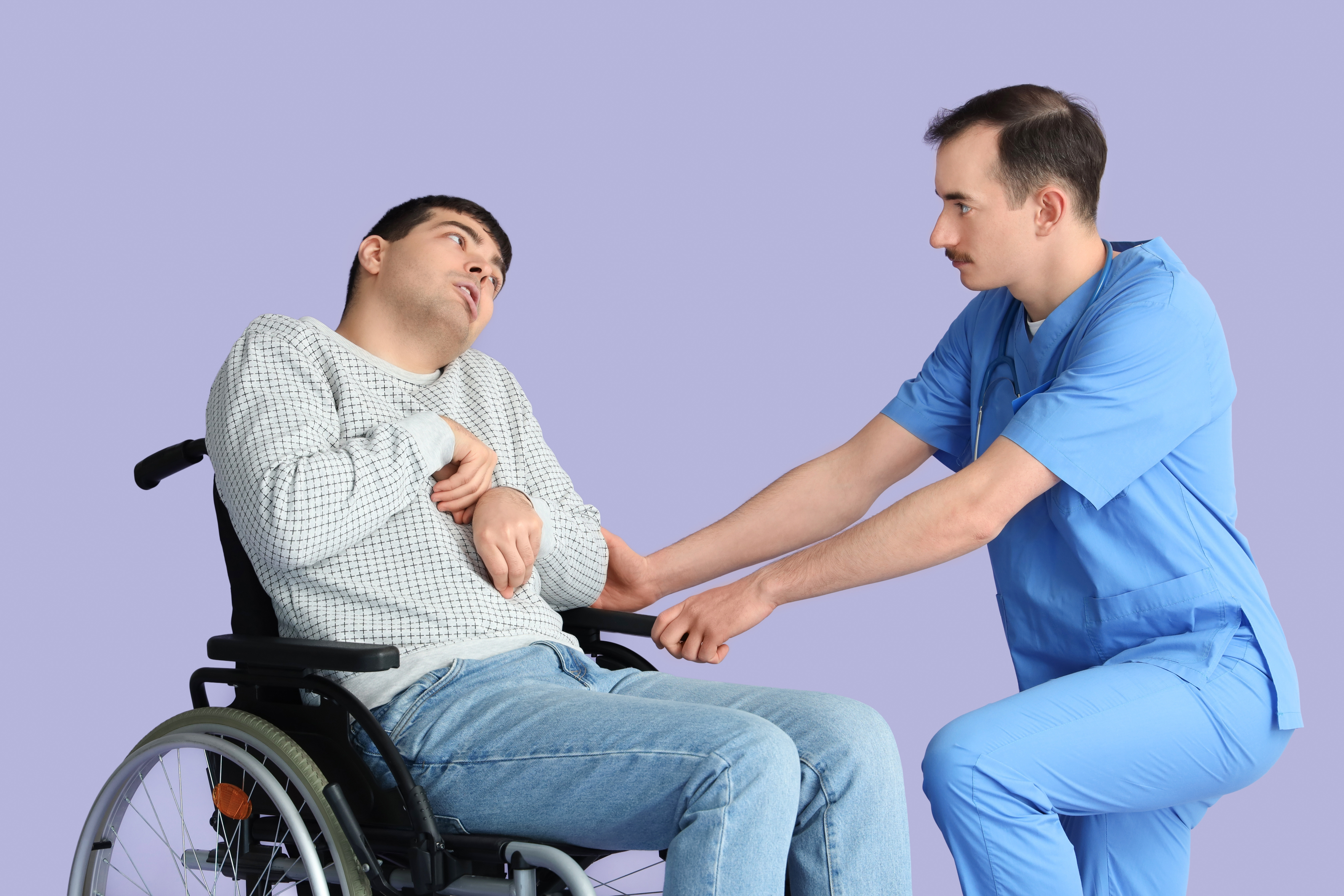
Course Summary
Contact Hour(s):
1 Contact Hour
Author:
Breann Kakacek (BSN, RN)
This peer-reviewed course is applicable for the following professions:
Certified Medication Assistant (CMA), Certified Nursing Assistant (CNA), Home Health Aid (HHA), Medical Assistant (MA)
Accreditations:
The American Nurses Credentialing Center (ANCC)
State Approvals:
Florida Board of Nursing Provider 50-353
Course Description:
This course discusses the role of CNAs and HHAs in providing safe and effective care, including assistance with activities of daily living (ADLs), mobility, positioning, and emotional support.
Outcomes:
After completing this continuing education course, ≥ 92% of participants will know how to provide comprehensive and safe care to individuals with cerebral palsy (CP) in home care settings.
Objectives:
After completing this continuing education course, the participant will be able to meet the following objectives:
- Identify the different types of cerebral palsy and their associated symptoms and care needs.
- Recognize proper positioning and transfer techniques to ensure the safety and comfort of individuals with cerebral palsy.
- Summarize the key interventions CNAs and HHAs should implement to assist individuals with cerebral palsy in activities of daily living and therapeutic exercises.
- Differentiate between the various assistive devices used for individuals with cerebral palsy and explain their safe and effective usage.
- Recognize the importance of emotional support and effective communication strategies when caring for individuals with cerebral palsy and their families.
Disclosures:
CEUFast Inc. and the course planning team for this educational activity do not have any relevant financial relationship(s) to disclose with ineligible companies whose primary business is producing, marketing, selling, re-selling, or distributing healthcare products used by or on patients.