


Course Summary
Contact Hour(s):
1.5 Contact Hours, including 1.5 Advanced Pharmacology Hours
Author:
Cindy Endicott, PT, DPT, FAAOMPT, ATC, Cert Dn
Desiree Reinken, PhD, APRN, NP-C
This peer-reviewed course is applicable for the following professions:
Advanced Practice Registered Nurse (APRN), Athletic Trainer (AT/AL), Certified Nurse Midwife, Certified Nurse Practitioner, Certified Registered Nurse Practitioner, Clinical Nurse Specialist (CNS), Licensed Practical Nurse (LPN), Licensed Vocational Nurses (LVN), Occupational Therapist (OT), Occupational Therapist Assistant (OTA), Physical Therapist (PT), Physical Therapist Assistant (PTA), Registered Nurse (RN), Registered Nurse Practitioner
Accreditations:
The American Nurses Credentialing Center (ANCC), The American Occupational Therapy Association (AOTA), Board of Certification for Athletic Trainers (BOC)
 CEUFast, Inc. is an AOTA Provider of professional development. PD activity approval ID# 13943. This distant learning-independent activity is offered at 0.15 CEUs Intermediate, Categories: Foundational Knowledge. The assignment of AOTA CEUs does not imply endorsement of specific course content, products, or clinical procedures.
State Approvals:
Alabama, Provider #ABNP1485; California BRN Provider #CEP # 13509; Florida Physical Therapy Association Approval: CE26-1311467; Kentucky Board of Nursing Provider #7-0085; Florida Board of Nursing Provider 50-353; Kentucky Board of Licensure for Occupational Therapy; Nevada Board of Physical Therapy; New York State Education Department’s State Board for Physical Therapy
Course Description:
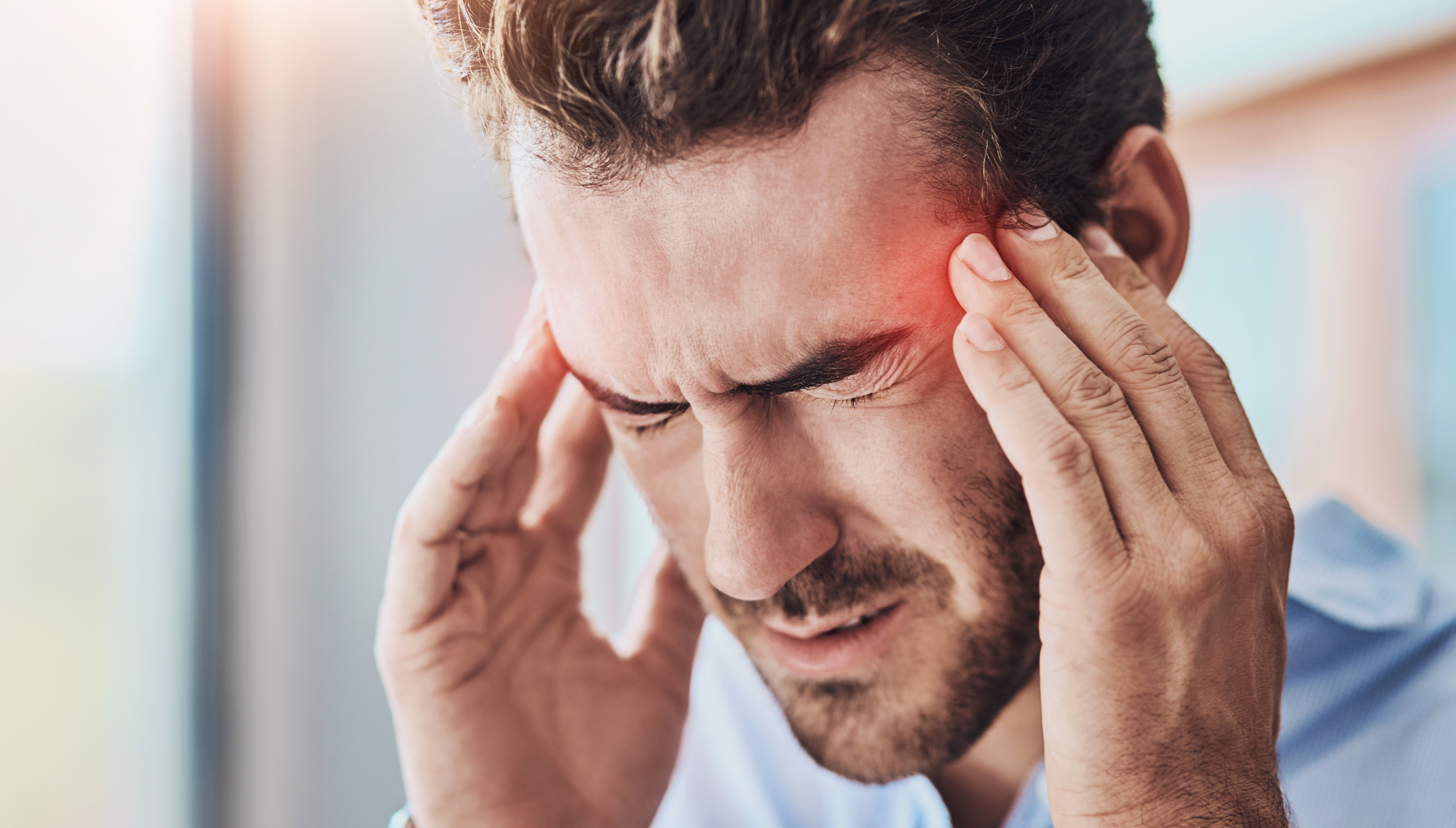
This course discusses the etiology, pathophysiology, risk factors, and newest treatments for headaches and migraine. It also discusses the differences between tension-type headaches, migraine, cluster headaches, and other less common headache disorders. Additionally, the course addresses pharmacological and non-pharmacological approaches to headache management.
Outcomes:
≥ 92% of participants will know the differences between headaches and migraine as well as current treatment approaches.
Objectives:
After completing this continuing education course, the participant will be able to:
- Describe risk factors and triggers for headaches and migraine.
- Differentiate between the different types of headaches and migraine.
- Outline pharmacological treatment options for headaches and migraine.
- Summarize non-pharmacological treatment options for headaches and migraine.
- Explain the prognosis and outcomes associated with headaches and migraine, including outcome measures.
Disclosures:
CEUFast Inc. and the course planning team for this educational activity do not have any relevant financial relationship(s) to disclose with ineligible companies whose primary business is producing, marketing, selling, re-selling, or distributing healthcare products used by or on patients.