

ALL COURSES

Catalog

Browse eligible courses by profession.

Filter by
18 courses Catalog: All courses
Type: OnlineCourse Code: 20-1313828 Duration: 0 minutes

Online course 0 hours

Course Description: This course discusses addiction by defining key terms, differentiating between various substance use disorders, and outlining diagnostic criteria. It also covers the risks associated with opioid medications, patient evaluation techniques, and compares treatment options such as methadone, buprenorphine, and naltrexone. Upon completion, participants will be...

This course meets the Kentucky APRN Requirements

Contact Hour(s): 

 2.5 Contact hours, including 2.5 Advanced Pharmacology Hours

Author:

Raymond Lengel, MSN, FNP-BC, RN

This peer-reviewed course is applicable for the following professions:

Advanced Practice Registered Nurse (APRN), Athletic Trainer (AT/AL), Certified Nurse Midwife, Certified Nurse Practitioner, Certified Registered Nurse Anesthetist (CRNA), Certified Registered Nurse Practitioner, Clinical Nurse Specialist (CNS), Licensed Practical Nurse (LPN), Licensed Vocational Nurses (LVN), Midwife (MW), Nursing Student, Occupational Therapist (OT), Occupational Therapist Assistant (OTA), Physical Therapist (PT), Physical Therapist Assistant (PTA), Registered Nurse (RN), Registered Nurse Practitioner

Accreditations: 

The American Nurses Credentialing Center (ANCC), The American Occupational Therapy Association (AOTA), Board of Certification for Athletic Trainers (BOC)

State Approvals:

  • Alabama, Provider #ABNP1485; California BRN Provider #CEP # 13509; Florida Physical Therapy Association Approval: CE26-1313828; Kentucky Board of Nursing Provider #7-0085; Florida Board of Nursing Provider 50-353; New York State Education Department’s State Board for Physical Therapy

Course Description:

This course discusses addiction by defining key terms, differentiating between various substance use disorders, and outlining diagnostic criteria. It also covers the risks associated with opioid medications, patient evaluation techniques, and compares treatment options such as methadone, buprenorphine, and naltrexone. Upon completion, participants will be better equipped to assess and manage addiction disorders in clinical settings. This course meets the Kentucky APRN Requirements. 

Outcomes:

≥ 92% of participants will know how to assess and manage addiction.

Objectives:

After completing this continuing education course, the participant will be able to:

  1. Define addiction and other terms associated with substance abuse.
  2. Compare and contrast substance use disorder (SUD), opioid use disorder (OUD), alcohol use disorder (AUD), and cannabis use disorder (CUD).
  3. Describe the risks of abuse and addiction to opioid medications.
  4. Summarize the evaluation of a patient with a SUD.
  5. Compare and contrast the use of methadone, buprenorphine, and naltrexone in the management of OUD.
  6. Identify five professional standards of 201 KAR 20:065 for prescribing Buprenorphine-monoproduct or Buprenorphine/Naloxone.

 Disclosures:

CEUFast Inc. and the course planning team for this educational activity do not have any relevant financial relationship(s) to disclose with ineligible companies whose primary business is producing, marketing, selling, re-selling, or distributing healthcare products used by or on patients.
Type: OnlineCourse Code: 20-970480 Duration: 0 minutes

Online course 3 hours

Course Description: Controlled substances are powerful medications that must be prescribed and administered responsibly to reduce the associated risks. This course discusses the five schedules used to classify substances and how to safely prescribe them. Readers will learn the difference between physical dependence, psychological dependence and addiction as well as the risk ...

Contact Hours:  

3 Contact Hours, including 3 Advanced Pharmacology Hours  


Author: 

 Raymond Lengel (MSN, FNP-BC, RN)  


This peer-reviewed course is applicable for the following professions:

Advanced Practice Registered Nurse (APRN), Certified Nurse Midwife, Certified Nurse Practitioner, Certified Registered Nurse Anesthetist (CRNA), Clinical Nurse Specialist (CNS), Licensed Practical Nurse (LPN), Licensed Vocational Nurses (LVN), Midwife (MW), Nursing Student, Registered Nurse (RN), Registered Nurse Practitioner  


Accreditations: 

The American Nurses Credentialing Center (ANCC)


State Approvals:

Alabama, Provider #ABNP1485; California BRN Provider #CEP # 13509; Kentucky Board of Nursing Provider #7-0085; Florida Board of Nursing Provider 50-353.

Course Description:  

Controlled substances are powerful medications that must be prescribed and administered responsibly to reduce the associated risks. This course discusses the five schedules used to classify substances and how to safely prescribe them. Readers will learn the difference between physical dependence, psychological dependence and addiction as well as the risk factors for substance abuse. 


 Outcomes:  

≥ 92% of participants will understand controlled substance prescribing practices. 


Objectives:  

After completing this continuing education course, the participant will be able to:  

  1. Define the risks of abuse and addiction associated with opioid medications. 

  1. Describe the assessment and measurement of pain. 

  1. State three principles for the safe and effective use of controlled substances. 

  1. List three risk management tools used when considering prescribing controlled substances. 

  1. Compare and contrast pharmacological and non-pharmacological methods to manage pain. 

  1. Explain the use of opioids, benzodiazepines, barbiturates, and carisoprodol. 


Disclosures:  

CEUFast Inc. and the course planning team for this educational activity do not have any relevant financial relationship(s) to disclose with ineligible companies whose primary business is producing, marketing, selling, re-selling, or distributing healthcare products used by or on patients.  


Type: OnlineCourse Code: 20-1365324 Duration: 0 minutes

Online course 3 hours

Course Description: Controlled substances are powerful medications that must be prescribed and administered responsibly to reduce the associated risks. This course discusses the five schedules used to classify substances and how to safely prescribe them. Readers will learn the difference between physical dependence, psychological dependence and addiction as well as the risk ...

Contact Hours:  

3 Contact Hours, including 3 Advanced Pharmacology Hours  


Author: 

 Raymond Lengel (MSN, FNP-BC, RN)  


This peer-reviewed course is applicable for the following professions:

Advanced Practice Registered Nurse (APRN), Certified Nurse Midwife, Certified Nurse Practitioner, Certified Registered Nurse Anesthetist (CRNA), Clinical Nurse Specialist (CNS), Licensed Practical Nurse (LPN), Licensed Vocational Nurses (LVN), Midwife (MW), Nursing Student, Registered Nurse (RN), Registered Nurse Practitioner  


Accreditations: 

The American Nurses Credentialing Center (ANCC)


State Approvals:

Alabama, Provider #ABNP1485; California BRN Provider #CEP # 13509; Kentucky Board of Nursing Provider #7-0085; Florida Board of Nursing Provider 50-353.

Course Description:  

Controlled substances are powerful medications that must be prescribed and administered responsibly to reduce the associated risks. This course discusses the five schedules used to classify substances and how to safely prescribe them. Readers will learn the difference between physical dependence, psychological dependence and addiction as well as the risk factors for substance abuse. 


 Outcomes:  

≥ 92% of participants will understand controlled substance prescribing practices. 


Objectives:  

After completing this continuing education course, the participant will be able to:  

  1. Define the risks of abuse and addiction associated with opioid medications. 

  1. Describe the assessment and measurement of pain. 

  1. State three principles for the safe and effective use of controlled substances. 

  1. List three risk management tools used when considering prescribing controlled substances. 

  1. Compare and contrast pharmacological and non-pharmacological methods to manage pain. 

  1. Explain the use of opioids, benzodiazepines, barbiturates, and carisoprodol. 


Disclosures:  

CEUFast Inc. and the course planning team for this educational activity do not have any relevant financial relationship(s) to disclose with ineligible companies whose primary business is producing, marketing, selling, re-selling, or distributing healthcare products used by or on patients.  


Type: OnlineCourse Code: 20-1367286 Duration: 0 minutes

Online course 1.5 hours

Course Description: This course discusses the recognition and management of drug overdose, including new and emerging agents. Topics include traditional drugs of abuse as well as synthetic opioids, nitazenes, novel benzodiazepines, designer stimulants, and xylazine. Course content focuses on differentiating and defining major toxidromes, identifying appropriate antidotes, re...

Contact Hour(s): 

1.5 Contact Hours, including 1.5 Advanced Pharmacology Hours

Author:

Julie Derringer, PhD-c, RN, CEN

This peer-reviewed course is applicable for the following professions:

Advanced Practice Registered Nurse (APRN), Certified Nurse Midwife, Certified Nurse Practitioner, Certified Registered Nurse Anesthetist (CRNA), Certified Registered Nurse Practitioner, Clinical Nurse Specialist (CNS), Licensed Practical Nurse (LPN), Licensed Vocational Nurses (LVN), Midwife (MW), Nursing Student, Registered Nurse (RN), Registered Nurse Practitioner

Accreditations: 

The American Nurses Credentialing Center (ANCC)

State Approvals:

Alabama, Provider #ABNP1485; California BRN Provider #CEP # 13509; Kentucky Board of Nursing Provider #7-0085; Florida Board of Nursing Provider 50-353 

Course Description:

This course discusses the recognition and management of drug overdose, including new and emerging agents. Topics include traditional drugs of abuse as well as synthetic opioids, nitazenes, novel benzodiazepines, designer stimulants, and xylazine. Course content focuses on differentiating and defining major toxidromes, identifying appropriate antidotes, recognizing when to institute supportive care, and recognizing the limitations of toxicology screening. This course includes an overview of recent legislative and public health changes that have occurred, and uses a real-world case to emphasize critical clinical decision-making skills to improve patient care.

Outcomes:

≥ 92% of participants will know how to recognize key toxidromes and antidotes.

Objectives

After completing this continuing education course, the participant will be able to:

  1. Improve their ability to identify traditional and emerging toxidromes.
  2. Ensure the use of correct naloxone dosing protocols.
  3. Integrate updated laws and policies into patient care plans and documentation.
  4. Summarize targeted testing and clinical diagnosis supported by toxidrome recognition.
  5. Identify evidence-based supportive care and symptom management.

Disclosures:

CEUFast Inc. and the course planning team for this educational activity do not have any relevant financial relationship(s) to disclose with ineligible companies whose primary business is producing, marketing, selling, re-selling, or distributing healthcare products used by or on patients.

Type: Online Course Code: 20-1367233 Duration: 0 minutes Certificate: Available

Online Course 1.5 Contact hours

Course Description: This course discusses the recognition and management of drug overdose, including new and emerging agents. Topics include traditional drugs of abuse as well as synthetic opioids, nitazenes, novel benzodiazepines, designer stimulants, and xylazine. Course content focuses on differentiating and defining major toxidromes, identifying appropriate antidotes, re...

Contact Hour(s): 

1.5 Contact Hours, including 1.5 Advanced Pharmacology Hours

Author:

Julie Derringer, PhD-c, RN, CEN

This peer-reviewed course is applicable for the following professions:

Advanced Practice Registered Nurse (APRN), Certified Nurse Midwife, Certified Nurse Practitioner, Certified Registered Nurse Anesthetist (CRNA), Certified Registered Nurse Practitioner, Clinical Nurse Specialist (CNS), Licensed Practical Nurse (LPN), Licensed Vocational Nurses (LVN), Midwife (MW), Nursing Student, Registered Nurse (RN), Registered Nurse Practitioner

Accreditations: 

The American Nurses Credentialing Center (ANCC)

State Approvals:

Alabama, Provider #ABNP1485; California BRN Provider #CEP # 13509; Kentucky Board of Nursing Provider #7-0085; Florida Board of Nursing Provider 50-353 

Course Description:

This course discusses the recognition and management of drug overdose, including new and emerging agents. Topics include traditional drugs of abuse as well as synthetic opioids, nitazenes, novel benzodiazepines, designer stimulants, and xylazine. Course content focuses on differentiating and defining major toxidromes, identifying appropriate antidotes, recognizing when to institute supportive care, and recognizing the limitations of toxicology screening. This course includes an overview of recent legislative and public health changes that have occurred, and uses a real-world case to emphasize critical clinical decision-making skills to improve patient care.

Outcomes:

≥ 92% of participants will know how to recognize key toxidromes and antidotes.

Objectives

After completing this continuing education course, the participant will be able to:

  1. Improve their ability to identify traditional and emerging toxidromes.
  2. Ensure the use of correct naloxone dosing protocols.
  3. Integrate updated laws and policies into patient care plans and documentation.
  4. Summarize targeted testing and clinical diagnosis supported by toxidrome recognition.
  5. Identify evidence-based supportive care and symptom management.

Disclosures:

CEUFast Inc. and the course planning team for this educational activity do not have any relevant financial relationship(s) to disclose with ineligible companies whose primary business is producing, marketing, selling, re-selling, or distributing healthcare products used by or on patients.

Type: OnlineCourse Code: 20-817706 Duration: 0 minutes

Online course 2 hours

Course Description: This course discusses best practices for prescribing controlled substances, including the Centers for Disease Control and Prevention's (CDC) Clinical Practice Guidelines and recommendations.

Contact Hour(s): 

2 Contact Hours, including 2 Advanced Pharmacology Hours

Author:

Julia Tortorice, RN, MBA, MSN, NEA-BC, CPHQ

This peer-reviewed course is applicable for the following professions:

Advanced Practice Registered Nurse (APRN), Certified Nurse Practitioner, Certified Registered Nurse Anesthetist (CRNA), Certified Registered Nurse Practitioner, Clinical Nurse Specialist (CNS), Licensed Practical Nurse (LPN), Licensed Vocational Nurses (LVN), Nursing Student, Registered Nurse (RN), Registered Nurse Practitioner

Accreditations: 

The American Nurses Credentialing Center (ANCC)

State Approvals:

Alabama, Provider #ABNP1485; California BRN Provider #CEP # 13509; Kentucky Board of Nursing Provider #7-0085; Florida Board of Nursing Provider 50-353; 

Course Description:

This course discusses best practices for prescribing controlled substances, including the Centers for Disease Control and Prevention's (CDC) Clinical Practice Guidelines and recommendations.

Outcomes:

≥ 92% of participants will understand the Centers for Disease Control and Prevention's (CDC) 2022 Clinical Practice Guidelines for Opioids and Iowa laws regarding controlled substance prescribing and monitoring.

Objectives:

After completing this continuing education course, the participant will be able to:

After completing this continuing education course, the participant will be able to:

  1. Explain the Centers for Disease Control and Prevention's (CDC's) guidelines for prescribing opiates.
  2. Summarize the accepted best practices for assessing patients' risk for addiction and misuse of controlled substances.
  3. Compare treatment for specific pain types.
  4. Identify tools for identifying the risk of diversion, addiction, and misuse.
  5. Describe the treatment of patients with acute, sub-acute, and chronic pain for whom nonpharmacological and noncontrolled pain medications have not been fully effective.
  6. Identify three ways that controlled substances can be diverted.

Disclosures:

CEUFast Inc. and the course planning team for this educational activity do not have any relevant financial relationship(s) to disclose with ineligible companies whose primary business is producing, marketing, selling, re-selling, or distributing healthcare products used by or on patients.

Type: Online Course Code: 20-762330 Duration: 0 minutes Certificate: Available

Online Course 2 Contact hours

Course Description: This course discusses best practices for prescribing controlled substances, including the Centers for Disease Control and Prevention's (CDC) Clinical Practice Guidelines and recommendations.

This course meets Iowa requirements

Contact Hour(s): 

2 Contact Hours, including 2 Advanced Pharmacology Hours

Author:

Julia Tortorice, RN, MBA, MSN, NEA-BC, CPHQ

This peer-reviewed course is applicable for the following professions:

Advanced Practice Registered Nurse (APRN), Certified Nurse Practitioner, Certified Registered Nurse Anesthetist (CRNA), Certified Registered Nurse Practitioner, Clinical Nurse Specialist (CNS), Licensed Practical Nurse (LPN), Licensed Vocational Nurses (LVN), Nursing Student, Registered Nurse (RN), Registered Nurse Practitioner

Accreditations: 

The American Nurses Credentialing Center (ANCC) 

State Approvals:

Alabama, Provider #ABNP1485; California BRN Provider #CEP # 13509; Kentucky Board of Nursing Provider #7-0085; Florida Board of Nursing Provider 50-353

Course Description:

This course discusses best practices for prescribing controlled substances, including the Centers for Disease Control and Prevention's (CDC) Clinical Practice Guidelines and recommendations.

Outcomes:

≥ 92% of participants will understand the Centers for Disease Control and Prevention's (CDC) 2022 Clinical Practice Guidelines for Opioids and Iowa laws regarding controlled substance prescribing and monitoring.

Objectives:

After completing this continuing education course, the participant will be able to:

After completing this continuing education course, the participant will be able to:

  1. Explain the Centers for Disease Control and Prevention's (CDC's) guidelines for prescribing opiates.
  2. Summarize the accepted best practices for assessing patients' risk for addiction and misuse of controlled substances.
  3. Compare treatment for specific pain types.
  4. Identify tools for identifying the risk of diversion, addiction, and misuse.
  5. Describe the treatment of patients with acute, sub-acute, and chronic pain for whom nonpharmacological and noncontrolled pain medications have not been fully effective.
  6. Identify three ways that controlled substances can be diverted.

Disclosures:

CEUFast Inc. and the course planning team for this educational activity do not have any relevant financial relationship(s) to disclose with ineligible companies whose primary business is producing, marketing, selling, re-selling, or distributing healthcare products used by or on patients.

Type: OnlineCourse Code: 20-936848 Duration: 0 minutes

Online course 0 hours

Course Description: This course discusses state and federal laws associated with APRN prescriptive authority in the state of Ohio. It also discusses the governor's cabinet opiate action team (GCOAT) recommendations and the governor's recoveryOhio initiative. This course also includes information on pharmacologic options, such as opioids and benzodiazepines, and their contrai...

Contact Hour(s): 

2 Contact Hours, including 2 Advanced Pharmacology Hours and 1 Category A Hour

Author:

Desiree Reinken, PhD, APRN, NP-C

This peer-reviewed course is applicable for the following professions:

Advanced Practice Registered Nurse (APRN), Certified Nurse Midwife, Certified Nurse Practitioner, Certified Registered Nurse Anesthetist (CRNA), Certified Registered Nurse Practitioner, Clinical Nurse Specialist (CNS)

Accreditations: 

The American Nurses Credentialing Center (ANCC)

State Approvals: 

The continuing education activity was approved by the Ohio Nurses Association, an Ohio Board of Nursing approver. (OBN-001-91) ONA #2023-0000000648.

Alabama, Provider #ABNP1485; California BRN Provider #CEP # 13509; Kentucky Board of Nursing Provider #7-0085; Florida Board of Nursing Provider 50-353;

Course Description:

This course discusses state and federal laws associated with APRN prescriptive authority in the state of Ohio. It also discusses the governor's cabinet opiate action team (GCOAT) recommendations and the governor's recoveryOhio initiative. This course also includes information on pharmacologic options, such as opioids and benzodiazepines, and their contraindications. Non-pharmacologic treatment options are also highlighted.

Outcomes:

≥ 92% of participants will know how to prescribe controlled substances based on best practices and Ohio law.

Objectives:

After completing this continuing education course, the participant will be able to:

  1. Identify state and federal laws related to prescribing drugs.
  2. Explain alternatives to opioid therapy.
  3. Outline indications and contraindications for opioids.
  4. Describe indications and contraindications for benzodiazepines.
  5. Summarize the governor's cabinet opiate action team (GCOAT) recommendations and the governor's Recovery Ohio initiative.

Disclosures:

CEUFast Inc. and the course planning team for this educational activity do not have any relevant financial relationship(s) to disclose with ineligible companies whose primary business is producing, marketing, selling, re-selling, or distributing healthcare products used by or on patients.



Type: Online Course Code: 20-675942 Duration: 0 minutes Certificate: Available

Online Course 2 Contact hours

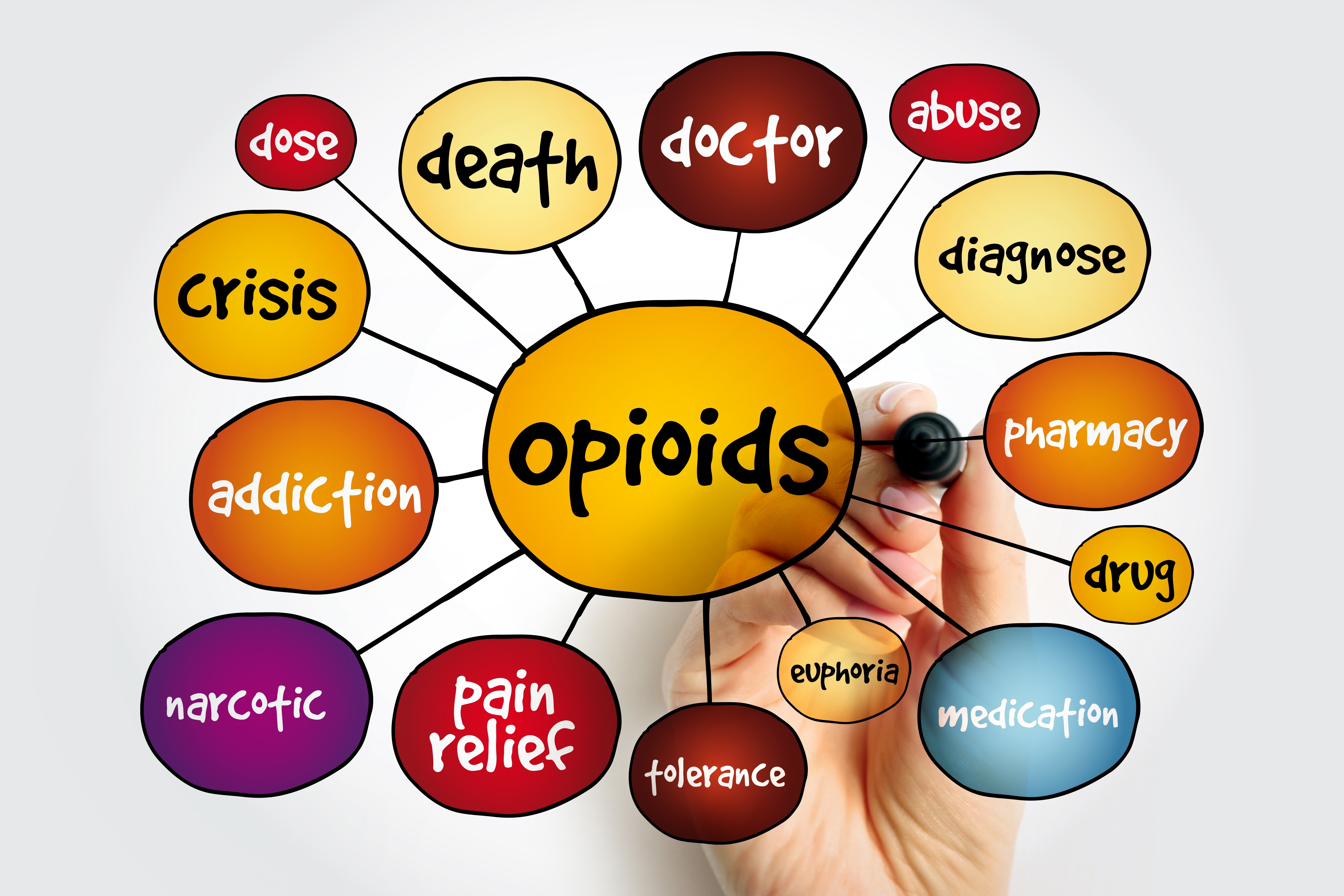
Course Description: Government and industry are proclaiming a crisis regarding the use of opioids. Healthcare staff need information regarding the nature of this crisis, what impact it has, how it came into being, and what plans are in the works to bring it under control. As healthcare professionals we supply care to clients and families who find their bodies, minds, and qua...

Contact Hour(s):  

1.5 Contact Hours including 1.5 Advanced Pharmacology Hours 

Author: 

David Tilton (RN, BSN) 

This peer-reviewed course is applicable for the following professions: 

Advanced Practice Registered Nurse (APRN), Athletic Trainer (AT/AL), Certified Nurse Midwife, Certified Nurse Practitioner, Certified Registered Nurse Anesthetist (CRNA), Certified Registered Nurse Practitioner, Clinical Nurse Specialist (CNS), Licensed Practical Nurse (LPN), Licensed Vocational Nurses (LVN), Midwife (MW), Nursing Student, Occupational Therapist (OT), Occupational Therapist Assistant (OTA), Physical Therapist (PT), Physical Therapist Assistant (PTA), Registered Nurse (RN), Respiratory Care Practitioner, Respiratory Therapist (RT) 

Accreditations:  

The American Nurses Credentialing Center (ANCC), The American Occupational Therapy Association (AOTA), Board of Certification for Athletic Trainers (BOC)  

State Approvals:  

 Alabama, Provider #ABNP1485; California BRN Provider #CEP # 13509; Florida Physical Therapy Association Approval: CE26-675942; Kentucky Board of Nursing Provider #7-0085; Florida Board of Nursing Provider 50-353; Nevada Board of Physical Therapy; New York State Education Department’s State Board for Physical Therapy

Course Description: 

Government and industry are proclaiming a crisis regarding the use of opioids. Healthcare staff need information regarding the nature of this crisis, what impact it has, how it came into being, and what plans are in the works to bring it under control. As healthcare professionals we supply care to clients and families who find their bodies, minds, and quality of life shattered by the consequences of ingesting substances meant to diminish pain. 

Outcomes: 

≥ 92% of participants will understand the opioid crisis and what we can do to help. 

Objectives: 

After completing this continuing education course, the participant will be able to: 

  1. Indicate the factors that have led to past opioid overuse crises. 
  2. List the positive effects found from using opioids. 
  3. Relate the circumstances which brought about the current opioid crisis. 
  4. Explain what opioid tolerance looks like and what it means to the person affected. 
  5. Describe opioid crisis interventions that have been recommended. 
  6. Differentiate between the signs of opioid overdose and opioid withdrawal. 

Disclosures: 

CEUFast Inc. and the course planning team for this educational activity do not have any relevant financial relationship(s) to disclose with ineligible companies whose primary business is producing, marketing, selling, re-selling, or distributing healthcare products used by or on patients. 


Type: OnlineCourse Code: 20-817758 Duration: 0 minutes

Online course 0 hours

Course Description: Government and industry are proclaiming a crisis regarding the use of opioids. Healthcare staff need information regarding the nature of this crisis, what impact it has, how it came into being, and what plans are in the works to bring it under control. As healthcare professionals we supply care to clients and families who find their bodies, minds, and qua...

Contact Hour(s):  

1.5 Contact Hours including 1.5 Advanced Pharmacology Hours 

Author: 

David Tilton (RN, BSN) 

This peer-reviewed course is applicable for the following professions: 

Advanced Practice Registered Nurse (APRN), Athletic Trainer (AT/AL), Certified Nurse Midwife, Certified Nurse Practitioner, Certified Registered Nurse Anesthetist (CRNA), Certified Registered Nurse Practitioner, Clinical Nurse Specialist (CNS), Licensed Practical Nurse (LPN), Licensed Vocational Nurses (LVN), Midwife (MW), Nursing Student, Occupational Therapist (OT), Occupational Therapist Assistant (OTA), Physical Therapist (PT), Physical Therapist Assistant (PTA), Registered Nurse (RN), Respiratory Care Practitioner, Respiratory Therapist (RT) 

Accreditations:  

The American Nurses Credentialing Center (ANCC), The American Occupational Therapy Association (AOTA), Board of Certification for Athletic Trainers (BOC)  

State Approvals:  

 Alabama, Provider #ABNP1485; California BRN Provider #CEP # 13509; Florida Physical Therapy Association Approval: CE26-675942; Kentucky Board of Nursing Provider #7-0085; Florida Board of Nursing Provider 50-353; Nevada Board of Physical Therapy; New York State Education Department’s State Board for Physical Therapy

Course Description: 

Government and industry are proclaiming a crisis regarding the use of opioids. Healthcare staff need information regarding the nature of this crisis, what impact it has, how it came into being, and what plans are in the works to bring it under control. As healthcare professionals we supply care to clients and families who find their bodies, minds, and quality of life shattered by the consequences of ingesting substances meant to diminish pain. 

Outcomes: 

≥ 92% of participants will understand the opioid crisis and what we can do to help. 

Objectives: 

After completing this continuing education course, the participant will be able to: 

  1. Indicate the factors that have led to past opioid overuse crises. 
  2. List the positive effects found from using opioids. 
  3. Relate the circumstances which brought about the current opioid crisis. 
  4. Explain what opioid tolerance looks like and what it means to the person affected. 
  5. Describe opioid crisis interventions that have been recommended. 
  6. Differentiate between the signs of opioid overdose and opioid withdrawal. 

Disclosures: 

CEUFast Inc. and the course planning team for this educational activity do not have any relevant financial relationship(s) to disclose with ineligible companies whose primary business is producing, marketing, selling, re-selling, or distributing healthcare products used by or on patients. 


Type: Online Course Code: 20-767903 Duration: 0 minutes Certificate: Available

Online Course 2 Contact hours

Course Description: This course discusses pain management strategies, patient assessments, and the legal responsibilities involved in managing pain. Key aspects include understanding the physical, psychological, and social impacts of pain, effective communication with patients, and developing personalized pain management plans. The course also covers the latest techniques in...

Contact Hours

2 Contact Hours, including 2 Advanced Pharmacology Hours 

Author: 

Raymond Lengel (MSN, FNP-BC, RN)

Target Audience: 

Advanced Practice Registered Nurse (APRN), Athletic Trainer (AT/AL), Certified Nurse Midwife, Certified Nurse Practitioner, Certified Registered Nurse Anesthetist (CRNA), Certified Registered Nurse Practitioner, Clinical Nurse Specialist (CNS), Licensed Practical Nurse (LPN), Licensed Vocational Nurses (LVN), Midwife (MW), Nursing Student, Occupational Therapist (OT), Occupational Therapist Assistant (OTA), Physical Therapist (PT), Physical Therapist Assistant (PTA), Registered Nurse (RN), Registered Nurse Practitioner, Respiratory Therapist (RT)

 Accreditations:  

The American Nurses Credentialing Center (ANCC), The American Occupational Therapy Association (AOTA), Board of Certification for Athletic Trainers (BOC)

State Approvals:

Alabama, Provider #ABNP1485; California BRN Provider #CEP # 13509; Kentucky Board of Nursing Provider #7-0085; Florida Board of Nursing Provider 50-353; Florida Physical Therapy Association Approval: CE26-767903, New York State Education Department’s State Board for Physical Therapy

Course Description: 

This course discusses pain management strategies, patient assessments, and the legal responsibilities involved in managing pain. Key aspects include understanding the physical, psychological, and social impacts of pain, effective communication with patients, and developing personalized pain management plans. The course also covers the latest techniques in pain management, the safe use of opioids, and alternative treatments.

 Outcomes: 

≥ 92% of participants will know how to assess and manage pain.

Objectives: 

After completing this continuing education course, the participant will be able to: 

  1. Outline the multidimensional nature of pain.
  2.  Summarize the assessment and measurement of pain.
  3. Describe the risks of abuse and addiction associated with opioid medications.
  4. Differentiate pharmacological and non-pharmacological techniques to manage pain.
  5. Compare and contrast the assessment and management of pain in infants, children, adults, and geriatric patients.
  6. Explain the use of opioid antagonists and partial agonists in the management of opioid addiction.
  7. Evaluate clinical conditions and treatment options in conditions with pain as a major component.

Disclosures: 

CEUFast Inc. and the course planning team for this educational activity do not have any relevant financial relationship(s) to disclose with ineligible companies whose primary business is producing, marketing, selling, re-selling, or distributing healthcare products used by or on patients. 

Type: OnlineCourse Code: 20-1300886 Duration: 0 minutes

Online course 2 hours

Course Description: This course discusses pain management strategies, patient assessments, and the legal responsibilities involved in managing pain. Key aspects include understanding the physical, psychological, and social impacts of pain, effective communication with patients, and developing personalized pain management plans. The course also covers the latest techniques in...

Contact Hours

2 Contact Hours, including 2 Advanced Pharmacology Hours 

Author: 

Raymond Lengel (MSN, FNP-BC, RN)

 Target Audience: 

Advanced Practice Registered Nurse (APRN), Athletic Trainer (AT/AL), Certified Nurse Midwife, Certified Nurse Practitioner, Certified Registered Nurse Anesthetist (CRNA), Certified Registered Nurse Practitioner, Clinical Nurse Specialist (CNS), Licensed Practical Nurse (LPN), Licensed Vocational Nurses (LVN), Midwife (MW), Nursing Student, Occupational Therapist (OT), Occupational Therapist Assistant (OTA), Physical Therapist (PT), Physical Therapist Assistant (PTA), Registered Nurse (RN), Registered Nurse Practitioner, Respiratory Therapist (RT)

 Accreditations:  

The American Nurses Credentialing Center (ANCC), The American Occupational Therapy Association (AOTA), Board of Certification for Athletic Trainers (BOC)

State Approvals:

Alabama, Provider #ABNP1485; California BRN Provider #CEP # 13509; Kentucky Board of Nursing Provider #7-0085; Florida Board of Nursing Provider 50-353; Florida Physical Therapy Association Approval: CE26-767903, New York State Education Department’s State Board for Physical Therapy

Course Description: 

This course discusses pain management strategies, patient assessments, and the legal responsibilities involved in managing pain. Key aspects include understanding the physical, psychological, and social impacts of pain, effective communication with patients, and developing personalized pain management plans. The course also covers the latest techniques in pain management, the safe use of opioids, and alternative treatments.

 Outcomes: 

≥ 92% of participants will know how to assess and manage pain.

Objectives: 

After completing this continuing education course, the participant will be able to: 

  1. Outline the multidimensional nature of pain.
  2. Summarize the assessment and measurement of pain.
  3. Describe the risks of abuse and addiction associated with opioid medications.
  4. Differentiate pharmacological and non-pharmacological techniques to manage pain.
  5. Compare and contrast the assessment and management of pain in infants, children, adults, and geriatric patients.
  6. Explain the use of opioid antagonists and partial agonists in the management of opioid addiction.
  7. Evaluate clinical conditions and treatment options in conditions with pain as a major component.

Disclosures: 

CEUFast Inc. and the course planning team for this educational activity do not have any relevant financial relationship(s) to disclose with ineligible companies whose primary business is producing, marketing, selling, re-selling, or distributing healthcare products used by or on patients. 


Type: Online Course Code: 20-767905 Duration: 0 minutes Certificate: Available

Online Course 2 Contact hours

Course Description: This course discusses pain management strategies, patient assessments, and the legal responsibilities involved in managing pain. Key aspects include understanding the physical, psychological, and social impacts of pain, effective communication with patients, and developing personalized pain management plans. The course also covers the latest techniques in...

Contact Hours

2 Contact Hours, including 2 Advanced Pharmacology Hours 

Author: 

Raymond Lengel (MSN, FNP-BC, RN)

 Target Audience: 

Advanced Practice Registered Nurse (APRN), Certified Nurse Midwife, Certified Nurse Practitioner, Certified Registered Nurse Anesthetist (CRNA), Certified Registered Nurse Practitioner, Clinical Nurse Specialist (CNS), Licensed Practical Nurse (LPN), Licensed Vocational Nurses (LVN), Midwife (MW), Nursing Student, Registered Nurse (RN), Registered Nurse Practitioner

 Accreditations:  

The American Nurses Credentialing Center (ANCC)

State Approvals:

Alabama, Provider #ABNP1485; California BRN Provider #CEP # 13509; Kentucky Board of Nursing Provider #7-0085; Florida Board of Nursing Provider 50-353;

Course Description: 

This course discusses pain management strategies, patient assessments, and the legal responsibilities involved in managing pain. Key aspects include understanding the physical, psychological, and social impacts of pain, effective communication with patients, and developing personalized pain management plans. The course also covers the latest techniques in pain management, the safe use of opioids, and alternative treatments.

 Outcomes: 

≥ 92% of participants will know how to assess and manage pain.

Objectives: 

After completing this continuing education course, the participant will be able to: 

  1. Outline the multidimensional nature of pain.
  2.  Summarize the assessment and measurement of pain.
  3. Describe the risks of abuse and addiction associated with opioid medications.
  4. Differentiate pharmacological and non-pharmacological techniques to manage pain.
  5. Compare and contrast the assessment and management of pain in infants, children, adults, and geriatric patients.
  6. Explain the use of opioid antagonists and partial agonists in the management of opioid addiction.
  7. Evaluate clinical conditions and treatment options in conditions with pain as a major component.

Disclosures: 

CEUFast Inc. and the course planning team for this educational activity do not have any relevant financial relationship(s) to disclose with ineligible companies whose primary business is producing, marketing, selling, re-selling, or distributing healthcare products used by or on patients. 

Type: OnlineCourse Code: 20-1297746 Duration: 0 minutes

Online course 0 hours

Course Description: This course discusses pain management strategies, patient assessments, and the legal responsibilities involved in managing pain. Key aspects include understanding the physical, psychological, and social impacts of pain, effective communication with patients, and developing personalized pain management plans. The course also covers the latest techniques in...

Contact Hours

2 Contact Hours, including 2 Advanced Pharmacology Hours 

Author: 

Raymond Lengel (MSN, FNP-BC, RN)

Target Audience: 

Advanced Practice Registered Nurse (APRN), Athletic Trainer (AT/AL), Certified Nurse Midwife, Certified Nurse Practitioner, Certified Registered Nurse Anesthetist (CRNA), Certified Registered Nurse Practitioner, Clinical Nurse Specialist (CNS), Licensed Practical Nurse (LPN), Licensed Vocational Nurses (LVN), Midwife (MW), Nursing Student, Occupational Therapist (OT), Occupational Therapist Assistant (OTA), Physical Therapist (PT), Physical Therapist Assistant (PTA), Registered Nurse (RN), Registered Nurse Practitioner, Respiratory Therapist (RT)

 Accreditations:  

The American Nurses Credentialing Center (ANCC),

State Approvals:

Alabama, Provider #ABNP1485; California BRN Provider #CEP # 13509; Kentucky Board of Nursing Provider #7-0085; Florida Board of Nursing Provider 50-353;

Course Description: 

This course discusses pain management strategies, patient assessments, and the legal responsibilities involved in managing pain. Key aspects include understanding the physical, psychological, and social impacts of pain, effective communication with patients, and developing personalized pain management plans. The course also covers the latest techniques in pain management, the safe use of opioids, and alternative treatments.

 Outcomes: 

≥ 92% of participants will know how to assess and manage pain.

Objectives: 

After completing this continuing education course, the participant will be able to: 

  1. Outline the multidimensional nature of pain.
  2.  Summarize the assessment and measurement of pain.
  3. Describe the risks of abuse and addiction associated with opioid medications.
  4. Differentiate pharmacological and non-pharmacological techniques to manage pain.
  5. Compare and contrast the assessment and management of pain in infants, children, adults, and geriatric patients.
  6. Explain the use of opioid antagonists and partial agonists in the management of opioid addiction.
  7. Evaluate clinical conditions and treatment options in conditions with pain as a major component.

Disclosures: 

CEUFast Inc. and the course planning team for this educational activity do not have any relevant financial relationship(s) to disclose with ineligible companies whose primary business is producing, marketing, selling, re-selling, or distributing healthcare products used by or on patients. 

Type: OnlineCourse Code: 20-817702 Duration: 0 minutes

Online course 1 hours

Course Description: This course discusses: Drug Diversion and Best Practice Prescribing of Controlled Substances, Training and Administration of an Opioid Antagonist, and Substance Use Disorder Training and Other Relevant Training Guidelines “Best practice prescribing of controlled substances training”, and Prescription Monitoring Program information. The Federal and State l...

Contact Hour(s): 

1 Contact Hour including 1 Advanced Pharmacology Hour

Author:

Celeste Barefield, MSN, APRN, FNP-BC

This peer-reviewed course is applicable for the following professions: 

Advanced Practice Registered Nurse (APRN), Certified Nurse Midwife, Certified Nurse Practitioner, Clinical Nurse Specialist (CNS), Registered Nurse Practitioner

Accreditations: 

The American Nurses Credentialing Center (ANCC)

State Approvals:  

Alabama, Provider #ABNP1485; California BRN Provider #CEP # 13509; ; Kentucky Board of Nursing Provider #7-0085; Florida Board of Nursing Provider 50-353

Course Description:

This course discusses: Drug Diversion and Best Practice Prescribing of Controlled Substances, Training and Administration of an Opioid Antagonist, and Substance Use Disorder Training and Other Relevant Training Guidelines “Best practice prescribing of controlled substances training”, and Prescription Monitoring Program information. The Federal and State laws regarding Prescribing and Monitoring Controlled Substances.

Outcomes:

≥ 92% of participants will understand the Federal and State laws regarding controlled substance prescribing and monitoring.

Objectives:

After completing this continuing education course, the participant will be able to:

  1. Discuss the accepted best practices for assessing patients’ risk for addiction and misuse of controlled substances
  2. Identify State and Federal laws applicable to prescribing, managing, and monitoring the controlled substances in their practice
  3. Obtain the necessary tools to design and implement a suitable direct system of managing, monitoring, and discontinuing controlled substance use for patients’ pain issues
  4. Document in compliance with State and Federal law
  5. Discriminate treatment for specific pain types
  6. Discuss tools for identifying the risk of diversion, addiction, and misuse
  7. Describe the treatment of patients with acute, sub-acute, and chronic pain for whom nonpharmacological and non-controlled pain medications have not been fully effective
  8. Access billing codes to get reimbursed for the time spent assessing patients’ risk for addiction, diversion, and misuse of controlled substances
  9. Identify three ways controlled substances can be diverted.
  10. Explore patient-provider communication

Disclosures:
CEUFast Inc. and the course planning team for this educational activity do not have any relevant financial relationship(s) to disclose with ineligible companies whose primary business is producing, marketing, selling, re-selling, or distributing healthcare products used by or on patients.


Type: Online Course Code: 20-1088936 Duration: 0 minutes Certificate: Available

Online Course 3 Contact hours

Course Description: This course discusses: Drug Diversion and Best Practice Prescribing of Controlled Substances, Training and Administration of an Opioid Antagonist, and Substance Use Disorder Training and Other Relevant Training Guidelines “Best practice prescribing of controlled substances training”, and Prescription Monitoring Program information. The Federal and State l...

Contact Hour(s):   

3 Contact Hours, including 3 Advanced Pharmacology Hours  


Author:  

Celeste Barefield, MSN, APRN, FNP-BC

This peer-reviewed course is applicable for the following professions: 

Advanced Practice Registered Nurse (APRN), Certified Nurse Midwife, Certified Nurse Practitioner, Clinical Nurse Specialist (CNS), Registered Nurse Practitioner 


Accreditations:

The American Nurses Credentialing Center (ANCC)


State Approvals:

Alabama, Provider #ABNP1485; California BRN Provider #CEP # 13509; Kentucky Board of Nursing Provider #7-0085; Florida Board of Nursing Provider 50-353


Course Description:  

This course discusses: Drug Diversion and Best Practice Prescribing of Controlled Substances, Training and Administration of an Opioid Antagonist, and Substance Use Disorder Training and Other Relevant Training Guidelines “Best practice prescribing of controlled substances training”, and Prescription Monitoring Program information. The Federal and State laws regarding Prescribing and Monitoring Controlled Substances. 


DISCLAIMER: THIS COURSE DOES NOT INCLUDE PRESCRIBING CONTROLLED SUBSTANCES FOR PREGNANCY AND LABOR OR PAIN MANAGEMENT IN MINORS (LESS THAN 18 YEARS OLD).  All medication information listed here was adapted from PDR.net and Drugs.com. 


Outcomes:  

≥ 92% of participants will understand the Federal and State laws regarding controlled substance prescribing and monitoring. 


Objectives:  

After completing this continuing education course, the participant will be able to:  

  1. Discuss the accepted best practices for assessing patients’ risk for addiction and misuse of controlled substances. 
  2. Identify State and Federal laws applicable to prescribing, managing, and monitoring the controlled substances in their practice. 
  3. Obtain the necessary tools to design and implement a suitable direct system of managing, monitoring, and discontinuing controlled substance use for patients’ pain issues. 
  4. Document in compliance with State and Federal law. 
  5. Discriminate treatment for specific pain types. 
  6. Discuss tools for identifying the risk of diversion, addiction, and misuse. 
  7. Describe the treatment of patients with acute, sub-acute, and chronic pain for whom nonpharmacological and non-controlled pain medications have not been fully effective. 
  8. Access billing codes to get reimbursed for the time spent assessing patients’ risk for addiction, diversion, and misuse of controlled substances. 
  9. Identify three ways that controlled substances can be diverted. 
  10. Explore patient-provider communication. 

Disclosures:  

CEUFast Inc. and the course planning team for this educational activity do not have any relevant financial relationship(s) to disclose with ineligible companies whose primary business is producing, marketing, selling, re-selling, or distributing healthcare products used by or on patients.  


Type: OnlineCourse Code: 20-663543 Duration: 0 minutes

Online course 0 hours

Course Description: This course discusses: Drug Diversion and Best Practice Prescribing of Controlled Substances, Training and Administration of an Opioid Antagonist, and Substance Use Disorder Training and Other Relevant Training Guidelines “Best practice prescribing of controlled substances training”, and Prescription Monitoring Program information. The Federal and State l...

Contact Hours:

3 Contact hours, including 3 Advanced Pharmacology Hours  


Author:  

Celeste Barefield (MSN, APRN, FNP-BC) 

This peer-reviewed course is applicable for the following professions:

Advanced Practice Registered Nurse (APRN), Certified Nurse Midwife, Certified Nurse Practitioner, Certified Registered Nurse Anesthetist (CRNA), Certified Registered Nurse Practitioner, Clinical Nurse Specialist (CNS), Licensed Practical Nurse (LPN), Registered Nurse (RN), Registered Nurse Practitioner 


Accreditations:   

The American Nurses Credentialing Center (ANCC)


State Approvals:

Alabama, Provider #ABNP1485; California BRN Provider #CEP # 13509; Kentucky Board of Nursing Provider #7-0085; Florida Board of Nursing Provider 50-353


Course Description:  

This course discusses: Drug Diversion and Best Practice Prescribing of Controlled Substances, Training and Administration of an Opioid Antagonist, and Substance Use Disorder Training and Other Relevant Training Guidelines “Best practice prescribing of controlled substances training”, and Prescription Monitoring Program information. The Federal and State laws regarding Prescribing and Monitoring Controlled Substances. 


DISCLAIMER: THIS COURSE DOES NOT INCLUDE PRESCRIBING CONTROLLED SUBSTANCES FOR PREGNANCY AND LABOR OR PAIN MANAGEMENT IN MINORS (LESS THAN 18 YEARS OLD).  All medication information listed here was adapted from PDR.net and Drugs.com. 


Outcomes:  

≥ 92% of participants will understand the Federal and State laws regarding controlled substance prescribing and monitoring. 


Objectives:  

After completing this continuing education course, the participant will be able to:  

  1.  Discuss the accepted best practices for assessing patients’ risk for addiction and misuse of controlled substances. 

  1. Identify State and Federal laws applicable to prescribing, managing, and monitoring the controlled substances in their practice. 

  1. Obtain the necessary tools to design and implement a suitable direct system of managing, monitoring, and discontinuing controlled substance use for patients’ pain issues. 

  1. Document in compliance with State and Federal law. 

  1. Discriminate treatment for specific pain types. 

  1. Discuss tools for identifying the risk of diversion, addiction, and misuse. 

  1. Describe the treatment of patients with acute, sub-acute, and chronic pain for whom nonpharmacological and non-controlled pain medications have not been fully effective. 

  1. Access billing codes to get reimbursed for the time spent assessing patients’ risk for addiction, diversion, and misuse of controlled substances. 

  1. Identify three ways controlled substances can be diverted. 

  1. Explore patient-provider communication.


Disclosures:  

CEUFast Inc. and the course planning team for this educational activity do not have any relevant financial relationship(s) to disclose with ineligible companies whose primary business is producing, marketing, selling, re-selling, or distributing healthcare products used by or on patients. 

Type: OnlineCourse Code: 20-817704 Duration: 0 minutes

Online course 3 hours

Course Description: This course discusses: Drug Diversion and Best Practice Prescribing of Controlled Substances, Training and Administration of an Opioid Antagonist, and Substance Use Disorder Training and Other Relevant Training Guidelines “Best practice prescribing of controlled substances training”, and Prescription Monitoring Program information. The Federal and State l...

Contact Hours:

3 Contact hours, including 3 Advanced Pharmacology Hours  


Author:  

Celeste Barefield (MSN, APRN, FNP-BC) 

This peer-reviewed course is applicable for the following professions:

Advanced Practice Registered Nurse (APRN), Certified Nurse Midwife, Certified Nurse Practitioner, Certified Registered Nurse Anesthetist (CRNA), Certified Registered Nurse Practitioner, Clinical Nurse Specialist (CNS), Licensed Practical Nurse (LPN), Registered Nurse (RN), Registered Nurse Practitioner 


Accreditations:   

The American Nurses Credentialing Center (ANCC)


State Approvals:

Alabama, Provider #ABNP1485; California BRN Provider #CEP # 13509; Kentucky Board of Nursing Provider #7-0085; Florida Board of Nursing Provider 50-353


Course Description:  

This course discusses: Drug Diversion and Best Practice Prescribing of Controlled Substances, Training and Administration of an Opioid Antagonist, and Substance Use Disorder Training and Other Relevant Training Guidelines “Best practice prescribing of controlled substances training”, and Prescription Monitoring Program information. The Federal and State laws regarding Prescribing and Monitoring Controlled Substances. 


DISCLAIMER: THIS COURSE DOES NOT INCLUDE PRESCRIBING CONTROLLED SUBSTANCES FOR PREGNANCY AND LABOR OR PAIN MANAGEMENT IN MINORS (LESS THAN 18 YEARS OLD).  All medication information listed here was adapted from PDR.net and Drugs.com. 


Outcomes:  

≥ 92% of participants will understand the Federal and State laws regarding controlled substance prescribing and monitoring. 


Objectives:  

After completing this continuing education course, the participant will be able to:  

  1.  Discuss the accepted best practices for assessing patients’ risk for addiction and misuse of controlled substances.
  2. Identify State and Federal laws applicable to prescribing, managing, and monitoring the controlled substances in their practice.
  3. Obtain the necessary tools to design and implement a suitable direct system of managing, monitoring, and discontinuing controlled substance use for patients’ pain issues.
  4. Document in compliance with State and Federal law.
  5. Discriminate treatment for specific pain types.
  6. Discuss tools for identifying the risk of diversion, addiction, and misuse.
  7. Describe the treatment of patients with acute, sub-acute, and chronic pain for whom nonpharmacological and non-controlled pain medications have not been fully effective.
  8. Access billing codes to get reimbursed for the time spent assessing patients’ risk for addiction, diversion, and misuse of controlled substances.
  9. Identify three ways controlled substances can be diverted.
  10. Explore patient-provider communication. 

Disclosures:  

CEUFast Inc. and the course planning team for this educational activity do not have any relevant financial relationship(s) to disclose with ineligible companies whose primary business is producing, marketing, selling, re-selling, or distributing healthcare products used by or on patients.