

ALL COURSES

Catalog

Browse eligible courses by profession.

Filter by
36 courses Catalog: All courses
Type: OnlineCourse Code: 20-1159046 Duration: 0 minutes

Online course 0 hours

Course Description: This course discusses the fact that accidental injury is the current leading cause of death in children and adolescents in the United States. The purpose of this course is to review the most common types of injuries and their consequences, the nursing care of injured children, and anticipatory guidance for preventing injuries and keeping children safe.

Contact Hour(s): 

1.5 contact hour

Author: 

Sarah Schulze, MSN, APRN, CPNP, PMHS, CLC

This peer-reviewed course is applicable to the following professions: 

Advanced Practice Registered Nurse (APRN), Athletic Trainer (AT/AL), Certified Nurse Midwife, Certified Nurse Practitioner, Certified Registered Nurse Practitioner, Clinical Nurse Specialist (CNS), Licensed Nursing Assistant (LNA), Licensed Practical Nurse (LPN), Midwife (MW), Nursing Student, Occupational Therapist (OT), Occupational Therapist Assistant (OTA), Physical Therapist (PT), Physical Therapist Assistant (PTA), Registered Nurse (RN)

Accreditations: 

The American Nurses Credentialing Center (ANCC), The American Occupational Therapy Association (AOTA), Board of Certification for Athletic Trainers (BOC)

State Approvals:

Alabama, Provider #ABNP1485; California BRN Provider #CEP # 13509, Florida Physical Therapy Association Approval: CE26-1159046, Nevada Board of Physical Therapy; New York State Education Department's State Board for Physical Therapy

Course Description: 

This course discusses the fact that accidental injury is the current leading cause of death in children and adolescents in the United States. The purpose of this course is to review the most common types of injuries and their consequences, the nursing care of injured children, and anticipatory guidance for preventing injuries and keeping children safe.

Outcomes: 

≥ 92% of participants will have a better understanding of the mechanism for childhood injury, associated risk factors, nursing care, and anticipatory guidance for injury prevention.

Objectives: 

After completing this continuing education course, the participant will be able to:

  1. State why accidental injuries are a pediatric health concern.
  2. List the risk factors for accidental injury based on age, gender, race, and other variables.
  3. Determine the appropriate anticipatory guidance for the prevention of childhood injury and death by suffocation, strangulation, and choking.
  4. Differentiate the risks of drowning based on a child’s age.
  5. Identify the age-appropriate anticipatory guidance for motor vehicle safety.
  6. Describe the various mechanisms of injury that lead to falls, based on age.
  7. Examine the spectrum of care utilized in poisonings and how to determine what treatment a child needs.
  8. Explain how to determine the stage and surface area percentage of a burn.
  9. Recognize the risk factors for firearm injury in children with guns in their home.
  10. Explain the risks of social media usage.
  11. Identify the red flags for when an injury may be intentional or abuse rather than accidental.

Disclosures: CEUFast Inc. and the course planning team for this educational activity do not have any relevant financial relationship(s) to disclose with ineligible companies whose primary business is producing, marketing, selling, re-selling, or distributing healthcare products used by or on patients.

Type: OnlineCourse Code: 20-810698 Duration: 0 minutes

Online course 0 hours

Course Description: This course provides an overview of the epidemiology, pathogenesis and suspected causes, clinical presentation, diagnosis, prevention, and treatment of Acute Flaccid Myelitis (AFM). Course Outcome:≥ 92% of participants will know the epidemiology, pathogenesis, clinical presentation, diagnosis, prevention, and treatment of Acute Flaccid Myelitis (AFM).Obje...

Contact Hour(s): 

1.5 Contact Hours

Author:

Katrina Pfeiffer, RN, MSN, CPN

This peer-reviewed course is applicable for the following professions:

Advanced Practice Registered Nurse (APRN), Athletic Trainer (AT/AL), Certified Registered Nurse Anesthetist (CRNA), Certified Registered Nurse Practitioner, Clinical Nurse Specialist (CNS), Licensed Practical Nurse (LPN), Licensed Vocational Nurses (LVN), Midwife (MW), Nursing Student, Physical Therapist (PT), Physical Therapist Assistant (PTA), Registered Nurse (RN), Respiratory Care Practitioner, Respiratory Therapist (RT)

Accreditations: 

The American Nurses Credentialing Center (ANCC), Board of Certification for Athletic Trainers (BOC)

State Approvals:

Alabama, Provider #ABNP1485; California BRN Provider #CEP # 13509; Florida Physical Therapy Association Approval: CE26-810698; Kentucky Board of Nursing Provider #7-0085; Florida Board of Nursing Provider 50-353; New York State Education Department’s State Board for Physical Therapy

Course Description:

This course provides an overview of the epidemiology, pathogenesis and suspected causes, clinical presentation, diagnosis, prevention, and treatment of Acute Flaccid Myelitis (AFM). 

Course Outcome:

≥ 92% of participants will know the epidemiology, pathogenesis, clinical presentation, diagnosis, prevention, and treatment of Acute Flaccid Myelitis (AFM).

Objectives:

After completing this continuing education course, the participant will be able to:

  1. Define Acute Flaccid Myelitis.
  2. Determine the occurrence and trends in Acute Flaccid Myelitis.
  3. Describe the pathogenesis of Acute Flaccid Myelitis.
  4. Identify the clinical manifestations of Acute Flaccid Myelitis.
  5. Indicate the clinical criteria for a probable versus a confirmed case of Acute Flaccid Myelitis.
  6. Evaluate the strategies to prevent the spread of Acute Flaccid Myelitis.
  7. Interpret the prognosis of patients experiencing Acute Flaccid Myelitis.

Disclosures:

CEUFast Inc. and the course planning team for this educational activity do not have any relevant financial relationship(s) to disclose with ineligible companies whose primary business is producing, marketing, selling, re-selling, or distributing healthcare products used by or on patients.

Type: OnlineCourse Code: 20-1092550 Duration: 0 minutes

Online course 0 hours

Course Description: This course provides an overview of the epidemiology, pathogenesis and suspected causes, clinical presentation, diagnosis, prevention, and treatment of Acute Flaccid Myelitis (AFM). Course Outcome:≥ 92% of participants will know the epidemiology, pathogenesis, clinical presentation, diagnosis, prevention, and treatment of Acute Flaccid Myelitis (AFM).Obje...

Contact Hour(s): 

1.5 Contact Hours

Author:

Katrina Pfeiffer, RN, MSN, CPN

This peer-reviewed course is applicable for the following professions:

Advanced Practice Registered Nurse (APRN), Athletic Trainer (AT/AL), Certified Registered Nurse Anesthetist (CRNA), Certified Registered Nurse Practitioner, Clinical Nurse Specialist (CNS), Licensed Practical Nurse (LPN), Licensed Vocational Nurses (LVN), Midwife (MW), Nursing Student, Physical Therapist (PT), Physical Therapist Assistant (PTA), Registered Nurse (RN), Respiratory Care Practitioner, Respiratory Therapist (RT)

Accreditations: 

The American Nurses Credentialing Center (ANCC), Board of Certification for Athletic Trainers (BOC)

State Approvals:

Alabama, Provider #ABNP1485; California BRN Provider #CEP # 13509; Florida Physical Therapy Association Approval: CE26-810698; Kentucky Board of Nursing Provider #7-0085; Florida Board of Nursing Provider 50-353; New York State Education Department’s State Board for Physical Therapy

Course Description:

This course provides an overview of the epidemiology, pathogenesis and suspected causes, clinical presentation, diagnosis, prevention, and treatment of Acute Flaccid Myelitis (AFM). 

Course Outcome:

≥ 92% of participants will know the epidemiology, pathogenesis, clinical presentation, diagnosis, prevention, and treatment of Acute Flaccid Myelitis (AFM).

Objectives:

After completing this continuing education course, the participant will be able to:

  1. Define Acute Flaccid Myelitis.
  2. Determine the occurrence and trends in Acute Flaccid Myelitis.
  3. Describe the pathogenesis of Acute Flaccid Myelitis.
  4. Identify the clinical manifestations of Acute Flaccid Myelitis.
  5. Indicate the clinical criteria for a probable versus a confirmed case of Acute Flaccid Myelitis.
  6. Evaluate the strategies to prevent the spread of Acute Flaccid Myelitis.
  7. Interpret the prognosis of patients experiencing Acute Flaccid Myelitis.

Disclosures:

CEUFast Inc. and the course planning team for this educational activity do not have any relevant financial relationship(s) to disclose with ineligible companies whose primary business is producing, marketing, selling, re-selling, or distributing healthcare products used by or on patients.

Type: OnlineCourse Code: 20-1313828 Duration: 0 minutes

Online course 0 hours

Course Description: This course discusses addiction by defining key terms, differentiating between various substance use disorders, and outlining diagnostic criteria. It also covers the risks associated with opioid medications, patient evaluation techniques, and compares treatment options such as methadone, buprenorphine, and naltrexone. Upon completion, participants will be...

This course meets the Kentucky APRN Requirements

Contact Hour(s): 

 2.5 Contact hours, including 2.5 Advanced Pharmacology Hours

Author:

Raymond Lengel, MSN, FNP-BC, RN

This peer-reviewed course is applicable for the following professions:

Advanced Practice Registered Nurse (APRN), Athletic Trainer (AT/AL), Certified Nurse Midwife, Certified Nurse Practitioner, Certified Registered Nurse Anesthetist (CRNA), Certified Registered Nurse Practitioner, Clinical Nurse Specialist (CNS), Licensed Practical Nurse (LPN), Licensed Vocational Nurses (LVN), Midwife (MW), Nursing Student, Occupational Therapist (OT), Occupational Therapist Assistant (OTA), Physical Therapist (PT), Physical Therapist Assistant (PTA), Registered Nurse (RN), Registered Nurse Practitioner

Accreditations: 

The American Nurses Credentialing Center (ANCC), The American Occupational Therapy Association (AOTA), Board of Certification for Athletic Trainers (BOC)

State Approvals:

  • Alabama, Provider #ABNP1485; California BRN Provider #CEP # 13509; Florida Physical Therapy Association Approval: CE26-1313828; Kentucky Board of Nursing Provider #7-0085; Florida Board of Nursing Provider 50-353; New York State Education Department’s State Board for Physical Therapy

Course Description:

This course discusses addiction by defining key terms, differentiating between various substance use disorders, and outlining diagnostic criteria. It also covers the risks associated with opioid medications, patient evaluation techniques, and compares treatment options such as methadone, buprenorphine, and naltrexone. Upon completion, participants will be better equipped to assess and manage addiction disorders in clinical settings. This course meets the Kentucky APRN Requirements. 

Outcomes:

≥ 92% of participants will know how to assess and manage addiction.

Objectives:

After completing this continuing education course, the participant will be able to:

  1. Define addiction and other terms associated with substance abuse.
  2. Compare and contrast substance use disorder (SUD), opioid use disorder (OUD), alcohol use disorder (AUD), and cannabis use disorder (CUD).
  3. Describe the risks of abuse and addiction to opioid medications.
  4. Summarize the evaluation of a patient with a SUD.
  5. Compare and contrast the use of methadone, buprenorphine, and naltrexone in the management of OUD.
  6. Identify five professional standards of 201 KAR 20:065 for prescribing Buprenorphine-monoproduct or Buprenorphine/Naloxone.

 Disclosures:

CEUFast Inc. and the course planning team for this educational activity do not have any relevant financial relationship(s) to disclose with ineligible companies whose primary business is producing, marketing, selling, re-selling, or distributing healthcare products used by or on patients.

Type: OnlineCourse Code: 20-1361410 Duration: 0 minutes

Online course 0 hours

Course Description: This course discusses the prevalence and diagnostic criteria of adult obesity, its complex pathophysiology, and obesity-related conditions. This course also discusses comprehensive clinical assessment findings in those with obesity. Evidence-based obesity interventions, including nutrition counseling, physical activity recommendations, pharmacological tre...

Contact Hour(s): 

 2 Contact hours, including 2 Advanced Pharmacology Hours

Author:

 Sarah Beattie DNP, APRN-CNP, CDCES

This peer-reviewed course is applicable for the following professions:

Advanced Practice Registered Nurse (APRN), Athletic Trainer (AT/AL), Certified Nurse Midwife, Certified Nurse Practitioner, Certified Registered Nurse Anesthetist (CRNA), Certified Registered Nurse Practitioner, Clinical Nurse Specialist (CNS), Licensed Practical Nurse (LPN), Licensed Vocational Nurses (LVN), Midwife (MW), Nursing Student, Physical Therapist (PT), Physical Therapist Assistant (PTA), Registered Nurse (RN), Registered Nurse Practitioner, Respiratory Therapist (RT)

Accreditations: 

The American Nurses Credentialing Center (ANCC), Board of Certification for Athletic Trainers (BOC)

State Approvals:

Alabama, Provider #ABNP1485; California BRN Provider #CEP # 13509; Florida Physical Therapy Association Approval: CE26-1361410; Kentucky Board of Nursing Provider #7-0085; Florida Board of Nursing Provider 50-353; New York State Education Department’s State Board for Physical Therapy

Course Description:

This course discusses the prevalence and diagnostic criteria of adult obesity, its complex pathophysiology, and obesity-related conditions. This course also discusses comprehensive clinical assessment findings in those with obesity. Evidence-based obesity interventions, including nutrition counseling, physical activity recommendations, pharmacological treatment, and surgical/procedural interventions, are also discussed in detail. Weight bias and stigma, and their effects on nursing care, are also discussed.

Outcomes:

≥ 92% of participants will know the comprehensive evaluation and management of adults living with obesity.

Objectives:

After completing this continuing education course, the participant will be able to:

  1. Relate the incidence and prevalence of obesity in the adult population.
  2. Differentiate between the terms overweight and obese.
  3. Explain the pathophysiology of obesity.
  4. Examine obesity-related conditions and complications.
  5. Elaborate on a comprehensive assessment of an adult with obesity.
  6. Summarize evidence-based clinical practice guidelines for the treatment of obesity.
  7. Recognize weight stigma in practice and how to promote stigma-free care.

Disclosures:

CEUFast Inc. and the course planning team for this educational activity do not have any relevant financial relationship(s) to disclose with ineligible companies whose primary business is producing, marketing, selling, re-selling, or distributing healthcare products used by or on patients.


Type: OnlineCourse Code: 20-1361424 Duration: 0 minutes

Online course 0 hours

Course Description: This course discusses the prevalence and diagnostic criteria of adult obesity, its complex pathophysiology, and obesity-related conditions. This course also discusses comprehensive clinical assessment findings in those with obesity. Evidence-based obesity interventions, including nutrition counseling, physical activity recommendations, pharmacological tre...

Contact Hour(s): 

 2 Contact hours, including 2 Advanced Pharmacology Hours

Author:

 Sarah Beattie DNP, APRN-CNP, CDCES

This peer-reviewed course is applicable for the following professions:

Advanced Practice Registered Nurse (APRN), Athletic Trainer (AT/AL), Certified Nurse Midwife, Certified Nurse Practitioner, Certified Registered Nurse Anesthetist (CRNA), Certified Registered Nurse Practitioner, Clinical Nurse Specialist (CNS), Licensed Practical Nurse (LPN), Licensed Vocational Nurses (LVN), Midwife (MW), Nursing Student, Physical Therapist (PT), Physical Therapist Assistant (PTA), Registered Nurse (RN), Registered Nurse Practitioner, Respiratory Therapist (RT)

Accreditations: 

The American Nurses Credentialing Center (ANCC), Board of Certification for Athletic Trainers (BOC)

State Approvals:

Alabama, Provider #ABNP1485; California BRN Provider #CEP # 13509; Florida Physical Therapy Association Approval: CE26-1361410; Kentucky Board of Nursing Provider #7-0085; Florida Board of Nursing Provider 50-353; New York State Education Department’s State Board for Physical Therapy

Course Description:

This course discusses the prevalence and diagnostic criteria of adult obesity, its complex pathophysiology, and obesity-related conditions. This course also discusses comprehensive clinical assessment findings in those with obesity. Evidence-based obesity interventions, including nutrition counseling, physical activity recommendations, pharmacological treatment, and surgical/procedural interventions, are also discussed in detail. Weight bias and stigma, and their effects on nursing care, are also discussed.

Outcomes:

≥ 92% of participants will know the comprehensive evaluation and management of adults living with obesity.

Objectives:

After completing this continuing education course, the participant will be able to:

  1. Relate the incidence and prevalence of obesity in the adult population.
  2. Differentiate between the terms overweight and obese.
  3. Explain the pathophysiology of obesity.
  4. Examine obesity-related conditions and complications.
  5. Elaborate on a comprehensive assessment of an adult with obesity.
  6. Summarize evidence-based clinical practice guidelines for the treatment of obesity.
  7. Recognize weight stigma in practice and how to promote stigma-free care.

Disclosures:

CEUFast Inc. and the course planning team for this educational activity do not have any relevant financial relationship(s) to disclose with ineligible companies whose primary business is producing, marketing, selling, re-selling, or distributing healthcare products used by or on patients.

Type: OnlineCourse Code: 20-1264989 Duration: 0 minutes

Online course 0 hours

Course Description: This course discusses the basics of Medicare and Medicaid, how reimbursements work, what organizations are impacted by reimbursements, how they are reviewed for quality measures, and how to reduce hospital readmissions to cut costs.

Contact Hour(s): 

2 Contact hours

Author:

Shelly McDonald, DNP, MSN, RN, PHNC

This peer-reviewed course is applicable for the following professions:

Advanced Practice Registered Nurse (APRN), Certified Nurse Midwife, Certified Nurse Practitioner, Certified Registered Nurse Practitioner, Clinical Nurse Specialist (CNS), Licensed Practical Nurse (LPN), Licensed Vocational Nurses (LVN), Midwife (MW), Nursing Student, Occupational Therapist (OT), Occupational Therapist Assistant (OTA), Physical Therapist (PT), Physical Therapist Assistant (PTA), Registered Nurse (RN), Respiratory Therapist (RT)

Accreditations:

The American Nurses Credentialing Center (ANCC), The American Occupational Therapy Association (AOTA) 

State Approvals:

Alabama, Provider #ABNP1485; California BRN Provider #CEP # 13509; Florida Physical Therapy Association Approval: CE 25-1264989, CE26-1264989; Kentucky Board of Nursing Provider #7-0085; Florida Board of Nursing Provider 50-353; Kentucky Board of Licensure for Occupational Therapy; Nevada Board of Physical Therapy; New York State Education Department’s State Board for Physical Therapy  

Course Description:

This course discusses the basics of Medicare and Medicaid, how reimbursements work, what organizations are impacted by reimbursements, how they are reviewed for quality measures, and how to reduce hospital readmissions to cut costs.

Outcomes:

≥ 92% of participants will know what Medicare and Medicaid cover and how reimbursements work, including how healthcare organizations are paid. 

Objectives:

After completing this continuing education course, the participant will be able to:

  1. Outline the fundamental components of Medicare and Medicaid.
  2. Identify the most common diagnostic profiles, payment models, settings, and components that differentiate Medicare Part A from Part B.
  3. Document examples of acute, post-acute, rehabilitation hospital, outpatient, ambulatory, assisted living, and skilled nursing payment models and diagnostic profiles.
  4. Summarize how each interdisciplinary team member can contribute to reducing repeated hospital admission rates.
  5. Explain how various medical or allied health professionals can contribute to reducing repeated hospital admission rates across the continuum of care.

Disclosures:

CEUFast Inc. and the course planning team for this educational activity do not have any relevant financial relationship(s) to disclose with ineligible companies whose primary business is producing, marketing, selling, re-selling, or distributing healthcare products used by or on patients.


Type: OnlineCourse Code: 20-596939 Duration: 0 minutes

Online course 0 hours

Course Description: This course discusses the Human Immunodeficiency Virus (HIV) and its end-stage Acquired Immunodeficiency Syndrome (AIDS), along with strategies for extending the disease process and allowing for a high-quality life despite the presence of an otherwise terminal disease.Outcomes≥ 92% of participants will know the most current, evidence-based information abo...

Contact Hour(s): 

1 Contact hour, including 1 Advanced Pharmacology Hour

Author:

David Tilton, RN, BSN

This peer-reviewed course is applicable for the following professions:

Advanced Practice Registered Nurse (APRN), Athletic Trainer (AT/AL), Certified Medication Assistant (CMA), Certified Nurse Midwife, Certified Nurse Practitioner, Certified Nursing Assistant (CNA), Certified Registered Nurse Anesthetist (CRNA), Clinical Nurse Specialist (CNS), Dietetic Technicians, Registered (DTR), Dietitian/Nutritionist (RDN), Electrologist (EO), Home Health Aid (HHA), Licensed Nursing Assistant (LNA), Licensed Practical Nurse (LPN), Licensed Vocational Nurses (LVN), Medical Assistant (MA), Medication Aide, Midwife (MW), Nursing Student, Occupational Therapist (OT), Occupational Therapist Assistant (OTA), Pedorthist (PED), Physical Therapist (PT), Physical Therapist Assistant (PTA), Registered Nurse (RN), Registered Nurse Practitioner, Respiratory Care Practitioner, Respiratory Therapist (RT)

Accreditations: 

The American Nurses Credentialing Center (ANCC), The American Occupational Therapy Association (AOTA), Board of Certification for Athletic Trainers (BOC)

State Approvals:

Alabama, Provider #ABNP1485; California BRN Provider #CEP # 13509; Kentucky Board of Nursing Provider #7-0085; Florida Board of Nursing Provider 50-353; New York State Education Department’s State Board for Physical Therapy

Course Description:

This course discusses the Human Immunodeficiency Virus (HIV) and its end-stage Acquired Immunodeficiency Syndrome (AIDS), along with strategies for extending the disease process and allowing for a high-quality life despite the presence of an otherwise terminal disease.

Outcomes

≥ 92% of participants will know the most current, evidence-based information about HIV and AIDS.

Objectives

After completing this continuing education course, the participant will be able to:

1. Identify the civil rights of the HIV/AIDS-infected individual and their family/friends.

2. Explain the current incidence of HIV.

3. Describe the modes of transmission of HIV and various strategies to prevent the spread of HIV.

4. Examine the pathophysiologic changes in the human body following HIV infection.

5. Compare and contrast current medication modalities prescribed for HIV

Disclosures:

CEUFast Inc. and the course planning team for this educational activity do not have any relevant financial relationship(s) to disclose with ineligible companies whose primary business is producing, marketing, selling, re-selling, or distributing healthcare products used by or on patients.


Type: OnlineCourse Code: 20-1127366 Duration: 0 minutes

Online course 0 hours

Course Description: This course discusses the Human Immunodeficiency Virus (HIV) and its end-stage Acquired Immunodeficiency Syndrome (AIDS), along with strategies for extending the disease process and allowing for a high-quality life despite the presence of an otherwise terminal disease.Outcomes≥ 92% of participants will know the most current, evidence-based information abo...

Contact Hour(s): 

1 Contact hour, including 1 Advanced Pharmacology Hour

Author:

David Tilton, RN, BSN

This peer-reviewed course is applicable for the following professions:

Advanced Practice Registered Nurse (APRN), Athletic Trainer (AT/AL), Certified Medication Assistant (CMA), Certified Nurse Midwife, Certified Nurse Practitioner, Certified Nursing Assistant (CNA), Certified Registered Nurse Anesthetist (CRNA), Clinical Nurse Specialist (CNS), Dietetic Technicians, Registered (DTR), Dietitian/Nutritionist (RDN), Electrologist (EO), Home Health Aid (HHA), Licensed Nursing Assistant (LNA), Licensed Practical Nurse (LPN), Licensed Vocational Nurses (LVN), Medical Assistant (MA), Medication Aide, Midwife (MW), Nursing Student, Occupational Therapist (OT), Occupational Therapist Assistant (OTA), Pedorthist (PED), Physical Therapist (PT), Physical Therapist Assistant (PTA), Registered Nurse (RN), Registered Nurse Practitioner, Respiratory Care Practitioner, Respiratory Therapist (RT)

Accreditations: 

The American Nurses Credentialing Center (ANCC), The American Occupational Therapy Association (AOTA), Board of Certification for Athletic Trainers (BOC)

CEUFast, Inc. is an AOTA Provider of professional development.  PD activity approval ID# 02781 This distant learning-independent activity is offered at 0.01 CEUs. Intermediate, Categories: Professional Issues, Foundational Knowledge.  The assignment of AOTA CEUs does not imply endorsement of specific course content, products, or clinical procedures.


State Approvals:

Alabama, Provider #ABNP1485; California BRN Provider #CEP # 13509; Kentucky Board of Nursing Provider #7-0085; Florida Board of Nursing Provider 50-353; New York State Education Department’s State Board for Physical Therapy

Course Description:

This course discusses the Human Immunodeficiency Virus (HIV) and its end-stage Acquired Immunodeficiency Syndrome (AIDS), along with strategies for extending the disease process and allowing for a high-quality life despite the presence of an otherwise terminal disease.

Outcomes

≥ 92% of participants will know the most current, evidence-based information about HIV and AIDS.

Objectives

After completing this continuing education course, the participant will be able to:

1. Identify the civil rights of the HIV/AIDS-infected individual and their family/friends.

2. Explain the current incidence of HIV.

3. Describe the modes of transmission of HIV and various strategies to prevent the spread of HIV.

4. Examine the pathophysiologic changes in the human body following HIV infection.

5. Compare and contrast current medication modalities prescribed for HIV

Disclosures:

CEUFast Inc. and the course planning team for this educational activity do not have any relevant financial relationship(s) to disclose with ineligible companies whose primary business is producing, marketing, selling, re-selling, or distributing healthcare products used by or on patients.


Type: OnlineCourse Code: 20-909414 Duration: 0 minutes

Online course 0 hours

Course Description: Dementia is a chronic or progressive syndrome caused by various brain illnesses that affect behavior, memory, thinking, and the ability to perform everyday activities. This course is designed to educate providers on current management techniques for two major neurocognitive disorders that share similar symptoms: Alzheimer's disease and dementia.

Contact Hour(s): 

2 Contact hours, including 2 Advanced Pharmacology Hours

Author:

Heather Rhodes, APRN-BC

Sandi Winston, MSN, RN

This peer-reviewed course is applicable for the following professions:

Advanced Practice Registered Nurse (APRN), CCI Credentialed Specialists, Certified Nurse Practitioner, Certified Registered Nurse Anesthetist (CRNA), Clinical Nurse Specialist (CNS), Licensed Practical Nurse (LPN), Licensed Vocational Nurses (LVN), Nursing Student, Occupational Therapist (OT), Occupational Therapist Assistant (OTA), Physical Therapist (PT), Physical Therapist Assistant (PTA), Registered Nurse (RN), Registered Nurse Practitioner, Respiratory Care Practitioner, Respiratory Therapist (RT)

Accreditations: 

The American Nurses Credentialing Center (ANCC), The American Occupational Therapy Association (AOTA), New York State Education Department's State Board for Physical Therapy

State Approvals:

Alabama, Provider #ABNP1485; California BRN Provider #CEP # 13509; Florida Physical Therapy Association Approval: CE26-909414; Kentucky Board of Nursing Provider #7-0085; Florida Board of Nursing Provider 50-353; New York State Education Department’s State Board for Physical Therapy

Course Description:

Dementia is a chronic or progressive syndrome caused by various brain illnesses that affect behavior, memory, thinking, and the ability to perform everyday activities. This course is designed to educate providers on current management techniques for two major neurocognitive disorders that share similar symptoms: Alzheimer's disease and dementia.

Outcomes:

≥ 92% of participants will be able to explain the differences between Alzheimer’s Dementia and vascular dementia.

Objectives:

After completing this continuing education course, the participant will be able to:

  1. Explain the difference between Alzheimer's disease and Dementia.
  2. Differentiate early, middle and late findings associated with dementia in the assessment of the patient.
  3. Identify three causes of reversible dementia.
  4. Incorporate three non-drug interventions for a dementia patient who develops behavioral problems.
  5. Outline the risk and benefits of drugs used to treat behavioral disturbances in dementia.
  6. Relate the challenges in caregiving of a dementia patient.

Disclosures:

CEUFast Inc. and the course planning team for this educational activity do not have any relevant financial relationship(s) to disclose with ineligible companies whose primary business is producing, marketing, selling, re-selling, or distributing healthcare products used by or on patients.

Type: OnlineCourse Code: 20-1274831 Duration: 0 minutes

Online course 0 hours

Course Description: It is essential that healthcare workers update and refresh their understanding of Alzheimer's disease and related dementias. Knowledge gained about epidemiology, measurements, and treatments has expanded greatly. Our task, as professionals, is to put our best foot forward into expanding treatment options so we can run our best race for the clients who nee...

Contact Hour(s): 

 1.5 Contact hours

Author:

 David Tilton, RN, BSN

This peer-reviewed course is applicable for the following professions:

Advanced Practice Registered Nurse (APRN), Certified Nurse Midwife, Certified Nurse Practitioner, Certified Registered Nurse Anesthetist (CRNA), Certified Registered Nurse Practitioner, Clinical Nurse Specialist (CNS), Licensed Practical Nurse (LPN), Licensed Vocational Nurses (LVN), Midwife (MW), Nursing Student, Occupational Therapist (OT), Occupational Therapist Assistant (OTA), Physical Therapist (PT), Physical Therapist Assistant (PTA), Registered Nurse (RN), Registered Nurse Practitioner

Accreditations: 

The American Nurses Credentialing Center (ANCC), The American Occupational Therapy Association (AOTA)

State Approvals:

Alabama, Provider #ABNP1485; California BRN Provider #CEP # 13509; Florida Physical Therapy Association Approval: CE26-1274831; Kentucky Board of Nursing Provider #7-0085; Florida Board of Nursing Provider 50-353; New York State Education Department’s State Board for Physical Therapy

Course Description:

It is essential that healthcare workers update and refresh their understanding of Alzheimer's disease and related dementias. Knowledge gained about epidemiology, measurements, and treatments has expanded greatly. Our task, as professionals, is to put our best foot forward into expanding treatment options so we can run our best race for the clients who need us most.

Outcomes:

≥ 92% of participants will know about Alzheimer's disease and related dementias, including the prevalence, symptoms, early diagnosis, treatment, and billing.

Objectives:

After completing this continuing education course, the participant will be able to:

  1. Recognize warning signs and symptoms of Alzheimer's disease and other forms of dementia.
  2. Summarize the importance of early detection and diagnosis.
  3. Implement appropriate communication techniques for discussing memory concerns with the patient and caregiver.
  4. Distinguish between cognitive care assessments and care planning billing codes.
  5. Determine two tools used to assess a patient's cognition.
  6. Identify current treatments that may be available to the patient.

Disclosures:

CEUFast Inc. and the course planning team for this educational activity do not have any relevant financial relationship(s) to disclose with ineligible companies whose primary business is producing, marketing, selling, re-selling, or distributing healthcare products used by or on patients.


Type: OnlineCourse Code: 20-1389076 Duration: 0 minutes

Online course 0 hours

Course Description: This course discusses Alzheimer’s disease and related dementias (ADRD), including definitions, how these diagnoses differ from normal aging, and possible causes of ADRD. Communication strategies, behavior management techniques, strategies for assisting with activities of daily living, and skills for working with families and caregivers are also discussed.

This course has been approved by the FL Department of Elder Affairs.

Contact Hour(s): 

2 Contact Hours

Author:

Desiree Reinken, PhD, APRN, NP-C

This peer-reviewed course is applicable for the following professions:

Advanced Practice Registered Nurse (APRN), Certified Nurse Practitioner, Certified Registered Nurse Practitioner, Licensed Practical Nurse (LPN), Licensed Vocational Nurse (LVN), Nursing Student, Registered Nurse (RN), Occupational Therapist (OT), Occupational Therapist Assistant (OTA), Physical Therapist (PT), Physical Therapist Assistant (PTA), Registered Nurse Practitioner

Accreditations: 

The American Nurses Credentialing Center (ANCC)

State Approvals:

Alabama, Provider #ABNP1485; California BRN Provider #CEP # 13509; Kentucky Board of Nursing Provider #7-0085; Florida Board of Nursing Provider 50-353; This course has been approved by the FL Department of Elder Affairs, New York State Education Department’s State Board for Physical Therapy.

Course Description:

This course discusses Alzheimer’s disease and related dementias (ADRD), including definitions, how these diagnoses differ from normal aging, and possible causes of ADRD. Communication strategies, behavior management techniques, strategies for assisting with activities of daily living, and skills for working with families and caregivers are also discussed.

Outcomes:

≥ 92% of participants will know how to effectively care for patients with Alzheimer’s disease and related dementias (ADRD).

Objectives:

After completing this continuing education course, the participant will be able to:

  1. Explain the differences between Alzheimer's disease and related dementias (ADRD).
  2. Outline strategies for successful communication skills for persons with ADRD.
  3. Summarize behavior management skills for persons with ADRD.
  4. Determine approaches for assisting individuals with ADRD with their activities of daily living (ADLs).
  5. Identify skills for working with families and caregivers.

Disclosures:

CEUFast Inc. and the course planning team for this educational activity do not have any relevant financial relationship(s) to disclose with ineligible companies whose primary business is producing, marketing, selling, re-selling, or distributing healthcare products used by or on patients.

Type: OnlineCourse Code: 20-1189744 Duration: 0 minutes

Online course 0 hours

Course Description: This course discusses the clinical differences between specific types of anxiety disorders, which disorders are more common for children or adolescents versus those more common in adulthood, the screening tools available for identifying anxiety, and the management and treatment for anxiety disorders. This course will also pay special attention to providin...

Contact Hour(s): 

1 Contact Hour including 1 Advanced Pharmacology Hour

Authors:

Alyssa King, DNP, APRN, CPNP-PC, PMHNP-BC, PMH-C, CLC, CNE

This peer-reviewed course is applicable for the following professions:

Advanced Practice Registered Nurse (APRN), Athletic Trainer (AT/AL), Certified Nurse Midwife, Certified Nurse Practitioner, Certified Registered Nurse Anesthetist (CRNA), Certified Registered Nurse Practitioner, Clinical Nurse Specialist (CNS), Licensed Practical Nurse (LPN), Licensed Vocational Nurses (LVN), Midwife (MW), Nursing Student, Occupational Therapist (OT), Occupational Therapist Assistant (OTA), Physical Therapist (PT), Physical Therapist Assistant (PTA), Registered Nurse (RN), Registered Nurse Practitioner

Accreditations: 

The American Nurses Credentialing Center (ANCC), The American Occupational Therapy Association (AOTA), Board of Certification for Athletic Trainers (BOC)

State Approvals: 

Alabama, Provider #ABNP1485; California BRN Provider #CEP # 13509; Florida Physical Therapy Association Approval: CE26-1189744; Kentucky Board of Nursing Provider #7-0085; Florida Board of Nursing Provider 50-353; Nevada Board of Physical Therapy; New York State Education Department’s State Board for Physical Therapy  

Course Description:

This course discusses the clinical differences between specific types of anxiety disorders, which disorders are more common for children or adolescents versus those more common in adulthood, the screening tools available for identifying anxiety, and the management and treatment for anxiety disorders. This course will also pay special attention to providing helpful tools that can be utilized to minimize symptoms of anxiety.

Course Outcome:

≥ 92% of participants will know how to assess for and manage anxiety disorders.

Objectives:

After completing this continuing education course, the participant will be able to:

  1. Define anxiety and the physical symptoms that are commonly experienced.
  2. Compare and contrast the common anxiety disorders diagnosed across the lifespan.
  3. Determine how assessing for anxiety in children and adolescents may be different than in adults.
  4. List the screening tools utilized for anxiety disorders.
  5. Explain the management and treatment of anxiety disorders.
  6. Outline the various helpful tools that can be used to minimize symptoms of anxiety.

Disclosures:

CEUFast Inc. and the course planning team for this educational activity do not have any relevant financial relationship(s) to disclose with ineligible companies whose primary business is producing, marketing, selling, re-selling, or distributing healthcare products used by or on patients.

Type: OnlineCourse Code: 20-1189784 Duration: 0 minutes

Online course 0 hours

Course Description: This course discusses the clinical differences between specific types of anxiety disorders, which disorders are more common for children or adolescents versus those more common in adulthood, the screening tools available for identifying anxiety, and the management and treatment for anxiety disorders. This course will also pay special attention to providin...

Contact Hour(s): 

1 Contact Hour including 1 Advanced Pharmacology Hour

Authors:

Alyssa King, DNP, APRN, CPNP-PC, PMHNP-BC, PMH-C, CLC, CNE

This peer-reviewed course is applicable for the following professions:

Advanced Practice Registered Nurse (APRN), Athletic Trainer (AT/AL), Certified Nurse Midwife, Certified Nurse Practitioner, Certified Registered Nurse Anesthetist (CRNA), Certified Registered Nurse Practitioner, Clinical Nurse Specialist (CNS), Licensed Practical Nurse (LPN), Licensed Vocational Nurses (LVN), Midwife (MW), Nursing Student, Occupational Therapist (OT), Occupational Therapist Assistant (OTA), Physical Therapist (PT), Physical Therapist Assistant (PTA), Registered Nurse (RN), Registered Nurse Practitioner

Accreditations: 

The American Nurses Credentialing Center (ANCC), The American Occupational Therapy Association (AOTA), Board of Certification for Athletic Trainers (BOC)

State Approvals: 

Alabama, Provider #ABNP1485; California BRN Provider #CEP # 13509; Florida Physical Therapy Association Approval: CE26-1189744; Kentucky Board of Nursing Provider #7-0085; Florida Board of Nursing Provider 50-353; Nevada Board of Physical Therapy; New York State Education Department’s State Board for Physical Therapy  

Course Description:

This course discusses the clinical differences between specific types of anxiety disorders, which disorders are more common for children or adolescents versus those more common in adulthood, the screening tools available for identifying anxiety, and the management and treatment for anxiety disorders. This course will also pay special attention to providing helpful tools that can be utilized to minimize symptoms of anxiety.

Course Outcome:

≥ 92% of participants will know how to assess for and manage anxiety disorders.

Objectives:

After completing this continuing education course, the participant will be able to:

  1. Define anxiety and the physical symptoms that are commonly experienced.
  2. Compare and contrast the common anxiety disorders diagnosed across the lifespan.
  3. Determine how assessing for anxiety in children and adolescents may be different than in adults.
  4. List the screening tools utilized for anxiety disorders.
  5. Explain the management and treatment of anxiety disorders.
  6. Outline the various helpful tools that can be used to minimize symptoms of anxiety.

Disclosures:

CEUFast Inc. and the course planning team for this educational activity do not have any relevant financial relationship(s) to disclose with ineligible companies whose primary business is producing, marketing, selling, re-selling, or distributing healthcare products used by or on patients.

Type: OnlineCourse Code: 20-1306227 Duration: 0 minutes

Online course 0 hours

Course Description: This course discusses the role of artificial intelligence (AI) across clinical and administrative domains. Participants will explore how AI technologies enhance diagnostic accuracy, streamline primary care workflows, support chronic disease management, and expand access to mental health. Through real-world examples and evidence-based insights, the course ...

Contact Hour(s): 

1 contact hour

Author:

Cindy Endicott, PT, DPT, FAAOMPT, ATC, Cert Dn

Thomas A. Page Jr., BS, MS

Trudy Tappan, RN, PhD

This peer-reviewed course is applicable for the following professions:

Advanced Practice Registered Nurse (APRN), Athletic Trainer (AT/AL), Certified Nurse Midwife, Certified Nurse Practitioner, Certified Registered Nurse Practitioner, Clinical Nurse Specialist (CNS), Licensed Practical Nurse (LPN), Licensed Vocational Nurses (LVN), Midwife (MW), Nursing Student, Occupational Therapist (OT), Occupational Therapist Assistant (OTA), Physical Therapist (PT), Physical Therapist Assistant (PTA), Registered Nurse (RN), Registered Nurse Practitioner, Respiratory Therapist (RT)

Accreditations: 

The American Nurses Credentialing Center (ANCC), The American Occupational Therapy Association (AOTA), Board of Certification for Athletic Trainers (BOC)  

State Approvals:

Alabama, Provider #ABNP1485; California BRN Provider #CEP # 13509; Florida Physical Therapy Association Approval: CE26-1306227; Kentucky Board of Nursing Provider #7-0085; Florida Board of Nursing Provider 50-353; New York State Education Department’s State Board for Physical Therapy

Course Description:

This course discusses the role of artificial intelligence (AI) across clinical and administrative domains. Participants will explore how AI technologies enhance diagnostic accuracy, streamline primary care workflows, support chronic disease management, and expand access to mental health. Through real-world examples and evidence-based insights, the course highlights AI’s capabilities in predictive analytics, fall prevention, and virtual health assistants. Learners will also examine emerging applications in research and academia, where AI aids in data analysis and curriculum design but also raises concerns. Emphasis is placed on ethical considerations, including bias, and the irreplaceable value of human empathy in patient care. By the end of the course, participants will be equipped with foundational knowledge to engage with AI critically.

Outcomes:

≥ 92% of participants will know how AI can be used in various healthcare settings, research, and academia.

Objectives:

After completing this continuing education course, the participant will be able to:

  1. Outline at least two ways that AI tools are used in various healthcare settings.
  2. Recognize and describe at least two common concerns related to AI use in healthcare.
  3. Assess at least one application of AI in clinical healthcare practices of primary care, pediatrics, geriatrics, and mental healthcare.
  4. Identify ways AI can be ethically and effectively used in academic environments.
  5. Describe at least one legal concern regarding AI in healthcare.

Disclosures:

CEUFast Inc. and the course planning team for this educational activity do not have any relevant financial relationship(s) to disclose with ineligible companies whose primary business is producing, marketing, selling, re-selling, or distributing healthcare products used by or on patients.

Type: OnlineCourse Code: 20-1204500 Duration: 0 minutes

Online course 0 hours

Course Description: This course discusses the extent and types of workplace violence in the healthcare industry, with evidence-based methods of prevention and/or reduction of incidents in the future. Up-to-date information and resources are also provided to decrease lasting psychological damage to the healthcare workers involved and bystanders who witness the event. Training...

Contact Hours:  

2 Contact Hours  


Author:  

Celeste Barefield (MSN, APRN, FNP-BC) 


This peer-reviewed course is applicable for the following professions:

Advanced Practice Registered Nurse (APRN), Athletic Trainer (AT/AL), Certified Nurse Midwife, Certified Nurse Practitioner, Certified Registered Nurse Anesthetist (CRNA), Clinical Nurse Specialist (CNS), Dietetic Technicians, Registered (DTR), Dietitian/Nutritionist (RDN), Licensed Practical Nurse (LPN), Licensed Vocational Nurses (LVN), Medical Assistant (MA), Midwife (MW), Nursing Student, Occupational Therapist (OT), Occupational Therapist Assistant (OTA), Physical Therapist (PT), Physical Therapist Assistant (PTA), Registered Nurse (RN), Registered Nurse Practitioner, Respiratory Care Practitioner, Respiratory Therapist (RT) 


Accreditations:   

The American Nurses Credentialing Center (ANCC), The American Occupational Therapy Association (AOTA), Board of Certification for Athletic Trainers (BOC)


State Approvals:

Alabama, Provider #ABNP1485; California BRN Provider #CEP # 13509; Florida Physical Therapy Association Approval: CE26-1204500; Kentucky Board of Nursing Provider #7-0085; Florida Board of Nursing Provider 50-353; New York State Education Department’s State Board for Physical Therapy


Course Description:  

This course discusses the extent and types of workplace violence in the healthcare industry, with evidence-based methods of prevention and/or reduction of incidents in the future. Up-to-date information and resources are also provided to decrease lasting psychological damage to the healthcare workers involved and bystanders who witness the event. Training methods and risk assessment tools for identifying people who may perpetrate assaultive behaviors are also included. Several case studies are given to deepen understanding and trigger associations with the materials.  


Outcomes:  


≥ 92% of participants will know the extent and types of workplace violence in healthcare with methods of preventing and mitigating future events. 


Objectives:  

After completing this continuing education course, the participant will be able to:  

    1. Classify assaultive behaviors, including peer-to-peer incivility.
    2. Assess assault risk assessment tools.
    3. Illustrate how to mitigate agitation.
    4. Explain coping strategies and emotional safety.
    5. Relate harm reduction strategies in the workplace.
    6. Outline ways to utilize clinical judgment in violent situations.


*This material does not cover physical or chemical restraint guidelines. 


Disclosures:  

CEUFast Inc. and the course planning team for this educational activity do not have any relevant financial relationship(s) to disclose with ineligible companies whose primary business is producing, marketing, selling, re-selling, or distributing healthcare products used by or on patients.  


Type: OnlineCourse Code: 20-1365416 Duration: 0 minutes

Online course 0 hours

Course Description: This course discusses evidence-based practices that enable clinicians to provide safe, effective, and patient-centered care to individuals living with asthma. This includes how to differentiate asthma from similar conditions, tailor care across age groups, and respond effectively in both outpatient and acute settings.

Contact Hour(s): 

2 Contact Hours including 2 Advanced Pharmacology Hours

Author:

Sarah Schulze, MSN, APRN, CPNP, PMHS, CLC

This peer-reviewed course is applicable for the following professions:

Advanced Practice Registered Nurse (APRN), Athletic Trainer (AT/AL), Certified Nurse Midwife, Certified Nurse Practitioner, Certified Registered Nurse Anesthetist (CRNA), Certified Registered Nurse Practitioner, Clinical Nurse Specialist (CNS), Licensed Practical Nurse (LPN), Licensed Vocational Nurses (LVN), Midwife (MW), Nursing Student, Physical Therapist (PT), Physical Therapist Assistant (PTA), Registered Nurse (RN), Registered Nurse Practitioner, Respiratory Therapist (RT)

Accreditations: 

The American Nurses Credentialing Center (ANCC)

State Approvals: 

Alabama, Provider #ABNP1485; California BRN Provider #CEP # 13509; Kentucky Board of Nursing Provider #7-0085; Florida Board of Nursing Provider 50-353; New York State Education Department’s State Board for Physical Therapy 

Course Description:

This course discusses evidence-based practices that enable clinicians to provide safe, effective, and patient-centered care to individuals living with asthma.  This includes how to differentiate asthma from similar conditions, tailor care across age groups, and respond effectively in both outpatient and acute settings.

Outcomes:

≥ 92% of participants will know the current evidence-based practice for safe, effective, and patient-centered care to individuals living with asthma.

Objectives:

After completing this continuing education course, the participant will be able to:

  1. Define the prevalence and public health impact of asthma
  2. Explain the pathophysiology of asthma as a two-phase process
  3. Identify common triggers and environmental risk factors for asthma
  4. Differentiate asthma from common differential diagnoses, including exercise-induced bronchospasm
  5. Identify various diagnostic tools to confirm asthma
  6. Classify asthma severity and control according to guideline criteria
  7. Outline the pharmacological management of asthma, including severe exacerbations
  8. Plan nonpharmacological strategies for asthma management


Disclosures:

CEUFast Inc. and the course planning team for this educational activity do not have any relevant financial relationship(s) to disclose with ineligible companies whose primary business is producing, marketing, selling, re-selling, or distributing healthcare products used by or on patients.


Type: OnlineCourse Code: 20-1365470 Duration: 0 minutes

Online course 0 hours

Course Description: This course discusses evidence-based practices that enable clinicians to provide safe, effective, and patient-centered care to individuals living with asthma. This includes how to differentiate asthma from similar conditions, tailor care across age groups, and respond effectively in both outpatient and acute settings.

Contact Hour(s): 

2 Contact Hours including 2 Advanced Pharmacology Hours

Author:

Sarah Schulze, MSN, APRN, CPNP, PMHS, CLC

This peer-reviewed course is applicable for the following professions:

Advanced Practice Registered Nurse (APRN), Athletic Trainer (AT/AL), Certified Nurse Midwife, Certified Nurse Practitioner, Certified Registered Nurse Anesthetist (CRNA), Certified Registered Nurse Practitioner, Clinical Nurse Specialist (CNS), Licensed Practical Nurse (LPN), Licensed Vocational Nurses (LVN), Midwife (MW), Nursing Student, Physical Therapist (PT), Physical Therapist Assistant (PTA), Registered Nurse (RN), Registered Nurse Practitioner, Respiratory Therapist (RT)

Accreditations: 

The American Nurses Credentialing Center (ANCC)

State Approvals: 

Alabama, Provider #ABNP1485; California BRN Provider #CEP # 13509; Kentucky Board of Nursing Provider #7-0085; Florida Board of Nursing Provider 50-353; New York State Education Department’s State Board for Physical Therapy 

Course Description:

This course discusses evidence-based practices that enable clinicians to provide safe, effective, and patient-centered care to individuals living with asthma.  This includes how to differentiate asthma from similar conditions, tailor care across age groups, and respond effectively in both outpatient and acute settings.

Outcomes:

≥ 92% of participants will know the current evidence-based practice for safe, effective, and patient-centered care to individuals living with asthma.

Objectives:

After completing this continuing education course, the participant will be able to:

  1. Define the prevalence and public health impact of asthma
  2. Explain the pathophysiology of asthma as a two-phase process
  3. Identify common triggers and environmental risk factors for asthma
  4. Differentiate asthma from common differential diagnoses, including exercise-induced bronchospasm
  5. Identify various diagnostic tools to confirm asthma
  6. Classify asthma severity and control according to guideline criteria
  7. Outline the pharmacological management of asthma, including severe exacerbations
  8. Plan nonpharmacological strategies for asthma management

Disclosures:

CEUFast Inc. and the course planning team for this educational activity do not have any relevant financial relationship(s) to disclose with ineligible companies whose primary business is producing, marketing, selling, re-selling, or distributing healthcare products used by or on patients.

Type: OnlineCourse Code: 20-814432 Duration: 0 minutes

Online course 0 hours

Course Description: This course discusses reasons why bipolar is misdiagnosed and the etiology, evaluation, prognosis, and management of bipolar disorder.

Contact Hour(s):  

2 Contact hours, including 2 Advanced Pharmacology Hours 

Author: 

David Tilton (RN, BSN) 

This peer-reviewed course is applicable for the following professions:

Advanced Practice Registered Nurse (APRN), Athletic Trainer (AT/AL), Certified Nurse Midwife, Certified Nurse Practitioner, Certified Registered Nurse Anesthetist (CRNA), Certified Registered Nurse Practitioner, Clinical Nurse Specialist (CNS), Licensed Practical Nurse (LPN), Licensed Vocational Nurses (LVN), Midwife (MW), Nursing Student, Occupational Therapist (OT), Occupational Therapist Assistant (OTA), Physical Therapist (PT), Physical Therapist Assistant (PTA), Registered Nurse (RN), Registered Nurse Practitioner, Respiratory Care Practitioner, Respiratory Therapist (RT) 

Accreditations:

The American Nurses Credentialing Center (ANCC), The American Occupational Therapy Association (AOTA), Board of Certification for Athletic Trainers (BOC)

State Approvals:

 Alabama, Provider #ABNP1485; California BRN Provider #CEP # 13509; Florida Physical Therapy Association Approval:  CE26-767319; Kentucky Board of Nursing Provider #7-0085; Florida Board of Nursing Provider 50-353; Nevada Board of Physical Therapy; New York State Education Department’s State Board for Physical Therapy  

Course Description: 

This course discusses reasons why bipolar is misdiagnosed and the etiology, evaluation, prognosis, and management of bipolar disorder. 


Outcomes: 

≥ 92% of participants will know how to recognize bipolar disorder, the various types of bipolar disorder, and how to treat and care for those afflicted with bipolar disorder. 

Objectives: 

After completing this continuing education course, the participant will be able to: 

  1. Recognize patterns of symptoms suggestive of bipolar disorder, its various subtypes, and related disorders. 

        2. Differentiate the diagnostic criteria for manic episodes, hypomanic episodes, and major depressive episodes. 

        3. Relate the epidemiology and diagnostic criteria of bipolar disorders. 

        4. Identify differential diagnoses for bipolar I disorder, bipolar II disorder, and cyclothymic disorder. 

        5. Summarize the proper pharmacologic and non-pharmacologic treatment for each type of mood disturbance seen in bipolar disorders. 

Disclosures

CEUFast Inc. and the course planning team for this educational activity do not have any relevant financial relationship(s) to disclose with ineligible companies whose primary business is producing, marketing, selling, re-selling, or distributing healthcare products used by or on patients. 


Type: OnlineCourse Code: 20-767319 Duration: 0 minutes

Online course 0 hours

Course Description: This course discusses reasons why bipolar is misdiagnosed and the etiology, evaluation, prognosis, and management of bipolar disorder.

Contact Hour(s):  

2 Contact hours, including 2 Advanced Pharmacology Hours 

Author: 

David Tilton (RN, BSN) 

This peer-reviewed course is applicable for the following professions:

Advanced Practice Registered Nurse (APRN), Athletic Trainer (AT/AL), Certified Nurse Midwife, Certified Nurse Practitioner, Certified Registered Nurse Anesthetist (CRNA), Certified Registered Nurse Practitioner, Clinical Nurse Specialist (CNS), Licensed Practical Nurse (LPN), Licensed Vocational Nurses (LVN), Midwife (MW), Nursing Student, Occupational Therapist (OT), Occupational Therapist Assistant (OTA), Physical Therapist (PT), Physical Therapist Assistant (PTA), Registered Nurse (RN), Registered Nurse Practitioner, Respiratory Care Practitioner, Respiratory Therapist (RT) 

Accreditations:

The American Nurses Credentialing Center (ANCC), The American Occupational Therapy Association (AOTA), Board of Certification for Athletic Trainers (BOC)

State Approvals:

 Alabama, Provider #ABNP1485; California BRN Provider #CEP # 13509; Florida Physical Therapy Association Approval:  CE26-767319; Kentucky Board of Nursing Provider #7-0085; Florida Board of Nursing Provider 50-353; Nevada Board of Physical Therapy; New York State Education Department’s State Board for Physical Therapy  

Course Description: 

This course discusses reasons why bipolar is misdiagnosed and the etiology, evaluation, prognosis, and management of bipolar disorder. 


Outcomes: 

≥ 92% of participants will know how to recognize bipolar disorder, the various types of bipolar disorder, and how to treat and care for those afflicted with bipolar disorder. 

Objectives: 

After completing this continuing education course, the participant will be able to: 

  1. Recognize patterns of symptoms suggestive of bipolar disorder, its various subtypes, and related disorders. 

        2. Differentiate the diagnostic criteria for manic episodes, hypomanic episodes, and major depressive episodes. 

        3. Relate the epidemiology and diagnostic criteria of bipolar disorders. 

        4. Identify differential diagnoses for bipolar I disorder, bipolar II disorder, and cyclothymic disorder. 

        5. Summarize the proper pharmacologic and non-pharmacologic treatment for each type of mood disturbance seen in bipolar disorders. 

Disclosures

CEUFast Inc. and the course planning team for this educational activity do not have any relevant financial relationship(s) to disclose with ineligible companies whose primary business is producing, marketing, selling, re-selling, or distributing healthcare products used by or on patients. 


Type: OnlineCourse Code: 20-1195500 Duration: 0 minutes

Online course 0 hours

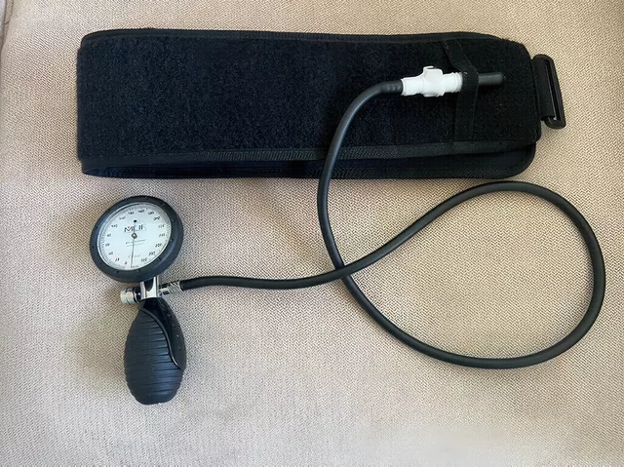
Course Description: This course discusses principles of blood flow restriction training in rehabilitation, including safety considerations, patient screening, and populations in which blood flow restriction training might be utilized.

Contact Hour(s):  

1.5 Contact Hours 

Author: 

Cindy Endicott (PT, DPT, FAAOMPT, ATC, Cert Dn) 

This peer-reviewed course is applicable for the following professions:

Advanced Practice Registered Nurse (APRN), Athletic Trainer (AT/AL), CCI Credentialed Specialists, Certified Nurse Practitioner, Certified Registered Nurse Practitioner, Clinical Nurse Specialist (CNS), Licensed Practical Nurse (LPN), Licensed Vocational Nurses (LVN), Nursing Student, Occupational Therapist (OT), Occupational Therapist Assistant (OTA), Physical Therapist (PT), Physical Therapist Assistant (PTA), Registered Nurse (RN) 

Accreditations:  

The American Nurses Credentialing Center (ANCC), The American Occupational Therapy Association (AOTA), Board of Certification for Athletic Trainers (BOC)

CEUFast, Inc. is an AOTA Provider of professional development.  PD activity approval ID# 10191. This distant learning-independent activity is offered at 0.15 CEUs Intermediate, Categories: OT Service Delivery, Foundational Knowledge.  The assignment of AOTA CEUs does not imply endorsement of specific course content, products, or clinical procedures.

State Approvals:

Alabama, Provider #ABNP1485; California BRN Provider #CEP # 13509; Florida Physical Therapy Association Approval: CE26-1195500; Kentucky Board of Nursing Provider #7-0085; Florida Board of Nursing Provider 50-353; New York State Education Department’s State Board for Physical Therapy

Course Description: 

This course discusses principles of blood flow restriction training in rehabilitation, including safety considerations, patient screening, and populations in which blood flow restriction training might be utilized. 

Outcomes: 

≥ 92% of participants will know the basic concepts of blood flow restriction training (BFRT), patient safety considerations, and patient populations that may benefit from BFRT. 

Objectives:

After completing this course, the learner will be able to: 

1. Identify principles of muscle strengthening and hypertrophy. 

2. Compare the benefits of blood flow restriction training (BFRT) to traditional resistance training. 

3. Summarize the safety considerations related to BFRT. 

4. Compare training parameters for typical types of exercise used with BFRT. 

5. Outline conditions and patient populations that may benefit from BFRT. 

Disclosures: 

CEUFast Inc. and the course planning team for this educational activity do not have any relevant financial relationship(s) to disclose with ineligible companies whose primary business is producing, marketing, selling, re-selling, or distributing healthcare products used by or on patients. 


Type: OnlineCourse Code: 20-944020 Duration: 0 minutes

Online course 0 hours

Course Description: This course discusses background information on breast cancer, including risk factors, types, treatment, and prevention. Special cases associated with breast cancer are also discussed.

Contact Hour(s): 

2 Contact Hours and 1.5 FPTA-approved contact hours

Author:

Desiree Reinken, PhD, APRN, NP-C

This peer-reviewed course is applicable for the following professions:

Advanced Practice Registered Nurse (APRN), Athletic Trainer (AT/AL), Certified Nurse Midwife, Certified Nurse Practitioner, Certified Registered Nurse Anesthetist (CRNA), Certified Registered Nurse Practitioner, Clinical Nurse Specialist (CNS), Licensed Practical Nurse (LPN), Licensed Vocational Nurses (LVN), Midwife (MW), Nursing Student, Occupational Therapist (OT), Occupational Therapist Assistant (OTA), Physical Therapist (PT), Physical Therapist Assistant (PTA), Registered Nurse (RN)

Accreditations: 

The American Nurses Credentialing Center (ANCC), The American Occupational Therapy Association (AOTA), Board of Certification for Athletic Trainers (BOC)

State Approvals: FPTA approval: CE26-944020 for 1.5 credit hours, Nevada Board of Physical Therapy; the New York State Education Department's State Board for Physical Therapy

CEUFast, Inc. is an AOTA Provider of professional development.  PD activity approval ID# 12169. This distant learning-independent activity is offered at 0.02 CEUs Intermediate, Categories: OT Service Delivery, Foundational Knowledge.  The assignment of AOTA CEUs does not imply endorsement of specific course content, products, or clinical procedures.

Course Description:

This course discusses background information on breast cancer, including risk factors, types, treatment, and prevention. Special cases associated with breast cancer are also discussed.

Outcomes:

≥ 92% of participants will know important information about breast cancer, including risk factors, types, and treatment options.

Objectives:

After completing this continuing education course, the participant will be able to:

  1. Describe risk factors for breast cancer.
  2. Explain the genetic mutation most frequently associated with the development of breast cancer.
  3. Identify types of screening implicated in the diagnosis of breast cancer.
  4. Determine the most common types of breast cancer diagnosed in the United States.
  5. Recognize typical treatment options for breast cancer.


Disclosures:

CEUFast Inc. and the course planning team for this educational activity do not have any relevant financial relationship(s) to disclose with ineligible companies whose primary business is producing, marketing, selling, re-selling, or distributing healthcare products used by or on patients.

Type: OnlineCourse Code: 20-944022 Duration: 0 minutes

Online course 0 hours

Course Description: This course discusses background information on breast cancer, including risk factors, types, treatment, and prevention. Special cases associated with breast cancer are also discussed.

Contact Hour(s): 

2 Contact Hours and 1.5 FPTA-approved contact hours

Author:

Desiree Reinken, PhD, APRN, NP-C

This peer-reviewed course is applicable for the following professions:

Advanced Practice Registered Nurse (APRN), Athletic Trainer (AT/AL), Certified Nurse Midwife, Certified Nurse Practitioner, Certified Registered Nurse Anesthetist (CRNA), Certified Registered Nurse Practitioner, Clinical Nurse Specialist (CNS), Licensed Practical Nurse (LPN), Licensed Vocational Nurses (LVN), Midwife (MW), Nursing Student, Occupational Therapist (OT), Occupational Therapist Assistant (OTA), Physical Therapist (PT), Physical Therapist Assistant (PTA), Registered Nurse (RN)

Accreditations: 

The American Nurses Credentialing Center (ANCC), The American Occupational Therapy Association (AOTA), Board of Certification for Athletic Trainers (BOC)

State Approvals: FPTA approval: CE26-944020 for 1.5 credit hours, Nevada Board of Physical Therapy; the New York State Education Department's State Board for Physical Therapy

Course Description:

This course discusses background information on breast cancer, including risk factors, types, treatment, and prevention. Special cases associated with breast cancer are also discussed.

Outcomes:

≥ 92% of participants will know important information about breast cancer, including risk factors, types, and treatment options.

Objectives:

After completing this continuing education course, the participant will be able to:

  1. Describe risk factors for breast cancer.
  2. Explain the genetic mutation most frequently associated with the development of breast cancer.
  3. Identify types of screening implicated in the diagnosis of breast cancer.
  4. Determine the most common types of breast cancer diagnosed in the United States.
  5. Recognize typical treatment options for breast cancer.


Disclosures:

CEUFast Inc. and the course planning team for this educational activity do not have any relevant financial relationship(s) to disclose with ineligible companies whose primary business is producing, marketing, selling, re-selling, or distributing healthcare products used by or on patients.

Type: OnlineCourse Code: 20-614889 Duration: 0 minutes

Online course 0 hours

Course Description: This course discusses what constitutes bullying behavior and the methods a perpetrator uses to bully in the healthcare setting. Healthcare professionals will learn strategies to combat the bullying environment, thus improving work performance and patient outcomes. Healthcare professionals are unsure of the differences between assertiveness and bullying.


Contact Hour:   

1 Contact hour 


Author:  

Nick Angelis (CRNA, MSN) 


This peer-reviewed course is applicable for the following professions:

Advanced Practice Registered Nurse (APRN), Athletic Trainer (AT/AL), Certified Medication Assistant (CMA), Certified Nurse Midwife, Certified Nurse Practitioner, Certified Nursing Assistant (CNA), Clinical Nurse Specialist (CNS), Dietetic Technicians, Registered (DTR), Dietitian/Nutritionist (RDN), Home Health Aid (HHA), Licensed Practical Nurse (LPN), Licensed Vocational Nurses (LVN), Medical Assistant (MA), Midwife (MW), Nursing Student, Occupational Therapist (OT), Occupational Therapist Assistant (OTA), Other, Physical Therapist (PT), Physical Therapist Assistant (PTA), Registered Nurse (RN), Registered Nurse Practitioner, Respiratory Care Practitioner, Respiratory Therapist (RT) 


 Accreditations:   

The American Nurses Credentialing Center (ANCC), The American Occupational Therapy Association (AOTA), Board of Certification for Athletic Trainers (BOC)


State Approvals:

Alabama, Provider #ABNP1485; California BRN Provider #CEP # 13509; Florida Physical Therapy Association Approval: CE26-614889; Kentucky Board of Nursing Provider #7-0085; Florida Board of Nursing Provider 50-353; Nevada Board of Physical Therapy; New York State Education Department’s State Board for Physical Therapy


Course Description:  

This course discusses what constitutes bullying behavior and the methods a perpetrator uses to bully in the healthcare setting. Healthcare professionals will learn strategies to combat the bullying environment, thus improving work performance and patient outcomes. Healthcare professionals are unsure of the differences between assertiveness and bullying. 


 Outcomes:  

≥ 92% of participants will know how to identify and respond appropriately to bullying behavior in their work environment.   


Objectives:  

After completing this continuing education course, the participant will be able to:  

    1. 1. Define in a practical manner bullying, workplace violence, incivility, and related terms. 

    1. 2. Analyze plausible departmental resources for bullying, such as human resources, employee wellness, and management. 

    1. 3. Identify ways to improve resiliency against bullying. 

    1. 4. Evaluate how communication styles prevent bullying from escalating. 

    1. 5. Outline the effects of cognitive rehearsal against bullying. 


 Disclosures:  

CEUFast Inc. and the course planning team for this educational activity do not have any relevant financial relationship(s) to disclose with ineligible companies whose primary business is producing, marketing, selling, re-selling, or distributing healthcare products used by or on patients.  


Type: OnlineCourse Code: 20-1328210 Duration: 0 minutes

Online course 0 hours

Course Description: This course discusses a general overview of the wound healing process for partial-thickness and full-thickness skin injuries and evidence-based wound management of the most common burn wounds with a focus on minor and moderate (or first- and second-degree) burns and appropriate outpatient burn wound management. While the assessment and early treatment of ...

Contact Hour(s): 

2 Contact Hours

Author:

Linda J. Cowan, PHD, ARNP, FNP-BC, CWS

This peer-reviewed course is applicable for the following professions:

Advanced Practice Registered Nurse (APRN), Athletic Trainer (AT/AL), Certified Nurse Midwife, Certified Nurse Practitioner, Certified Registered Nurse Anesthetist (CRNA), Certified Registered Nurse Practitioner, Clinical Nurse Specialist (CNS), Licensed Practical Nurse (LPN), Licensed Vocational Nurses (LVN), Midwife (MW), Nursing Student, Occupational Therapist (OT), Occupational Therapist Assistant (OTA), Physical Therapist (PT), Physical Therapist Assistant (PTA), Registered Nurse (RN), Registered Nurse Practitioner, Respiratory Therapist (RT)

Accreditations: 

The American Nurses Credentialing Center (ANCC), The American Occupational Therapy Association (AOTA), Board of Certification for Athletic Trainers (BOC)

CEUFast, Inc. is an AOTA Provider of professional development.  PD activity approval ID# 14809 This distant learning-independent activity is offered at 0.02 CEUs Intermediate, Categories: OT Service Delivery, Professional Issues, Foundational Knowledge.  The assignment of AOTA CEUs does not imply endorsement of specific course content, products, or clinical procedures.

State Approvals: 

Alabama, Provider #ABNP1485; California BRN Provider #CEP # 13509; Florida Physical Therapy Association Approval: CE26-1329549; Kentucky Board of Nursing Provider #7-0085; Florida Board of Nursing Provider 50-353; Nevada Board of Physical Therapy, New York State Education Department’s State Board for Physical Therapy, Kentucky Board of Licensure for Occupational Therapy

Course Description:

This course discusses a general overview of the wound healing process for partial-thickness and full-thickness skin injuries and evidence-based wound management of the most common burn wounds with a focus on minor and moderate (or first- and second-degree) burns and appropriate outpatient burn wound management. While the assessment and early treatment of all burns are stressed in this course, it will not cover specific management of severe/major (third- or fourth-degree) burns in depth, including inhalation burns, pediatric burn wounds, nor the most extensive acute care treatments in advanced burn centers.

Outcomes:

≥ 92% of participants will know evidence-based wound management of the most common burn wounds.

Objectives:

After completing this continuing education course, the participant will be able to:

  1. Recognize typical signs and symptoms of various burns.
  2. Differentiate between types of burn wounds.
  3. Describe two types of thermal injury.
  4. Summarize the complications of burns.
  5. Recognize at least two American Burn Association (ABA) criteria for referral to burn centers.
  6. Outline methods for calculating total body surface area (TBSA) in burns.
  7. Determine appropriate burn wound dressings.
  8. Identify appropriate pain management goals in individuals with burns.


Disclosures:

CEUFast Inc. and the course planning team for this educational activity do not have any relevant financial relationship(s) to disclose with ineligible companies whose primary business is producing, marketing, selling, re-selling, or distributing healthcare products used by or on patients.


Type: OnlineCourse Code: 20-1154890 Duration: 0 minutes

Online course 0 hours

Course Description: This course discusses the fundamental business and accounting practices that facilitate the healthcare revenue cycle, e.g., a vital component of healthcare administration. Common everyday issues, helpful tips for the healthcare professional, and fundamental concepts necessary to grow and advance in healthcare administration are provided.

Contact Hour(s):

2.5 Contact Hours

Author:

Jeanna Winchester, PhD

This peer-reviewed course is applicable for the following professions:

Advanced Practice Registered Nurse (APRN), Athletic Trainer (AT/AL), Certified Nurse Midwife, Certified Nurse Practitioner, Certified Registered Nurse Anesthetist (CRNA), Certified Registered Nurse Practitioner, Clinical Nurse Specialist (CNS), Dietetic Technicians, Registered (DTR), Dietitian/Nutritionist (RDN), Licensed Practical Nurse (LPN), Licensed Vocational Nurses (LVN), Midwife (MW), Nursing Student, Occupational Therapist (OT), Occupational Therapist Assistant (OTA), Physical Therapist (PT), Physical Therapist Assistant (PTA), Registered Nurse (RN), Registered Nurse Practitioner, Respiratory Care Practitioner, Respiratory Therapist (RT)

Accreditations: 

The American Nurses Credentialing Center (ANCC), The American Occupational Therapy Association (AOTA), Board of Certification for Athletic Trainers (BOC)

State Approvals:

Alabama, Provider #ABNP1485; California BRN Provider #CEP # 13509; Florida Physical Therapy Association Approval: CE26-1154890; Kentucky Board of Nursing Provider #7-0085; Florida Board of Nursing Provider 50-353; Nevada Board of Physical Therapy; New York State Education Department’s State Board for Physical Therapy

Course Description:

This course discusses the fundamental business and accounting practices that facilitate the healthcare revenue cycle, e.g., a vital component of healthcare administration. Common everyday issues, helpful tips for the healthcare professional, and fundamental concepts necessary to grow and advance in healthcare administration are provided.

Outcomes:

≥ 92% of participants will know the fundamental components of healthcare business management that can be applied at any level across the healthcare continuum and in any area of healthcare administration.

Objectives:

After completing this continuing education course, the participant will be able to:

  1. Identify the fundamental components of business management.
  2. Document how each component in the revenue cycle applies to the healthcare business manager.
  3. Identify how budgeting affects the revenue cycle.
  4. Document examples of ways to calculate staffing hours, staffing ratios, and other components of delivering quality healthcare.
  5. List the differences between the cash basis for accounting and the accrual basis for accounting for the healthcare business manager.

Disclosures:

CEUFast Inc. and the course planning team for this educational activity do not have any relevant financial relationship(s) to disclose with ineligible companies whose primary business is producing, marketing, selling, re-selling, or distributing healthcare products used by or on patients.


Type: OnlineCourse Code: 20-951553 Duration: 0 minutes

Online course 0 hours

Course Description: This course discusses and provides a general overview of cardiac emergencies, including their etiology, pathophysiology, and management.

Contact Hours:

2.5 Contact hours, including 2.5 Advanced Pharmacology Hours 

Author: 

Jassin Jouria (MD)

This peer-reviewed course is applicable for the following professions:

 Advanced Practice Registered Nurse (APRN), Athletic Trainer (AT/AL), CCI Credentialed Specialists, Certified Nurse Practitioner, Certified Registered Nurse Practitioner, Clinical Nurse Specialist (CNS), Licensed Practical Nurse (LPN), Licensed Vocational Nurses (LVN), Nursing Student, Occupational Therapist (OT), Occupational Therapist Assistant (OTA), Physical Therapist (PT), Physical Therapist Assistant (PTA), Registered Nurse (RN), Registered Nurse Practitioner

Accreditations:   

The American Nurses Credentialing Center (ANCC), The American Occupational Therapy Association (AOTA), Board of Certification for Athletic Trainers (BOC)

State Approvals:

Alabama, Provider #ABNP1485; California BRN Provider #CEP # 13509; Florida Physical Therapy Association Approval: CE26-951523; Kentucky Board of Nursing Provider #7-0085; Florida Board of Nursing Provider 50-353; New York State Education Department’s State Board for Physical Therapy

Course Description: 

This course discusses and provides a general overview of cardiac emergencies, including their etiology, pathophysiology, and management.

 Outcomes: 

≥ 92% of participants will know the current recommendations and guidelines for managing cardiac emergencies.

Objectives: 

After completing this continuing education course, the participant will be able to: 

  1. Formulate the patterns of cardiac disease, epidemiology, and factors directly influencing mortality rates.
  2. Generalize the latest research findings in the diagnosis of cardiac emergencies.
  3. Integrate the stages of disease progression with associating presenting symptoms.
  4. Explain the latest findings and guidelines on care and monitoring for cardiac emergencies.
  5. Summarize alternative therapy options to improve disease prognosis.

Disclosures:

 CEUFast Inc. and the course planning team for this educational activity do not have any relevant financial relationship(s) to disclose with ineligible companies whose primary business is producing, marketing, selling, re-selling, or distributing healthcare products used by or on patients.


Type: OnlineCourse Code: 20-951523 Duration: 0 minutes

Online course 0 hours

Course Description: This course discusses and provides a general overview of cardiac emergencies, including their etiology, pathophysiology, and management.

Contact Hours:

2.5 Contact hours, including 2.5 Advanced Pharmacology Hours  

Author:  

Jassin Jouria (MD) 

This peer-reviewed course is applicable for the following professions:

 Advanced Practice Registered Nurse (APRN), Athletic Trainer (AT/AL), CCI Credentialed Specialists, Certified Nurse Practitioner, Certified Registered Nurse Practitioner, Clinical Nurse Specialist (CNS), Licensed Practical Nurse (LPN), Licensed Vocational Nurses (LVN), Nursing Student, Occupational Therapist (OT), Occupational Therapist Assistant (OTA), Physical Therapist (PT), Physical Therapist Assistant (PTA), Registered Nurse (RN), Registered Nurse Practitioner 

Accreditations:   

 The American Nurses Credentialing Center (ANCC), The American Occupational Therapy Association (AOTA), Board of Certification for Athletic Trainers (BOC)

CEUFast, Inc. is an AOTA Provider of professional development.  PD activity approval ID#09377. This distant learning-independent activity is offered at 0.25 CEUs. Intermediate, Categories: Foundational Knowledge.  The assignment of AOTA CEUs does not imply endorsement of specific course content, products, or clinical procedures.

State Approvals:

Alabama, Provider #ABNP1485; California BRN Provider #CEP # 13509; Florida Physical Therapy Association Approval: CE26-951523; Kentucky Board of Nursing Provider #7-0085; Florida Board of Nursing Provider 50-353; New York State Education Department’s State Board for Physical Therapy

Course Description: 

This course discusses and provides a general overview of cardiac emergencies, including their etiology, pathophysiology, and management.  

 Outcomes:  

≥ 92% of participants will know the current recommendations and guidelines for managing cardiac emergencies. 

Objectives:  

After completing this continuing education course, the participant will be able to:  

  1. Formulate the patterns of cardiac disease, epidemiology, and factors directly influencing mortality rates.

  2. Generalize the latest research findings in the diagnosis of cardiac emergencies.

  3. Integrate the stages of disease progression with associating presenting symptoms.

  4. Explain the latest findings and guidelines on care and monitoring for cardiac emergencies.

  5. Summarize alternative therapy options to improve disease prognosis. 

Disclosures:  

CEUFast Inc. and the course planning team for this educational activity do not have any relevant financial relationship(s) to disclose with ineligible companies whose primary business is producing, marketing, selling, re-selling, or distributing healthcare products used by or on patients.  

Type: OnlineCourse Code: 20-932361 Duration: 0 minutes

Online course 0 hours

Course Description: This course discusses and provides a general overview of cardiac emergencies, including their etiology, pathophysiology, and management.

Contact Hours:

2.5 Contact hours, including 2.5 Advanced Pharmacology Hours 

Author: 

Jassin Jouria (MD)

This peer-reviewed course is applicable for the following professions:

 Advanced Practice Registered Nurse (APRN), Athletic Trainer (AT/AL), CCI Credentialed Specialists, Certified Nurse Practitioner, Certified Registered Nurse Practitioner, Clinical Nurse Specialist (CNS), Licensed Practical Nurse (LPN), Licensed Vocational Nurses (LVN), Nursing Student, Occupational Therapist (OT), Occupational Therapist Assistant (OTA), Physical Therapist (PT), Physical Therapist Assistant (PTA), Registered Nurse (RN), Registered Nurse Practitioner

Accreditations:   

The American Nurses Credentialing Center (ANCC), The American Occupational Therapy Association (AOTA), Board of Certification for Athletic Trainers (BOC)

State Approvals:

Alabama, Provider #ABNP1485; California BRN Provider #CEP # 13509; Florida Physical Therapy Association Approval: CE26-951523; Kentucky Board of Nursing Provider #7-0085; Florida Board of Nursing Provider 50-353; New York State Education Department’s State Board for Physical Therapy

Course Description: 

This course discusses and provides a general overview of cardiac emergencies, including their etiology, pathophysiology, and management.

 Outcomes: 

≥ 92% of participants will know the current recommendations and guidelines for managing cardiac emergencies.

Objectives: 

After completing this continuing education course, the participant will be able to: 

  1. Formulate the patterns of cardiac disease, epidemiology, and factors directly influencing mortality rates.
  2. Generalize the latest research findings in the diagnosis of cardiac emergencies.
  3. Integrate the stages of disease progression with associating presenting symptoms.
  4. Explain the latest findings and guidelines on care and monitoring for cardiac emergencies.
  5. Summarize alternative therapy options to improve disease prognosis.

Disclosures:

 CEUFast Inc. and the course planning team for this educational activity do not have any relevant financial relationship(s) to disclose with ineligible companies whose primary business is producing, marketing, selling, re-selling, or distributing healthcare products used by or on patients.

Type: OnlineCourse Code: 20-1361329 Duration: 0 minutes

Online course 0 hours

Course Description: This course discusses and provides a general overview of cardiac emergencies, including their etiology, pathophysiology, and management.

Contact Hours:

2.5 Contact hours, including 2.5 Advanced Pharmacology Hours 

Author: 

Jassin Jouria (MD)

This peer-reviewed course is applicable for the following professions:

 Advanced Practice Registered Nurse (APRN), Athletic Trainer (AT/AL), CCI Credentialed Specialists, Certified Nurse Practitioner, Certified Registered Nurse Practitioner, Clinical Nurse Specialist (CNS), Licensed Practical Nurse (LPN), Licensed Vocational Nurses (LVN), Nursing Student, Occupational Therapist (OT), Occupational Therapist Assistant (OTA), Physical Therapist (PT), Physical Therapist Assistant (PTA), Registered Nurse (RN), Registered Nurse Practitioner

Accreditations:   

The American Nurses Credentialing Center (ANCC), The American Occupational Therapy Association (AOTA), Board of Certification for Athletic Trainers (BOC)

State Approvals:

Alabama, Provider #ABNP1485; California BRN Provider #CEP # 13509; Florida Physical Therapy Association Approval: CE26-951523; Kentucky Board of Nursing Provider #7-0085; Florida Board of Nursing Provider 50-353; New York State Education Department’s State Board for Physical Therapy

Course Description: 

This course discusses and provides a general overview of cardiac emergencies, including their etiology, pathophysiology, and management.

 Outcomes: 

≥ 92% of participants will know the current recommendations and guidelines for managing cardiac emergencies.

Objectives: 

After completing this continuing education course, the participant will be able to: 

  1. Formulate the patterns of cardiac disease, epidemiology, and factors directly influencing mortality rates.
  2. Generalize the latest research findings in the diagnosis of cardiac emergencies.
  3. Integrate the stages of disease progression with associating presenting symptoms.
  4. Explain the latest findings and guidelines on care and monitoring for cardiac emergencies.
  5. Summarize alternative therapy options to improve disease prognosis.

Disclosures:

 CEUFast Inc. and the course planning team for this educational activity do not have any relevant financial relationship(s) to disclose with ineligible companies whose primary business is producing, marketing, selling, re-selling, or distributing healthcare products used by or on patients.

Type: OnlineCourse Code: 20-1332362 Duration: 0 minutes

Online course 0 hours

Course Description: This course discusses the comprehensive management of cerebrovascular accident (CVA), focusing on the critical importance of time-sensitive interventions. It covers the various types of stroke (ischemic and hemorrhagic), their underlying causes, and key risk factors. The course places significant emphasis on the rapid recognition of stroke symptoms using ...

Contact Hour(s): 

1 Contact Hour including 1 Advanced Pharmacology Hour 

Author:

Breann Kakacek, BSN, RN 

This peer-reviewed course is applicable for the following professions:

Advanced Practice Registered Nurse (APRN), Athletic Trainer (AT/AL), CCI Credentialed Specialists, Certified Nurse Midwife, Certified Nurse Practitioner, Certified Registered Nurse Anesthetist (CRNA), Certified Registered Nurse Practitioner, Clinical Nurse Specialist (CNS), Licensed Practical Nurse (LPN), Licensed Vocational Nurses (LVN), Midwife (MW), Nursing Student, Occupational Therapist (OT), Occupational Therapist Assistant (OTA), Physical Therapist (PT), Physical Therapist Assistant (PTA), Registered Nurse (RN), Registered Nurse Practitioner, Respiratory Therapist (RT) 

Accreditations: 

The American Nurses Credentialing Center (ANCC), The American Occupational Therapy Association (AOTA), Board of Certification for Athletic Trainers (BOC)

CEUFast, Inc. is an AOTA Provider of professional development.  PD activity approval ID# 14859. This distant learning-independent activity is offered at 0.1CEUs Intermediate, Categories: OT Service Delivery, Foundational Knowledge.  The assignment of AOTA CEUs does not imply endorsement of specific course content, products, or clinical procedures.

State Approvals:

Alabama, Provider #ABNP1485; California BRN Provider #CEP # 13509; Florida Physical Therapy Association Approval: CE26-1332362; Kentucky Board of Nursing Provider #7-0085; Kentucky Board of Licensure for Occupational Therapy Florida Board of Nursing Provider 50-353; Nevada Board of Physical Therapy; New York State Education Department’s State Board for Physical Therapy

 Course Description:

This course discusses the comprehensive management of cerebrovascular accident (CVA), focusing on the critical importance of time-sensitive interventions. It covers the various types of stroke (ischemic and hemorrhagic), their underlying causes, and key risk factors. The course places significant emphasis on the rapid recognition of stroke symptoms using standardized tools, such as the FAST acronym and the Cincinnati Prehospital Stroke Scale. It details the process of acute diagnosis through imaging and outlines acute treatment strategies such as thrombolytic therapy (tPA) and mechanical thrombectomy. Essential medical and nursing management in the acute phase, post-stroke care, complication prevention, and the vital role of interdisciplinary rehabilitation are also addressed. The course includes real-world case studies and promotes interprofessional collaboration to enhance the ability of healthcare professionals to provide safe, effective, and timely care to CVA patients, ultimately improving patient outcomes.

Outcomes:

≥ 92% of participants will know how to implement treatment protocols for individuals experiencing a cerebrovascular accident (CVA), thereby minimizing brain damage and improving neurological outcomes.

Objectives:

After completing this continuing education course, the participant will be able to:

  1. Define a cerebrovascular accident (CVA) and its main types.
  2. Identify key modifiable and non-modifiable risk factors and prevention strategies based on evidence-based practice.
  3. Recognize the signs and symptoms of a stroke in various settings using standardized assessment tools.
  4. Explain the critical and time-sensitive role of healthcare professionals in the care of a stroke patient.
  5. Apply knowledge of diagnostic imaging and acute treatment protocols.
  6. Summarize the essential components of post-stroke care.

Disclosures:

CEUFast Inc. and the course planning team for this educational activity do not have any relevant financial relationship(s) to disclose with ineligible companies whose primary business is producing, marketing, selling, re-selling, or distributing healthcare products used by or on patients.

Type: OnlineCourse Code: 20-1332374 Duration: 0 minutes

Online course 0 hours

Course Description: This course discusses the comprehensive management of cerebrovascular accident (CVA), focusing on the critical importance of time-sensitive interventions. It covers the various types of stroke (ischemic and hemorrhagic), their underlying causes, and key risk factors. The course places significant emphasis on the rapid recognition of stroke symptoms using ...

Contact Hour(s): 

1 Contact Hour including 1 Advanced Pharmacology Hour 

Author:

Breann Kakacek, BSN, RN 

This peer-reviewed course is applicable for the following professions:

Advanced Practice Registered Nurse (APRN), Athletic Trainer (AT/AL), CCI Credentialed Specialists, Certified Nurse Midwife, Certified Nurse Practitioner, Certified Registered Nurse Anesthetist (CRNA), Certified Registered Nurse Practitioner, Clinical Nurse Specialist (CNS), Licensed Practical Nurse (LPN), Licensed Vocational Nurses (LVN), Midwife (MW), Nursing Student, Occupational Therapist (OT), Occupational Therapist Assistant (OTA), Physical Therapist (PT), Physical Therapist Assistant (PTA), Registered Nurse (RN), Registered Nurse Practitioner, Respiratory Therapist (RT) 

Accreditations: 

The American Nurses Credentialing Center (ANCC), The American Occupational Therapy Association (AOTA), Board of Certification for Athletic Trainers (BOC)

State Approvals:

Alabama, Provider #ABNP1485; California BRN Provider #CEP # 13509; Florida Physical Therapy Association Approval: CE26-1332362; Kentucky Board of Nursing Provider #7-0085; Kentucky Board of Licensure for Occupational Therapy Florida Board of Nursing Provider 50-353; Nevada Board of Physical Therapy; New York State Education Department’s State Board for Physical Therapy

 Course Description:

This course discusses the comprehensive management of cerebrovascular accident (CVA), focusing on the critical importance of time-sensitive interventions. It covers the various types of stroke (ischemic and hemorrhagic), their underlying causes, and key risk factors. The course places significant emphasis on the rapid recognition of stroke symptoms using standardized tools, such as the FAST acronym and the Cincinnati Prehospital Stroke Scale. It details the process of acute diagnosis through imaging and outlines acute treatment strategies such as thrombolytic therapy (tPA) and mechanical thrombectomy. Essential medical and nursing management in the acute phase, post-stroke care, complication prevention, and the vital role of interdisciplinary rehabilitation are also addressed. The course includes real-world case studies and promotes interprofessional collaboration to enhance the ability of healthcare professionals to provide safe, effective, and timely care to CVA patients, ultimately improving patient outcomes.

Outcomes:

≥ 92% of participants will know how to implement treatment protocols for individuals experiencing a cerebrovascular accident (CVA), thereby minimizing brain damage and improving neurological outcomes.

Objectives:

After completing this continuing education course, the participant will be able to:

  1. Define a cerebrovascular accident (CVA) and its main types.
  2. Identify key modifiable and non-modifiable risk factors and prevention strategies based on evidence-based practice.
  3. Recognize the signs and symptoms of a stroke in various settings using standardized assessment tools.
  4. Explain the critical and time-sensitive role of healthcare professionals in the care of a stroke patient.
  5. Apply knowledge of diagnostic imaging and acute treatment protocols.
  6. Summarize the essential components of post-stroke care.

Disclosures:

CEUFast Inc. and the course planning team for this educational activity do not have any relevant financial relationship(s) to disclose with ineligible companies whose primary business is producing, marketing, selling, re-selling, or distributing healthcare products used by or on patients.

Type: OnlineCourse Code: 20-536793 Duration: 0 minutes

Online course 0 hours

Course Description: This course discusses the indicators of child abuse, the impact of trauma and ACEs, the influence of implicit bias, and how to report.

Contact Hour(s): 

2 Contact Hours

Author:

Alyssa King, DNP, APRN, CPNP-PC, PMHNP-BC, PMH-C, CLC, CNE

This peer-reviewed course is applicable for the following professions:

Advanced Practice Registered Nurse (APRN), Athletic Trainer (AT/AL), Certified Medication Assistant (CMA), Certified Nurse Midwife, Certified Nurse Practitioner, Certified Nursing Assistant (CNA), Certified Registered Nurse Anesthetist (CRNA), Clinical Nurse Specialist (CNS), Dietetic Technicians, Registered (DTR), Dietitian/Nutritionist (RDN), Home Health Aid (HHA), Licensed Nursing Assistant (LNA), Licensed Practical Nurse (LPN), Licensed Vocational Nurses (LVN), Medical Assistant (MA), Medication Aide, Midwife (MW), Nursing Student, Occupational Therapist (OT), Occupational Therapist Assistant (OTA), Other, Physical Therapist (PT), Physical Therapist Assistant (PTA), Registered Nurse (RN), Registered Nurse Practitioner, Respiratory Care Practitioner, Respiratory Therapist (RT)

Accreditations: 

The American Nurses Credentialing Center (ANCC), The American Occupational Therapy Association (AOTA), Board of Certification for Athletic Trainers (BOC)

CEUFast, Inc. is an AOTA Provider of professional development.  PD activity approval ID# 11648. This distant learning-independent activity is offered at 0.2 CEUs Intermediate, Categories: Professional Issues, Foundational Knowledge.  The assignment of AOTA CEUs does not imply endorsement of specific course content, products, or clinical procedures.

State Approvals:

Alabama, Provider #ABNP1485; California BRN Provider #CEP # 13509; Florida Physical Therapy Association Approval: CE26-536793; Kentucky Board of Nursing Provider #7-0085; Florida Board of Nursing Provider 50-353; Nevada Board of Physical Therapy; New York State Education Department’s State Board for Physical Therapy

Course Description:

This course discusses the indicators of child abuse, the impact of trauma and ACEs, the influence of implicit bias, and how to report.

Outcomes:

≥ 92% of participants will know how to identify and respond appropriately to child abuse.

Objectives:

After completing this continuing education course, the participant will be able to:

  1. Define child abuse.
  2. Outline the impact of trauma on children and the importance of Trauma-Informed Care (TIC).
  3. Appraise the impact of adverse childhood experiences (ACEs) on children and families.
  4. Identify the mitigating effects of the five protective factors on trauma.
  5. Criticize the impact of bias on decision-making.
  6. Recognize the indicators associated with child abuse.
  7. Evaluate situations to determine reasonable cause to suspect child abuse.

Disclosures:

CEUFast Inc. and the course planning team for this educational activity do not have any relevant financial relationship(s) to disclose with ineligible companies whose primary business is producing, marketing, selling, re-selling, or distributing healthcare products used by or on patients.


Type: OnlineCourse Code: 20-1117718 Duration: 0 minutes

Online course 0 hours

Course Description: This course discusses the indicators of maltreatment or abuse, the impact of trauma and ACEs, the influence of implicit bias, the New York State-specific responsibilities and legal obligations of contacting the State Central Register, how to complete the New York’s LDSS 2221A form, and the rights of the Mandated Reporter.

**This course has been updated utilizing the 2025 New York State Mandated Reporter Training Syllabus. In regard to this content revision, please direct your attention to the newly added objective #2 and its’ coordinating new section “Indicators in Children with Intellectual & Developmental Disabilities” for the bulk of the curriculum update.

Contact Hour(s): 

2 Contact Hours

Author:

Alyssa King, DNP, APRN, CPNP-PC, PMHNP-BC, PMH-C, CLC, CNE

This peer-reviewed course is applicable for the following professions:

Advanced Practice Registered Nurse (APRN), Athletic Trainer (AT/AL), Certified Medication Assistant (CMA), Certified Nurse Midwife, Certified Nurse Practitioner, Certified Nursing Assistant (CNA), Certified Registered Nurse Anesthetist (CRNA), Clinical Nurse Specialist (CNS), Dietetic Technicians, Registered (DTR), Dietitian/Nutritionist (RDN), Home Health Aid (HHA), Licensed Nursing Assistant (LNA), Licensed Practical Nurse (LPN), Licensed Vocational Nurses (LVN), Medical Assistant (MA), Medication Aide, Midwife (MW), Nursing Student, Occupational Therapist (OT), Occupational Therapist Assistant (OTA), Other, Physical Therapist (PT), Physical Therapist Assistant (PTA), Registered Nurse (RN), Registered Nurse Practitioner, Respiratory Care Practitioner, Respiratory Therapist (RT)

Accreditations: 

The American Nurses Credentialing Center (ANCC), Board of Certification for Athletic Trainers (BOC)

State Approvals:

Alabama, Provider #ABNP1485; California BRN Provider #CEP # 13509; Kentucky Board of Nursing Provider #7-0085; Florida Board of Nursing Provider 50-353; New York State Education Department’s State Board for Physical Therapy; The AAFP has reviewed Child Abuse: New York Mandated Reporter Training and deemed it acceptable for up to 2.00 Enduring Materials, Self-Study AAFP Elective credit. Term of Approval is from 07/01/2026 to 06/30/2027. Physicians should claim only the credit commensurate with the extent of their participation in the activity.

Course Description:

This course discusses the indicators of maltreatment or abuse, the impact of trauma and ACEs, the influence of implicit bias, the New York State-specific responsibilities and legal obligations of contacting the State Central Register, how to complete the New York’s LDSS 2221A form, and the rights of the Mandated Reporter.

Outcomes:

≥ 92% of participants will know how to make an informed decision about whether a situation involves child abuse or maltreatment, what the reporting obligation is, and how to go about making such a report.

Objectives:

After completing this continuing education course, the participant will be able to:

  1. Determine if a child shows indicators of maltreatment or abuse, including in a virtual setting.
  2. Recognize signs of intellectual and/or developmental disabilities in children and factors to consider when determining whether a child with intellectual and/or developmental disabilities shows indicators of maltreatment or abuse.
  3. Recognize the impact of trauma and ACEs on children, families, and yourself.
  4. Recognize the mitigating effects of the five protective factors on trauma.
  5. Recognize the impact of bias on your decision-making.
  6. Understand when you have a legal obligation to call the SCR.
  7. Recognize how you may better connect individuals and families with services.
  8. Know how to prepare to make the call to the SCR.
  9. Know how to complete the LDSS 2221A form.
  10. Understand your rights as a Mandated Reporter.

Disclosures:

CEUFast Inc. and the course planning team for this educational activity do not have any relevant financial relationship(s) to disclose with ineligible companies whose primary business is producing, marketing, selling, re-selling, or distributing healthcare products used by or on patients.

Type: OnlineCourse Code: 20-516649 Duration: 0 minutes

Online course 0 hours

Course Description: This course discusses the indicators of child abuse, the impact of trauma and ACEs, the influence of implicit bias, and the Pennsylvania state-specific responsibilities and legal obligations of reporting to ChildLine.Course

This course meets all Act 31 Pennsylvania requirements.

Contact Hour(s): 

2 Contact Hours

Author:

Alyssa King, DNP, APRN, CPNP-PC, PMHNP-BC, PMH-C, CLC, CNE

This peer-reviewed course is applicable for the following professions: 

Advanced Practice Registered Nurse (APRN), Athletic Trainer (AT/AL), Certified Nurse Midwife, Certified Nurse Practitioner, Certified Nursing Assistant (CNA), Certified Registered Nurse Anesthetist (CRNA), Clinical Nurse Specialist (CNS), Home Health Aid (HHA), Licensed Nursing Assistant (LNA), Licensed Practical Nurse (LPN), Licensed Vocational Nurses (LVN), Medical Assistant (MA), Medical Doctor (MD), Midwife (MW), Nursing Student, Occupational Therapist (OT), Occupational Therapist Assistant (OTA), Osteopathic Doctor (DO), Other, Physical Therapist (PT), Physical Therapist Assistant (PTA), Physician Assistant (PA), Registered Nurse (RN), Registered Nurse Practitioner, Respiratory Care Practitioner, Respiratory Therapist (RT)

Accreditations: 

This course is approved through the Pennsylvania Department of Human Services and Pennsylvania Department of State #CACE000040; The American Nurses Credentialing Center (ANCC); The American Academy of Family Medicine; American Occupational Therapy Association (AOTA); Board of Certification for Athletic Trainers (BOC)

State Approvals:

Alabama, Provider #ABNP1485; California BRN Provider #CEP #13509; Kentucky Board of Nursing Provider #7-0085; Florida Board of Nursing Provider 50-353; Nevada Board of Physical Therapy; New York State Education Department's State Board for Physical Therapy

Course Description:

This course discusses the indicators of child abuse, the impact of trauma and ACEs, the influence of implicit bias, and the Pennsylvania state-specific responsibilities and legal obligations of reporting to ChildLine.

Course Outcomes:

≥ 92% of participants will know how to make an informed decision about whether a situation involves child abuse, what the reporting obligation is, and how to go about making such a report.

Objectives:

After completing this continuing education course, the participant will be able to:

  1. Define Pennsylvania Child Protective Services law terminology.
  2. Know the provisions and responsibilities for reporting suspected child abuse.
  3. Determine the process of reporting suspected child abuse.
  4. Recognize the impact of bias on decision-making.
  5. Recognize the indicators associated with child abuse.

Disclosures:

CEUFast Inc. and the course planning team for this educational activity do not have any relevant financial relationship(s) to disclose with ineligible companies whose primary business is producing, marketing, selling, re-selling, or distributing healthcare products used by or on patients.

Type: OnlineCourse Code: 20-537130 Duration: 0 minutes

Online course 0 hours

Course Description: This course discusses the indicators of child abuse, the impact of trauma and ACEs, the influence of implicit bias, and the Pennsylvania state-specific responsibilities and legal obligations of reporting to ChildLine.Course Outcome:≥ 92% of participants will know how to make an informed decision about whether a situation involves child abuse, what the rep...

Contact Hour(s): 

3 Contact Hours

Author:

Alyssa King, DNP, APRN, CPNP-PC, PMHNP-BC, PMH-C, CLC, CNE

This peer-reviewed course is applicable for the following professions:

Advanced Practice Registered Nurse (APRN), Athletic Trainer (AT/AL), Certified Nurse Midwife, Certified Nurse Practitioner, Certified Nursing Assistant (CNA), Certified Registered Nurse Anesthetist (CRNA), Clinical Nurse Specialist (CNS), Licensed Practical Nurse (LPN), Licensed Vocational Nurses (LVN), Medical Doctor (MD), Midwife (MW), Nursing Student, Occupational Therapist (OT), Occupational Therapist Assistant (OTA), Osteopathic Doctor (DO), Other, Physical Therapist (PT), Physical Therapist Assistant (PTA), Physician Assistant (PA), Registered Nurse (RN), Registered Nurse Practitioner, Respiratory Care Practitioner, Respiratory Therapist (RT)

Accreditations: 

The American Nurses Credentialing Center (ANCC); Pennsylvania Department of Human Services and Pennsylvania Department of State #CACE000040; The American Academy of Family Medicine; American Occupational Therapy Association (AOTA); Board of Certification for Athletic Trainers (BOC)

State Approvals:

Alabama, Provider #ABNP1485; California BRN Provider #CEP #13509; Kentucky Board of Nursing Provider #7-0085; Florida Board of Nursing Provider 50-353; Nevada Board of Physical Therapy; New York State Education Department's State Board for Physical Therapy

Course Description:

This course discusses the indicators of child abuse, the impact of trauma and ACEs, the influence of implicit bias, and the Pennsylvania state-specific responsibilities and legal obligations of reporting to ChildLine.

Course Outcome:

≥ 92% of participants will know how to make an informed decision about whether a situation involves child abuse, what the reporting obligation is, and how to go about making such a report.

Objectives:

After completing this continuing education course, the participant will be able to:

  1. Define Pennsylvania Child Protective Services law terminology.
  2. Know the provisions and responsibilities for reporting suspected child abuse.
  3. Determine the process of reporting suspected child abuse.
  4. Recognize the impact of bias on decision-making.
  5. Recognize the indicators associated with child abuse.
  6. Evaluate situations to determine reasonable cause to suspect child abuse.

Disclosures:

CEUFast Inc. and the course planning team for this educational activity do not have any relevant financial relationship(s) to disclose with ineligible companies whose primary business is producing, marketing, selling, re-selling, or distributing healthcare products used by or on patients.