
Therapy Professions

Catalog

Browse eligible courses by profession.

Filter by
9 courses Catalog: Therapy Professions
Type: OnlineCourse Code: 20-1328210 Duration: 0 minutes

Online course 1 Contact hours

Hours
1 Contact hours
Code
20-1328210
Duration
0 minutes
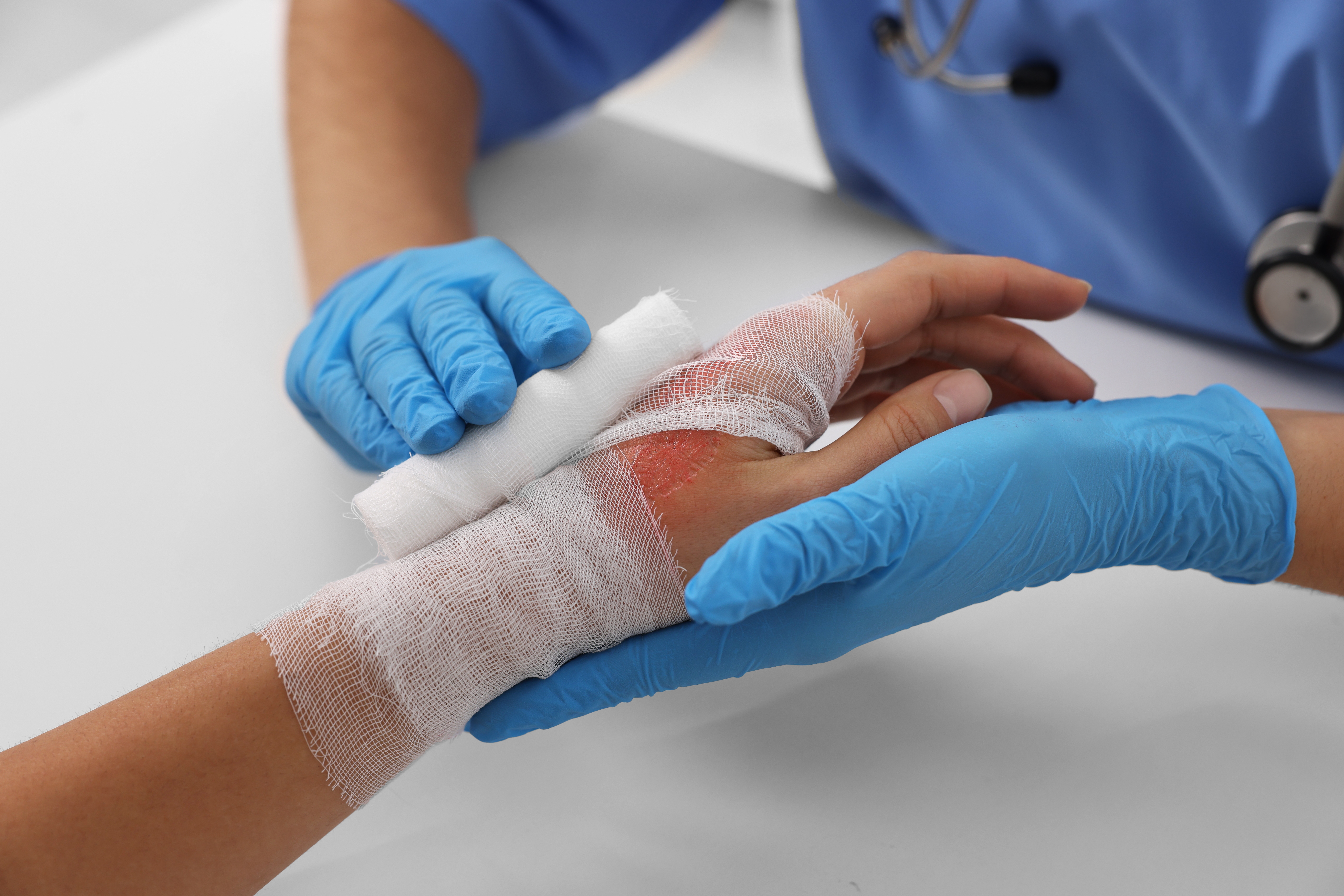
Course Description: This course discusses a general overview of the wound healing process for partial-thickness and full-thickness skin injuries and evidence-based wound management of the most common burn wounds with a focus on minor and moderate (or first- and second-degree) burns and appropriate outpatient burn wound management. While the assessment and early treatment of ...

Contact Hour(s): 

2 Contact Hours

Author:

Linda J. Cowan, PHD, ARNP, FNP-BC, CWS

This peer-reviewed course is applicable for the following professions:

Advanced Practice Registered Nurse (APRN), Athletic Trainer (AT/AL), Certified Nurse Midwife, Certified Nurse Practitioner, Certified Registered Nurse Anesthetist (CRNA), Certified Registered Nurse Practitioner, Clinical Nurse Specialist (CNS), Licensed Practical Nurse (LPN), Licensed Vocational Nurses (LVN), Midwife (MW), Nursing Student, Occupational Therapist (OT), Occupational Therapist Assistant (OTA), Physical Therapist (PT), Physical Therapist Assistant (PTA), Registered Nurse (RN), Registered Nurse Practitioner, Respiratory Therapist (RT)

Accreditations: 

The American Nurses Credentialing Center (ANCC), The American Occupational Therapy Association (AOTA), Board of Certification for Athletic Trainers (BOC)

CEUFast, Inc. is an AOTA Provider of professional development.  PD activity approval ID# 14809 This distant learning-independent activity is offered at 0.02 CEUs Intermediate, Categories: OT Service Delivery, Professional Issues, Foundational Knowledge.  The assignment of AOTA CEUs does not imply endorsement of specific course content, products, or clinical procedures.

State Approvals: 

Alabama, Provider #ABNP1485; California BRN Provider #CEP # 13509; Florida Physical Therapy Association Approval: CE26-1329549; Kentucky Board of Nursing Provider #7-0085; Florida Board of Nursing Provider 50-353; Nevada Board of Physical Therapy, New York State Education Department’s State Board for Physical Therapy, Kentucky Board of Licensure for Occupational Therapy

Course Description:

This course discusses a general overview of the wound healing process for partial-thickness and full-thickness skin injuries and evidence-based wound management of the most common burn wounds with a focus on minor and moderate (or first- and second-degree) burns and appropriate outpatient burn wound management. While the assessment and early treatment of all burns are stressed in this course, it will not cover specific management of severe/major (third- or fourth-degree) burns in depth, including inhalation burns, pediatric burn wounds, nor the most extensive acute care treatments in advanced burn centers.

Outcomes:

≥ 92% of participants will know evidence-based wound management of the most common burn wounds.

Objectives:

After completing this continuing education course, the participant will be able to:

  1. Recognize typical signs and symptoms of various burns.
  2. Differentiate between types of burn wounds.
  3. Describe two types of thermal injury.
  4. Summarize the complications of burns.
  5. Recognize at least two American Burn Association (ABA) criteria for referral to burn centers.
  6. Outline methods for calculating total body surface area (TBSA) in burns.
  7. Determine appropriate burn wound dressings.
  8. Identify appropriate pain management goals in individuals with burns.


Disclosures:

CEUFast Inc. and the course planning team for this educational activity do not have any relevant financial relationship(s) to disclose with ineligible companies whose primary business is producing, marketing, selling, re-selling, or distributing healthcare products used by or on patients.


Type: OnlineCourse Code: 20-687537 Duration: 0 minutes

Online course 1.5 Contact hours

Hours
1.5 Contact hours
Code
20-687537
Duration
0 minutes
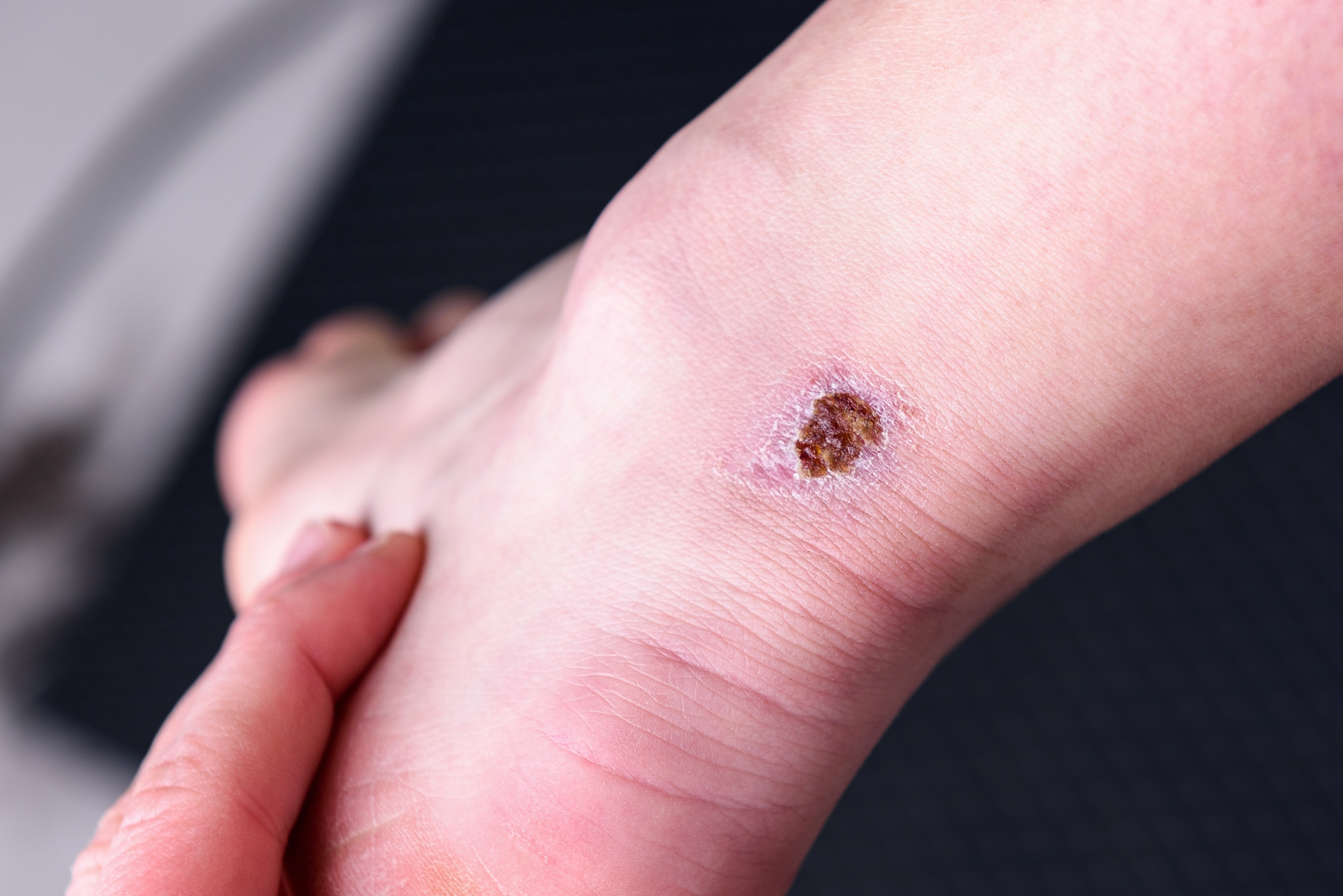
Course Description: This course discusses important aspects of acute versus chronic wound healing, especially as it pertains to common lower extremity wounds in human adults.

Contact Hour(s): 

1.5 Contact Hours

Author:

Linda J. Cowan, PHD, ARNP, FNP-BC, CWS

This peer-reviewed course is applicable for the following professions:

Advanced Practice Registered Nurse (APRN), Athletic Trainer (AT/AL), Certified Nurse Midwife, Certified Nurse Practitioner, Certified Registered Nurse Anesthetist (CRNA), Certified Registered Nurse Practitioner, Clinical Nurse Specialist (CNS), Licensed Practical Nurse (LPN), Licensed Vocational Nurses (LVN), Midwife (MW), Nursing Student, Occupational Therapist (OT), Occupational Therapist Assistant (OTA), Physical Therapist (PT), Physical Therapist Assistant (PTA), Registered Nurse (RN), Registered Nurse Practitioner

Accreditations: 

The American Nurses Credentialing Center (ANCC), The American Occupational Therapy Association (AOTA), Board of Certification for Athletic Trainers (BOC) 

CEUFast, Inc. is an AOTA Provider of professional development.  PD activity approval ID# 9830. This distant learning-independent activity is offered at 0.15 CEUs Intermediate, Categories: Foundational Knowledge.  The assignment of AOTA CEUs does not imply endorsement of specific course content, products, or clinical procedures.

State Approvals: 

Alabama, Provider #ABNP1485; California BRN Provider #CEP # 13509; Florida Physical Therapy Association Approval: CE26-687537; Kentucky Board of Nursing Provider #7-0085; Florida Board of Nursing Provider 50-353; Nevada Board of Physical Therapy; New York State Education Department’s State Board for Physical Therapy 

Course Description:

This course discusses important aspects of acute versus chronic wound healing, especially as it pertains to common lower extremity wounds in human adults.

Outcomes:

≥ 92% of participants will know how to identify acute versus chronic wounds and differentiate key findings associated with venous, arterial, diabetic, and other common etiologies of lower extremity ulcers.

Objectives:

After completing this continuing education course, the participant will be able to:

  1. Describe phases of wound healing in acute wounds.
  2. Compare and contrast differences between acute and chronic wound healing.
  3. Determine skin changes in the aging process that may negatively impact wound healing.
  4. Summarize common etiologies of chronic wounds of the lower extremities.
  5. List common differences in wound characteristics that help differentiate wound etiologies.
  6. Describe common diagnostic tools/methods that may be useful in determining the etiology of lower extremity wounds.
  7. Outline essential items that should be included in all wound assessment documentation.
  8. Explain modifiable contributing factors to impaired wound healing.
  9. Identify at least one characteristic of skin pigmentation that may impact early detection of inflammation or pressure injuries.

Disclosures:

CEUFast Inc. and the course planning team for this educational activity do not have any relevant financial relationship(s) to disclose with ineligible companies whose primary business is producing, marketing, selling, re-selling, or distributing healthcare products used by or on patients.

Type: OnlineCourse Code: 20-1108618 Duration: 0 minutes

Online course 1 Contact hours

Hours
1 Contact hours
Code
20-1108618
Duration
0 minutes
Course Description: This course discusses a comparison of acute versus chronic wounds as well as the pathways involved in their respective healing, descriptions of partial versus full thickness wounds, the phases of wound healing, the components of effective wound management, as well as the measurement and documentation processes appropriate to wound care.Outcomes≥ 92% of pa...

Contact Hour(s):

1 Contact Hour

Author:

Linda J. Cowan (PHD, ARNP, FNP-BC, CWS), Alyssa King (DNP, APRN, CPNP-PC, PMHNP-BC, PMH-C, CLC, CNE)

This peer-reviewed course is applicable for the following professions:

Advanced Practice Registered Nurse (APRN), Certified Nurse Practitioner, Licensed Practical Nurse (LPN), Licensed Vocational Nurses (LVN), Nursing Student, Occupational Therapist (OT), Occupational Therapist Assistant (OTA), Registered Nurse (RN), Registered Nurse Practitioner

Accreditations:

The American Nurses Credentialing Center (ANCC), The American Occupational Therapy Association (AOTA)

CEUFast, Inc. is an AOTA Provider of professional development.  PD activity approval ID# 08139. This distant learning-independent activity is offered at 0.1 CEUs Intermediate, Categories: OT Service Delivery, Foundational Knowledge.  The assignment of AOTA CEUs does not imply endorsement of specific course content, products, or clinical procedures.


State Approvals:

Alabama, Provider #ABNP1485; California BRN Provider #CEP # 13509; Kentucky Board of Nursing Provider #7-0085; Florida Board of Nursing Provider 50-353;

Course Description:

This course discusses a comparison of acute versus chronic wounds as well as the pathways involved in their respective healing, descriptions of partial versus full thickness wounds, the phases of wound healing, the components of effective wound management, as well as the measurement and documentation processes appropriate to wound care.

Outcomes

≥ 92% of participants will know how to assess a wound.

Objectives

After completing this continuing education course, the participants will be able to meet the following objectives:

  1. Define acute versus chronic wounds.
  1. Differentiate expected pathways to healing for acute versus chronic wounds.
  1. Identify characteristics of a partial-thickness versus a full-thickness wound.
  1. Describe the phases of wound healing.
  1. Identify the components of effective wound management.
  1. Outline the elements of wound measurement.

Disclosures:

CEUFast Inc. and the course planning team for this educational activity do not have any relevant financial relationship(s) to disclose with ineligible companies whose primary business is producing, marketing, selling, re-selling, or distributing healthcare products used by or on patients. 


Type: OnlineCourse Code: 20-1108656 Duration: 0 minutes

Online course 1 Contact hours

Hours
1 Contact hours
Code
20-1108656
Duration
0 minutes
Course Description: This course discusses an essential list of necessary wound care supplies, a thorough review of several wound care mnemonics, an explanation of wet-to-dry dressing changes and what is currently most evidence-based in the literature, the full typical step-by-step process of wound dressing changes, as well as the important teaching points that patients and t...

Contact Hour(s): 

1 Contact Hour

Author:

Linda J. Cowan, PHD, ARNP, FNP-BC, CWS

Alyssa King, DNP, APRN, CPNP-PC, PMHNP-BC, PMH-C, CLC, CNE

This peer-reviewed course is applicable for the following professions:

Advanced Practice Registered Nurse (APRN), Certified Nurse Practitioner, Licensed Practical Nurse (LPN), Licensed Vocational Nurses (LVN), Nursing Student, Occupational Therapist (OT), Occupational Therapist Assistant (OTA), Registered Nurse (RN), Registered Nurse Practitioner

Accreditations: 

The American Nurses Credentialing Center (ANCC), The American Occupational Therapy Association (AOTA)

State Approvals:

Alabama, Provider #ABNP1485; California BRN Provider #CEP # 13509; Kentucky Board of Nursing Provider #7-0085; Florida Board of Nursing Provider 50-353

Course Description:

This course discusses an essential list of necessary wound care supplies, a thorough review of several wound care mnemonics, an explanation of wet-to-dry dressing changes and what is currently most evidence-based in the literature, the full typical step-by-step process of wound dressing changes, as well as the important teaching points that patients and their families should be provided in reference to their wound care.

Outcomes:

≥ 92% of participants will know basic wound care.

Objectives:

After completing this continuing education course, the participant will be able to:

  1. Identify necessary wound care supplies.
  2. Define the TIME, DIMES, NERDS, and STONES mnemonics for wound care.
  3. Explain the rationale for why wet-to-dry dressings are no longer always recommended.
  4. Summarize the process of wound dressing changes.
  5. Determine important teaching points to provide patients and their families with regarding wound care.

Disclosures:

CEUFast Inc. and the course planning team for this educational activity do not have any relevant financial relationship(s) to disclose with ineligible companies whose primary business is producing, marketing, selling, re-selling, or distributing healthcare products used by or on patients.


Type: OnlineCourse Code: 20-1108674 Duration: 0 minutes

Online course 1 Contact hours

Hours
1 Contact hours
Code
20-1108674
Duration
0 minutes
Course Description: This course discusses pain management considerations prior to wound cleansing and debridement, a brief review of the TIME mnemonic from the prior course (Wound Series 2b: Wound Care), a more in-depth breakdown of this mnemonic to emphasize common debridement methods and how to differentiate inflammation of a wound versus an active infection, and an explan...

Contact Hour(s): 

1 Contact Hour

Author: 

Linda J. Cowan, PHD, ARNP, FNP-BC, CWS

Alyssa King, DNP, APRN, CPNP-PC, PMHNP-BC, PMH-C, CLC, CNE

This peer-reviewed course is applicable for the following professions: 

Advanced Practice Registered Nurse (APRN), Certified Nurse Practitioner, Licensed Practical Nurse (LPN), Licensed Vocational Nurses (LVN), Nursing Student, Occupational Therapist (OT), Occupational Therapist Assistant (OTA), Registered Nurse (RN), Registered Nurse Practitioner

Accreditations: 

The American Nurses Credentialing Center (ANCC), The American Occupational Therapy Association (AOTA)

CEUFast, Inc. is an AOTA Provider of professional development.  PD activity approval ID# 08306. This distant learning-independent activity is offered at 0.1 CEUs Intermediate, Categories: OT Service Delivery.  The assignment of AOTA CEUs does not imply endorsement of specific course content, products, or clinical procedures.

State Approvals: 

Alabama, Provider #ABNP1485; California BRN Provider #CEP # 13509; Kentucky Board of Nursing Provider #7-0085; Florida Board of Nursing Provider 50-353;

Course Description: 

This course discusses pain management considerations prior to wound cleansing and debridement, a brief review of the TIME mnemonic from the prior course (Wound Series 2b: Wound Care), a more in-depth breakdown of this mnemonic to emphasize common debridement methods and how to differentiate inflammation of a wound versus an active infection, and an explanation of how to determine when it is appropriate to utilize antimicrobial wound cleansing solutions versus less cytotoxic methods.

Outcomes: 

≥ 92% of participants will know the process of proper wound bed cleansing.

Objectives:

After completing this continuing education course, the participant will be able to meet the following objectives:

  1. Identify considerations for pain management prior to wound cleansing and debridement.
  2. Utilize the TIME mnemonic to assess the wound prior to cleansing.
  3. Describe wound debridement methods.
  4. Differentiate wound inflammation from infection.
  5. Determine when it is appropriate to use antimicrobial wound cleansing solutions.

Disclosures: 

CEUFast Inc. and the course planning team for this educational activity do not have any relevant financial relationship(s) to disclose with ineligible companies whose primary business is producing, marketing, selling, re-selling, or distributing healthcare products used by or on patients. 


Type: OnlineCourse Code: 20-1113146 Duration: 0 minutes

Online course 1 Contact hours

Hours
1 Contact hours
Code
20-1113146
Duration
0 minutes
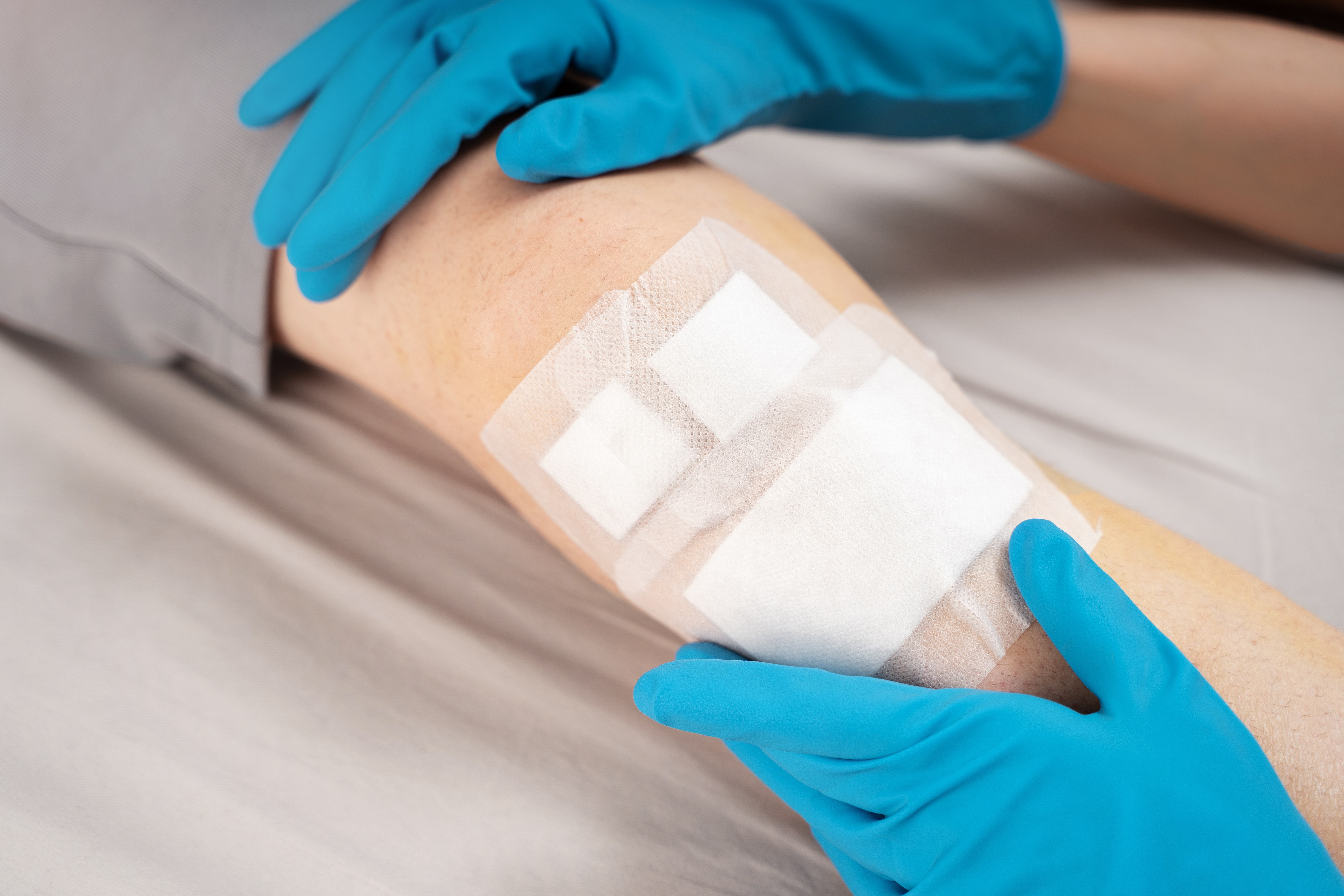
Course Description: This course discusses various types and selections of wound dressings, provides an in-depth comparison of common products available in wound care for real-world applicability, and explains advanced therapies as well as the future of wound care.

Contact Hour(s): 

1 Contact Hour including 1 Advanced Pharmacology Hour 

Author:

Linda J. Cowan, PHD, ARNP, FNP-BC, CWS

Alyssa King, DNP, APRN, CPNP-PC, PMHNP-BC, PMH-C, CLC, CNE

This peer-reviewed course is applicable for the following professions: 

Advanced Practice Registered Nurse (APRN), Certified Nurse Practitioner, Licensed Practical Nurse (LPN), Licensed Vocational Nurses (LVN), Nursing Student, Occupational Therapist (OT), Occupational Therapist Assistant (OTA), Registered Nurse (RN), Registered Nurse Practitioner

Accreditations: 

The American Nurses Credentialing Center (ANCC), The American Occupational Therapy Association (AOTA)

CEUFast, Inc. is an AOTA Provider of professional development.  PD activity approval ID# 08307. This distant learning-independent activity is offered at 0.1 CEUs Intermediate, Categories: OT Service Delivery.  The assignment of AOTA CEUs does not imply endorsement of specific course content, products, or clinical procedures.

State Approvals:  

Alabama, Provider #ABNP1485; California BRN Provider #CEP # 13509; Kentucky Board of Nursing Provider #7-0085; Florida Board of Nursing Provider 50-353

Course Description:

This course discusses various types and selections of wound dressings, provides an in-depth comparison of common products available in wound care for real-world applicability, and explains advanced therapies as well as the future of wound care.

Outcomes:

≥ 92% of participants will know what to use for dressing a wound.

Objectives:

After completing this continuing education course, the participant will be able to:

  1. Determine the use of appropriate dressings.
  2. Explain the use of compression dressings.
  3. Describe the use of composite dressings.
  4. Compare and contrast different types of wound dressings.
  5. Identify commonly used wound products.

Disclosures:

CEUFast Inc. and the course planning team for this educational activity do not have any relevant financial relationship(s) to disclose with ineligible companies whose primary business is producing, marketing, selling, re-selling, or distributing healthcare products used by or on patients.


Type: OnlineCourse Code: 20-649249 Duration: 0 minutes

Online course 2 Contact hours

Hours
2 Contact hours
Code
20-649249
Duration
0 minutes
Course Description: This course discusses current evidence-informed knowledge and skills for identifying pressure ulcer/injury risk factors, prevention, diagnosis, staging, and management. This course also discusses the practical application of the knowledge in clinical pearls and scenarios.

Contact Hour(s): 

2 Contact Hours

Author:

Linda J. Cowan, PHD, ARNP, FNP-BC, CWS

This peer-reviewed course is applicable for the following professions:

Advanced Practice Registered Nurse (APRN), Athletic Trainer (AT/AL), Certified Nurse Midwife, Certified Nurse Practitioner, Certified Registered Nurse Practitioner, Clinical Nurse Specialist (CNS), Licensed Practical Nurse (LPN), Licensed Vocational Nurses (LVN), Midwife (MW), Nursing Student, Occupational Therapist (OT), Occupational Therapist Assistant (OTA), Physical Therapist (PT), Physical Therapist Assistant (PTA), Registered Nurse (RN), Registered Nurse Practitioner

Accreditations: 

The American Nurses Credentialing Center (ANCC), The American Occupational Therapy Association (AOTA), Board of Certification for Athletic Trainers (BOC) 

CEUFast, Inc. is an AOTA Provider of professional development.  PD activity approval ID# 02147.  This distant learning-independent activity is offered at 0.2 CEUs Intermediate, Categories:  Foundational Knowledge.  The assignment of AOTA CEUs does not imply endorsement of specific course content, products, or clinical procedures.

State Approvals:

Alabama, Provider #ABNP1485; California BRN Provider #CEP # 13509; Florida Physical Therapy Association Approval: CE26-649249; Kentucky Board of Nursing Provider #7-0085; Florida Board of Nursing Provider 50-353; New York State Education Department’s State Board for Physical Therapy 

Course Description:

This course discusses current evidence-informed knowledge and skills for identifying pressure ulcer/injury risk factors, prevention, diagnosis, staging, and management. This course also discusses the practical application of the knowledge in clinical pearls and scenarios.

Outcomes:

≥ 92% of participants will be able to identify risk factors for pressure ulcer development, describe pressure ulcer staging, and discuss evidence-informed pressure ulcer prevention and management strategies.

Objectives:

After completing this continuing education course, the participant will be able to:

  1. Describe at least three etiological factors of pressure ulcers/injuries.
  2. Summarize two common pressure ulcer/injury risk assessment tools.
  3. Classify pressure ulcer/injury stages.
  4. Identify at least two evidence-based interventions to consider in managing pressure ulcers/injuries.
  5. Assess research trends in the prevention and management of pressure ulcers/injuries.

Disclosures:

CEUFast Inc. and the course planning team for this educational activity do not have any relevant financial relationship(s) to disclose with ineligible companies whose primary business is producing, marketing, selling, re-selling, or distributing healthcare products used by or on patients.

Type: OnlineCourse Code: 20-1347200 Duration: 0 minutes

Online course 1.5 Contact hours

Hours
1.5 Contact hours
Code
20-1347200
Duration
0 minutes
Course Description: This course introduces lymphedema diagnosis and management basics. Specifically, how to screen, diagnose, and manage lymphedema, including compression, the differences between short stretch/long stretch bandages and why it is important to know this, and where and when to refer patients to lymphedema specialists. Outcomes ≥ 92% of participants will know ke...

Contact Hour(s):  

1.5 Contact Hours 

Author: 

Linda J. Cowan (PHD, ARNP, FNP-BC, CWS) 

This peer-reviewed course is applicable for the following professions: 

Advanced Practice Registered Nurse (APRN), Athletic Trainer (AT/AL), Clinical Nurse Specialist (CNS), Licensed Practical Nurse (LPN), Licensed Vocational Nurses (LVN), Nursing Student, Occupational Therapist (OT), Occupational Therapist Assistant (OTA), Physical Therapist (PT), Physical Therapist Assistant (PTA), Registered Nurse (RN) 

Accreditations:  

The American Nurses Credentialing Center (ANCC), The American Occupational Therapy Association (AOTA), Board of Certification for Athletic Trainers (BOC) 

CEUFast, Inc. is an AOTA Provider of professional development.  PD activity approval ID# 03289. This distant learning-independent activity is offered at 0.015 CEUs Intermediate, Categories: Foundational Knowledge.  The assignment of AOTA CEUs does not imply endorsement of specific course content, products, or clinical procedures.

State Approvals:  

Alabama, Provider #ABNP1485; California BRN Provider #CEP # 13509; ; Kentucky Board of Nursing Provider #7-0085; Florida Board of Nursing Provider 50-353; New York State Education Department’s State Board for Physical Therapy   

Course Description: 

This course introduces lymphedema diagnosis and management basics. Specifically, how to screen, diagnose, and manage lymphedema, including compression, the differences between short stretch/long stretch bandages and why it is important to know this, and where and when to refer patients to lymphedema specialists. 

Outcomes 

≥ 92% of participants will know key differences between lymphedema and lipedema, how to accurately stage lymphedema, and the main tenets of lymphedema management. 

Objectives 

After completing this activity, the participants will be able to me the following: 

  1. Define lymphedema and the pathophysiology of lymphedema.
  2. Describe the difference between lymphedema and lipedema.
  3. Describe at least two common signs and symptoms of lymphedema and identify one screening technique for lymphedema.
  4. Classify the stages and progression of lymphedema.
  5. List at least one diagnostic tool to diagnose lymphedema.
  6. Describe how and when to refer a patient to a certified lymphedema therapist.
  7. Identify at least two common treatments for lymphedema. 

Disclosures: 

CEUFast Inc. and the course planning team for this educational activity do not have any relevant financial relationship(s) to disclose with ineligible companies whose primary business is producing, marketing, selling, re-selling, or distributing healthcare products used by or on patients. 


Type: OnlineCourse Code: 20-766558 Duration: 0 minutes

Online course 1.5 Contact hours

Hours
1.5 Contact hours
Code
20-766558
Duration
0 minutes
Course Description: This course discusses key considerations when managing terminal wounds or wounds not expected to heal. Using case scenarios as examples, this activity will examine chronic wounds in patients where complete closure or healing of the wound is not an option (including malignant fungating wounds, dry gangrene, and Kennedy terminal pressure ulcers at end of li...

Contact Hour(s):  

1.5 Contact Hours 

Author

Linda J. Cowan (PHD, ARNP, FNP-BC, CWS) 

This peer-reviewed course is applicable for the following professions

Advanced Practice Registered Nurse (APRN), Licensed Practical Nurse (LPN), Licensed Vocational Nurses (LVN), Nursing Student, Occupational Therapist (OT), Occupational Therapist Assistant (OTA), Physical Therapist (PT), Physical Therapist Assistant (PTA), Registered Nurse (RN) 

Accreditations:  


The American Nurses Credentialing Center (ANCC), The American Occupational Therapy Association (AOTA)

CEUFast, Inc. is an AOTA Provider of professional development. PD activity approval ID# 4604. This distant learning-independent activity is offered at 0.15 CEUs Intermediate, Categories: OT Service Delivery, Foundational Knowledge. The assignment of AOTA CEUs does not imply endorsement of specific course content, products, or clinical procedures.

State Approvals:  

 Alabama, Provider #ABNP1485; California BRN Provider #CEP # 13509; Kentucky Board of Nursing Provider #7-0085; Florida Board of Nursing Provider 50-353; Nevada Board of Physical Therapy; New York State Education Department’s State Board for Physical Therapy;    Florida Physical Therapy Association Approval: CE26-766558 ; 

Course Description

This course discusses key considerations when managing terminal wounds or wounds not expected to heal. Using case scenarios as examples, this activity will examine chronic wounds in patients where complete closure or healing of the wound is not an option (including malignant fungating wounds, dry gangrene, and Kennedy terminal pressure ulcers at end of life). This course seeks to provide examples of management tips for addressing periwound breakdown (skin immediately next to the wound), pain, odor, wound moisture, and psychosocial considerations for malignant fungating wounds, non-operable arterial insufficiency/dry gangrene, and Kennedy Terminal Ulcers. 

Outcomes 

≥ 92% of participants will know key differences between wounds and specific types of wounds, where the goal is symptom management versus total healing. 

Objectives 

After completing this continuing education course, the participant will be able to meet the following objectives: 

  1. Recognize wound scenarios where complete wound closure as a treatment goal may not be feasible.
  2. Determine four key treatment elements to be considered when approaching the clinical management of wounds that are not expected to close or heal completely.
  3. Describe at least three interventions that may help reduce odor in fungating malignant wounds.
  4. Distinguish differences between wet gangrene and dry gangrene.
  5. List three essential items that would be included in all wound assessment documentation.
  6. Prioritize pressure injury prevention and treatment goals in patients at the end of life. 

Disclosures

CEUFast Inc. and the course planning team for this educational activity do not have any relevant financial relationship(s) to disclose with ineligible companies whose primary business is producing, marketing, selling, re-selling, or distributing healthcare products used by or on patients.