
Therapy Professions

Catalog

Browse eligible courses by profession.

Filter by
2 courses Catalog: Therapy Professions
Type: OnlineCourse Code: 20-1119692 Duration: 0 minutes

Online course 1 Contact hours

Hours
1 Contact hours
Code
20-1119692
Duration
0 minutes
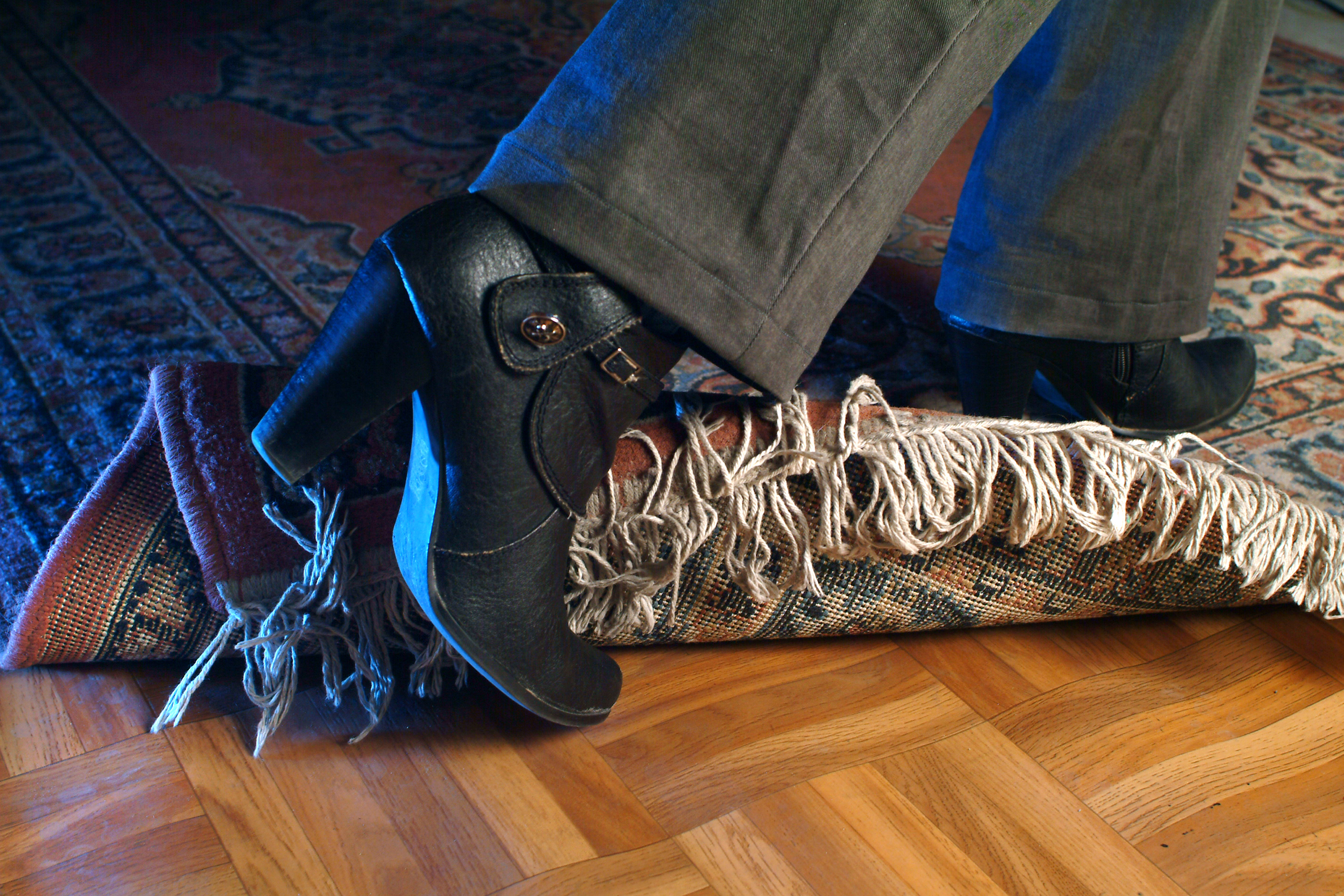
Course Description: This course highlights intrinsic and extrinsic fall risk factors in community-dwelling older adults who desire to age in place and the evidence-based assessment fall risk and home assessment tools that can be utilized to support the need for remediation and rehabilitation-based interventions and skilled therapy services.

Contact Hour(s): 

1 Contact Hour

Author:

Nishi Patel Brahmbhatt, OTD-PP, MOTR/L

This peer-reviewed course is applicable for the following professions:

Advanced Practice Registered Nurse (APRN), Clinical Nurse Specialist (CNS), Licensed Practical Nurse (LPN), Nursing Student, Occupational Therapist (OT), Occupational Therapist Assistant (OTA), Physical Therapist (PT), Physical Therapist Assistant (PTA), Registered Nurse (RN)

Accreditations: 

The American Nurses Credentialing Center (ANCC), The American Occupational Therapy Association (AOTA)

CEUFast, Inc. is an AOTA Provider of professional development.  PD activity approval ID#08749. This distant learning-independent activity is offered at 0.1 CEUs Intermediate, Categories: OT Service Delivery.  The assignment of AOTA CEUs does not imply endorsement of specific course content, products, or clinical procedures.

State Approvals:

Alabama, Provider #ABNP1485; California BRN Provider #CEP # 13509; Florida Physical Therapy Association Approval: CE26-1119692; Kentucky Board of Nursing Provider #7-0085; Florida Board of Nursing Provider 50-353; Nevada Board of Physical Therapy; New York State Education Department’s State Board for Physical Therapy

Course Description:

This course highlights intrinsic and extrinsic fall risk factors in community-dwelling older adults who desire to age in place and the evidence-based assessment fall risk and home assessment tools that can be utilized to support the need for remediation and rehabilitation-based interventions and skilled therapy services. 

Outcomes:

92% of participants will know the importance of conducting holistic home health safety evaluations to identify and address intrinsic and extrinsic fall risk factors in community-dwelling older adults to enable improved safety in the home and reduce the risk for falls.

Objectives:

After completing this continuing education course, the participant will be able to:

  1. Describe and distinguish between intrinsic and extrinsic risk factors for falls.
  2. Select evidence-based fall risk assessments to support the need for skilled therapy services and address intrinsic risk factors.
  3. Select evidence-based home safety assessments to support the need for skilled therapy services and address extrinsic risk factors.
  4. Identify two areas in the home where most falls occur and the environmental fall hazards found in those areas during home health safety evaluations.
  5. Outline recommendations to address the most common environmental safety hazards identified in the previous objective.
  6. Distinguish the role of durable medical equipment (DME), adaptive equipment, assistive devices, and adaptive strategies in enabling community-dwelling older adults to age in place safely.


Disclosures:

CEUFast Inc. and the course planning team for this educational activity do not have any relevant financial relationship(s) to disclose with ineligible companies whose primary business is producing, marketing, selling, re-selling, or distributing healthcare products used by or on patients.


Type: OnlineCourse Code: 20-536907 Duration: 0 minutes

Online course 2 Contact hours

Hours
2 Contact hours
Code
20-536907
Duration
0 minutes
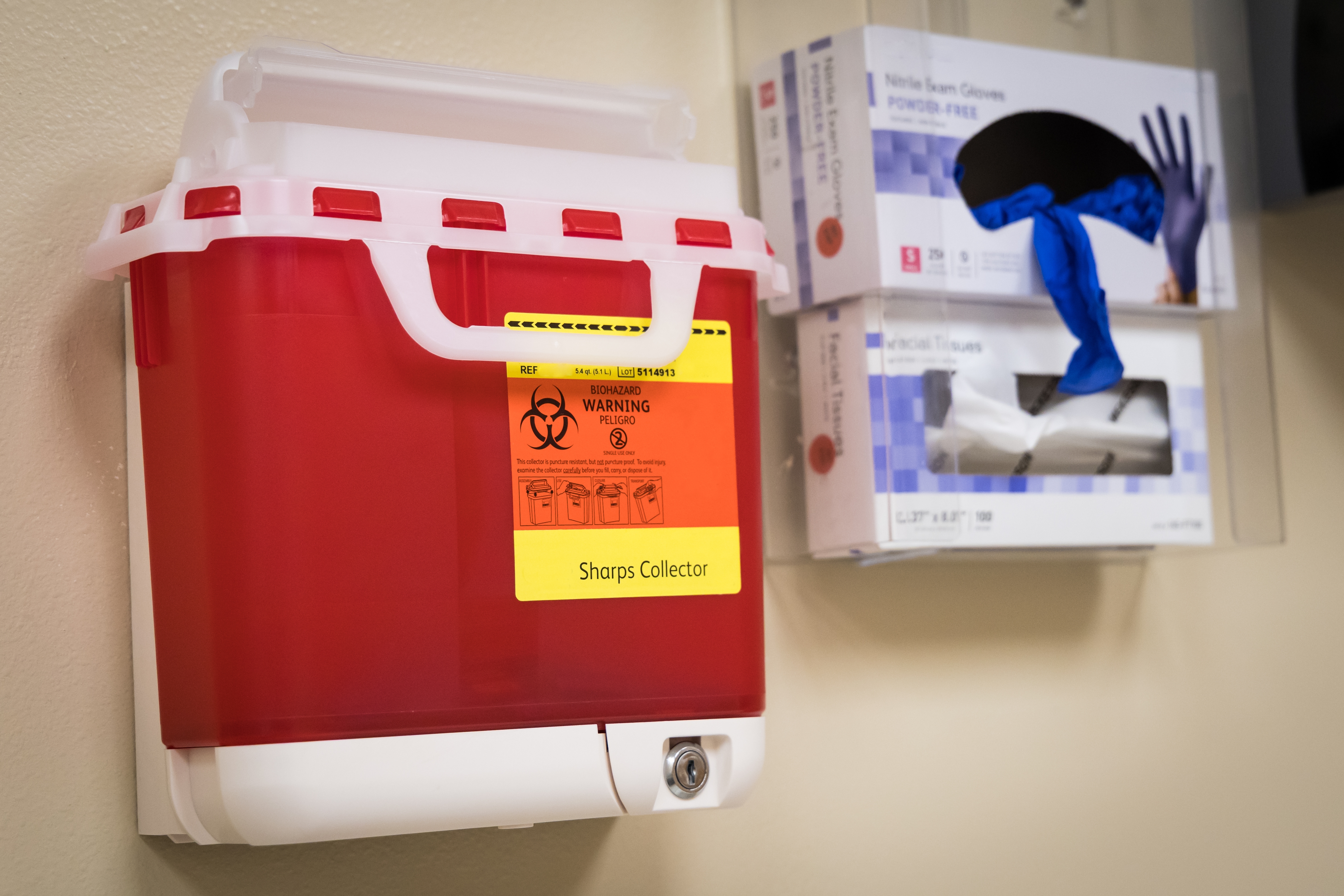
Course Description: This course discusses issues of occupational exposure to the bloodborne pathogens HBV, HCV, and HIV: epidemiology, risk of transmission, transmission situations, prevention, and post-exposure treatment and monitoring.Outcomes≥ 92% of participants will know how HBV, HCV, and HIV can be transmitted in occupational settings, how transmission can be prevented...

Contact Hour(s): 

2 Contact Hours

Author:

Dana Bartlett, RN, BSN, MA, MA, CSPI

This peer-reviewed course is applicable for the following professions:

Advanced Practice Registered Nurse (APRN), Athletic Trainer (AT/AL), Certified Medication Assistant (CMA), Certified Nurse Midwife, Certified Nurse Practitioner, Certified Nursing Assistant (CNA), Certified Registered Nurse Anesthetist (CRNA), Certified Registered Nurse Practitioner, Clinical Nurse Specialist (CNS), Home Health Aid (HHA), Licensed Practical Nurse (LPN), Licensed Vocational Nurses (LVN), Medical Assistant (MA), Medication Aide, Midwife (MW), Nursing Student, Occupational Therapist (OT), Occupational Therapist Assistant (OTA), Physical Therapist (PT), Physical Therapist Assistant (PTA), Registered Nurse (RN), Registered Nurse Practitioner, Respiratory Care Practitioner, Respiratory Therapist (RT)

Accreditations: 

American Nurses Credentialing Center (ANCC), The American Occupational Therapy Association (AOTA), Board of Certification for Athletic Trainers (BOC)

CEUFast, Inc. is an AOTA Provider of professional development.  PD activity approval ID# 12902. This distant learning-independent activity is offered at 0.2CEUs. Intermediate, Categories: Foundational Knowledge.  The assignment of AOTA CEUs does not imply endorsement of specific course content, products, or clinical procedures.

State Approvals:

Alabama, Provider #ABNP1485; California BRN Provider #CEP # 13509; Florida Physical Therapy Association Approval: CE26-536907; Kentucky Board of Nursing Provider #7-0085; Florida Board of Nursing Provider 50-353; New York State Education Department’s State Board for Physical Therapy

Course Description:

This course discusses issues of occupational exposure to the bloodborne pathogens HBV, HCV, and HIV: epidemiology, risk of transmission, transmission situations, prevention, and post-exposure treatment and monitoring.

Outcomes

≥ 92% of participants will know how HBV, HCV, and HIV can be transmitted in occupational settings, how transmission can be prevented, and how occupational exposures to HBV, HCV, and HIV are managed.

Objectives

After completing this continuing education course, the participant will be able to:

  1. Identify bloodborne viral pathogens that healthcare workers are likely to be exposed to.
  2. Identify two factors that increase the risk of transmission of and infection with a bloodborne pathogen.
  3. Recognize components of Standard Precautions.
  4. Outline safe injection practices.
  5. Compare the correct immediate post-exposure treatments for occupational exposure to HBV, HCV, and HIV.
  6. Distinguish at least one specific post-exposure treatment recommendation for HBV, HCV, and HIV exposure.
  7. Describe strategies that prevent exposure to bloodborne pathogens.

Disclosures:

CEUFast Inc. and the course planning team for this educational activity do not have any relevant financial relationship(s) to disclose with ineligible companies whose primary business is producing, marketing, selling, re-selling, or distributing healthcare products used by or on patients.