
Nursing

Catalog

Browse eligible courses by profession.

Filter by
24 courses Catalog: Nursing
Type: OnlineCourse Code: 20-1127366 Duration: 0 minutes

Online course 0 hours

Hours
0 hours
Code
20-1127366
Duration
0 minutes
Course Description: This course discusses the Human Immunodeficiency Virus (HIV) and its end-stage Acquired Immunodeficiency Syndrome (AIDS), along with strategies for extending the disease process and allowing for a high-quality life despite the presence of an otherwise terminal disease.Outcomes≥ 92% of participants will know the most current, evidence-based information abo...

Contact Hour(s): 

1 Contact hour, including 1 Advanced Pharmacology Hour

Author:

David Tilton, RN, BSN

This peer-reviewed course is applicable for the following professions:

Advanced Practice Registered Nurse (APRN), Athletic Trainer (AT/AL), Certified Medication Assistant (CMA), Certified Nurse Midwife, Certified Nurse Practitioner, Certified Nursing Assistant (CNA), Certified Registered Nurse Anesthetist (CRNA), Clinical Nurse Specialist (CNS), Dietetic Technicians, Registered (DTR), Dietitian/Nutritionist (RDN), Electrologist (EO), Home Health Aid (HHA), Licensed Nursing Assistant (LNA), Licensed Practical Nurse (LPN), Licensed Vocational Nurses (LVN), Medical Assistant (MA), Medication Aide, Midwife (MW), Nursing Student, Occupational Therapist (OT), Occupational Therapist Assistant (OTA), Pedorthist (PED), Physical Therapist (PT), Physical Therapist Assistant (PTA), Registered Nurse (RN), Registered Nurse Practitioner, Respiratory Care Practitioner, Respiratory Therapist (RT)

Accreditations: 

The American Nurses Credentialing Center (ANCC), The American Occupational Therapy Association (AOTA), Board of Certification for Athletic Trainers (BOC)

CEUFast, Inc. is an AOTA Provider of professional development.  PD activity approval ID# 02781 This distant learning-independent activity is offered at 0.01 CEUs. Intermediate, Categories: Professional Issues, Foundational Knowledge.  The assignment of AOTA CEUs does not imply endorsement of specific course content, products, or clinical procedures.

State Approvals:

Alabama, Provider #ABNP1485; California BRN Provider #CEP # 13509; Kentucky Board of Nursing Provider #7-0085; Florida Board of Nursing Provider 50-353; New York State Education Department’s State Board for Physical Therapy

Course Description:

This course discusses the Human Immunodeficiency Virus (HIV) and its end-stage Acquired Immunodeficiency Syndrome (AIDS), along with strategies for extending the disease process and allowing for a high-quality life despite the presence of an otherwise terminal disease.

Outcomes

≥ 92% of participants will know the most current, evidence-based information about HIV and AIDS.

Objectives

After completing this continuing education course, the participant will be able to:

1. Identify the civil rights of the HIV/AIDS-infected individual and their family/friends.

2. Explain the current incidence of HIV.

3. Describe the modes of transmission of HIV and various strategies to prevent the spread of HIV.

4. Examine the pathophysiologic changes in the human body following HIV infection.

5. Compare and contrast current medication modalities prescribed for HIV

Disclosures:

CEUFast Inc. and the course planning team for this educational activity do not have any relevant financial relationship(s) to disclose with ineligible companies whose primary business is producing, marketing, selling, re-selling, or distributing healthcare products used by or on patients.
Type: OnlineCourse Code: 20-1303179 Duration: 0 minutes

Online course 0 hours

Hours
0 hours
Code
20-1303179
Duration
0 minutes
Course Description: This course discusses the various types of angina, its pathophysiology, common (and uncommon) causes of angina/chest pain, nursing management, and diagnostics.

Contact Hours:
1.5 Contact Hours, including 1.5 Pharmacology Hours  

Author:  
Krystle Maynard (DNP, RN, SANE-A) 

This peer-reviewed course is applicable for the following professions:

Advanced Practice Registered Nurse (APRN), CCI Credentialed Specialists, Certified Nurse Midwife, Certified Nurse Practitioner, Certified Registered Nurse Practitioner, Clinical Nurse Specialist (CNS), Licensed Practical Nurse (LPN), Licensed Vocational Nurses (LVN), Midwife (MW), Nursing Student, Registered Nurse (RN), Registered Nurse Practitioner 

 Accreditations: 

The American Nurses Credentialing Center (ANCC)

State Approvals:

Alabama, Provider #ABNP1485; California BRN Provider #CEP # 13509; Kentucky Board of Nursing Provider #7-0085; Florida Board of Nursing Provider 50-353

Course Description:  

This course discusses the various types of angina, its pathophysiology, common (and uncommon) causes of angina/chest pain, nursing management, and diagnostics. 

Outcomes:  

≥ 92% of participants will know what angina is, its types, common causes, diagnostics, and management. 

Objectives:  

After completing this continuing education course, the participant will be able to:  

  1. Define the different types of angina and their underlying pathophysiology. 

  2. Identify common signs and symptoms associated with angina, including atypical presentations. 

  3. Differentiate between stable, unstable, and variant (Prinzmetal's) angina. 

  4. Describe evidence-based nursing assessments and interventions for patients presenting with angina. 

  5. Summarize pharmacologic and non-pharmacologic management strategies for angina. 

Disclosures:  

CEUFast Inc. and the course planning team for this educational activity do not have any relevant financial relationship(s) to disclose with ineligible companies whose primary business is producing, marketing, selling, re-selling, or distributing healthcare products used by or on patients.  


Type: OnlineCourse Code: 20-1343933 Duration: 0 minutes

Online course 0 hours

Hours
0 hours
Code
20-1343933
Duration
0 minutes
Course Description: This course discusses terrorism, including bioterrorism and weapons of mass destruction. It also reviews the different types of agents, including chemical, biological, radioactive, and nuclear, as well as the various types of personal protective equipment that healthcare professionals must wear in the event of a terrorist attack. Learners will also read a...

Contact Hour(s): 

4 Contact hours, including 4 Pharmacology Hours

Author:

Amanda Marten, MSN, FNP-C

This peer-reviewed course is applicable for the following professions:

Advanced Practice Registered Nurse (APRN), Certified Nurse Midwife, Certified Nurse Practitioner, Certified Registered Nurse Anesthetist (CRNA), Certified Registered Nurse Practitioner, Clinical Nurse Specialist (CNS), Licensed Practical Nurse (LPN), Licensed Vocational Nurses (LVN), Midwife (MW), Nursing Student, Registered Nurse (RN), Registered Nurse Practitioner

Accreditations: 

The American Nurses Credentialing Center (ANCC)

State Approvals:

Alabama, Provider #ABNP1485; California BRN Provider #CEP # 13509; Kentucky Board of Nursing Provider #7-0085; Florida Board of Nursing Provider 50-353

Course Description:

This course discusses terrorism, including bioterrorism and weapons of mass destruction. It also reviews the different types of agents, including chemical, biological, radioactive, and nuclear, as well as the various types of personal protective equipment that healthcare professionals must wear in the event of a terrorist attack. Learners will also read about the various signs, symptoms, and treatment methods for diseases and conditions caused by these agents. Readers will learn about emergency preparedness and triage. Lastly, this course discusses syndromic surveillance and reporting procedures related to acts of terrorism and provides an overview of the Health Alert Network.

Outcomes:

≥ 92% of participants will know about bioterrorism and weapons of mass destruction.

Objectives:

After completing this continuing education course, the participant will be able to:

  1. Define the different acts of terrorism, weapons of mass destruction, and mass casualty events.
  2. Compare the various forms of personal protective equipment and their advantages and disadvantages.
  3. Differentiate between the various agents that can be used as weapons of mass destruction.
  4. Explain the symptoms and treatments of the different agents.
  5. Describe triage of mass casualties and decontamination procedures.
  6. Outline emergency preparedness procedures.
  7. Describe surveillance and reporting procedures for acts of terrorism.
  8. Summarize the Health Alert Network and its use.

To complete this state requirement, your state board requires that you:

  1. Complete a Pre-Assessment of your knowledge of the course you are about to complete
  2. Review the course materials
  3. Pass a final exam with a minimum score of 80%

 Disclosures:

CEUFast Inc. and the course planning team for this educational activity do not have any relevant financial relationship(s) to disclose with ineligible companies whose primary business is producing, marketing, selling, re-selling, or distributing healthcare products used by or on patients. This course meets Nevada requirements.


Type: OnlineCourse Code: 20-814432 Duration: 0 minutes

Online course 0 hours

Hours
0 hours
Code
20-814432
Duration
0 minutes
Course Description: This course discusses reasons why bipolar is misdiagnosed and the etiology, evaluation, prognosis, and management of bipolar disorder.

Contact Hour(s):  

2 Contact hours, including 2 Advanced Pharmacology Hours 

Author: 

David Tilton (RN, BSN) 

This peer-reviewed course is applicable for the following professions:

Advanced Practice Registered Nurse (APRN), Athletic Trainer (AT/AL), Certified Nurse Midwife, Certified Nurse Practitioner, Certified Registered Nurse Anesthetist (CRNA), Certified Registered Nurse Practitioner, Clinical Nurse Specialist (CNS), Licensed Practical Nurse (LPN), Licensed Vocational Nurses (LVN), Midwife (MW), Nursing Student, Occupational Therapist (OT), Occupational Therapist Assistant (OTA), Physical Therapist (PT), Physical Therapist Assistant (PTA), Registered Nurse (RN), Registered Nurse Practitioner, Respiratory Care Practitioner, Respiratory Therapist (RT) 

Accreditations:

The American Nurses Credentialing Center (ANCC), The American Occupational Therapy Association (AOTA), Board of Certification for Athletic Trainers (BOC)

State Approvals:

 Alabama, Provider #ABNP1485; California BRN Provider #CEP # 13509; Florida Physical Therapy Association Approval:  CE26-767319; Kentucky Board of Nursing Provider #7-0085; Florida Board of Nursing Provider 50-353; Nevada Board of Physical Therapy; New York State Education Department’s State Board for Physical Therapy  

Course Description: 

This course discusses reasons why bipolar is misdiagnosed and the etiology, evaluation, prognosis, and management of bipolar disorder. 


Outcomes: 

≥ 92% of participants will know how to recognize bipolar disorder, the various types of bipolar disorder, and how to treat and care for those afflicted with bipolar disorder. 

Objectives: 

After completing this continuing education course, the participant will be able to: 

  1. Recognize patterns of symptoms suggestive of bipolar disorder, its various subtypes, and related disorders. 

        2. Differentiate the diagnostic criteria for manic episodes, hypomanic episodes, and major depressive episodes. 

        3. Relate the epidemiology and diagnostic criteria of bipolar disorders. 

        4. Identify differential diagnoses for bipolar I disorder, bipolar II disorder, and cyclothymic disorder. 

        5. Summarize the proper pharmacologic and non-pharmacologic treatment for each type of mood disturbance seen in bipolar disorders. 

Disclosures

CEUFast Inc. and the course planning team for this educational activity do not have any relevant financial relationship(s) to disclose with ineligible companies whose primary business is producing, marketing, selling, re-selling, or distributing healthcare products used by or on patients. 


Type: OnlineCourse Code: 20-814834 Duration: 0 minutes

Online course 2.5 hours

Hours
2.5 hours
Code
20-814834
Duration
0 minutes
Course Description: This course discusses best practices for assessing, diagnosing, and treating this complex mental health condition. Upon completing this module, healthcare providers will be able to develop a differential diagnosis and a comprehensive treatment plan that includes both pharmacologic and non-pharmacologic interventions.

Contact Hours:

2.5 Contact Hours, including 2.5 Advanced Pharmacology Hours 

Author:

Heather Rhodes (APRN-BC)

This peer-reviewed course is applicable for the following professions: 

Advanced Practice Registered Nurse (APRN), Certified Nurse Midwife, Certified Nurse Practitioner, Certified Registered Nurse Anesthetist (CRNA), Certified Registered Nurse Practitioner, Clinical Nurse Specialist (CNS), Licensed Practical Nurse (LPN), Licensed Vocational Nurses (LVN), Midwife (MW), Nursing Student, Registered Nurse (RN), Registered Nurse Practitioner

Accreditations: 

The American Nurses Credentialing Center (ANCC) 

State Approvals:

Alabama, Provider #ABNP1485; California BRN Provider #CEP # 13509; Kentucky Board of Nursing Provider #7-0085; Florida Board of Nursing Provider 50-353

Course Description: 

This course discusses best practices for assessing, diagnosing, and treating this complex mental health condition. Upon completing this module, healthcare providers will be able to develop a differential diagnosis and a comprehensive treatment plan that includes both pharmacologic and non-pharmacologic interventions.

Outcomes:

≥ 92% of participants will know best practices for assessing, diagnosing, and treating borderline personality disorder.

Objectives: 

After completing this continuing education course, the participant will be able to: 

  1. Explain the prevalence and characteristics of borderline personality disorder (BPD).
  1. Summarize the pathogenesis of BPD.
  1. List two theories for the development of BPD.
  1. Identify risk factors and core diagnostic features for BPD.
  1. Describe available screening tools for the diagnosis of BPD.
  1. Compare symptoms of and differential diagnoses for BPD.
  1. Identify two treatment options for BPD.
  1. Describe challenges with pharmacological treatment modalities.

Disclosures:

CEUFastInc. and the course planning team for this educational activity do not have any relevant financial relationship(s) todisclosewith ineligible companies whose primary business is producing, marketing, selling, re-selling, or distributing healthcare products used by or on patients. 


Type: OnlineCourse Code: 20-932361 Duration: 0 minutes

Online course 1 hours

Hours
1 hours
Code
20-932361
Duration
0 minutes
Course Description: This course discusses and provides a general overview of cardiac emergencies, including their etiology, pathophysiology, and management.

Contact Hours:

2.5 Contact hours, including 2.5 Advanced Pharmacology Hours 

Author: 

Jassin Jouria (MD)

This peer-reviewed course is applicable for the following professions:

 Advanced Practice Registered Nurse (APRN), Athletic Trainer (AT/AL), CCI Credentialed Specialists, Certified Nurse Practitioner, Certified Registered Nurse Practitioner, Clinical Nurse Specialist (CNS), Licensed Practical Nurse (LPN), Licensed Vocational Nurses (LVN), Nursing Student, Occupational Therapist (OT), Occupational Therapist Assistant (OTA), Physical Therapist (PT), Physical Therapist Assistant (PTA), Registered Nurse (RN), Registered Nurse Practitioner

Accreditations:   

The American Nurses Credentialing Center (ANCC), The American Occupational Therapy Association (AOTA), Board of Certification for Athletic Trainers (BOC)

State Approvals:

Alabama, Provider #ABNP1485; California BRN Provider #CEP # 13509; Florida Physical Therapy Association Approval: CE26-951523; Kentucky Board of Nursing Provider #7-0085; Florida Board of Nursing Provider 50-353; New York State Education Department’s State Board for Physical Therapy

Course Description: 

This course discusses and provides a general overview of cardiac emergencies, including their etiology, pathophysiology, and management.

 Outcomes: 

≥ 92% of participants will know the current recommendations and guidelines for managing cardiac emergencies.

Objectives: 

After completing this continuing education course, the participant will be able to: 

  1. Formulate the patterns of cardiac disease, epidemiology, and factors directly influencing mortality rates.
  2. Generalize the latest research findings in the diagnosis of cardiac emergencies.
  3. Integrate the stages of disease progression with associating presenting symptoms.
  4. Explain the latest findings and guidelines on care and monitoring for cardiac emergencies.
  5. Summarize alternative therapy options to improve disease prognosis.

Disclosures:

 CEUFast Inc. and the course planning team for this educational activity do not have any relevant financial relationship(s) to disclose with ineligible companies whose primary business is producing, marketing, selling, re-selling, or distributing healthcare products used by or on patients.

Type: OnlineCourse Code: 901474 Duration: 0 minutes

Online course 4 hours

Hours
4 hours
Code
901474
Duration
0 minutes
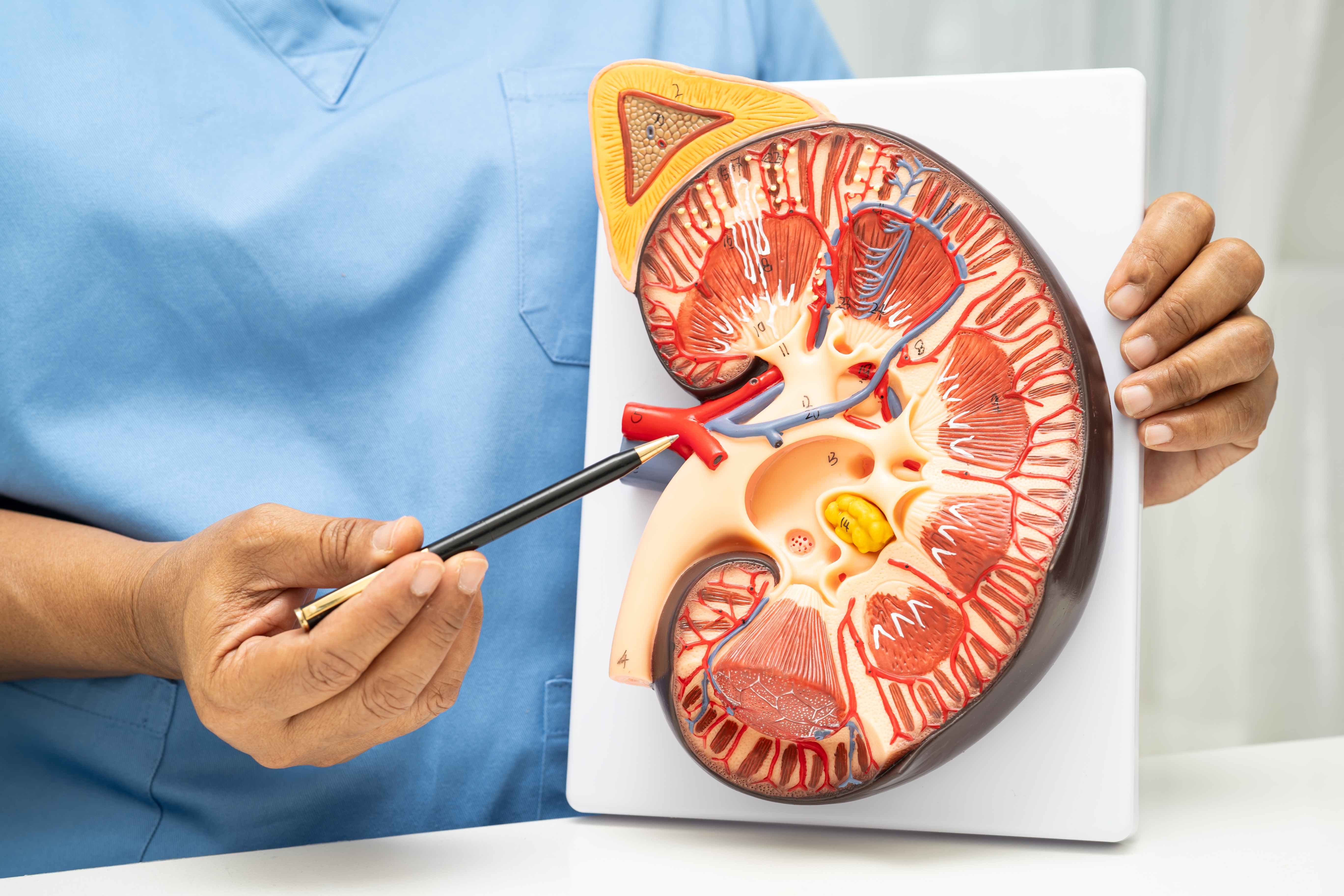
Course Description: The purpose of this course is to enable the participants to get an in-depth understanding of chronic kidney disease, review its staging, and understand the relationship with its main comorbidities and how these comorbidities affect patient outcomes.We will also review the management of patients with chronic kidney disease. The learner will garner a better...

Contact Hour(s): 

4 Contact Hours, including 4 Advanced Pharmacology Hours

Author:

Berthina Coleman, MD, BSN, RN

This peer-reviewed course is applicable for the following professions:

Advanced Practice Registered Nurse (APRN), Certified Nurse Practitioner, Certified Registered Nurse Anesthetist (CRNA), Clinical Nurse Specialist (CNS), Licensed Practical Nurse (LPN), Licensed Vocational Nurses (LVN), Midwife (MW), Nursing Student, Registered Nurse (RN), Registered Nurse Practitioner

Accreditations: 

The American Nurses Credentialing Center (ANCC)

State Approvals:

Alabama, Provider #ABNP1485; California BRN Provider #CEP # 13509; Kentucky Board of Nursing Provider #7-0085; Florida Board of Nursing Provider 50-353

Course Description:

The purpose of this course is to enable the participants to get an in-depth understanding of chronic kidney disease, review its staging, and understand the relationship with its main comorbidities and how these comorbidities affect patient outcomes.

We will also review the management of patients with chronic kidney disease. The learner will garner a better understanding of how to manage complications occurring during dialysis, better comprehend the pharmacokinetics and pharmacodynamics in patients with CKD, and finally, a brief review of the role that nurses (both dialysis and non-dialysis nurses) play in caring for patients with chronic kidney disease.

Outcomes

≥ 92% of participants will know how to stage and manage chronic kidney disease.

Objectives

After completing this continuing education course, the participant will be able to:

  1. Define Chronic Kidney Disease.
  2. Outline the staging of chronic kidney disease.
  3. Identify the gold standard for the treatment of end-stage renal failure.
  4. Identify the two main comorbidities associated with chronic kidney disease.
  5. Categorize the etiology and treatment of intradialytic hypotension.
  6. Relate the three causes of allergic reactions to dialyzers.
  7. Explain the cause of dialysis disequilibrium syndrome.

Disclosures:

CEUFast Inc. and the course planning team for this educational activity do not have any relevant financial relationship(s) to disclose with ineligible companies whose primary business is producing, marketing, selling, re-selling, or distributing healthcare products used by or on patients.

Type: OnlineCourse Code: 20-1358327 Duration: 0 minutes

Online course 1 hours

Hours
1 hours
Code
20-1358327
Duration
0 minutes
Course Description: This course discusses practical, evidence-based knowledge to assess, diagnose, and manage common dermatologic conditions affecting patients across all ages. Topics include lesion assessment and classification, pediatric conditions (e.g., diaper dermatitis, impetigo), adult presentations (e.g., acne, psoriasis, cellulitis), and geriatric concerns (e.g., ac...

Contact Hour:  

1 Contact Hour, including 1 Pharmacology Hour 

Author: 

Oniel D. Laucella (APRN, RN, AGPCNP-BC, APHN-BC, CWP, CPAHA)

This peer-reviewed course is applicable for the following professions: 

Advanced Practice Registered Nurse (APRN), Athletic Trainer (AT/AL), Certified Nurse Midwife, Certified Nurse Practitioner, Certified Registered Nurse Anesthetist (CRNA), Certified Registered Nurse Practitioner, Clinical Nurse Specialist (CNS), Licensed Practical Nurse (LPN), Licensed Vocational Nurses (LVN), Midwife (MW), Nursing Student, Occupational Therapist (OT), Occupational Therapist Assistant (OTA), Physical Therapist (PT), Physical Therapist Assistant (PTA), Registered Nurse (RN), Registered Nurse Practitioner, Respiratory Therapist (RT)

Accreditations:  

The American Nurses Credentialing Center (ANCC), Board of Certification for Athletic Trainers (BOC)

State Approvals:

Alabama, Provider #ABNP1485; California BRN Provider #CEP # 13509; Kentucky Board of Nursing Provider #7-0085; Florida Board of Nursing Provider 50-353; New York State Education Department’s State Board for Physical Therapy

Course Description: 

This course discusses practical, evidence-based knowledge to assess, diagnose, and manage common dermatologic conditions affecting patients across all ages. Topics include lesion assessment and classification, pediatric conditions (e.g., diaper dermatitis, impetigo), adult presentations (e.g., acne, psoriasis, cellulitis), and geriatric concerns (e.g., actinic keratosis, shingles). Case studies and clinical scenarios are used to enhance diagnostic skills, treatment planning, and patient education.

Outcomes: 

≥ 92% of participants will know how to recognize and manage common skin conditions.

Objectives: 

After completing this continuing education course, the participant will be able to: 

  1. Distinguish between skin conditions affecting different populations (pediatric and adult patients).
  1. Describe the clinical features of common dermatologic disorders.
  1. Summarize the diagnostic characteristics of common dermatologic disorders.
  1. Outline evidence-based treatment strategies for common skin conditions.
  1. Identify potential complications or comorbid conditions related to dermatologic disorders.

Disclosures: 

CEUFast Inc. and the course planning team for this educational activity do not have any relevant financial relationship(s) to disclose with ineligible companies whose primary business is producing, marketing, selling, re-selling, or distributing healthcare products used by or on patients. 


Type: OnlineCourse Code: 20-814846 Duration: 0 minutes

Online course 2 hours

Hours
2 hours
Code
20-814846
Duration
0 minutes
Course Description: Depression is a prevalent and disabling disease. This course prepares health professionals to identify depression, educate, monitor, and refer patients to appropriate healthcare services to assist patients in managing their depression.

Contact Hours:  

2 Contact Hours, including 2 Advanced Pharmacology Hours  

Author:  

 Raymond Lengel (MSN, FNP-BC, RN) 

This peer-reviewed course is applicable for the following professions:

Advanced Practice Registered Nurse (APRN), Athletic Trainer (AT/AL), Certified Nurse Midwife, Certified Nurse Practitioner, Certified Registered Nurse Anesthetist (CRNA), Clinical Nurse Specialist (CNS), Licensed Practical Nurse (LPN), Licensed Vocational Nurses (LVN), Midwife (MW), Nursing Student, Occupational Therapist (OT), Occupational Therapist Assistant (OTA), Physical Therapist (PT), Physical Therapist Assistant (PTA), Registered Nurse (RN), Registered Nurse Practitioner  


Accreditations: 

The American Nurses Credentialing Center (ANCC), The American Occupational Therapy Association (AOTA), Board of Certification for Athletic Trainers (BOC)

State Approvals:

Alabama, Provider #ABNP1485; California BRN Provider #CEP # 13509; Florida Physical Therapy Association Approval: CE26-810726; Kentucky Board of Nursing Provider #7-0085; Florida Board of Nursing Provider 50-353; Nevada Board of Physical Therapy; New York State Education Department’s State Board for Physical Therapy


Course Description:  

Depression is a prevalent and disabling disease. This course prepares health professionals to identify depression, educate, monitor, and refer patients to appropriate healthcare services to assist patients in managing their depression. 


 Outcomes:  

≥ 92% of participants will report an increase in knowledge regarding assessing and managing depression. 

Objectives:  

After completing this continuing education course, the participant will be able to:  

  1. 1. Describe the prevalence and comorbidities associated with depression. 

  1. 2. List four risk factors for depression. 

  1. 3. Distinguish diagnostic features of major depression. 

  1. 4. List four non-pharmacological interventions and state their role in the management of depression. 

  1. 5. Outline the safety and efficacy of different antidepressant medications. 


Disclosures:  

CEUFast Inc. and the course planning team for this educational activity do not have any relevant financial relationship(s) to disclose with ineligible companies whose primary business is producing, marketing, selling, re-selling, or distributing healthcare products used by or on patients.  


Type: OnlineCourse Code: 20-1124138 Duration: 0 minutes

Online course 2 hours

Hours
2 hours
Code
20-1124138
Duration
0 minutes
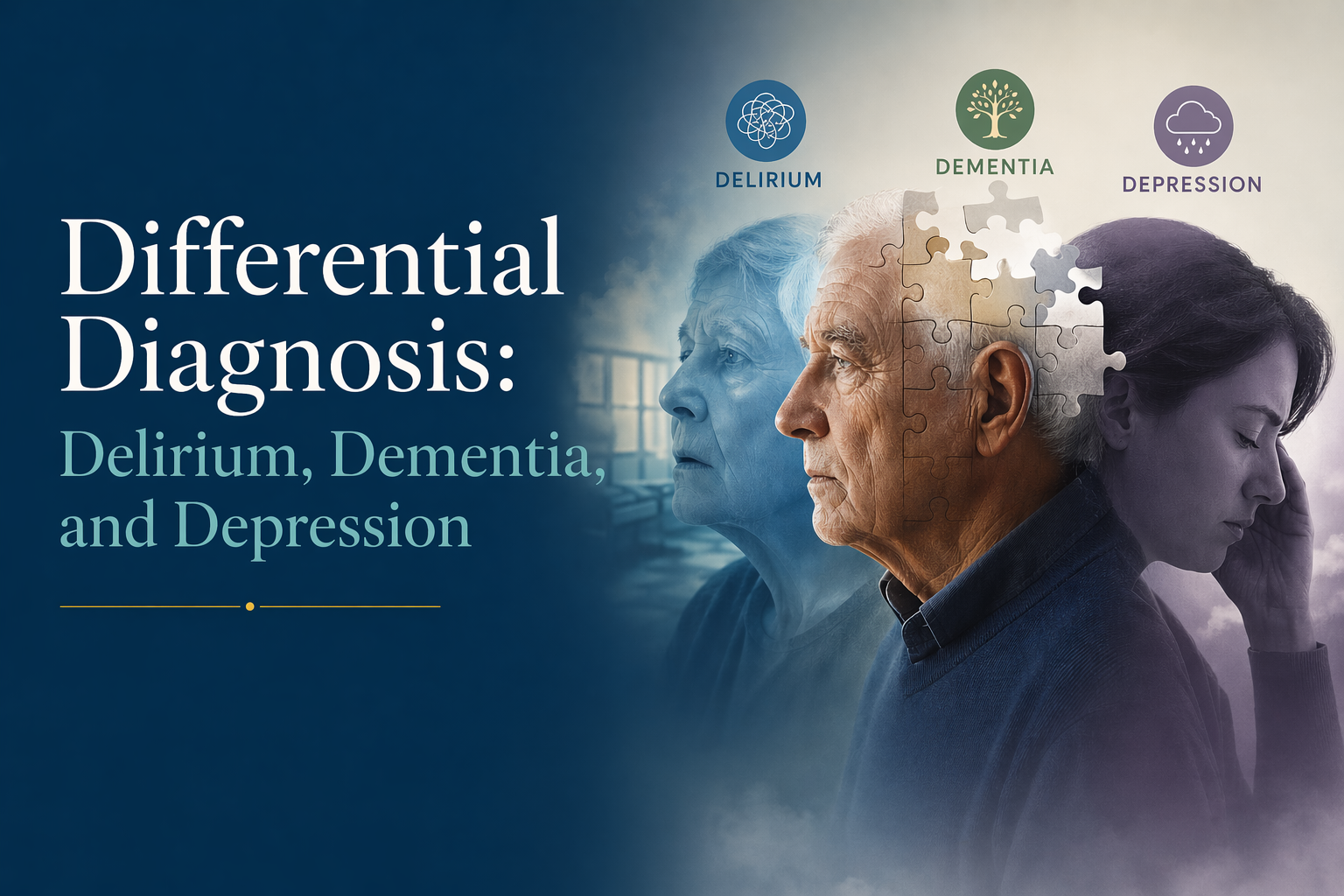
Course Description: Differential diagnosis of delirium, dementia, and depression is challenging because the presentations of each condition may have overlapping symptoms. However, accurate diagnosis leads to improved outcomes for individuals and their family members. The purpose of this course is to present epidemiological factors, characteristics, screening tools, diagnos...

Contact Hour(s): 

2 Contact Hours, including 2 Pharmacology Hours

Author:

Lisa Onega, PhD, RN, MBA, FNP-BC, PMHNP-BC, GNP-BC, CNS-BC

This peer-reviewed course is applicable for the following professions:

Advanced Practice Registered Nurse (APRN), Certified Nurse Midwife, Certified Nurse Practitioner, Certified Registered Nurse Practitioner, Clinical Nurse Specialist (CNS), Licensed Practical Nurse (LPN), Licensed Vocational Nurses (LVN), Midwife (MW), Nursing Student, Occupational Therapist (OT), Occupational Therapist Assistant (OTA), Physical Therapist (PT), Physical Therapist Assistant (PTA), Registered Nurse (RN)

Accreditations: 

The American Nurses Credentialing Center (ANCC), The American Occupational Therapy Association (AOTA)

State Approvals:

Alabama, Provider #ABNP1485; California BRN Provider #CEP # 13509; Florida Physical Therapy Association Approval: CE26-1124126; Kentucky Board of Nursing Provider #7-0085; Florida Board of Nursing Provider 50-353; Nevada Board of Physical Therapy; New York State Education Department’s State Board for Physical Therapy

Course Description:

Differential diagnosis of delirium, dementia, and depression is challenging because the presentations of each condition may have overlapping symptoms.  However, accurate diagnosis leads to improved outcomes for individuals and their family members.  The purpose of this course is to present epidemiological factors, characteristics, screening tools, diagnosis, and pharmacological and nonpharmacological treatment for each condition, along with considerations and guidelines to aid in differential diagnosis.  The information will then be applied to determine the diagnosis of an 84-year-old woman, who displays some symptoms associated with each condition.

Outcomes:

≥ 92% of participants will be able to differentiate between presentations of delirium, dementia, and depression in older adults.

Objectives:

After completing this continuing education course, the participant will be able to:

  1. Discuss epidemiological factors associated with delirium, dementia, and depression.
  2. Examine the characteristics of the presentations for each condition.
  3. Identify common screening tools that can be used for each condition.
  4. Discuss diagnostic criteria for delirium, dementia, and depression.
  5. Analyze pharmacological and nonpharmacological treatment for each condition.
  6. Determine considerations and guidelines for differential diagnosis.
  7. Apply principles of differential diagnosis to a case.

Disclosures:

CEUFast Inc. and the course planning team for this educational activity do not have any relevant financial relationship(s) to disclose with ineligible companies whose primary business is producing, marketing, selling, re-selling, or distributing healthcare products used by or on patients.

Type: OnlineCourse Code: 20-1079344 Duration: 0 minutes

Online course 2 hours

Hours
2 hours
Code
20-1079344
Duration
0 minutes
Course Description: At the end of the course, the learner will be able to explain the difference between each of the eating disorder diagnosis, explain causes for the disorders, identify screening tools for assessment, and the clinical features often found with these disorders. The learner will also be able to discuss various medical complications and treatment options avail...

Contact Hour(s): 

2 Contact Hours including 2 Advanced Pharmacology Hours

Author: 

Heather Rhodes, APRN-BC

This peer-reviewed course is applicable for the following professions:

Advanced Practice Registered Nurse (APRN), Athletic Trainer (AT/AL), Clinical Nurse Specialist (CNS), Dietetic Technicians, Registered (DTR), Dietitian/Nutritionist (RDN), Licensed Practical Nurse (LPN), Licensed Vocational Nurses (LVN), Nursing Student, Occupational Therapist (OT), Occupational Therapist Assistant (OTA), Physical Therapist (PT), Physical Therapist Assistant (PTA), Registered Nurse (RN)

Accreditations: 

The American Nurses Credentialing Center (ANCC), The American Occupational Therapy Association (AOTA), Board of Certification for Athletic Trainers (BOC)

State Approvals:

 Alabama, Provider #ABNP1485; California BRN Provider #CEP # 13509; Florida Physical Therapy Association Approval: CE26-1079336; Kentucky Board of Nursing Provider #7-0085; Florida Board of Nursing Provider 50-353; New York State Education Department’s State Board for Physical Therapy  

Course Description: 

At the end of the course, the learner will be able to explain the difference between each of the eating disorder diagnosis, explain causes for the disorders, identify screening tools for assessment, and the clinical features often found with these disorders. The learner will also be able to discuss various medical complications and treatment options available. Criteria for hospitalization and refeeding syndrome in anorexia nervosa are briefly addressed.

Outcomes: 

≥ 92% of participants will understand the six forms, screening tools, and available treatment options for eating disorders.

Objectives: 

After completing this continuing education course, the participant will be able to:

  1. Differentiate between each of the eating disorder diagnoses.
  2. Explain the possible causes for eating disorders.
  3. Identify the screening tools for assessment for eating disorders.
  4. Interpret the clinical features often found with eating disorders.
  5. Determine various medical complications associated with eating disorders.
  6. Outline the treatment options available for eating disorders.

Disclosures: 

CEUFast Inc. and the course planning team for this educational activity do not have any relevant financial relationship(s) to disclose with ineligible companies whose primary business is producing, marketing, selling, re-selling, or distributing healthcare products used by or on patients. 

Type: OnlineCourse Code: 20-916448 Duration: 0 minutes

Online course 1 Contact hours

Hours
1 Contact hours
Code
20-916448
Duration
0 minutes
Course Description: This course discusses respiratory illnesses as a major cause of sickness and healthcare utilization in children. In the vulnerable pediatric population, these illnesses can rapidly progress from mild to life-threatening. Healthcare providers must have the knowledge and skills to accurately assess and differentiate between various respiratory conditions to...

Contact Hour(s):  

1 Contact Hour including 1 Advanced Pharmacology Hour 

Author: 

Alyssa King, DNP, APRN, CPNP-PC, PMHNP-BC, PMH-C, CLC, CNE

Julia Tortorice, RN, MBA, MSN, EdD., NEA-BC

This peer-reviewed course is applicable for the following professions: 

Advanced Practice Registered Nurse (APRN), Certified Registered Nurse Anesthetist (CRNA), Clinical Nurse Specialist (CNS), Licensed Practical Nurse (LPN), Licensed Vocational Nurses (LVN), Nursing Student, Registered Nurse (RN), Respiratory Care Practitioner, Respiratory Therapist (RT) 

Accreditations:  

The American Nurses Credentialing Center (ANCC)

State Approvals:  

 Alabama, Provider #ABNP1485; California BRN Provider #CEP # 13509; Kentucky Board of Nursing Provider #7-0085; Florida Board of Nursing Provider 50-353

Course Description: 

This course discusses respiratory illnesses as a major cause of sickness and healthcare utilization in children. In the vulnerable pediatric population, these illnesses can rapidly progress from mild to life-threatening. Healthcare providers must have the knowledge and skills to accurately assess and differentiate between various respiratory conditions to provide timely intervention and treatment. It is vital clinicians provide patients and caregivers with comprehensive and clear education regarding the treatment and prevention of respiratory illness. 

Outcomes: 

≥ 92% of participants will know how to identify and respond to Mpox cases. 

Objectives: 

Upon completion of this course, the learner will be able to: 

  1. Define Mpox. 
  2. Describe the process of Mpox transmission. 
  3. Differentiate between Mpox and other differential diagnoses. 
  4. Identify complications of Mpox. 
  5. Explain recommended treatment for Mpox. 

Disclosures: 

CEUFast Inc. and the course planning team for this educational activity do not have any relevant financial relationship(s) to disclose with ineligible companies whose primary business is producing, marketing, selling, re-selling, or distributing healthcare products used by or on patients. 


Type: OnlineCourse Code: 20-814878 Duration: 0 minutes

Online course 1 Contact hours

Hours
1 Contact hours
Code
20-814878
Duration
0 minutes
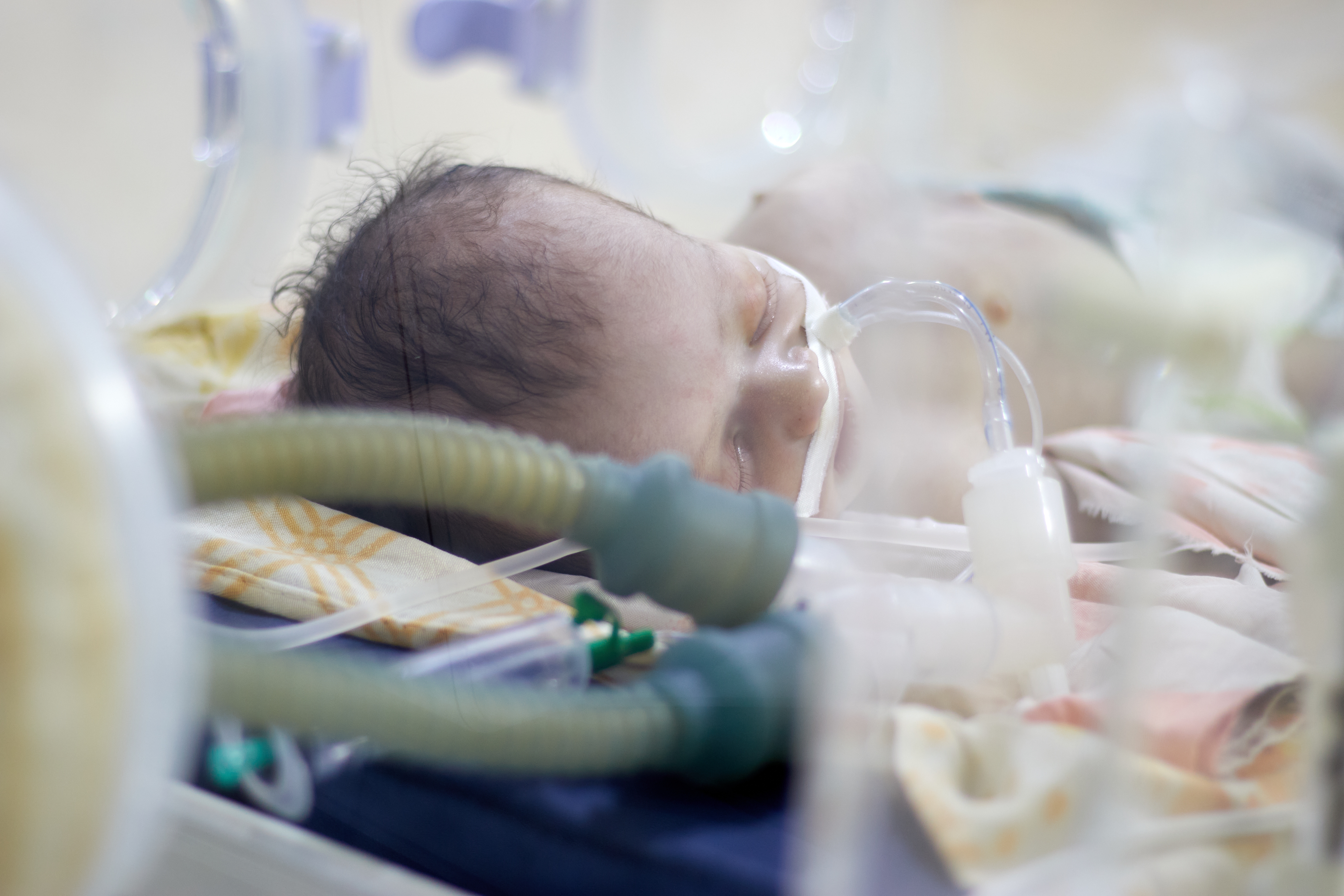
Course Description: This course discusses neonatal abstinence syndrome, including risk factors, treatment and management, clinical presentation, and prognosis of newborns with NAS.

Contact Hour(s): 

1 Contact Hour, including 1 Advanced Pharmacology Hour

Author:

Annelies Wood, MSN, RNC, WHNP-BC

This peer-reviewed course is applicable for the following professions: 

Advanced Practice Registered Nurse (APRN), Certified Nurse Midwife, Certified Nurse Practitioner, Certified Registered Nurse Practitioner, Clinical Nurse Specialist (CNS), Licensed Practical Nurse (LPN), Licensed Vocational Nurses (LVN), Midwife (MW), Nursing Student, Occupational Therapist (OT), Occupational Therapist Assistant (OTA), Physical Therapist (PT), Physical Therapist Assistant (PTA), Registered Nurse (RN), Registered Nurse Practitioner

Accreditations: 

The American Nurses Credentialing Center (ANCC), The American Occupational Therapy Association (AOTA), 

State Approvals:  

 Alabama, Provider #ABNP1485; California BRN Provider #CEP # 13509; Kentucky Board of Nursing Provider #7-0085; Florida Board of Nursing Provider 50-353; Nevada Board of Physical Therapy; New York State Education Department’s State Board for Physical Therapy;  

Course Description:

This course discusses neonatal abstinence syndrome, including risk factors, treatment and management, clinical presentation, and prognosis of newborns with NAS.

Outcomes:

≥ 92% of participants will know how to care for a newborn with neonatal abstinence syndrome (NAS).

Objectives:

After completing this continuing education course, the participant will be able to:

  1. Summarize the prevalence of neonatal abstinence syndrome (NAS) in the United States.
  2. Outline the pathophysiology and prognosis of infants with NAS.
  3. Identify the clinical presentation and signs and symptoms associated with NAS.
  4. Analyze care and management strategies for NAS.
  5. Describe important education points for families and caregivers and methods to identify, prevent, and reduce the risk and incidence of NAS.

Disclosures:

CEUFast Inc. and the course planning team for this educational activity do not have any relevant financial relationship(s) to disclose with ineligible companies whose primary business is producing, marketing, selling, re-selling, or distributing healthcare products used by or on patients.


Type: OnlineCourse Code: 20-772157 Duration: 0 minutes

Online course 2 Contact hours

Hours
2 Contact hours
Code
20-772157
Duration
0 minutes
Course Description: This course discusses fetal cardiac development and circulation, how to perform a thorough cardiac examination, which hereditary diseases are commonly associated with specific congenital heart diseases, acyanotic and cyanotic cardiac lesions, and the treatment modalities utilized for these cardiac lesions.

Contact Hour(s): 

2 Contact Hours including 2 Advanced Pharmacology Hours

Author:

Kelly LaMonica, DNP(c), MSN, RNC-OB, EFM

This peer-reviewed course is applicable for the following professions: 

Advanced Practice Registered Nurse (APRN), CCI Credentialed Specialists, Certified Nurse Midwife, Certified Nurse Practitioner, Clinical Nurse Specialist (CNS), Licensed Practical Nurse (LPN), Licensed Vocational Nurses (LVN), Midwife (MW), Nursing Student, Occupational Therapist (OT), Occupational Therapist Assistant (OTA), Physical Therapist (PT), Physical Therapist Assistant (PTA), Registered Nurse (RN), Registered Nurse Practitioner

Accreditations: 

The American Nurses Credentialing Center (ANCC), The American Occupational Therapy Association (AOTA)

State Approvals: 

 Alabama, Provider #ABNP1485; California BRN Provider #CEP # 13509; Kentucky Board of Nursing Provider #7-0085; Florida Board of Nursing Provider 50-353; Nevada Board of Physical Therapy; New York State Education Department’s State Board for Physical Therapy  

Course Description:

This course discusses fetal cardiac development and circulation, how to perform a thorough cardiac examination, which hereditary diseases are commonly associated with specific congenital heart diseases, acyanotic and cyanotic cardiac lesions, and the treatment modalities utilized for these cardiac lesions.

Outcomes:

≥ 92% of participants will know how to perform a neonatal cardiac assessment.

Objectives:

After completing this continuing education course, the participant will be able to:

  1. Describe cardiac development and fetal circulation.
  2. Identify hereditary diseases in which congenital heart disease is a frequent finding.
  3. Explain the components of a cardiac physical examination.
  4. Examine the acyanotic and cyanotic cardiac defects.
  5. Determine the methods of treatment for cyanotic cardiac defects.

Disclosures:

CEUFast Inc. and the course planning team for this educational activity do not have any relevant financial relationship(s) to disclose with ineligible companies whose primary business is producing, marketing, selling, re-selling, or distributing healthcare products used by or on patients.


Type: OnlineCourse Code: 20-772161 Duration: 0 minutes

Online course 2 Contact hours

Hours
2 Contact hours
Code
20-772161
Duration
0 minutes
Course Description: This course discusses neonatal infections, including maternal risk factors and common organisms responsible for infection. The course also reviews the presentation and signs and symptoms of various infections.

Contact Hour(s): 

2 Contact Hours, including 2 Advanced Pharmacology Hours

Author:

Kelly LaMonica, DNP(c), MSN, RNC-OB, EFM

This peer-reviewed course is applicable for the following professions

Advanced Practice Registered Nurse (APRN), Certified Nurse Midwife, Certified Nurse Practitioner, Certified Registered Nurse Practitioner, Clinical Nurse Specialist (CNS), Licensed Practical Nurse (LPN), Licensed Vocational Nurses (LVN), Midwife (MW), Nursing Student, Registered Nurse (RN), Registered Nurse Practitioner

Accreditations: 

The American Nurses Credentialing Center (ANCC)

State Approvals:

Alabama, Provider #ABNP1485; California BRN Provider #CEP # 13509; Kentucky Board of Nursing Provider #7-0085; Florida Board of Nursing Provider 50-353

Course Description:

This course discusses neonatal infections, including maternal risk factors and common organisms responsible for infection. The course also reviews the presentation and signs and symptoms of various infections.

Outcomes:

≥ 92% of participants will know how to provide evidence-based care to neonates with an infection.

Objectives:

After completing this continuing education course, the participant will be able to:

  1. Identify maternal risk factors associated with neonatal infections.
  2. Summarize the common organisms responsible for neonatal infections.
  3. Differentiate between types of infections and clinical presentations seen in infants with sepsis.
  4. Describe the initial management of neonatal sepsis.
  5. Compare organisms that can cause congenital infections.


Disclosures:

CEUFast Inc. and the course planning team for this educational activity do not have any relevant financial relationship(s) to disclose with ineligible companies whose primary business is producing, marketing, selling, re-selling, or distributing healthcare products used by or on patients.



Type: OnlineCourse Code: 20-988350 Duration: 0 minutes

Online course 2 Contact hours

Hours
2 Contact hours
Code
20-988350
Duration
0 minutes
Course Description: This course discusses respiratory illnesses as a major cause of sickness and healthcare utilization in children. In the vulnerable pediatric population, these illnesses can rapidly progress from mild to life-threatening. Healthcare providers must have the knowledge and skills to accurately assess and differentiate between various respiratory conditions to...

Contact Hour(s): 

2 Contact Hours including 2 Advanced Pharmacology Hours

Author: 

Katrina Pfeiffer, RN, MSN, CPN

This peer-reviewed course is applicable for the following professions: 

Advanced Practice Registered Nurse (APRN), Certified Registered Nurse Anesthetist (CRNA), Clinical Nurse Specialist (CNS), Licensed Practical Nurse (LPN), Licensed Vocational Nurses (LVN), Nursing Student, Registered Nurse (RN), Respiratory Therapist (RT)

Accreditations: 

The American Nurses Credentialing Center (ANCC)

State Approvals: 

Alabama, Provider #ABNP1485; California BRN Provider #CEP # 13509; Kentucky Board of Nursing Provider #7-0085; Florida Board of Nursing Provider 50-353

Course Description: 

This course discusses respiratory illnesses as a major cause of sickness and healthcare utilization in children. In the vulnerable pediatric population, these illnesses can rapidly progress from mild to life-threatening. Healthcare providers must have the knowledge and skills to accurately assess and differentiate between various respiratory conditions to provide timely intervention and treatment. It is vital clinicians provide patients and caregivers with comprehensive and clear education regarding the treatment and prevention of respiratory illness.

Outcomes: 

≥ 92% of participants will be able to identify common pediatric respiratory illnesses.

Objectives: 

After completing this continuing education course, the participant will be able to:

  1. Describe pediatric respiratory anatomy, physiology, and pathophysiology of pediatric respiratory illnesses.
  2. Differentiate between the signs and symptoms of common pediatric respiratory illnesses.
  3. Identify methods of definitive diagnosis for common pediatric respiratory illnesses.
  4. Describe clinical care and interventions for pediatric respiratory illnesses.
  5. Explain infection prevention methods for common pediatric respiratory illnesses.

Disclosures: 

CEUFast Inc. and the course planning team for this educational activity do not have any relevant financial relationship(s) to disclose with ineligible companies whose primary business is producing, marketing, selling, re-selling, or distributing healthcare products used by or on patients. 


Type: OnlineCourse Code: 20-1267729 Duration: 0 minutes

Online course 2 Contact hours

Hours
2 Contact hours
Code
20-1267729
Duration
0 minutes
Course Description: This course discusses risk factors, causes, assessment, and evidence-based treatment for postpartum hemorrhage. It also will discuss necessary follow-up care and care that is necessary for family members and caregivers of patients with postpartum hemorrhage.

Contact Hour(s): 

2 Contact Hours including 2 Advanced Pharmacology Hours

Author:

Kelly LaMonica, DNP(c), MSN, RNC-OB, EFM

This peer-reviewed course is applicable for the following professions: 

Advanced Practice Registered Nurse (APRN), Certified Nurse Midwife, Certified Nurse Practitioner, Clinical Nurse Specialist (CNS), Licensed Practical Nurse (LPN), Licensed Vocational Nurses (LVN), Midwife (MW), Nursing Student, Registered Nurse (RN), Registered Nurse Practitioner

Accreditations: 

The American Nurses Credentialing Center (ANCC)

State Approvals:  

 Alabama, Provider #ABNP1485; California BRN Provider #CEP # 13509; ; Kentucky Board of Nursing Provider #7-0085; Florida Board of Nursing Provider 50-353; 

Course Description:

This course discusses risk factors, causes, assessment, and evidence-based treatment for postpartum hemorrhage. It also will discuss necessary follow-up care and care that is necessary for family members and caregivers of patients with postpartum hemorrhage.

Outcomes:

≥ 92% of participants will know how to recognize and respond to a postpartum hemorrhage.

Objectives:

After completing this continuing education course, the participant will be able to:

  1. Define postpartum hemorrhage.
  2. List the risk factors for postpartum hemorrhage.
  3. Assess for postpartum hemorrhage risk.
  4. Interpret the methods to identify postpartum hemorrhage.
  5. Identify how to care for women with postpartum hemorrhage.
  6. Explain the medications used to treat postpartum hemorrhage.
  7. Determine how to provide care for family members and caregivers following a postpartum hemorrhage.
  8. Describe the necessary follow-up care that women with postpartum hemorrhage require.

Disclosures:

CEUFast Inc. and the course planning team for this educational activity do not have any relevant financial relationship(s) to disclose with ineligible companies whose primary business is producing, marketing, selling, re-selling, or distributing healthcare products used by or on patients.

Type: OnlineCourse Code: 20-1334013 Duration: 0 minutes

Online course 1 Contact hours

Hours
1 Contact hours
Code
20-1334013
Duration
0 minutes
Course Description: This course discusses the signs and symptoms of postural orthostatic tachycardia syndrome (POTS), diagnosis, differential diagnosis, pathophysiology of the disorder, and pharmacologic and non-pharmacologic treatment strategies.

Contact Hour(s): 

1 Contact Hour, including 1 Pharmacology Hour

Author:

Cindy Endicott, PT, DPT, FAAOMPT, ATC, Cert Dn

This peer-reviewed course is applicable for the following professions:

Advanced Practice Registered Nurse (APRN), Athletic Trainer (AT/AL), CCI Credentialed Specialists, Certified Nurse Midwife, Certified Nurse Practitioner, Certified Registered Nurse Anesthetist (CRNA), Certified Registered Nurse Practitioner, Clinical Nurse Specialist (CNS), Licensed Practical Nurse (LPN), Licensed Vocational Nurses (LVN), Midwife (MW), Nursing Student, Occupational Therapist (OT), Occupational Therapist Assistant (OTA), Physical Therapist (PT), Physical Therapist Assistant (PTA), Registered Nurse (RN), Registered Nurse Practitioner

Accreditations: 

The American Nurses Credentialing Center (ANCC), The American Occupational Therapy Association (AOTA), Board of Certification for Athletic Trainers (BOC)

State Approvals:

Alabama, Provider #ABNP1485; California BRN Provider #CEP # 13509; Florida Physical Therapy Association Approval: CE26-1334013; Kentucky Board of Nursing Provider #7-0085; Florida Board of Nursing Provider 50-353; Kentucky Board of Licensure for Occupational Therapy; Nevada Board of Physical Therapy; New York State Education Department’s State Board for Physical Therapy

Course Description:

This course discusses the signs and symptoms of postural orthostatic tachycardia syndrome (POTS), diagnosis, differential diagnosis, pathophysiology of the disorder, and pharmacologic and non-pharmacologic treatment strategies.

Outcomes:

≥ 92% of participants will know the signs and symptoms of postural orthostatic tachycardia syndrome (POTS), how it is diagnosed, and the treatment options available to patients.

Objectives:

After completing this continuing education course, the participant will be able to:

  1. Recognize at least two hallmark signs and symptoms experienced by a person with postural orthostatic tachycardia syndrome (POTS).
  2. Evaluate the differences in compensation between a healthy person and someone with POTS.
  3. Outline the clinical diagnostic process of POTS.
  4. Formulate a non-pharmacological treatment plan for a patient with POTS utilizing exercise, dietary, and behavioral modification strategies.
  5. Elaborate on pharmacological treatments for POTS.


Disclosures:

CEUFast Inc. and the course planning team for this educational activity do not have any relevant financial relationship(s) to disclose with ineligible companies whose primary business is producing, marketing, selling, re-selling, or distributing healthcare products used by or on patients.


Type: OnlineCourse Code: 20-772183 Duration: 0 minutes

Online course 1.5 Contact hours

Hours
1.5 Contact hours
Code
20-772183
Duration
0 minutes
Course Description: This course discusses what preeclampsia is, how to recognize it, and how to care for patients with preeclampsia.

Contact Hour(s): 

1.5 Contact Hours including 1.5 Pharmacology Hours

Author:

Kelly LaMonica, DNP(c), MSN, RNC-OB, EFM

This peer-reviewed course is applicable for the following professions: 

Advanced Practice Registered Nurse (APRN), Certified Nurse Midwife, Certified Nurse Practitioner, Certified Registered Nurse Anesthetist (CRNA), Clinical Nurse Specialist (CNS), Licensed Practical Nurse (LPN), Licensed Vocational Nurses (LVN), Midwife (MW), Nursing Student, Registered Nurse (RN), Registered Nurse Practitioner

Accreditations: 

The American Nurses Credentialing Center (ANCC)

State Approvals:  

 Alabama, Provider #ABNP1485; California BRN Provider #CEP # 13509; Kentucky Board of Nursing Provider #7-0085; Florida Board of Nursing Provider 50-353

Course Description:

This course discusses what preeclampsia is, how to recognize it, and how to care for patients with preeclampsia.

Outcomes:

≥ 92% of participants will know about preeclampsia.

Objectives:

After completing this continuing education course, the participant will be able to:

  1. Define preeclampsia.
  2. List the risk factors for preeclampsia.
  3. Generate a plan of care for patients with preeclampsia.
  4. Identify the medications used to treat preeclampsia.
  5. State the risks of preeclampsia to the woman and the fetus.
  6. Determine the long-term consequences of preeclampsia.
  7. Describe the follow-up care that women with preeclampsia need.

Disclosures:

CEUFast Inc. and the course planning team for this educational activity do not have any relevant financial relationship(s) to disclose with ineligible companies whose primary business is producing, marketing, selling, re-selling, or distributing healthcare products used by or on patients.


Type: OnlineCourse Code: 20-1317992 Duration: 0 minutes

Online course 2 hours

Hours
2 hours
Code
20-1317992
Duration
0 minutes
Course Description: This course discusses antipsychotic medications, including their mechanisms of action, receptor targets, and clinical indications across various psychiatric conditions such as anxiety, depression, attention deficit hyperactivity disorder, schizophrenia, bipolar disorder, and psychosis. Participants will gain insight into standard dosing guidelines and rou...

Contact Hour(s): 

2 Contact Hours including 2 Advanced Pharmacology Hours

Author:

Mariya Rizwan, PharmD

This peer-reviewed course is applicable for the following professions: 

Advanced Practice Registered Nurse (APRN), Certified Nurse Midwife, Certified Nurse Practitioner, Certified Registered Nurse Anesthetist (CRNA), Certified Registered Nurse Practitioner, Clinical Nurse Specialist (CNS), Licensed Practical Nurse (LPN), Licensed Vocational Nurses (LVN), Midwife (MW), Nursing Student, Registered Nurse (RN), Registered Nurse Practitioner

Accreditations: 

The American Nurses Credentialing Center (ANCC)

State Approvals:  

 Alabama, Provider #ABNP1485; California BRN Provider #CEP # 13509; Kentucky Board of Nursing Provider #7-0085; Florida Board of Nursing Provider 50-353

Course Description:

This course discusses antipsychotic medications, including their mechanisms of action, receptor targets, and clinical indications across various psychiatric conditions such as anxiety, depression, attention deficit hyperactivity disorder, schizophrenia, bipolar disorder, and psychosis. Participants will gain insight into standard dosing guidelines and routes of administration to optimize therapeutic outcomes. Special considerations for prescribing in older adults, individuals with hepatic or renal impairment, and during pregnancy and breastfeeding will be discussed to ensure safe and effective treatment. The course also covers common and serious side effects of antipsychotic medications, along with crucial safety precautions and contraindications.

Outcomes:

≥ 92% of participants will know about psychopharmacology and medications used for mental health conditions.

Objectives:

After completing this continuing education course, the participant will be able to:

  1. Describe the mechanisms of action of various psychopharmacological medications.
  2. List the available medicinal forms of psychopharmacological medications and their clinical uses.
  3. Outline standard doses and routes for psychopharmacological medications.
  4. Summarize contraindications and cautions when prescribing psychopharmacological medications.
  5. Identify the side effects of psychopharmacological medications.

Disclosures:

CEUFast Inc. and the course planning team for this educational activity do not have any relevant financial relationship(s) to disclose with ineligible companies whose primary business is producing, marketing, selling, re-selling, or distributing healthcare products used by or on patients.

Type: OnlineCourse Code: 20-910348 Duration: 0 minutes

Online course 2.5 Contact hours

Hours
2.5 Contact hours
Code
20-910348
Duration
0 minutes
Course Description: This course discusses the more common and important causes of traumatic spinal cord disorders. This course will consist of the risk factors, clinical presentation, diagnosis, treatment, and prognostic outcomes of traumatic spinal cord injuries and conditions.

Contact Hour(s): 

2.5 Contact Hours including 2.5 Advanced Pharmacology Hours

Author: 

Desiree Reinken, PhD, APRN, NP-C

This peer-reviewed course is applicable for the following professions: 

Advanced Practice Registered Nurse (APRN), Athletic Trainer (AT/AL), Certified Nurse Practitioner, Certified Registered Nurse Anesthetist (CRNA), Clinical Nurse Specialist (CNS), Licensed Practical Nurse (LPN), Licensed Vocational Nurses (LVN), Midwife (MW), Nursing Student, Occupational Therapist (OT), Occupational Therapist Assistant (OTA), Physical Therapist (PT), Physical Therapist Assistant (PTA), Registered Nurse (RN), Registered Nurse Practitioner

Accreditations: 

The American Nurses Credentialing Center (ANCC), The American Occupational Therapy Association (AOTA), Board of Certification for Athletic Trainers (BOC)

State Approvals: 

Alabama, Provider #ABNP1485; California BRN Provider #CEP # 13509; Florida Physical Therapy Association Approval: CE24-910344, CE25-910344; Kentucky Board of Nursing Provider #7-0085; Florida Board of Nursing Provider 50-353; Nevada Board of Physical Therapy; New York State Education Department’s State Board for Physical Therapy  

Course Description: 

This course discusses the more common and important causes of traumatic spinal cord disorders. This course will consist of the risk factors, clinical presentation, diagnosis, treatment, and prognostic outcomes of traumatic spinal cord injuries and conditions.

Outcomes: 

≥ 92% of participants will know how to identify the most common causes of non-traumatic spinal cord injuries.

Objectives: 

Upon completion of this course, the participant will be able to:

  1. Explain the clinical assessment of a patient with suspected cauda equina.
  2. Compare and contrast the four regions of the spinal cord.
  3. Analyze the cross-sectional anatomy of the spinal cord.
  4. Identify types of vascular malformations of the spinal cord.
  5. Interpret differential diagnoses for various non-traumatic spinal cord dysfunctions.
  6. Determine symptoms of a spinal cord lesion based on location.

Disclosures: 

CEUFast Inc. and the course planning team for this educational activity do not have any relevant financial relationship(s) to disclose with ineligible companies whose primary business is producing, marketing, selling, re-selling, or distributing healthcare products used by or on patients. 



Type: OnlineCourse Code: 20-767443 Duration: 0 minutes

Online course 6 Contact hours

Hours
6 Contact hours
Code
20-767443
Duration
0 minutes
Course Description: This course offers suicide prevention training for healthcare professionals. Participants will learn how to screen, assess and manage suicidal thoughts, plans, and behaviors.

Contact Hour(s): 

6 Contact hours, including 6 Advanced Pharmacology Hours

Author:

Melissa Decapria, DNP, PMHNP-BC

This peer-reviewed course is applicable for the following professions:

Advanced Practice Registered Nurse (APRN), Certified Nurse Midwife, Certified Nurse Practitioner, Certified Registered Nurse Anesthetist (CRNA), Clinical Nurse Specialist (CNS), Licensed Practical Nurse (LPN), Licensed Vocational Nurses (LVN), Nursing Student, Occupational Therapist (OT), Occupational Therapist Assistant (OTA), Other, Physical Therapist (PT), Physical Therapist Assistant (PTA), Registered Nurse (RN), Registered Nurse Practitioner, Respiratory Care Practitioner, Respiratory Therapist (RT)

Accreditations:

The American Nurses Credentialing Center (ANCC)

State Approvals:

Alabama, Provider #ABNP1485; California BRN Provider #CEP # 13509; Florida Physical Therapy Association Approval: CE26-767443; Kentucky Board of Nursing Provider #7-0085; Florida Board of Nursing Provider 50-353; New York State Education Department’s State Board for Physical Therapy

Course Description:

This course offers suicide prevention training for healthcare professionals. Participants will learn how to screen, assess and manage suicidal thoughts, plans, and behaviors.

Outcomes:

≥ 92% of participants will know how to assess, treat, and manage suicidal thoughts, plans, and behaviors.

Objectives:

After completing this continuing education course, the participant will be able to:

  1. Recall terms that describe suicidal thinking and behavior.
  2. Define both suicide risk factors and protective factors.
  3. Differentiate suicide risk screening and assessments.
  4. Describe the current prevalence of suicide rates compared with other major causes of death.
  5. Identify the major risk factors for suicide.
  6. Differentiate between high-risk and low-risk characteristics.
  7. Define parasuicidality.
  8. Distinguish lethal means from self-injurious behaviors.
  9. Outline how to complete a comprehensive suicide assessment.
  10. Identify psychiatric signs and symptoms that increase a person's suicide risk.
  11. Describe the appropriate treatment and management of suicidal behaviors.
  12. Summarize how to determine the treatment setting following a suicide attempt or aborted suicide attempt.
  13. Recognize when and how to document suicidal thoughts, plans, and behaviors in order to mitigate risk and prevent malpractice lawsuits.
  14. Illustrate the increased need for suicide prevention in the veteran population.
  15. Relate non-pharmacological interventions' role in the management of depression.
  16. Discuss the safety and efficacy of different antidepressant medications.

Disclosures:

CEUFast Inc. and the course planning team for this educational activity do not have any relevant financial relationship(s) to disclose with ineligible companies whose primary business is producing, marketing, selling, re-selling, or distributing healthcare products used by or on patients.


Type: OnlineCourse Code: 20-1351453 Duration: 0 minutes

Online course 2 Contact hours

Hours
2 Contact hours
Code
20-1351453
Duration
0 minutes
Course Description: This course discusses the epidemiology, symptomatology, and treatment of tick-borne disease.

Contact Hour(s): 

2 Contact Hours, including 2 Advanced Pharmacology Hours

Author:

Heather Rhodes, APRN-BC

This peer-reviewed course is applicable for the following professions:

Advanced Practice Registered Nurse (APRN), Athletic Trainer (AT/AL), Certified Registered Nurse Anesthetist (CRNA), Clinical Nurse Specialist (CNS), Licensed Practical Nurse (LPN), Licensed Vocational Nurses (LVN), Midwife (MW), Nursing Student, Occupational Therapist (OT), Occupational Therapist Assistant (OTA), Physical Therapist (PT), Physical Therapist Assistant (PTA), Registered Nurse (RN), Respiratory Therapist (RT)

Accreditations: 

The American Nurses Credentialing Center (ANCC), The American Occupational Therapy Association (AOTA), Board of Certification for Athletic Trainers (BOC)

State Approvals:

Alabama, Provider #ABNP1485; California BRN Provider #CEP # 13509; Florida Physical Therapy Association Approval: CE26-; Kentucky Board of Nursing Provider #7-0085; Florida Board of Nursing Provider 50-353; Nevada Board of Physical Therapy; New York State Education Department’s State Board for Physical Therapy

Course Description:

This course discusses the epidemiology, symptomatology, and treatment of tick-borne disease.

Outcomes:

≥ 92% of participants will know how tick-borne disease is transmitted and understand the treatment of tick-borne diseases.

Objectives:

After completing this continuing education course, the participant will be able to:

  1. Describe the epidemiology of tick-borne disease.
  2. Describe ways to prevent tick-borne disease.
  3. Identify the symptomology of a tick-borne disease.
  4. Explain three common lab findings for tick-borne diseases.
  5. Summarize two treatment options for tick-borne disease.

Disclosures:

CEUFast Inc. and the course planning team for this educational activity do not have any relevant financial relationship(s) to disclose with ineligible companies whose primary business is producing, marketing, selling, re-selling, or distributing healthcare products used by or on patients.

Type: OnlineCourse Code: 20-1113158 Duration: 0 minutes

Online course 1 hours

Hours
1 hours
Code
20-1113158
Duration
0 minutes
Course Description: This course discusses various types and selections of wound dressings, provides an in-depth comparison of common products available in wound care for real-world applicability, and explains advanced therapies as well as the future of wound care.

Contact Hour(s): 

1 Contact Hour including 1 Advanced Pharmacology Hour 

Author:

Linda J. Cowan, PHD, ARNP, FNP-BC, CWS

Alyssa King, DNP, APRN, CPNP-PC, PMHNP-BC, PMH-C, CLC, CNE

This peer-reviewed course is applicable for the following professions: 

Advanced Practice Registered Nurse (APRN), Certified Nurse Practitioner, Licensed Practical Nurse (LPN), Licensed Vocational Nurses (LVN), Nursing Student, Occupational Therapist (OT), Occupational Therapist Assistant (OTA), Registered Nurse (RN), Registered Nurse Practitioner

Accreditations: 

The American Nurses Credentialing Center (ANCC), The American Occupational Therapy Association (AOTA)

State Approvals:  

Alabama, Provider #ABNP1485; California BRN Provider #CEP # 13509; Kentucky Board of Nursing Provider #7-0085; Florida Board of Nursing Provider 50-353

Course Description:

This course discusses various types and selections of wound dressings, provides an in-depth comparison of common products available in wound care for real-world applicability, and explains advanced therapies as well as the future of wound care.

Outcomes:

≥ 92% of participants will know what to use for dressing a wound.

Objectives:

After completing this continuing education course, the participant will be able to:

  1. Determine the use of appropriate dressings.
  2. Explain the use of compression dressings.
  3. Describe the use of composite dressings.
  4. Compare and contrast different types of wound dressings.
  5. Identify commonly used wound products.

Disclosures:

CEUFast Inc. and the course planning team for this educational activity do not have any relevant financial relationship(s) to disclose with ineligible companies whose primary business is producing, marketing, selling, re-selling, or distributing healthcare products used by or on patients.