

Nursing

Catalog

Browse eligible courses by profession.

Filter by
10 courses Catalog: Nursing
Type: Online Course Code: 20-1310035 Duration: 0 minutes Certificate: Available

Online Course 3 Contact hours

Hours
3 Contact hours
Code
20-1310035
Duration
0 minutes
Course Description: This course aims to present current and applicable information about breastfeeding and its challenges as well as to ensure that healthcare professionals have the tools they need to make a positive and lasting impact on promoting and protecting breastfeeding in a modern world. It will also cover exclusive pumping and the considerations involved, including ...

Contact Hour(s): 

3 Contact Hours

Author:

Alyssa King, DNP, APRN, CPNP-PC, PMHNP-BC, PMH-C, CLC, CNE

Sarah Schulze, MSN, APRN, CPNP, PMHS, CLC

Jacqueline Wynter, OTD, OTR/L

This peer-reviewed course is applicable for the following professions:

Advanced Practice Registered Nurse (APRN), Certified Nurse Midwife, Certified Nurse Practitioner, Clinical Nurse Specialist (CNS), Licensed Practical Nurse (LPN), Licensed Vocational Nurses (LVN), Midwife (MW), Nursing Student, Occupational Therapist (OT), Occupational Therapist Assistant (OTA), Registered Nurse (RN), Registered Nurse Practitioner

Accreditations: 

The American Nurses Credentialing Center (ANCC), The American Occupational Therapy Association (AOTA)

State Approvals:

Alabama, Provider #ABNP1485; California BRN Provider #CEP # 13509; Kentucky Board of Nursing Provider #7-0085; Florida Board of Nursing Provider 50-353

Course Description:

This course aims to present current and applicable information about breastfeeding and its challenges as well as to ensure that healthcare professionals have the tools they need to make a positive and lasting impact on promoting and protecting breastfeeding in a modern world. It will also cover exclusive pumping and the considerations involved, including breast pump equipment and breastmilk storage.

Course Outcome:

≥ 92% of participants will know how to provide accurate assessment, education, and recommendations to lactating patients to promote and protect breastfeeding.

Objectives:

After completing this continuing education course, the participant will be able to:

  1. Explain the benefits of breastfeeding regarding infant health and development, maternal health, and broader global benefits.
  2. Identify the goals, initiatives, and laws that aim to preserve and promote breastfeeding.
  3. Describe the components of Baby-Friendly status.
  4. Characterize the potential barriers to breastfeeding.
  5. Categorize patients who are most at risk of experiencing barriers to breastfeeding.
  6. Analyze the considerations that exist for mothers who are pumping versus feeding at the breast.
  7. Describe the guidelines for breastmilk storage.
  8. Summarize the physiology behind lactation at various stages of infant feeding.
  9. Outline how to assess infant positioning, latch, and signs of effective milk transfer.
  10. Formulate potential solutions for common problems encountered by breastfeeding mother-infant dyads.

Disclosures:

CEUFast Inc. and the course planning team for this educational activity do not have any relevant financial relationship(s) to disclose with ineligible companies whose primary business is producing, marketing, selling, re-selling, or distributing healthcare products used by or on patients.
Type: Online Course Code: 20-810178 Duration: 0 minutes Certificate: Available

Online Course 1 Contact hours

Hours
1 Contact hours
Code
20-810178
Duration
0 minutes
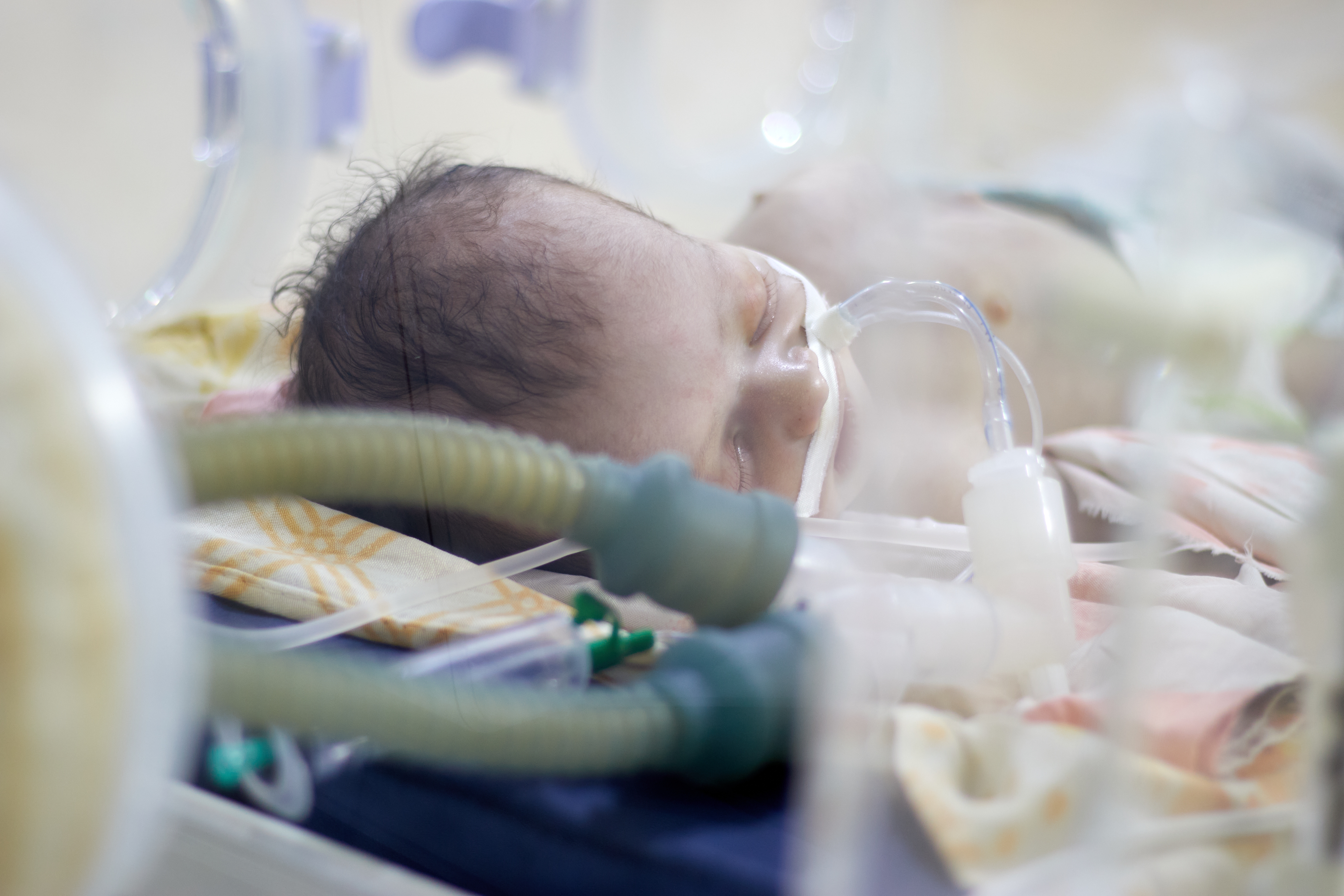
Course Description: This course discusses neonatal abstinence syndrome, including risk factors, treatment and management, clinical presentation, and prognosis of newborns with NAS.

Contact Hour(s): 

1 Contact Hour, including 1 Advanced Pharmacology Hour

Author:

Annelies Wood, MSN, RNC, WHNP-BC

This peer-reviewed course is applicable for the following professions: 

Advanced Practice Registered Nurse (APRN), Certified Nurse Midwife, Certified Nurse Practitioner, Certified Registered Nurse Practitioner, Clinical Nurse Specialist (CNS), Licensed Practical Nurse (LPN), Licensed Vocational Nurses (LVN), Midwife (MW), Nursing Student, Occupational Therapist (OT), Occupational Therapist Assistant (OTA), Physical Therapist (PT), Physical Therapist Assistant (PTA), Registered Nurse (RN), Registered Nurse Practitioner

Accreditations: 

The American Nurses Credentialing Center (ANCC), The American Occupational Therapy Association (AOTA), 

State Approvals:  

 Alabama, Provider #ABNP1485; California BRN Provider #CEP # 13509; Kentucky Board of Nursing Provider #7-0085; Florida Board of Nursing Provider 50-353; Nevada Board of Physical Therapy; New York State Education Department’s State Board for Physical Therapy;  

Course Description:

This course discusses neonatal abstinence syndrome, including risk factors, treatment and management, clinical presentation, and prognosis of newborns with NAS.

Outcomes:

≥ 92% of participants will know how to care for a newborn with neonatal abstinence syndrome (NAS).

Objectives:

After completing this continuing education course, the participant will be able to:

  1. Summarize the prevalence of neonatal abstinence syndrome (NAS) in the United States.
  2. Outline the pathophysiology and prognosis of infants with NAS.
  3. Identify the clinical presentation and signs and symptoms associated with NAS.
  4. Analyze care and management strategies for NAS.
  5. Describe important education points for families and caregivers and methods to identify, prevent, and reduce the risk and incidence of NAS.

Disclosures:

CEUFast Inc. and the course planning team for this educational activity do not have any relevant financial relationship(s) to disclose with ineligible companies whose primary business is producing, marketing, selling, re-selling, or distributing healthcare products used by or on patients.



Type: Online Course Code: 20-1361989 Duration: 0 minutes Certificate: Available

Online Course 2 Contact hours

Hours
2 Contact hours
Code
20-1361989
Duration
0 minutes
Course Description: This course discusses acid-base balance as well as the importance of maintaining system equilibrium. This course will also go over the normal, expected parameters for results of neonatal blood gases, as well as results that would be considered abnormal. This course also discusses compensated versus uncompensated blood gas scenarios and what can be done cl...

Contact Hour(s): 

2 Contact Hours including 2 Pharmacology Hours

Author: 

Kelly LaMonica, DNP(c), MSN, RNC-OB, EFM

This peer-reviewed course is applicable for the following professions: 

Advanced Practice Registered Nurse (APRN), Certified Nurse Midwife, Certified Nurse Practitioner, Certified Registered Nurse Anesthetist (CRNA), Clinical Nurse Specialist (CNS), Licensed Practical Nurse (LPN), Licensed Vocational Nurses (LVN), Nursing Student, Registered Nurse (RN), Registered Nurse Practitioner, Respiratory Care Practitioner, Respiratory Therapist (RT)

Accreditations: 

The American Nurses Credentialing Center (ANCC)

State Approvals: 

 Alabama, Provider #ABNP1485; California BRN Provider #CEP # 13509; Kentucky Board of Nursing Provider #7-0085; Florida Board of Nursing Provider 50-353

Course Description: 

This course discusses acid-base balance as well as the importance of maintaining system equilibrium. This course will also go over the normal, expected parameters for results of neonatal blood gases, as well as results that would be considered abnormal. This course also discusses compensated versus uncompensated blood gas scenarios and what can be done clinically to correct problematic blood gas results.

Outcomes: 

≥ 92% of participants will know how to interpret neonatal blood gases.

Objectives: 

After completing this continuing education course, the participant will be able to:

  1. Interpret why obtaining neonatal blood gases is necessary.
  2. List normal blood gas parameters for pH, PaCO2, and HCO3.
  3. Explain acid-base balance and how it works.
  4. Determine the clinical status of arterial blood gases with acid-base disorders.
  5. Analyze compensated versus uncompensated blood gases.

Disclosures: 

CEUFast Inc. and the course planning team for this educational activity do not have any relevant financial relationship(s) to disclose with ineligible companies whose primary business is producing, marketing, selling, re-selling, or distributing healthcare products used by or on patients. 


Type: Online Course Code: 20-810182 Duration: 0 minutes Certificate: Available

Online Course 2 Contact hours

Hours
2 Contact hours
Code
20-810182
Duration
0 minutes
Course Description: This course discusses fetal cardiac development and circulation, how to perform a thorough cardiac examination, which hereditary diseases are commonly associated with specific congenital heart diseases, acyanotic and cyanotic cardiac lesions, and the treatment modalities utilized for these cardiac lesions.

Contact Hour(s): 

2 Contact Hours including 2 Advanced Pharmacology Hours

Author:

Kelly LaMonica, DNP(c), MSN, RNC-OB, EFM

This peer-reviewed course is applicable for the following professions: 

Advanced Practice Registered Nurse (APRN), CCI Credentialed Specialists, Certified Nurse Midwife, Certified Nurse Practitioner, Clinical Nurse Specialist (CNS), Licensed Practical Nurse (LPN), Licensed Vocational Nurses (LVN), Midwife (MW), Nursing Student, Occupational Therapist (OT), Occupational Therapist Assistant (OTA), Physical Therapist (PT), Physical Therapist Assistant (PTA), Registered Nurse (RN), Registered Nurse Practitioner

Accreditations: 

The American Nurses Credentialing Center (ANCC), The American Occupational Therapy Association (AOTA)

State Approvals: 

 Alabama, Provider #ABNP1485; California BRN Provider #CEP # 13509; Kentucky Board of Nursing Provider #7-0085; Florida Board of Nursing Provider 50-353; Nevada Board of Physical Therapy; New York State Education Department’s State Board for Physical Therapy  

Course Description:

This course discusses fetal cardiac development and circulation, how to perform a thorough cardiac examination, which hereditary diseases are commonly associated with specific congenital heart diseases, acyanotic and cyanotic cardiac lesions, and the treatment modalities utilized for these cardiac lesions.

Outcomes:

≥ 92% of participants will know how to perform a neonatal cardiac assessment.

Objectives:

After completing this continuing education course, the participant will be able to:

  1. Describe cardiac development and fetal circulation.
  2. Identify hereditary diseases in which congenital heart disease is a frequent finding.
  3. Explain the components of a cardiac physical examination.
  4. Examine the acyanotic and cyanotic cardiac defects.
  5. Determine the methods of treatment for cyanotic cardiac defects.

Disclosures:

CEUFast Inc. and the course planning team for this educational activity do not have any relevant financial relationship(s) to disclose with ineligible companies whose primary business is producing, marketing, selling, re-selling, or distributing healthcare products used by or on patients.


Type: Online Course Code: 20-1199514 Duration: 0 minutes Certificate: Available

Online Course 1 Contact hours

Hours
1 Contact hours
Code
20-1199514
Duration
0 minutes
Course Description: This course discusses normal fetal circulation and the physiologic changes that occur at birth. It also reviews the difficulties and complications that can occur during the post-birth transitioning phase and how to care for the infant.

Contact Hour(s): 

1 Contact Hour

Author:

Kelly LaMonica, DNP(c), MSN, RNC-OB, EFM

This peer-reviewed course is applicable for the following professions:

Advanced Practice Registered Nurse (APRN), Certified Nurse Midwife, Certified Nurse Practitioner, Certified Registered Nurse Practitioner, Clinical Nurse Specialist (CNS), Licensed Practical Nurse (LPN), Licensed Vocational Nurses (LVN), Midwife (MW), Nursing Student, Physical Therapist (PT), Physical Therapist Assistant (PTA), Registered Nurse (RN), Respiratory Care Practitioner, Respiratory Therapist (RT)

Accreditations: 

The American Nurses Credentialing Center (ANCC)

 State Approvals:

Alabama, Provider #ABNP1485; California BRN Provider #CEP # 13509; Kentucky Board of Nursing Provider #7-0085; Florida Board of Nursing Provider 50-353; New York State Education Department’s State Board for Physical Therapy

Course Description:

This course discusses normal fetal circulation and the physiologic changes that occur at birth. It also reviews the difficulties and complications that can occur during the post-birth transitioning phase and how to care for the infant.

Outcomes:

≥ 92% of participants will know the potential causes of complications of a neonate at delivery and how to care for them.

Objectives:

After completing this continuing education course, the participant will be able to:

  1. Identify normal fetal circulation.
  2. Explain what physiologic changes occur at birth.
  3. List the risk factors impacting fetal transition.
  4. Examine the complications that can occur at delivery.
  5. Create a plan for evidence-based intervention if complications occur at delivery.

Disclosures:

CEUFast Inc. and the course planning team for this educational activity do not have any relevant financial relationship(s) to disclose with ineligible companies whose primary business is producing, marketing, selling, re-selling, or distributing healthcare products used by or on patients.



Type: Online Course Code: 20-1294395 Duration: 0 minutes Certificate: Available

Online Course 1.5 Contact hours

Hours
1.5 Contact hours
Code
20-1294395
Duration
0 minutes
Course Description: This course discusses the definitions, pathophysiology, recognition, prevention, nursing care, and nursing management for both neonatal hypoglycemia and neonatal hyperglycemia.

Contact Hour(s): 

1.5 Contact Hours, including 1.5 Advanced Pharmacology Hours

Author:

Alyssa King, DNP, APRN, CPNP-PC, PMHNP-BC, PMH-C, CLC, CNE

Krystle Maynard, DNP, RN, SANE-A

This peer-reviewed course is applicable for the following professions:

Advanced Practice Registered Nurse (APRN), Certified Nurse Midwife, Certified Nurse Practitioner, Certified Registered Nurse Practitioner, Clinical Nurse Specialist (CNS), Licensed Practical Nurse (LPN), Licensed Vocational Nurses (LVN), Midwife (MW), Nursing Student, Registered Nurse (RN)

Accreditations: 

The American Nurses Credentialing Center (ANCC)

State Approvals:

Alabama, Provider #ABNP1485; California BRN Provider #CEP # 13509; Kentucky Board of Nursing Provider #7-0085; Florida Board of Nursing Provider 50-353

Course Description:

This course discusses the definitions, pathophysiology, recognition, prevention, nursing care, and nursing management for both neonatal hypoglycemia and neonatal hyperglycemia.

Outcomes:

≥ 92% of participants will know how to provide evidence-based care for glucose management in the neonate.

Objectives:

After completing this continuing education course, the participant will be able to:

  1. Determine the importance of glucose management in the neonate.
  2. Describe the process of glucose metabolism and homeostasis in the neonate.
  3. Identify the changes that occur in the transition from intrauterine to extrauterine life for the neonate, as they pertain to glucose metabolism.
  4. Explain the signs and symptoms, nursing care, and nursing management for neonatal hypoglycemia.
  5. Examine the signs and symptoms, nursing care, and nursing management for neonatal hyperglycemia.


Disclosures:

CEUFast Inc. and the course planning team for this educational activity do not have any relevant financial relationship(s) to disclose with ineligible companies whose primary business is producing, marketing, selling, re-selling, or distributing healthcare products used by or on patients.


Type: Online Course Code: 20-1361993 Duration: 0 minutes Certificate: Available

Online Course 2 Contact hours

Hours
2 Contact hours
Code
20-1361993
Duration
0 minutes
Course Description: This course discusses neonatal infections, including maternal risk factors and common organisms responsible for infection. The course also reviews the presentation and signs and symptoms of various infections.

Contact Hour(s): 

2 Contact Hours, including 2 Advanced Pharmacology Hours

Author:

Kelly LaMonica, DNP(c), MSN, RNC-OB, EFM

This peer-reviewed course is applicable for the following professions

Advanced Practice Registered Nurse (APRN), Certified Nurse Midwife, Certified Nurse Practitioner, Certified Registered Nurse Practitioner, Clinical Nurse Specialist (CNS), Licensed Practical Nurse (LPN), Licensed Vocational Nurses (LVN), Midwife (MW), Nursing Student, Registered Nurse (RN), Registered Nurse Practitioner

Accreditations: 

The American Nurses Credentialing Center (ANCC)

State Approvals:

Alabama, Provider #ABNP1485; California BRN Provider #CEP # 13509; Kentucky Board of Nursing Provider #7-0085; Florida Board of Nursing Provider 50-353

Course Description:

This course discusses neonatal infections, including maternal risk factors and common organisms responsible for infection. The course also reviews the presentation and signs and symptoms of various infections.

Outcomes:

≥ 92% of participants will know how to provide evidence-based care to neonates with an infection.

Objectives:

After completing this continuing education course, the participant will be able to:

  1. Identify maternal risk factors associated with neonatal infections.
  2. Summarize the common organisms responsible for neonatal infections.
  3. Differentiate between types of infections and clinical presentations seen in infants with sepsis.
  4. Describe the initial management of neonatal sepsis.
  5. Compare organisms that can cause congenital infections.


Disclosures:

CEUFast Inc. and the course planning team for this educational activity do not have any relevant financial relationship(s) to disclose with ineligible companies whose primary business is producing, marketing, selling, re-selling, or distributing healthcare products used by or on patients.


Type: Online Course Code: 20-1362067 Duration: 0 minutes Certificate: Available

Online Course 1 Contact hours

Hours
1 Contact hours
Code
20-1362067
Duration
0 minutes
Course Description: This course discusses the physiology of bilirubin production and metabolism, various etiologies for hyperbilirubinemia, risks and complications of the condition, how to assess for and identify neonatal jaundice, and typical management strategies for the condition.

Contact Hour:   

1 Contact Hour

Author:

Sarah Schulze (MSN, APRN, CPNP, PMHS, CLC)

This peer-reviewed course is applicable for the following professions: 

Advanced Practice Registered Nurse (APRN), Certified Nurse Midwife, Certified Nurse Practitioner, Certified Registered Nurse Practitioner, Clinical Nurse Specialist (CNS), Licensed Practical Nurse (LPN), Licensed Vocational Nurses (LVN), Midwife (MW), Nursing Student, Registered Nurse (RN)

 Accreditations:

The American Nurses Credentialing Center (ANCC)

State Approvals: 

Alabama, Provider #ABNP1485; California BRN Provider #CEP # 13509; Kentucky Board of Nursing Provider #7-0085; Florida Board of Nursing Provider 50-353

Course Description: 

This course discusses the physiology of bilirubin production and metabolism, various etiologies for hyperbilirubinemia, risks and complications of the condition, how to assess for and identify neonatal jaundice, and typical management strategies for the condition.

Outcomes: 

≥ 92% of participants will know how to assess for and mitigate neonatal jaundice.

Objectives: 

After completing this continuing education course, the participant will be able to: 

  1. Define the physiology of bilirubin production and metabolism.
  1. Differentiate between various types of neonatal hyperbilirubinemia.
  1. Identify the complications of neonatal hyperbilirubinemia.
  1. Describe the methods of clinical assessment for neonatal hyperbilirubinemia.
  1. Determine the management of and treatment for neonatal hyperbilirubinemia.

 Disclosures: 

CEUFast Inc. and the course planning team for this educational activity do not have any relevant financial relationship(s) to disclose with ineligible companies whose primary business is producing, marketing, selling, re-selling, or distributing healthcare products used by or on patients. 


Type: Online Course Code: 20-780036 Duration: 0 minutes Certificate: Available

Online Course 2 Contact hours

Hours
2 Contact hours
Code
20-780036
Duration
0 minutes
Course Description: This course discusses the general principles of pharmacology, pharmacokinetics, and pharmacodynamics as well as modes of drug administration and pharmacology factors that are unique to neonates.

Contact Hour(s):

2 Contact Hours, including 2 Advanced Pharmacology Hours 

Author: 

Kelly LaMonica (DNP(c), MSN, RNC-OB, EFM)

This peer-reviewed course is applicable for the following professions: 

Advanced Practice Registered Nurse (APRN), CCI Credentialed Specialists, Certified Nurse Midwife, Certified Nurse Practitioner, Certified Registered Nurse Practitioner, Clinical Nurse Specialist (CNS), Licensed Practical Nurse (LPN), Licensed Vocational Nurses (LVN), Midwife (MW), Nursing Student, Registered Nurse (RN)

Accreditations:  

The American Nurses Credentialing Center (ANCC)

State Approvals: 

Alabama, Provider #ABNP1485; California BRN Provider #CEP # 13509; Kentucky Board of Nursing Provider #7-0085; Florida Board of Nursing Provider 50-353

Course Description: 

This course discusses the general principles of pharmacology, pharmacokinetics, and pharmacodynamics as well as modes of drug administration and pharmacology factors that are unique to neonates.

Outcomes: 

≥ 92% of participants will know the components of neonatal medication administration.

Objectives: 

After completing this continuing education course, the participant will be able to: 

  1. Describe the methods used to administer medications to neonates.
  1. Identify the characteristics that influence the way a patient responds to a drug.
  1. Define the goal of therapeutic drug monitoring.
  1. Determine the factors of pharmacology that are unique to neonates.
  1. Indicate the needs of special neonatal populations.

 Disclosures: 

CEUFast Inc. and the course planning team for this educational activity do not have any relevant financial relationship(s) to disclose with ineligible companies whose primary business is producing, marketing, selling, re-selling, or distributing healthcare products used by or on patients. 


Type: Online Course Code: 20-1362071 Duration: 0 minutes Certificate: Available

Online Course 1 Contact hours

Hours
1 Contact hours
Code
20-1362071
Duration
0 minutes
Course Description: This course discusses how to perform a newborn assessment, the risk factors for newborns, the routine management that each newborn should receive, when to call a provider, and appropriate nursing care for a newborn.Course Outcome:≥ 92% of participants will know how to perform a newborn assessment.Objectives:After completing this continuing education cours...

Contact Hour(s): 

1 Contact Hour

Author:

Kelly LaMonica, DNP(c), MSN, RNC-OB, EFM

This peer-reviewed course is applicable for the following professions:

Advanced Practice Registered Nurse (APRN), Certified Nurse Midwife, Certified Nurse Practitioner, Certified Registered Nurse Practitioner, Clinical Nurse Specialist (CNS), Licensed Practical Nurse (LPN), Licensed Vocational Nurses (LVN), Midwife (MW), Nursing Student, Registered Nurse (RN)

Accreditations: 

The American Nurses Credentialing Center (ANCC)

State Approvals:

Alabama, Provider #ABNP1485; California BRN Provider #CEP # 13509; Kentucky Board of Nursing Provider #7-0085; Florida Board of Nursing Provider 50-353

Course Description:

This course discusses how to perform a newborn assessment, the risk factors for newborns, the routine management that each newborn should receive, when to call a provider, and appropriate nursing care for a newborn.

Course Outcome:

≥ 92% of participants will know how to perform a newborn assessment.

Objectives:

After completing this continuing education course, the participant will be able to:

  1. Describe the routine management of a healthy newborn.
  2. List the risk factors that need to be assessed for potential complications in a newborn.
  3. Outline how to assess a newborn.
  4. Determine when to call a provider with newborn assessment abnormalities.
  5. Plan nursing care for the newborn.

Disclosures:

CEUFast Inc. and the course planning team for this educational activity do not have any relevant financial relationship(s) to disclose with ineligible companies whose primary business is producing, marketing, selling, re-selling, or distributing healthcare products used by or on patients.